

Synopsis
Covers the whole plot, including the ending.
- Difficulty
- Medium
- Pacing
- Variable
- Mood
- Melancholy, Sentimental, Dark, Atmospheric, Hopeful (briefly)
- Read it if
- You enjoy classic Victorian literature, character-driven narratives, and don't mind a healthy dose of melodrama and sentimentality.
- Skip it if
- You prefer fast-paced plots, lighthearted stories, or find overt sentimentality and prolonged suffering difficult to engage with.
The Old Curiosity Shop Plot Summary
Covers the whole plot, including the ending.
The Old Curiosity Shop and its Occupants
Little Nell Trent, a virtuous young girl, lives in London with her eccentric grandfather in his old curiosity shop. The shop is full of unusual objects, reflecting the grandfather's reclusive nature. Nell is devoted to her grandfather, who seems to return her affection, though he hides a secret: a compulsive gambling addiction. He believes he can secure Nell's future by winning a fortune, but he is losing everything. This hidden habit leaves Nell to manage the shop and care for him, often feeling isolated and burdened by his mysterious disappearances at night.
Quilp's Villainy and the Grandfather's Debt
Daniel Quilp, a grotesque and evil dwarf, is the main villain. He is a moneylender who holds the grandfather's many debts. Quilp enjoys tormenting others and sees the grandfather's financial ruin as a chance for cruel amusement and profit. He often visits the shop, his presence casting a shadow over Nell and her grandfather. Quilp uses Sampson Brass, a crooked lawyer, and his equally dishonest sister, Sally Brass, to manage his affairs, further trapping the grandfather in his web of deceit and financial despair.
Forced Flight from London
The grandfather's gambling debts become too large. Quilp takes legal possession of the old curiosity shop. Facing poverty and the threat of imprisonment, the grandfather and Nell decide to flee London at night. They leave their only home, starting a desperate journey through the English countryside, hoping to escape Quilp and find a peaceful place, away from the city's corrupt influence and the grandfather's addiction.
The Search for Nell and the Grandfather
Kit Nubbles, a loyal and kind boy who worked for the grandfather, is upset by their disappearance. Mr. Garland, a kind gentleman, and his family hire Kit. Mr. Garland, along with Nell's brother, Frederick Trent, and later, the bachelor Mr. Abel Garland, begin a search for Nell and her grandfather. Frederick is mainly motivated by a rumored inheritance Nell is supposed to receive, while Kit and the Garlands are driven by genuine concern for Nell's well-being and a wish to protect her from Quilp.
Adventures on the Road
During their difficult journey, Nell and her grandfather meet many different characters. They briefly join a traveling puppet show, where Nell must beg, and her grandfather's gambling tendencies return. They meet Mrs. Jarley, who owns a waxworks exhibition and offers them temporary work and kindness. However, the grandfather's paranoia and recurring gambling habits eventually force them to move on. Their travels are marked by poverty, exhaustion, and Nell's constant struggle to protect her increasingly frail and confused grandfather.
Quilp's Continued Pursuit
Quilp, convinced that the grandfather is hiding a fortune, uses various ways to track them down. He manipulates and intimidates those who might know their whereabouts, including Kit Nubbles and the Brass siblings. His pursuit is not just for money; he enjoys the torment he inflicts and the power he holds over others. He sends agents and spies after them, making their journey full of constant fear and the knowledge that they are never truly safe from him.
The Brass Household and the Marchioness
Back in London, Kit Nubbles is falsely accused of theft and imprisoned, a scheme planned by Sampson and Sally Brass at Quilp's urging. They hope to remove Kit as a possible obstacle in their pursuit of Nell and the grandfather. However, the 'Marchioness,' a neglected servant girl in the Brass household, overhears their plans and eventually escapes. She tells the truth to Dick Swiveller, a wasteful but good-hearted clerk, who then works to expose the Brass siblings' treachery and clear Kit's name.
A Brief Respite and Renewed Hope
After much hardship, Nell and her grandfather find a secluded and peaceful village, far from London's industrial grime and moral decay. They find shelter in a small cottage near an old church, where Nell becomes a caretaker. The villagers are kind and welcoming, offering them a brief period of peace and stability. For a time, Nell's health seems to improve, and her grandfather's mind appears clearer, offering a glimmer of hope that they might finally find lasting comfort.
The Grandfather's Decline and Nell's Sacrifice
Despite the peaceful surroundings, the grandfather's mental and physical health continues to decline. His gambling obsession returns in desperate moments, causing Nell great distress. Nell, worn down by their journey, constant worry, and the strain of caring for her grandfather, becomes increasingly frail. She selflessly gives her remaining energy to comforting him, her own health suffering as she tries to shield him from their harsh situation and the lingering fear of Quilp's return.
Quilp's Demise and the Truth Revealed
Quilp and the Brass siblings' schemes begin to fail. Dick Swiveller, helped by the Marchioness, exposes the Brass siblings' plot against Kit. Faced with exposure and capture, Quilp tries to flee. During his escape, he drowns in the Thames, ending his terror. The Brass siblings are arrested, and Kit is cleared. These events allow the truth about Nell and her grandfather's location to finally reach those who genuinely care for them.
The Searchers Arrive
Guided by clues and the tireless efforts of Kit Nubbles and Mr. Garland, the search party finally finds the remote village where Nell and her grandfather have settled. They arrive full of hope, eager to bring Nell back to safety and care for her. However, their arrival is mixed with apprehension, as they have heard whispers of Nell's declining health and the grandfather's fragile state, fearing what they might find.
Nell's Death and the Grandfather's Grief
Sadly, just before her rescuers can reach her, Little Nell dies, exhausted by her hardships and self-sacrifice. Her death is shown with great sadness, a poignant end to her innocent suffering. Her grandfather, already frail, is devastated by her loss. He refuses to believe she is gone, sitting by her grave every day, waiting for her return, his mind broken by grief. He eventually dies, lying beside her grave, unable to live without his beloved Nell.
Aftermath and Justice
Afterward, the virtuous characters find their just rewards. Kit Nubbles, cleared of all charges, continues to thrive under the patronage of Mr. Garland and his family, marrying and having children. Dick Swiveller, having changed, marries the Marchioness, who grows into a respectable woman. The Brass siblings face imprisonment for their crimes. The novel ends with a sense of moral justice, where the good are rewarded and the wicked punished, though Nell's untimely death remains a sad reminder of the world's harshness.
Principal Figures
Little Nell Trent
Protagonist
A virtuous and selfless young girl devoted to her grandfather.
Little Nell is the embodiment of innocence, purity, and self-sacrifice. She is portrayed as exceptionally beautiful and good-hearted, often compared to an angel. Her primary motivation is the well-being and protection of her grandfather, for whom she tirelessly cares, enduring immense hardship without complaint. She is wise beyond her years, yet retains a childlike vulnerability. Her unwavering devotion and moral fortitude are central to her character, making her a sympathetic figure whose suffering drives much of the narrative.
Relationships: Grandfather (Deeply devoted granddaughter and caretaker); Daniel Quilp (Victim of his malice and pursuit); Kit Nubbles (Kind employer, object of his loyalty and concern)
The Grandfather (Mr. Trent)
Supporting
Nell's mentally frail and gambling-addicted grandfather.
Nell's grandfather is a complex figure, initially presented as a loving guardian but soon revealed to be consumed by a secret gambling addiction. He genuinely loves Nell and believes his gambling is for her future, but his obsession clouds his judgment, leading to their ruin. He is depicted as increasingly frail, confused, and paranoid, often relying entirely on Nell for care and guidance. His character embodies the destructive power of addiction and the tragic consequences of misplaced intentions.
Relationships: Little Nell (Beloved granddaughter, dependent on her care); Daniel Quilp (His tormentor and creditor); Frederick Trent (His estranged and greedy son)
Daniel Quilp
Antagonist
A grotesque, malicious, and cunning dwarf moneylender.
Daniel Quilp is one of Dickens's most memorable villains. He is a physically deformed dwarf, but his true monstrosity lies in his sadistic and manipulative nature. He delights in causing misery, tormenting his wife, and pursuing Nell and her grandfather with relentless cruelty, driven by greed and a perverse enjoyment of others' suffering. Quilp is cunning and resourceful, often using legal loopholes and intimidation to achieve his ends. His character represents pure, unadulterated evil and the destructive forces of avarice and malice.
Relationships: Little Nell (Relentless persecutor); The Grandfather (Creditor and tormentor); Mrs. Quilp (Abusive husband); Sampson Brass (Corrupt legal accomplice)
Kit Nubbles
Supporting
A loyal, kind-hearted boy who works for Nell's grandfather.
Kit is a paragon of loyalty, honesty, and simple goodness. Initially an errand boy for the grandfather, he develops a deep affection and concern for Nell. Despite his humble origins and lack of education, Kit possesses a strong moral compass and an unwavering sense of duty. He is instrumental in the search for Nell and her grandfather, tirelessly working to help them. His character provides a stark contrast to the villainy of Quilp and the greed of others, embodying the virtues of the working class.
Relationships: Little Nell (Loyal friend and protector); Mr. Garland (Benevolent employer and patron); The Grandfather (Former employer)
Dick Swiveller
Supporting
A dissolute but ultimately good-hearted clerk.
Dick Swiveller is a charmingly feckless young man, initially appearing as a lazy, poetic, and somewhat irresponsible clerk for the Brass siblings. He has a penchant for dramatic language, alcohol, and avoiding work. Despite his flaws, Dick possesses an underlying sense of decency and a capacity for kindness. His character undergoes significant development when he befriends the neglected 'Marchioness,' leading him to expose the Brass siblings' wickedness and ultimately reform his life. He provides much-needed comic relief but also demonstrates the potential for redemption.
Relationships: The Marchioness (Benevolent protector and eventual husband); Sampson and Sally Brass (Initially their employee, later their accuser); Daniel Quilp (Opponent of his schemes)
Sampson Brass
Supporting
A crooked and obsequious lawyer.
Sampson Brass is a shifty, morally bankrupt lawyer who serves as Quilp's accomplice. He is characterized by his obsequiousness towards Quilp and his manipulative, deceitful nature. He and his sister, Sally, run a corrupt legal practice, engaging in various schemes, including framing Kit Nubbles. Brass represents the corrupt legal system and the professional class that enables villainy for personal gain. He is cowardly and easily intimidated when his own interests are threatened.
Relationships: Daniel Quilp (Legal accomplice and subordinate); Sally Brass (Sister and partner in crime); Dick Swiveller (Employer, later exposed by him)
Sally Brass
Supporting
Sampson Brass's mannish, cruel, and sharp-witted sister.
Sally Brass is Sampson's formidable and equally villainous sister. She is depicted as a harsh, mannish woman with an intimidating presence and a sharp, cynical wit. Sally is the more dominant and cunning of the Brass siblings, often dictating their criminal enterprises. She is utterly without compassion, particularly towards the 'Marchioness,' whom she cruelly neglects. Her character challenges Victorian gender norms by being a powerful, albeit negative, female figure in the legal world, embodying ruthless ambition and cruelty.
Relationships: Sampson Brass (Brother and partner in crime); Daniel Quilp (Accomplice); The Marchioness (Cruel mistress)
The Marchioness
Supporting
A neglected and starving servant girl in the Brass household.
The Marchioness is a nameless, half-starved, and utterly neglected servant girl in the Brass household. She is a symbol of extreme poverty and childhood suffering, living in squalor and subjected to cruel treatment. Despite her deprived upbringing, she possesses an innate intelligence and a keen observational sense. Her innocence and vulnerability are contrasted with her resilience and eventual capacity for loyalty and affection, particularly towards Dick Swiveller, who shows her kindness. She plays a crucial role in exposing the Brass siblings' misdeeds.
Relationships: Dick Swiveller (Rescuer, friend, and eventual wife); Sampson and Sally Brass (Cruel employers)
Mr. Garland
Supporting
A benevolent and wealthy gentleman who employs Kit.
Mr. Garland is a kind, gentle, and wealthy gentleman who embodies Victorian philanthropy and compassion. He and his family offer Kit Nubbles a loving home and employment after Nell and her grandfather disappear. Mr. Garland is a pillar of moral rectitude and generosity, tirelessly working to find Nell and ensure her well-being. He represents the positive forces in society, contrasting sharply with the avarice and cruelty of Quilp and the Brass siblings. His home is a haven of domestic bliss and moral goodness.
Relationships: Kit Nubbles (Benevolent employer and patron); Little Nell (Concerned searcher and benefactor)
Themes & Insights
The Corrupting Influence of Money and Greed
The novel shows how seeking wealth, especially through gambling and usury, corrupts people and destroys lives. The grandfather's gambling addiction leads to Nell's suffering and their ruin. Daniel Quilp embodies pure greed, driving his relentless persecution of the innocent. The Brass siblings are motivated by money to engage in legal trickery and false accusations. These characters show how money, when pursued without moral limits, can lead to moral decay and great human suffering, contrasting with the simple virtues of characters like Kit Nubbles and the Garlands.
“What is it that makes a man so much more cruel than a wild beast? What is it that makes a man so much more base than the lowest reptile? What is it that makes a man so much more vile than the vilest insect? Money.”
The Vulnerability and Resilience of Innocence
Little Nell is the main symbol of vulnerable innocence in a harsh world. Her purity, selflessness, and devotion to her grandfather are constantly tested by poverty, exhaustion, and the malice of characters like Quilp. Despite great suffering, Nell keeps her moral integrity and compassion. However, her death tragically shows that innocence, no matter how pure, is not always protected from the world's cruelties, highlighting the fragility of good against overwhelming evil and neglect.
“She was a child, and yet she had a soul. She was a child, and yet she had a heart. She was a child, and yet she had a mind. She was a child, and yet she had a spirit.”
The Contrast Between City and Country
Dickens uses the contrast between London and the English countryside to symbolize moral purity versus corruption. London is a place of moral decay, full of greedy moneylenders, crooked lawyers, and the desperate poor. It is where the grandfather's gambling addiction grows and where Nell first suffers. The countryside, in contrast, offers moments of peace, natural beauty, and the kindness of strangers. Nell and her grandfather's flight to the country represents a search for comfort and refuge from the city's corrupting influence, though even there, their past eventually catches up to them, suggesting that evil can affect even the most peaceful settings.
“Oh! what a world is this, when the children of the poor are driven forth to wander in the deserts of the wide, wide earth!”
Loyalty and Betrayal
The novel explores the deep impact of loyalty and betrayal on its characters. Kit Nubbles shows unwavering loyalty, tirelessly searching for Nell and her grandfather and remaining steadfast despite being framed. Dick Swiveller, initially self-serving, develops loyalty towards the neglected Marchioness, leading to his moral change. Conversely, Daniel Quilp and the Brass siblings are masters of betrayal, manipulating trust and exploiting weaknesses for their own gain. The grandfather's betrayal of Nell through his gambling, though perhaps not fully intended, is a central tragic element, showing how even those who love us can accidentally cause harm through their weaknesses.
“There are some things you may be sure of in a man, and that is, that he will always be true to himself. And there are some things you may be sure of in a man, and that is, that he will always be false to himself.”
Social Injustice and Poverty
Dickens, a master of social commentary, highlights the widespread issues of poverty and social injustice in Victorian England. The struggles of Nell and her grandfather, forced into poverty and homelessness, show the suffering of the poor. The neglect and abuse the Marchioness endures further expose the harsh realities faced by vulnerable children. The legal system, as shown by the corrupt Brass siblings, is easily manipulated by the wealthy and powerful, offering little help for the innocent. These elements emphasize Dickens's criticism of a society that often fails to protect its most vulnerable members.
“Oh, for a little light, a little comfort, a little hope, in this dark and dreary world!”
Plot Devices & Literary Techniques
The Journey as Metaphor
Nell and her grandfather's physical journey mirrors their spiritual and emotional decline.
The arduous journey undertaken by Nell and her grandfather after fleeing London serves as a central metaphor for their declining health, increasing desperation, and the gradual fading of hope. Each new place they visit, from the bustling city to the peaceful countryside, reflects a stage in their physical and emotional deterioration. The journey also represents a quest for safety and peace, which ultimately remains elusive for Nell, culminating in her death at the journey's end. It underscores the idea that they are forever fleeing, never truly finding a permanent haven.
Symbolism of the Old Curiosity Shop
The shop represents the grandfather's past, Nell's innocence, and their lost home.
The Old Curiosity Shop itself is a potent symbol. It represents the grandfather's past life, his eccentricities, and the initial, albeit fragile, security of Nell's childhood. Filled with forgotten and peculiar objects, it mirrors the grandfather's own mind and the fragmented nature of their existence. When the shop is lost to Quilp, it symbolizes the loss of their home, their stability, and Nell's innocence. The shop becomes a tangible representation of what they are forced to abandon, setting in motion their tragic journey.
The Grotesque Villain
Daniel Quilp's physical deformity mirrors his moral depravity.
Daniel Quilp is a classic example of a grotesque villain in Dickens's work. His physical deformity as a dwarf is directly linked to his monstrous moral character and sadistic personality. This device emphasizes his otherness and his complete lack of humanity, making him a more terrifying and memorable antagonist. His grotesque appearance reinforces the idea that his evil is inherent and profound, a visual representation of the dark forces at play in the novel and a stark contrast to Nell's angelic beauty.
Pathos and Sentimentality
The novel employs extreme emotion to evoke sympathy for its characters, particularly Nell.
Dickens utilizes pathos and sentimentality to an extreme degree, particularly in the portrayal of Little Nell's suffering and eventual death. This device aims to elicit strong emotional responses from the reader, fostering deep sympathy for Nell and outrage at the injustices she faces. While criticized by some for being overly sentimental, it effectively highlights the vulnerability of innocence and the harsh realities of poverty and exploitation in Victorian society, driving home the novel's moral message through emotional impact rather than purely rational argument.
The Old Curiosity Shop Quotes
“She was a child, and innocent; and heaven in its mercy had willed that she should die.”
“There are some people who, in a great fuss, are so busy with their own importance, that they have no time to think of anybody else.”
“The earth is a great labyrinth, and the greater part of mankind are hurrying through it, with no other end than to lose themselves.”
“How often we find ourselves in the company of others, yet feel utterly alone.”
“When the day is done, and the night is come, and all the world is still, then the heart of man may speak its mind.”
“It is a world of change, and we are changing with it. The old order gives place to new, and all things pass away.”
“There are some people who, in their eagerness to assist, only make matters worse.”
“Sorrow is a great artist. It paints its pictures on the heart, and they remain there for ever.”
“The sun himself, though he be a god, cannot shine alike on all.”
“It is a matter of no small moment to be the proprietor of a curiosity shop.”
“He was a man who, if he had a fault, was too good for this world.”
“The face of a child is the face of a miracle.”
“The path to ruin is often paved with good intentions.”
“There is nothing in the world so irresistibly contagious as laughter and good humour.”
Quiz
10 questions on the plot and the characters. Each answer comes with a short explanation.
Question 1
Who is the primary antagonist and money-lender who seizes the Old Curiosity Shop?
- Dick Swiveller
- Daniel Quilp
- Kit Nubbles
- Mr. Garland
Show answer
B. Daniel Quilp Daniel Quilp is described as the 'stunted, lecherous and demonic money-lender' who seizes the shop when Nell and her grandfather cannot pay their debts.
Question 2
What is Little Nell's relationship to the old man she cares for in the shop?
- She is his adopted daughter.
- She is his granddaughter.
- She is his niece.
- She is his servant.
Show answer
B. She is his granddaughter. The description states that 'Little Nell Trent lives in the quiet gloom of the old curiosity shop with her ailing grandfather, for whom she cares with selfless devotion.'
Question 3
Why are Little Nell and her grandfather forced to flee the Old Curiosity Shop?
- They decided to embark on a journey for adventure.
- The shop was destroyed in a fire.
- They were unable to pay their debts to Daniel Quilp.
- Nell's grandfather wished to move to the countryside.
Show answer
C. They were unable to pay their debts to Daniel Quilp. The text clearly states, 'But when they are unable to pay their debts to the stunted, lecherous and demonic money-lender Daniel Quilp, the shop is seized and they are forced to flee.'
Question 4
Which of the following characters is described as a 'ne'er-do-well' and one of Dickens's comic creations?
- Sally Brass
- The Marchioness
- Dick Swiveller
- Daniel Quilp
Show answer
C. Dick Swiveller The text mentions 'the ne'er-do-well Dick Swiveller' as one of Dickens's 'greatest comic and grotesque creations.'
Question 5
What was a common criticism leveled against 'The Old Curiosity Shop' at the time of its publication?
- Its lack of engaging characters.
- Its overly complex plot.
- Its excessive sentimentality.
- Its historical inaccuracies.
Show answer
C. Its excessive sentimentality. The text notes that the book 'was criticised for its sentimentality by figures such as Oscar Wilde.'
Question 6
Which character is described as a 'mannish lawyer' in the novel?
- Little Nell
- Sally Brass
- The Marchioness
- Mrs. Jarley
Show answer
B. Sally Brass Among Dickens's comic and grotesque creations, the text lists 'the mannish lawyer Sally Brass.'
Question 7
The edition of 'The Old Curiosity Shop' mentioned in the description is based on the original text from what year?
- 1831
- 1841
- 1848
- 1851
Show answer
B. 1841 The description states, 'This edition, based on the original text of 1841, contains an introduction by Norman Page.'
Question 8
What is one of the key themes discussed by Norman Page in his introduction to the Penguin Classics edition?
- The evolution of the English legal system.
- The contrasting themes of the novel and its roots in Dickens's personal tragedy.
- The industrialization of Victorian England.
- The influence of Gothic literature on Dickens.
Show answer
B. The contrasting themes of the novel and its roots in Dickens's personal tragedy. The introduction by Norman Page discusses 'the various contrasting themes of the novel and its roots in Dickens's own personal tragedy.'
Question 9
Besides the introduction and notes, what other specific content is included in this Penguin Classics edition of 'The Old Curiosity Shop'?
- A comprehensive character index and family tree.
- Essays by contemporary literary critics.
- Prefaces to the 1841 and 1848 editions, a chronology, and original illustrations.
- A map of Nell and her grandfather's journey.
Show answer
C. Prefaces to the 1841 and 1848 editions, a chronology, and original illustrations. The edition 'contains an introduction by Norman Page discussing... with prefaces to the 1841 and 1848 editions, a chronology, notes and original illustrations produced for the serial version.'
Question 10
What is the general categorization of 'The Old Curiosity Shop' as described in the provided text?
- A satirical comedy.
- An adventure novel.
- An archetypal Victorian melodrama.
- A mystery thriller.
Show answer
C. An archetypal Victorian melodrama. The very first sentence of the description calls it 'The archetypal Victorian melodrama, as heartfelt and moving today as when it was first published.'
The Old Curiosity Shop FAQ
What is the central premise of 'The Old Curiosity Shop'?
The novel centers on Little Nell Trent, a young girl who lives with her grandfather in his curiosity shop. When her grandfather falls into severe debt with the villainous Daniel Quilp, they are forced to abandon their home and embark on a perilous journey across England, seeking refuge while being pursued by Quilp and others.
Who is Little Nell and what is her role in the story?
Little Nell is the pure and innocent protagonist, characterized by her selfless devotion to her ailing grandfather. She acts as his primary caregiver and moral compass, enduring immense hardship and poverty during their flight, ultimately succumbing to illness in a tragic ending that deeply affected Victorian readers.
Who is Daniel Quilp and what makes him such a memorable villain?
Daniel Quilp is the primary antagonist, a grotesque, stunted, and malevolent money-lender who delights in tormenting others. His villainy is marked by his physical deformity, sadistic humor, and relentless pursuit of Nell and her grandfather, making him one of Dickens's most purely evil and unforgettable characters.
What prompts Nell and her grandfather to flee their home?
Nell's grandfather, addicted to gambling, secretly borrows money from Daniel Quilp, hoping to amass a fortune for Nell. When his gambling fails and he cannot repay the substantial debt, Quilp seizes the old curiosity shop, forcing them into destitution and a life on the road.
What kind of journey do Nell and her grandfather undertake?
They embark on a long, wandering journey through the English countryside, encountering a diverse array of characters, both benevolent and cruel. Their travels expose them to the harsh realities of poverty and the varied landscapes of industrial and rural England, from factory towns to peaceful villages.
How does Dick Swiveller's character evolve throughout the novel?
Initially a dissolute and comedic clerk for Sampson and Sally Brass, Dick Swiveller gradually develops a sense of morality and compassion. He eventually befriends and protects the 'Marchioness,' exposing the Brass siblings' villainy and ultimately finding redemption and a better life.
What is the significance of the 'Marchioness' and her relationship with Dick Swiveller?
The 'Marchioness' is a nameless, half-starved servant girl cruelly exploited by the Brass family. Her eventual rescue and education by Dick Swiveller highlight themes of compassion and social responsibility, demonstrating that even the most marginalized can find kindness and a chance at a better life.
Are there any characters in the book who offer genuine help or sanctuary to Nell and her grandfather?
Yes, they encounter several benevolent figures, such as the kind schoolmaster who offers Nell a teaching position and the old church sexton who gives them shelter in the peaceful village where Nell eventually finds peace. These characters represent fleeting moments of hope and kindness amidst their hardships.
What is the true motivation behind Nell's grandfather's gambling addiction?
Nell's grandfather is driven by a misguided desire to provide Nell with a better life and restore their family's lost fortune. He believes that by gambling, he can secure her future, tragically unaware that his actions are instead leading them to ruin and misery.
How does Nell's innocence and purity affect the people she encounters?
Nell's unwavering innocence often evokes pity and compassion from some characters, while others, like Quilp, are only further enraged or unaffected by it. Her purity serves as a stark contrast to the moral decay and greed prevalent in the world around her, highlighting the novel's moral landscape.
What psychological impact does their constant flight and poverty have on Nell?
The continuous hardship, lack of stability, and exposure to the darker aspects of society gradually wear down Nell's delicate constitution. Her physical decline is mirrored by a growing weariness of spirit, leading to her eventual illness and death, a testament to the crushing weight of her circumstances.
How does Daniel Quilp's physical appearance reflect his inner depravity?
Quilp's stunted, grotesque, and often described 'demon-like' appearance directly mirrors his twisted, malevolent personality. Dickens uses his repulsive physicality to visually emphasize his inner corruption and moral ugliness, reinforcing his role as an almost supernatural force of evil.
Why was Nell's death so controversial and criticized, even as it made the book popular?
Nell's death was criticized by some, like Oscar Wilde, for its perceived excessive sentimentality and manipulation of reader emotions. However, it resonated deeply with Victorian sensibilities, which valued innocent suffering and tragic purity, making it an immensely popular and tear-jerking moment for many readers.
What themes is Dickens exploring through the contrast between the city and the countryside in the novel?
Dickens uses the contrast to explore themes of industrialization's dehumanizing effects versus rural tranquility, and moral corruption versus natural innocence. The city is often depicted as a place of vice and danger, while the countryside offers fleeting moments of peace, though ultimately no permanent escape from suffering.
How does the novel comment on social class and poverty in Victorian England?
The novel vividly portrays the harsh realities of poverty, the vulnerability of the poor, and the exploitation they face from the wealthy and powerful. It highlights the vast disparities in Victorian society, showing how characters like Nell and the 'Marchioness' are at the mercy of their circumstances and those in power.
Is there a sense of justice or redemption for the characters in 'The Old Curiosity Shop'?
While Nell's story ends tragically, there is a degree of justice for some characters. Quilp meets a deserved, violent end, and figures like Dick Swiveller achieve redemption by helping others. However, the novel primarily emphasizes the profound suffering caused by societal ills and individual wickedness, with justice being imperfectly served.
What role do the various side characters and episodic encounters play in the overall narrative?
The numerous side characters and episodic encounters serve to illustrate the diverse social landscape of Victorian England and provide a broader context for Nell's journey. They showcase different facets of humanity, from kindness to cruelty, and expose the various hardships and moral dilemmas faced by ordinary people.
How does the ending, particularly Nell's death, align with or diverge from typical Victorian literary conventions?
Nell's death, while tragic, was a common convention in Victorian literature, often used to evoke pathos and moral lessons about innocence and suffering. It aligns with the sentimental aspects of the era but also diverges by refusing a conventional happy ending for the protagonist, leaving a lasting impression of profound loss.
About the author

Charles John Huffam Dickens was an English writer and social critic who created some of the world's best-known fictional characters and is regarded by many as the greatest novelist of the Victorian era. His works enjoyed unprecedented popularity during his lifetime and, by the 20th century, critics and scholars had recognised him as a literary genius. His novels and short stories are widely read today.
Similar books
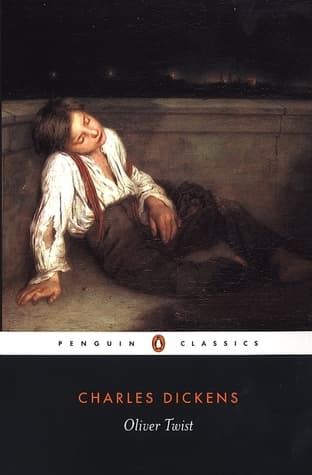
- Oliver Twist
Charles Dickens
3.9 (319k) average on GoodreadsHistorical FictionExplores themes of poverty, villainy, and the struggles of innocent children in Victorian England.
- Les Misérables
Victor Hugo
4.2 (683k) average on GoodreadsHistorical FictionEpic tale of suffering, injustice, and redemption, with a focus on societal outcasts and moral dilemmas.
- Hard Times
Charles Dickens
4.0 (514) average on GoodreadsThrillerCritiques industrial society and focuses on the struggles of working-class individuals and the impacts of harsh realities.
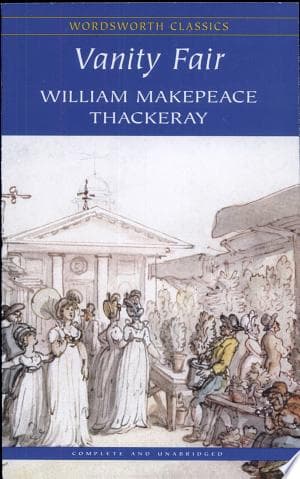
- Vanity Fair
William Makepeace Thackeray
3.8 (118k) average on GoodreadsHistorical FictionThackeray's novel offers a satirical and cynical perspective on Victorian society, directly contrasting Dickens's more empathetic and often sentimental portrayal. Vanity Fair's protagonist, Becky Sharp, is a complex, morally ambiguous character, a significant departure from the idealized innocence of Little Nell, and reflects a different, perhaps more 'realistic,' engagement with human nature and societal ambition.
- To Kill a Mockingbird
Harper Lee
4.3 (4.5M) average on GoodreadsHistorical FictionIn the 1930s Jim Crow South, Harper Lee writes about racial injustice, moral growth, and the quiet courage of a lawyer father, Atticus Finch, as seen through his young daughter's eyes.
- The Great Gatsby
F. Scott Fitzgerald
3.9 (3.8M) average on GoodreadsHistorical FictionIn the opulent Roaring Twenties, a mysterious millionaire's lavish parties hide his desperate, tragic pursuit of a lost love, exposing the emptiness within the American Dream.



Enjoyed the summary?
A summary gives you the shape of the book. The book itself has the detail, the examples and the voice.
Find The Old Curiosity Shop on AmazonAs an Amazon Associate, BookBrief earns from qualifying purchases. How we're funded