
Synopsis
Covers the whole plot, including the ending.
- Difficulty
- Medium
- Pacing
- Moderate
- Mood
- Atmospheric, Melancholy, Epic, Reflective, Suspenseful
- Read it if
- You enjoy epic family sagas, coming-of-age stories in the wilderness, and narratives that explore complex human-animal bonds.
- Skip it if
- You prefer fast-paced thrillers, lighthearted plots, or stories without significant tragedy and emotional intensity.
The Story of Edgar Sawtelle Plot Summary
Covers the whole plot, including the ending.
The Sawtelle Legacy and Edgar's Mute Childhood
The Sawtelle family has a long tradition of breeding and training a special line of dogs on their remote Wisconsin farm. Edgar Sawtelle, born mute, communicates through American Sign Language, which his parents, Gar and Trudy, and their dogs, especially his beloved companion Almondine, understand. The farm operates as a peaceful, self-sufficient world, centered around the dogs and the bond between Edgar and his parents. Gar, a kind and dedicated father, teaches Edgar the details of dog training and the farm's responsibilities, giving him a deep love and understanding of their unique dogs. Edgar's childhood is marked by a deep connection to nature, the dogs, and his family, all living within the quiet rhythms of their isolated life.
Claude's Return and Growing Unease
The peaceful life on the Sawtelle farm is disturbed by the unexpected return of Claude, Gar's charming but troubled younger brother. Claude, who has been away for years, is initially welcomed by Trudy, though Gar remains cautious. Edgar, despite his muteness, observes keenly and immediately feels an unsettling presence from his uncle. Claude's interactions with the family are subtly manipulative. He begins to involve himself in the farm's daily life, often challenging Gar's authority and making Trudy uncomfortable. The dogs, especially Almondine, also show an unusual dislike for Claude, growling and acting defensively in his presence. This further fuels Edgar's unease about his uncle's intentions.
Gar's Sudden Death
One day, while working in the barn, Gar Sawtelle collapses and dies suddenly. The official cause is a sudden aneurysm, but Edgar is very suspicious. He had seen a strange interaction between Gar and Claude shortly before his father's death, involving a vial and a struggle. The tragedy shatters the Sawtelle family. Trudy is grief-stricken and vulnerable, while Edgar is consumed by a silent, strong belief that Claude is responsible for his father's death. The farm is plunged into mourning, and the once lively atmosphere is replaced by a heavy sense of loss and unspoken suspicion. Claude, always present, takes on a more prominent role, seemingly comforting Trudy while subtly taking control of the farm.
Claude's Insinuation and Edgar's Investigation
After Gar's death, Claude quickly secures his position on the farm. He begins to manage the dog kennels and farm operations, and, to Edgar's horror, starts a romantic relationship with Trudy. Edgar, meanwhile, is tormented by his suspicions. He begins a secret investigation, carefully searching for clues that might expose Claude's guilt. He watches Claude's behavior, searches his belongings, and tries to piece together the events leading up to his father's death. His muteness makes it hard to communicate his fears, isolating him in his search for truth, but his determination is strong, driven by grief and a fierce loyalty to his father.
The Ghostly Vision and Edgar's Failed Confrontation
Edgar experiences a vivid, haunting vision of his father's ghost, appearing as a spectral figure in the rain, signing a message about his murder. This supernatural encounter confirms Edgar's belief that Claude is a killer. With this new certainty, Edgar tries to expose Claude during a family dinner. He uses the dogs to reenact the struggle he witnessed, hoping to provoke a confession or show Claude's guilt. However, his plan fails completely. Claude manipulates the situation, making Edgar appear unstable and dangerous. In the chaos that follows, Claude injures one of the dogs, and Edgar, overwhelmed and terrified, flees the farm, believing he has failed and put everyone, especially the dogs, at risk.
Flight into the Wilderness
After the terrible confrontation, Edgar, fearing for his life and the safety of his mother and the dogs, flees the Sawtelle farm. He is accompanied by three young, untrained yearling dogs: Forte, Baboo, and Essay. They go deep into the vast, wild land of northern Wisconsin. Edgar, relying on his deep connection to nature and his natural understanding of dogs, must learn to survive in the wild. He hunts, builds shelter, and protects the yearlings, forming a strong bond with them. This time in exile becomes a test for Edgar, forcing him to grow up quickly and depend only on his instincts and the loyalty of his dog companions.
Survival and Growth in Exile
Life in the wilderness is a constant struggle for Edgar and the three yearlings. They face hunger, harsh weather, and the threat of wild animals. Edgar, despite his muteness, communicates with the dogs through a complex system of signs, gestures, and shared understanding. He teaches them to hunt and survive, and in turn, they give him companionship, protection, and a reason to keep going. This time in exile changes Edgar from a sheltered boy into a resourceful and tough young man. He improves his survival skills, deepens his understanding of animal behavior, and strengthens his bond with Forte, Baboo, and Essay, creating a unique, self-sufficient pack.
Encounters and Temptations
During his time in the wilderness, Edgar meets several people who offer him temporary relief or temptation. He meets Henry, a reclusive trapper who gives him food and shelter. Later, he meets Glen, a kind, lonely man who offers Edgar a chance at a new life away from his past. These encounters challenge Edgar's resolve to return home. He experiences moments of comfort and considers giving up his search for justice. However, the memory of his father, the unfairness, and his responsibility to the Sawtelle legacy and the dogs continue to pull him back towards the farm, reminding him of his unfinished business.
The Return and Reconciliation with Almondine
A strong sense of duty and an urgent feeling that something is wrong compel Edgar to return to the Sawtelle farm. He senses that something is gravely amiss. He approaches cautiously, observing the changes that have happened in his absence. His return is met with a touching reunion with Almondine, who, despite her age and the passage of time, immediately recognizes him. Their silent communication is as strong as ever, showing their lasting bond. Almondine, now older and wiser, becomes an important ally in Edgar's final confrontation, offering silent support and conveying key information through her actions and expressions.
The Final Confrontation
Edgar's return leads to a tense and violent confrontation with Claude. He discovers the full extent of Claude's manipulation and control over Trudy and the farm. The confrontation takes place in the familiar setting of the Sawtelle barn, mirroring the scene of Gar's death. Edgar, now stronger and more determined, uses his understanding of the dogs and his wilderness-honed skills to corner Claude. The conflict is brutal, involving both physical struggle and psychological warfare. Trudy is forced to see the truth about Claude, and the dogs, led by Almondine, play a key role in the unfolding drama, ultimately ensuring justice is served, though at a devastating cost.
Tragedy and Resolution
The final confrontation with Claude ends tragically and violently. In the chaos, Claude is killed, but not without further loss for Edgar. The details of Claude's death are complex, involving both human and canine actions, and leave a lasting impact on Edgar. While justice for Gar is achieved, it comes at a deep personal cost. The event leaves Edgar and Trudy permanently changed, and the Sawtelle legacy is forever marked by the violence that has occurred. Edgar is left to deal with the aftermath, the weight of his actions, and the lasting grief for his father and the other losses he has endured.
Edgar's Departure and Enduring Legacy
After the conflict is resolved, Edgar makes the difficult decision to leave the Sawtelle farm once again. He recognizes that the farm, though his home, is also a place of immense pain and loss. He departs, not as the boy who fled, but as a man shaped by hardship, loyalty, and a deep understanding of life and death. He carries with him the lasting impression of his experiences, the silent language of his communication, and the enduring spirit of the Sawtelle dogs. His journey shows a cycle of loss, justice, and the constant search for belonging, leaving the reader to think about the lasting impact of fate and free will on a young man's life.
The Story of Edgar Sawtelle Characters
Edgar Sawtelle
Protagonist
A mute young man driven by a quest for justice for his father's murder.
Born mute, Edgar communicates through sign language and possesses a deep, intuitive understanding of the Sawtelle dogs. He is observant, sensitive, and fiercely loyal. Initially sheltered, he is forced into a harrowing journey of self-discovery and survival after his father's death. His muteness, while a challenge, also sharpens his other senses and his ability to communicate non-verbally, particularly with animals. He is driven by a profound sense of justice and a deep love for his family and the Sawtelle legacy.
Relationships: Gar Sawtelle (Loving son-father bond, deep admiration); Trudy Sawtelle (Devoted son-mother bond, later strained by Claude); Claude Sawtelle (Antagonistic, suspicious, later vengeful); Almondine (Lifelong companion, best friend, confidante); Forte, Baboo, Essay (Loyal companions, pack members, surrogate family in the wilderness)
Gar Sawtelle
Supporting
Edgar's kind and dedicated father, patriarch of the Sawtelle dog breeding legacy.
Gar is a loving husband and father, deeply committed to his family and the Sawtelle tradition of dog breeding. He is a man of integrity, patience, and profound wisdom, especially in his understanding of animals. He teaches Edgar everything about the farm and the dogs, fostering a strong bond with his mute son. His unexpected and suspicious death sets the entire plot in motion, serving as the central mystery and the catalyst for Edgar's journey. His memory and the injustice of his death continue to guide Edgar throughout the narrative.
Relationships: Edgar Sawtelle (Loving father, mentor); Trudy Sawtelle (Devoted husband); Claude Sawtelle (Estranged brother, wary relationship)
Trudy Sawtelle
Supporting
Edgar's mother, initially strong but vulnerable after her husband's death.
Trudy is a strong, loving, and practical woman who manages the household and supports the Sawtelle dog breeding business. She shares a deep bond with Edgar and is proficient in sign language. After Gar's death, she becomes emotionally vulnerable and is gradually manipulated by Claude, leading to a strained relationship with Edgar. Her grief and subsequent choices create a complex dynamic within the family, forcing Edgar to navigate his loyalty to her against his quest for justice. She represents the fragility of human relationships under duress.
Relationships: Edgar Sawtelle (Loving mother, later conflicted); Gar Sawtelle (Devoted wife); Claude Sawtelle (Initially welcoming, then romantically involved, later horrified)
Claude Sawtelle
Antagonist
Gar's manipulative and resentful brother, who usurps the Sawtelle farm and family.
Claude is Gar's younger brother, charismatic but fundamentally bitter, envious, and dangerous. He has a history of trouble and resentment towards Gar and the Sawtelle legacy. His return to the farm after a long absence marks the beginning of the family's unraveling. He is cunning, manipulative, and ruthless, orchestrating Gar's death and then insidiously taking over the farm and Trudy's affections. He embodies the forces of corruption and betrayal that threaten the idyllic Sawtelle world. His actions drive the entire conflict of the novel.
Relationships: Edgar Sawtelle (Antagonistic, manipulative); Gar Sawtelle (Rivalrous brother, murderer); Trudy Sawtelle (Manipulative lover)
Almondine
Supporting
Edgar's lifelong companion and the most intelligent of the Sawtelle dogs.
Almondine is a Sawtelle dog, Edgar's constant companion from birth, and arguably his closest confidante. She possesses an extraordinary intelligence and an almost human-like understanding, communicating with Edgar through nuanced behaviors and shared intuition. She is fiercely loyal and protective of Edgar, sensing danger and injustice before humans do. Her presence provides Edgar with comfort, guidance, and unwavering support, particularly during his most challenging times. She represents the deep, almost mystical bond between the Sawtelles and their dogs, and the power of non-verbal communication.
Relationships: Edgar Sawtelle (Best friend, soulmate); Gar Sawtelle (Loyal companion); Trudy Sawtelle (Loyal companion)
Forte, Baboo, and Essay
Supporting
Three yearling Sawtelle dogs who accompany Edgar into the wilderness.
These three young Sawtelle dogs—Forte (the leader), Baboo (the cautious), and Essay (the follower)—are untrained yearlings who follow Edgar into exile. They become his pack, his responsibility, and his surrogate family in the wilderness. Edgar trains them to hunt and survive, and in turn, they provide him with vital companionship, protection, and a reason to persevere. Their developing personalities and their bond with Edgar highlight his unique ability to connect with animals and his inherent leadership qualities. They represent the future of the Sawtelle line and Edgar's commitment to its preservation.
Relationships: Edgar Sawtelle (Leader, trainer, protector); Almondine (Fellow Sawtelle dogs)
Henry
Supporting
A reclusive trapper who offers Edgar temporary refuge in the wilderness.
Henry is a solitary, pragmatic trapper whom Edgar encounters during his exile in the wilderness. He lives a self-sufficient life, deeply connected to nature. Henry provides Edgar with food, shelter, and a brief respite from his journey, offering a glimpse into an alternative way of life. He represents a sense of rugged independence and the practicality of survival. His presence allows Edgar to reflect on his situation and consider choices beyond his quest for justice, though ultimately, Edgar's destiny lies elsewhere.
Relationships: Edgar Sawtelle (Temporary mentor, benefactor)
Glen
Supporting
A lonely man who offers Edgar a chance at a new life away from the farm.
Glen is another individual Edgar encounters in the wilderness, a kind but lonely man who takes Edgar and the yearlings in. He offers Edgar a chance at a new life, away from the troubles of the Sawtelle farm, providing a sense of stability and a glimpse of what a life of anonymity could be. Glen's genuine desire to help and his quiet companionship provide Edgar with a powerful temptation to abandon his quest for justice. He represents the possibility of escape and a different future, one free from the burdens of his past.
Relationships: Edgar Sawtelle (Temporary benefactor, potential new family)
The Story of Edgar Sawtelle Themes
The Nature of Communication and Language
The novel deeply explores communication beyond spoken words, especially through Edgar's muteness and his unique bond with the Sawtelle dogs. Edgar's main language is American Sign Language, but his deepest connections often come from intuition, gesture, and shared understanding with the dogs, especially Almondine. This theme highlights the limits of verbal language and the richness of non-verbal forms, showing how true understanding can go beyond typical speech. It also highlights Edgar's isolation and the challenges he faces in telling complex truths to those who only understand spoken words, as seen when he fails to expose Claude.
“What Edgar knew, he knew through his hands, through his eyes, through his dogs.”
Loyalty and Betrayal
Loyalty is a core theme, shown by the steady devotion of the Sawtelle dogs to Edgar and the family. Almondine's lifelong companionship and the yearlings' faithfulness in the wilderness are examples of deep loyalty. This contrasts sharply with betrayal, mainly shown by Claude, who betrays his brother, his family, and the trust placed in him. Edgar's search for justice is driven by his loyalty to his father's memory and the Sawtelle heritage, forcing him to face the ultimate betrayal. The conflict between these two forces drives the story.
“A dog's love is a terrible thing. You can't deny it. With a dog, it's a given.”
Justice and Vengeance
Edgar's journey is a search for justice for his father's murder. At first driven by a silent, strong need to expose Claude, his path blurs the lines between seeking justice and taking revenge. His actions, especially the final confrontation, are motivated by a desire to correct a wrong and protect his family's honor. The novel looks at the moral complexities of such a quest, questioning the costs and results of getting justice when it involves violence and personal sacrifice. The resolution, while ending Claude's tyranny, leaves a lasting impact on Edgar, suggesting the high price of personal retribution.
“Justice was a thing of the living, a thing of the future. Vengeance was a thing of the past.”
The Wilderness as a Crucible
The vast, wild land of northern Wisconsin is a strong symbolic and literal test for Edgar's change. When he flees the farm, he is a boy; when he returns, he is a man shaped by the harsh realities of survival. The wilderness removes the comforts of civilization, forcing Edgar to rely on his instincts, his connection to nature, and his bond with the dogs. It is a place of both great danger and great growth, where he learns toughness, resourcefulness, and a deeper understanding of life and death. His time in the wild is essential to his growth and his ability to face his destiny.
“The wild was a teacher, and a hard one.”
Family Legacy and Destiny
The Sawtelle family is defined by its unique heritage of breeding and training dogs, a tradition passed down through generations. Edgar is born into this heritage, and his identity is linked to it. His father's murder and Claude's takeover threaten to destroy this heritage. Edgar's search for justice is also a fight to reclaim and protect his family's heritage, not just of the dogs, but of honor and integrity. The novel explores themes of inherited fate, the weight of tradition, and the choices people make to either uphold or defy their family's past. Edgar's eventual departure suggests a complex relationship with this heritage.
“The Sawtelle dogs were not merely dogs. They were a living history, a breathing lineage.”
Plot Devices & Literary Techniques
Muteness as a Catalyst
Edgar's inability to speak amplifies his other senses and drives the narrative's unique communication.
Edgar's muteness is more than a character trait; it is a central plot device. It forces him to develop heightened observational skills and a profound ability to communicate non-verbally, especially with his dogs. This unique form of communication is vital to his understanding of events, particularly his suspicions about Claude. It also creates dramatic tension, as Edgar struggles to convey the truth to those who cannot understand his signs, leading to his isolation and ultimately his flight into the wilderness. His muteness makes his quest for justice a silent, internal battle, externalized only through his actions and the reactions of his loyal dogs.
The Sawtelle Dogs
A unique breed of intelligent dogs serving as companions, communicators, and symbols.
The Sawtelle dogs are not just pets; they are integral to the plot, acting as companions, witnesses, and even agents of justice. Their extraordinary intelligence allows them to understand human emotions and intentions, particularly Edgar's. Almondine, in particular, serves as a confidante and a silent communicator, often conveying truths that Edgar cannot. The dogs' reactions to Claude are crucial early warnings. Their training and unique abilities are central to the family's identity and livelihood, and their presence elevates the narrative beyond a simple human drama, creating a rich tapestry of interspecies connection and loyalty. They are both a source of comfort and a means to an end for Edgar.
The Ghostly Vision
A supernatural appearance of Gar's ghost, confirming Claude's guilt.
The appearance of Gar Sawtelle's ghost to Edgar is a pivotal plot device, serving as the definitive confirmation of Claude's guilt. This supernatural event transcends Edgar's suspicions and provides him with undeniable proof, compelling him to act. The vision, described vividly in the rain, functions as a direct communication from the deceased, effectively bypassing Edgar's muteness and the limitations of human communication. It serves as a classic literary trope (reminiscent of Hamlet) to propel the protagonist into action, solidifying his resolve for justice and setting the stage for the dramatic confrontation that follows.
The Wilderness Exile
A period of forced isolation and survival that transforms Edgar.
Edgar's flight into the wilderness is a crucial plot device that serves multiple functions. It removes him from the immediate danger of Claude, allows him to mature and develop essential survival skills, and deepens his bond with the yearling dogs. This period of isolation is a rite of passage, transforming him from a vulnerable boy into a capable young man. It also provides a narrative pause, allowing the reader to witness Edgar's internal growth and preparation for his eventual return and confrontation. The wilderness acts as both a sanctuary and a harsh teacher, shaping him for the challenges ahead.
The Story of Edgar Sawtelle Quotes
“He knew that the world was a place of broken things, and that the only way to mend them was to love them.”
“The hardest part of any journey is taking the first step.”
“Every dog has its day, and every man has his, too.”
“There was a language in the world that only dogs could understand, and Edgar was learning to speak it.”
“Grief was a thing that needed to be worked, like a stubborn field. You couldn't just let it lie fallow.”
“The past was a country from which no one ever truly emigrated.”
“Sometimes the best thing you can do is just keep walking, even when you don't know where you're going.”
“A man’s life was a series of choices, each one leading to the next, until there were no more choices left.”
“The world was full of signs, if you only knew how to read them.”
“Loyalty was a heavy burden, but it was also a great gift.”
“Some things, once broken, could never be made whole again, no matter how hard you tried.”
“Silence was not empty; it was full of things unsaid, things understood.”
“The truest measure of a man was not how he died, but how he lived.”
“Every creature has a purpose, and sometimes that purpose is just to be.”
Quiz
10 questions on the plot and the characters. Each answer comes with a short explanation.
Question 1
What is the name of Edgar Sawtelle's lifelong canine companion and friend?
- Odin
- Almondine
- Forte
- Ophelia
Show answer
B. Almondine Almondine is explicitly mentioned as Edgar's lifelong friend and ally, a key character among the Sawtelle dogs.
Question 2
What is the primary physical challenge Edgar Sawtelle faces from birth?
- Blindness
- Deafness
- Muteness
- A physical disability requiring a wheelchair
Show answer
C. Muteness The description states Edgar is 'born mute, speaking only in sign,' which is a central aspect of his character.
Question 3
Who is Claude in relation to Edgar Sawtelle?
- His maternal uncle
- A family friend
- His paternal uncle
- His grandfather
Show answer
C. His paternal uncle The synopsis clearly states that Claude is 'Edgar's paternal uncle,' whose unexpected return precipitates the family's troubles.
Question 4
What event immediately precedes Claude's insinuation into the Sawtelle family life and Edgar's mother's affections?
- A devastating fire on the farm
- Edgar's father's sudden death
- Edgar's mother's decision to leave the farm
- The birth of a new litter of Sawtelle dogs
Show answer
B. Edgar's father's sudden death The text states, 'When Edgar's father dies suddenly, Claude insinuates himself into the life of the farm—and into Edgar's mother's affections,' establishing a direct causal link.
Question 5
What is Edgar's initial motivation after his father's death?
- To leave the farm and explore the world
- To prove Claude's involvement in his father's death
- To take over the Sawtelle dog training business
- To seek comfort from his mother and Almondine
Show answer
B. To prove Claude's involvement in his father's death Grief-stricken and bewildered, Edgar 'tries to prove Claude played a role in his father's death,' which is his primary goal.
Question 6
Where does Edgar flee after his plan to expose Claude backfires?
- To a neighboring town
- To the vast wilderness beyond the farm
- To live with distant relatives
- To a boarding school
Show answer
B. To the vast wilderness beyond the farm After his plan backfires, Edgar is 'forced to flee into the vast wilderness lying beyond the farm,' beginning his coming-of-age journey.
Question 7
What is the unique characteristic of the dogs raised and trained by the Sawtelle family for generations?
- They are exceptionally fast racing dogs.
- They are a fictional breed known for their thoughtful companionship.
- They are trained exclusively for hunting large game.
- They possess an unusual ability to communicate with humans.
Show answer
B. They are a fictional breed known for their thoughtful companionship. The description highlights that the Sawtelles 'have raised and trained a fictional breed of dog whose thoughtful companionship is epitomized by Almondine.'
Question 8
What is a central theme explored in 'The Story of Edgar Sawtelle' according to the provided text?
- The challenges of urban life and industrialization
- A brilliant exploration of the limits of language
- The history of dog breeding in America
- The pursuit of fame and fortune
Show answer
B. A brilliant exploration of the limits of language The text explicitly states the book is 'a brilliant exploration of the limits of language,' which is particularly relevant given Edgar's muteness.
Question 9
What ultimately draws Edgar back towards the farm after his time in the wilderness?
- His desire to inherit the Sawtelle farm and its wealth.
- His need to face his father's murderer and his devotion to the Sawtelle dogs.
- A message from his mother asking him to return.
- The onset of winter making survival in the wild impossible.
Show answer
B. His need to face his father's murderer and his devotion to the Sawtelle dogs. The synopsis concludes that 'his need to face his father's murderer and his devotion to the Sawtelle dogs turn Edgar ever homeward,' indicating his dual motivations.
Question 10
Which of the following elements is NOT specifically mentioned as contributing to the 'breathtaking scenes' created by the author?
- The elemental north woods
- The sweep of seasons
- A bustling city market
- An iconic American barn
Show answer
C. A bustling city market The text lists 'the elemental north woods, the sweep of seasons, an iconic American barn, a fateful vision rendered in the falling rain' as elements, but makes no mention of a 'bustling city market.'
The Story of Edgar Sawtelle FAQ
What is the central conflict that propels Edgar's journey in 'The Story of Edgar Sawtelle'?
The central conflict arises from the sudden death of Edgar's father, Gar, under suspicious circumstances, and the subsequent return of his enigmatic uncle, Claude. Edgar, who is mute, believes Claude is responsible for his father's demise and feels compelled to uncover the truth, which ultimately leads to his dramatic flight from the farm.
Who is Almondine, and what role does she play in Edgar's life?
Almondine is Edgar's loyal and intelligent dog, a member of the fictional Sawtelle breed, who has been his constant companion since birth. She serves as his closest confidante and an extension of his own senses, understanding his signed language and providing unwavering emotional support throughout his trials and exile.
How does Edgar's muteness impact his interactions and his ability to navigate the world?
Edgar's muteness profoundly shapes his communication, relying on sign language with his family and the unique understanding shared with the Sawtelle dogs. This limitation often isolates him from the wider world and contributes to his difficulty in expressing his suspicions about Claude, making him feel unheard and misunderstood by those who cannot sign.
What is the significance of the Sawtelle dogs and their unique abilities?
The Sawtelle dogs are a specially bred line known for their exceptional intelligence, empathy, and ability to understand human communication, particularly Edgar's sign language. They are not merely pets but integral family members and working partners on the farm, embodying loyalty and an almost mystical connection to their human handlers.
What event forces Edgar to flee the Sawtelle farm into the wilderness?
Edgar is forced to flee after a confrontation with Claude, during which he attempts to expose Claude's role in Gar's death, but his plan goes awry. In the ensuing chaos, which involves a fire and a perceived threat to his mother, Edgar's actions are misinterpreted, leading him to believe he is a fugitive and must escape.
How does the novel subtly reference Shakespeare's 'Hamlet'?
The novel draws clear parallels to 'Hamlet' through its central plot: a son (Edgar) whose father (Gar) dies suspiciously, an uncle (Claude) who marries the widowed mother (Ida) and takes over the family estate, and the son's quest for revenge. Even the appearance of Gar's ghost-like presence in Edgar's mind echoes Hamlet's encounter with his father's spirit.
What is the significance of the 'fateful vision rendered in the falling rain' mentioned in the synopsis?
This refers to the recurring motif of Edgar's 'seeing' or vivid premonitions, often associated with rain or moments of intense emotional clarity. These visions, sometimes involving Gar or clues about his death, serve as a non-verbal guide for Edgar, hinting at truths he cannot verbally articulate or confirm.
Are there any symbolic interpretations of the wilderness Edgar escapes to?
The wilderness symbolizes both a refuge and a crucible for Edgar's coming-of-age. It is a place of primal survival where he must hone his instincts and leadership with the yearlings, but it also represents his isolation and the raw, untamed aspects of his grief and desire for justice, stripped of the comforts of civilization.
What is the implied meaning behind Claude's character and his motivations?
Claude is largely driven by a combination of envy, resentment, and a desire for what he perceives as his rightful place within the Sawtelle family and farm. His motivations stem from a long-standing sibling rivalry with Gar and a deep-seated bitterness, leading him to usurp Gar's life and legacy.
How does Edgar's relationship with the three yearling dogs evolve during his time in the wilderness?
Initially, the yearlings are simply followers, but during their time in the wilderness, Edgar assumes a leadership role, teaching them to hunt and survive. He forms a deep, almost telepathic bond with them, relying on their instincts and loyalty, and they become his surrogate family and a reflection of his own resilience.
Discuss the psychological impact of Edgar's muteness on his identity and self-perception.
Edgar's muteness profoundly shapes his identity, making him acutely observant and reliant on non-verbal communication, especially with his dogs. It also creates a sense of otherness and frustration, as he struggles to make himself understood and to assert his truth in a world that prioritizes spoken language, leading to internal isolation.
What is the ultimate fate of Almondine, and what does it signify?
Almondine ultimately dies, sacrificing herself to protect Edgar during a crucial confrontation. Her death signifies the ultimate act of loyalty and love, mirroring her role as his protector throughout his life. It also marks a profound loss for Edgar, symbolizing the severing of his deepest, most intuitive connection to his past and his unique way of communicating.
How does the novel explore the 'limits of language'?
The novel explores the limits of language through Edgar's muteness and his reliance on sign language and the intuitive understanding of the Sawtelle dogs. It highlights how spoken words can be inadequate, misleading, or even unnecessary, suggesting that deeper truths and connections can exist beyond verbal expression, yet also acknowledging the profound challenges of being voiceless in a speaking world.
Is Edgar's revenge successful, and does he find peace at the end of the book?
Edgar's 'revenge' is complex and not a straightforward triumph. While Claude's culpability is exposed and he meets his end, Edgar's actions lead to further tragedy and loss, including Almondine's death and his own ultimate sacrifice. He finds a form of peace in fulfilling his destiny and protecting his legacy, but it comes at a very high personal cost, leaving the reader with a sense of bittersweet resolution rather than unadulterated triumph.
What is the significance of the Sawtelle farm itself as a setting?
The Sawtelle farm is more than just a setting; it's a character in itself, representing heritage, tradition, and the deep connection between the family, their dogs, and the land. It is a symbol of stability and idyllic life that is tragically disrupted, and its eventual fate reflects the culmination of the family's saga.
How does Ida, Edgar's mother, cope with the tragedies she faces?
Ida's coping mechanisms are complex and often fraught with denial and emotional turmoil. She initially seeks comfort in Claude after Gar's death, struggling to reconcile her grief with her desire for security and companionship. Her journey involves a slow, painful awakening to Claude's true nature and the devastating consequences of her choices, forcing her to confront harsh realities.
What role does the character of Henry play in the story?
Henry is a long-time family friend and veterinarian who serves as a grounding presence and a source of support for the Sawtelles. He provides practical assistance, a link to the outside world, and offers a perspective rooted in loyalty and common sense, often acting as a silent observer to the unfolding drama.
About the author

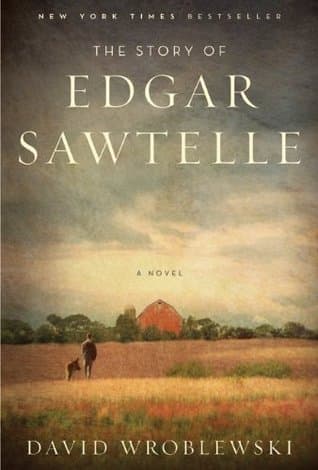
David Wroblewski is an American author best known for his debut novel, The Story of Edgar Sawtelle. This critically acclaimed novel, a New York Times bestseller, explores themes of loyalty, identity, and the complex relationship between humans and dogs. Wroblewski's writing is often praised for its rich prose and compelling narrative style.
Similar books
- Hamlet
William Shakespeare
4.0 (501) average on GoodreadsYoung AdultA modern retelling of the classic revenge tragedy, with a mute protagonist.
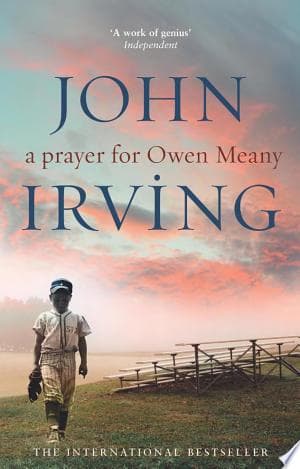
- A Prayer For Owen Meany
John Irving
4.2 (286k) average on GoodreadsLiterary FictionExplores destiny, faith, and a unique protagonist within a rich, character-driven narrative.
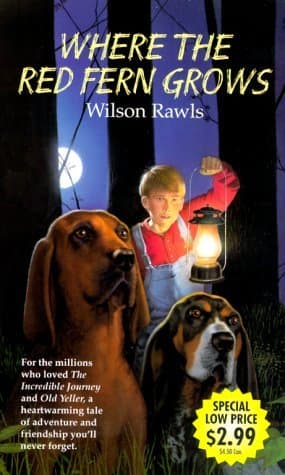
- Where the Red Fern Grows
Wilson Rawls
4.1 (342k) average on GoodreadsChildren'sFocuses on the profound bond between a boy and his dogs, with themes of loss and loyalty.
- Life of Pi
Yann Martel
3.9 (1.3M) average on GoodreadsFantasyWhile both novels feature a protagonist in exile with an animal companion, Martel's Life of Pi is more allegorical and philosophical, focusing on faith and storytelling, whereas Wroblewski's novel is grounded in the gritty realism of a specific craft (dog breeding) and a more direct reinterpretation of a classical tragedy.
- The Secret History
Donna Tartt
3.9 (2k) average on GoodreadsPoliticsBoth novels reinterpret classical narratives, but Tartt's The Secret History applies Greek tragedy to an academic, intellectual elite setting, focusing on moral ambiguity and consequence. Wroblewski's novel, conversely, grounds its classical echoes in a distinctly American, rural context, emphasizing familial legacy, the natural world, and a more straightforward tragic arc.
- The Old Man and the Sea
Ernest Hemingway
3.8 (831k) average on GoodreadsLiterary FictionA Cuban fisherman's long struggle with a giant marlin becomes a story of endurance and dignity, now retold for young adults with illustrations, phonetic guides, and writing prompts in Traditional Chinese.




Enjoyed the summary?
A summary gives you the shape of the book. The book itself has the detail, the examples and the voice.
Find The Story of Edgar Sawtelle on AmazonAs an Amazon Associate, BookBrief earns from qualifying purchases. How we're funded