

Core Idea
- Difficulty
- Medium
- Read it if
- You appreciate deeply personal memoirs exploring male friendship, the medical world, and the devastating impact of addiction with literary grace.
- Skip it if
- You prefer fast-paced narratives or are uncomfortable with detailed accounts of addiction and the emotional toll it takes.
Key Takeaways from The Tennis Partner
The Court as Confessional
Tennis transcends sport, becoming a crucible for male intimacy and vulnerability.
Verghese shows how the tennis court, a simple recreational space, becomes a place for male connection. The competition offers a way for intense interaction, allowing inhibitions to drop. Unlike therapy, the physical activity and game focus create a space where emotional truths can appear as a side effect of the shared experience. The rhythm of rallies, shared wins and losses, and quiet friendship build a bond that bypasses typical male reserve, allowing for a deep intimacy. This is not just about playing tennis; it is about playing out relationship complexities in real-time, disguised as sport.
“On the tennis court, the usual masks we wear in life came off. Here, we were just two men, stripped down to our competitive core, but also to something more vulnerable.”
In the book: The recurring descriptions of their daily tennis matches, the post-game conversations in the locker room, and the gradual revelation of David's past addiction and Verghese's marital struggles, all facilitated by the routine of their games.
Try this: Seek out shared physical activities or structured hobbies as a pathway to deeper connection in friendships, especially for men. The activity provides a 'third thing' to focus on, allowing intimacy to develop organically rather than through direct, potentially uncomfortable, emotional confrontation.
Related ideas: male-friendship, vulnerability, shared-activities
The Doctor's Dilemma
The blurred lines between physician, friend, and savior create ethical and emotional minefields.
Verghese, a physician, finds himself in a complicated spot with David, a medical student recovering from addiction. The power dynamic of mentor-mentee and physician-patient (even informal) conflicts with their growing friendship. This creates an ethical challenge as Verghese tries to keep professional boundaries while offering personal support. The book shows the emotional cost of this dual role, highlighting how wanting to help a friend can lead to over-involvement and blurred responsibilities. It makes the reader consider the limits of friendship when one person holds professional authority, especially with sensitive issues like substance abuse.
“I was his doctor, his friend, his mentor. The roles blurred, and in that blurring, lay a danger I only fully understood much later.”
In the book: Verghese's internal monologues about his responsibility towards David, his attempts to intervene or offer advice, and the increasing frustration when David's relapses challenge his medical understanding and personal trust.
Try this: Be acutely aware of professional boundaries when befriending individuals in vulnerable positions, especially within your own field. Recognize that genuine care can inadvertently lead to codependency or ethical compromises if roles are not clearly defined and maintained.
Related ideas: professional-ethics, mentor-mentee, boundaries
Addiction's Insidious Grip
Relapse is not a failure of will, but a symptom of a deeply entrenched disease.
"The Tennis Partner" offers a raw look at drug addiction, especially the reality of relapse. Through David's story, Verghese breaks down simple ideas of 'choice' and 'willpower,' instead showing addiction as a chronic, relapsing brain disease. The story depicts recovery as a continuous, uncertain process, and how even strong bonds and personal goals may not withstand the pull of the substance. It highlights the despair of those watching addiction progress and how it undermines trust, hope, and support systems. The book is a reminder that addiction is a complex medical issue needing understanding and compassion, not judgment.
“Addiction is a beast with many heads, and even when you think you've slain one, another can emerge from the shadows.”
In the book: David's repeated relapses despite his intelligence, his desire to become a doctor, and the strong support system he finds in Verghese. The detailed descriptions of David's behavior changes during active addiction and the subsequent guilt and shame.
Try this: Cultivate empathy and understanding for individuals struggling with addiction, recognizing it as a disease rather than a moral failing. Support evidence-based recovery programs and advocate for compassionate care, understanding that relapse is often part of the recovery process.
Related ideas: addiction-recovery, relapse, empathy
The Illusion of Control
Even a physician's expertise cannot guarantee the salvation of a loved one.
A key lesson from the book is the understanding that even with medical knowledge, deep personal connection, and good intentions, one cannot control another person's choices or future, especially with addiction. Verghese, a skilled physician, struggles with his inability to 'fix' David. This part of the story contrasts with heroic portrayals of doctors; it shows the limits of medicine and the emotional devastation when professional training meets personal helplessness. It is a statement on the importance of letting go and accepting that love and support, while essential, do not mean omnipotence.
“As a doctor, I was trained to fix things, to cure. With David, I learned the humbling lesson that some things are simply beyond our control, no matter how much we wish otherwise.”
In the book: Verghese's repeated attempts to guide David, his frustration and despair when David makes choices that lead to relapse, and the ultimate tragic outcome despite all his efforts.
Try this: Practice acceptance and detachment in relationships where you feel a strong urge to 'fix' someone, particularly with complex issues like addiction. Focus on providing support and setting healthy boundaries rather than attempting to control outcomes.
Related ideas: co-dependency, acceptance, helplessness
The Fragility of Trust
Addiction erodes the foundations of trust, leaving a trail of broken promises and fractured relationships.
Verghese details the slow, painful breakdown of trust that comes with David's addiction. Each relapse, lie, and missed appointment erodes their friendship. The book shows how hard it is to trust someone who repeatedly breaks that trust, even when understanding the underlying disease. This is not a story of one betrayal, but of a steady assault on their bond. It highlights the emotional cost of living with or loving someone in active addiction, where hope is constantly undermined by disappointment, and believing in future promises becomes harder.
“Each broken promise, each deception, was a chip taken from the edifice of our friendship. Eventually, there wasn't much left to stand on.”
In the book: Verghese's internal struggle with David's inconsistent behavior, the broken commitments, and the repeated disappointments that test his capacity for forgiveness and belief.
Try this: Recognize that trust is built on consistency and reliability. When dealing with individuals whose behavior is unpredictable due to addiction or other challenges, adjust expectations accordingly and prioritize self-preservation by establishing clear boundaries around trust.
Related ideas: broken-trust, deception, relationship-dynamics
The Search for Meaning
Personal crises often drive us to seek profound connections and redefine our purpose.
Verghese moves to El Paso because his marriage is falling apart, leaving him adrift. His friendship with David and their shared love for tennis fills a void in his life. The book explores how personal crises can lead people to form unexpected bonds and find meaning in new places. It shows the human need for connection and belonging, and how these needs can be met in unforeseen ways, even if those circumstances later bring more heartbreak. For Verghese, the relationship becomes a way to reflect on himself and re-evaluate his life's direction.
“In the wreckage of my own marriage, I found myself searching for something to anchor me, something real and tangible. David, and our tennis, became that anchor for a time.”
In the book: Verghese's initial loneliness and emotional vulnerability after his marriage breakdown, and how the friendship with David provides solace and a sense of shared experience during this period.
Try this: During times of personal upheaval, remain open to new connections and experiences. These can provide unexpected sources of support, meaning, and self-discovery, even if the relationships themselves prove to be transient or challenging.
Related ideas: personal-crisis, self-discovery, human-connection
The Legacy of Influence
Even tragic relationships leave indelible marks, shaping who we become.
Despite the tragic path of David's life and the heartbreak it causes Verghese, the book suggests that even difficult relationships leave a lasting impact. David's story, with its honesty about addiction, ambition, and vulnerability, makes Verghese confront his own ideas about life, medicine, and human nature. The experience shapes him, making him a more empathetic physician and a more thoughtful person. This takeaway emphasizes that not all meaningful relationships are always positive; some teach us through challenges and heartbreaks, leaving a complex but rich legacy of wisdom and understanding.
“David's story, for all its sadness, became a part of my own. He taught me lessons I could not have learned any other way.”
In the book: Verghese's reflective tone throughout the book, his later writings, and his explicit statements about how David's experience changed his perspective on medicine and life.
Try this: Reflect on past difficult relationships and identify the lessons learned, even from painful experiences. Acknowledge how these interactions, both positive and negative, have contributed to your personal growth and understanding of the world.
Related ideas: personal-growth, legacy, reflection
The Power of Narrative
Stories, especially those of flawed humanity, offer profound insights into the human condition.
Verghese, a skilled storyteller, uses David's life story not just as a personal memoir, but as a way to explore universal themes of ambition, addiction, friendship, and loss. The book shows how stories can explain complex human experiences, letting readers understand struggles they may never face. By recounting David's life, Verghese turns a personal tragedy into a compelling study of the human condition, showing how individual stories can resonate widely and offer insights into life and death, success and failure, connection and isolation. It shows the value of sharing our truths.
“Every patient, every friend, carries a story. And it is in these stories that we find our shared humanity, our triumphs and our tragedies.”
In the book: The entire structure of the book, which meticulously details David's background, his struggles, his triumphs, and his eventual decline, framed by Verghese's own reflections.
Try this: Engage with diverse narratives and stories, whether through books, documentaries, or personal conversations, to broaden your empathy and understanding of the human experience. Consider sharing your own stories to connect with others on a deeper level.
Related ideas: storytelling, human-condition, empathy
Hope's Persistent Flicker
Even in the darkest moments, the human capacity for hope endures, however fragile.
Throughout David's difficult journey and Verghese's emotional ups and downs, the story has moments where hope, however brief, returns. Whether it is David's periods of sobriety, his renewed commitment to medical school, or Verghese's belief in his friend's potential, the book subtly explores human resilience and the desire for a positive outcome. Even with repeated setbacks and tragedy, the presence of hope, even if unfulfilled, speaks to a basic part of human experience: the refusal to give up on the possibility of a better future. This persistent flicker keeps both David striving and Verghese invested.
“Even when all seemed lost, a tiny flicker of hope persisted, a stubborn belief that things could still turn around, that redemption was always possible.”
In the book: David's multiple attempts at recovery, his periods of academic success, and Verghese's continued efforts to support and believe in him, even after numerous disappointments.
Try this: Cultivate and protect your own sense of hope, even amidst challenges. Recognize that hope is a vital psychological resource that can sustain you through difficult times, even if it doesn't guarantee a specific outcome.
Related ideas: resilience, optimism, human-spirit
The Unspoken Language of Men
Male friendships often thrive on shared activities and unspoken understanding rather than overt emotional expression.
Verghese observes how men often form and maintain close friendships. Unlike some female friendships with direct emotional sharing, the bond between Verghese and David deepens through their shared activity—tennis. The court becomes a place where unspoken understanding, mutual respect, and vulnerability are communicated through actions, effort, and shared experience rather than explicit words. This highlights a common dynamic in male relationships, where intimacy is built through 'doing' together, creating a safe space for connection without the pressure of constant emotional talk. It is a nuanced look at how men connect, often relying on a strong, non-verbal language of camaraderie.
“We didn't need to dissect our feelings with words; the rhythm of the game, the shared sweat, the silent understanding across the net, spoke volumes.”
In the book: The detailed descriptions of their tennis matches, the implicit understanding between them on the court, and the way their conversations often revolved around the game or external events, with deeper emotional truths emerging more indirectly.
Try this: When seeking to deepen male friendships, prioritize shared activities and experiences. Recognize that meaningful connection can be forged through doing things together, allowing for a more natural and less pressured expression of camaraderie and support.
Related ideas: male-intimacy, non-verbal-communication, camaraderie
The Tennis Partner Quotes
“There are times when the best thing to do is nothing. And there are times when the only thing to do is something.”
“The greatest gift you can give someone is the gift of your time, because when you give your time, you are giving a portion of your life that you will never get back.”
“Friendship is not about who you've known the longest. It's about who walked into your life, said 'I'm here for you,' and proved it.”
“In medicine, as in life, we are constantly making decisions based on incomplete information. The art is to make the best decision with what you have.”
“We are all broken, that's how the light gets in.”
“The game of tennis, like life, is a game of inches. Every point matters, every shot counts.”
“Hope is a good thing, maybe the best of things, and no good thing ever dies.”
“The things we do for love, and the things we do to avoid loneliness, are often intertwined.”
“There is a dignity in simply showing up, in being present, even when you feel you have nothing to offer.”
“To be a good doctor, you have to be a good listener. To be a good friend, you have to be a good listener.”
“Sometimes the greatest lessons are learned not from success, but from failure and the grace with which we pick ourselves up.”
“The human body is an amazing machine, but it's also incredibly fragile. We forget that at our peril.”
“The beauty of a true partnership, on the court or in life, is that you are both trying to lift each other up, to make the other better.”
“Memory is a tricky thing. It colors our past, shapes our present, and influences our future.”
Quiz
10 questions on the main ideas. Each answer comes with a short explanation.
Question 1
What is the primary reason Abraham Verghese relocates to El Paso, Texas, at the beginning of the memoir?
- To pursue a new research opportunity.
- To make a fresh start after his marriage began unraveling.
- To be closer to his family.
- To take a sabbatical from medicine.
Show answer
B. To make a fresh start after his marriage began unraveling. The memoir states that Abraham Verghese moves to El Paso hoping to make a fresh start as his marriage is unraveling.
Question 2
What is David Smith's profession or role when Abraham Verghese first meets him?
- A fellow staff physician.
- A medical student.
- A professional tennis player.
- A hospital administrator.
Show answer
B. A medical student. David Smith is introduced as a medical student recovering from drug addiction when Verghese meets him at the county hospital.
Question 3
What shared activity forms the core of Abraham and David's developing friendship?
- Running marathons.
- Playing chess.
- A regular tennis ritual.
- Attending medical conferences.
Show answer
C. A regular tennis ritual. The book description explicitly states that the two men begin a tennis ritual that allows them to shed their inhibitions.
Question 4
What significant personal struggle is David Smith recovering from when he meets Abraham Verghese?
- A severe physical injury.
- A recent divorce.
- Drug addiction.
- Academic probation.
Show answer
C. Drug addiction. The memoir highlights David Smith as a medical student recovering from drug addiction.
Question 5
How does the tennis ritual impact the relationship between Abraham and David, according to the description?
- It creates a competitive rivalry that strains their bond.
- It allows them to shed inhibitions and find security with each other.
- It becomes a professional networking opportunity.
- It serves as a distraction from their personal problems.
Show answer
B. It allows them to shed inhibitions and find security with each other. The description states that the tennis ritual allows them to shed their inhibitions and find security in the sport and with each other, leading to a rich and complex friendship.
Question 6
What ultimately threatens the stability and trust in Abraham Verghese's life and his friendship with David?
- A disagreement over medical ethics.
- David's decision to move away from El Paso.
- The re-emergence of David's past struggles.
- Abraham's own relapse into marital issues.
Show answer
C. The re-emergence of David's past struggles. The description clearly states that 'the dark beast from David’s past emerges once again—and almost everything Verghese has come to trust and believe in is threatened as David spirals out of control.'
Question 7
The memoir explores the theme of 'how men live and how they survive.' Which aspect of the narrative most directly illustrates this theme?
- The detailed descriptions of medical procedures at the county hospital.
- The intimate and complex friendship between Abraham and David, including their vulnerabilities.
- The competitive nature of professional tennis.
- Abraham's personal reflections on his dissolving marriage.
Show answer
B. The intimate and complex friendship between Abraham and David, including their vulnerabilities. The core of the story is the friendship between Abraham and David, where they find security and allow intimacy, illustrating how men navigate life and challenges through their relationships, especially in the face of David's past struggles.
Question 8
How does Abraham Verghese's role as a physician influence his perspective and engagement with David's struggles?
- It makes him purely objective and detached, observing David's issues clinically.
- It provides him with a professional framework to understand and empathize with David's recovery and relapse.
- It prevents him from forming a truly personal bond due to professional boundaries.
- It leads him to prescribe medication for David's addiction.
Show answer
B. It provides him with a professional framework to understand and empathize with David's recovery and relapse. As a physician, Verghese brings a unique understanding to David's medical student status and his recovery from addiction, allowing for a deeper, more empathetic engagement with David's journey, rather than a purely detached or solely personal one.
Question 9
The description mentions the friendship growing 'more intimate than two men usually allow.' What does this imply about the nature of their bond?
- It suggests a romantic relationship develops between them.
- It highlights a profound emotional closeness and vulnerability that transcends typical male friendships.
- It refers to their shared professional secrets within the medical field.
- It means they become roommates and share living spaces.
Show answer
B. It highlights a profound emotional closeness and vulnerability that transcends typical male friendships. The phrase 'more intimate than two men usually allow' refers to a depth of emotional connection, trust, and shared vulnerability that goes beyond conventional male friendships, not necessarily romantic or professional secrets.
Question 10
The memoir is described as 'unforgettable, illuminating.' What aspect of the story contributes most to its 'illuminating' quality?
- Its detailed historical account of El Paso in the late 20th century.
- Its exploration of complex human relationships, vulnerability, and the challenges of survival.
- Its technical insights into advanced tennis strategies.
- Its exposé of the inner workings of a county hospital.
Show answer
B. Its exploration of complex human relationships, vulnerability, and the challenges of survival. The 'illuminating' quality stems from the memoir's deep dive into the complexities of human connection, the struggles of addiction, and how individuals cope and survive, particularly through the lens of the unique friendship between Abraham and David.
The Tennis Partner FAQ
What is 'The Tennis Partner' about?
'The Tennis Partner' is a memoir by Abraham Verghese, chronicling his deep and complex friendship with David Smith, a medical student and recovering drug addict, forged over their shared love for tennis. It explores themes of male friendship, addiction, trust, and the challenges of recovery.
Is 'The Tennis Partner' a true story?
Yes, 'The Tennis Partner' is a non-fiction memoir. Abraham Verghese recounts his personal experiences and his real-life friendship with David Smith, making it an authentic and deeply personal narrative.
Does 'The Tennis Partner' focus heavily on tennis?
While tennis is the central activity that brings Verghese and Smith together and serves as a metaphor for their bond, the book delves much deeper into their personal lives, struggles, and the intricacies of their friendship. It's more about human connection than the sport itself.
What themes are explored in 'The Tennis Partner'?
The book explores profound themes including the nature of male friendship, the devastating impact and challenging road to recovery from drug addiction, the complexities of trust, and the resilience of the human spirit in the face of personal crises.
How does 'The Tennis Partner' differ from Abraham Verghese's other works like 'Cutting for Stone'?
'The Tennis Partner' is a memoir, a direct account of Verghese's own life and relationships, while 'Cutting for Stone' is a work of fiction, albeit one deeply informed by his medical background and experiences. Both showcase his masterful storytelling and medical insight, but one is personal history and the other is a fictional narrative.
Does 'The Tennis Partner' offer insights into addiction and recovery?
Yes, the book provides a raw and intimate look into the struggles of drug addiction and the arduous path to recovery through David Smith's experiences. It highlights the challenges faced by individuals and their loved ones, offering a deeply human perspective on these issues.
Is 'The Tennis Partner' a sad book?
While 'The Tennis Partner' contains elements of sadness and deals with difficult topics such as addiction and personal setbacks, it is also a story of deep friendship, resilience, and hope. It offers a complex emotional journey rather than being solely a tragedy.
Who would enjoy reading 'The Tennis Partner'?
Readers who appreciate memoirs, stories about profound friendships, and those interested in the human experience of addiction, recovery, and personal growth will find this book compelling. Fans of Abraham Verghese's other works will also enjoy his signature narrative style.
About the author

Abraham Verghese is an American physician, author, Professor of the Theory and Practice of Medicine and Vice Chair of Education at Stanford University Medical School. He is also the author of four best-selling books: two memoirs and two novels. In 2011, he was elected to be a member of the Institute of Medicine. He received the National Humanities Medal from President Barack Obama in 2015. He is the co-host with Eric Topol of the podcast Medscape Medicine and the Machine.
Similar books
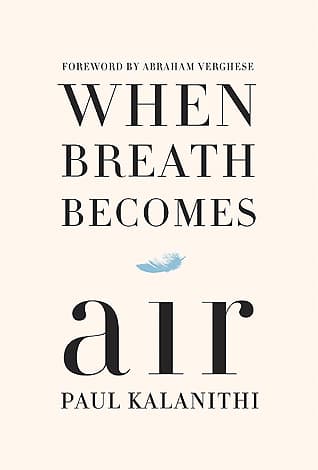
- When Breath Becomes Air
Paul Kalanithi
4.4 (415k) average on GoodreadsBiographyExplores the medical profession, mortality, and personal reflection with a similar introspective depth.
- Cutting for Stone
Abraham Verghese
4.3 (337k) average on GoodreadsLiterary FictionWritten by the same author, it shares themes of medicine, complex relationships, and human resilience.
- The Diary of a Young Girl
Anne Frank
4.2 (2.7M) average on GoodreadsBiographyDuring the Nazi occupation, a teenage girl's diary, written from a secret annex, shares observations on humanity, hope, and the wait for freedom.
- Eat, Pray, Love
Elizabeth Gilbert
3.6 (1.5M) average on GoodreadsLifestyleA heartbroken writer leaves her conventional life for a year-long global search for pleasure in Italy, spiritual devotion in India, and unexpected love and balance in Bali.
- Night
Elie Wiesel
4.3 (970k) average on GoodreadsBiographyIn the darkness of Auschwitz and Buchenwald, a teenage Elie Wiesel faces the extermination of his family, the loss of his faith, and the lasting scars of humanity's deepest cruelty.
- Steve Jobs
Walter Isaacson
4.1 (957k) average on GoodreadsBusinessSteve Jobs was a visionary who fused creativity and technology to revolutionize six industries and shape our digital world.





Enjoyed the summary?
A summary gives you the shape of the book. The book itself has the detail, the examples and the voice.
Find The Tennis Partner on AmazonAs an Amazon Associate, BookBrief earns from qualifying purchases. How we're funded