

Core Idea
- Difficulty
- Easy
- Read it if
- You are interested in true stories of resilience, enduring love, and the challenges of commitment in the face of extreme adversity, especially if you appreciate narratives with strong themes of faith and perseverance.
- Skip it if
- You prefer books with a fast-paced plot or are looking for a purely secular examination of relationships; the narrative is deeply intertwined with the couple's Christian faith and focuses on the slow, painstaking process of rebuilding.
Key Takeaways from The Vow
Love Beyond Memory
True love can be rebuilt, even when its foundations are forgotten.
The Vow shows that love does not only depend on shared memories or a continuous personal story. When Krickitt Carpenter lost all memory of her husband Kim after a brain injury, their marriage was gone for her. Kim, however, chose to see this as a chance to fall in love again, not an end. This idea challenges the romantic view that love is a single, unchanging event. Instead, it suggests love is an ongoing, active choice. It highlights how strong people can be and how love can change and reappear, even after terrible events. Their journey shows that commitment and intention can create new paths to closeness.
“The Krickitt I married was gone. But the Krickitt I knew was still somewhere inside, and I was determined to find her again.”
In the book: Krickitt's complete amnesia regarding her marriage to Kim, despite recognizing other family members and aspects of her past life. Kim's unwavering decision to stay and 're-court' his wife.
Try this: For relationships facing significant challenges—be it illness, trauma, or long-term estrangement—this story offers a blueprint for rebuilding connection through patience, empathy, and a willingness to redefine what 'love' means in altered circumstances. Actively choose to re-engage and recreate shared experiences.
Related ideas: rebuilding-love, post-trauma-relationships, redefining-intimacy
The Power of Vows
Marriage vows are not just words, but a binding commitment to a future, regardless of unforeseen changes.
Kim Carpenter's steady commitment to his marriage promises when Krickitt had amnesia is a main part of their story. The book stresses that marriage is not just a feeling but a promise. For Kim, his 'I do' was a promise made to God and others, a promise that went beyond Krickitt's changed personality and her inability to remember their shared past. This idea argues that the sacredness of promises provides a steady force when emotional connection weakens or disappears. It suggests that a deep commitment, based on principles, can keep a relationship going through problems that would otherwise be too much. This offers a strong different story to the common idea that 'love is a feeling first.'
“I had vowed to love her in sickness and in health. This was sickness, and I wasn't going anywhere.”
In the book: Kim's internal monologue and outward actions consistently refer back to his marriage vows as the primary motivator for his commitment, even when Krickitt was hostile or distant.
Try this: Reflect on the true meaning of commitment in your own relationships. Understand that vows (whether formal or informal) are a promise to endure and adapt, not just to enjoy. Revisit and reaffirm foundational commitments during difficult periods.
Related ideas: marital-commitment, sacred-vows, relationship-endurance
Patience as a Virtue
Healing and rebuilding require immense patience, often without immediate gratification.
The Vow is a great example of patience. Kim Carpenter spent months, then years, patiently helping Krickitt recover and slowly, often frustratingly, get to know him again. This was not a quick fix or a dramatic movie scene; it was a slow, hard process with setbacks, emotional distance, and the constant need to reintroduce himself and their past. This idea shows that real strength in relationships, especially after trauma, comes from steady, unglamorous effort and accepting that progress is not always smooth. It challenges the instant-gratification mindset common today, showing that some of the deepest rewards come from enduring long periods of waiting and hoping.
“There were days I wondered if I was doing the right thing, if she would ever truly come back to me. But I knew I had to keep trying.”
In the book: The detailed accounts of Krickitt's rehabilitation, her initial hostility towards Kim, her lack of emotional connection, and the slow, incremental steps they took to rebuild their relationship over time.
Try this: Cultivate patience in all aspects of life, especially in relationships and personal growth. Recognize that significant change and healing are often slow processes. Practice mindfulness to tolerate discomfort and uncertainty without giving up.
Related ideas: healing-process, relationship-patience, long-term-commitment
Identity Beyond Memory
A person's core identity can persist even when their memories are erased.
Krickitt's story gives a deep idea about what identity means. While she lost her memories of Kim and their marriage, her basic personality traits—her kindness, her spirit, her humor—stayed. This suggests that a person's identity is not just a collection of memories, but also a core 'essence' or character that lasts. Kim's ability to see and love this lasting essence, even when their shared history was gone, points to a deeper kind of connection. This idea challenges us to look past surface interactions and appreciate the core qualities that define people, suggesting that true love sees and values this deeper identity.
“Her memories of me were gone, but the essence of Krickitt, the woman I fell in love with, was still there, buried deep.”
In the book: Krickitt's family and friends consistently noted that while her memories were gone, her core personality and temperament remained largely the same, allowing Kim to 're-discover' the woman he married.
Try this: In relationships, seek to understand and appreciate the core values and personality traits of your partner, beyond their current mood or recent actions. This perspective can help navigate conflicts and changing circumstances by focusing on the enduring aspects of their identity.
Related ideas: personal-identity, memory-and-self, core-personality
The Role of Faith
Spiritual belief can provide strength and guidance in the face of unimaginable adversity.
The Carpenters' strong Christian faith is a clear and important part of their story. Kim often says his belief in God gave him his strength, patience, and steady commitment to Krickitt. For them, their marriage was a sacred promise, not just a legal agreement, and their faith helped them understand suffering, find hope, and keep trying. This idea shows how spiritual beliefs can be a strong way to cope and a source of deep strength when human resources are stretched thin. It suggests that for many, faith offers a higher view that lets them get through hardship with purpose and hope, instead of despair.
“We prayed constantly. It was our only hope, our only comfort in those darkest days.”
In the book: Numerous mentions of prayer, church community support, and Kim's internal reflections on God's will and strength throughout their ordeal and Krickitt's recovery.
Try this: For individuals facing extreme challenges, exploring or deepening their spiritual practices can provide significant emotional and mental support. Even for those without a specific religious affiliation, cultivating a sense of purpose or connection to something greater than oneself can be beneficial.
Related ideas: spiritual-resilience, faith-in-crisis, religious-coping
Redefining Romantic Love
Love isn't always a 'spark'; sometimes it's a deliberate, daily choice and effort.
The Vow completely redefines romantic love away from the often-mythologized 'love at first sight' or 'soulmate' story. Kim Carpenter actively chose to court his wife again, to rebuild attraction and closeness from scratch. This process was not driven by an immediate emotional spark, which Krickitt did not feel, but by a conscious choice to honor his commitment and invest in their future. This idea challenges the passive idea of 'falling in love' and instead supports 'choosing to love' as a more lasting and strong model for long-term relationships. It suggests that real, lasting love is an action, an ongoing effort, rather than just a feeling or a state of being.
“I had to fall in love with her all over again, not just remember the love we had.”
In the book: Kim's deliberate efforts to take Krickitt on dates, remind her of their shared past, and patiently wait for her to develop new feelings for him, mirroring their initial courtship.
Try this: Actively engage in 're-courting' your partner, even in long-term relationships. Plan dates, express appreciation, and create new shared experiences to continuously nurture and redefine your connection, rather than relying solely on past feelings.
Related ideas: choosing-love, active-love, rekindling-romance
The Traumatic Impact on Caregivers
Supporting a loved one through trauma is an immense emotional and psychological burden.
While Krickitt's physical and mental recovery is central, The Vow also quietly shows the deep, often missed, trauma experienced by the main caregiver. Kim Carpenter carried the weight of Krickitt's amnesia, her emotional distance, and the constant demands of her recovery, all while grieving the loss of the wife he knew. This idea stresses that caregivers are not immune to the mental cost of such crises; they feel their own kind of loss, stress, and loneliness. It highlights the crucial need for support, empathy, and self-care for those helping others through severe trauma, recognizing their silent suffering.
“Everyone worried about Krickitt, but I was falling apart too. No one really saw that.”
In the book: Kim's personal accounts of his struggles with loneliness, despair, and the emotional exhaustion of caring for Krickitt while she couldn't reciprocate his love or even recognize him.
Try this: If you are a caregiver or supporting someone through trauma, actively seek out support groups, therapy, or trusted individuals to process your own emotions and prevent burnout. Prioritize self-care without guilt.
Related ideas: caregiver-burnout, secondary-trauma, support-systems
Community as a Lifeline
A strong community provides essential emotional and practical support during crises.
The Carpenters' journey was not alone. The steady support from their church, family, and friends was key to their ability to cope and heal. This group effort provided practical help (meals, childcare, money) and, more importantly, emotional support (prayer, encouragement, a feeling of belonging). This idea highlights the essential value of a strong social network, especially in very hard times. It argues that people are meant to be together and that being alone makes suffering worse, while connection builds strength and helps recovery. It shows the power of shared care.
“We couldn't have made it through without our church family, our friends, and our relatives. They were our rock.”
In the book: Specific anecdotes detailing how friends brought meals, helped with Krickitt's care, and offered constant prayer and encouragement, forming a crucial support network around the couple.
Try this: Actively cultivate and invest in your community, whether it's family, friends, or a faith group. Be willing to both offer and accept help. For those in crisis, reach out to your network and allow them to support you.
Related ideas: social-support, community-resilience, collective-care
The Nuance of Forgiveness
Forgiveness isn't always for a wrong committed, but sometimes for a life irrevocably changed.
While there was no person to forgive in the usual sense, Kim Carpenter's journey involved a deep act of forgiveness: forgiving the events that took his original marriage, forgiving Krickitt for not being able to remember their past, and perhaps most importantly, forgiving himself for the anger and frustration he sometimes felt. This idea expands the concept of forgiveness beyond wrongs between people to include accepting fate, loss, and life's imperfections. It highlights that letting go of bad feelings, even towards abstract ideas or unavoidable tragedies, is vital for personal healing and moving forward. This forgiveness is an inner process that frees the person who forgives.
“I had to forgive the accident, forgive the 'new' Krickitt for not being the 'old' Krickitt, and forgive myself for my anger.”
In the book: Kim's internal struggles with anger and sadness over their altered reality, and his eventual acceptance and commitment to their 'new' life together, which implies a deep form of personal forgiveness.
Try this: Examine areas in your life where you hold onto resentment or anger, even if there's no clear 'villain.' Practice radical acceptance and self-compassion to forgive circumstances, fate, or even yourself for perceived shortcomings, paving the way for inner peace.
Related ideas: self-forgiveness, acceptance-of-loss, emotional-release
The Vow Quotes
“I will always love you, no matter what happens, no matter what changes you might go through.”
“I promised to love you, and I meant it. You are still the woman I married.”
“Our love story wasn't just about the good times; it was about the bad times too, and how we got through them.”
“It was like falling in love with a stranger, but a stranger who looked exactly like my wife.”
“The hardest part wasn't her forgetting me, it was her forgetting us.”
“Love isn't just a feeling; it's a choice you make every single day.”
“We had to learn how to build a new foundation, brick by brick, even when the old one was still there, just out of reach.”
“Sometimes the greatest acts of love are the quiet, persistent ones.”
“Her memories might have vanished, but her spirit, her essence, was still there, waiting to be rediscovered.”
“It wasn't a fairy tale anymore; it was real life, messy and unpredictable, but still worth fighting for.”
“We renewed our vows, not because the first ones were broken, but because we had earned them again, in a whole new way.”
“You don't always get the story you planned, but sometimes the unplanned one is even more profound.”
“Faith was the anchor that kept us from drifting apart completely.”
“Every small step forward, every flicker of recognition, was a victory.”
Quiz
10 questions on the main ideas. Each answer comes with a short explanation.
Question 1
What was Krickitt Carpenter's immediate reaction to Kim after waking from her coma and realizing she didn't know him?
- She was angry and demanded to know why he was in her hospital room.
- She was confused and scared, pushing him away physically.
- She politely asked him to leave, assuming he was a kind stranger.
- She cried, feeling a sense of loss for a memory she couldn't grasp.
Show answer
B. She was confused and scared, pushing him away physically. Upon waking and not recognizing Kim, Krickitt was scared and physically recoiled from him, seeing him as a stranger who was too close.
Question 2
What significant personal item did Krickitt lose the memory of receiving from Kim, symbolizing her memory loss of their relationship?
- Her wedding dress
- Her engagement ring
- A specific piece of jewelry Kim gave her during their courtship
- The bouquet from their wedding day
Show answer
B. Her engagement ring Krickitt had no memory of her engagement or receiving her ring, which became a poignant symbol of the relationship she had forgotten.
Question 3
What was Kim's primary motivation for staying with Krickitt despite her memory loss and initial rejection of him?
- He felt a legal obligation due to their marriage vows.
- He believed her memory would eventually return completely.
- His unwavering love for her and his commitment to their marriage vows.
- He hoped to avoid public scrutiny and judgment.
Show answer
C. His unwavering love for her and his commitment to their marriage vows. Kim's enduring love for Krickitt and his deep commitment to the marriage vows he made before God were the driving forces behind his decision to stay and rebuild their relationship.
Question 4
What specific type of therapy or activity did Krickitt initially resist but eventually found helpful in her recovery, despite not remembering Kim?
- Physical therapy involving swimming
- Occupational therapy focused on daily living skills
- Listening to music from her past with Kim
- Reviewing photo albums and videos of their life together
Show answer
D. Reviewing photo albums and videos of their life together Krickitt initially found looking at photos and videos of her life with Kim difficult and frustrating because she had no recollection, but these visual aids eventually became important tools in helping her piece together her past and understand her relationship with Kim.
Question 5
What was one of the biggest challenges Krickitt faced in accepting Kim as her husband, even after understanding the facts of their marriage?
- She had developed feelings for one of her therapists.
- She felt no emotional or romantic connection to him.
- She was still hoping her original memories would return fully.
- Her family advised her to divorce him and start fresh.
Show answer
B. She felt no emotional or romantic connection to him. Even after being told and understanding that Kim was her husband, Krickitt struggled immensely because she felt no emotional connection or romantic love for him, making it feel like she was being asked to marry a stranger.
Question 6
What significant 're-commitment' event did Kim and Krickitt undertake to symbolize their renewed dedication to each other?
- They got matching tattoos with their wedding date.
- They renewed their vows in a second wedding ceremony.
- They purchased a new home together, symbolizing a fresh start.
- They went on a second honeymoon to their original destination.
Show answer
B. They renewed their vows in a second wedding ceremony. Kim and Krickitt renewed their wedding vows in a second ceremony, symbolizing their decision to rebuild their love and commit to each other 'again' after Krickitt's memory loss.
Question 7
Beyond the romantic aspect, how did Krickitt's personality and interests change due to the brain injury, making her feel like a different person?
- She became extremely introverted and lost interest in her previous hobbies.
- She developed a sudden passion for extreme sports she previously disliked.
- She became overly aggressive and confrontational with everyone.
- She developed a photographic memory for new information.
Show answer
A. She became extremely introverted and lost interest in her previous hobbies. Krickitt's brain injury significantly altered her personality, making her more introverted and less interested in many of the social activities and hobbies she enjoyed before the accident, contributing to her feeling like a stranger to herself and Kim.
Question 8
The book heavily emphasizes the role of Christian faith in Kim and Krickitt's journey. What specific concept from their faith provided a framework for Kim's persistence?
- The concept of 'turning the other cheek' in response to Krickitt's anger.
- The belief in 'divine intervention' that her memory would fully return.
- The sanctity of marriage vows made before God, regardless of circumstances.
- The idea of 'forgiveness' for Krickitt's inability to remember him.
Show answer
C. The sanctity of marriage vows made before God, regardless of circumstances. Kim repeatedly references his marriage vows, made before God, as the unbreakable covenant that compelled him to stay and fight for their relationship, even when Krickitt had no memory of him or those vows.
Question 9
What unique challenge did Krickitt face in rebuilding her identity, distinct from simply regaining memories of her past with Kim?
- She had to learn new professional skills to adapt to her changed abilities.
- Her personality and emotional responses were altered, making her feel like a 'new' person in her old life.
- She struggled with aphasia, making communication extremely difficult.
- She had to physically relearn how to walk and perform basic motor functions.
Show answer
B. Her personality and emotional responses were altered, making her feel like a 'new' person in her old life. Beyond the memory loss, Krickitt's brain injury fundamentally altered her personality, emotional regulation, and interests. She wasn't just missing memories; she was a different person trying to inhabit a life that belonged to her 'old' self, creating a profound identity crisis.
Question 10
How did Kim and Krickitt ultimately define 'love' in their rebuilt relationship, given Krickitt's persistent memory gaps?
- As a feeling that magically returned to Krickitt one day.
- As a conscious choice, commitment, and daily action, rather than just a feeling.
- As a renewed physical attraction that developed over time.
- As a shared understanding of their past, which Krickitt eventually fully recalled.
Show answer
B. As a conscious choice, commitment, and daily action, rather than just a feeling. The book highlights that for Kim and Krickitt, especially after the accident, love became less about an instantaneous feeling and more about a conscious, daily choice, commitment, and action to care for each other, to serve each other, and to honor their vows, effectively rebuilding love through intentional effort.
The Vow FAQ
What is 'The Vow' book about?
'The Vow' is a remarkable true story and memoir by Kim Carpenter, detailing how his wife, Krickitt, lost all memory of him after a tragic car accident just two months into their marriage. The book chronicles their journey of rebuilding their relationship and falling in love again, starting completely from scratch.
Does Krickitt ever regain her memory of Kim in 'The Vow'?
No, Krickitt never fully regained her memory of Kim from before the accident. Instead, the book describes how they consciously chose to fall in love again, creating new memories and a new foundation for their marriage after her amnesia.
What kind of accident caused Krickitt's memory loss?
Krickitt's memory loss was the result of a severe head injury sustained in a tragic car accident. This accident occurred just two months after she married Kim, leading to a coma and subsequent amnesia regarding her husband.
How is the book 'The Vow' different from the movie adaptation?
While both the book and movie 'The Vow' share the core story of Krickitt's amnesia and the couple's journey to rebuild their love, the book offers a more in-depth and personal account from Kim's perspective. It delves deeper into their faith, the daily struggles, and the nuanced emotional process not always fully captured in the film's condensed narrative.
What challenges did Kim face in rebuilding his relationship with Krickitt?
Kim faced immense emotional and practical challenges, including Krickitt's complete lack of recognition, her altered personality, and the struggle to maintain hope and commitment. He had to patiently re-court his own wife, navigate her recovery, and grapple with the loss of their shared past.
Is 'The Vow' a religious book?
While 'The Vow' is not exclusively a religious book, faith plays a significant and central role in Kim and Krickitt's story. Their Christian beliefs and commitment to their marriage vows are frequently highlighted as a source of strength and guidance throughout their challenging journey.
Where can I find support if my spouse has experienced memory loss?
If your spouse has experienced memory loss, resources such as support groups for caregivers of brain injury survivors, neurological rehabilitation centers, and counseling services specializing in trauma and relationship challenges can be invaluable. Consulting with medical professionals for guidance is also crucial.
What is the main message or theme of 'The Vow'?
The main theme of 'The Vow' is the enduring power of unconditional love, commitment, and perseverance in marriage, even in the face of unimaginable adversity. It explores the idea that love can be a choice made daily, capable of being rebuilt and redefined.
Similar books
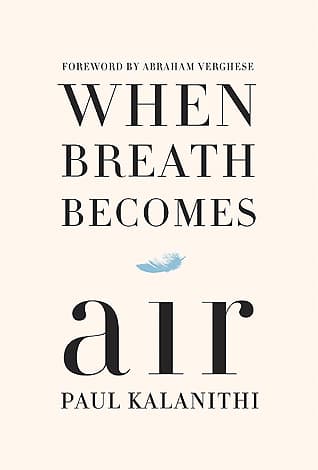
- When Breath Becomes Air
Paul Kalanithi
4.4 (415k) average on GoodreadsBiographyA memoir dealing with profound personal crisis, illness, and how it reshapes identity and relationships.
- Still Alice
Lisa Genova
4.3 (296k) average on GoodreadsPsychologyA fictional account of memory loss and its impact on identity, family, and marriage, resonating with Krickitt's experience.
- The Diary of a Young Girl
Anne Frank
4.2 (2.7M) average on GoodreadsBiographyDuring the Nazi occupation, a teenage girl's diary, written from a secret annex, shares observations on humanity, hope, and the wait for freedom.
- Eat, Pray, Love
Elizabeth Gilbert
3.6 (1.5M) average on GoodreadsLifestyleA heartbroken writer leaves her conventional life for a year-long global search for pleasure in Italy, spiritual devotion in India, and unexpected love and balance in Bali.
- Night
Elie Wiesel
4.3 (970k) average on GoodreadsBiographyIn the darkness of Auschwitz and Buchenwald, a teenage Elie Wiesel faces the extermination of his family, the loss of his faith, and the lasting scars of humanity's deepest cruelty.
- Steve Jobs
Walter Isaacson
4.1 (957k) average on GoodreadsBusinessSteve Jobs was a visionary who fused creativity and technology to revolutionize six industries and shape our digital world.





Enjoyed the summary?
A summary gives you the shape of the book. The book itself has the detail, the examples and the voice.
Find The Vow on AmazonAs an Amazon Associate, BookBrief earns from qualifying purchases. How we're funded