
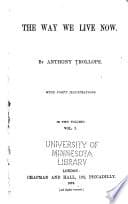
Synopsis
Covers the whole plot, including the ending.
- Difficulty
- Medium
- Pacing
- Moderate
- Mood
- Satirical, Observational, Melancholy, Detailed
- Read it if
- You enjoy sprawling Victorian novels that satirize social climbing, financial speculation, and moral hypocrisy, with a large cast of interconnected characters.
- Skip it if
- You prefer fast-paced plots, clear-cut heroes and villains, or a more optimistic view of human nature.
The Way We Live Now Plot Summary
Covers the whole plot, including the ending.
Lady Carbury's Literary Endeavors and Melmotte's Arrival
Lady Carbury, a writer and social climber, tries to publish her book, 'Criminal Queens,' and earn money from journalism. She relies on her connections, especially Mr. Broune, editor of 'The Morning Breakfast Table,' and her son, Sir Felix Carbury, a baronet deep in debt. Meanwhile, the financier, Augustus Melmotte, arrives in London society with his daughter, Marie Melmotte, and a reputation for great wealth, though his origins are unclear. His goal is to launch the Grand International Railway Company, connecting London with Mexico, and he quickly influences aristocrats and business leaders, promising them returns.
Felix's Pursuit of Marie and Roger Carbury's Concerns
Sir Felix Carbury, driven by his financial situation and his mother's urging, courts Marie Melmotte, seeing her as his only way to solvency. Marie, though at first indifferent, is drawn to Felix's title and the idea of escaping her father. However, Felix's spending and lack of real affection are clear. Roger Carbury, Felix's cousin and an honest man, watches Melmotte's rise with alarm. Living a quiet life in Suffolk at Carbury Manor, Roger worries about the moral decay he sees in London and Melmotte's unprincipled dealings. He tries to warn his relatives, especially Lady Carbury and Hetta, about Melmotte, but his concerns are mostly ignored.
The Grand International Railway and the City's Excitement
Augustus Melmotte's Grand International Railway Company of South Central Pacific and Mexican launches, attracting many prominent, if naive, investors and directors. Lord Nidderdale, a young nobleman, and Mr. Brehgert, a financier, are among those drawn to Melmotte. The project's scale and bold promises create excitement in the City, with shares rising fast. Melmotte hosts elaborate social events, including a dinner for the Emperor of China, to secure his position and make his enterprise seem legitimate. London society's elite attend, eager to share in Melmotte's success, despite the lack of real substance to his claims.
Hetta's Dilemma and Paul Montague's Return
Hetta Carbury, Lady Carbury's daughter, faces a difficult choice. She is secretly in love with Paul Montague, a young engineer who recently returned from a failed business venture in America with Mr. Fisker and Mr. Croll. Paul, however, has a complicated past, having been involved with Mrs. Hurtle, an American woman, and is caught in Melmotte's railway scheme through Fisker. Roger Carbury, who loves Hetta, wants her to marry him, believing it would ensure her stability. Lady Carbury, however, sees Paul as an unsuitable match due to his lack of money and encourages Hetta to consider wealthier proposals, creating conflict for Hetta as she navigates her feelings and her family's wishes.
Marie's Attempted Elopement and Felix's Disgrace
Marie Melmotte, desperate to escape her father and believing Felix will marry her, plans to elope with him to Liverpool and sail to America. She steals a large sum of money from her father for their journey. However, Felix, always self-serving, takes Marie's money, gets drunk, gambles, and abandons her at the train station. She is found and returned to her furious father. This betrayal solidifies Felix's reputation and devastates Marie. Melmotte, enraged by the theft and public scandal, tightens his control over Marie, but the incident also shows the fragility of his own financial dealings and his daughter's precarious situation.
Melmotte's Political Ambitions and Financial Troubles
As whispers grow about his dubious financial practices, Augustus Melmotte decides to run for Parliament in Westminster, believing a political position will give him immunity and legitimacy. He spends vast sums on his campaign, using unscrupulous tactics and his perceived wealth. Behind the scenes, his financial empire is failing. Share prices for the Grand International Railway begin to drop, and creditors grow restless. Rumors circulate about his past in America and his true financial standing. Despite these troubles, Melmotte maintains an outward show of confidence and manipulates those around him, trying to win a political victory he hopes will save him.
The Westminster Election and Melmotte's Downfall
The Westminster election is chaotic, marked by bribery, intimidation, and corruption, all arranged by Melmotte and his agents. Despite the illegality, Melmotte is declared the winner, showing the power of his money and audacity. However, his triumph is short-lived. The full extent of his financial fraud is exposed. The Grand International Railway Company collapses, ruining many investors. Revelations about his past forgeries and manipulations come to light, destroying his reputation. The public, initially impressed, turns against him, and he faces imminent arrest. His wealth and respectability crumble, leaving him disgraced.
Mrs. Hurtle's Ultimatum and Paul's Resolution
Mrs. Hurtle, Paul Montague's American fiancée, returns to London, demanding Paul honor his commitment. She is a strong, independent woman with a past scandal involving a duel, and she is ready to use all means to secure Paul. This puts Paul in a difficult position, as he loves Hetta Carbury. Mrs. Hurtle confronts Paul publicly and privately, even threatening violence. After much anguish and a near-duel between Paul and Felix (who interfered), Paul makes his choice clear: he will marry Hetta. Mrs. Hurtle, seeing her pursuit is useless, accepts his decision, showing a surprising dignity and finding her own path, free from Paul.
Melmotte's Final Desperation and Death
With his empire in ruins, his parliamentary seat jeopardized, and the law closing in, Augustus Melmotte's desperation peaks. He tries to flee the country but is stopped. Facing humiliation, financial ruin, and imprisonment, Melmotte sees no escape. In a final act, he takes his own life by poison. His death shocks London society, a tragic end to his rise and fall. The aftermath reveals his deceptions and the devastation he left, leading many caught in his web to reflect.
The Aftermath and Resolutions
After Melmotte's death, the remaining characters' lives settle. Paul Montague and Hetta Carbury, free from Melmotte and Mrs. Hurtle, marry and find happiness, settling at Carbury Manor with Roger's blessing. Roger Carbury, having seen the moral chaos, finds contentment in his quiet, principled life. Sir Felix Carbury, having wasted his inheritance and reputation, continues his downward spiral, ending in destitution and disgrace, unable to recover from his vices. Lady Carbury, changed by her experiences, continues her writing with a more realistic outlook. Marie Melmotte, though inheriting a large sum, is left with her father's legacy and the trauma of her experiences. The novel ends with a sense of moral order restored, though at a great cost, showing the consequences of both integrity and corruption.
The Way We Live Now Characters
Augustus Melmotte
Antagonist
A charismatic and unscrupulous financier who rises to prominence through fraudulent means.
Melmotte is a man of immense physical presence and an almost hypnotic charisma, capable of charming and intimidating in equal measure. He arrives in London with a mysterious past, rumored to have made his fortune through dubious dealings abroad. His driving force is an insatiable hunger for wealth, power, and social acceptance, which he pursues through audacious financial schemes, bribery, and manipulation. He is utterly devoid of moral scruples, viewing people as instruments to be used for his own gain. Despite his outward show of lavishness, he is a deeply insecure individual, constantly fearful of exposure and downfall.
Relationships: Marie Melmotte (His daughter, whom he controls and uses as a pawn for social advancement.); Lady Carbury (A social acquaintance and a target for investment.); Sir Felix Carbury (A potential suitor for Marie, whom Melmotte despises and eventually ruins.)
Lady Carbury
Supporting
A struggling author and social climber, desperate to secure her family's future.
Lady Carbury is a widow with a strong desire to maintain her family's social standing and secure her children's futures. She is an aspiring author, constantly seeking literary success and financial stability through her writing, often at the expense of genuine talent or integrity. Her primary motivation is the advancement of her children, particularly her profligate son, Felix, whom she blindly defends and enables. She is often naive and easily swayed by appearances, making poor judgments about character and finance. Despite her flaws, she possesses a certain resilience and a genuine, if misguided, love for her children.
Relationships: Sir Felix Carbury (Her son, whom she dotes on and attempts to save from ruin.); Hetta Carbury (Her daughter, whose romantic choices she tries to influence.); Mr. Broune (Her editor and confidant, who she hopes to marry.); Roger Carbury (Her cousin-in-law, whose advice she often ignores.)
Sir Felix Carbury
Supporting
A dissipated and morally bankrupt young baronet, consumed by gambling and debt.
Sir Felix is the epitome of the dissolute young aristocrat. He is handsome but utterly lacking in character, ambition, or moral compass. His life revolves around gambling, drinking, and pursuing women, funded by his mother and constant borrowing. He is selfish, irresponsible, and incapable of genuine affection or commitment. His primary motivation is immediate gratification and avoiding the consequences of his actions. He represents the moral decay and irresponsibility of a certain segment of the upper class, clinging to his title while squandering his inheritance and opportunities.
Relationships: Lady Carbury (His mother, whom he constantly exploits.); Marie Melmotte (His target for marriage, whom he betrays and abandons.); Paul Montague (His rival for Hetta's affection, leading to conflict.)
Hetta Carbury
Protagonist
Lady Carbury's principled daughter, torn between love and family expectations.
Hetta is a young woman of integrity, intelligence, and strong moral character, a stark contrast to her brother and mother. She possesses a quiet strength and a clear sense of right and wrong. Her primary desire is to marry for love and live a life of honest simplicity, rejecting the superficiality and greed she sees around her. She is deeply devoted to Paul Montague, but also feels a sense of duty to her family and respects her cousin, Roger. She represents the enduring values of sincerity and true affection amidst a corrupt society.
Relationships: Paul Montague (Her true love and eventual husband.); Roger Carbury (Her cousin, who loves her and offers stability and protection.); Lady Carbury (Her mother, who tries to influence her romantic choices.)
Paul Montague
Protagonist
A well-meaning but initially indecisive young engineer, caught between past commitments and new love.
Paul Montague is an earnest and intelligent young man, an engineer by profession, who returns from America with a somewhat tarnished past and financial uncertainties. He is fundamentally good-hearted and honest but initially struggles with indecision and the weight of past commitments, particularly to Mrs. Hurtle. He is drawn into Melmotte's schemes through his American business partners. His driving force is to secure an honorable life and marry the woman he loves, Hetta. He represents the challenges faced by an upright individual trying to make his way in a morally ambiguous world.
Relationships: Hetta Carbury (His true love and eventual wife.); Mrs. Hurtle (His American fiancée, whose claim he must resolve.); Roger Carbury (His friend and mentor, who offers guidance.); Augustus Melmotte (His business associate, whose true nature he eventually uncovers.)
Roger Carbury
Supporting
A country gentleman of unyielding integrity, representing old-fashioned values.
Roger Carbury is the owner of Carbury Manor, a man of deep moral conviction, traditional values, and quiet dignity. He is a staunch critic of the new, speculative wealth embodied by Melmotte and the moral decay he perceives in London society. His driving force is to uphold honor, honesty, and family tradition. He deeply loves Hetta and wishes to protect her from the corrupting influences of the world. He serves as a moral compass in the novel, often offering sage, if unheeded, advice. He is content with his rural life and represents a bulwark against the modern excesses.
Relationships: Hetta Carbury (His cousin, whom he loves and wishes to protect.); Lady Carbury (His cousin-in-law, whose judgment he often questions.); Sir Felix Carbury (His cousin, whom he attempts to guide but ultimately gives up on.); Paul Montague (His friend, whom he mentors and trusts.)
Marie Melmotte
Supporting
Melmotte's wealthy daughter, a pawn in his social ambitions, longing for independence.
Marie is the beautiful and immensely wealthy daughter of Augustus Melmotte. Despite her father's riches, she is a lonely and often miserable figure, treated more as a commodity than a person. She longs for genuine affection and independence from her domineering father. Her desperation for freedom leads her to consider marrying Sir Felix, mistaking his title for worth. She is intelligent and observant, capable of seeing through the superficiality around her, but her youth and inexperience make her vulnerable to manipulation. She represents the tragic consequences of inherited wealth without genuine love or guidance.
Relationships: Augustus Melmotte (Her father, who controls her and her fortune.); Sir Felix Carbury (Her suitor, whom she attempts to elope with, but who betrays her.); Lord Nidderdale (Another suitor, whom her father pushes her towards.)
Mrs. Hurtle
Supporting
Paul Montague's American fiancée, a strong-willed woman with a scandalous past.
Mrs. Hurtle is a formidable American woman, independent, intelligent, and fiercely loyal. She has a scandalous past involving a duel fought in her defense, which speaks to her strength and willingness to act. She returns to London to claim Paul Montague, to whom she believes she is engaged. She represents a different kind of woman than typically found in English society – more assertive, direct, and less bound by conventional expectations. Despite her initial determination to marry Paul, she ultimately shows a surprising grace and nobility when she realizes his heart belongs elsewhere.
Relationships: Paul Montague (Her former fiancé, whom she seeks to marry.); Ruby Ruggles (A young woman she befriends and protects.)
Mr. Broune
Supporting
The astute editor of 'The Morning Breakfast Table' and Lady Carbury's confidant.
Mr. Broune is a shrewd and respected newspaper editor, a man of integrity and good judgment. He is a pragmatic and worldly individual, who sees through the pretensions of society but maintains his professional ethics. He is genuinely fond of Lady Carbury and offers her professional and personal advice, though he is wary of her more extravagant schemes and her son's behavior. He represents the more stable and honorable side of the London professional class, contrasting sharply with the speculative and corrupt world of Melmotte. He is a voice of reason amidst the chaos.
Relationships: Lady Carbury (Her editor, confidant, and potential suitor.)
Ruby Ruggles
Supporting
A country girl who seeks adventure in London, falling prey to Felix's charms.
Ruby Ruggles is a young, attractive country girl from Suffolk, initially engaged to John Crumb, a worthy but unexciting farmer. Restless and seeking excitement, she runs away to London, where she falls under the spell of Sir Felix Carbury. She is naive and easily taken in by Felix's superficial charm and promises, despite his evident worthlessness. Her journey in London exposes her to the dangers and disillusionments of urban life, away from the protection of her community. She represents the vulnerability of innocence in the face of urban corruption and aristocratic decadence.
Relationships: Sir Felix Carbury (Her fleeting lover, who mistreats and abandons her.); John Crumb (Her steadfast suitor and eventual husband.); Mrs. Hurtle (Her protector in London.)
The Way We Live Now Themes
The Corrupting Power of Money and Speculation
The novel shows how the pursuit of wealth, especially through dishonest means, corrupts individuals and society. Melmotte's empire is built on fraud, and his rise demonstrates how easily people are swayed by the appearance of wealth. Characters like Sir Felix are ruined by their inability to manage money and their pursuit of easy riches, while even well-meaning characters like Lady Carbury are tempted by quick financial gain. This theme highlights the erosion of traditional values in favor of a new, morally ambiguous financial world, as seen in the excitement around Melmotte's railway scheme.
“Money was the only thing that was venerated. The way to make money was the only study. The giving of money was the only charity. The spending of money was the only pleasure.”
Moral Decay vs. Traditional Integrity
Trollope contrasts the decaying moral fabric of London society, shown by Melmotte and Felix, with the steadfast integrity of traditional English values, shown by Roger Carbury. Melmotte's dishonesty and Felix's spending represent a society losing its ethics, where titles and status are bought, and honor is disregarded. Roger Carbury, living a principled life in the countryside, acts as a moral guide, often lamenting 'the way we live now.' The novel explores the struggle between these two forces, suggesting that while corruption may rise quickly, integrity and goodness offer lasting peace and happiness, as seen in the resolution for Hetta and Paul.
“It was the way in which he lived now that made him so terrible to Roger Carbury.”
The Role of Women in Society
The novel explores the limited and often precarious roles of women in Victorian society, especially concerning marriage and financial independence. Lady Carbury's attempts to secure her children's futures, particularly through good marriages for Hetta and Marie, highlight their economic dependence. Marie Melmotte, despite her wealth, is a pawn in her father's social ambitions. Mrs. Hurtle, an independent American woman, challenges these conventions, showing a different, though difficult, path. Hetta's struggle to marry for love against her mother's mercenary advice further illustrates this theme, suggesting that love and integrity can lead to a more fulfilling life than purely economic considerations.
“A girl, if she has not a fortune, must make a marriage; and if she has one, she must make a better.”
Appearance vs. Reality
A central theme is the deceptive nature of appearances and the difficulty of telling truth from falsehood. Melmotte creates an illusion of immense wealth and respectability, captivating London society despite his unclear origins and dubious practices. Characters are often judged by their outward show of prosperity rather than their actual character. The lavish parties, the grand railway scheme, and Lady Carbury's literary ambitions are all part of this facade. The novel carefully removes these layers of deceit, revealing the hollow reality beneath, ending in Melmotte's exposure and fall, a warning against superficial judgments.
“It was the great game of the day to make money, and to seem to have money.”
Plot Devices & Literary Techniques
The Grand International Railway Company
A fraudulent business venture that serves as the central symbol of speculative greed and moral corruption.
This fictional railway project is the primary vehicle for Augustus Melmotte's rise and fall. It represents the unchecked speculation and lack of ethical oversight in the financial world of the era. The company's promises of immense wealth lure in a wide array of investors, from naive aristocrats to ambitious businessmen, exposing their greed and gullibility. Its eventual collapse directly precipitates Melmotte's downfall and serves as a stark metaphor for the ephemeral nature of ill-gotten gains and the destructive power of unchecked financial ambition.
The Westminster Election
A political contest that exposes the extent of corruption and the buying of influence in Victorian politics.
Melmotte's campaign for a parliamentary seat in Westminster is a microcosm of political corruption. It highlights how money could be used to manipulate the electoral process through bribery, intimidation, and the orchestration of public opinion. The election serves to further legitimize Melmotte in the eyes of some, even as it reveals his utter lack of scruples. His 'victory,' achieved through illegal means, underscores the novel's critique of a society where integrity is secondary to power and wealth, and where public office can be bought, not earned.
The Contrast Between London and Carbury Manor
A geographical and symbolic contrast between the corrupting influence of the city and the moral steadfastness of the countryside.
London, with its bustling financial markets, social climbing, and moral ambiguities, represents the 'way we live now' – a world of speculation, pretense, and moral decay. Carbury Manor in Suffolk, Roger Carbury's ancestral home, stands in stark contrast. It symbolizes traditional English values, integrity, rootedness, and a simpler, more honest way of life. This geographical divide is not merely a setting but a thematic device, highlighting the novel's central conflict between a new, morally compromised modernity and an older, more principled existence. The eventual return of Hetta and Paul to Carbury Manor signifies a triumph of these traditional values.
The 'Criminal Queens' Manuscript
Lady Carbury's historical book, symbolizing her misguided literary ambitions and social climbing.
Lady Carbury's ongoing project, 'Criminal Queens,' serves as a recurring motif that underscores her literary pretensions and her often-misplaced efforts to gain recognition and financial stability. The book's subject matter, focusing on scandalous historical figures, ironically mirrors the moral ambiguities and 'criminality' she encounters in her own social circle. Her struggles to get it published and reviewed reflect the challenges of the literary world and her own lack of genuine talent, contrasting with her desire for fame and fortune. It highlights her superficial engagement with intellectual pursuits as a means to an end.
The Way We Live Now Quotes
“The great misfortune of life is that one must, in a measure, live it out before one can understand it.”
“It is not the man who has too little, but the man who craves more, that is poor.”
“Money is the only thing in the world worth having, and the only thing in the world worth talking about.”
“There are some men who are always in trouble, and some women who are always in love. The former are generally solvent, and the latter always insolvent.”
“The world is ruled by words, not by deeds.”
“He was one of those men who are always doing good, and always making other people uncomfortable.”
“It is often the case that the man who can pay for nothing else, can always pay for his vices.”
“The great art of life is to know how to suffer without complaining.”
“Fashion is a tyrant from whom there is no escape.”
“There is no more certain sign of a man's general capacity, than the power of doing a great deal of work without seeming to do it.”
“The longer you live, the more you will learn that there are no such things as good people or bad people. There are only people.”
“All women like to be told they are pretty. And they are generally right.”
“The most successful men are those who are most capable of forming the most accurate judgment of the value of money.”
“It is not the things we do that make us unhappy, but the things we wish we had done.”
Quiz
10 questions on the plot and the characters. Each answer comes with a short explanation.
Question 1
Which character in 'The Way We Live Now' is an American financier who comes to London and attempts to make a fortune through dubious schemes?
- Augustus Melmotte
- Roger Carbury
- Paul Montague
- Sir Felix Carbury
Show answer
A. Augustus Melmotte Augustus Melmotte is the central figure representing the new, often corrupt, financial world in London.
Question 2
What is the primary motive behind Lady Carbury's literary endeavors and her attempts to gain influence in society?
- To genuinely contribute to literature
- To secure advantageous marriages for her children, particularly her daughter Henrietta
- To expose the moral failings of Victorian society
- To fund her own extravagant lifestyle
Show answer
B. To secure advantageous marriages for her children, particularly her daughter Henrietta Lady Carbury's literary ambitions are largely a means to an end, specifically to gain social standing and financial security, primarily through her children's marriages.
Question 3
What is the name of the proposed railway scheme that Augustus Melmotte promotes and uses to attract investors?
- The Grand Central European Railway
- The Anglo-American Transcontinental Line
- The London and Paris Express
- The British Imperial Railway
Show answer
A. The Grand Central European Railway Melmotte's major fraudulent enterprise is the Grand Central European Railway, which serves as a magnet for gullible investors.
Question 4
Which character serves as a moral compass and represents the traditional, honest English gentleman, often clashing with the new 'way we live now'?
- Paul Montague
- Roger Carbury
- Mr. Brehgert
- Lord Nidderdale
Show answer
B. Roger Carbury Roger Carbury, living on his ancestral estate, embodies the old-fashioned virtues and is a stark contrast to the morally compromised characters around him.
Question 5
What significant event marks the downfall and disgrace of Augustus Melmotte?
- His failed attempt to marry his daughter Marie to a titled aristocrat
- His election to Parliament is overturned due to widespread fraud
- His fraudulent financial schemes are exposed, leading to his suicide
- He is publicly disowned by the foreign dignitaries he attempted to impress
Show answer
C. His fraudulent financial schemes are exposed, leading to his suicide The exposure of his financial irregularities, particularly concerning the railway, culminates in his suicide by poison, a dramatic end to his reign of deceit.
Question 6
What is the primary thematic concern Trollope explores through the character of Lady Carbury and her interactions with the literary world?
- The genuine struggles of female authors in a male-dominated society
- The commercialization and superficiality of contemporary literature and journalism
- The difficulty of maintaining artistic integrity in the face of public demand
- The intellectual freedom offered by a career in writing
Show answer
B. The commercialization and superficiality of contemporary literature and journalism Lady Carbury's literary pursuits, particularly her attempts to court critics and promote her work, highlight Trollope's critique of the superficiality and commercialism that had begun to permeate the literary world.
Question 7
Which character, initially engaged to Marie Melmotte, ultimately breaks off the engagement due to his moral objections to her father's character?
- Sir Felix Carbury
- Lord Nidderdale
- Paul Montague
- Mr. Broune
Show answer
B. Lord Nidderdale Lord Nidderdale, though initially interested in Marie's fortune, eventually recoils from the scandal surrounding Melmotte and breaks off their engagement.
Question 8
What is the ultimate fate of Sir Felix Carbury, Lady Carbury's dissolute son?
- He reforms his ways and becomes a respectable member of society
- He inherits a significant fortune and lives comfortably
- He squanders his opportunities and ends up in poverty and disgrace
- He marries Marie Melmotte and lives off her inheritance
Show answer
C. He squanders his opportunities and ends up in poverty and disgrace Sir Felix's downward spiral continues throughout the novel, and he ultimately ends up a ruined and disgraced figure, a testament to his moral weakness and gambling addiction.
Question 9
The novel extensively critiques the moral decline of English society during the Victorian era. What specific aspect of this decline is most heavily emphasized through the portrayal of characters like Augustus Melmotte and Sir Felix Carbury?
- The growing influence of socialist ideologies
- The erosion of traditional religious faith
- The pervasive greed, speculation, and moral compromise driven by the pursuit of wealth and social status
- The decline of the aristocracy's political power
Show answer
C. The pervasive greed, speculation, and moral compromise driven by the pursuit of wealth and social status Trollope's primary critique is aimed at the rampant materialism, speculation, and moral decay that he perceived in contemporary society, where wealth and status were increasingly valued over integrity and honor.
Question 10
What is the nature of the relationship between Paul Montague and Mrs. Hurtle, and how does it complicate his pursuit of Henrietta Carbury?
- They are distant relatives, and Mrs. Hurtle tries to arrange his marriage to Henrietta.
- Mrs. Hurtle is Paul's former lover from America who follows him to England, demanding he fulfill a previous promise of marriage.
- Mrs. Hurtle is a business partner who tries to sabotage his relationship with Henrietta for financial gain.
- They are childhood friends, and Mrs. Hurtle offers him advice on how to win Henrietta's affection.
Show answer
B. Mrs. Hurtle is Paul's former lover from America who follows him to England, demanding he fulfill a previous promise of marriage. Mrs. Hurtle is Paul Montague's former fiancée from America, a strong and independent woman who follows him to England to hold him to his engagement, creating significant complications for his budding romance with Henrietta Carbury.
The Way We Live Now FAQ
What is the central premise of 'The Way We Live Now'?
'The Way We Live Now' satirizes the moral decay and financial speculation rampant in Victorian England, particularly in London society during the 1870s. It follows the rise and eventual fall of Augustus Melmotte, a mysterious financier, and the various individuals whose lives become entangled with his schemes, often driven by greed and social climbing.
Who is Augustus Melmotte, and what role does he play?
Augustus Melmotte is a wealthy, enigmatic international financier whose origins are shrouded in mystery, and whose immense fortune is suspected to be built on fraud. He serves as the novel's central antagonist and a symbol of the era's financial corruption, manipulating individuals and society with his grand, but ultimately hollow, ventures like the South Central Pacific and Mexican Railway.
What happens to Melmotte by the end of the novel?
Melmotte's elaborate financial house of cards collapses under the weight of his deceptions, including forged documents and failed railway schemes. Facing exposure, ruin, and public disgrace, he ultimately commits suicide, leaving his family and creditors in disarray and exposing the fragility of his ill-gotten wealth.
Describe the romantic entanglements involving Lady Carbury and her children.
Lady Carbury, a struggling novelist, attempts to secure advantageous marriages for her children, Felix and Henrietta. Felix is pursued by Marie Melmotte for her fortune, while Henrietta is in love with Paul Montague, who is initially entangled with Mrs. Hurtle and later becomes engaged to Henrietta after much tribulation.
How does Trollope use the character of Lady Carbury to comment on the literary world?
Lady Carbury, an author of sensational novels, constantly seeks positive reviews and social connections to promote her work, often with little regard for its actual merit. Trollope uses her to satirize the superficiality and commercialism of the literary scene, where personal influence and puffery often overshadowed genuine talent and ethical criticism.
What is the significance of the South Central Pacific and Mexican Railway scheme?
The railway scheme is Melmotte's grandest and most fraudulent venture, serving as the primary vehicle for his financial manipulations and the symbol of the era's speculative madness. Its promise of immense returns lures numerous investors, including members of Parliament and the aristocracy, highlighting their gullibility and greed.
How does Trollope subtly criticize the aristocracy through characters like Lord Nidderdale and Sir Felix Carbury?
Trollope shows the aristocracy, embodied by Lord Nidderdale and Sir Felix Carbury, as often idle, dissolute, and reliant on their titles rather than industry or intellect. They are frequently in debt, eager to marry for money (like Nidderdale pursuing Marie Melmotte), and susceptible to Melmotte's schemes, indicating a decline in their traditional moral and financial standing.
What is the role of the American characters, like Mrs. Hurtle and Hamilton K. Fisker?
Mrs. Hurtle, with her independent spirit and past scandal, and Hamilton K. Fisker, a flamboyant promoter, represent a certain American boldness and frontier mentality that contrasts with, and sometimes exacerbates, the more constrained English society. They introduce new energy and a different moral code, challenging conventional Victorian norms.
Are there any characters who maintain their moral integrity amidst the widespread corruption?
Yes, characters like Roger Carbury, Henrietta Carbury (eventually), and Paul Montague (after overcoming his initial poor judgment) strive to maintain their integrity. Roger, in particular, acts as a moral compass, fiercely condemning Melmotte's villainy and warning others, though often unheeded.
How does the novel explore the psychology of greed and social ambition?
The novel deeply examines how greed and ambition corrupt characters across all social strata. Melmotte embodies insatiable avarice, while Lady Carbury's desperate social climbing for her children blinds her to ethical considerations. Even seemingly respectable individuals succumb to the allure of easy money and status, revealing the pervasive nature of these desires.
Analyze the psychological motivations behind Marie Melmotte's actions.
Marie Melmotte is driven by a desire for independence and genuine affection, often feeling neglected by her father and used as a pawn in his schemes. Her repeated attempts to escape her father's control, whether by eloping with Sir Felix or seeking an alliance with another, stem from a deep longing for self-determination and escape from her isolated, gilded cage.
How does Trollope portray the psychological impact of financial ruin on characters?
Trollope vividly depicts the shame, despair, and desperation that financial ruin inflicts upon characters. Melmotte's suicide is the ultimate consequence, but others, like the investors who lose everything, experience profound humiliation and anxiety. The novel shows how one's financial standing was inextricably linked to one's identity and social worth in Victorian society.
Discuss the psychological burden carried by Lady Carbury regarding her son, Sir Felix.
Lady Carbury is burdened by a profound and often misguided maternal love for her dissolute son, Sir Felix. She constantly makes excuses for his irresponsible behavior, covers his debts, and tries to arrange a wealthy marriage for him, demonstrating a psychological inability to confront his true character and the devastating consequences of his actions.
Is 'The Way We Live Now' primarily a pessimistic or optimistic novel?
While the novel vividly portrays widespread moral corruption and the downfall of many characters, it ultimately offers a tempered optimism. The villains are punished, and virtuous characters like Roger Carbury and Henrietta find happiness, suggesting that integrity can prevail. However, it leaves a lingering sense that the societal problems Trollope identified are deeply rooted and difficult to fully eradicate.
How does the ending of the novel reflect Trollope's views on societal change?
The ending, with Melmotte's demise and the triumph of more ethical characters, suggests Trollope's belief in a moral order, but also his concern about the fragility of that order. While the immediate crisis passes, the novel implies that the 'way we live now' – with its susceptibility to fraud and superficiality – is an ongoing challenge for society, not a problem easily solved.
To what extent is 'The Way We Live Now' a critique of Victorian values, and to what extent does it uphold them?
The novel is a powerful critique of Victorian hypocrisy, materialism, and the erosion of traditional values by new money and speculation. However, it also implicitly upholds certain Victorian virtues, such as honesty, diligence, and family loyalty, through the sympathetic portrayal of characters like Roger Carbury, suggesting that these values are essential for a stable society.
What is the enduring relevance of 'The Way We Live Now' in contemporary society?
The novel remains highly relevant today due to its timeless themes: financial fraud, the allure of quick wealth, media manipulation, political corruption, and the superficiality of social climbing. Trollope's exploration of these issues resonates strongly in an era often characterized by similar moral ambiguities and speculative financial markets, making it a powerful commentary on human nature.
About the author
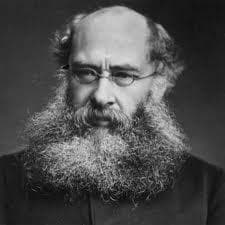
Anthony Trollope was an English novelist and civil servant of the Victorian era. Among his best-known works is a series of novels collectively known as the Chronicles of Barsetshire, which revolves around the imaginary county of Barsetshire. He also wrote novels on political, social, and gender issues, and other topical matters.
Similar books
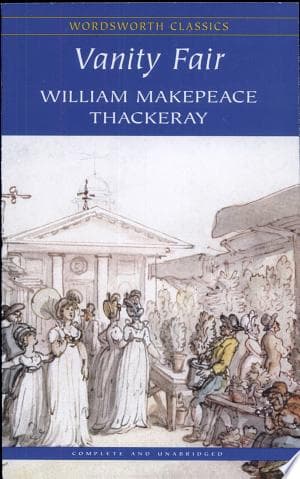
- Vanity Fair
William Makepeace Thackeray
3.8 (118k) average on GoodreadsHistorical FictionShares a sprawling narrative, a large cast of characters, and a satirical look at social ambition and moral compromise in 19th-century England.
- Middlemarch
George Eliot
4.0 (136k) average on GoodreadsHistorical FictionExplores complex social structures, moral dilemmas, and the lives of various characters in a provincial English town, with a similar depth of psychological insight.
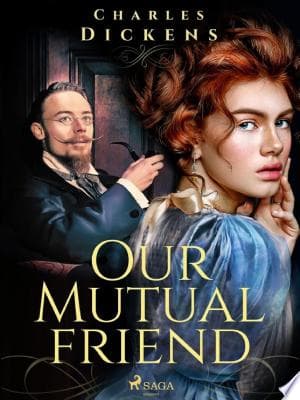
- Our Mutual Friend
Charles Dickens
4.1 (26k) average on GoodreadsHistorical FictionFeatures a complex plot driven by money, inheritance, and social status, with a satirical edge and a critique of Victorian society.
- The Old Man and the Sea
Ernest Hemingway
3.8 (831k) average on GoodreadsLiterary FictionA Cuban fisherman's long struggle with a giant marlin becomes a story of endurance and dignity, now retold for young adults with illustrations, phonetic guides, and writing prompts in Traditional Chinese.
- One Hundred Years of Solitude
Gabriel García Márquez
4.1 (753k) average on GoodreadsLiterary FictionThrough the multi-generational story of the Buendía family, a mythical town deals with the repeating patterns of time, love, and solitude, as the extraordinary mixes with the ordinary.
- The Goldfinch
Donna Tartt
3.9 (720k) average on GoodreadsLiterary FictionHaunted by a tragic explosion and clutching a stolen Dutch masterpiece, a young orphan navigates the opulent drawing rooms of New York and the gritty underbelly of the art world, desperately seeking connection and redemption amidst a life spiraling into crime and obsession.




Enjoyed the summary?
A summary gives you the shape of the book. The book itself has the detail, the examples and the voice.
Find The Way We Live Now on AmazonAs an Amazon Associate, BookBrief earns from qualifying purchases. How we're funded