
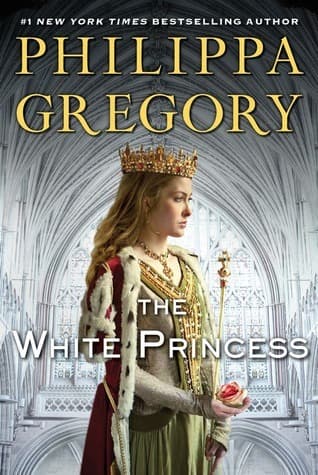
Synopsis
Covers the whole plot, including the ending.
- Difficulty
- Medium
- Pacing
- Moderate
- Mood
- Intriguing, Dramatic, Historical, Romantic
- Read it if
- You enjoy intricate historical fiction focusing on powerful women during pivotal moments in English history, with a blend of political intrigue and personal drama.
- Skip it if
- You prefer fast-paced action or a purely romantic plot, or are not interested in detailed historical settings.
The White Princess Plot Summary
Covers the whole plot, including the ending.
The Coronation and the Reluctant Bride
After Richard III's defeat and death at Bosworth, Elizabeth of York, King Edward IV's eldest daughter, becomes a tool in Henry Tudor's effort to secure the English throne. Despite her grief and belief that she was promised to Richard, Elizabeth must accept Henry's marriage proposal. The marriage is a political necessity, intended to unite the warring houses of Lancaster and York. Elizabeth arrives at Henry's court, secretly pregnant with Richard's child. Her mother, Elizabeth Woodville, the former White Queen, subtly guides her, urging her to secure her position and protect the Yorkist line within the new Tudor dynasty, even if it means having Henry's children.
A Royal Birth and Lingering Doubts
Elizabeth gives birth to a son, Arthur, securing the Tudor succession. Despite this political win, Elizabeth struggles with her new role as queen and her complex feelings for Henry. She often thinks of her two younger brothers, the Princes in the Tower, whose fates are unknown. Her mother, Dowager Queen Elizabeth Woodville, believes one or both may be alive, fueling Elizabeth's secret hope and fear. The court is full of whispers and plots, with many Yorkist loyalists still not accepting Henry Tudor as king. Elizabeth feels constant pressure to prove her loyalty to Henry while secretly wanting news of her lost family.
The Dowager Queen's Influence and Exile
Elizabeth Woodville, a shrewd politician, continues to influence events from the background, subtly undermining Henry's rule and encouraging hopes for a Yorkist return. Her actions, including talking with European courts and her belief in her sons' survival, do not go unnoticed by Henry and his mother, Lady Margaret Beaufort. Eventually, fearing her power and potential for rebellion, Henry orders Elizabeth Woodville confined to Bermondsey Abbey, removing her direct influence over Queen Elizabeth. This deeply saddens and worries Elizabeth, making her feel more isolated in the Tudor court.
Lambert Simnel: A False Prince
The first major challenge to Henry VII's reign comes from Lambert Simnel, a boy presented as Edward Plantagenet, Earl of Warwick, Elizabeth's cousin, who was thought to be imprisoned in the Tower. Simnel gains much support, especially from Margaret of Burgundy, Elizabeth's aunt and a strong Yorkist. Henry must show the real Edward Plantagenet to disprove Simnel's claim. The rebellion ends at the Battle of Stoke Field, where Henry's forces defeat the rebels. Simnel is captured and, because of his youth and clear manipulation, is given a job in the royal kitchens instead of being executed, a surprising act of mercy from Henry.
Growing Affection and Shared Burden
Despite the political maneuvering and constant threat of rebellion, a fragile affection grows between Elizabeth and Henry. They share the burden of ruling a volatile kingdom and raising their children, including their second son, Henry, and daughters Margaret and Mary. Elizabeth finds herself increasingly drawn to Henry's intelligence and dedication to England, even as she deals with her past loyalties. Their shared vulnerability against an uncertain future for the Tudor dynasty creates a bond, making their political marriage become more personal. Elizabeth begins to see Henry not just as her captor, but as her partner.
Perkin Warbeck: The White Prince's Return
Years after Simnel, a more dangerous and convincing pretender appears: Perkin Warbeck, claiming to be Richard, Duke of York, Elizabeth's younger brother, one of the Princes in the Tower. Warbeck is handsome, smart, and knows much about the Yorkist court, convincing many, including Margaret of Burgundy and some English nobles, that he is real. Elizabeth is torn; part of her desperately wants to believe he is her brother, while another part, now loyal to Henry and their children, fears the chaos he could cause. His reappearance throws Elizabeth into emotional turmoil, forcing her to confront her deepest family loyalties against her duties as queen.
Elizabeth's Internal Conflict
Perkin Warbeck's appearance causes deep internal conflict for Elizabeth. She is caught between her duty to her husband, King Henry, and their children, and a powerful longing for her lost brother, Richard. She remembers childhood moments, looking for truth in Warbeck's claims. Henry, always practical, sees Warbeck as a serious threat to his fragile dynasty, but Elizabeth's emotional distress is clear. She secretly sends a trusted servant to investigate Warbeck, hoping for proof to either accept him as her brother or reject him as an impostor. This time tests her identity and her marriage.
Warbeck's Invasion and Defeat
Perkin Warbeck, with support from various European powers, including Scotland, tries several invasions of England. Each attempt, however, is met with Henry VII's strategic and military strength. Warbeck's forces are defeated, and he is captured. During his imprisonment, Henry questions him, trying to find out his true identity and the extent of his support. Elizabeth, though relieved by Henry's victory, remains haunted by the 'what if' regarding Warbeck's true identity. Warbeck's capture, however, still leaves the question of the Princes in the Tower unanswered for many, including Elizabeth herself.
The Tower and the End of Yorkist Hopes
After attempting to escape from the Tower, Perkin Warbeck is executed. More tragically for Elizabeth, Henry decides to also execute Edward Plantagenet, the true Earl of Warwick, who had been imprisoned since childhood. Henry sees Edward as too dangerous a symbol for any future Yorkist rebellion, even though he was innocent of any plotting. This dual execution removes the last direct male heirs of the House of York, securing the Tudor claim to the throne. Elizabeth is devastated by her cousin's loss, seeing it as the final, brutal end to the white rose and the complete triumph of the red. She grieves not only for Edward but for her family's final demise.
Tragedy Strikes the Tudor Family
Just as the Tudor dynasty seems secure, tragedy strikes. Prince Arthur, Elizabeth and Henry's eldest son and heir, marries Catherine of Aragon but dies shortly after, leaving the young couple childless. This loss deeply affects Elizabeth, both as a mother and as a queen. It not only breaks her heart but also destabilizes the Tudor succession, putting immense pressure on her to provide another male heir. Arthur's death reminds everyone of life's fragility and power, casting a shadow over the royal family and reigniting fears for the new dynasty's future.
The Final Pregnancy and Elizabeth's Demise
Despite her grief and declining health, Elizabeth becomes pregnant again, determined to secure the Tudor line after Arthur's death. She gives birth to a daughter, Katherine, but falls ill shortly after, dying from puerperal fever on her 37th birthday. Her death is a profound loss for King Henry, who has come to deeply love and rely on her. Elizabeth, the White Princess, dies having united the warring houses and given birth to the Tudor dynasty. Her life was marked by loss, political maneuvering, and a constant struggle between her personal loyalties and her duties as queen. Her legacy is the stability she brought to England through her marriage and her children.
Principal Figures
Elizabeth of York
Protagonist
The White Princess, forced to marry Henry Tudor to unite England.
Elizabeth is a complex figure, initially deeply loyal to her Yorkist family, particularly her mother and her beloved Richard III. She is intelligent, resilient, and possesses a quiet strength. Forced into a political marriage with Henry Tudor, she navigates the treacherous Tudor court, constantly balancing her past loyalties with her duty to her new husband and children. She is a survivor, adapting to her circumstances while holding onto her inner convictions. Her primary drive is to protect her family, both the living and the memory of the lost, and to ensure the stability of England.
Relationships: Henry VII (Husband, initially feared and resented, later a partner and deeply loved.); Elizabeth Woodville (Mother, mentor, and source of Yorkist hope and intrigue.); Richard III (Former lover/fiancé, deeply mourned.); Lady Margaret Beaufort (Mother-in-law, rival, and political adversary.); Arthur Tudor (Eldest son, heir apparent, deeply loved.); Henry VIII (Prince Henry) (Second son, future king.)
Henry VII (Henry Tudor)
Protagonist/Antagonist
The first Tudor king, a pragmatic and shrewd ruler.
Henry Tudor is a shrewd, pragmatic, and often ruthless king driven by an unyielding desire to secure his throne and establish the Tudor dynasty. He is intelligent, cautious, and deeply suspicious, especially of anyone with Yorkist ties. Despite his political motivations, he is capable of deep affection, particularly for Elizabeth, though his actions are always filtered through the lens of dynastic security. His past as an exile has made him wary and determined to never lose what he has gained. He is a master strategist, both on the battlefield and in the political arena, focused on building a stable and prosperous England under his rule.
Relationships: Elizabeth of York (Wife, initially a political necessity, later a beloved partner.); Lady Margaret Beaufort (Mother, fiercely loyal and influential political advisor.); Elizabeth Woodville (Mother-in-law, perceived threat and political rival.); Arthur Tudor (Eldest son, the hope of his dynasty.)
Elizabeth Woodville
Supporting
The former White Queen, a shrewd and ambitious matriarch.
Elizabeth Woodville is the fiercely ambitious and politically astute mother of Elizabeth of York. She is a survivor, having navigated the turbulent Wars of the Roses to become queen. Even in her diminished status as Dowager Queen, she remains a powerful force, subtly manipulating events and fostering hope for a Yorkist restoration. She deeply loves her children and grandchildren, but her primary drive is to protect the Yorkist legacy and secure her family's place in power. She is a master of court intrigue, always looking for opportunities to advance her family's interests, even if it means challenging the new Tudor regime.
Relationships: Elizabeth of York (Daughter, confidante, and instrument of her political ambitions.); Henry VII (Son-in-law, political adversary.); Richard III (Brother-in-law, enemy who usurped her sons.); Lady Margaret Beaufort (Rival, ideological and political opponent.)
Lady Margaret Beaufort
Antagonist/Supporting
Henry VII's devout and fiercely ambitious mother.
Lady Margaret Beaufort is a devoutly religious, iron-willed woman driven by an almost fanatical belief in her son Henry's divine right to the throne. She is fiercely protective of Henry and the Tudor dynasty, and views any potential threat, especially from the Yorkists, with extreme prejudice. Margaret is a formidable political force, often acting as Henry's advisor and enforcer, and she harbors a deep distrust of Elizabeth of York and her family. Her ambition for her son is boundless, and she will stop at nothing to ensure the stability and perpetuation of the Tudor line. She is a woman of unwavering conviction and considerable influence.
Relationships: Henry VII (Son, to whom she is fiercely loyal and devoted.); Elizabeth of York (Daughter-in-law, viewed with suspicion and as a potential threat.); Elizabeth Woodville (Arch-rival, ideological and political opponent.)
Richard III
Mentioned
Elizabeth's former love, whose death sets the stage for the Tudor reign.
Richard III is portrayed through Elizabeth's memories as a complex figure – a man she loved and believed she would marry, despite the accusations against him regarding the Princes in the Tower. His death at Bosworth Field is the catalyst for Elizabeth's forced marriage to Henry Tudor. He represents the lost Yorkist past and the deep emotional scars left on Elizabeth. His memory continues to influence Elizabeth's actions and internal struggles, particularly when Perkin Warbeck claims to be her brother Richard.
Relationships: Elizabeth of York (Former lover/fiancé, deeply mourned.); Elizabeth Woodville (Brother-in-law, political enemy.)
Perkin Warbeck
Antagonist
The pretender who claims to be Richard, Duke of York.
Perkin Warbeck is a charismatic and convincing young man who claims to be Richard, Duke of York, one of the Princes in the Tower. He is intelligent, well-versed in courtly manners, and possesses details about the Yorkist court that lend credence to his story. His appearance throws England into turmoil and presents the greatest challenge to Henry VII's reign. For Elizabeth, he embodies the painful possibility of her lost brother returning, forcing her to confront her deepest loyalties. Whether he is truly Richard or a clever impostor remains a central mystery and source of conflict.
Relationships: Elizabeth of York (Claimed brother, source of her emotional turmoil.); Henry VII (Archnemesis, existential threat to his dynasty.)
Arthur Tudor
Supporting
Elizabeth and Henry's first son and heir apparent.
Arthur is the firstborn son of Elizabeth and Henry, representing the hope and future of the new Tudor dynasty. His birth is a political triumph, uniting the red and white roses. He is a gentle, intelligent boy, doted upon by his parents, especially Elizabeth. His early death is a devastating blow, both personally to Elizabeth and politically to the fragile Tudor succession. He embodies the hopes and vulnerabilities of the new royal house, and his loss creates a void that Elizabeth desperately tries to fill.
Relationships: Elizabeth of York (Mother, deeply loved.); Henry VII (Father, the embodiment of his dynastic hopes.); Catherine of Aragon (Wife, briefly married.)
Catherine of Aragon
Supporting
Spanish princess, briefly married to Prince Arthur.
Catherine of Aragon is a Spanish princess, brought to England to marry Prince Arthur and solidify an important international alliance for the Tudor dynasty. She is portrayed as pious, dignified, and somewhat reserved. Her marriage to Arthur is short-lived due to his untimely death, leaving her a young widow in a foreign court. Her presence highlights the political intricacies of royal marriages and sets the stage for future historical events.
Relationships: Arthur Tudor (Husband.); Elizabeth of York (Mother-in-law, receives compassion from her.)
Themes & Insights
Loyalty vs. Duty
This theme is key to Elizabeth's journey. She is constantly torn between her deep loyalty to her Yorkist family, especially Richard III's memory and her brothers' possible survival, and her duty as queen to Henry Tudor and their children. Her internal conflict about Perkin Warbeck shows this, as she desperately wants to believe he is her brother but knows it would destabilize her family and England. This theme explores the personal cost of political necessity and the hard choices people make when their heart conflicts with their obligations to crown and country.
“I am the White Princess, but my heart is still the white rose.”
The Price of Power and Survival
The novel shows how brutal it was to gain and keep power in 15th-century England. Henry Tudor's constant paranoia, his executions of perceived threats like Edward Plantagenet, and Elizabeth Woodville's banishment all show how far people go to secure their position. Elizabeth of York herself must make compromises and sacrifices, suppressing her grief and past loyalties to ensure her own survival and that of her children within the new Tudor regime. The story emphasizes that the crown comes at a high personal and moral cost, requiring ruthless decisions and emotional suppression from those who hold it.
“There is no peace for a king, nor for his queen, while there is a single drop of royal blood that is not his own.”
Motherhood and Dynastic Legacy
Motherhood is a powerful force, driving many characters' actions. Elizabeth of York's main goal becomes protecting her children and securing their place in the Tudor line, even if it means sacrificing her own desires. Lady Margaret Beaufort's ambition is entirely for her son, Henry, and his dynasty. Elizabeth Woodville's plans are motivated by her desire to protect her daughters and the Yorkist legacy. The book highlights how women, even without direct political power, influence greatly through their roles as mothers, ensuring their family's name and power continue through their offspring.
“A woman's power is in her sons.”
Truth vs. Perception
The uncertainty surrounding the Princes in the Tower and Perkin Warbeck's identity is at the heart of this theme. The novel constantly questions what is 'true' and how much is shaped by political agendas and personal desires. For Elizabeth, the truth of her brothers' fates and Warbeck's identity is deeply personal, yet the court and the kingdom act on perceptions and strategic stories. This theme explores how history is written by the winners, and how individuals like Elizabeth must deal with the uncertainty of their past in the face of official 'truths.'
“Truth is a dangerous thing in a king’s court.”
Plot Devices & Literary Techniques
The Princes in the Tower Mystery
The unresolved fate of Elizabeth's brothers drives much of the narrative's tension.
The enduring mystery of what happened to Edward V and Richard, Duke of York, after they were sent to the Tower of London, is a central plot device. It fuels Elizabeth of York's lingering hope for a Yorkist restoration, her emotional turmoil over Perkin Warbeck, and Henry VII's constant paranoia about pretenders. This unresolved question creates suspense and psychological depth, forcing characters to grapple with an ambiguous past that continually threatens to destabilize the present. It serves as a constant reminder of the fragility of the Tudor claim and the deep divisions within England.
Political Marriage
Elizabeth and Henry's union as a tool for dynastic stability.
The marriage between Elizabeth of York and Henry Tudor is not one of love, but a calculated political alliance designed to unite the warring houses of Lancaster and York. This device establishes the initial conflict in their relationship and highlights the sacrifices made by royal individuals for the sake of national stability. It allows the narrative to explore how personal feelings can evolve within such a constrained arrangement, and how the demands of the state often override individual desires, shaping the characters' actions and emotional journeys.
The Pretenders (Lambert Simnel and Perkin Warbeck)
Characters who challenge the legitimacy of Henry VII's rule.
The appearances of Lambert Simnel and Perkin Warbeck serve as crucial catalysts for conflict and character development. These pretenders embody the persistent threat to the fledgling Tudor dynasty and force Henry VII to continually prove his legitimacy through military and political means. For Elizabeth, they represent the painful resurfacing of her Yorkist past and trigger profound internal struggles about loyalty and truth. These figures are not merely historical footnotes but active agents in the plot, driving the primary tension and shaping the fates of the main characters.
The White Princess Quotes
“I am not afraid of the future. I am the future.”
“There are always choices. Even when it seems there are none.”
“A queen must be a mother, a wife, and a ruler. And sometimes, she must be a warrior.”
“Love is a dangerous thing in a world where power is everything.”
“We are all prisoners of our blood, our birth, and our time.”
“To be a queen, you must learn to wear your crown, even when it feels like a burden.”
“The past is a serpent that coils around the present, ready to strike.”
“Sometimes, the greatest strength is to pretend to be weak.”
“A woman's power lies in her children, and in her ability to protect them.”
“Trust is a fragile thing, easily broken, hard to mend.”
“Silence can be a weapon, as sharp as any sword.”
“History is written by the victors, but the truth lives in the hearts of those who remember.”
“Even in the darkest times, there is always a flicker of hope, if you are brave enough to seek it.”
“To be a princess is to be a prize, but to be a queen is to be a player.”
“The greatest battles are not fought on the field, but in the heart.”
Quiz
10 questions on the plot and the characters. Each answer comes with a short explanation.
Question 1
Who does Henry Tudor know he must marry to unify England after the Battle of Bosworth Field?
- Margaret Beaufort
- Elizabeth Woodville
- Elizabeth of York
- Cecily of York
Show answer
C. Elizabeth of York Henry Tudor's strategic marriage to Elizabeth of York, a princess of the opposing house, was crucial for uniting the warring factions of England.
Question 2
Initially, with whom is Henry Tudor's bride, Elizabeth of York, still in love?
- Henry VII
- Richard III
- Edward IV
- George, Duke of Clarence
Show answer
B. Richard III Elizabeth of York was deeply in love with her slain uncle, Richard III, which complicated her initial relationship with Henry Tudor.
Question 3
What is Henry Tudor's greatest fear regarding the House of York?
- That Elizabeth will never bear him a son.
- That his mother, Margaret Beaufort, will usurp his power.
- That a prince is waiting somewhere to invade and reclaim the throne.
- That the French will invade England.
Show answer
C. That a prince is waiting somewhere to invade and reclaim the throne. Henry's primary concern was the potential re-emergence of a Yorkist heir, which could destabilize his newly established reign.
Question 4
What significant event occurs when a young man claiming to be Elizabeth's lost brother leads an army and invades England?
- Elizabeth immediately denounces him as an impostor.
- Henry Tudor gives up the throne willingly.
- Elizabeth must choose between her husband and the boy claiming to be her brother.
- The war of the roses immediately reignites with full force.
Show answer
C. Elizabeth must choose between her husband and the boy claiming to be her brother. This event creates a profound personal and political dilemma for Elizabeth, forcing her to choose between loyalty to her husband and family ties.
Question 5
Who is referred to as 'the White Queen' in the context of Elizabeth of York's mother and her dreams of a missing heir?
- Margaret Beaufort
- Elizabeth Woodville
- Cecily Neville
- Anne Neville
Show answer
B. Elizabeth Woodville Elizabeth Woodville, Elizabeth of York's mother, was known as 'the White Queen' and was a central figure in the Yorkist cause, dreaming of the return of her lost sons.
Question 6
The central conflict for Elizabeth of York revolves around her divided loyalties. Which two 'roses' represent this conflict?
- The Tudor Rose and the Lancastrian Rose.
- The Red Rose (Lancaster/Tudor) and the White Rose (York).
- The English Rose and the French Lily.
- The Rose of England and the Thistle of Scotland.
Show answer
B. The Red Rose (Lancaster/Tudor) and the White Rose (York). The core theme of the book is Elizabeth's struggle between her Yorkist heritage (White Rose) and her new allegiance to the Tudor dynasty (Red Rose).
Question 7
What is the primary motivation for Henry Tudor to marry Elizabeth of York, beyond personal affection?
- To gain access to her personal fortune.
- To secure an alliance with France.
- To unify a country divided by war for nearly two decades.
- To produce a male heir as quickly as possible.
Show answer
C. To unify a country divided by war for nearly two decades. The marriage was a political necessity for Henry, aimed at merging the rival houses of Lancaster and York to bring peace and stability to England after the Wars of the Roses.
Question 8
What specific historical event marks Henry Tudor's ascension to the throne and the beginning of his reign?
- The Battle of Tewkesbury
- The Battle of Barnet
- The Battle of Bosworth Field
- The Battle of Stamford Bridge
Show answer
C. The Battle of Bosworth Field Henry Tudor claimed the crown after his victory at the Battle of Bosworth Field, where Richard III was killed.
Question 9
The book explores the theme of 'winning power' versus 'winning hearts.' How does the new monarchy initially struggle with the latter?
- They fail to produce a male heir, disappointing the populace.
- They are seen as foreign invaders, despite Henry's English lineage.
- England still plots for the triumphant return of the House of York, indicating widespread discontent.
- Henry's harsh taxes make him unpopular with the common people.
Show answer
C. England still plots for the triumphant return of the House of York, indicating widespread discontent. Despite seizing the throne, the Tudor monarchy faced significant resistance and loyalty to the deposed House of York, highlighting the difficulty in truly uniting the country.
Question 10
The 'missing heir' mentioned by Elizabeth's mother and half of England refers specifically to which historical figures?
- The children of Edward IV, particularly the Princes in the Tower.
- Other distant relatives of the Plantagenet line.
- The children of Henry Tudor from a previous marriage.
- Elizabeth's own younger, illegitimate siblings.
Show answer
A. The children of Edward IV, particularly the Princes in the Tower. The 'missing heir' refers to the Princes in the Tower, Edward V and Richard of Shrewsbury, whose disappearance after Richard III's accession fueled hopes and conspiracies for a Yorkist return.
The White Princess FAQ
What is the central conflict Elizabeth of York faces throughout the novel?
Elizabeth's central conflict is her struggle between loyalty to her York family, particularly her presumed lost brother Richard and her affection for the slain Richard III, and her evolving duty and love for her husband, King Henry VII, and their Tudor children. She must navigate the political landscape while deeply torn between these powerful personal and dynastic allegiances.
How does the marriage between Elizabeth of York and Henry Tudor begin, and how does it evolve?
Their marriage begins as a political necessity, with Elizabeth deeply resentful of Henry, whom she blames for her family's downfall and Richard III's death. Initially, there is little affection, but over time, as they have children and share the responsibilities of the throne, a genuine bond and love develop, making her later choices even more agonizing.
Who is Perkin Warbeck, and what role does he play in the story?
Perkin Warbeck is a young man who emerges claiming to be Richard, Duke of York, Elizabeth's younger brother, who was supposedly murdered in the Tower. His appearance sparks hope among York loyalists and throws Elizabeth into a profound personal crisis, forcing her to question his identity and her loyalty to Henry.
What is the significance of the 'White Rose' and the 'Red Rose' in the narrative?
The White Rose symbolizes the House of York, representing Elizabeth's lineage, her lost family, and the past she cherishes. The Red Rose represents the House of Tudor, symbolizing Henry VII's new dynasty, the future, and Elizabeth's eventual role as its queen and mother. Her internal conflict is often framed by these warring symbols.
How does Elizabeth's mother, Elizabeth Woodville (the White Queen), influence her daughter's decisions?
Elizabeth Woodville exerts a powerful influence, initially encouraging Elizabeth to marry Henry for political gain but also secretly hoping for a Yorkist restoration through a surviving prince. Her mother's unwavering belief in the York cause and her manipulative tendencies often complicate Elizabeth's own allegiances and choices.
Are there any subtle clues early in the book that hint at the true identity of Perkin Warbeck?
The novel offers subtle hints through Elizabeth's own conflicted memories and observations. While she desperately wants to believe he is her brother, there are moments where she notes discrepancies in his memory or behavior, suggesting he might not be the true Richard, though her heart often overrides her logic.
How does the narrative subtly connect 'The White Princess' to events or characters from 'The White Queen'?
The connection is primarily through Elizabeth Woodville, Elizabeth of York's mother, whose past actions and enduring grief for her lost sons from 'The White Queen' directly influence the political machinations and emotional turmoil in 'The White Princess'. The lingering mystery of the Princes in the Tower is a direct carryover, shaping the plot significantly.
What is the implied fate of the Princes in the Tower, and how does the book handle this historical mystery?
The book strongly implies that the Princes in the Tower were murdered, likely by agents of Richard III, though it leaves just enough ambiguity to allow for the possibility of a surviving prince, fueling the Perkin Warbeck storyline. Elizabeth's internal struggle with this mystery is central to her character arc.
Beyond the main plot, what recurring symbols or motifs does Gregory use to emphasize Elizabeth's internal state?
Gregory frequently uses imagery of roses (white for York, red for Tudor, and sometimes a combined rose), the Tower of London as a symbol of imprisonment and loss, and the sea as a metaphor for the unpredictable nature of fate and the constant threat of invasion or revelation, all reflecting Elizabeth's turbulent inner world.
How does Elizabeth's childhood trauma, particularly the loss of her brothers, impact her psychological state as queen?
The trauma of losing her brothers, especially the uncertainty surrounding their fate, leaves Elizabeth with a profound sense of grief, paranoia, and a desperate longing for family. This psychological vulnerability makes her susceptible to believing Perkin Warbeck's claims and fuels her protective instincts towards her own children.
Analyze Henry VII's psychological motivations for his harsh rule and paranoia.
Henry VII's harsh rule and paranoia stem from his own traumatic past as a Lancastrian exile, constantly under threat, and his tenuous claim to the throne. He is driven by a deep-seated fear of usurpation and a need to secure his dynasty at all costs, making him suspicious of anyone with a Yorkist connection, including his own wife.
How does the novel portray the psychological toll of being a queen in a patriarchal and politically unstable era?
The novel vividly portrays the immense psychological toll through Elizabeth's constant need for self-control, her isolation, and the pressure to produce heirs while navigating treacherous court politics. She must suppress her personal feelings for the sake of the crown, leading to internal conflict and emotional exhaustion.
In what ways does Elizabeth's relationship with her children reflect or deviate from her own experiences with her mother, Elizabeth Woodville?
Elizabeth's relationship with her children, particularly Arthur and Margaret, shows her fierce protectiveness, a trait she learned from her own mother. However, she also tries to instill a sense of loyalty to the Tudor dynasty, a deviation from her mother's more overt Yorkist sympathies, attempting to shield them from the dynastic wars that plagued her own youth.
To what extent does Elizabeth truly believe Perkin Warbeck is her brother, and how does this belief evolve?
Elizabeth's belief in Perkin Warbeck's identity fluctuates. Initially, her desperate hope and longing for her brother make her want to believe him wholeheartedly. However, as she observes him and faces the political realities of her position, doubt creeps in, creating a profound internal conflict between her heart's desire and her queenly duty.
Is the novel ultimately a story of reconciliation and unity, or does it highlight the enduring divisions within England?
While the marriage of the Red and White Roses symbolizes a desire for unity, the novel ultimately highlights the enduring divisions. The constant threat of rebellion, the lingering Yorkist loyalty, and Elizabeth's own conflicted heart demonstrate that true unity is a slow, painful process, not fully achieved even by the book's end.
How does the author use Elizabeth's internal monologue to create ambiguity around historical events?
Gregory masterfully uses Elizabeth's internal monologue to present historical events, like the fate of the princes or Warbeck's identity, as subjective experiences rather than objective facts. This allows for ambiguity, as Elizabeth's emotions, hopes, and fears color her perception, leaving the reader to question what is truly known versus what is believed.
What is the novel's stance on the nature of love and duty for a monarch?
The novel suggests that for a monarch, love and duty are inextricably intertwined, often conflicting, and rarely purely personal. Elizabeth's journey shows that her love for Henry grows from their shared duty, and her duty to her children ultimately supersedes her personal loyalties, demonstrating the heavy sacrifice required of a royal.
Does the book portray Henry VII as a villain or a pragmatist forced by circumstances?
The book portrays Henry VII as a complex figure, largely a pragmatist driven by the precariousness of his position, but also capable of ruthlessness. His actions, while often harsh and paranoid, are frequently presented as necessary for the stability of his newly won throne, making him a product of his violent times rather than a purely evil villain.
About the author

Philippa Gregory is a British author known for her historical fiction, particularly set in the Tudor period. Her notable works include "The Other Boleyn Girl," "The White Queen," and "The Constant Princess," which explore the lives and intrigues of women in history. Gregory's writing often focuses on themes of power, gender, and the complexities of royal life.
Similar books
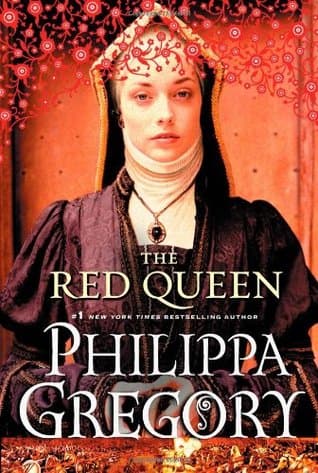
- The Red Queen
Philippa Gregory
3.8 (63k) average on GoodreadsHistorical FictionAnother installment in the Cousins' War series, focusing on Elizabeth of York's mother-in-law, Margaret Beaufort.
- The Other Boleyn Girl
Philippa Gregory
4.1 (456k) average on GoodreadsHistorical FictionExplores the lives of women at the heart of the Tudor court, filled with similar political and romantic entanglements.
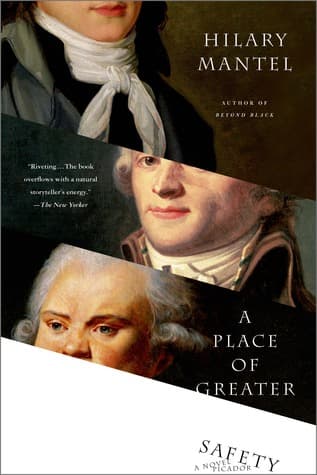
- A Place of Greater Safety
Hilary Mantel
4.0 (8k) average on GoodreadsLiterary FictionOffers a detailed, character-driven historical narrative set during a turbulent period, though focused on the French Revolution.
- To Kill a Mockingbird
Harper Lee
4.3 (4.5M) average on GoodreadsHistorical FictionIn the 1930s Jim Crow South, Harper Lee writes about racial injustice, moral growth, and the quiet courage of a lawyer father, Atticus Finch, as seen through his young daughter's eyes.
- The Great Gatsby
F. Scott Fitzgerald
3.9 (3.8M) average on GoodreadsHistorical FictionIn the opulent Roaring Twenties, a mysterious millionaire's lavish parties hide his desperate, tragic pursuit of a lost love, exposing the emptiness within the American Dream.
- Pride and Prejudice
Jane Austen
4.3 (3M) average on GoodreadsHistorical FictionIn a society focused on status and money, Elizabeth Bennet navigates love and pride, challenging Mr. Darcy and social expectations to find true affection.




Enjoyed the summary?
A summary gives you the shape of the book. The book itself has the detail, the examples and the voice.
Find The White Princess on AmazonAs an Amazon Associate, BookBrief earns from qualifying purchases. How we're funded