
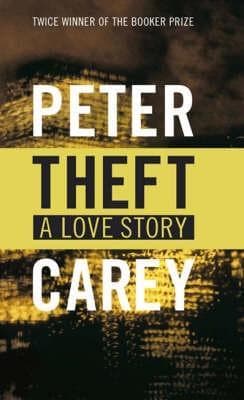
Synopsis
Covers the whole plot, including the ending.
- Difficulty
- Medium
- Pacing
- Moderate
- Mood
- Literary, Reflective, Intense, Art-centric, Romantic, Melancholy
- Read it if
- You appreciate literary fiction that delves into the nature of art, authenticity, and passionate, flawed characters, with rich, often experimental, language.
- Skip it if
- You prefer straightforward plots with clear-cut heroes and villains, or find stream-of-consciousness narration challenging.
Theft Plot Summary
Covers the whole plot, including the ending.
The Arrival at the 'Dog Farm'
Hugh 'Butcher' Bones, a once-famous Australian painter, is released from prison after a fraud conviction related to his art. He lives on his father's old property, which he calls the 'Dog Farm,' a remote place in rural New South Wales. With him is his son, Che Selkirk, a quiet young man who drives and cares for Butcher, managing his father's moods and needs. Butcher deals with the loss of his artistic reputation and the isolation of his new home, often thinking about past successes and failures while managing his strained relationship with Che.
The First Encounter with Marlene
A black car arrives at the Dog Farm, bringing Marlene Leibovitz, a sophisticated American art historian and the widow of a famous, recently deceased painter named Michael Boone. She has traveled from New York to Australia to meet Butcher, carrying a large painting attributed to Butcher's ex-wife, Sarah Woodruff, also a painter. Marlene claims the painting, 'The Kiss,' belongs to her and wants Butcher to confirm its author. Her presence immediately disrupts Butcher and Che's isolated routine, creating a complex dynamic of suspicion, attraction, and artistic intrigue.
The Confession of 'The Kiss'
During their first talks, Butcher examines 'The Kiss' and, after some struggle and an outburst of artistic pride, tells Marlene the painting is his own work, not Sarah's. He explains he painted it when trying to copy Sarah's style and signed it with her name, a secret he kept for decades. This confession forms the basis of a new, illicit collaboration between Butcher and Marlene. They begin to plan how to 'authenticate' the painting as Sarah's, despite knowing the truth, for reasons that are unclear but suggest financial gain and a return to Butcher's artistic legacy.
Che's Growing Unease and the Move to Sydney
As Butcher and Marlene's relationship grows and their plans for 'The Kiss' become more complex, Che watches their interactions with growing unease and suspicion. He notices their secret conversations, shared glances, and the tension between them. Butcher decides they must move to Sydney, supposedly to help with the 'authentication' process and access the art world. Che, loyal but increasingly burdened by his father's behavior and the moral ambiguity of the situation, reluctantly packs their things and drives them to a rented house in the city, feeling like an unwilling part of a deception.
The Forgery and the Tokyo Connection
In Sydney, Butcher and Marlene carefully create a false history for 'The Kiss.' They forge letters, make fake exhibition catalogs, and invent a story to establish the painting's origin as genuinely Sarah Woodruff's. This deception involves fabricating a connection to a wealthy Japanese art collector, Mr. Tanaka, who supposedly bought the painting from Sarah years ago. Che is often present, seeing the details of the forgery, his internal conflict growing as he deals with the ethics of their actions and his part in the scheme. The pressure grows as they prepare to introduce the painting to the international art market.
The Exhibition and the Revelation
The forged Sarah Woodruff painting, 'The Kiss,' is successfully shown in Sydney, creating interest in the art world. However, the facade begins to crack. Hints emerge from art critics and experts who question the painting's authenticity and its attribution to Sarah. The art world's scrutiny, combined with Butcher's temperament and his desire for recognition, puts pressure on their scheme. Che, watching the drama, becomes more aware of how unstable their situation is and the potential for exposure.
The Confrontation and Butcher's Confession to Che
Driven by conscience and concern for his father, Che confronts Butcher about the forgery and the lies around 'The Kiss.' In an emotional confession, Butcher reveals his past artistic deceptions, including how he sometimes painted in Sarah's style and signed her name, blurring authorship. He also admits his complicated feelings for Marlene, explaining their collaboration is not just about money or fame, but a desperate attempt to reclaim a lost sense of purpose. This confession brings a momentary, fragile understanding between father and son.
Marlene's True Intentions and the Backlash
As the fraud around 'The Kiss' unravels, Marlene's true intentions become clearer. It is revealed she planned the scheme not just for money, but to improve her deceased husband Michael Boone's legacy, using Butcher's talent. The art world reacts with outrage, and the scandal erupts, leading to public humiliation and legal problems for Butcher. The world of deception collapses, leaving Butcher disgraced again and Che dealing with the aftermath of his father's choices and his own involvement.
The Aftermath and Butcher's Downfall
The exposure of the fraud pushes Butcher into deeper despair and financial ruin. He loses his reputation, faces new legal action, and is ostracized from the art world. The 'Dog Farm' is lost, and Butcher loses his last status and security. Che, affected by the scandal, struggles to accept his father's behavior and the ethical compromises he saw. Their relationship is strained as Che tries to make his own way from his father's influence, while still bound by loyalty and love.
Che's Reflection and the Lingering Legacy
Years later, Che Selkirk, now an adult, thinks about his father's life, his artistic genius, and his flaws. He deals with the complex legacy Butcher left behind – brilliant art mixed with fraud, passion, and self-destruction. Che revisits the themes of authorship, authenticity, and the true value of art, trying to understand what drove his father. The novel ends with Che's thoughts on Butcher's memory, acknowledging the mark his father left on him and the art world, and the lasting questions about truth and beauty.
Principal Figures
Hugh 'Butcher' Bones
Protagonist
A once-renowned Australian painter, now disgraced and volatile.
Butcher Bones is a complex and deeply flawed artist, driven by an intense, almost primal connection to his craft. He is arrogant, self-destructive, and prone to fits of rage and grandiosity, yet possesses undeniable talent and a profound understanding of art. His past is littered with artistic triumphs and personal failures, including a prison sentence for fraud. He craves recognition and fears artistic irrelevance, leading him into morally ambiguous situations. He is deeply, if complicatedly, attached to his son, Che, and haunted by his former muse and wife, Sarah Woodruff.
Relationships: Che Selkirk (Son and reluctant caretaker; complex, strained, and codependent.); Marlene Leibovitz (Lover and co-conspirator; a manipulative and intense relationship built on shared deception and artistic ambition.); Sarah Woodruff (Ex-wife and former muse; a lingering, influential presence in his artistic and personal life.)
Che Selkirk
Narrator and Supporting
Butcher's loyal, observant son and reluctant driver/caretaker.
Che Selkirk is the quiet, introspective son of Butcher Bones, who serves as his father's driver, assistant, and moral compass. He is often the voice of reason and responsibility, caught between his unwavering loyalty to his volatile father and his own developing sense of ethics. Che is burdened by the legacy of his father's genius and his crimes, and he grapples with the complexities of love, duty, and complicity. He is a keen observer, often providing the reader with a more grounded perspective on the chaotic events unfolding around him.
Relationships: Hugh 'Butcher' Bones (Father; a deeply complex bond of love, duty, and exasperation.); Marlene Leibovitz (Object of suspicion and a figure who represents a threat to his father's already fragile stability.)
Marlene Leibovitz
Antagonist/Supporting
An enigmatic American art historian and co-conspirator.
Marlene Leibovitz is a sophisticated, manipulative, and intelligent American art historian, the widow of the famous painter Michael Boone. She possesses a sharp mind and a strategic approach to the art world, driven by a desire to secure her own legacy and that of her late husband. Her motives are complex, blending genuine appreciation for art with a ruthless ambition for financial gain and influence. She is a catalyst for much of the plot's deception, drawing Butcher into her scheme with a mix of intellectual allure and calculated charm.
Relationships: Hugh 'Butcher' Bones (Lover and co-conspirator; a relationship built on intellectual and sexual attraction, as well as mutual exploitation.); Che Selkirk (A figure she views as an obstacle or an inconvenience to her plans.); Michael Boone (Deceased husband; her actions are partly driven by a desire to posthumously enhance his reputation.)
Sarah Woodruff
Mentioned/Supporting
Butcher's ex-wife and a painter whose identity is central to the fraud.
Sarah Woodruff is Butcher's former wife and a painter in her own right, though her work is often overshadowed by his. She is a spectral presence throughout the novel, her artistic identity and personal history constantly invoked and manipulated by Butcher and Marlene. Her painting style, particularly 'The Kiss,' becomes the focal point of the forgery, making her a posthumous victim of Butcher's deceptions. Her memory represents a lost period of creativity and love for Butcher, and her name becomes a commodity in the art fraud.
Relationships: Hugh 'Butcher' Bones (Ex-wife and former muse; a complex, passionate, and ultimately destructive relationship.); Michael Boone (A fellow artist within their shared social circle.)
Michael Boone
Mentioned
Marlene's deceased husband and a famous painter.
Michael Boone is Marlene Leibovitz's recently deceased husband, a celebrated painter whose reputation Marlene is fiercely protective of. Although never appearing directly, his presence is felt through Marlene's actions and motivations. His fame and legacy are significant drivers for Marlene's scheme, as she seeks to elevate his status and secure her own position within the art world through association and strategic manipulation. He represents a standard of artistic success that Butcher both envies and resents.
Relationships: Marlene Leibovitz (Deceased husband; his legacy is the primary motivation for her actions.); Hugh 'Butcher' Bones (A rival in artistic reputation, though Butcher views him with a mixture of disdain and respect.)
Themes & Insights
Authenticity and Forgery in Art
The novel explores the blurred lines between genuine art and skilled imitation. Butcher's act of painting 'The Kiss' in Sarah's style, then signing her name, questions the idea of single authorship and the value of an artist's signature. The efforts by Butcher and Marlene to create a false history for the painting show how easily the art market can be fooled by a convincing story, even when it's a lie. This theme makes the reader question what 'authenticity' really means – is it the painter, the intent, or the story built around it?
“It was her hand, he would tell himself, but it was his hand too. Two hearts beating as one, but one of them was a thief.”
The Nature of Artistic Genius and Legacy
Peter Carey looks at the complex and often destructive nature of artistic genius through Butcher Bones. Butcher's talent is clear, but it is mixed with arrogance, self-destruction, and a desperate need for recognition. The novel examines how an artist's legacy can be shaped, manipulated, and stolen, and the lengths people go to preserve or improve it. Both Butcher and Marlene want to control artistic narratives, showing the power dynamics in the art world and the human need for recognition beyond one's life.
“What was a man without his gift? A thief, perhaps. Or merely a ghost.”
Love, Betrayal, and Codependency
The relationships in 'Theft' are full of complex emotions, especially the bond between Butcher and Che, and the volatile connection between Butcher and Marlene. Che's unwavering, yet burdened, loyalty to his father shows a deep codependency, where love is mixed with duty and a struggle against his father's destructive impulses. The relationship between Butcher and Marlene is a twisted romance built on shared deception, intellectual sparring, and a mutual understanding of each other's flaws. Betrayal is constant, in both artistic fraud and personal relationships, questioning the foundations of trust and affection.
“He loved his father, even when he hated him. It was a terrible, beautiful prison.”
The Price of Ambition and Reputation
The novel shows the relentless pursuit of ambition and the devastating effects when reputation is lost. Butcher Bones, once famous, finds himself disgraced and wanting to reclaim his former glory, leading him to fraud. Marlene Leibovitz, driven by her own ambition and a desire to elevate her late husband's legacy, plans the deception. The story shows the superficiality of the art market, where reputation and perceived value can override true artistic merit, and illustrates the profound personal and professional costs when that facade collapses.
“Reputation was a fragile thing, easily shattered, almost impossible to repair.”
Plot Devices & Literary Techniques
First-Person Plural Narration (Butcher & Che)
The story is told through alternating first-person perspectives of Butcher and Che.
Peter Carey employs an innovative narrative structure, alternating between the first-person perspectives of Butcher Bones ('I') and his son, Che Selkirk ('I'). This allows for a multifaceted view of the events, with Butcher providing his grandiose, often unreliable, and artistically driven account, while Che offers a more grounded, morally aware, and observational perspective. The contrasting voices not only reveal their individual personalities and internal struggles but also highlight the generational and ethical divides between them, creating a rich, complex understanding of the plot and its characters.
The Forged Painting ('The Kiss')
A central object of deception, a painting falsely attributed to Sarah Woodruff.
'The Kiss' serves as the primary MacGuffin and catalyst for the entire plot. It is a painting created by Butcher Bones but signed with his ex-wife Sarah Woodruff's name, becoming the object of an elaborate authentication fraud orchestrated by Butcher and Marlene. The painting itself embodies the novel's central themes of authenticity, authorship, and the malleability of artistic truth. Its physical presence and disputed provenance drive the characters' actions, exposing their motivations, desires, and ultimately, their downfall.
The 'Dog Farm' Setting
Butcher's isolated, dilapidated rural property.
The 'Dog Farm' is more than just a setting; it acts as a symbolic representation of Butcher Bones's disgraced status and his internal state. This remote, decaying property in rural Australia initially serves as a place of exile and forced introspection for Butcher after his release from prison. Its desolation and lack of artistic stimulation amplify Butcher's feelings of artistic confinement and resentment. The 'Dog Farm' contrasts sharply with the glamorous art worlds of New York and Sydney, highlighting Butcher's fall from grace and the struggle for his artistic soul.
Theft Quotes
“I had been standing in the shadow of my own life, and the shadow was getting longer.”
“The art of forgery is a cruel art, for it denies the forger his own voice.”
“Every painting is a theft, in a way. You steal a moment, a light, a feeling, and make it your own.”
“Love, it turns out, is a kind of larceny.”
“To be an artist is to live with a constant fear of not being seen, or, worse, being seen incorrectly.”
“The past is not a foreign country; it is a room you cannot leave.”
“We are all, in the end, just trying to make something that lasts.”
“There is no such thing as a clean break, not in art, not in love, not in life.”
“Beauty is a kind of argument, a way of insisting on something that might otherwise be ignored.”
“The great lie of art is that it is ever truly original.”
“To invent a past is not to escape it, but to remake it, and in doing so, to be remade yourself.”
“Every brushstroke is a risk, a gamble against the canvas, against time.”
“Perhaps the greatest works are those that contain their own undoing.”
“The landscape of desire is always shifting, always demanding a new map.”
“He understood then that the truest theft was not of an object, but of a story.”
Quiz
10 questions on the plot and the characters. Each answer comes with a short explanation.
Question 1
What is the primary profession of the narrator, Michael Boone?
- Art Dealer
- Art Forger
- Painter
- Art Historian
Show answer
C. Painter Michael Boone is a painter, though his career is in decline and he is often referred to as a 'has-been'.
Question 2
Who is 'Butcher' in the novel?
- Michael Boone's art agent
- Michael Boone's estranged son
- A rival painter
- A character involved in art fraud
Show answer
B. Michael Boone's estranged son 'Butcher' is the nickname given to Michael Boone's son, who also narrates parts of the story.
Question 3
What is the name of the acclaimed Australian painter whose work is central to the story?
- Joy Hester
- Sidney Nolan
- Arthur Boyd
- Jacques Leibovitz
Show answer
D. Jacques Leibovitz Jacques Leibovitz is the fictional, famous Australian painter whose 'lost' works become a pivotal point in the plot.
Question 4
Where does Michael Boone initially live at the beginning of the novel?
- A remote farm in Queensland
- A small town in Tasmania
- A dilapidated house in rural New South Wales
- A studio apartment in Sydney
Show answer
C. A dilapidated house in rural New South Wales Michael Boone lives in a rural, somewhat isolated setting in New South Wales after his fall from grace.
Question 5
What object does Michael Boone 'steal' from his ex-wife's house, leading to his legal troubles?
- A valuable antique vase
- A painting by Jacques Leibovitz
- A collection of rare books
- His own early works
Show answer
B. A painting by Jacques Leibovitz Boone takes a Leibovitz painting from his ex-wife's home, believing it to be his property, which results in his conviction for theft.
Question 6
What is the central ethical dilemma explored through the character of Michael Boone regarding art?
- The conflict between commercial success and artistic integrity.
- The ownership and authenticity of art, especially when it is 'lost' or 'stolen'.
- The influence of critics on an artist's legacy.
- The role of government funding in supporting the arts.
Show answer
B. The ownership and authenticity of art, especially when it is 'lost' or 'stolen'. The novel heavily questions who truly 'owns' a painting, particularly in the context of divorce, debt, and the 'recovery' of supposedly lost works by a famous artist.
Question 7
Why does Michael Boone's former wife, Margie, pursue legal action against him for 'theft'?
- She wants to sell the painting for a quick profit.
- She believes the painting belongs solely to her as part of their divorce settlement.
- She is coerced by art dealers to press charges to devalue the painting.
- She is angry and wants to punish him, and the painting becomes a tool for this.
Show answer
D. She is angry and wants to punish him, and the painting becomes a tool for this. Margie's actions are driven by a deep-seated resentment and desire for revenge against Michael, using the 'theft' of the painting as a means to inflict harm.
Question 8
What role does the character of Marita play in the narrative?
- She is a rival artist competing with Boone.
- She is a wealthy art collector interested in Boone's work.
- She is a woman with whom Michael Boone forms a complex romantic and artistic connection.
- She is a lawyer who helps Boone with his legal troubles.
Show answer
C. She is a woman with whom Michael Boone forms a complex romantic and artistic connection. Marita is a key figure, becoming Michael Boone's lover and muse, and her own artistic endeavors and perspectives significantly influence the plot.
Question 9
How does the novel explore the theme of 'redemption' for Michael Boone?
- Through a successful return to the commercial art market.
- By achieving critical acclaim for new, innovative works.
- Through his relationship with Marita and a renewed focus on his artistic purpose, despite personal failings.
- By exposing the true art thieves and clearing his name.
Show answer
C. Through his relationship with Marita and a renewed focus on his artistic purpose, despite personal failings. Boone's redemption is not found in external success but in the personal growth he experiences through his love for Marita and his renewed commitment to art, even if it's not widely recognized.
Question 10
What specific detail about Jacques Leibovitz's art makes it particularly valuable and sought after?
- He only painted portraits of famous individuals.
- He used a unique, secret pigment that made his colors glow.
- Many of his most significant works were believed to be lost or destroyed.
- His paintings were miniature in scale, making them rare and intricate.
Show answer
C. Many of his most significant works were believed to be lost or destroyed. The mystique and value of Leibovitz's art are significantly amplified by the belief that many of his important works had vanished, making any 'rediscovered' pieces extremely valuable.
Theft FAQ
What is the central premise of 'Theft' by Peter Carey?
'Theft' centers on the disgraced Australian painter Michael 'Butcher' Boone, who is living in rural exile with his wife and the 'other woman,' his former wife. His fragile existence is disrupted when he is commissioned to authenticate a painting believed to be by the legendary French artist Jacques Leibovitz, a task that intertwines with his complex past and present.
Who is Michael 'Butcher' Boone and what is his current situation at the beginning of the novel?
Michael 'Butcher' Boone is a once-renowned Australian painter now living in disgraced obscurity after an art scandal. He resides in a dilapidated house in rural Australia, cared for by his first wife, Sarah, while his second wife, Marlene, lives in a nearby caravan, creating an unconventional and strained domestic arrangement.
Who is Hugh Boone and what is his role in the narrative?
Hugh Boone is Michael's brother, an intellectual and art critic who serves as Michael's 'keeper' and narrator for significant portions of the book. He meticulously documents Michael's life, thoughts, and artistic struggles, providing a contrasting perspective to Michael's more visceral and emotional account.
What is the significance of the Leibovitz painting commission?
The authentication of the painting attributed to Jacques Leibovitz is the primary catalyst for the plot, forcing Michael to confront his artistic integrity, past failures, and the commercial realities of the art world. It also introduces the character of Mrs. Phyllis Kinderman, who claims ownership and sparks the central mystery.
How does the novel explore the theme of 'theft' beyond its literal meaning?
The novel explores theft not just as physical appropriation, but also as the theft of identity, artistic originality, love, and time. Michael feels his reputation was stolen, artists 'steal' from history, and relationships are marked by emotional taking, making the title resonate on multiple symbolic levels throughout the narrative.
What is the true nature of Mrs. Phyllis Kinderman's connection to the Leibovitz painting?
Mrs. Phyllis Kinderman is not merely the owner; she claims to be the illegitimate daughter of Jacques Leibovitz, and the painting is supposedly a gift from him to her. This claim adds a layer of personal history and emotional weight to the authentication process, making the artwork a symbol of lineage and identity.
How do the narrative voices of Michael and Hugh complement or contradict each other?
Michael's narration is raw, passionate, and often fragmented, reflecting his artistic temperament and emotional turmoil. Hugh's is more analytical, detached, and meticulously ordered, serving as a critical lens through which Michael's life and work are filtered, often highlighting Michael's self-deceptions or exaggerations.
What is the significance of the 'Blue Painting' and its connection to Michael's past?
The 'Blue Painting' is a key artwork from Michael's earlier career, a piece of his own creation that was involved in the scandal that ruined his reputation. It symbolizes his lost potential and the accusations of fraud that have haunted him, representing both his artistic peak and his public downfall.
How does the setting, moving from rural Australia to Manhattan and Tokyo, influence the narrative?
The contrasting settings highlight Michael's journey from isolated rural introspection to the high-stakes, commercialized international art world. Rural Australia emphasizes his exile and connection to raw creativity, while Manhattan and Tokyo represent the artificiality, ambition, and global reach of art markets and identity construction.
Analyze Michael Boone's psychological state. Is he a reliable narrator?
Michael Boone is deeply unreliable due to his volatile emotions, self-pity, and artistic ego. He grapples with profound feelings of betrayal, resentment, and a desperate need for validation, which often distorts his perception of events and his relationships, making his account a subjective and emotionally charged one.
How does the novel portray the psychology of creativity and artistic genius?
The novel portrays creativity as a consuming, often destructive force, driven by obsession, ego, and a complex relationship with both inspiration and fraud. It suggests that genius can border on madness, and that the line between genuine artistic vision and clever appropriation is often blurry, fueled by intense personal struggles.
Discuss the complex psychological dynamics between Michael, Sarah, and Marlene.
The relationship between Michael, Sarah, and Marlene is a psychologically charged ménage à trois, marked by codependency, resentment, and a strange form of love. Sarah embodies enduring, sacrificing love; Marlene represents passion and betrayal; and Michael is trapped between them, using them to fulfill his emotional and practical needs.
What role does memory and its fallibility play in the characters' understanding of their past?
Memory is highly subjective and often fallible in 'Theft,' shaped by each character's desires, guilt, and self-preservation. Michael's memories are particularly prone to revisionism, allowing him to rationalize his actions and maintain a sense of artistic purity, while Hugh attempts to impose order on these chaotic recollections.
Is Michael Boone ultimately redeemed by the end of the novel?
Whether Michael Boone is truly redeemed is open to interpretation. While he experiences moments of clarity and perhaps a degree of reconciliation with his past, his fundamental character flaws and self-serving tendencies persist. His 'redemption' is more about a fragile acceptance of his complex identity rather than a complete moral transformation.
To what extent is 'Theft' a critique of the modern art world?
'Theft' offers a scathing critique of the modern art world, exposing its commercialism, the power of critics and dealers, the obsession with authenticity, and the ease with which fraud can occur. It highlights how market value often overshadows artistic merit and genuine creativity.
How does Peter Carey use language and narrative structure to enhance the novel's themes?
Carey uses a rich, often poetic and fragmented language, mirroring Michael's passionate inner world and the fractured nature of memory. The dual narration provides contrasting perspectives, emphasizing the subjective nature of truth and the complexities of identity, while weaving together past and present to build suspense and thematic depth.
What is the ultimate message regarding authenticity in art and life that the novel conveys?
The novel suggests that absolute authenticity, in both art and life, is an elusive and perhaps mythical concept. It argues that all creation involves a degree of 'theft' or influence, and that personal identity is often a construction. The value of art, it implies, lies less in its provable origin and more in its emotional impact and the stories it tells.
Discuss the title 'Theft' in relation to the novel's exploration of love and relationships.
In relationships, 'theft' manifests as the taking of emotional energy, time, and loyalty without full reciprocation. Michael 'steals' from Sarah's devotion and Marlene's passion, while also feeling his own love and happiness were 'stolen' by circumstances or others. Love is portrayed as a transaction where something is always given and taken, sometimes unfairly.
About the author
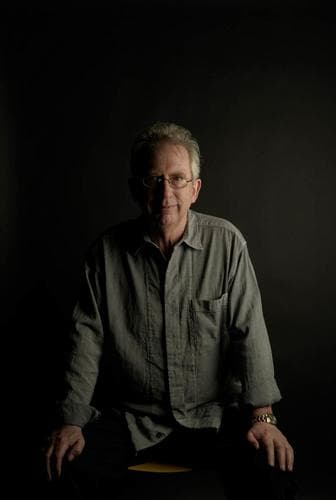
Peter Carey may refer to:Peter Carey, Australian rules player for Glenelg Peter Carey, English footballer Peter Carey (historian), British historian of south-east Asia Peter Carey (novelist), Australian novelist Peter Carey (umpire), Australian rules umpire "Black Peter" Carey, a fictional character in The Adventure of Black Peter, a Sherlock Holmes story by Sir Arthur Conan Doyle
Similar books
- The Goldfinch
Donna Tartt
3.9 (720k) average on GoodreadsLiterary FictionFeatures art as a central theme, intricate plots involving forgery, and a deep exploration of loss and obsession.
- My Name Is Red
Orhan Pamuk
3.9 (45k) average on GoodreadsHistorical FictionLike Theft, Pamuk's My Name Is Red (2000) delves into the nature of art, authenticity, and the clash between tradition and innovation, set against the backdrop of Ottoman miniature painting. Both novels employ multiple narrators, allowing for diverse perspectives on artistic creation and its philosophical underpinnings. However, Pamuk's novel is more overtly a murder mystery and an exploration of East-West cultural tension, whereas Carey focuses more intensely on the personal psychodrama of the artist and the ethics of appropriation in a contemporary setting. While both question the 'original,' Pamuk uses historical context to explore religious dogma's influence on art, while Carey uses a modern narrative to dissect personal ambition and betrayal.
- The Old Man and the Sea
Ernest Hemingway
3.8 (831k) average on GoodreadsLiterary FictionA Cuban fisherman's long struggle with a giant marlin becomes a story of endurance and dignity, now retold for young adults with illustrations, phonetic guides, and writing prompts in Traditional Chinese.
- One Hundred Years of Solitude
Gabriel García Márquez
4.1 (753k) average on GoodreadsLiterary FictionThrough the multi-generational story of the Buendía family, a mythical town deals with the repeating patterns of time, love, and solitude, as the extraordinary mixes with the ordinary.
- Little Fires Everywhere
Celeste Ng
4.1 (713k) average on GoodreadsLiterary FictionIn Shaker Heights, an artist and her daughter move in, and their free-spirited lives clash with a rule-bound matriarch, revealing hidden conflicts beneath a perfect surface.
- Eleanor Oliphant Is Completely Fine
Gail Honeyman
4.3 (708k) average on GoodreadsLiterary FictionA lonely woman's structured life changes when an IT guy and an elderly man help her learn to open her heart.






Enjoyed the summary?
A summary gives you the shape of the book. The book itself has the detail, the examples and the voice.
Find Theft on AmazonAs an Amazon Associate, BookBrief earns from qualifying purchases. How we're funded