

Synopsis
Covers the whole plot, including the ending.
- Difficulty
- Medium
- Pacing
- Moderate
- Mood
- Epic, Poignant, Adventurous, Hopeful, Melancholy
- Read it if
- You love classic American coming-of-age stories, epic journeys, and tales of resilience in the face of adversity, with a strong sense of place and historical context.
- Skip it if
- You prefer fast-paced thrillers or stories with minimal character development and a focus on action over introspection.
This Tender Land Plot Summary
Covers the whole plot, including the ending.
Escape from the Lincoln Indian Training School
In the summer of 1932, twelve-year-old Odie O'Banion and his older brother Albert are orphans at the Lincoln Indian Training School in Minnesota. The school is a harsh place run by the cruel Superintendent Stark. They are the only white children among the Native American students, including their friend, Mose, a mute Sioux boy, and a young white girl named Emmy. After Odie throws a brick at Stark, thinking he has killed him, and Stark's brother, Gus, is murdered by someone else, the four children decide to escape. They steal a canoe and go down the Gilead River, hoping to reach the Mississippi River and find a home, specifically their Aunt Julia in St. Louis. They are driven by fear of Stark's revenge and a desire for freedom from the school.
First Encounters on the River
As they paddle down the Gilead River, the children meet the Sybil family, a kind, poor farming couple with children. The Sybils, despite their own difficulties during the Great Depression, offer the runaways food, shelter, and a short break from their flight. This meeting gives the children their first experience of kindness outside the school, contrasting with the brutality they have known. Mrs. Sybil, in particular, shows motherly affection toward Emmy, who is still traumatized. The Sybils also share news of the outside world, including the search for Gus Stark's killer, making the children realize they are still in danger. They soon continue their journey, cautious but a little more hopeful.
The Tent Revival and the Reverend
The children soon find a tent revival led by the charismatic Reverend John Walker and his wife, Cora. Walker, a traveling faith healer, offers them work and a place in his group. Odie, with his quick wit and storytelling, becomes an assistant to the Reverend, helping to attract crowds and even taking part in the 'miracle' healings. Albert becomes a handyman, and Emmy and Mose also find roles. During this time, Odie starts to question the Reverend's methods and honesty, seeing both real faith and planned deception. He also develops a complicated relationship with the Reverend, who acts as a father figure, teaching him about speaking and the human spirit, but also showing his own moral flaws.
Betrayal and a New Threat
While with Reverend Walker, the children learn he is not entirely the good person he appears to be. Walker is a con artist, taking advantage of desperate people during the Depression. More alarmingly, he has a dark secret: he is part of a child trafficking ring, planning to sell Emmy. Odie overhears this plan and, with Albert and Mose, plans another escape. They manage to flee the revival camp, leaving the Reverend and Cora behind, and continue their journey downriver. This experience further strengthens their bond and their understanding of the world's dangers, making them rely only on each other.
The Mississippi and the Hobo Camp
The children finally reach the Mississippi River, a big step in their journey. They find shelter in a hobo camp, a community of displaced people, drifters, and wanderers during the Depression. Here, they meet Sister Mattie, a kind and practical woman who cares for the camp's residents. They also meet other interesting characters, learning about survival and resilience in difficult times. Odie, Albert, Mose, and Emmy feel a sense of belonging among these outcasts, finding temporary safety and a shared understanding of their rootless lives. This period teaches them about different kinds of community and the resourcefulness of those on society's edges.
The Flood and Separation
While at the hobo camp, a large flood hits the Mississippi River, causing widespread damage. In the chaos, the children are separated. Albert, always protective, keeps Emmy safe but is swept away from Odie and Mose. Odie and Mose manage to stay together, but losing Albert and Emmy is a devastating blow. This event changes things, as the group's unity breaks, and their individual strength is truly tested. Odie is filled with guilt and fear for his brother and Emmy, but he and Mose must continue their journey, hoping to reunite while navigating the flood-damaged land.
The Haunted House and the Witch
Odie and Mose, now alone, find shelter in a seemingly abandoned house after the flood. They soon discover it is lived in by an old, reclusive woman named Mrs. Frost, who is at first unfriendly but gradually warms to them. Mrs. Frost, who has her own secrets and sadness, becomes a temporary guardian. She teaches Odie about nature's healing power and introduces him to stories of the land. She also reveals her tragic past, including losing her own child, which explains her initial bitterness. This meeting offers a time of emotional healing and reflection for Odie and Mose, allowing them to process their trauma and gain a new view on life and loss.
Reunion and the Pursuit
Through luck and persistence, Odie and Mose eventually reunite with Albert and Emmy. Albert, having protected Emmy, found a way to survive the flood and track his brother. Their reunion is joyful but short-lived. Superintendent Stark, relentless in his pursuit, has tracked them down, still believing Odie is responsible for Gus's death and determined to take the children back. The children are again on the run, the threat from the Lincoln School returning with new force. The chase becomes more desperate, forcing them to use all their cleverness to evade Stark and his men, showing the lasting nature of the unfairness they faced at the school.
The Truth Revealed and Confrontation
As the chase continues, the truth about Gus Stark's death is revealed. It was not Odie, but Superintendent Stark himself who killed his brother Gus. Stark had been embezzling funds from the Lincoln School, and Gus had discovered his dishonesty, leading to a deadly confrontation. This revelation clears Odie and exposes Stark for the villain he is. The children, with help from some new allies, confront Stark. In a final scene, Stark's crimes are revealed, and he faces justice for his actions, both the murder and the abuse at the school. This resolution brings some peace and closure for the children.
Finding a New Home
With Superintendent Stark's rule of terror ended, the children are finally free. They continue their journey, no longer as fugitives but as individuals looking for a true home. They eventually find a loving family who takes them in, offering the stability and affection they have wanted. Odie, Albert, Mose, and Emmy, though changed by their hard journey and the losses they endured, have found a place where they are safe, loved, and can begin to heal. The 'tender land' they sought was not just a physical place but a feeling of belonging and connection, which they ultimately find in each other and their new family. Odie, in particular, becomes a storyteller, sharing their journey.
This Tender Land Characters
Odie O'Banion
Protagonist
A twelve-year-old orphan with a sharp wit and a gift for storytelling.
Odie is the central narrator and protagonist, a mischievous and intelligent twelve-year-old orphan. He is quick-witted, rebellious, and possesses a vivid imagination, which he often uses to cope with the harsh realities of his life. Odie is deeply loyal to his brother, Albert, and his friends, Mose and Emmy. His journey is one of self-discovery, where he learns about the complexities of human nature, the power of stories, and the meaning of home. He struggles with guilt over his perceived role in Gus Stark's death and a constant yearning for belonging. He develops a keen observational eye and a talent for weaving narratives, eventually becoming the chronicler of their adventures.
Relationships: Albert O'Banion (Younger brother, deeply protective); Mose (Best friend, silent companion); Emmy (Younger friend, feels responsible for her); Superintendent Stark (Antagonist, tormentor); Reverend John Walker (Temporary mentor, deceptive figure)
Albert O'Banion
Supporting
Odie's older brother, a steadfast and protective figure.
Albert is Odie's older brother, a quiet, strong, and fiercely protective young man. He is the anchor of the group, providing practical skills, physical strength, and a calming presence. Albert rarely speaks but communicates effectively through his actions and his deep devotion to Odie, Mose, and Emmy. He takes on a parental role, ensuring their safety and survival throughout their perilous journey. His unwavering loyalty and moral compass serve as a constant source of strength for the others, especially Odie. Albert represents resilience, responsibility, and the quiet power of selfless love, often putting himself in harm's way for his family.
Relationships: Odie O'Banion (Older brother, protective and devoted); Mose (Friend, fellow protector); Emmy (Younger friend, feels responsible for her)
Mose
Supporting
A mute Sioux boy, Odie's loyal and insightful best friend.
Mose is a Sioux boy and Odie's closest friend, notable for being mute. Despite his inability to speak, Mose communicates powerfully through his expressions, actions, and deep connection to nature. He possesses a calm demeanor, immense strength, and a profound understanding of the natural world, often serving as the group's guide and protector in the wilderness. Mose is a spiritual character, deeply rooted in his Native American heritage, and provides a quiet wisdom to the group. His presence emphasizes themes of identity, unspoken understanding, and the resilience of indigenous cultures. He is a constant source of comfort and unwavering loyalty, particularly to Odie.
Relationships: Odie O'Banion (Best friend, deeply connected); Albert O'Banion (Friend, fellow protector); Emmy (Younger friend, protective)
Emmy
Supporting
A young, brokenhearted girl who joins the runaways.
Emmy is a fragile, young white girl who is initially traumatized and withdrawn. She is taken from the Lincoln School by the boys out of pity, and her vulnerability makes her a central figure of their protective instincts. Throughout the journey, Emmy slowly begins to heal and regain her spirit, often finding comfort in the kindness of strangers and the unwavering care of the boys. Her innocence and need for love highlight the themes of family and belonging. She represents the hope for a better future and the emotional core of the makeshift family, inspiring the boys to continue their quest for a safe home.
Relationships: Odie O'Banion (Protective friend, feels responsible for her); Albert O'Banion (Fiercely protective friend); Mose (Protective friend)
Superintendent Stark
Antagonist
The cruel and abusive head of the Lincoln Indian Training School.
Superintendent Stark is the primary antagonist, a sadistic and corrupt man who runs the Lincoln Indian Training School with an iron fist. He embodies the institutional cruelty and racism prevalent during the era. Stark is obsessed with control and punishment, particularly towards Odie. His relentless pursuit of the children after his brother Gus's death drives much of the plot. He is later revealed to be Gus's murderer, having killed him to cover up his embezzlement from the school. Stark represents the oppressive forces and injustices that the children are fleeing, and his eventual downfall signifies their liberation.
Relationships: Odie O'Banion (Tormentor, object of his hatred); Gus Stark (Brother, murder victim)
Reverend John Walker
Supporting
A charismatic but deceptive traveling faith healer.
Reverend John Walker is a complex character who offers the children temporary refuge within his tent revival. He is charismatic, articulate, and initially appears benevolent, even teaching Odie about rhetoric and the power of words. However, he is ultimately revealed to be a con artist who exploits the desperation of people during the Depression. His true villainy is exposed when he plans to sell Emmy into child labor. Walker represents the moral ambiguities of the world, where good intentions can mask dark motives. He forces Odie to confront the nature of belief and deception, and his betrayal is a significant turning point in the children's understanding of human nature.
Relationships: Odie O'Banion (Temporary mentor, later betrayer); Cora (Wife, accomplice)
Cora
Supporting
Reverend Walker's wife and accomplice.
Cora is Reverend John Walker's wife and his partner in the tent revival scheme. She is a more subdued but equally complicit figure in their deceptions. Cora often presents a sympathetic face, especially to Emmy, but her loyalty lies with her husband and their illicit enterprise. She understands the workings of the revival and helps to maintain the illusion of its miracles. Her character highlights the way individuals can become entangled in and enable the morally questionable actions of others, even if they appear less overtly malicious than her husband. She is part of the threat the children face within the revival.
Relationships: Reverend John Walker (Wife, accomplice)
Mrs. Frost
Supporting
An eccentric, reclusive woman living alone by the river.
Mrs. Frost is an old, reclusive woman Odie and Mose encounter after the flood. Initially appearing as a 'witch' or hermit, she gradually reveals a compassionate heart and a tragic past, having lost her own child. She possesses a deep connection to nature and a wealth of knowledge about local lore and healing herbs. Mrs. Frost provides a period of respite and emotional healing for Odie and Mose, offering them wisdom and a different perspective on life, death, and resilience. She represents the healing power of nature and the unexpected kindness that can be found in isolated places, teaching Odie about the interconnectedness of life and the land.
Relationships: Odie O'Banion (Temporary guardian, mentor); Mose (Temporary ward)
Sister Mattie
Supporting
A kind and pragmatic woman in the hobo camp.
Sister Mattie is a compassionate and resourceful woman who acts as a maternal figure in the hobo camp along the Mississippi. She provides care, advice, and a sense of community to the displaced people, including the four children. Sister Mattie embodies the resilience and generosity found among those struggling during the Great Depression. She offers a temporary haven and a different kind of family structure, showing the children that kindness and solidarity can thrive even in the harshest circumstances. Her practical wisdom and nurturing spirit offer comfort and guidance to the runaways, particularly after their traumatic experiences.
Relationships: Odie O'Banion (Temporary guardian, advisor); Albert O'Banion (Temporary ward); Mose (Temporary ward); Emmy (Temporary ward)
This Tender Land Themes
Identity and Self-Discovery
The journey downriver is a strong image for the children's search for who they are. Odie, as the narrator, deals with his past, his part in Gus Stark's death, and his desire to tell stories. He learns who he is outside the Lincoln School and finds his voice. Mose connects with his Sioux heritage, finding strength in his link to the land. Albert becomes a protector, and Emmy finds her own sense of self. Each character, stripped of their old lives, must form a new understanding of who they are and where they belong.
“Home ain’t a place. It’s a feeling. It’s the people you’re with, and the way you feel when you’re with them.”
The Meaning of Home and Family
At its heart, the novel is a search for home and family. The children are orphans, taken from any family at the Lincoln School. Their journey is driven by the desire to find a place where they are loved and safe. They form a family unit, relying on each other for survival and emotional support. Along the way, they encounter different ideas of 'home' – from the temporary kindness of the Sybils, the deceptive community of the revival, the solidarity of the hobo camp, to the eventual loving adoptive family. The book suggests that home is not just a place but a feeling of belonging and love.
“We were like four leaves on the same branch, caught in the same wind.”
Justice and Injustice
The novel shows the unfairness of the era, especially against Native American children at the Lincoln Indian Training School. The cruelty of Superintendent Stark and the abuse he represents are central. The children's escape is a direct response to this unfairness. Throughout their journey, they see other forms of injustice, such as the poverty and exploitation faced by people during the Great Depression. The story builds toward a moment where justice is served against Stark, bringing a sense of moral closure and redemption for the characters, while also acknowledging broader societal problems.
“Sometimes the world ain’t fair, and sometimes the good Lord takes a long time to right a wrong. But in the end, the truth always comes out.”
The Power of Storytelling
Odie O'Banion is a natural storyteller, and his narration shapes the entire novel. Storytelling helps in many ways: as a way to cope with trauma, to understand a chaotic world, to connect with others, and to keep memories alive. Odie learns from Reverend Walker about the power of words, for both good and manipulation. Ultimately, his ability to turn their experiences into a story allows him to process his past, understand his journey, and find his purpose. The act of telling their story is an act of creation and healing itself.
“The truth is, a good story ain’t about what happened. It’s about what it felt like when it happened.”
Loss and Resilience
The children in 'This Tender Land' experience loss: the loss of parents, freedom, and innocence. They face hardship, separation, and betrayal, especially during the flood. However, the novel highlights their resilience in the face of these challenges. They constantly adapt, find strength in each other, and learn to survive against difficult odds. Each character deals with grief and trauma differently, but their journey shows the human ability to endure, heal, and find hope even after deep sorrow.
“We were all broken in some way, but we were still standing.”
Plot Devices & Literary Techniques
The Journey/Quest Narrative
The physical journey downriver as a metaphor for self-discovery.
The entire novel is structured as a classic quest narrative, following the four children on a physical journey down the Gilead and Mississippi Rivers. This literal journey serves as a powerful metaphor for their internal quests for identity, belonging, and freedom. Each stop along the river represents a new challenge, a new lesson, or a new encounter that shapes their understanding of themselves and the world. The river itself acts as a guide, a force of nature, and a symbol of both peril and possibility, propelling them forward both geographically and emotionally.
First-Person Retrospective Narration
Odie O'Banion recounts his childhood adventure as an adult.
The story is told from the perspective of an adult Odie O'Banion looking back on his childhood adventure. This narrative choice allows for a reflective, often philosophical tone, as the older Odie provides insights and wisdom that his younger self lacked. It also creates a sense of foreboding and dramatic irony, as the reader knows the narrator survived, but the specific dangers and outcomes are still revealed. This perspective emphasizes the lasting impact of the journey and the power of memory and storytelling in shaping one's life.
Symbolism of the River
The Gilead and Mississippi Rivers representing freedom, life, and the flow of destiny.
The rivers in the novel, particularly the Gilead and the mighty Mississippi, are potent symbols. They represent freedom and escape from the confines of the Lincoln School. They are also symbols of life, change, and the relentless flow of destiny, carrying the children away from their past and towards an uncertain future. The river provides sustenance, challenges, and a path forward. Its vastness and power reflect the scope of the children's journey and the forces of nature that both threaten and sustain them, ultimately leading them to a new life.
The Great Depression Setting
The historical backdrop shaping characters' struggles and encounters.
The setting of the Great Depression in 1932 is more than just a backdrop; it is a crucial plot device that shapes the characters' experiences and the world they inhabit. The widespread poverty, displacement, and desperation of the era explain the prevalence of hobo camps, traveling preachers, and the vulnerability of the children. It also highlights the resilience and resourcefulness of ordinary people. This historical context underscores the themes of hardship, community, and the search for hope in challenging times, making the children's journey resonate with the broader struggles of the American people during this period.
This Tender Land Quotes
“There are some things you can't unsee, some things you can't unknow. Some things that change you forever. And you're just left to deal with it.”
“The world was a beautiful, dangerous place, and sometimes the only way to survive it was to be more dangerous than it was.”
“Sometimes the only way to find your way home is to get lost first.”
“We were just four orphans on a river, trying to outrun a past that wanted to swallow us whole.”
“It was a strange thing, how the river could be both a prison and a path to freedom.”
“Hope was a stubborn thing. It could bloom in the driest desert, survive the darkest night.”
“Sometimes the truest family isn't the one you're born into, but the one you choose.”
“There are angels and devils in every one of us, and sometimes it's hard to tell them apart.”
“A story isn't just words on a page. It's a living thing. It breathes, it changes, it grows.”
“The world was full of good people and bad people, and sometimes the good ones did bad things, and the bad ones did good things.”
“Grief was a river, too. It flowed, sometimes a trickle, sometimes a flood, and you could drown in it if you weren't careful.”
“Love, true love, wasn't about holding on. It was about letting go, even when it hurt.”
“We were like river stones, polished smooth by the current, but still carrying the scars of our origins.”
“Sometimes the greatest courage isn't in fighting, but in enduring.”
Quiz
10 questions on the plot and the characters. Each answer comes with a short explanation.
Question 1
What is the primary reason Odie and Albert are forced to flee the Lincoln Indian Training School?
- They stole food from the superintendent's private stores.
- Odie committed a terrible crime that put them in danger.
- They discovered a secret about the school's finances.
- They were caught trying to help other students escape.
Show answer
B. Odie committed a terrible crime that put them in danger. The book states that Odie and Albert are forced to flee after Odie commits 'a terrible crime,' leading to their desperate escape.
Question 2
Which river do Odie, Albert, Mose, and Emmy initially travel on after escaping the school?
- The Missouri River
- The Ohio River
- The Gilead River
- The Mississippi River
Show answer
C. The Gilead River The story begins on the banks of Minnesota's Gilead River, and the children steal away in a canoe, heading for the mighty Mississippi, implying their initial journey is on the Gilead.
Question 3
Besides Odie and Albert, who are the other two members of their fleeing group?
- Mose, a mute young man, and Emmy, a little girl.
- Sid, an older student, and Lena, a school cook.
- Frank, a runaway, and Sarah, a doctor's daughter.
- Silas, a former teacher, and Mary, a local farmer's child.
Show answer
A. Mose, a mute young man, and Emmy, a little girl. The synopsis clearly states they flee with their best friend, Mose, a mute young man of Sioux heritage, and 'a brokenhearted little girl named Emmy.'
Question 4
What is the primary goal of the children's journey after their escape?
- To find their biological parents in a distant city.
- To reach the West Coast and start a new life.
- To find a place to call home.
- To expose the abuses at the Lincoln Indian Training School.
Show answer
C. To find a place to call home. The summary states they are 'in search for a place to call home,' highlighting their longing for belonging and stability.
Question 5
What is Mose's heritage, as described in the book?
- Cherokee
- Sioux
- Apache
- Navajo
Show answer
B. Sioux Mose is specifically described as 'a mute young man of Sioux heritage,' emphasizing his Native American background.
Question 6
Which historical period does 'This Tender Land' primarily take place in?
- The Roaring Twenties
- The Great Depression
- World War II era
- Post-Civil War Reconstruction
Show answer
B. The Great Depression The book is set in the summer of 1932, a period squarely within the Great Depression, which influences the social landscape and the types of people the children encounter.
Question 7
What kind of people do the children encounter on their journey, reflecting the historical context?
- Wealthy industrialists and urban socialites.
- Struggling farmers, traveling faith healers, and displaced families.
- Frontier settlers and Native American tribal leaders.
- Gold prospectors and railroad workers.
Show answer
B. Struggling farmers, traveling faith healers, and displaced families. The summary explicitly mentions they cross paths with 'struggling farmers and traveling faith healers to displaced families and lost souls of all kinds,' which aligns with the Great Depression setting.
Question 8
What is the nature of the Lincoln Indian Training School, as depicted in the book?
- A progressive institution focused on cultural preservation.
- A pitiless place where Native American children are forcibly separated from parents.
- A boarding school for gifted children of all backgrounds.
- A vocational school training students for industrial jobs.
Show answer
B. A pitiless place where Native American children are forcibly separated from parents. The book describes the school as 'a pitiless place where Native American children, forcibly separated from their parents, are sent to be educated,' highlighting its harsh and assimilationist nature.
Question 9
Which broader theme is emphasized by the phrase 'the magnificent American landscape connects us all, haunts our dreams, and makes us whole'?
- The importance of urban development and industrial progress.
- The isolating effect of nature on individuals.
- The profound connection between humanity and the natural world, and its healing power.
- The dangers and unpredictability of the wilderness.
Show answer
C. The profound connection between humanity and the natural world, and its healing power. This phrase speaks to the spiritual and unifying power of the landscape, suggesting it offers solace, shared experience, and a sense of completeness, which is a central theme of the novel.
Question 10
What is Odie's relationship to Albert?
- Albert is Odie's best friend from the school.
- Albert is Odie's older brother.
- Albert is Odie's cousin.
- Albert is the superintendent's son.
Show answer
B. Albert is Odie's older brother. The description clearly states, 'Odie and his brother, Albert, are the only white faces among the hundreds of Native American children at the school,' establishing their sibling relationship.
This Tender Land FAQ
What is "This Tender Land" about?
"This Tender Land" follows the journey of four orphans—Odie O’Banion, his brother Albert, their Sioux friend Mose, and a young girl named Emmy—who escape the brutal Lincoln Indian Training School in 1932 Minnesota. They embark on a canoe journey down the Gilead and Mississippi Rivers, encountering a diverse cast of characters and facing numerous challenges as they search for a place to belong during the Great Depression.
Why should I read "This Tender Land"?
You should read "This Tender Land" for its compelling blend of adventure, historical insight, and profound exploration of themes like family, belonging, and the search for home. It offers a vivid portrayal of America during the Great Depression through the eyes of resilient young protagonists, weaving together elements of 'Huckleberry Finn' with a unique focus on social justice and the American spirit.
What is the background/setting of "This Tender Land"?
The story is set in the summer of 1932, primarily in the American Midwest, beginning at the fictional Lincoln Indian Training School in Minnesota. The characters then travel through the landscapes of the Great Depression-era, navigating rivers, farmlands, and small towns, encountering various displaced and struggling individuals on their way towards the Mississippi River and eventually St. Louis.
What are the most memorable quotes?
One memorable quote is Odie's reflection: "The world is full of suffering, but it is also full of the overcoming of it." Another poignant line highlights the book's core: "There are two kinds of courage, Odie. One is when you face down a bully. The other is when you decide to keep living." These quotes encapsulate the resilience and hope central to the narrative.
What writing style does the author use?
William Kent Krueger employs a rich, evocative, and often lyrical prose style, narrated in the first person by an older Odie O’Banion looking back on his youth. The language is accessible yet deeply descriptive, blending vivid imagery of the natural world with heartfelt character introspection. It has a classic, almost folksy storytelling quality that enhances its epic journey feel.
What minor details add significant meaning?
Emmy's constant sketching in her small notebook, initially seeming like a child's distraction, later becomes a powerful way for her to process trauma and communicate her unique perspective on the world. Also, the recurring motif of the 'windigo' legend among the Native American characters subtly underscores the lurking darkness and moral challenges the children face, representing the destructive forces of humanity.
What are some subtle foreshadowing moments?
Early on, Odie's recurring dreams of a 'dark river' or a 'great flood' subtly foreshadow the literal and metaphorical journey they will undertake down the Gilead and Mississippi, and the overwhelming challenges they will face. Additionally, the brief, intense gaze shared between Odie and Cora during their time with the revival tent hints at a deeper, more complicated future connection between them.
What unexpected character connections exist?
One unexpected connection is the revelation of Sister Evangeline's true identity and her past ties to the very system that created the Lincoln Indian Training School. Another is the intricate web of relationships surrounding the characters they meet at the revival tent, particularly how Jack, the 'preacher,' has a history that intertwines with the fate of some of the children's lost family members, creating a sense of a smaller, more interconnected world than initially appears.
What are unspoken character motivations?
Mose's quiet determination to protect Emmy, despite his muteness, is driven by a profound sense of responsibility and a desire to atone for past losses, though he never explicitly states this. Albert's persistent efforts to keep the group together and his unwavering moral compass are subtly motivated by a deep-seated fear of losing the only family he has left, stemming from their orphaned past.
What psychological complexities do characters exhibit?
Odie grapples with a profound internal conflict between his impulsive, rebellious nature and his emerging sense of responsibility and leadership. His struggle with forgiveness, particularly concerning the injustices they face, showcases his complex journey from a bitter orphan to a more compassionate young man. Emmy's selective mutism and artistic expression reveal her deep trauma and her unique way of processing a harsh world, demonstrating resilience through creative escapism.
What are the major emotional turning points?
A major emotional turning point is the group's decision to take Emmy with them, which solidifies their makeshift family and shifts their flight from mere escape to a shared quest for belonging. Another is their encounter with the 'Gypsy' family, which challenges their preconceived notions and forces them to confront their own prejudices and vulnerabilities, deepening their understanding of human connection and betrayal.
How do relationship dynamics evolve?
The relationship between Odie and Albert evolves from a typical older-brother-younger-brother dynamic, where Albert is the protector, to a more egalitarian partnership where Odie increasingly takes on leadership roles. The bond between Odie and Mose deepens from friendship to an unspoken brotherhood, forged in shared hardship and mutual respect, particularly as Mose becomes Emmy's silent guardian.
Which parts remain ambiguous or open-ended?
The ultimate fate of some of the secondary characters the orphans encounter, such as the traveling faith healers or certain individuals from the shantytowns, is left ambiguous, reflecting the transient nature of life during the Depression. Also, the full extent of the systemic corruption and abuse at the Lincoln Indian Training School, while clearly depicted, leaves some questions about specific accountability unresolved.
What are controversial scenes or decisions?
The initial crime committed by Odie and Albert, while presented as an act of self-defense against a cruel superintendent, is a morally complex decision that sets their entire journey in motion. Another controversial aspect is the depiction of some characters who exploit the vulnerable during the Depression, such as the deceptive practices of certain faith healers, which forces the young protagonists to confront difficult truths about human nature.
"This Tender Land" ending explained: how it ends & what it means
The book ends with the children finally reaching St. Louis, where they part ways. Albert and Mose find work, while Odie and Emmy are taken in by a compassionate woman named Cora. The ending signifies the dissolution of their immediate journey but the enduring strength of their bonds and the lessons learned. It means that while 'home' may not be a single place, the family they formed and the experiences they shared have shaped them irrevocably, allowing them to find their individual paths with resilience and hope for the future.
About the author

William Kent Krueger is an American author known for his fiction, particularly in the mystery and literary genres. His notable works include "Ordinary Grace," which explores themes of family and loss, "This Tender Land," a coming-of-age story set during the Great Depression, and "Iron Lake," the first in a series featuring the character Cork O'Connor.
Similar books
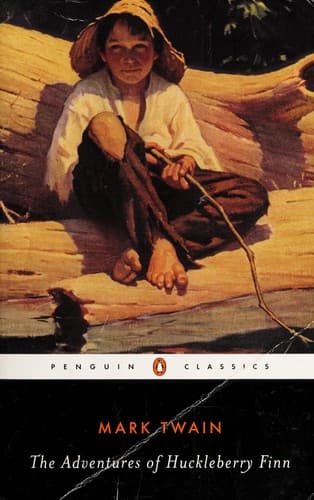
- The Adventures of Huckleberry Finn
Mark Twain
3.8 (1.2M) average on GoodreadsHistorical FictionFeatures a river journey, a young protagonist fleeing societal constraints, and a deep exploration of American identity and morality.
- Where the Crawdads Sing
Delia Owens
4.5 (975k) average on GoodreadsHistorical FictionExplores themes of isolation, survival in nature, and a young protagonist's struggle against societal judgment.
- The Grapes of Wrath
John Steinbeck
4.0 (750k) average on GoodreadsHistorical FictionBoth novels are set during the Great Depression and chronicle the journeys of displaced families facing extreme hardship. While Steinbeck's work offers a broader and more overtly socio-political critique of economic injustice and the plight of migrant workers, Krueger's focuses more intimately on the personal odyssey and emotional resilience of a small group of children, emphasizing themes of chosen family and individual redemption.
- The Old Man and the Sea
Ernest Hemingway
3.8 (831k) average on GoodreadsLiterary FictionA Cuban fisherman's long struggle with a giant marlin becomes a story of endurance and dignity, now retold for young adults with illustrations, phonetic guides, and writing prompts in Traditional Chinese.
- One Hundred Years of Solitude
Gabriel García Márquez
4.1 (753k) average on GoodreadsLiterary FictionThrough the multi-generational story of the Buendía family, a mythical town deals with the repeating patterns of time, love, and solitude, as the extraordinary mixes with the ordinary.
- The Goldfinch
Donna Tartt
3.9 (720k) average on GoodreadsLiterary FictionHaunted by a tragic explosion and clutching a stolen Dutch masterpiece, a young orphan navigates the opulent drawing rooms of New York and the gritty underbelly of the art world, desperately seeking connection and redemption amidst a life spiraling into crime and obsession.





Enjoyed the summary?
A summary gives you the shape of the book. The book itself has the detail, the examples and the voice.
Find This Tender Land on AmazonAs an Amazon Associate, BookBrief earns from qualifying purchases. How we're funded