

Synopsis
Covers the whole plot, including the ending.
- Difficulty
- Medium
- Pacing
- Moderate
- Mood
- Melancholy, Poignant, Reflective, Somber, Resilient
- Read it if
- You appreciate poignant stories of friendship, love, and loss set against a backdrop of historical turmoil, with a focus on character-driven narratives.
- Skip it if
- You prefer fast-paced thrillers or stories with clear-cut happy endings, or if you are sensitive to themes of illness, violence, and profound sadness.
Three Comrades Plot Summary
Covers the whole plot, including the ending.
The Garage and the Birthday
The story opens in 1928, in a post-World War I Germany with economic hardship and political instability. Robert Lohkamp, a former soldier, is celebrating his 30th birthday with his two closest friends and fellow veterans, Otto Koster and Gottfried Lenz. Together, they own and operate a struggling car repair garage, making a meager living. Otto, a skilled mechanic and former racing driver, often races their old taxi, 'Karl', to make extra money. Lenz, a more intellectual man, contributes to their camaraderie. Their birthday celebration, though modest, highlights their deep bond and their shared war experiences, which have left them disillusioned but loyal to one another in the chaotic world around them.
Meeting Patricia Hollmann
While out drinking at a local bar, Robert encounters Patricia Hollmann, a beautiful and somewhat mysterious young woman. She is initially reserved but intrigues Robert with her quiet elegance and melancholic air. Their first interaction is brief but leaves a lasting impression on Robert, who is unaccustomed to such a deep emotional connection. He is drawn to her delicate beauty and the hint of sadness in her eyes, a reflection of the pervasive weariness of their generation. This chance meeting begins a shift in Robert's solitary life, introducing a new dimension of hope and vulnerability.
A Budding Romance
Robert begins to seek out Patricia, and they start spending more time together, exploring the city and sharing quiet moments. Their relationship develops slowly, marked by a gentle understanding and a shared sense of existential weariness. Patricia reveals little about her past or her illness, maintaining a certain distance, but her presence brings a new lightness and joy into Robert's otherwise bleak existence. He finds himself falling deeply in love, a feeling he hadn't thought possible in the cynical aftermath of the war. Their dates often involve simple pleasures, like walks in the park or quiet dinners, solidifying their growing affection amidst a turbulent Germany.
Patricia's Illness Revealed
Their burgeoning happiness is abruptly shattered when Patricia suffers a severe lung hemorrhage. Robert rushes her to a hospital, where he learns the devastating truth: Patricia has advanced tuberculosis, a condition she has been hiding. This revelation casts a dark shadow over their relationship, introducing the grim reality of her mortality. Robert is heartbroken but resolves to stand by her, dedicating himself to her care and comfort. The friends rally around them, offering support and financial help, demonstrating their loyalty in the face of this challenge. Patricia's illness becomes a central struggle for all three comrades.
Struggling for Treatment
Patricia's illness requires expensive treatment, which the impoverished friends struggle to afford. Otto and Lenz take on extra work, and they pool their meager resources to pay for doctors and medication. Eventually, they manage to send Patricia to a sanatorium in the mountains, hoping the change of climate and specialized care will improve her condition. The separation is difficult for Robert, but he visits her whenever possible, bringing her small comforts and maintaining their emotional connection. The financial strain highlights the harsh realities of their existence, where even love is tested by economic hardship and inadequate resources.
Lenz's Political Involvement
Amidst Patricia's struggle, the political climate in Germany continues to deteriorate. Gottfried Lenz, always the most politically aware and outspoken of the trio, becomes increasingly vocal in his opposition to the growing Nazi movement and other extremist factions. He frequently engages in debates and expresses his concerns about the violence and intolerance spreading through the streets. His strong anti-war and anti-fascist sentiments put him at odds with the increasingly aggressive political groups. This engagement foreshadows the danger that will soon befall him as political tensions escalate.
Tragedy Strikes: Lenz's Murder
One evening, as Lenz is returning from a political meeting, he is ambushed and murdered by a group of political thugs. His death is a devastating blow to Robert and Otto, shattering their small, protective world. The loss of their comrade, a symbol of their shared past and their hope for a better future, plunges them into grief and a thirst for vengeance. Lenz's murder is a stark reminder of the escalating violence and the fragility of life in Weimar Germany, highlighting the destructive power of the political extremism they had tried to ignore.
Revenge for Lenz
Driven by grief and loyalty, Robert and Otto embark on a mission of revenge. Otto, using his connections and street smarts, helps Robert track down the men responsible for Lenz's murder. Robert, normally peace-loving, is consumed by a cold fury. They confront the thugs in a tense, violent encounter, and Robert, with Otto's support, exacts his revenge. This act, while providing a grim satisfaction, also leaves them hollow, emphasizing the futility and cyclical nature of violence. It underscores their bond, showing the lengths they will go for each other.
Patricia's Deterioration
Despite the efforts at the sanatorium, Patricia's health continues to decline. The tuberculosis is aggressive and unforgiving. Recognizing the inevitable, she decides to leave the sanatorium and return to the city to spend her remaining time with Robert. Her return, though a joy for Robert, is tinged with sadness, as they both know her time is short. Robert dedicates himself entirely to her comfort, creating a small sanctuary for her in his room. The friends do everything they can to make her last days as peaceful and loving as possible, facing the impending tragedy with quiet courage.
The Final Days
In Patricia's final days, Robert remains constantly by her side, tending to her every need. They share intimate conversations, reflecting on their love, the beauty of simple moments, and the bittersweet nature of life. Otto and other friends visit, offering support and companionship, creating a circle of love around Patricia. Despite the pain and the approaching end, there's a profound sense of peace and acceptance in their shared moments. Robert tries to shield her from the harsh realities outside, creating a bubble of tenderness that momentarily defies the chaos of the world and the inevitability of death.
Patricia's Death
Patricia finally succumbs to her illness, dying peacefully in Robert's arms. Her death is a crushing blow, leaving Robert heartbroken and desolate. He has lost the love of his life, the one source of light and hope in his cynical existence. The world, already bleak, now seems even emptier. Otto and the remaining friends offer silent comfort, sharing in his grief. Patricia's death symbolizes the loss of innocence and hope for the entire generation, highlighting the tragic toll of the era on individual lives. Robert is left to grapple with the void she leaves behind, forever changed by their love and loss.
Life After Loss
After Patricia's death, Robert is left to pick up the pieces of his shattered life. He and Otto continue their work at the garage, but the absence of Lenz and Patricia leaves an indelible mark. Their camaraderie, though still strong, is now tinged with a deeper melancholy and a sense of loss. They are survivors, forever bound by their shared past, their love for those they've lost, and their resilience in the face of adversity. The ending is not one of easy resolution but rather a quiet continuation, emphasizing the enduring human spirit amidst a world that offers little comfort or justice.
Principal Figures
Robert Lohkamp
Protagonist
A disillusioned WWI veteran who finds love amidst a chaotic world.
Robert is a sensitive and introspective man, deeply scarred by his experiences in World War I. He works as a mechanic alongside his two closest friends, Otto and Lenz. Initially cynical and detached, he finds a profound emotional connection with Patricia Hollmann, which awakens him to love and vulnerability. He is fiercely loyal to his friends and capable of great tenderness, but also possesses a hidden capacity for violence when pushed, as seen in his revenge for Lenz. His inner world is a mix of melancholic acceptance and a yearning for meaning.
Relationships: Otto Koster (Best friend, wartime comrade, business partner); Gottfried Lenz (Best friend, wartime comrade, business partner); Patricia Hollmann (Love interest, girlfriend)
Otto Koster
Supporting
Robert's loyal, practical, and fiercely protective best friend.
Otto is a former racing driver, a skilled mechanic, and an incredibly loyal friend. He is pragmatic, resourceful, and often the more action-oriented of the trio. Otto is fiercely protective of Robert and Lenz, and later, Patricia. He possesses a strong sense of justice and is not afraid to take risks, whether it's racing 'Karl' for extra money or helping Robert exact revenge. Despite his tough exterior, he has a deep emotional core and provides unwavering support through all hardships. He represents the enduring strength of camaraderie.
Relationships: Robert Lohkamp (Best friend, wartime comrade, business partner); Gottfried Lenz (Best friend, wartime comrade, business partner); Patricia Hollmann (Friend, cared for her well-being)
Gottfried Lenz
Supporting
The intellectual and politically conscious third comrade, a voice of idealism.
Lenz is the most intellectual and philosophical of the three comrades. He is articulate, witty, and deeply concerned with the political turmoil gripping Germany. A former student and an idealist, he often engages in political discussions and expresses his strong anti-war and anti-fascist sentiments. He represents the hope for a better future, but also the vulnerability of such ideals in a violent society. His death is a pivotal moment, symbolizing the crushing of hope and the brutal reality of political extremism.
Relationships: Robert Lohkamp (Best friend, wartime comrade, business partner); Otto Koster (Best friend, wartime comrade, business partner); Patricia Hollmann (Friend)
Patricia Hollmann (Pat)
Love Interest/Supporting
A beautiful, enigmatic woman whose love brings light and sorrow to Robert's life.
Patricia, or Pat, is a beautiful and somewhat mysterious young woman who captures Robert's heart. She carries a quiet melancholy, partly due to her secret illness – advanced tuberculosis. Despite her delicate health, she possesses inner strength and a profound capacity for love and joy. Her relationship with Robert brings him out of his cynicism, but her impending death casts a tragic shadow over their love. She represents fragile beauty, love's redemptive power, and the devastating impact of illness and fate on individual lives.
Relationships: Robert Lohkamp (Love interest, girlfriend); Otto Koster (Friend, cared for her well-being); Gottfried Lenz (Friend)
Jupp
Supporting
A friendly bar owner who provides a safe haven for the comrades.
Jupp owns the local bar where Robert and his friends frequently gather. He is a good-natured, understanding man who provides a sense of community and stability for the veterans. His bar serves as a refuge from the harsh realities of the outside world, a place where the comrades can find solace, drink, and camaraderie. Jupp often offers practical advice or a sympathetic ear, embodying the quiet resilience of ordinary people trying to survive in turbulent times. He is a minor but significant character, representing a touch of normalcy and comfort.
Relationships: Robert Lohkamp (Patron, friend); Otto Koster (Patron, friend); Gottfried Lenz (Patron, friend)
Professor Jaffe
Supporting
Patricia's doctor, a compassionate but realistic physician.
Professor Jaffe is the doctor who treats Patricia for her tuberculosis. He is portrayed as a knowledgeable and compassionate physician, but also a realist about the severity of Patricia's condition. He offers what medical help he can and provides honest assessments, without sugarcoating the grim prognosis. His character highlights the medical limitations of the era and the tragic inevitability of Patricia's fate, despite the best efforts of her loved ones. He represents the scientific and medical community's struggle against a relentless disease.
Relationships: Patricia Hollmann (Doctor-patient relationship); Robert Lohkamp (Consults him about Patricia's health)
Erna
Mentioned
A woman from Robert's past, briefly mentioned.
Erna is a woman from Robert's past, briefly mentioned as someone he had a casual relationship with before meeting Patricia. She serves to highlight Robert's previous emotional detachment and the superficiality of his pre-Patricia relationships. Her mention underscores the profound impact Patricia has on him, as his feelings for Erna pale in comparison to his deep love for Pat. She represents the kind of fleeting connection that was common in their disillusioned generation.
Relationships: Robert Lohkamp (Past casual relationship)
Alfons
Mentioned
A minor character who works at the garage.
Alfons is a minor character who works at the garage with Robert, Otto, and Lenz. He provides an additional pair of hands and contributes to the background atmosphere of their daily lives. While not central to the plot, his presence helps to flesh out the working environment and the shared struggle of the garage. He represents the many ordinary people trying to make a living in difficult economic times.
Relationships: Robert Lohkamp (Colleague); Otto Koster (Colleague); Gottfried Lenz (Colleague)
Themes & Insights
The Enduring Power of Friendship and Comradeship
The bond between Robert, Otto, and Lenz is the bedrock of the novel. Having survived World War I together, their friendship provides a sanctuary against the harsh realities of post-war Germany. They share everything — their meager earnings, their struggles, their few moments of joy, and their grief. This camaraderie extends to Patricia, who is embraced as a fourth comrade. Their loyalty is unwavering, evident in their efforts to support Patricia's medical treatment and, most poignantly, in Robert and Otto's revenge for Lenz's murder. This theme shows that in a world without justice and stability, human connection is the ultimate refuge.
“We were comrades, not friends. Friends do not have to have been through everything together. Comrades have.”
Love and Loss in a Disillusioned World
The love story between Robert and Patricia forms the emotional core of the novel. In a world characterized by cynicism, violence, and economic despair, their love offers a fleeting but profound source of beauty, hope, and meaning. However, their happiness is constantly overshadowed by Patricia's terminal illness, which is a metaphor for the fragile nature of joy and the inevitability of suffering in their war-torn generation. Her death, following Lenz's murder, underscores the theme of loss and the heavy toll that the era exacts on individual lives, leaving survivors to grapple with grief.
“It was a time of great sorrow. But it was also a time of great love. And I would not have traded it for anything.”
The Scars of War and Post-War Disillusionment
All three comrades are deeply marked by their experiences in World War I. Their shared past in the trenches informs their cynical outlook, their camaraderie, and their struggle to find meaning in a world that seems to have forgotten their sacrifices. The economic hardship, political instability, and pervasive violence of 1928 Germany are direct consequences of the war, creating an environment of despair. The veterans' difficulty in adapting to civilian life, their reliance on alcohol, and their readiness for violence when provoked, all speak to the lasting psychological and societal damage inflicted by the conflict. The war's shadow looms over every aspect of their lives.
“The war had made us older than our years. It had taught us to live only for the moment, because the next moment might not come.”
Political Extremism and Social Decay
The novel portrays the volatile political climate of Weimar Germany, with the rise of extremist groups and the threat of street violence. The casual brutality and lawlessness are evident in the murder of Lenz by political thugs, a stark representation of societal breakdown. Remarque does not explicitly name the political factions but clearly depicts the atmosphere of fear, intolerance, and escalating conflict that ultimately led to the rise of Nazism. This theme shows how individual lives are caught and crushed by larger historical forces, and how the absence of justice allows violence to flourish unchecked.
“The streets were full of loud, shouting people. They were all talking about the future, but it was a future that was already starting to smell of blood.”
Plot Devices & Literary Techniques
The Old Taxi 'Karl'
A battered car that symbolizes resilience and the comrades' shared struggle.
'Karl' is the comrades' old, patched-up taxi that Otto races for extra money. It is more than just a vehicle; it represents their collective resilience, their resourcefulness in the face of poverty, and their enduring spirit. Despite its age and wear, 'Karl' is a reliable workhorse, much like the comrades themselves, who continue to function and fight for survival despite their emotional and physical scars. It also embodies a small spark of defiant joy in their bleak existence, especially during Otto's daring races.
Alcohol as an Escape
A pervasive coping mechanism for the characters' trauma and disillusionment.
Throughout the novel, alcohol (schnapps, rum, beer) serves as a constant companion and a primary coping mechanism for the characters. It dulls the pain of their wartime memories, softens the edges of their grim reality, and facilitates their camaraderie. While it offers temporary solace and fosters a sense of warmth and belonging, it also highlights their deep-seated disillusionment and their inability to truly escape the psychological scars of their past. It’s an ever-present, bittersweet comfort in a world offering little else.
Patricia's Tuberculosis
A metaphor for the fragility of life and the pervasive decay in post-war Germany.
Patricia's terminal tuberculosis is a powerful plot device. On one level, it's a personal tragedy that tests Robert's love and the friends' loyalty. On a deeper level, it functions as a metaphor for the fragility of life and the pervasive decay within post-World War I German society. Just as the disease slowly consumes Patricia, the political and economic instability is consuming the hope and well-being of the nation. Her illness highlights the helplessness of individuals against forces beyond their control, whether it's a relentless disease or an escalating political crisis.
The Garage Setting
A microcosm of their struggle and a symbol of their attempt to rebuild.
The car repair garage owned by Robert, Otto, and Lenz serves as a central setting and a powerful symbol. It represents their shared attempt to rebuild their lives after the war, working with their hands to fix broken things in a broken world. The garage is a place of honest labor, camaraderie, and practical skills, offering a stark contrast to the abstract and violent political struggles outside. Its constant struggle for solvency mirrors their own precarious existence, emphasizing their resilience and their determination to survive through tangible work.
Three Comrades Quotes
“What does one know about another person? Only what that person wants to show you.”
“A man’s life is a long, drawn-out death.”
“It is better to be a good man than a good citizen.”
“Love is not a pot of gold at the end of the rainbow. It is a daily struggle.”
“We are like children who have been told that there is no Santa Claus. We have been told that there is no future.”
“Only when we are no longer afraid do we begin to live.”
“What use is it to be happy for a moment, when the next moment brings unhappiness?”
“Money is not happiness, but it is a good substitute for it.”
“The past is a phantom, and the future is a dream. Only the present is real.”
“War makes men older, but it does not make them wiser.”
“It is not the great battles that decide the fate of men, but the small, everyday struggles.”
“The greatest tragedy of life is not that it ends, but that it is often lived without love.”
“We are all dying, but we are also living. And as long as we live, we must live with intensity.”
Quiz
10 questions on the plot and the characters. Each answer comes with a short explanation.
Question 1
What is the primary occupation of the three comrades – Robert, Otto, and Gottfried – at the beginning of the novel?
- They own a small restaurant.
- They run an auto repair shop.
- They are unemployed and living off savings.
- They work in a factory.
Show answer
B. They run an auto repair shop. Robert, Otto, and Gottfried collectively own and operate a small auto repair shop, which provides their precarious living.
Question 2
What is the name of the young woman with whom Robert Lokamp falls in love?
- Elisabeth
- Helene
- Patricia
- Maria
Show answer
C. Patricia Robert falls deeply in love with Patricia Hollmann, often referred to as Pat.
Question 3
What is the name of the old, reliable car that the comrades own and frequently race?
- The 'Blitz'
- The 'Karl'
- The 'Eagle'
- The 'Ghost'
Show answer
B. The 'Karl' Their beloved and somewhat dilapidated race car, a symbol of their past and their shared passion, is affectionately named 'Karl'.
Question 4
What is Gottfried Lenz's ultimate fate in the novel?
- He leaves Germany for a new life abroad.
- He is killed in a street brawl by political thugs.
- He dies from an old war wound.
- He commits suicide due to despair.
Show answer
B. He is killed in a street brawl by political thugs. Gottfried Lenz is brutally murdered by political extremists (implied to be storm troopers) in a street attack, highlighting the pervasive violence of the era.
Question 5
What recurring health issue does Patricia Hollmann suffer from throughout the novel?
- Severe anemia
- Tuberculosis
- Heart disease
- Chronic migraines
Show answer
B. Tuberculosis Pat suffers from tuberculosis, a serious illness that gradually worsens and ultimately leads to her death, adding a layer of tragic inevitability to the story.
Question 6
What does the 'schnapps' (hard liquor) often symbolize for the comrades?
- A symbol of their wealth and prosperity.
- A means of escapism and temporary solace from their harsh reality.
- A celebratory drink for their racing victories.
- A traditional German custom they strictly adhere to.
Show answer
B. A means of escapism and temporary solace from their harsh reality. The frequent drinking of schnapps serves as a coping mechanism for the comrades, a way to numb the pain and forget, however briefly, the despair and violence of their post-war existence.
Question 7
In what historical period is 'Three Comrades' primarily set?
- During World War I
- The early years of the Weimar Republic, post-World War I.
- During World War II
- The economic boom of the 1950s.
Show answer
B. The early years of the Weimar Republic, post-World War I. The novel is set in 1928, during the tumultuous and economically unstable Weimar Republic in Germany, a period marked by political unrest and the rise of extremism, leading up to the Nazi regime.
Question 8
What is the significance of the theme of 'friendship' in the novel?
- It is a casual acquaintance that offers minor companionship.
- It serves as the sole refuge and anchor against the chaos and despair of their world.
- It is a source of constant conflict and betrayal.
- It is primarily a business partnership for their auto shop.
Show answer
B. It serves as the sole refuge and anchor against the chaos and despair of their world. Friendship is arguably the central theme, providing the characters with their only sense of belonging, loyalty, and meaning in a world otherwise devoid of hope and stability.
Question 9
How do Robert and Otto react to Gottfried Lenz's death?
- They mourn briefly but quickly move on, accepting it as part of life.
- They seek revenge, tracking down and confronting his killers.
- They are indifferent, as they had grown apart from him.
- They report it to the authorities and rely on the legal system for justice.
Show answer
B. They seek revenge, tracking down and confronting his killers. Devastated by Lenz's murder, Robert and Otto take it upon themselves to hunt down and kill the political thugs responsible, demonstrating their deep loyalty and the raw justice of their world.
Question 10
What is the broader societal context that continuously looms over the characters' lives?
- A period of unprecedented peace and prosperity.
- The lingering trauma of World War I and the rise of political extremism.
- A vibrant cultural renaissance with little social unrest.
- A strong, stable government ensuring safety and order.
Show answer
B. The lingering trauma of World War I and the rise of political extremism. The novel is steeped in the atmosphere of post-World War I Germany, where the physical and psychological scars of war, economic hardship, and the escalating political violence of the Weimar Republic are ever-present.
Three Comrades FAQ
What is the central premise of 'Three Comrades' and who are the main characters?
The novel centers on three former German soldiers, Robert Lohkamp, Otto Koster, and Gottfried Lenz, trying to survive in the economically depressed and politically volatile Germany of 1928. They run a small auto repair shop and rely heavily on their deep camaraderie amidst widespread poverty and rising political extremism.
How does Patricia Hollmann enter the lives of the three comrades, and what role does she play?
Patricia Hollmann, or Pat, is introduced when Robert Lohkamp meets her at a bar. She quickly becomes Robert's love interest and, despite her delicate health and upper-class background, is gradually accepted into the close-knit circle of the three friends, becoming a fourth 'comrade' in spirit.
What kind of business do Robert, Otto, and Gottfried operate, and how does it reflect their post-war struggles?
They run a struggling auto repair shop that also doubles as a taxi service, with Otto often racing their old car, 'Karl,' for extra money. This precarious business reflects their desperate attempts to earn a living in a shattered economy, where their skills from the war are of little use.
What are some of the key challenges and threats the characters face in 1928 Germany?
The characters contend with widespread unemployment, poverty, and the constant threat of political violence from radical groups like the storm troopers. Pat's deteriorating health, specifically tuberculosis, also becomes a significant and tragic challenge that deeply impacts all four characters.
How does the novel portray the lingering effects of World War I on its characters?
The three comrades are deeply scarred veterans, haunted by their wartime experiences and struggling to adapt to civilian life. Their bond is forged in the trenches, and their cynicism, reliance on alcohol, and profound loyalty to each other are direct consequences of their shared trauma.
What is the significance of the old racing car, 'Karl,' to the comrades?
'Karl' is more than just a car; it's a symbol of their resilience and a source of both income and fleeting joy. Otto often races Karl, and the car represents their shared history, their mechanical prowess, and their defiant spirit in the face of adversity.
Are there any subtle allusions to the political climate beyond the direct mentions of storm troopers?
Yes, the pervasive sense of unease, the frequent street brawls, and the general despair among the populace subtly foreshadow the rise of Nazism, even though it's not explicitly named. The political discussions among the characters often reflect the growing polarization.
How does Remarque use the changing seasons to mirror the emotional arc of the story?
The story often begins in a grim, cold winter, reflecting the characters' struggles, and moves towards a brief spring or summer when love blossoms between Robert and Pat. However, as Pat's illness worsens, the narrative often returns to colder, harsher weather, paralleling the deepening tragedy.
What is the underlying psychological impact of Pat's illness on Robert and the other comrades?
Pat's tuberculosis creates immense psychological strain. For Robert, it's a constant source of fear and heartbreak, forcing him to confront mortality and the fragility of happiness. For Otto and Lenz, it deepens their protective instincts and highlights their helplessness against forces beyond their control, reinforcing their bond.
How does the concept of 'comradeship' function as a psychological coping mechanism for the main characters?
Comradeship acts as their primary defense against the harsh realities of post-war Germany. It provides a sense of belonging, purpose, and mutual support, buffering them from isolation and despair. Their shared history and loyalty are essential for their psychological survival.
Discuss the psychological resilience or fatalism exhibited by the characters.
The characters exhibit a blend of resilience and fatalism. They find moments of joy and fight for survival, but also carry a deep-seated fatalism stemming from their war experiences and the grim socio-political climate. They understand their happiness is often temporary and precarious.
How does the character of Gottfried Lenz contribute to the group's dynamic psychologically?
Lenz is often the most idealistic and politically aware of the group, despite his own war trauma. His direct confrontation with political thugs and his eventual fate serve as a psychological catalyst, intensifying the comrades' despair and reinforcing their sense of a world spiraling out of control.
How does the ending of 'Three Comrades' reflect Remarque's broader themes about life and loss?
The tragic ending, with the loss of both Lenz and Pat, encapsulates Remarque's themes of the fragility of life, the inevitability of loss, and the enduring power of human connection in the face of overwhelming adversity. It highlights the profound cost of war and societal collapse.
To what extent is 'Three Comrades' a romantic novel, and how does romance intersect with the historical context?
While deeply romantic, the novel grounds its love story in a harsh historical reality. Robert and Pat's romance is not an escape but a desperate attempt to find beauty and meaning amidst poverty and political turmoil, making their love both intensely personal and historically resonant.
What is the significance of alcohol in the novel, beyond mere escapism?
Alcohol, particularly rum, serves multiple purposes: it's a social lubricant, a temporary escape from their grim reality, and a shared ritual that reinforces their bond. It also symbolizes their inability to fully heal from their past, offering transient comfort rather than true solutions.
How does the novel challenge or reinforce traditional notions of heroism?
The novel challenges traditional heroism by portraying its characters not as grand figures, but as ordinary men finding heroism in their day-to-day struggle for survival and their unwavering loyalty to each other. Their heroism lies in endurance and shared humanity, not battlefield glory.
Could Pat be seen as a symbol, rather than just a character?
Pat can be interpreted as a symbol of fleeting beauty, hope, and the fragility of life in a broken world. Her illness and eventual death underscore the precariousness of happiness and the relentless march of fate, making her a poignant embodiment of the era's vulnerability.
What message, if any, does Remarque convey about the nature of peace after war?
Remarque suggests that 'peace' after a devastating war is often just another battleground, marked by economic hardship, political instability, and deep psychological scars. True peace remains elusive for those who have experienced the horrors of conflict, highlighting the war's lasting legacy.
About the author
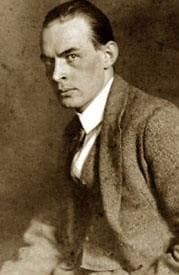
Erich Maria Remarque was a German-born novelist. His landmark novel All Quiet on the Western Front (1928), based on his experience in the Imperial German Army during World War I, was an international bestseller which created a new literary genre, and was adapted to film several times. Remarque's anti-war themes led to his condemnation by Nazi propaganda minister Joseph Goebbels as "unpatriotic". He was able to use his literary success to relocate to Switzerland and the United States, where he became a naturalized citizen.
Similar books
- All Quiet on the Western Front
Erich Maria Remarque
4.0 (355k) average on GoodreadsHistorical FictionShares themes of post-war disillusionment, deep male camaraderie, and the stark realities of life and death, written by the same author.
- The Sun Also Rises
Ernest Hemingway
3.8 (366k) average on GoodreadsHistorical FictionExplores a 'lost generation' grappling with post-war trauma, unfulfilled love, and a search for meaning amidst social upheaval.
- A Farewell to Arms
Ernest Hemingway
3.8 (263k) average on GoodreadsHistorical FictionFeatures a central love story set against the backdrop of war and loss, with a similarly melancholic and stark emotional tone.
- The Great Gatsby
F. Scott Fitzgerald
3.9 (3.8M) average on GoodreadsHistorical FictionBoth novels capture the spirit of their respective 'lost generations' in the post-WWI era. Fitzgerald's 'The Great Gatsby' examines the hedonism, materialism, and ultimate emptiness of the American Jazz Age, with its focus on wealth and social ambition. Remarque's 'Three Comrades,' in contrast, portrays a more grounded, desperate struggle for existence in economically devastated Germany, emphasizing camaraderie, loyalty, and the simple pursuit of happiness over grand illusions. While Gatsby seeks to recapture a lost past through opulence, Remarque's characters are simply trying to build a viable present.
- Berlin Alexanderplatz
Alfred Doblin
3.8 (11k) average on GoodreadsFictionDöblin's 'Berlin Alexanderplatz' offers a sprawling, modernist, and often brutal panoramic view of Weimar Republic street life in Berlin, focusing on the criminal underworld and the individual's struggle against overwhelming societal forces. Remarque's 'Three Comrades' is more tightly focused on a smaller group of protagonists and their intimate relationships, using their personal narratives to reflect the broader historical context. While both depict the harsh realities of the era, Döblin's novel is experimental in form and broader in scope, whereas Remarque's is more traditional in its narrative structure and more concentrated on the emotional interiority of its characters.
- To Kill a Mockingbird
Harper Lee
4.3 (4.5M) average on GoodreadsHistorical FictionIn the 1930s Jim Crow South, Harper Lee writes about racial injustice, moral growth, and the quiet courage of a lawyer father, Atticus Finch, as seen through his young daughter's eyes.






Enjoyed the summary?
A summary gives you the shape of the book. The book itself has the detail, the examples and the voice.
Find Three Comrades on AmazonAs an Amazon Associate, BookBrief earns from qualifying purchases. How we're funded