

Synopsis
Covers the whole plot, including the ending.
- Difficulty
- Easy
- Pacing
- Moderate
- Mood
- Heartwarming, Hopeful, Inspiring, Tense at times
- Read it if
- You enjoy heartwarming stories of courage and friendship in historical settings, particularly those that teach valuable lessons about empathy and bravery during wartime.
- Skip it if
- You prefer complex plots, adult themes, or stories with a fast-paced, action-driven narrative.
Twenty and Ten Plot Summary
Covers the whole plot, including the ending.
The Arrival of the Ten
In a remote French mountain school during World War II, twenty French children live under Sister Gabriel's care. One day, Sister Gabriel announces that ten more children will join them. These new children are Jewish and are being hidden from the Nazis. She explains the serious danger they are all in and asks the twenty French children if they will share their meager rations and risk their safety to protect the newcomers. The French children agree, understanding the need to keep their presence secret from anyone outside the school, especially German soldiers patrolling the area. The ten Jewish children, shy and tired, are welcomed into the group.
Learning to Live Together
The twenty French children, led by Janet and Jean-Pierre, quickly include the ten Jewish children in their daily lives. They teach them the school's routines, share their limited food, and help them feel safe. The Jewish children, at first timid and traumatized, slowly start to open up and join games and lessons. Sister Gabriel stresses the need for absolute secrecy. The children practice their cover stories, learning to call the Jewish children by new, non-Jewish names. The bond between the two groups of children grows stronger as they face the shared threat and the need for watchfulness.
The German Patrol Arrives
The children's fragile sense of safety breaks when a German army truck unexpectedly arrives at the school. Sister Gabriel, staying calm, greets the soldiers at the door. The German officer says they are looking for Jewish children known to be hiding in the area. He demands to search the school. Both French and Jewish children are terrified, but Sister Gabriel has prepared them. She tells the French children to stay calm and stick to their rehearsed story, while the Jewish children hide.
Hiding the Ten
As the German soldiers begin their search, the twenty French children carry out their plan to hide the ten Jewish children. They lead their friends, one by one, up to the attic, a cramped and dusty space rarely used. The children huddle in the darkness, told to be completely silent, no matter what. The French children then return to their classrooms, trying to act normal, doing their lessons and chores under the German soldiers' watchful eyes as they systematically search every room, including dormitories and common areas.
The Interrogation Begins
The German officer, suspicious of the school's isolated location and the number of children, begins questioning the French children individually. He asks about their names, families, and if there are other children in the school besides the twenty he sees. Janet, a brave and quick-witted girl, is one of the first questioned. She stands firm, repeating her rehearsed answers, even when the officer tries to intimidate her with a stern voice and gaze. The other French children also face intense questioning, each steadily keeping up the deception to protect their hidden friends.
The 'Game' of Counting
Frustrated by the children's consistent answers, the German officer tries a trick. He gathers all twenty visible children and asks them to count themselves, one by one, out loud. He wants to see if they will accidentally count more than twenty, revealing the hidden children. The children, however, are clever and united. As each child counts, they skip one number in the sequence, making sure the final count still totals twenty. This collective act of defiance and cunning strengthens their bond and shows their commitment to protecting their friends in the attic.
The Soldiers' Search Intensifies
Despite the children's efforts, the German soldiers continue their thorough search of the school. They move through the building, opening cupboards, looking under beds, and checking every corner. The hidden children in the attic can hear the soldiers' heavy boots below them, and the sounds of their search get closer. The tension is almost unbearable, for both the hidden children and their French protectors downstairs. Sister Gabriel tries to distract the soldiers with polite conversation and offers of hospitality, but their resolve to find any hidden Jews is clear.
A Near Discovery
At one point, a German soldier begins to climb the stairs to the attic. The hidden children hold their breath, knowing discovery is near. Downstairs, one of the French children, perhaps Jean-Pierre or another quick-witted boy, deliberately trips and causes a commotion, drawing the soldier's attention away from the attic entrance. The soldier, annoyed, turns his attention back to the French children, giving the hidden group a moment of relief. This near-miss shows the constant danger and the children's resourcefulness.
The Germans Depart
After what seems like a long time, the German officer, apparently satisfied that there are no more than twenty children in the school, and finding no evidence of Jewish children, decides to end the search. Frustrated by his lack of success and perhaps convinced by the children's consistent story and Sister Gabriel's calm manner, he orders his soldiers to leave. The German truck eventually drives away, leaving a deep silence and a great sense of relief among the children and Sister Gabriel. The immediate danger has passed, but the experience leaves a lasting impression on everyone.
Reunion and Reflection
Once the German soldiers are confirmed gone, Sister Gabriel calls the ten Jewish children down from the attic. They emerge, pale and shaken but safe. The French children rush to embrace them, tears of relief and joy flowing. The school is filled with triumph and gratitude. Sister Gabriel praises the children for their bravery, quick thinking, and loyalty. Though the immediate threat is over, the children understand that the war continues and their mission to protect their friends is far from over. They reaffirm their commitment to each other, knowing they have faced a serious danger and succeeded through unity and courage.
Twenty and Ten Characters
Sister Gabriel
Supporting
The brave and compassionate nun who runs the French mountain school.
Sister Gabriel is the head of the French boarding school and the primary adult figure. She is wise, calm under pressure, and deeply committed to protecting all the children in her care. She makes the courageous decision to hide the ten Jewish children and meticulously prepares both groups of children for the dangers they might face. Her faith and unwavering moral compass guide her actions, and she instills courage and a sense of responsibility in her young charges. She is the anchor of the story, providing both guidance and a sense of safety.
Relationships: The Twenty French Children (Caretaker and mentor); The Ten Jewish Children (Protector and guardian)
Janet
Protagonist
A spirited and quick-witted French girl, a leader among the twenty.
Janet is one of the most prominent of the twenty French children. She is depicted as brave, intelligent, and resourceful. When the German soldiers arrive, she is among the first to be interrogated and demonstrates remarkable composure and quick thinking, sticking to the rehearsed story. She embodies the spirit of resistance and solidarity among the French children, actively participating in the plan to hide her Jewish friends and setting an example for others. Her character highlights the children's capacity for courage in the face of extreme danger.
Relationships: Sister Gabriel (Student and mentee); Jean-Pierre (Fellow French student); The Ten Jewish Children (Protector and friend)
Jean-Pierre
Supporting
A practical and observant French boy, another leader in the group.
Jean-Pierre is another key figure among the twenty French children. He is portrayed as practical, observant, and capable of quick action. He is instrumental in the execution of the hiding plan and contributes to the collective effort to deceive the German soldiers. His actions, such as potentially creating a diversion when a soldier approached the attic, demonstrate his resourcefulness and commitment to protecting the Jewish children. He represents the collective responsibility and cleverness of the French children.
Relationships: Sister Gabriel (Student and mentee); Janet (Fellow French student); The Ten Jewish Children (Protector and friend)
The German Officer
Antagonist
The stern and suspicious commander of the German patrol.
The German Officer is the primary antagonist in the story. He is a stern, imposing figure, representing the oppressive force of the Nazi regime. He is determined to find Jewish children and is suspicious of the school's isolated location. He attempts to intimidate Sister Gabriel and interrogate the children, using various tactics to uncover the truth. Despite his efforts, he is ultimately outsmarted by the children's collective bravery and cunning. He is a symbol of the danger and threat that looms over the children.
Relationships: Sister Gabriel (Opponent/adversary); The French Children (Interrogator/threat)
The Ten Jewish Children
Supporting
The group of children hidden from the Nazis.
These ten children, though not individually named, represent the vulnerable and persecuted Jewish population during the Holocaust. They arrive at the school traumatized and fearful, seeking refuge. Their presence is the central catalyst for the plot, driving the French children's bravery and Sister Gabriel's protective actions. They are mostly passive recipients of protection, but their quiet presence and their fear underscore the gravity of the situation and the immense courage of those who hide them. Their safety is the ultimate goal of the French children's deception.
Relationships: Sister Gabriel (Protected by); The Twenty French Children (Protected by, friends with)
The Twenty French Children
Protagonist
The group of brave children who hide their Jewish friends.
This collective group, including Janet and Jean-Pierre, forms the main body of protagonists. They are ordinary French children who, when faced with an extraordinary moral dilemma, choose courage and compassion over fear. They actively participate in the plan to hide their Jewish friends, sharing their resources, learning cover stories, and enduring intense interrogation. Their unity, quick thinking, and unwavering solidarity are central to the story's success. They represent the spirit of resistance and humanity in the face of inhumanity.
Relationships: Sister Gabriel (Students and protectors-in-training); The Ten Jewish Children (Protectors and friends)
Twenty and Ten Themes
Courage and Resistance
The main theme is the courage shown by ordinary children in difficult times. The twenty French children, despite being young, willingly face great danger by agreeing to hide their Jewish friends. Their bravery shows in their calm behavior during interrogation, their quick thinking to create diversions, and their commitment to secrecy. Sister Gabriel also shows courage in her decision to defy the Nazi regime. This theme highlights the strength of individual and group resistance against oppression.
“We are going to have ten new children... And they are Jewish... If the Germans find them here, it will be very bad for them, and very bad for us... Are you willing to share your food... and take the risk?”
Compassion and Solidarity
The story shows the deep compassion the French children have for their Jewish peers. Even with little themselves, they readily share their food and risk their safety. This act of unity goes beyond religious or ethnic differences, focusing instead on shared humanity. The two groups of children mixing, their friendships growing, and their joint effort to protect each other show that empathy and mutual support are strong forces against hatred and persecution. The children's unity is their greatest strength.
“We have enough food for all. We'll eat a little less if we have to, but we'll share.”
The Power of Deception for Good
The story explores the moral complexities of deception when used for a good reason. Sister Gabriel and the children carefully plan and carry out a deception to protect innocent lives. They lie to the German soldiers, create diversions, and keep up a false story, all actions usually seen as negative. However, during the Holocaust, these acts of deception become heroic, showing that against evil, bending usual morality can be a necessary act of goodness and resistance. The counting 'game' is a clear example of this theme.
“When they ask you, you must tell them that you are twenty children, no more, no less.”
Childhood Innocence and Resilience
The book shows children not as helpless, but as strong and capable. Despite the terrifying conditions of war and persecution, the children adapt, learn, and actively help in their own survival and the protection of others. Their ability to stay calm under interrogation, to play their parts well, and to find moments of friendship even amid danger speaks to the strength of the human spirit, especially in youth. Their innocence, rather than making them weak, makes their bravery even more noticeable.
“The twenty children began to count, one by one. And as each child counted, he skipped a number, so that when the last child had counted, the number was still twenty.”
Plot Devices & Literary Techniques
The Attic
A physical space symbolizing refuge and hidden vulnerability.
The attic serves as the primary hiding place for the ten Jewish children. As a plot device, it creates intense suspense as the German soldiers search the school, coming dangerously close to discovering the hidden children. Symbolically, it represents a place of refuge and safety from the harsh realities of the outside world, but also a place of extreme vulnerability and confinement. The children's time in the attic highlights their fear and dependence on their protectors, while the act of hiding them there underscores the bravery of the French children and Sister Gabriel.
The Counting Game
A clever deception that showcases the children's unity and quick thinking.
This specific scene is a crucial plot device. When the German officer asks the children to count themselves to expose any hidden individuals, the children collectively and intentionally skip numbers to ensure the total remains twenty. This 'game' is a brilliant display of their pre-planning, unity, and quick-wittedness under pressure. It functions as a moment of high tension and then triumph, demonstrating their ability to outsmart the antagonist. It is a concrete example of their collective resistance and ingenuity, and a pivotal moment in averting discovery.
Limited Perspective
Focuses on the children's experience to amplify emotional impact.
The story is told largely from the perspective of the children, particularly the French children. This limited perspective is a plot device that allows the reader to experience the fear, tension, and eventual triumph through their eyes. It emphasizes their vulnerability and courage, making their actions more impactful. By focusing on their immediate experiences and reactions, the author makes the abstract horrors of war concrete and personal, highlighting how even young individuals can contribute to acts of resistance and humanity.
The German Patrol
An external antagonist representing the immediate threat and danger.
The German patrol, led by the stern officer, functions as the direct antagonist and the embodiment of the external threat. Their arrival and subsequent search drive the main conflict of the story. They represent the ever-present danger of the Nazi occupation and the persecution of Jewish people. Their presence creates intense suspense and forces the protagonists to act with courage and cunning. Their eventual departure signifies a temporary victory for the children, but also a reminder of the ongoing war.
Twenty and Ten Quotes
“Every time you save someone from hunger, you save someone from loneliness too.”
“It is not enough to be good. One must do good.”
“We are twenty and they are ten. We must protect them.”
“A secret is not a secret if one person knows it.”
“The greatest courage is not to fight, but to hide. To wait. To be silent.”
“Even a small lie can destroy a big truth.”
“When you have nothing left but hope, that is when you are truly rich.”
“Fear is a cold blanket that tries to smother your heart.”
“Sometimes, doing nothing is the hardest thing to do.”
“A good deed is like a tiny seed. You plant it, and it grows into something wonderful.”
“The darkness outside makes the light inside shine brighter.”
“Laughter is a weapon against sadness, even when things are difficult.”
“Remember, the world is bigger than one country, and kindness is bigger than one war.”
“They came with empty hands, but full hearts.”
Quiz
10 questions on the plot and the characters. Each answer comes with a short explanation.
Question 1
Why did the twenty French children decide to hide the ten Jewish children at their boarding school?
- They were promised a reward by the school's headmistress.
- They understood the danger the Jewish children faced and wanted to help.
- They were bored and thought it would be a fun game.
- The German soldiers forced them to take the Jewish children in.
Show answer
B. They understood the danger the Jewish children faced and wanted to help. The French children, particularly guided by Sister Gabriel, understood the grave danger the Jewish children were in due to the Nazi occupation and persecution. They made a conscious and compassionate decision to protect them.
Question 2
What was the main challenge the French children faced when the German soldiers arrived at the school?
- Finding enough food for everyone.
- Keeping the Jewish children quiet and hidden during the inspection.
- Learning German to communicate with the soldiers.
- Preventing the soldiers from damaging school property.
Show answer
B. Keeping the Jewish children quiet and hidden during the inspection. The primary challenge was to ensure the ten Jewish children remained completely out of sight and silent, especially when the soldiers searched the premises and interrogated the French children.
Question 3
Who was the adult in charge of the boarding school who helped organize the hiding of the Jewish children?
- Madame Dubois
- Father Benoit
- Sister Gabriel
- Mademoiselle Dupont
Show answer
C. Sister Gabriel Sister Gabriel was the courageous nun who ran the school and orchestrated the plan to hide the Jewish children, guiding the French students in their critical mission.
Question 4
How did the French children primarily communicate with the hidden Jewish children to ensure they stayed quiet?
- They used a series of secret hand signals.
- They would leave written notes under a loose floorboard.
- They would sing specific songs with coded messages.
- They would speak to them through a small opening or when bringing them food.
Show answer
D. They would speak to them through a small opening or when bringing them food. The children had to be very careful. They would typically communicate and provide reassurance, often when bringing food, through a small opening to their hiding place without being detected by the soldiers.
Question 5
What specific item did the German soldiers demand from the children, which was used as a test of their story?
- Their identity papers.
- A list of all students present.
- The children's lunch to share with them.
- A specific book from the library.
Show answer
C. The children's lunch to share with them. The soldiers demanded that the children share their lunch, specifically the portions of bread and jam. This was a direct test to see if there were truly only twenty children, as each child had a small, carefully rationed portion.
Question 6
What was the primary emotion or feeling displayed by the French children throughout the ordeal of hiding their friends?
- Excitement and thrill.
- Fear mixed with determination.
- Indifference and boredom.
- Anger and resentment towards the Jewish children.
Show answer
B. Fear mixed with determination. The children were undoubtedly scared, facing intimidating soldiers and the severe consequences of being discovered. However, their fear was overshadowed by a strong determination and sense of responsibility to protect their friends.
Question 7
How did the French children manage to 'prove' there were only twenty of them when asked to count off?
- They quickly pulled one of the hidden children out to join them.
- Each child counted 'one' and then remained silent.
- Some children counted twice, pretending to be different people.
- They pointed to imaginary children to fill the gaps.
Show answer
C. Some children counted twice, pretending to be different people. This was a critical moment. To account for the ten missing children, some of the brave French children counted twice, effectively making twenty voices sound like thirty, thus maintaining the deception.
Question 8
What central theme does the children's decision to help the Jewish children best represent?
- The importance of following rules at all costs.
- The power of ordinary people to resist injustice and show compassion.
- The futility of individual actions against overwhelming power.
- The benefits of self-preservation above all else.
Show answer
B. The power of ordinary people to resist injustice and show compassion. The story powerfully illustrates how even children, when faced with grave injustice, can choose to act with immense courage and compassion, making a significant difference in the lives of others despite personal risk.
Question 9
What was the immediate consequence if the German soldiers had discovered the ten Jewish children?
- They would have been sent to another boarding school.
- They would have been arrested and likely deported to concentration camps.
- They would have been given a warning and released.
- They would have been forced to join the German army.
Show answer
B. They would have been arrested and likely deported to concentration camps. During the Nazi occupation, Jewish individuals, especially children, who were discovered were typically arrested and sent to concentration camps, facing persecution and almost certain death. This was the grave danger the French children were helping them avoid.
Question 10
Which of the following best describes the atmosphere in the school during the German soldiers' visit?
- Jovial and lighthearted, despite the circumstances.
- Tense and fearful, but with underlying resolve.
- Chaotic and disorganized, leading to panic.
- Calm and indifferent, as if nothing unusual was happening.
Show answer
B. Tense and fearful, but with underlying resolve. The atmosphere was extremely tense due to the presence of armed soldiers and the immense risk of discovery. However, the children and Sister Gabriel maintained a remarkable sense of order and resolve, crucial for the success of their plan.
Twenty and Ten FAQ
What is "Twenty and Ten" about?
"Twenty and Ten" by Claire Huchet Bishop tells the story of twenty French children in a boarding school in the French mountains during World War II. They are asked by their teacher, Sister Gabriel, to hide ten Jewish children from the Nazis. When German soldiers arrive at the school, the French children must use their wits and courage to protect their new friends.
Why should I read "Twenty and Ten"?
You should read "Twenty and Ten" for its powerful message of courage, compassion, and solidarity in the face of grave danger. It's a heartwarming and suspenseful story that beautifully illustrates how ordinary children can perform extraordinary acts of bravery to protect others, making it an excellent read for young audiences interested in historical fiction and moral dilemmas.
What is the background/setting of "Twenty and Ten"?
The story is set in a secluded boarding school in the mountains of occupied France during World War II, specifically during the Nazi occupation. This remote setting provides a temporary haven, but also highlights the constant threat of discovery by German soldiers who are actively searching for Jewish refugees.
What are the most memorable quotes?
One memorable sentiment is Sister Gabriel's instruction to the children to 'love their neighbors as themselves,' which underpins their decision to help. Another is the children's repeated affirmation, 'We are twenty and ten, and we stick together,' embodying their unity and determination to protect each other.
What writing style does the author use?
Claire Huchet Bishop employs a simple, direct, and clear writing style, characteristic of children's literature. Her prose is accessible yet conveys significant tension and emotional depth, focusing on dialogue and action to move the plot forward and reveal character without overly complex descriptions.
What minor details add significant meaning?
The specific details of the children practicing their stories and roles, like the 'sick' children in bed, add significant meaning by showing their meticulous planning and commitment. The shared secret of the hidden children fosters a strong bond among the French students, transforming them from individuals into a unified, protective unit.
What are some subtle foreshadowing moments?
The initial arrival of Sister Gabriel with the ten new children, described as 'fragile' and 'in need of protection,' subtly foreshadows the danger they face. The German soldiers' meticulous search of the school, despite initial reassurances, hints at their unwavering determination, creating ongoing suspense.
What unexpected character connections exist?
The most significant unexpected connection is the immediate and strong bond formed between the twenty French children and the ten Jewish children. Despite their different backgrounds and the secrecy, they quickly unite as a single, interdependent group, defying the divisive forces of war.
What are unspoken character motivations?
While not explicitly stated for every child, the unspoken motivation for many of the French children is a deep sense of justice and empathy, likely influenced by Sister Gabriel's teachings. They are driven by a childlike innocence that sees beyond political divisions, focusing purely on protecting those in need.
What psychological complexities do characters exhibit?
The children exhibit psychological complexities through their internal struggle between fear and duty. While terrified of the German soldiers, their commitment to protecting their friends, particularly the youngest among them, ultimately overrides their self-preservation instincts, showcasing remarkable resilience and moral fortitude.
What are the major emotional turning points?
A major emotional turning point is when the French children collectively decide to hide their new friends, fully understanding the risks. Another is the moment the German soldiers arrive, shifting the atmosphere from cautious hope to palpable fear and forcing the children to enact their plan under extreme pressure.
How do relationship dynamics evolve?
The relationship dynamics evolve from an initial arrangement of 'twenty' French children and 'ten' Jewish children to a unified 'thirty' children. The shared secret and common danger forge incredibly strong bonds of loyalty, trust, and mutual dependence, transforming strangers into a tight-knit family.
Which parts remain ambiguous or open-ended?
The ultimate fate of the hidden Jewish children after the immediate danger passes is somewhat open-ended, though implied to be safe for now. The long-term implications for the French children and Sister Gabriel, beyond their immediate success, are not explicitly detailed, leaving a sense of ongoing wartime uncertainty.
What are controversial scenes or decisions?
The core decision by Sister Gabriel to involve children in hiding other children, placing them in direct danger, could be seen as controversial. However, within the context of the story and the moral imperative of the time, it's presented as a necessary act of resistance and compassion rather than recklessness.
''Twenty and Ten' ending explained: how it ends & what it means
The book ends with the German soldiers leaving the school, having been successfully tricked by the children's well-rehearsed stories and acting. The hidden Jewish children are safe, and the French children feel immense relief and pride. This ending signifies the triumph of innocence, courage, and solidarity over oppression, demonstrating that even small acts of resistance can have profound impacts during wartime.
About the author

Claire Huchet Bishop was a celebrated author of children's literature, best known for her historical novel "Twenty and Ten." Originally from France, her work often drew upon European settings and themes. Bishop's writing was characterized by its engaging narratives and ability to bring history to life for young readers.
Similar books
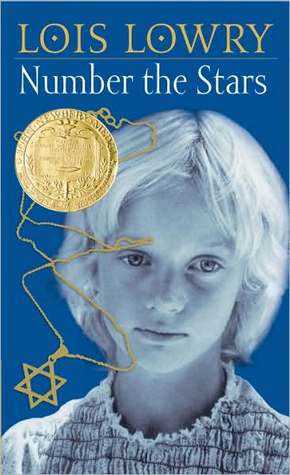
- Number the Stars
Lois Lowry
4.2 (448k) average on GoodreadsChildren'sBoth are children's historical fiction about children helping to hide Jewish people during WWII, emphasizing bravery and friendship.
- The Boy in the Striped Pajamas
John Boyne
4.2 (518k) average on GoodreadsChildren'sExplores themes of childhood innocence amidst the horrors of the Holocaust, though with a different tone and outcome.
- When Hitler Stole Pink Rabbit
Judith Kerr
4.0 (14k) average on GoodreadsChildren'sFocuses on the experiences of a Jewish family fleeing Nazi Germany from a child's perspective, highlighting resilience and adaptation.
- The Diary of a Young Girl
Anne Frank
4.2 (2.7M) average on GoodreadsBiographyAs a non-fiction, first-person diary, Anne Frank's work provides unparalleled historical authenticity, psychological depth, and an unvarnished account of hiding during the Holocaust. Twenty and Ten, as a work of fiction for children, offers a more simplified and externalized narrative, serving as an introduction rather than a detailed personal experience.
- Harry Potter and the Sorcerer's Stone
J.K. Rowling
4.5 (7M) average on GoodreadsFantasyRescued from a miserable life under the stairs, an orphaned boy discovers he's a wizard destined for a magical school, where he uncovers a dangerous secret tied to the dark wizard who murdered his parents.
- The Hobbit, or There and Back Again
J.R.R. Tolkien
4.3 (2.9M) average on GoodreadsFantasyA comfort-loving hobbit named Bilbo Baggins is whisked away by a mischievous wizard and a band of dwarves on an unexpected journey to reclaim stolen treasure from a fearsome dragon, discovering courage and a magical ring along the way.





Enjoyed the summary?
A summary gives you the shape of the book. The book itself has the detail, the examples and the voice.
Find Twenty and Ten on AmazonAs an Amazon Associate, BookBrief earns from qualifying purchases. How we're funded