

Synopsis
Covers the whole plot, including the ending.
- Difficulty
- Medium
- Pacing
- Moderate
- Mood
- Melancholy, Hopeful, Reflective, Poignant, Socially conscious
- Read it if
- You appreciate literary fiction that blends social commentary with magical realism and explores themes of grief, healing, and post-apartheid South Africa.
- Skip it if
- You prefer fast-paced plots or shy away from stories with a strong focus on death and sorrow.
Ways of Dying Plot Summary
Covers the whole plot, including the ending.
The Professional Mourner's Calling
Toloki, dressed in a threadbare suit, cape, and battered top hat, works as a professional mourner in a large, unnamed South African city. He attends many funerals daily, comforting bereaved families, often victims of violence, crime, and poverty. He studies the deceased's background to tailor his performance, often inventing relationships to the departed to seem more credible. His work brings him into close contact with the community's pain, and he feels a sense of purpose in witnessing their suffering, despite the emotional toll. He lives a solitary life, observing the city's many deaths and remembrance rituals.
A Christmas Day Reunion
On Christmas Day, Toloki attends a young boy's funeral, a victim of township violence. Amidst the mourners, he recognizes Noria, a woman from his childhood village. Their reunion is hesitant but important, breaking Toloki's usual professional detachment. Noria also carries sorrow, having lost her own child, Vusi, years ago in tragic circumstances. Their shared past and present grief create an immediate, unspoken bond. The encounter changes Toloki, as his personal history begins to mix with his professional life, hinting at a deeper connection beyond his mourning performances.
Noria's Burden of Grief
Toloki and Noria begin to spend time together, and Noria slowly tells him about her past. She shares the devastating story of her son, Vusi, who burned alive in a shack fire during intense political violence and forced removals in their village. This tragedy left Noria deeply traumatized and brought her to the city, where she has lived in poverty and with a deep sense of loss. She carries the guilt of not saving Vusi, and her grief is a constant presence. Toloki listens with empathy, recognizing a familiar depth of sorrow that matches the many funerals he attends.
Shared Histories and Lingering Trauma
As Toloki and Noria continue to talk, they realize their lives are more connected than they first thought. They both come from the same rural village, which faced brutal government crackdowns and forced removals during apartheid. Toloki also experienced the destruction of his home and the loss of his community, though his personal losses show up differently. Their shared memories of a pastoral past, now scarred by violence and displacement, create a strong connection between them. This mutual understanding lets them confront their individual traumas in a new way, finding comfort in their shared experience of historical oppression and personal grief.
The Art of Storytelling and Healing
Toloki, seeing Noria's ongoing suffering, encourages her to express her pain, not just as raw emotion but as a story. He believes that by telling her story, by giving voice to Vusi's life and death, she can begin to heal. He stresses the importance of remembering and recounting, turning personal tragedy into a shared human experience. Noria initially struggles to revisit the painful details, but Toloki's gentle persistence and his understanding of grief as a form of storytelling gradually convince her. This act of narration becomes an important step in her journey towards acceptance and reconciliation with her past.
Building a New Life Together
As Toloki and Noria spend more time together, their relationship deepens beyond shared sorrow. They find comfort in each other's presence, creating a small haven of understanding amidst the city's chaos. They begin to imagine a future together, one where their shared past does not define their entire existence. Toloki continues his work as a professional mourner, but Noria's presence adds a new dimension to his life, easing his solitude. Their bond is not about forgetting the past but about finding a way to live with it, to create new memories and possibilities, suggesting a fragile hope for rebuilding lives shattered by systemic violence and personal loss.
The City's Endless Cycle of Death
Throughout Toloki and Noria's evolving relationship, the novel constantly shows the pervasive violence and 'ways of dying' that affect the city. The narrative mixes their personal story with descriptions of other funerals Toloki attends – victims of street crime, factional violence, poverty-related illnesses. These short scenes highlight the systemic nature of suffering and death in post-apartheid South Africa, where hope for a new beginning is often overshadowed by ongoing turmoil. The city itself becomes a character, a place of both despair and resilience, where death is a constant companion and mourning a daily ritual for many.
The Power of Imagined Worlds
Toloki's method of professional mourning involves creating detailed, often imagined, backstories for the deceased. He researches their lives, but also fills in gaps with his own narratives, inventing relationships and shared experiences to make his eulogies more personal and impactful. This imaginative process is not just a performance; it is a way for him to connect with the humanity of the departed and to offer a deeper sense of remembrance to the grieving families. It blurs the lines between reality and fiction, suggesting that the stories we tell about the dead are as important as the facts of their lives in the healing and memorialization process. His imagination also helps him cope with the sheer volume of grief he encounters.
Reconciling with the Past
With Toloki's support, Noria eventually finds the strength to fully tell Vusi's story. By giving voice to her trauma, she begins to process the immense grief and guilt she has carried for so long. The act of storytelling, both to Toloki and to others, turns her silent suffering into a shared narrative, allowing her to release some of her emotional burden. While the pain of Vusi's loss will always remain, Noria finds some peace, moving from paralyzing grief to a state where she can acknowledge her past without being consumed by it. Her healing shows the power of human connection and narrative.
A Future Imagined
By the novel's end, Toloki and Noria have a deep and meaningful connection. Their relationship, formed in shared grief and a common past, offers them a path towards a future. They begin to dream of a life together, perhaps even building a home, a symbol of stability and hope in a turbulent world. Their connection suggests that even in a society plagued by endless 'ways of dying,' there is always the possibility for 'ways of living' – of finding love, companionship, and a sense of purpose. Their imagined future, while still fragile, represents a strong act of defiance against pervasive despair, affirming the resilience of the human spirit.
Ways of Dying Characters
Toloki
Protagonist
A professional mourner who finds solace and purpose in bearing witness to others' grief.
Toloki is a solitary, contemplative man who has made a unique profession out of mourning. Dressed in a distinctive, threadbare suit and top hat, he attends countless funerals in the townships, offering his services as a 'professional mourner.' He is an acute observer of human suffering and the rituals surrounding death, often creating elaborate, imagined backstories for the deceased to make his eulogies more impactful. Despite his public role, he is initially emotionally detached, using his profession as a way to navigate his own unspoken grief and the pervasive violence of his world. His journey is one of gradual emotional awakening and connection.
Relationships: Noria (Childhood acquaintance, fellow survivor, eventual romantic partner and confidante.)
Noria
Protagonist/Love Interest
A woman haunted by the tragic death of her child, seeking healing and connection.
Noria is a woman deeply scarred by the loss of her young son, Vusi, who died in a shack fire during a period of political violence and forced removals. She carries immense grief and guilt, which has rendered her emotionally withdrawn and struggling to find purpose. Her encounter with Toloki, a man from her past, slowly begins to unlock her capacity for healing and connection. She represents the enduring trauma of historical violence and the individual struggle to overcome profound personal loss. Her journey is one of finding her voice and transforming her grief into a narrative of survival.
Relationships: Toloki (Childhood acquaintance, fellow survivor, eventual romantic partner and confidante.); Vusi (Her deceased son, whose memory and tragic death are central to her character's motivation and grief.)
Vusi
Mentioned/Symbolic
Noria's deceased son, whose tragic death symbolizes the innocent victims of political violence.
Vusi is Noria's young son, who died tragically in a shack fire during a period of forced removals and political unrest. Although he is never seen alive in the narrative, his death is the central trauma that defines Noria's character and profoundly impacts her life. He serves as a powerful symbol of the innocent lives lost to systemic violence and the enduring pain it inflicts on survivors. His memory drives Noria's grief and ultimately her path towards healing through storytelling. His death is a concrete example of the 'ways of dying' prevalent in the novel's setting.
Relationships: Noria (His mother, whose life is irrevocably shaped by his death.)
The City
Setting/Antagonist (symbolic)
An unnamed, sprawling South African city characterized by pervasive violence and poverty.
The city is not a character in the traditional sense, but it functions as a powerful, almost sentient entity that shapes the lives of Toloki and Noria. It is a place of stark contrasts, where the promise of a 'new South Africa' is overshadowed by rampant crime, political violence, and crippling poverty. The city is a constant backdrop for the 'ways of dying' that Toloki witnesses daily, and it embodies the systemic issues that contribute to the characters' suffering. It is a place of both despair and unexpected human connection, a crucible where individuals struggle to find meaning amidst chaos.
Relationships: Toloki (His workplace and home, a source of his professional purpose and personal observation.); Noria (Her refuge and source of continued hardship after leaving her village.)
The Mourners
Supporting/Collective
The grieving families and communities Toloki encounters, representing the widespread impact of death.
The various mourners Toloki encounters at funerals represent the collective suffering and resilience of the community. They are a diverse group, united by their shared experience of loss, often under tragic and violent circumstances. They provide the context for Toloki's profession and highlight the pervasive 'ways of dying' in the city. While individual mourners are rarely deeply characterized, their collective presence emphasizes the human need for ritual, comfort, and remembrance in the face of overwhelming grief. They are the recipients of Toloki's unique form of empathy and performance.
Relationships: Toloki (His clients and the subjects of his professional empathy.)
The Village Elders/Community (Noria's Village)
Mentioned/Symbolic
The collective memory and traditional values of Noria and Toloki's destroyed rural home.
The village elders and the community from Noria and Toloki's shared rural past are not active characters, but their presence is felt through the characters' memories. They represent a lost way of life, a more traditional and communal existence that was shattered by political violence and forced removals. Their stories and the destruction of their homes serve as a poignant reminder of the historical injustices that led to the characters' current circumstances. They embody the cultural heritage and the trauma of displacement that links Toloki and Noria.
Relationships: Noria (Her former community and source of cultural identity.); Toloki (His former community and source of early life experiences.)
Ways of Dying Themes
Grief and Mourning
The novel explores the many forms of grief, both individual and collective, and how people cope with loss. Toloki's job as a 'professional mourner' highlights the societal need for ritual and communal expression of sorrow, especially in a context of widespread violence. Noria's silent, debilitating grief over Vusi's death contrasts with Toloki's performative mourning, but both ultimately seek real ways to process their pain. The 'ways of dying' are endless, and so are the 'ways of mourning,' suggesting that healing is a deeply personal and often communal journey.
“Death was a way of life, and life was a way of dying. But it was the ways of dying that were the most interesting.”
Storytelling as Healing
A central theme is the power of narrative to process trauma and achieve healing. Toloki encourages Noria to tell Vusi's story, believing that giving voice to her pain can help her release it. His own practice of inventing elaborate backstories for the deceased also shows that the stories we tell about the dead, even if partly fictional, are important for remembrance and comfort. By constructing and sharing narratives, characters can regain control over their pasts and find meaning in their suffering, turning personal tragedy into a shared human experience.
“Tell me a story, Noria. Tell me about Vusi. Give him life through your words.”
The Legacy of Apartheid and Violence
The novel is set in post-apartheid South Africa, showing how the legacy of political violence, forced removals, and systemic injustice continues to affect daily life. The constant stream of funerals Toloki attends – victims of crime, factionalism, and poverty – is a direct result of this turbulent history. Noria's personal tragedy, Vusi's death, is directly linked to state violence. The 'ways of dying' are not just individual misfortunes but reflections of a society still dealing with deep historical trauma and ongoing social unrest.
“Every coffin contained a story, a history of struggle, of a life cut short by the ways of this new land.”
Memory and Identity
Memory plays an important role in shaping identity and influencing the present. Both Toloki and Noria carry the burden of their pasts, especially their shared memories of their destroyed village and the violence they endured. Toloki's elaborate memory-making for the deceased, both factual and imagined, highlights how memory is actively constructed and vital for maintaining a connection to the departed. For Noria, confronting and expressing her memories of Vusi is essential for her healing. The novel suggests that by engaging with memory, individuals can understand who they are and move forward, even amidst deep loss.
“The past was always present, a shadow that stretched long and dark over the new day.”
Resilience and Hope
Despite the themes of death, grief, and historical trauma, the novel also subtly emphasizes human resilience and the possibility of hope. Toloki and Noria, both deeply scarred individuals, find connection and the potential for a new life together. Their relationship, built on shared understanding and empathy, offers a contrast to the city's despair. The act of mourning itself, while painful, is also an act of defiance against oblivion, a testament to the human desire to remember and to find meaning. Their imagined future represents a fragile but powerful assertion of life amidst the 'ways of dying.'
“Perhaps, after all, there were ways of living too, even in a city so full of death.”
Plot Devices & Literary Techniques
Professional Mourner
A unique occupation that allows the protagonist to observe and reflect on death in society.
Toloki's role as a 'professional mourner' is a central plot device. It provides him with a unique vantage point to observe the diverse 'ways of dying' in the city and the collective grief of the community. This profession allows the author to introduce numerous vignettes of death and suffering, illustrating the pervasive violence and poverty of the setting. It also serves as a metaphor for bearing witness to societal pain and the human need for communal mourning. The performative aspect of his role also allows for exploration of authenticity versus artifice in expressing emotion.
Magical Realism/Mythic Elements
Subtle blending of the mundane with the fantastical, particularly in Toloki's imaginative processes.
While not overtly fantastical, the novel incorporates elements of magical realism, particularly through Toloki's imaginative processes. His ability to conjure elaborate, almost real, backstories for the deceased blurs the line between reality and invention. This device allows for a deeper exploration of memory, storytelling, and the subjective experience of grief. It suggests that the emotional truth of a story can be as powerful, if not more so, than factual accuracy in the process of healing and remembrance. It also subtly elevates the everyday suffering to a more mythic, universal level.
An Unnamed City
The setting is deliberately left unnamed, making it a universal representation of post-apartheid South Africa.
The decision to leave the sprawling South African city unnamed is a significant plot device. It allows the setting to function as a universal symbol for any urban center grappling with the legacies of colonialism, apartheid, and rapid social change. By not naming it, the author emphasizes the systemic nature of the 'ways of dying' – the crime, poverty, and violence – suggesting these issues are not unique to one place but are pervasive challenges in many developing nations. This anonymity invites readers to connect the story to broader social and historical contexts.
Parallel Journeys
The intertwined narratives of Toloki and Noria, reflecting shared historical trauma and individual healing.
The novel uses the device of parallel journeys, bringing together Toloki and Noria, two individuals from the same past who are both profoundly marked by loss. Their individual struggles with grief and trauma run alongside each other, eventually converging into a shared path towards healing. This device allows the author to explore both the personal and collective dimensions of suffering in post-apartheid South Africa. Their intertwined stories highlight how individual fates are often shaped by larger historical forces, and how shared experience can be a powerful catalyst for empathy and recovery.
Ways of Dying Quotes
“It is not the death that is important, it is the way of dying.”
“The earth is rich with the blood of our ancestors. It is a sacred place.”
“My job is to cry. I am a professional mourner.”
“We are all dying, my friend. Some of us just do it more slowly than others.”
“Hope is a dangerous thing. It can keep you alive, but it can also kill you.”
“The city is a monster that eats its own children.”
“Even in death, there is beauty. A different kind of beauty, perhaps, but beauty nonetheless.”
“Memory is a tricky thing. It can betray you, or it can save you.”
“We wear our sorrows like badges of honour.”
“The greatest tragedy is not to die, but to live without purpose.”
“Laughter is a weapon against despair.”
“The stories we tell about ourselves are the only things that truly belong to us.”
“Every tear shed is a drop of the ocean of sorrow that surrounds us.”
“Life is a performance, and we are all actors on its stage.”
Quiz
10 questions on the plot and the characters. Each answer comes with a short explanation.
Question 1
What is Toloki's primary occupation in the vast city?
- A street vendor selling crafts
- A professional mourner
- A journalist reporting on crime
- A teacher in the township schools
Show answer
B. A professional mourner Toloki explicitly takes on the role of a 'professional mourner' to earn a living in the city, attending funerals to comfort the bereaved.
Question 2
What specific item of clothing is NOT mentioned as part of Toloki's distinctive mourning attire?
- A threadbare suit
- A cape
- A crisp white shirt
- A battered top hat
Show answer
C. A crisp white shirt The description mentions a threadbare suit, cape, and battered top hat, but not a crisp white shirt.
Question 3
At which specific event is Toloki reunited with Noria?
- A political rally in the city square
- A Christmas day funeral for a young boy
- A market day in the township
- A church service on Easter Sunday
Show answer
B. A Christmas day funeral for a young boy Their reunion occurs at a Christmas day funeral for a young boy, a key plot point for their relationship to develop.
Question 4
What are the primary societal issues that the funerals Toloki attends highlight in the new South Africa?
- Economic prosperity and cultural festivals
- Crime, racial hatred, and crippling poverty
- Environmental pollution and urban development
- Educational reforms and healthcare advancements
Show answer
B. Crime, racial hatred, and crippling poverty The novel uses the funerals Toloki attends to shed light on the pervasive issues of crime, racial hatred, and crippling poverty prevalent in the new South Africa.
Question 5
What is the nature of Toloki and Noria's relationship after their reunion?
- They become business partners in a new venture.
- They help each other to heal the past.
- They develop a rivalry over their past experiences.
- They immediately marry and start a family.
Show answer
B. They help each other to heal the past. The synopsis explicitly states that 'Together they help each other to heal the past,' indicating a supportive and therapeutic relationship.
Question 6
From what common background do Toloki and Noria originate?
- They both grew up in the same city township.
- They were both refugees from a neighboring country.
- They are both from the same village.
- They met through their shared profession as mourners.
Show answer
C. They are both from the same village. The text states that Noria is 'a woman from his village,' indicating a shared origin for both characters.
Question 7
What literary style or element is highlighted as contributing to the novel's depiction of South Africa?
- A purely journalistic and factual approach
- An academic analysis of post-apartheid politics
- A magical and painful picture
- A satirical comedy of errors
Show answer
C. A magical and painful picture The synopsis describes the novel as providing 'a magical and painful picture of South Africa today,' indicating a blend of realism and perhaps magical realism or a poignant, almost mystical quality.
Question 8
How does Toloki's 'profession' of mourning contribute to his survival and identity in the city?
- It allows him to avoid interacting with the city's inhabitants.
- It provides him with a unique purpose and a means to connect with others' pain, making him visible in a fragmented society.
- It is a highly lucrative business that grants him significant wealth and status.
- He uses it as a cover to engage in illegal activities.
Show answer
B. It provides him with a unique purpose and a means to connect with others' pain, making him visible in a fragmented society. While his suit is threadbare, his role as a mourner gives him dignity and a specific function, allowing him to navigate and connect within the community by acknowledging their collective grief, rather than just being a source of income.
Question 9
The interweaving of Toloki and Noria's story with those of their acquaintances suggests what about the narrative structure and thematic focus?
- The novel primarily focuses on individual escapism from societal problems.
- It creates a fragmented, isolated view of South African society, with no connections between characters.
- It builds a broader tapestry of shared experiences, pain, and resilience within the community, reflecting the collective state of the nation.
- The acquaintances' stories serve only as minor subplots without significant thematic relevance.
Show answer
C. It builds a broader tapestry of shared experiences, pain, and resilience within the community, reflecting the collective state of the nation. The interweaving of stories implies that individual narratives contribute to a larger, collective understanding of the society, highlighting shared struggles and the interconnectedness of lives in post-apartheid South Africa.
Question 10
Given the description of the city and its problems, what is a likely deeper implication of Toloki's 'dignified' appearance in a threadbare suit?
- It symbolizes his personal wealth despite the poverty around him.
- It highlights the superficiality of appearances in a materialistic society.
- It represents the resilience and attempt to maintain human dignity and order amidst widespread despair, poverty, and chaos.
- It suggests he is trying to blend in unnoticed with the crowd.
Show answer
C. It represents the resilience and attempt to maintain human dignity and order amidst widespread despair, poverty, and chaos. The 'dignity' in a 'threadbare suit' suggests a profound effort to uphold self-respect and a sense of order or purpose in a setting characterized by 'crime, racial hatred, and crippling poverty,' implying a form of resilience against overwhelming odds.
Ways of Dying FAQ
What is Toloki's unusual profession and how does he practice it?
Toloki is a 'professional mourner' in a city in the new South Africa. He attends numerous funerals in the townships, offering comfort to the bereaved families. He dresses in a distinctive, dignified attire: a threadbare suit, a cape, and a battered top hat, making his presence both noticeable and comforting.
What kind of events lead to the many funerals Toloki attends?
The funerals Toloki attends are a grim reflection of the city's harsh realities, stemming from crime, racial hatred, and crippling poverty. These societal ills result in frequent deaths, often of young people, creating a constant demand for Toloki's services as a mourner.
Who is Noria, and how does she reconnect with Toloki?
Noria is a woman from Toloki's past, specifically from his home village. They are unexpectedly reunited at a Christmas Day funeral for a young boy. This chance encounter rekindles their connection and becomes a pivotal moment in their shared journey of healing.
What is the primary goal Toloki and Noria share after their reunion?
After their reunion, Toloki and Noria embark on a shared journey to heal from their past traumas. Their individual stories intertwine, and through their connection and mutual support, they strive to overcome the pain and emotional wounds inflicted by their earlier lives and the harsh environment.
How does the novel portray the broader social landscape of South Africa?
The novel uses Toloki and Noria's experiences, along with those of their acquaintances, to paint a 'magical and painful picture of South Africa today.' It highlights the blend of hope and despair in the post-apartheid era, showcasing both the vibrant culture and the ongoing struggles with violence, poverty, and historical wounds.
What is the significance of Toloki's attire, particularly his top hat and cape?
Toloki's distinctive attire—his threadbare suit, cape, and battered top hat—serves multiple purposes. It functions as a uniform that gives him authority and recognition in his unusual profession, but it also symbolizes his detachment from the direct grief, allowing him to embody a universal mourner figure rather than a personal friend or relative.
How does the 'magical' element manifest in the novel, beyond the literal plot?
The 'magical' element in the novel often manifests through Toloki's imaginative inner world and his unique perspective on death and grief. It’s not necessarily literal magic, but rather a way of perceiving reality that imbues the bleakness with a sense of wonder, resilience, and the power of storytelling to transcend suffering.
What specific past trauma do Toloki and Noria share or relate to from their village?
Both Toloki and Noria carry the burden of the past violence and unresolved grief from their village. While specific details emerge throughout the narrative, their shared experience of loss and displacement, particularly involving the killing of children and the general atmosphere of fear and instability, deeply connects them.
How does Toloki's role as a 'professional mourner' impact his own emotional state?
Toloki's profession constantly exposes him to grief, yet he maintains a certain emotional distance, necessary for his role. However, this constant exposure also makes him intimately familiar with suffering, leading to a complex emotional landscape where his empathy is profound yet his personal processing of grief is often deferred or channeled into his artistic, performative role.
What psychological coping mechanisms do Toloki and Noria employ to deal with their traumatic pasts?
Toloki copes through his performance as a professional mourner, transforming personal grief into a ritualized, public act. Noria, initially withdrawn and burdened, finds healing through her reconnection with Toloki and by sharing her story, moving from isolated suffering towards communal understanding and support.
How does the novel explore the psychology of collective grief and healing in a post-conflict society?
The novel explores collective grief by showing how the frequent funerals unite people in shared sorrow, creating a sense of community amidst tragedy. Toloki's role, while individual, becomes a symbol of this collective mourning, suggesting that acknowledgment and ritual are crucial steps towards societal healing in a fractured nation.
What is the significance of the many 'ways of dying' presented in the book?
The 'ways of dying' in the book are not just literal deaths, but also represent the varied forms of societal decay, loss of innocence, and the erosion of hope. They highlight the pervasive nature of violence, poverty, and injustice, indicating that life itself can be a slow form of dying in such harsh conditions.
Is Toloki's profession a form of exploitation or a necessary social service?
This is debatable; Toloki's profession can be seen as both. While he profits from others' grief, his presence provides genuine comfort and a sense of ritual in a society overwhelmed by death, suggesting it's a necessary, albeit unconventional, social service that fulfills a profound communal need for mourning.
How does Mda use the character of Toloki to comment on art and performance in society?
Mda uses Toloki to suggest that art, even in its most unconventional forms like professional mourning, can serve a vital social function. Toloki's performance provides structure and meaning to chaotic grief, highlighting how artistic expression can help individuals and communities process trauma and find catharsis.
What is the ultimate message of hope or despair conveyed by the ending of the novel?
The ending of the novel conveys a complex message that blends both hope and a lingering sense of despair. While Toloki and Noria find a measure of personal healing and connection, the pervasive societal issues of violence and poverty remain largely unresolved, suggesting that individual resilience is possible even if systemic change is slow.
How does the author use the juxtaposition of 'magical' and 'painful' in describing South Africa?
Mda uses this juxtaposition to capture the dual reality of post-apartheid South Africa. The 'painful' aspects refer to the enduring legacies of violence, poverty, and racial hatred, while the 'magical' element speaks to the resilience, the vibrant cultural spirit, the power of imagination, and the unique ways people find meaning and connection amidst suffering.
What role do children play in the narrative, particularly the young boy whose funeral reunites Toloki and Noria?
Children in the narrative often symbolize innocence lost and the future imperiled by the societal violence. The young boy's funeral is a poignant reminder of this vulnerability, serving as a catalyst for Toloki and Noria's reunion and highlighting the profound impact of such deaths on the community and individual psyches.
How does the setting of the 'vast and violent city' influence the characters' actions and worldviews?
The city's vastness and violence shape the characters' actions by forcing them into survival modes and exposing them to constant trauma. It fosters a worldview where death is commonplace and resilience is a necessity, influencing Toloki's choice of profession and Noria's initial despair.
About the author

Zakes Mda is a South African author known for his contributions to fiction. His notable work, "Ways of Dying," explores themes of life and death in post-apartheid South Africa. Mda's writing often reflects his background in both literature and the performing arts.
Similar books
- Disgrace
J. M. Coetzee
3.8 (87k) average on GoodreadsLiterary FictionExplores post-apartheid South Africa and its societal complexities through character-driven narrative.
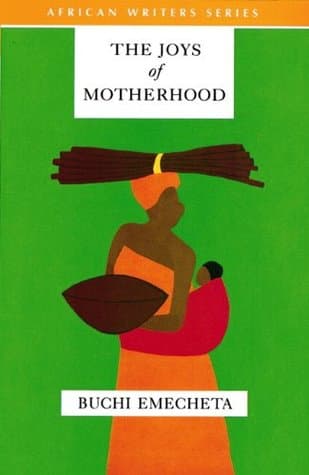
- The Joys of Motherhood
Buchi Emecheta
4.1 (5k) average on GoodreadsHistorical FictionExamines the struggles and resilience of individuals in a changing African society, though in a different country and era.
- Life of Pi
Yann Martel
3.9 (1.3M) average on GoodreadsFantasyFeatures a unique narrative voice and explores the power of storytelling and imagined realities in coping with trauma.
- To Kill a Mockingbird
Harper Lee
4.3 (4.5M) average on GoodreadsHistorical FictionIn the 1930s Jim Crow South, Harper Lee writes about racial injustice, moral growth, and the quiet courage of a lawyer father, Atticus Finch, as seen through his young daughter's eyes.
- The Great Gatsby
F. Scott Fitzgerald
3.9 (3.8M) average on GoodreadsHistorical FictionIn the opulent Roaring Twenties, a mysterious millionaire's lavish parties hide his desperate, tragic pursuit of a lost love, exposing the emptiness within the American Dream.
- Pride and Prejudice
Jane Austen
4.3 (3M) average on GoodreadsHistorical FictionIn a society focused on status and money, Elizabeth Bennet navigates love and pride, challenging Mr. Darcy and social expectations to find true affection.




Enjoyed the summary?
A summary gives you the shape of the book. The book itself has the detail, the examples and the voice.
Find Ways of Dying on AmazonAs an Amazon Associate, BookBrief earns from qualifying purchases. How we're funded