

Synopsis
Covers the whole plot, including the ending.
- Difficulty
- Medium
- Pacing
- Moderate
- Mood
- Raw, Poignant, Observational, Bittersweet
- Read it if
- You appreciate powerful literary fiction exploring themes of displacement, childhood resilience, and the immigrant experience through a unique, youthful voice.
- Skip it if
- You prefer fast-paced plot-driven narratives over character-focused, atmospheric storytelling with a strong emphasis on social commentary.
We Need New Names Plot Summary
Covers the whole plot, including the ending.
Childhood in Paradise, Zimbabwe
The story begins in Paradise, a shantytown in Zimbabwe. Ten-year-old Darling and her friends—Bastard, Chipo, Godknows, and Stina—spend their days stealing guavas from the wealthy white neighborhood, Budapest. Their lives have poverty, absent fathers working abroad, and trauma from political violence that destroyed their first homes. They play make-believe, imitating adults and dreaming of better lives. Darling's mother struggles to provide, and the children see the realities of their environment, including HIV/AIDS and constant hunger.
Chipo's Secret and the Search for a Cure
Chipo, one of Darling's friends, is pregnant at a young age and tries to hide it. The other children, not understanding, believe they can 'get the baby out' with crude methods like jumping on her stomach and using traditional remedies. This shows their innocence and lack of guidance, as well as the issues of sexual abuse and poverty in their community. The children's attempts are useless and dangerous, showing the harshness of their lives and the desperate situations they face without adult support.
Fathers Abroad and the Promise of 'Bhamu'
Many fathers from Paradise have gone to 'Bhamu' (America) or other countries to find work, sending money home. Darling's father is in South Africa, and her Aunt Fostalina is in America. The children often talk about 'Bhamu' as a land of plenty and opportunity, a sharp contrast to their poor reality. Letters and occasional packages from these absent parents fuel their dreams and offer hope that they might escape Paradise's hardships. This distant land becomes a symbol of the community's hopes and worries.
Political Unrest and Operation Murambatsvina
The Paradise community lives under political instability and government oppression. The children remember the traumatic 'Before,' when paramilitary police destroyed their original homes during 'Operation Murambatsvina' (Operation Drive Out Rubbish), forcing them into shantytowns. This event is a constant, unspoken trauma for adults and shapes the children's understanding of authority and injustice. The fear of more displacement and violence is clear, showing how uncertain their lives are and their constant struggle against a powerful, uncaring government.
Aunt Fostalina's Call and the Visa Process
Darling gets a life-changing opportunity when her Aunt Fostalina, living in America, sends for her. Getting a visa is full of anxiety, paperwork, and interviews, a complex process Darling's mother handles with difficulty. The community supports Darling, offering advice, as her departure represents a shared hope. This time has mixed emotions for Darling—excitement for America's unknown future, but also sadness at leaving her friends and the only home she has known, despite its difficulties.
Departure and Arrival in 'Bhamu'
Darling gets her visa and travels to America. Her goodbye from Zimbabwe is emotional, a bittersweet farewell to friends and family. When she arrives in Detroit, Michigan, she is immediately struck by the big differences in culture, environment, and lifestyle. The abundance of food, clean water, and modern conveniences contrasts sharply with Paradise. However, she also experiences culture shock, struggling with American customs, language, and the colder climate. The initial wonder slowly gives way to a more complex understanding of her new reality.
Life with Aunt Fostalina and Uncle Kojo
Darling lives with her Aunt Fostalina and Uncle Kojo in a modest Detroit house. She quickly realizes that America, while offering more material comforts, is not the idealized 'Bhamu' she imagined. Her aunt and uncle have their own struggles as immigrants, working demanding jobs, dealing with financial pressures, and navigating their undocumented status. Darling attends school, where she struggles to fit in and often feels like an outsider. She sees the subtle and obvious racism, economic differences, and cultural clashes that define her new life, slowly losing her childhood innocence.
The Illusion of the American Dream
As Darling gets older, America's initial wonder fades, replaced by growing disappointment. She sees her aunt and uncle's constant fear of deportation, their hard work with little reward, and their sacrifices. She realizes that the 'American Dream' is not easy to get, especially for undocumented immigrants. Darling struggles with her identity, feeling caught between her Zimbabwean heritage and her American present. She feels lonely and displaced, as she struggles to find her place in a society that often sees her as an outsider.
Maintaining Connections and the Weight of the Past
Darling tries to keep in touch with her friends in Paradise through phone calls and letters. However, the vast distance and different experiences make true connection hard. Their lives have become very different, and they struggle to understand each other's realities. Darling feels guilty for having 'escaped,' while her friends still face Zimbabwe's hardships. Memories of her childhood in Paradise continue to affect her, shaping her view and reminding her of the life she left. She carries the weight of her past, even as she tries to build a future.
The Call from Home and Lingering Identity Crisis
Years later, as a young adult, Darling gets a phone call from her mother in Zimbabwe. The conversation shows that life in Paradise has not improved much; her friends still struggle, some have died, and the political and economic situation remains bad. This call brings back many memories and reinforces Darling's feeling of being a stranger in both worlds. She feels disconnected from her roots, yet also knows she doesn't fully belong in America. The novel ends with Darling dealing with her dual identity, the bittersweet reality of her journey, and her past's lasting impact on her present and future.
Principal Figures
Darling
Protagonist
A young Zimbabwean girl who immigrates to America, navigating poverty and cultural displacement.
Darling is the observant and resilient protagonist, introduced at ten years old in the shantytown of Paradise, Zimbabwe. She is a keen observer of her surroundings, articulate and imaginative, often leading her group of friends in games and adventures. Initially, she views America as a mythical land of plenty, a stark contrast to her life of poverty and political instability. As she immigrates and grows up in Detroit, she grapples with culture shock, the disillusionment of the American Dream, and a profound sense of displacement. She struggles with her identity, caught between her Zimbabwean heritage and her American upbringing, often feeling like an outsider in both worlds.
Relationships: Bastard (Childhood friend); Chipo (Childhood friend); Godknows (Childhood friend); Stina (Childhood friend); Mother (Loving, struggling parent); Aunt Fostalina (Guardian in America, complex relationship); Uncle Kojo (Aunt's husband, guardian in America)
Aunt Fostalina
Supporting
Darling's aunt in America who sponsors her immigration, representing the struggles of the immigrant experience.
Aunt Fostalina is Darling's aunt, living in Detroit, Michigan, who offers Darling a chance at a better life by bringing her to America. She works hard, often at multiple jobs, to support her family and maintain her household. While initially seen as a savior, Darling soon realizes that Aunt Fostalina's life in America is far from easy, marked by the anxieties of undocumented status, financial strain, and cultural adjustment. She tries her best to provide for Darling, but her own struggles often make her distant or frustrated, embodying the complex realities and sacrifices of many immigrants.
Relationships: Darling (Niece, ward); Uncle Kojo (Husband)
Bastard
Supporting
Darling's closest childhood friend, known for his leadership and loyalty in their games.
Bastard is Darling's best friend and the de facto leader of their group of children in Paradise. He is adventurous, often initiating their guava-stealing expeditions and other games. His name reflects the harsh realities of their environment, as he is an orphan. He is fiercely loyal to his friends and embodies the resilience and resourcefulness of children growing up in poverty. His presence in the early part of the book highlights the innocence and camaraderie that Darling experiences before her departure, making his eventual absence a poignant symbol of the lost past.
Relationships: Darling (Closest childhood friend); Chipo (Childhood friend); Godknows (Childhood friend); Stina (Childhood friend)
Chipo
Supporting
A young girl in Darling's friend group who becomes pregnant at a very young age.
Chipo is one of Darling's childhood friends in Paradise. Her storyline is particularly tragic, as she becomes pregnant at a young age, a secret she tries to hide from the other children. Her vulnerability and the children's naive attempts to 'cure' her pregnancy underscore the dire circumstances and lack of proper care in their community. Chipo's fate serves as a stark reminder of the dangers and lack of opportunity faced by young girls in Paradise, highlighting issues of sexual abuse and poverty. She represents the devastating impact of their environment on innocent lives.
Relationships: Darling (Childhood friend); Bastard (Childhood friend); Godknows (Childhood friend); Stina (Childhood friend)
Godknows
Supporting
A member of Darling's childhood friend group, often participating in their adventures.
Godknows is another of Darling's friends in Paradise, part of the core group that engages in guava stealing and imaginative play. He is depicted as a typical child of the shantytown, navigating poverty with a mix of resilience and childish innocence. While not as central as Bastard or Chipo, Godknows contributes to the collective voice and experiences of the children, providing a broader perspective on their shared struggles and fleeting moments of joy. He embodies the collective spirit of the children of Paradise.
Relationships: Darling (Childhood friend); Bastard (Childhood friend); Chipo (Childhood friend); Stina (Childhood friend)
Stina
Supporting
Another of Darling's childhood friends, part of the group's daily adventures.
Stina is a member of Darling's close-knit group of friends in Paradise. Like Godknows, she plays a supporting role in their adventures, participating in their games, their discussions about 'Bhamu,' and their shared experiences of poverty and hardship. Her presence reinforces the sense of community and solidarity among the children, who rely on each other for companionship and escape from their harsh realities. Stina helps to illustrate the collective experience of growing up in a shantytown, where innocence is constantly tested by grim circumstances.
Relationships: Darling (Childhood friend); Bastard (Childhood friend); Chipo (Childhood friend); Godknows (Childhood friend)
Mother (Darling's)
Supporting
Darling's mother, who struggles to provide for her family in Zimbabwe and facilitates Darling's move to America.
Darling's mother is a strong, enduring figure who represents the resilience of Zimbabwean women facing extreme poverty. She works tirelessly to provide for Darling and her siblings, often making immense sacrifices. Her decision to send Darling to America, despite the pain of separation, highlights her desire for a better future for her child. She navigates the complex immigration bureaucracy with determination and hope. Her calls to Darling later in the book reveal the continued struggles in Zimbabwe, anchoring Darling to her past and the reality of her homeland.
Relationships: Darling (Daughter); Father (Darling's) (Husband (absent))
Uncle Kojo
Supporting
Aunt Fostalina's husband, also an immigrant in America, who struggles with the challenges of undocumented life.
Uncle Kojo is Aunt Fostalina's husband and Darling's uncle in America. Like his wife, he works hard to make ends meet, often facing the indignities and exploitation common to undocumented immigrants. He is a quieter presence than Aunt Fostalina but shares her anxieties about deportation and financial instability. His character helps to illustrate the collective struggle of the immigrant family, showing the sacrifices and constant fear that define their daily existence in America. He provides a male perspective on the challenges of adapting to a new country.
Relationships: Darling (Niece-in-law, ward); Aunt Fostalina (Wife)
Father (Darling's)
Mentioned
Darling's absent father, working in South Africa, whose presence is felt through his absence and occasional remittances.
Darling's father is largely an absent figure in the narrative, having gone to South Africa for work. His absence is a common theme among the families in Paradise, highlighting the economic desperation that drives men away from their homes. He sends occasional remittances, which are crucial for his family's survival, but his physical absence leaves a void in Darling's life. He represents the broader phenomenon of economic migration and the fracturing of families due to poverty and the search for opportunity.
Relationships: Darling (Daughter); Mother (Darling's) (Wife)
Themes & Insights
Identity and Belonging
The novel explores Darling's struggle to build an identity as she moves between two different cultures: her Zimbabwean homeland and her American home. In Paradise, she is part of a shared identity from poverty and common experience. In America, she feels like an outsider, an immigrant, and 'other.' She constantly questions where she belongs, caught between memories of her past and realities of her present. This is clear as she struggles with language, cultural norms, and feeling disconnected from both old friends and her new environment.
“We are like trees, they say, we are rooted, and to change countries is like being uprooted, and it takes time for the roots to find the dirt again.”
The Illusion vs. Reality of the American Dream
The idealized image of 'Bhamu' (America) as a place of endless opportunity and wealth is a main theme. The children in Paradise dream of escaping there. However, when Darling arrives in Detroit, she quickly sees the realities of immigrant life: fear of deportation, money problems, racism, and the constant hard work needed to survive. The abundance she sees often contrasts with her aunt and uncle's sacrifices and hidden suffering. The novel breaks down the romantic view of America, showing the often-difficult truth of the immigrant experience.
“It was not the America we had been told about in Paradise. It was not the America of golden opportunities, the America of easy money.”
Childhood and Loss of Innocence
The novel shows Darling's childhood in Paradise, a time with playful innocence and exposure to harsh realities like poverty, political violence, and sexual abuse (Chipo's pregnancy). The children's games and imaginary worlds offer a temporary escape from their bad circumstances. However, Darling's journey to America ends this childhood. She loses her innocence as she sees the complexities of adult immigrant life and the disappointment of her dreams. The difference between her carefree past and her burdened present shows how displacement affects her growth.
“We were not like the children in the TV shows, children who were driven to school in buses and had lunch boxes and whose biggest problem was a lost pet.”
Poverty and Economic Disparity
Poverty is everywhere in the novel, shaping every part of life in Paradise. The children's hunger, their makeshift homes, and their parents' desperation to find work abroad are constant reminders of their economic hardship. This reality contrasts with the material abundance Darling finds in America, yet even there, she sees her immigrant family's economic struggles. The novel shows the large global differences in wealth and opportunity, and how these inequalities drive migration and create cycles of hardship for those caught between worlds.
“We were children of Paradise, children of hunger, children of the until-we-die.”
The Impact of Political Instability and Displacement
Political violence and 'Operation Murambatsvina' in Zimbabwe are a foundational trauma for Darling and her community. Their displacement from their original homes to the shantytown of Paradise is a direct result of government actions. This instability forces fathers to seek work abroad and leads to Darling's migration. Even in America, the characters carry the psychological scars of political unrest, and news from home continues to show ongoing struggles. The novel illustrates how political decisions have deep, lasting human costs, driving people from their homes and shaping their destinies.
“It was the time of the Before, when our homes were still there, before the bulldozers came, before the Green Bombers.”
Plot Devices & Literary Techniques
First-Person Child Narrator
Provides an innocent yet sharp perspective on complex social issues.
The novel is narrated by Darling, initially as a ten-year-old child and later as a young adult. This perspective allows for a unique blend of innocence, sharp observation, and unvarnished honesty. As a child, Darling interprets the harsh realities of her world through a lens of play and imagination, making the atrocities she witnesses even more poignant. Her voice evolves as she matures, reflecting her growing understanding and disillusionment, but always retaining a distinct, insightful tone. This device effectively highlights the contrast between childhood perceptions and adult realities, particularly regarding the immigrant experience.
Symbolism of 'Bhamu' (America)
Represents both a mythical escape and a harsh reality.
'Bhamu,' the children's colloquial term for America, functions as a powerful symbol throughout the novel. Initially, it represents an idealized, almost mythical land of abundance, opportunity, and escape from the poverty and violence of Zimbabwe. It is the collective dream of Paradise. However, as Darling experiences life in America, 'Bhamu' transforms into a symbol of the complex, often disappointing realities of immigration – a place of hard work, struggle, and cultural alienation. This evolving symbolism underscores the novel's central theme of the illusion versus the reality of the American Dream.
The Shantytown of Paradise
A poignant symbol of lost hope and resilient community.
The setting of Paradise is deeply symbolic. Its ironic name highlights the stark contrast between the children's hopeful, imaginative world and the grim reality of their poverty-stricken shantytown. Paradise represents a place of forced displacement, economic hardship, and political neglect, yet it is also a place of strong community bonds, shared experiences, and childhood resilience. It symbolizes the lost 'Before' and the enduring spirit of those left behind. For Darling, it becomes a haunting memory, a tether to her past identity, and a constant reminder of the life she both escaped and yearns for.
Foreshadowing through Childhood Games
Prefigures future struggles and the loss of innocence.
The children's games in Paradise often foreshadow the darker realities they face or will face. For example, their game of 'destroying Bin Laden' reflects the global political awareness even in their remote village, while their attempts to 'get the baby out' of Chipo tragically highlight the issues of sexual abuse and lack of healthcare. These games, initially innocent, subtly introduce themes of violence, despair, and the loss of innocence, preparing the reader for the more mature themes that emerge as Darling grows up and moves to America, connecting her past and future struggles.
Language and Code-Switching
Reflects cultural identity and the challenges of assimilation.
The novel effectively uses language and code-switching, particularly in the dialogue. The children in Paradise speak in a vibrant, often ungrammatical, and expressive English infused with local idioms. This reflects their authentic voices and cultural context. Upon moving to America, Darling experiences the challenges of adapting her language, both in terms of accent and idiom, to fit in. This linguistic shift symbolizes her broader struggle with assimilation and identity, highlighting the ways in which language is intertwined with cultural belonging and the feeling of being an outsider.
We Need New Names Quotes
“I am not a country anymore. I am a suitcase.”
“We are all just waiting for something to happen, and when it does, we will know what to do.”
“The problem with English is this: You can't use it to say how you really feel.”
“In America, you can be anything you want, but you have to want it first.”
“We are the children of the land, and the land is our mother.”
“Sometimes I think we left our souls in Paradise, and our bodies are just walking around in America.”
“Hunger is a silent language that everyone understands.”
“The past is a heavy suitcase that you carry everywhere.”
“We are like birds without nests, flying but never landing.”
“In America, they have everything, but they don't have us.”
“The sky in Zimbabwe is a different blue, a blue that knows your name.”
“We are all just stories waiting to be told.”
“Freedom is not just about leaving; it's about what you take with you.”
“The world is a big place, but it feels small when you are alone in it.”
Quiz
10 questions on the plot and the characters. Each answer comes with a short explanation.
Question 1
What is the name of the protagonist in 'We Need New Names'?
- Chipo
- Darling
- NoViolet
- Zadie
Show answer
B. Darling The protagonist is Darling, a ten-year-old girl whose journey from Zimbabwe to America forms the core of the novel. Chipo is her friend, NoViolet is the author, and Zadie Smith is a writer mentioned in the book's description.
Question 2
In Zimbabwe, what fruit do Darling and her friends often steal?
- Mangoes
- Apples
- Guavas
- Oranges
Show answer
C. Guavas The book describes Darling and her friends stealing guavas in Zimbabwe, which symbolizes their childhood innocence and the scarcity they face in their impoverished community.
Question 3
Why does Darling leave Zimbabwe for America?
- To attend a prestigious school
- To escape political persecution
Show answer
. Darling travels to America to live with her aunt, seeking a better life and the 'famous abundance' she has heard about, as described in the book's summary. This reflects themes of migration and hope for opportunity.
Question 4
What traumatic event involving Chipo do Darling and her friends try to address in Zimbabwe?
- Helping her recover from an illness
- Getting the baby out of her belly
- Finding her lost parents
- Stopping her from running away
Show answer
B. Getting the baby out of her belly The book mentions that Darling and her friends try to 'get the baby out of young Chipo's belly,' highlighting the harsh realities of childhood in their environment, including early pregnancy and lack of proper care.
Question 5
What does the term 'Before' refer to in the context of Darling's life in Zimbabwe?
- Before she was born
- Before her family moved to a new house
- Before the political and social collapse in Zimbabwe
- Before she learned to speak English
Show answer
C. Before the political and social collapse in Zimbabwe 'Before' refers to the time before paramilitary police destroyed homes, schools closed, and fathers left for jobs abroad, representing a lost stability and innocence in Darling's memory, as noted in the book summary.
Question 6
How does Darling's experience in America contrast with her expectations?
- She finds it exactly as abundant as she imagined
- She discovers that her options as an immigrant are perilously few
- She immediately becomes wealthy and successful
- She regrets leaving Zimbabwe and returns quickly
Show answer
B. She discovers that her options as an immigrant are perilously few The book summary states that Darling travels to America 'in search of America's famous abundance only to find that her options as an immigrant are perilously few,' illustrating themes of disillusionment and the immigrant struggle.
Question 7
Which literary figures are mentioned in the book's description as comparisons for NoViolet Bulawayo's storytelling?
- Toni Morrison and James Baldwin
- Junot Díaz, Zadie Smith, and J.M. Coetzee
- Chimamanda Ngozi Adichie and Chinua Achebe
- Gabriel García Márquez and Isabel Allende
Show answer
B. Junot Díaz, Zadie Smith, and J.M. Coetzee The book description explicitly compares Bulawayo to 'the great storytellers of displacement and arrival... from Junot Díaz to Zadie Smith to J.M. Coetzee,' positioning her within a tradition of writers exploring migration and identity.
Question 8
What role do paramilitary policemen play in Darling's life in Zimbabwe?
- They protect her community from crime
- They help rebuild destroyed homes
- They destroy homes and contribute to the instability
- They provide jobs for Darling's father
Show answer
C. They destroy homes and contribute to the instability The summary notes that 'homes were destroyed by paramilitary policemen,' which is part of the violence and fragility Darling must navigate, symbolizing the political turmoil in Zimbabwe.
Question 9
What broader theme does Darling's journey from Zimbabwe to America primarily explore?
- The joys of international travel
- The simplicity of rural life
- Displacement and arrival in a new land
- The benefits of Western education
Show answer
C. Displacement and arrival in a new land The book is described as a story of 'displacement and arrival,' with Darling's migration highlighting the challenges and complexities of adapting to a new culture while grappling with loss and identity.
Question 10
Why might the title 'We Need New Names' be significant to the story?
- It refers to Darling's desire to rename her friends in America
- It symbolizes the need for new identities in the face of migration and change
- It is a literal call for Zimbabwe to change its country name
- It highlights a plot point about a naming ceremony in the book
Show answer
B. It symbolizes the need for new identities in the face of migration and change The title metaphorically reflects themes of reinvention and identity crisis, as Darling and other characters navigate displacement, suggesting that old names and identities may no longer fit in new contexts.
We Need New Names FAQ
What is 'We Need New Names' about?
The novel follows Darling, a ten-year-old girl growing up in post-colonial Zimbabwe, where she and her friends navigate poverty, political violence, and displacement in a shantytown called Paradise. After immigrating to America to live with her aunt, Darling struggles with cultural alienation, immigrant hardships, and the loss of her childhood identity while grappling with memories of her homeland.
Why should I read 'We Need New Names'?
NoViolet Bulawayo's debut offers a raw, poignant exploration of displacement and cultural identity through the vivid, unfiltered perspective of a child. It captures the brutal realities of post-colonial Zimbabwe and the disillusionment of the immigrant experience in America with lyrical prose and dark humor, making it a powerful contribution to contemporary African diaspora literature.
What is the background/setting of 'We Need New Names'?
The first half is set in a shantytown called Paradise in Zimbabwe, reflecting the country's political and economic turmoil after Robert Mugabe's land reforms. The second half shifts to 'Destroyedmichygen' (Detroit, Michigan), where Darling faces the stark contrasts of American life, including suburban alienation and economic struggles as an undocumented immigrant.
What are the most memorable quotes?
Notable quotes include: 'We are not even countries anymore; we are just names' (reflecting lost national identity), 'In America, you don't just get to be; you have to become' (on immigrant assimilation), and 'We need new names for things' (highlighting the disconnect between African experiences and Western language).
What writing style does the author use?
Bulawayo employs a first-person narrative from Darling's perspective, blending childlike innocence with sharp observational wit. The prose mixes Shona and English dialects, incorporates vivid imagery and metaphors (e.g., guavas as symbols of desire), and shifts between lyrical descriptions and fragmented, episodic storytelling to mirror dislocation.
What minor details add significant meaning?
The recurring motif of guavas represents both childhood freedom and unattainable desires in Zimbabwe, while in America, Darling's obsession with stealing candy from a supermarket mirrors this but highlights hollow consumerism. The children's game of 'Find Bin Laden' satirizes global politics' intrusion into local lives, and the bulldozed homes in Paradise symbolize erasure of history.
What are some subtle foreshadowing moments?
Early scenes of Darling and her friends trying to 'get the baby out of young Chipo's belly' foreshadow later themes of lost innocence and forced maturity. References to 'Before'—a time of stability—hint at Darling's idealized view of America, which is subverted by her immigrant struggles. The destruction of Paradise prefigures her fragmented identity in the U.S.
What unexpected character connections exist?
Darling's friend Chipo, who becomes pregnant as a child, parallels Darling's own 'rebirth' in America as she sheds her old self. Aunt Fostalina's strained relationship with Darling mirrors the disconnect between African immigrants and their homeland. The paramilitary policemen in Zimbabwe find a subtle counterpart in American authority figures who marginalize immigrants.
What are unspoken character motivations?
Darling's desire to escape Zimbabwe is driven not just by poverty but by a deep-seated fear of stagnation and violence, though she rarely admits this. Aunt Fostalina's harshness stems from her own struggles as an immigrant trying to preserve dignity in a hostile system. The children's theft of guavas masks a craving for agency and control in a chaotic world.
What psychological complexities do characters exhibit?
Darling grapples with survivor's guilt after leaving Zimbabwe, feeling torn between nostalgia and resentment. Chipo's trauma from early pregnancy manifests in withdrawn behavior, symbolizing lost childhood. Aunt Fostalina displays a mix of resilience and bitterness, reflecting the psychological toll of immigration and unfulfilled promises.
What are the major emotional turning points?
Key moments include Darling's departure from Zimbabwe, which is bittersweet and filled with guilt; her first disillusionment in America upon realizing its abundance is inaccessible; and her final phone call with Chipo, where she confronts the irreversible distance between her past and present selves, leading to a profound sense of loss.
How do relationship dynamics evolve?
Darling's bond with her Zimbabwean friends deteriorates after she moves, symbolized by strained phone calls where they grow apart. Her relationship with Aunt Fostalina shifts from dependency to tension as cultural clashes emerge. In America, she forms superficial connections with other immigrants, highlighting the isolation of diaspora communities.
Which parts remain ambiguous or open-ended?
The fate of characters left in Zimbabwe, like Chipo and Darling's mother, is left uncertain, reflecting the fragmentation of diaspora lives. Darling's ultimate assimilation into American society is unresolved—she neither fully embraces nor rejects it, leaving her identity in flux. The novel's ending offers no clear resolution, emphasizing the ongoing nature of displacement.
What are controversial scenes or decisions?
The children's attempt to terminate Chipo's pregnancy through crude methods sparks debate on agency and trauma in poverty. Darling's theft and materialism in America critique immigrant complicity in consumer culture. Some readers find the portrayal of Zimbabwe's political violence one-sided, while others praise its raw honesty.
'We Need New Names' ending explained: how it ends & what it means
The novel ends with Darling in America, reflecting on a phone call to Chipo where she realizes she can never return to her old life. It symbolizes the irreversible loss of homeland and identity, suggesting that immigration involves continuous reinvention without full belonging. The title underscores the need to redefine oneself in a world that erases original names and histories.
About the author

NoViolet Bulawayo is a Zimbabwean author known for her fiction that often explores themes of identity and displacement. Her notable work, "We Need New Names," tells the story of a young girl navigating life in both Zimbabwe and the United States. Bulawayo has received recognition for her contributions to literature, including being a finalist for the 2013 Man Booker Prize.
Similar books
- Americanah
Chimamanda Ngozi Adichie
4.3 (264k) average on GoodreadsLiterary FictionExplores the immigrant experience, race, and identity for an African woman in America.
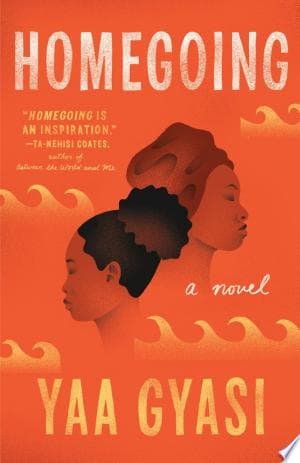
- Homegoing
Yaa Gyasi
4.4 (175k) average on GoodreadsLiterary FictionExamines the long-term impact of historical events and displacement on generations of families.
- Open City
Teju Cole
3.5 (14k) average on GoodreadsLiterary FictionBulawayo's narrative is more direct, character-driven, and urgent, focusing on a child's survival and belonging. Cole's novel is more introspective, meandering, and philosophical, exploring alienation and cultural observation through an adult protagonist's internal monologue.
- The Old Man and the Sea
Ernest Hemingway
3.8 (831k) average on GoodreadsLiterary FictionA Cuban fisherman's long struggle with a giant marlin becomes a story of endurance and dignity, now retold for young adults with illustrations, phonetic guides, and writing prompts in Traditional Chinese.
- One Hundred Years of Solitude
Gabriel García Márquez
4.1 (753k) average on GoodreadsLiterary FictionThrough the multi-generational story of the Buendía family, a mythical town deals with the repeating patterns of time, love, and solitude, as the extraordinary mixes with the ordinary.
- The Goldfinch
Donna Tartt
3.9 (720k) average on GoodreadsLiterary FictionHaunted by a tragic explosion and clutching a stolen Dutch masterpiece, a young orphan navigates the opulent drawing rooms of New York and the gritty underbelly of the art world, desperately seeking connection and redemption amidst a life spiraling into crime and obsession.




Enjoyed the summary?
A summary gives you the shape of the book. The book itself has the detail, the examples and the voice.
Find We Need New Names on AmazonAs an Amazon Associate, BookBrief earns from qualifying purchases. How we're funded