Albert Camus was a French-Algerian philosopher, author, dramatist, and journalist. He was the recipient of the 1957 Nobel Prize in Literature at the age of 44, the second-youngest recipient in history. His works include The Stranger, The Plague, The Myth of Sisyphus, The Fall, and The Rebel.
In the sun-baked city of Oran, a deadly plague forces residents to confront existence, testing their resilience, compassion, and definition of humanity amid inescapable death.
Camus writes about confronting life's absurdity, not to despair, but to find joy in rebelling against a meaningless world, like Sisyphus embracing his task.
Camus examines humanity's urge to revolt, from its ancient roots to modern history, showing how the desire for freedom often leads to new forms of oppression.
In six stark parables, Camus unveils the raw, often agonizing epiphanies of individuals grappling with their freedom, their faith, and the crushing weight of existence in desolate landscapes.
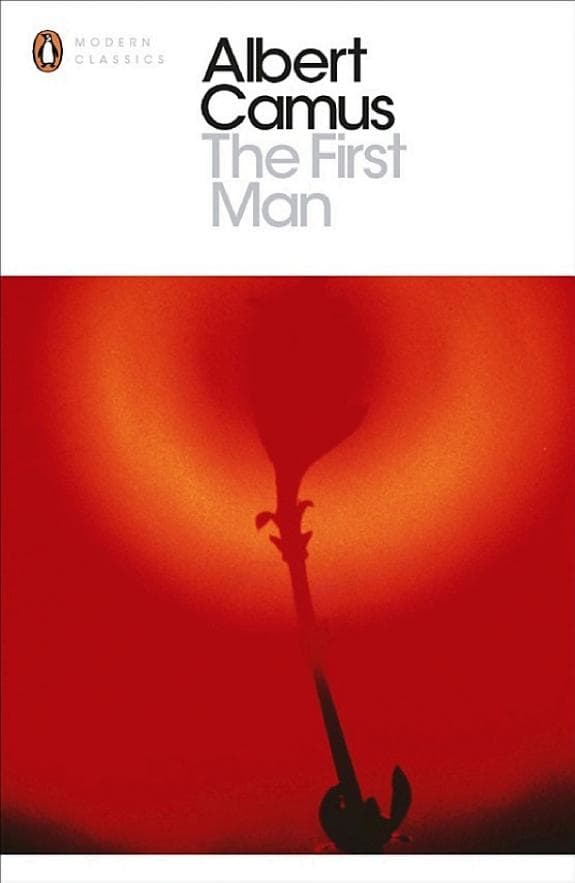
In colonial Algeria, a boy's silent love for his illiterate mother and a teacher's guidance shape him, making him 'the first man' to grapple with identity and the themes that would define Camus's unfinished work.
In a sun-drenched, indifferent world, a man's impulsive murder thrusts him into an absurd legal dance, stripping away societal connection until he embraces the 'benign indifference of the universe' from his prison cell.
In sun-drenched Algiers, an indifferent man's life unravels from his mother's death to a senseless murder, revealing the chilling absurdity of existence.