
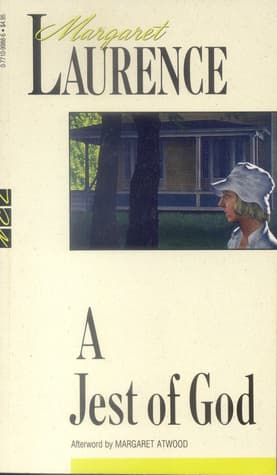
Synopsis
Covers the whole plot, including the ending.
- Difficulty
- Medium
- Pacing
- Slow
- Mood
- Introspective, Melancholy, Confined, Poignant
- Read it if
- You appreciate deep character studies of women in mid-20th century small-town settings, exploring themes of loneliness, societal expectations, and personal awakening.
- Skip it if
- You prefer fast-paced plots with clear-cut resolutions or dislike introspective, character-driven narratives with a melancholic tone.
A Jest of God Plot Summary
Covers the whole plot, including the ending.
The Weight of Manawaka
Rachel Cameron, a thirty-four-year-old, unmarried schoolteacher, lives a quiet life of desperation in the small Canadian town of Manawaka. She shares a house with her widowed, hypochondriac mother, Mrs. Cameron, whose constant demands and veiled criticisms stifle Rachel. Rachel teaches at the local elementary school, where she struggles with her own anxieties and her students' difficult behavior, especially James Doherty. Her social life is almost nonexistent, marked by awkward encounters and a deep sense of isolation. She often retreats into her own mind, imagining conversations and examining her actions, always feeling judged and inadequate. Her mother's judgmental gaze and the town's narrow-mindedness reinforce this feeling.
A Summer's Respite and a Chance Encounter
As the school year ends and summer begins, Rachel attends a stifling church picnic, an obligation her mother imposes. Feeling out of place and uncomfortable, she watches the townspeople with disdain and longing. Here, she meets Nick Kazlik, a childhood acquaintance who now works at the local creamery. Nick, a Ukrainian-Canadian, represents a different kind of life, less bound by Manawaka's strict social norms. Their first conversation is hesitant but sparks an interest in Rachel, a rare feeling in her monotonous life. This meeting plants the seed for a possible escape from her loneliness.
The Beginning of an Affair
After their meeting at the picnic, Rachel and Nick begin spending time together, and their interactions turn into a secret affair. They meet discreetly, often in Nick's car or at secluded spots, away from Manawaka's prying eyes. For Rachel, this relationship is a revelation. Nick's directness, his physical presence, and the simple act of being desired awaken a dormant part of her. She experiences intimacy, both physical and emotional, for the first time in a meaningful way, which challenges her deep-seated inhibitions and sense of unworthiness. This affair becomes her private rebellion against the suffocating expectations of her life with her mother and the town.
The Shadow of the Past
Despite the intoxicating newness of her affair with Nick, Rachel cannot fully escape her past and her mother's influence. She constantly hears her mother's critical voice in her head, analyzing her every move and feeding her self-doubt. Rachel's memories of her father, a stern undertaker, and her childhood in the funeral parlor add to her anxieties about death, decay, and life's fragility. These internal struggles make her guarded with Nick, preventing her from fully opening up. She fears judgment and rejection, projecting her insecurities onto him and their potential future, always expecting its end.
A Troubling Discovery
As summer goes on, Rachel experiences unsettling physical changes and a growing unease. She notices missed periods and other symptoms that suggest a terrifying possibility: pregnancy. This realization causes deep panic. The thought of being pregnant, unmarried, and in her mid-thirties, living with her judgmental mother in Manawaka, is overwhelming. She struggles to accept this potential reality with her carefully constructed, if lonely, life. Her thoughts become frantic, moving between denial, fear, and a desperate search for answers, all while trying to appear normal.
Confrontation and Retreat
Overwhelmed by her fears, Rachel finally confronts Nick about her possible pregnancy. His reaction is not what she expects. While he offers to marry her, his proposal feels more like duty than genuine love or enthusiasm. Rachel, sensing his reluctance and her own deep insecurities, rejects his offer, convinced that a marriage born of obligation would only lead to more unhappiness. The conversation leaves her feeling more isolated than ever, confirming her darkest fears about her worth and their affair's temporary nature. Nick, perhaps relieved, quietly accepts her decision, and their relationship ends.
The Doctor's Visit
Driven by growing physical discomfort and the need for a clear answer, Rachel secretly visits Dr. MacAfee, the local physician. She expects to confirm her pregnancy, preparing for the inevitable shame and consequences. However, Dr. MacAfee delivers a diagnosis far more shocking and strange: she is not pregnant with a child, but has a fibroid tumor, a benign growth in her uterus, which has caused her body to mimic pregnancy symptoms. This news is a deep shock, a cruel twist that leaves Rachel reeling with relief, bewilderment, and a profound sense of cosmic jest.
The Operation and Recovery
After the diagnosis, Rachel has surgery to remove the fibroid tumor. The procedure is successful, and she begins her recovery, first in the hospital and then back in her mother's house. This period is marked by physical weakness but also intense reflection. The false pregnancy and subsequent surgery force Rachel to confront her own body, her desires, and her deep fears about life and death. She thinks about her relationship with Nick, her mother, and her own identity, feeling both vulnerable and a strange, newfound clarity about her existence.
A New Beginning, Sort Of
After Rachel's surgery, her mother, Mrs. Cameron, makes an unexpected decision. She announces her intention to sell their house in Manawaka and move to Vancouver to live with her other daughter, Beth. To Rachel's surprise, Mrs. Cameron insists that Rachel come with her. While living with her mother in a new city is not ideal, the move away from Manawaka is a significant change for Rachel. It offers a chance to escape the stifling environment and the town's judgmental eyes, presenting a tentative opportunity for a fresh start, even if still connected to her mother.
Leaving Manawaka
As Rachel and her mother prepare to leave Manawaka, Rachel experiences a complex mix of emotions. She feels a sense of liberation from the town's limits and the memories of her past failures, yet also a pang of regret for the life she never quite built there. She reflects on her affair with Nick, her false pregnancy, and the lessons she has learned about vulnerability, self-acceptance, and life's unpredictable nature. As she looks out the car window, leaving Manawaka behind, Rachel carries a fragile hope for the future, understanding that while she may never truly escape herself, she can at least embrace the possibility of change and a different kind of existence.
Principal Figures
Rachel Cameron
Protagonist
A thirty-four-year-old unmarried schoolteacher living a life of quiet desperation in Manawaka.
Rachel is a highly introspective, anxious, and deeply lonely woman. She is intelligent and observant but lacks confidence and is plagued by self-doubt, largely due to her overbearing mother and the conservative expectations of Manawaka. She yearns for connection and love but is terrified of vulnerability and judgment. Her internal monologue is a constant stream of self-criticism, imagined conversations, and a morbid fascination with death and decay, inherited from her undertaker father. Despite her repressed nature, she possesses a rebellious spirit and a deep capacity for feeling.
Relationships: Mrs. Cameron (Stifling, co-dependent, critical mother-daughter relationship.); Nick Kazlik (Brief, passionate, and ultimately heartbreaking love affair.); James Doherty (Challenging student, a mirror to Rachel's own inner turmoil.)
Mrs. Cameron
Supporting
Rachel's widowed, hypochondriac, and deeply judgmental mother.
Mrs. Cameron is a demanding and self-pitying woman who uses her perceived ailments to control Rachel. She embodies the rigid social norms and gossiping nature of Manawaka. Her love for Rachel is intertwined with a constant stream of criticism and a desire to keep Rachel dependent, often subtly undermining Rachel's attempts at independence. She is a product of her generation and environment, finding comfort in routine and the familiar, but her actions inadvertently contribute to Rachel's profound loneliness and self-doubt.
Relationships: Rachel Cameron (Stifling, co-dependent, critical mother-daughter relationship.); Beth Cameron (Distant daughter, her reason for moving to Vancouver.)
Nick Kazlik
Supporting
An old schoolmate of Rachel's, a Ukrainian-Canadian who works at the local creamery.
Nick is presented as a more grounded, less inhibited man than those Rachel typically encounters. He is straightforward, physically appealing, and offers Rachel a glimpse into a world beyond Manawaka's social strictures. He is kind and genuinely attracted to Rachel, providing her with the first real experience of physical and emotional intimacy she has known. However, he is also somewhat passive and perhaps not as deeply invested in the relationship as Rachel, ultimately unable to fully commit to the complexities of her life or her potential pregnancy.
Relationships: Rachel Cameron (Brief, passionate, and ultimately heartbreaking love affair.)
James Doherty
Supporting
A disruptive and challenging student in Rachel's elementary school class.
James Doherty is a young boy who embodies wildness and a lack of conformity, often challenging Rachel's authority in the classroom. He is a source of frustration for Rachel, triggering her anxieties about control and her own perceived inadequacies as a teacher. However, he also represents a kind of raw, untamed spirit that Rachel secretly envies and occasionally connects with. His disruptive behavior reflects a deeper vulnerability, and Rachel's interactions with him often mirror her own internal battles with self-control and authenticity.
Relationships: Rachel Cameron (Teacher-student relationship marked by conflict and moments of unexpected understanding.)
Hector Jonas
Mentioned
The local undertaker and Rachel's deceased father.
Rachel's father, though deceased, casts a long shadow over her life. He was the local undertaker, and Rachel's childhood memories are filled with the sights and smells of the funeral parlor, contributing to her morbid fascinations and anxieties about death and decay. He was a stern, somewhat detached figure, and Rachel often feels his judgmental presence even in his absence, contributing to her feelings of inadequacy and her difficulty in forming intimate relationships.
Relationships: Rachel Cameron (Daughter-father relationship marked by a lasting psychological impact.)
Dr. MacAfee
Supporting
The local doctor who diagnoses Rachel's condition.
Dr. MacAfee is a professional and somewhat detached figure who delivers the shocking news of Rachel's false pregnancy. He represents the medical authority and the harsh realities of the body. His diagnosis is a pivotal moment in the novel, shattering Rachel's assumptions and forcing her to confront a bizarre and unexpected truth about herself. He is a catalyst for Rachel's ultimate self-discovery, even if his role is brief and purely functional.
Relationships: Rachel Cameron (Doctor-patient relationship, delivering a life-altering diagnosis.)
Themes & Insights
The Burden of Repression and Social Expectation
Rachel's life is shaped by Manawaka's social expectations and her own deep repression. The small town's gossip, her mother's judgmental gaze, and her puritanical upbringing stop her from expressing her true desires or seeking real connection. Her thoughts are filled with self-criticism and imagined judgments, showing how completely she has absorbed these pressures. Her affair with Nick is a desperate attempt to break free, but even then, she struggles to shed her inhibitions, always fearing exposure and shame. This theme is clear when she rejects Nick's marriage proposal, fearing a life born of obligation rather than genuine love, a fear rooted in her repressed desires.
“What on earth did I expect? A man, a man. And I got him. And now what?”
The Search for Identity and Self-Acceptance
A central struggle for Rachel is understanding who she is beyond her roles as 'daughter' or 'teacher' in Manawaka. She grapples with her sexuality, her loneliness, and her feelings of inadequacy. The false pregnancy becomes a strange event that helps her discover herself. It forces her to confront her body, her desires, and her deepest fears about life and death. The revelation that she was never truly pregnant but had a tumor is a cruel cosmic joke, yet it also frees her from the immediate social judgment of an unmarried pregnancy. This allows her to begin accepting her own flawed humanity, moving towards a more authentic, though still uncertain, sense of self.
“I am Rachel, I am Rachel, I am Rachel. What else is there?”
Loneliness and the Desire for Connection
Rachel's deep loneliness is present in every part of her life. She longs for intimacy and understanding but cannot truly connect with others. Her relationship with her mother is one of co-dependence and resentment, not genuine warmth. Her affair with Nick, while offering moments of physical and emotional closeness, is ultimately brief and does not resolve her deeper solitude. Even in her classroom, she feels disconnected from her students. The novel shows how repression and fear isolate Rachel, preventing her from forming the deep connections she desperately wants, until the very end when she takes a small step towards self-acceptance.
“Oh God, let me not be lonely. Let me not be lonely.”
The Grotesque and the Absurdity of Life
The novel has a sense of the grotesque and absurd, especially through Rachel's morbid interests and the main plot twist. Her upbringing in a funeral parlor, her anxieties about decay, and her thoughts often focus on life and death's unpleasant aspects. The ultimate 'jest of God' is the false pregnancy – a cruel, ironic twist that both fulfills and frustrates Rachel's deepest desires and fears. This absurdity highlights existence's unpredictable and often meaningless nature, challenging Rachel's attempts to bring order or meaning to her life, and forcing her to confront the inexplicable.
“A jest of God. That's what it was. A jest.”
Plot Devices & Literary Techniques
Internal Monologue
Rachel's constant, unfiltered thoughts and self-analysis.
The novel is almost entirely narrated through Rachel Cameron's first-person internal monologue. This device allows the reader direct access to her anxieties, self-criticism, desires, and observations, immersing them in her subjective experience. It reveals her profound loneliness and repression, as she often 'speaks' more honestly to herself than to anyone else. The stream-of-consciousness style underscores her neurotic tendencies and her constant struggle with self-acceptance, making her a deeply sympathetic, if often frustrating, character.
Symbolism of Manawaka
The small town representing stagnation, judgment, and limited possibilities.
Manawaka functions as more than just a setting; it is a symbol of Rachel's constricted life. The town embodies the rigid social conventions, gossip, and lack of opportunity that trap Rachel. Its smallness and insularity mirror her own internal confinement. The recurring imagery of the town as stifling and judgmental reinforces the psychological weight Rachel carries. Her eventual departure, even with her mother, symbolizes a tentative escape from these symbolic chains, offering a glimmer of hope for a different future.
The False Pregnancy
A significant plot twist that serves as a 'jest of God' and a catalyst for Rachel's transformation.
The revelation that Rachel is not pregnant with a child but has a fibroid tumor is the central plot device. This 'jest' is a cruel irony that simultaneously fulfills Rachel's secret desire for a child and punishes her for her illicit affair. It forces her to confront her body, her desires, and her fears about societal judgment. The absurdity of the situation propels her towards a deeper self-awareness, allowing her to shed some of her self-imposed limitations and begin a path towards a fragile form of self-acceptance.
Flashbacks and Memory
Rachel's frequent recollections of her childhood and her father's funeral parlor.
Rachel's narrative is interspersed with vivid flashbacks and memories of her childhood, particularly those related to her father, the undertaker, and their home being intertwined with the funeral parlor. These recollections explain her morbid fascinations, her anxieties about death and decay, and the origins of her repressed nature. They provide crucial context for her present-day struggles, illustrating how her past experiences continue to shape her perceptions and inhibit her ability to live fully in the present.
A Jest of God Quotes
“I was thirty-four years old, and I had lived in this town all my life, and I knew every single person in it, and I knew what they were going to say before they said it.”
“Perhaps I wasn't meant to be happy. Perhaps I was meant to be one of those people who just… existed.”
“It was as though my life, all the years of it, had been a rehearsal, and now the real play was about to begin.”
“The past is a foreign country; they do things differently there.”
“I was a stranger to myself, and that was the most frightening thing of all.”
“Loneliness was a country she knew well, a landscape she had mapped in her own heart.”
“There are some things in life you just have to bear, like a stone in your shoe, and you can't take it out.”
“God, if You exist, You are a cruel joker.”
“I had always thought of myself as a good person. But what did that mean, anyway? What was 'good'?”
“The future stretched out before me like an unwritten page, terrifying and exhilarating all at once.”
“It was not a question of forgiveness, but of simply going on.”
“You can't go back. Not really. You can only go forward, or stand still.”
“The greatest sorrow is not to die, but to live and know the reason why.”
“I had always lived my life as though it were a carefully folded handkerchief, and now it was all crumpled.”
Quiz
10 questions on the plot and the characters. Each answer comes with a short explanation.
Question 1
What is Rachel Cameron's profession in Manawaka?
- Librarian
- Schoolteacher
- Bank Teller
- Dressmaker
Show answer
B. Schoolteacher Rachel Cameron works as a schoolteacher, teaching grade two, a profession she often feels unfulfilled by.
Question 2
Who is Rachel's primary companion and caretaker in her daily life?
- Her friend Calla
- Her mother, Mrs. Cameron
- Her former schoolmate, Nick Kazlik
- Her neighbor, Mrs. MacAulay
Show answer
B. Her mother, Mrs. Cameron Rachel lives with and cares for her demanding and often critical mother, Mrs. Cameron, in their family home.
Question 3
What is the name of the man with whom Rachel has a summer affair?
- Hector Jonas
- Luke Venturi
- Nick Kazlik
- Lachlan McGregor
Show answer
C. Nick Kazlik Rachel's summer affair is with Nick Kazlik, a former schoolmate who returns to Manawaka.
Question 4
What significant personal event does Rachel believe has happened to her, leading to a profound shift in her perspective?
- She has been promoted at work.
- She believes she is pregnant.
- Her mother has finally become independent.
- She decides to leave Manawaka permanently.
Show answer
B. She believes she is pregnant. Rachel believes she is pregnant, a belief that forces her to confront her life and future, though it later turns out to be a tumor.
Question 5
What is the primary internal conflict Rachel struggles with throughout the novel?
- Her desire for wealth versus her commitment to charity.
- Her longing for independence and love versus her fear of vulnerability and societal expectations.
- Her loyalty to her family versus her ambition for a political career.
- Her faith in God versus her interest in scientific atheism.
Show answer
B. Her longing for independence and love versus her fear of vulnerability and societal expectations. Rachel constantly battles her desire for a meaningful connection and a life of her own against her ingrained fears, shyness, and the restrictive social norms of Manawaka.
Question 6
What is the ultimate medical diagnosis for Rachel's 'pregnancy' symptoms?
- Early menopause
- A nervous condition
- A benign tumor
- Complications from a previous illness
Show answer
C. A benign tumor Rachel's symptoms are eventually diagnosed as a benign tumor, not a pregnancy, which is a cruel twist of fate for her.
Question 7
How does Rachel's relationship with her mother evolve by the end of the novel?
- It becomes more loving and openly affectionate.
- It remains strained, with Rachel feeling more trapped than ever.
- Rachel gains a new sense of quiet acceptance and detachment regarding her mother.
- Rachel's mother moves away, freeing Rachel from her responsibilities.
Show answer
C. Rachel gains a new sense of quiet acceptance and detachment regarding her mother. After her ordeal, Rachel doesn't necessarily achieve a loving relationship with her mother, but she develops a quiet resilience and a more detached, accepting view of their intertwined lives, recognizing the futility of fighting their bond.
Question 8
What is the significance of the novel's title, 'A Jest of God'?
- It refers to a humorous incident involving a local clergyman.
- It reflects Rachel's belief that her life, particularly her 'pregnancy' and its revelation, is a cruel joke played by fate or a higher power.
- It is a direct quote from a sermon Rachel hears in church.
- It symbolizes the community's lighthearted view of Rachel's struggles.
Show answer
B. It reflects Rachel's belief that her life, particularly her 'pregnancy' and its revelation, is a cruel joke played by fate or a higher power. The title encapsulates Rachel's feeling that her life, especially the false hope of pregnancy followed by the tumor diagnosis, is a 'jest' or a cruel trick played upon her by God or fate, highlighting the absurdity and pain of her existence.
Question 9
How does Rachel's affair with Nick impact her understanding of herself and her capacity for intimacy?
- It reinforces her belief that she is unlovable and incapable of true connection.
- It teaches her to be more guarded and less trusting of others.
- It allows her to experience vulnerability and genuine connection, even if temporary, and to recognize her own desires.
- It primarily serves to ignite a desire for revenge against those who have wronged her.
Show answer
C. It allows her to experience vulnerability and genuine connection, even if temporary, and to recognize her own desires. Despite the affair's difficult end, it is through Nick that Rachel experiences true intimacy and vulnerability, breaking through some of her emotional barriers and allowing her to acknowledge her own needs and capacity for love, as the synopsis states.
Question 10
At the conclusion of the novel, what significant decision does Rachel make regarding her future?
- She decides to marry a local man and settle down in Manawaka.
- She plans to move to another city with her mother, seeking a fresh start.
- She resolves to become a nun and dedicate her life to the church.
- She commits to staying in Manawaka and pursuing a new career.
Show answer
B. She plans to move to another city with her mother, seeking a fresh start. At the end, Rachel makes the decision to leave Manawaka with her mother, seeking a new, albeit uncertain, future in another town, a significant step towards breaking free from her past confines.
A Jest of God FAQ
What is the central conflict Rachel Cameron faces at the beginning of 'A Jest of God'?
Rachel Cameron, a single, unmarried schoolteacher in her late thirties, is trapped in a stifling existence in Manawaka, living with her demanding, hypochondriac mother. Her central conflict is a profound loneliness and a desperate longing for connection and escape from the emotional confines of her life and the oppressive small-town environment.
Who is Nick Kazlik and what role does he play in Rachel's summer?
Nick Kazlik is a former high school classmate of Rachel's who returns to Manawaka for the summer. He becomes Rachel's lover, offering her a passionate, transformative, albeit temporary, escape from her isolation and a chance to experience intimacy and vulnerability she had long suppressed.
How does Rachel's relationship with her mother, Mrs. Cameron, impact her life?
Rachel's relationship with her mother is deeply codependent and restrictive. Mrs. Cameron's constant demands, veiled criticisms, and hypochondria keep Rachel tethered to the house and prevent her from forming independent relationships or pursuing her own desires, fostering Rachel's feelings of guilt and inadequacy.
What significant event occurs that forces Rachel to re-evaluate her life and future?
Rachel believes she is pregnant with Nick's child, a discovery that throws her into a state of panic and then a fragile hope for a new beginning. This perceived pregnancy forces her to confront her fears about motherhood, her identity, and the possibility of a future beyond Manawaka, ultimately leading to a devastating revelation.
What is the 'jest of God' referred to in the title, particularly in relation to Rachel's perceived pregnancy?
The 'jest of God' refers to the cruel irony and cosmic joke played on Rachel when her suspected pregnancy is revealed to be a tumor, not a child. This twist shatters her fragile hope for a new life and highlights the arbitrary nature of suffering and the futility of her desires for a family.
How does Rachel's upbringing in the Manawaka United Church influence her guilt and repression?
Rachel's upbringing in the Manawaka United Church instilled in her a strong sense of sin, duty, and the suppression of natural desires, particularly sexual ones. This puritanical influence contributes to her profound guilt, her difficulty in expressing herself, and her internal conflict over her affair with Nick.
What is the significance of the town's name, Manawaka, in the broader Manawaka series and Rachel's story?
Manawaka, a fictional town based on Neepawa, Manitoba, serves as a symbolic crucible for Laurence's characters. For Rachel, it represents stagnation, judgment, and the inescapable past. Its name, potentially derived from Indigenous words, subtly hints at a deeper, often unacknowledged, history and connection to the land that contrasts with the settlers' more rigid social structures.
Are there any subtle connections between 'A Jest of God' and other Manawaka novels, particularly 'The Stone Angel' or 'The Diviners'?
Yes, 'A Jest of God' shares the Manawaka setting and explores similar themes of female experience, repression, and the search for identity, echoing the struggles of Hagar Shipley in 'The Stone Angel' and Morag Gunn in 'The Diviners.' The town itself acts as a recurring character, shaping the destinies of its inhabitants across the series.
What role do Rachel's fantasies and internal monologues play in revealing her true self?
Rachel's vivid fantasies and extensive internal monologues are crucial for understanding her repressed desires and anxieties. They provide an unfiltered window into her rebellious spirit, her longing for a different life, and her self-deprecating humor, contrasting sharply with her outwardly reserved demeanor and allowing the reader to access her true, complex inner world.
Analyze Rachel's relationship with her own body throughout the novel, especially concerning her sexuality and the 'pregnancy'.
Rachel has a conflicted relationship with her body, marked by self-consciousness and a sense of shame regarding her sexuality, largely due to her upbringing. Her affair with Nick awakens her sensuality, but the perceived pregnancy and subsequent tumor diagnosis transform her body into a source of both hope and betrayal, highlighting her vulnerability and lack of control.
How does Rachel's profession as a schoolteacher reflect her arrested development or her longing for innocence?
Rachel's role as a primary school teacher places her in a world of childhood innocence, which can be seen as both a comfort and a reflection of her arrested emotional development. She finds solace in the predictable routines and simple needs of children, perhaps subconsciously clinging to a period before her own life became so complicated and unfulfilled.
Discuss the psychological impact of Rachel's mother's constant illness and demands on Rachel's identity.
Her mother's perpetual 'illness' and emotional demands have a profound psychological impact, fostering in Rachel a deep sense of guilt, obligation, and resentment. This dynamic stunts Rachel's autonomy, forcing her into a caregiver role that defines much of her identity and prevents her from pursuing her own life, creating a cycle of emotional entrapment.
Is Rachel's ultimate decision to leave Manawaka a true escape or merely a change of scenery?
Rachel's decision to leave Manawaka for Vancouver, especially with her mother, can be interpreted as both an escape and a partial change of scenery. While she physically removes herself from the suffocating town, the unresolved psychological burdens and the presence of her mother suggest that a complete internal escape from her past patterns is still a long and uncertain journey.
How does the novel challenge traditional notions of female fulfillment and motherhood in the 1960s?
The novel challenges traditional notions by portraying a woman who, despite societal expectations, struggles profoundly with her desire for motherhood and finds fleeting fulfillment outside of conventional marriage. Rachel's story critiques the societal pressure on women to marry and have children, showing the complexities and potential disappointments of such paths, especially in small-town settings.
Could Nick Kazlik be seen as merely a catalyst for Rachel's self-discovery, rather than a genuine love interest?
Nick Kazlik functions significantly as a catalyst for Rachel's self-discovery, forcing her to confront her desires, vulnerability, and capacity for intimacy. While there is genuine passion, his transient nature and ultimate departure suggest that his primary role is to ignite Rachel's internal change rather than to be a permanent fixture in her life, enabling her to grow independently.
What is the significance of Rachel's final laugh at the end of the novel? Is it despair or liberation?
Rachel's final laugh is ambiguous and open to interpretation. It could signify a hysterical despair at the absurdity of her situation and the 'jest' played upon her, or it could represent a moment of dark liberation – an acceptance of her fate and a release from the suffocating expectations, signaling a newfound, albeit bleak, resilience.
How does the novel use religious imagery and allusions to comment on Rachel's spiritual state?
The novel frequently employs religious imagery, often ironically, to highlight Rachel's spiritual conflicts. References to 'sin,' 'damnation,' and 'redemption' underscore her guilt-ridden conscience and the moralistic framework of her upbringing. This contrasts with her yearning for genuine human connection, suggesting a spiritual emptiness that conventional religion fails to fill.
In what ways does Rachel's internal voice, particularly her self-deprecating humor, serve as a coping mechanism?
Rachel's frequent use of self-deprecating humor and ironic internal commentary serves as a crucial coping mechanism against her profound loneliness and the harsh realities of her life. It allows her to distance herself from pain, to mock her own perceived failures, and to maintain a sense of agency and wit in the face of overwhelming circumstances, preventing her from succumbing entirely to despair.
About the author
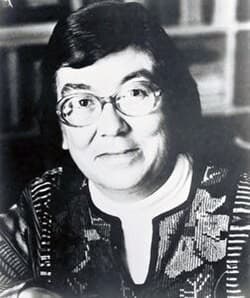
Margaret Laurence was a Canadian author known for her contributions to fiction, particularly her exploration of women's experiences and identity. One of her notable works is "A Jest of God," which delves into the complexities of life in a small town. Laurence's writing often reflects her deep understanding of human emotions and relationships.
Similar books
- Alias Grace
Margaret Atwood
4.0 (111k) average on GoodreadsLiterary FictionFeatures a strong female protagonist grappling with societal constraints and internal turmoil in a historical Canadian setting.
- The Bell Jar
Sylvia Plath
4.0 (591k) average on GoodreadsPsychologyDelves into a young woman's psychological struggles and search for identity amidst societal pressures.
- The Edible Woman
Margaret Atwood
3.7 (30k) average on GoodreadsLiterary FictionA Jest of God shares thematic similarities with Margaret Atwood's The Edible Woman (1969) in their exploration of female identity crisis, societal expectations, and the protagonist's struggle against conventional roles. Both Rachel Cameron and Marian MacAlpin experience a form of psychological breakdown triggered by oppressive social structures and personal relationships. However, Atwood's novel employs a more overt satirical tone and surreal elements to critique consumerism and gender roles, while Laurence's approach in A Jest of God is more grounded in psychological realism and a melancholic introspection, focusing less on external societal critique and more on the internal wrestling with faith, guilt, and the body.
- The Old Man and the Sea
Ernest Hemingway
3.8 (831k) average on GoodreadsLiterary FictionA Cuban fisherman's long struggle with a giant marlin becomes a story of endurance and dignity, now retold for young adults with illustrations, phonetic guides, and writing prompts in Traditional Chinese.
- One Hundred Years of Solitude
Gabriel García Márquez
4.1 (753k) average on GoodreadsLiterary FictionThrough the multi-generational story of the Buendía family, a mythical town deals with the repeating patterns of time, love, and solitude, as the extraordinary mixes with the ordinary.
- The Goldfinch
Donna Tartt
3.9 (720k) average on GoodreadsLiterary FictionHaunted by a tragic explosion and clutching a stolen Dutch masterpiece, a young orphan navigates the opulent drawing rooms of New York and the gritty underbelly of the art world, desperately seeking connection and redemption amidst a life spiraling into crime and obsession.






Enjoyed the summary?
A summary gives you the shape of the book. The book itself has the detail, the examples and the voice.
Find A Jest of God on AmazonAs an Amazon Associate, BookBrief earns from qualifying purchases. How we're funded