

Core Idea
- Difficulty
- Medium
- Read it if
- You are a healthcare professional, a caregiver, someone facing end-of-life decisions for yourself or a loved one, or simply wish to understand the human experience of aging and dying in the modern world.
- Skip it if
- You are looking for a purely scientific or clinical guide to end-of-life care, or prefer to avoid discussions about mortality and human frailty.
Key Takeaways from Being Mortal
The Medicalization of Mortality
Modern medicine excels at saving lives but often fails at guiding death.
Gawande says that modern medicine, despite its advancements in fighting disease and extending life, has a blind spot when it comes to aging and death. We have focused so much on 'fixing' every problem and living longer that we have lost how to handle the end of life with dignity. This medical approach often leads to treatments that prioritize survival at all costs, often sacrificing quality of life, choice, and comfort in a patient's final months or years. The system aims for cure, not care for those who cannot be cured, leaving patients and families feeling lost and pushed into treatments that may not match their deepest values.
“Our reluctance to honestly examine the experience of aging and dying has betrayed us. We've built our medical system and much of our culture around the idea of fighting death, not accepting its inevitability.”
In the book: Gawande recounts stories of patients undergoing aggressive chemotherapy or surgeries for terminal conditions, only to endure immense suffering with little to no benefit, often dying in sterile hospital environments far from loved ones.
Try this: Reflect on personal values regarding end-of-life care. Initiate conversations with family and doctors about what a 'good death' would look like, focusing on quality of life over mere longevity when faced with terminal illness.
Related ideas: medicalization-of-death, end-of-life-care, quality-of-life
Beyond Safety: Prioritizing Autonomy
Overzealous safety measures in elder care often strip individuals of their independence and joy.
Many places designed to care for the elderly, like nursing homes, prioritize safety above all else. This often hurts residents' independence and well-being. This shows up as strict rules: bed rails, restraints, tight schedules, and bans on activities considered 'risky.' While meant to help, these rules can lead to loneliness, sadness, and a deep loss of self-control. Gawande says that a life lived with meaning, even with some risks, is often better than a perfectly safe but joyless one. Good care should balance safety with a person's desire for freedom and purpose.
“The problem with our deference to safety is that it can inflict a different kind of harm, by keeping people from living their lives.”
In the book: Gawande highlights the story of Alice, an elderly woman in a nursing home whose life was transformed when the facility allowed pets, plants, and children to be present, shifting from a sterile environment to one that fostered connection and purpose.
Try this: When considering care options for elderly loved ones, inquire about the facility's philosophy on resident autonomy, risk-taking, and personalized activities. Advocate for choices that allow for dignity and self-direction, even if they involve minor risks.
Related ideas: elder-care, autonomy, dignity, risk-vs-safety
The Hospice Revelation
Hospice care offers a profound shift from fighting death to embracing life's final chapter.
Hospice care is different from typical medical approaches to terminal illness. Instead of focusing on aggressive treatments to prolong life at any cost, hospice prioritizes comfort, pain relief, and emotional and spiritual support for both the patient and their family. Gawande finds that hospice patients often live longer, and certainly better, than those who continue difficult treatments until the very end. This is because hospice lets people regain control, decide what matters most to them, and spend their remaining time doing meaningful activities, surrounded by loved ones, instead of enduring endless medical interventions.
“The lesson I took away was that when there is no way to triumph, there is still a way to live.”
In the book: Gawande shares the story of a patient named Sara Monopoli, who, after a terminal cancer diagnosis, chose hospice care. Despite her initial fear, she found profound peace and quality time with her family, managing her symptoms effectively and living for several months in comfort.
Try this: If faced with a terminal diagnosis, explore hospice options early. Understand that hospice is not 'giving up' but rather a choice to prioritize quality of life, comfort, and meaningful experiences during the final stage of life.
Related ideas: hospice-care, palliative-care, comfort-care, dignified-death
The Conversation Gap
Doctors and patients often fail to have crucial conversations about end-of-life wishes.
A big problem for a dignified end-of-life experience is that both doctors and patients often do not want to talk openly about death and personal priorities. Doctors, trained to save lives, often find it hard to switch focus to comfort and quality of life when a cure is no longer possible. Patients, and their families, often have unrealistic ideas about what medicine can do or avoid facing the inevitable. This 'conversation gap' leads to patients getting unwanted procedures, suffering unnecessarily, and dying in ways that go against their deepest values. Gawande stresses the importance of asking specific, hard questions about fears, hopes, and priorities.
“Our most cruel failure in how we treat the sick and the aged is the failure to make it possible for them to have a life worth living—and a death worth dying.”
In the book: Gawande recounts his own struggles as a surgeon to initiate these conversations, and how he learned to ask questions like: 'What are your fears for the future?' and 'What are your priorities besides just living longer?'
Try this: Initiate proactive conversations with your doctor about end-of-life wishes, even when healthy. Document these preferences through advance directives (living wills, healthcare proxies) and share them with loved ones. Encourage doctors to adopt a more holistic approach to patient care, beyond just clinical outcomes.
Related ideas: advance-directives, patient-autonomy, doctor-patient-communication, end-of-life-planning
Redefining 'Good' Care
Care for the elderly and infirm should prioritize meaning and connection, not just medical intervention.
Gawande criticizes the usual way elder care works, which often reduces people to their medical conditions, taking away their identity and purpose. He suggests a new definition of 'good' care, one that helps people live fulfilling lives, however short, rather than just existing. This means creating places that encourage social connection, allow for personal choices, and provide chances for engagement and meaning. It is about seeing that people need more than just physical safety; they need purpose, dignity, and the ability to shape their own lives, even as they decline.
“The fear is not of being dead, I realized. The fear is of what will happen to me when I am dying.”
In the book: Gawande profiles unconventional facilities like the Green House Project, which creates small, home-like environments for the elderly, emphasizing personal choice, shared meals, and community, leading to higher resident satisfaction and better health outcomes.
Try this: When evaluating care for yourself or a loved one, look beyond the medical amenities. Inquire about social programs, opportunities for personal expression, access to nature, and the overall philosophy towards resident autonomy and community building.
Related ideas: person-centered-care, aging-in-place, quality-of-life-elderly, community-care
The Power of Home and Family
Maintaining connections to home and loved ones is paramount for well-being in decline.
For many, the idea of leaving home and familiar surroundings to go to an institution is very upsetting. Gawande emphasizes how important it is psychologically and emotionally to stay connected to one's home, family, and community during illness and decline. Losing control and familiarity when moving to a nursing home can make decline faster and lessen quality of life. The book supports approaches that let people stay in their homes as long as possible, with support from family, friends, and community services. It says that a sense of belonging is often more important than the sterile safety of an institution.
“The battle against decline and death is constant, but the way we choose to fight it, and what we choose to value, shapes the quality of our lives.”
In the book: Gawande shares the personal story of his own grandfather, who fiercely resisted moving from his home, and how his family struggled to support him there, ultimately highlighting the deep human need for familiarity and control.
Try this: Explore options for in-home care, community support programs, and family involvement to help elderly loved ones remain in their homes. Prioritize visits and maintaining family connections, as these contribute significantly to mental and emotional well-being.
Related ideas: aging-in-place, family-caregiving, social-support, home-care
The Illusion of Control
Medicine's quest for ultimate control over the body often clashes with the reality of human frailty.
Gawande explores how medicine's focus on controlling disease and aging can create the idea that death is a preventable failure rather than an unavoidable part of life. This thinking often leads to aggressive, invasive treatments that promise more time but only bring more suffering, reducing a patient's remaining quality of life. The book asks the medical community to admit its limits and to understand 'well-being' in a broader way, including the mental, social, and spiritual parts of a patient's life, especially when facing terminal illness. It is about letting go of the idea of complete control and using a more caring, human-centered approach.
“We've been wrong about what our job is in medicine. We think our job is to ensure health and survival. But really it is larger than that. It is to enable well-being.”
In the book: Gawande cites numerous cases where patients undergo extensive surgeries or intensive care unit stays for conditions where the chances of meaningful recovery are minimal, resulting in prolonged suffering and a death that feels dehumanized.
Try this: When making medical decisions, especially for serious illnesses, question the true benefits and potential burdens of interventions. Seek perspectives that balance the desire for more time with the desire for a life worth living, even if shorter.
Related ideas: medical-hubris, patient-advocacy, quality-of-life, human-frailty
Finding Purpose in Decline
Even in the face of decline, individuals can find new sources of meaning and purpose.
A main idea from Gawande is that people's need for purpose and meaning does not lessen with age or illness. While what purpose means may change—from career achievements to mentoring, spiritual growth, or just enjoying small moments—it stays essential for well-being. The challenge for caregivers and medical professionals is to help people find and follow these changing purposes, instead of letting them become passive recipients of care. This often means being creative, flexible, and very aware of the person's unique desires and remaining abilities, helping them feel in control even when physical abilities decline.
“The things that make life worth living are not just about being healthy and safe. They are about having purpose, having connection, and having the ability to shape your own story.”
In the book: Gawande shares the story of Felix, a man with a terminal illness who found renewed purpose in continuing to write and connect with his family, even as his physical health deteriorated.
Try this: Encourage elderly or ill loved ones to articulate their remaining goals, passions, and interests. Help them find ways to engage with these, whether through modified activities, creative outlets, or simply sharing their wisdom and stories with others.
Related ideas: meaning-in-life, purpose-in-aging, existential-wellbeing, geriatric-care
The Limits of Science
Science can explain how we die, but not what makes life worth living or how to face its end.
Gawande, a scientist and surgeon, humbly admits the limits of scientific and medical knowledge when dealing with death. While science can explain the biological processes of aging and disease, it cannot answer the big questions that come up at the end of life: What gives life meaning? How do we face suffering? What is a 'good' death? He says that medicine has often gone too far, trying to use scientific solutions for problems that are fundamentally human and philosophical. This understanding calls for a more combined approach, where medical knowledge is balanced with wisdom from philosophy, spirituality, and a deep understanding of individual human values.
“Medicine has been slow to confront the fact that people are more than their bodies.”
In the book: Gawande reflects on the profound grief and helplessness he felt as a doctor when patients died, realizing that his medical training had not equipped him to deal with the emotional and spiritual dimensions of death.
Try this: Recognize that medical professionals are experts in disease, but individuals and families are experts in their own lives and values. Seek guidance from diverse sources (spiritual advisors, therapists, trusted family members) when navigating end-of-life decisions, not solely relying on medical advice.
Related ideas: existentialism, philosophy-of-death, holistic-care, spiritual-care
Being Mortal Quotes
“Our ultimate goal, after all, is not a good death but a good life to the very end.”
“The battle of being mortal is the battle to maintain the integrity of one's life—to make it whole rather than in pieces.”
“We've been wrong about what our job is in medicine. We think our job is to ensure health and survival. But really it is larger than that. It's to enable well-being.”
“The current system, by and large, is designed to ensure that people can live longer, but not that they can live well.”
“You may not be able to control the world, but you may learn to control your reaction to it.”
“The two things people want most when they are dying are to not suffer and to be with their loved ones.”
“We are not much good at facing the fact of impermanence.”
“Illness and aging are not just medical events; they are existential ones.”
“Our reluctance to honestly examine the experience of aging and dying has increased the burden of both.”
“The problem with medicine is that it often takes what is most important to us - our quality of life - and places it secondary to the goal of extending life.”
“What is the point of a long life if you cannot live it your way?”
“The things that make life worth living are not entirely quantifiable.”
“The fact that we are mortal makes us human.”
“Medicine has been slow to confront the fact that people are finite.”
Quiz
10 questions on the main ideas. Each answer comes with a short explanation.
Question 1
According to Gawande, what is the primary limitation modern medicine faces when dealing with aging and death?
- Lack of advanced technology for geriatric care.
- The focus on extending life often runs counter to the human spirit's interest in quality of life.
- Insufficient funding for end-of-life research.
- The public's unwillingness to discuss death openly.
Show answer
B. The focus on extending life often runs counter to the human spirit's interest in quality of life. Gawande argues that while medicine excels at curing and extending life, its default approach to aging and death often prioritizes mere survival over the patient's quality of life and dignity, leading to prolonged suffering.
Question 2
Gawande critiques nursing homes for what specific practice that often diminishes patient quality of life?
- Over-reliance on medication for pain management.
- Preoccupation with safety, leading to measures like pinning patients into railed beds and wheelchairs.
- Lack of trained medical staff for complex conditions.
- Excluding family members from daily care decisions.
Show answer
B. Preoccupation with safety, leading to measures like pinning patients into railed beds and wheelchairs. The book highlights how nursing homes' extreme focus on preventing falls or injuries, while well-intentioned, often restricts residents' freedom and autonomy, such as using restraints like railed beds, which can diminish their quality of life.
Question 3
What does Gawande advocate as the desired goal for patients and families facing terminal illness?
- Achieving the longest possible lifespan through aggressive treatment.
- Maximizing the number of medical interventions to explore all options.
- Prioritizing quality of life over mere extension of life.
- Ensuring patients remain in hospitals until their very last moments.
Show answer
C. Prioritizing quality of life over mere extension of life. A central argument of 'Being Mortal' is that when cure is no longer possible, the focus should shift from merely extending life to ensuring the best possible quality of life for the remaining time, aligning treatment with patient values.
Question 4
Gawande uses examples of 'freer, more socially fulfilling models' to assist the infirm and dependent elderly. Which of the following best describes the core principle behind these models?
- Strict adherence to medical protocols to ensure maximum safety.
- Creating environments that prioritize autonomy, meaning, and connection over institutional control.
- Exclusive reliance on high-tech medical devices for continuous monitoring.
- Segregating the elderly based on their level of cognitive function.
Show answer
B. Creating environments that prioritize autonomy, meaning, and connection over institutional control. Gawande explores models like the Green House Project or similar initiatives that move away from traditional institutional care, focusing instead on creating smaller, more homelike environments that foster residents' independence, social engagement, and sense of purpose.
Question 5
Why does Gawande, as a practicing surgeon, feel compelled to address the limitations of his profession regarding end-of-life care?
- He believes surgeons are uniquely positioned to solve all end-of-life challenges.
- He has personally experienced the shortcomings of medical training and practice in supporting a dignified end for patients.
- He wants to discourage people from seeking surgical interventions late in life.
- He is primarily interested in promoting alternative medicine over conventional treatments.
Show answer
B. He has personally experienced the shortcomings of medical training and practice in supporting a dignified end for patients. Gawande's perspective is deeply personal, rooted in his experiences as a surgeon witnessing patients undergo aggressive treatments that ultimately extended suffering rather than life, leading him to question the prevailing medical paradigm.
Question 6
The book suggests that hospitals often fail the dying by:
- Not providing enough advanced medical equipment.
- Isolating them and continuing to check vital signs long after the goals of cure have become moot.
- Lacking sufficient staff to attend to every patient's emotional needs.
- Discharging them too quickly to make room for new patients.
Show answer
B. Isolating them and continuing to check vital signs long after the goals of cure have become moot. Gawande notes that hospitals, geared towards acute care and cure, often keep dying patients in sterile, isolated environments, continuing futile interventions and monitoring vital signs even when the focus should shift to comfort and dignity.
Question 7
What is the primary distinction Gawande draws between traditional medical care for the elderly and infirm, and hospice care?
- Traditional care is always more expensive than hospice.
- Traditional care focuses on extending life at all costs, while hospice prioritizes comfort and quality of life for the remaining time.
- Hospice care is exclusively for patients with less than six months to live, whereas traditional care is for any stage of illness.
- Hospice care is only available in a patient's home, while traditional care is hospital-based.
Show answer
B. Traditional care focuses on extending life at all costs, while hospice prioritizes comfort and quality of life for the remaining time. Gawande highlights that while traditional medicine's goal is often to fight disease and extend life, hospice care embraces the reality of impending death, shifting its focus entirely to palliative care, pain management, and ensuring the patient's remaining time is as comfortable and meaningful as possible.
Question 8
Gawande argues that doctors, committed to extending life, sometimes carry out 'devastating procedures that in the end extend suffering.' This reflects a broader systemic issue of:
- Physicians intentionally disregarding patient wishes.
- A medical culture that views death as a failure and lacks adequate training in end-of-life communication and palliative care.
- Lack of available alternative treatments for terminal illnesses.
- Patients consistently demanding aggressive treatments regardless of prognosis.
Show answer
B. A medical culture that views death as a failure and lacks adequate training in end-of-life communication and palliative care. This point underscores Gawande's critique of a medical culture that often struggles to accept limits, seeing death as an enemy to be fought rather than a natural part of life, leading to aggressive interventions that may not align with a patient's true goals when cure is no longer an option.
Question 9
What philosophical shift does Gawande propose is necessary for medicine to better serve the aging and dying?
- A shift from evidence-based medicine to anecdotal experience.
- A shift from viewing patients as problems to be fixed, to understanding them as individuals with lives to be lived, even in decline.
- A shift from individual patient care to a public health-only approach.
- A shift from general practitioners to specialists for all end-of-life care.
Show answer
B. A shift from viewing patients as problems to be fixed, to understanding them as individuals with lives to be lived, even in decline. Gawande advocates for a profound philosophical shift where medicine recognizes that its ultimate purpose is not just to ensure health and survival, but to enable well-being, meaning, and purpose in life, even when facing decline and death. This means understanding what truly matters to the individual.
Question 10
The book emphasizes that a person's last weeks or months can be 'rich and dignified' through appropriate care. What is a key component Gawande identifies for achieving this?
- Ensuring continuous hospitalization to provide immediate medical intervention.
- Open communication about prognosis, fears, and priorities, allowing patients to make informed choices about their remaining time.
- Strictly limiting social interaction to prevent emotional distress.
- Focusing solely on physical comfort, disregarding emotional or spiritual needs.
Show answer
B. Open communication about prognosis, fears, and priorities, allowing patients to make informed choices about their remaining time. Gawande repeatedly stresses the importance of frank, compassionate conversations between doctors, patients, and families. Understanding a patient's values, fears, and priorities allows for care plans that align with their wishes, enabling a more dignified and fulfilling end-of-life experience.
Being Mortal FAQ
What is the main message of Atul Gawande's 'Being Mortal'?
'Being Mortal' argues that modern medicine often fails to address the human experience of aging and dying by prioritizing life extension over quality of life. Gawande advocates for a shift in focus towards ensuring dignity, autonomy, and well-being for patients facing serious illness and end-of-life decisions.
Does 'Being Mortal' suggest abandoning medical care for the elderly or terminally ill?
No, the book does not suggest abandoning medical care. Instead, it advocates for a more balanced approach where medical interventions are aligned with a patient's values and priorities, focusing on what makes their remaining life meaningful rather than solely on prolonging it, often through uncomfortable or ineffective treatments.
What is 'hospice care' as discussed in 'Being Mortal'?
Hospice care, as explored in the book, is a philosophy and program of care for terminally ill patients that focuses on comfort, pain management, and emotional and spiritual support, rather than curative treatment. It aims to provide the best possible quality of life for a person's last weeks or months, often allowing them to remain at home.
How does 'Being Mortal' differ from typical medical memoirs?
While it contains memoir elements, 'Being Mortal' distinguishes itself by blending personal anecdotes with scientific research, philosophical inquiry, and practical examples to critique the systemic failures of modern medicine in addressing aging and death. It's less about a doctor's personal journey and more about a societal call to action.
What role do doctors play in end-of-life decisions according to Gawande?
Gawande emphasizes that doctors have a crucial role in facilitating honest conversations with patients about their prognosis, values, and goals for care, especially when cure is no longer possible. They should act as guides, helping patients make informed decisions that align with their desires for a meaningful life, even if it's a shorter one.
Does 'Being Mortal' offer solutions for improving end-of-life care?
Yes, the book offers numerous examples and models for improving end-of-life care, including different approaches to assisted living, the benefits of hospice, and the importance of open communication between doctors, patients, and families. It highlights how prioritizing quality of life can lead to more dignified and fulfilling last chapters.
What is the concept of 'autonomy' in the context of 'Being Mortal'?
In 'Being Mortal,' autonomy refers to a patient's right to make their own choices about their medical care and their life, even when facing serious illness or the end of life. Gawande argues that medical systems often inadvertently strip patients of this autonomy, and restoring it is key to better care.
Is 'Being Mortal' a depressing read?
While the book deals with serious and often difficult topics like aging, illness, and death, it is ultimately hopeful and empowering. Gawande's compassionate exploration and his focus on finding meaning and dignity in life's final stages make it a profound and thought-provoking, rather than purely depressing, read.
About the author

Atul Gawande is a practicing surgeon, writer, and public health researcher. He is the author of several acclaimed books, including "Being Mortal: Medicine and What Matters in the End," which explores the challenges of aging and end-of-life care. Gawande's work often blends medical insight with profound reflections on the human condition.
Similar books
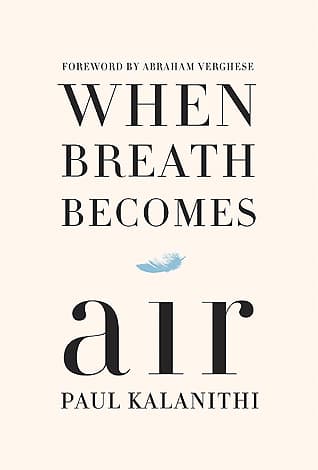
- When Breath Becomes Air
Paul Kalanithi
4.4 (415k) average on GoodreadsBiographyExplores a doctor's personal journey facing terminal illness and the meaning of life and death.
- The Perks of Being a Wallflower
Stephen Chbosky
4.2 (1.3M) average on GoodreadsPsychologyThrough letters, a shy high school freshman learns to navigate first love, trauma, and self-discovery, stepping off the sidelines and into life.
- Eleanor Oliphant Is Completely Fine
Gail Honeyman
4.3 (708k) average on GoodreadsLiterary FictionA lonely woman's structured life changes when an IT guy and an elderly man help her learn to open her heart.
- One Flew Over the Cuckoo's Nest
Ken Kesey
4.2 (631k) average on GoodreadsPsychologyIn a mind-bending asylum, the boisterous Randle McMurphy wages a defiant war against the tyrannical Nurse Ratched, inspiring his fellow inmates, including the seemingly catatonic Chief Bromden, to reclaim their lost humanity.
- The Bell Jar
Sylvia Plath
4.0 (591k) average on GoodreadsPsychologyIn the suffocating grip of 1950s expectations, a brilliant young woman's descent into mental illness is painted with such vivid, internal clarity that her 'insanity' feels terrifyingly rational and inevitable.
- The Subtle Art of Not Giving a F*ck: A Counterintuitive Approach to Living a Good Life
Mark Manson
3.9 (530k) average on GoodreadsBusinessEmbrace your flaws and stomach life's lemons, because true happiness isn't about relentless positivity, but about choosing what truly matters to give a f*ck about.





Enjoyed the summary?
A summary gives you the shape of the book. The book itself has the detail, the examples and the voice.
Find Being Mortal on AmazonAs an Amazon Associate, BookBrief earns from qualifying purchases. How we're funded