
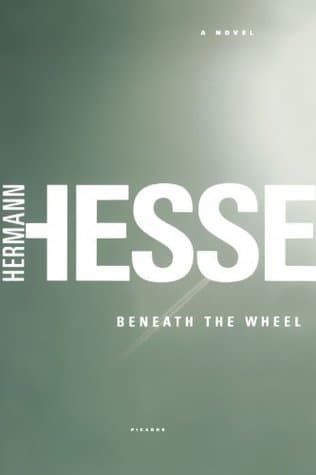
Synopsis
Covers the whole plot, including the ending.
- Difficulty
- Medium
- Read it if
- You are interested in the psychological toll of intense academic pressure and societal expectations on young individuals, and enjoy philosophical explorations of individuality versus conformity.
- Skip it if
- You prefer fast-paced plots or light-hearted narratives, as this book is a somber and introspective character study.
Beneath the Wheel Quotes
“The soul of a child is a delicate thing. One must not place too heavy a burden upon it.”
“He who is too ambitious risks losing everything.”
“The wheel of life grinds slowly, but it grinds exceedingly fine.”
“It is better to be a happy fool than a miserable scholar.”
“The world demands success, but nature demands truth.”
“A man can be destroyed by his own gifts if he does not know how to use them.”
“The school is a mill that grinds all grain to the same flour.”
“To be alone is to be free, but to be free is to be alone.”
“The heart has its reasons which reason knows nothing of.”
“Genius is a heavy burden for a young soul to bear.”
“We are all beneath the wheel of time, crushed by its relentless turning.”
“The pursuit of knowledge without wisdom is a path to ruin.”
“In the end, we are all alone with our choices and their consequences.”
Quiz
10 questions on the plot and the characters. Each answer comes with a short explanation.
Question 1
What is the primary setting of 'Beneath the Wheel'?
- A bustling industrial city in Germany
- A sleepy Black Forest village
- A prestigious boarding school in Switzerland
- A university town in Heidelberg
Show answer
B. A sleepy Black Forest village The story begins in a quiet Black Forest village where Hans Giebenrath lives among conventional townsfolk, establishing the contrast between rural simplicity and academic pressure.
Question 2
What triggers Hans Giebenrath's initial academic path?
- His family's financial need for him to become a scholar
- His discovery as an exceptionally gifted student
- His own ambition to escape poverty
- A teacher who personally mentors him
Show answer
B. His discovery as an exceptionally gifted student Hans is identified as a prodigy, leading the entire community to push him toward rigorous scholarship, setting the stage for the novel's critique of educational systems.
Question 3
Who is the rebellious friend that influences Hans to question his academic life?
- Hermann Heilner
- Karl Schmidt
- Friedrich Nietzsche
- Otto Hartmann
Show answer
A. Hermann Heilner Hermann Heilner, a young poet, introduces Hans to alternative perspectives and creativity, challenging the rigid academic conformity Hans has been forced into.
Question 4
What is the main consequence of Hans's relentless study regimen?
- He becomes a celebrated professor
- He achieves financial success for his family
- He suffers a nervous breakdown
- He loses all his friends permanently
Show answer
C. He suffers a nervous breakdown The intense pressure and lack of personal fulfillment lead to Hans's mental collapse, highlighting the destructive effects of an oppressive educational system.
Question 5
How does Hans find revival after his breakdown?
- Through travel to foreign countries
- By immersing himself in political activism
- Through nature and romance
- By returning to academic studies with renewed vigor
Show answer
C. Through nature and romance Upon returning home, Hans experiences healing through natural surroundings and romantic relationships, symbolizing a return to authentic life away from institutional constraints.
Question 6
What does the 'wheel' in the title metaphorically represent?
- The cyclical nature of village life
- The mechanical, crushing force of the academic system
- The wheel of fortune determining Hans's fate
- A literal wheel used in Black Forest industries
Show answer
B. The mechanical, crushing force of the academic system The 'wheel' symbolizes the dehumanizing, relentless pressure of standardized education that grinds down individuality, a central theme in Hesse's critique.
Question 7
Which of these best describes the townsfolk's attitude toward Hans's academic success?
- They are indifferent and focused on their own lives
- They actively discourage him to keep him in the village
- They pressure him as a source of communal pride
- They envy him and try to sabotage his efforts
Show answer
C. They pressure him as a source of communal pride The community sees Hans's gifts as a reflection of their own status, pushing him into scholarship for their respectability, ignoring his personal well-being.
Question 8
What is Hans's ultimate vow after his recovery?
- To become a poet like his friend Hermann
- To reform the academic system from within
- Never to return to the gray conformity of academia
- To seek revenge on those who pressured him
Show answer
C. Never to return to the gray conformity of academia Hans resolves to reject the oppressive scholarly path, choosing personal freedom and authenticity over societal expectations, a key resolution in the novel.
Question 9
How does Hesse use the character of Hermann Heilner to contrast with Hans?
- Heilner represents artistic rebellion against conformity, unlike Hans's initial obedience
- Heilner is a more successful student who motivates Hans to study harder
- Heilner symbolizes the dangers of neglecting education entirely
- Heilner is a figment of Hans's imagination during his breakdown
Show answer
A. Heilner represents artistic rebellion against conformity, unlike Hans's initial obedience Heilner embodies creativity and nonconformity, serving as a foil to Hans's submissive academic diligence and sparking his awakening to alternative life paths.
Question 10
Which philosophical concept is central to Hesse's critique in 'Beneath the Wheel'?
- Utilitarianism and maximizing happiness
- The conflict between individual self-realization and societal pressures
- Existential absurdity and meaningless of life
- Political revolution and class struggle
Show answer
B. The conflict between individual self-realization and societal pressures The novel explores how institutional and communal expectations crush personal growth and authenticity, a theme Hesse often addresses in his works on self-discovery.
Beneath the Wheel FAQ
What is 'Beneath the Wheel' about?
'Beneath the Wheel' follows Hans Giebenrath, a gifted student in a small German village who is pushed into an intense academic path by his community. The novel explores his struggle with the pressures of scholarship, his eventual breakdown, and his search for meaning beyond institutional conformity.
What is the main theme of 'Beneath the Wheel'?
The main theme is the conflict between individual fulfillment and societal expectations, particularly how rigid educational systems can crush creativity and personal growth. Hesse critiques the dehumanizing effects of academic pressure and conformity.
How does 'Beneath the Wheel' differ from other Hesse novels like 'Siddhartha'?
While both explore spiritual and personal crises, 'Beneath the Wheel' focuses on the destructive impact of societal and educational pressures in a Western setting, whereas 'Siddhartha' centers on Eastern philosophy and a journey toward enlightenment.
Does 'Beneath the Wheel' criticize the education system?
Yes, the novel strongly criticizes rigid educational systems that prioritize rote learning and exams over holistic development. It portrays how such systems can lead to psychological breakdowns and stifle individuality.
What role does nature play in 'Beneath the Wheel'?
Nature serves as a healing and liberating force for Hans after his breakdown. It contrasts with the oppressive academic environment, symbolizing freedom, authenticity, and a return to simpler, more meaningful experiences.
How is 'Beneath the Wheel' relevant today?
The novel remains relevant for its critique of high-pressure academic cultures, standardized testing, and societal expectations that can harm mental health. It encourages reflection on balancing achievement with personal well-being.
What is the significance of Hans's friendship with the poet?
The poet represents rebellion and creativity, offering Hans an alternative to his rigid academic life. This friendship awakens Hans to possibilities outside conformity, highlighting the tension between artistic freedom and institutional demands.
Does 'Beneath the Wheel' have a happy ending?
The ending is ambiguous but hopeful. Hans rejects the academic system and finds renewal in nature and romance, suggesting a path toward self-discovery, though the novel leaves his future open-ended.
How different is 'Beneath the Wheel' from 'The Prodigy'?
'Beneath the Wheel' and 'The Prodigy' are the same novel—'The Prodigy' is an alternative title for the English translation. There is no difference in content; both refer to Hesse's story of Hans Giebenrath.
What lessons can students learn from 'Beneath the Wheel'?
Students can learn the importance of balancing academic pressures with personal interests and mental health. The novel warns against sacrificing creativity and well-being for societal approval, advocating for a more holistic approach to education.
About the author
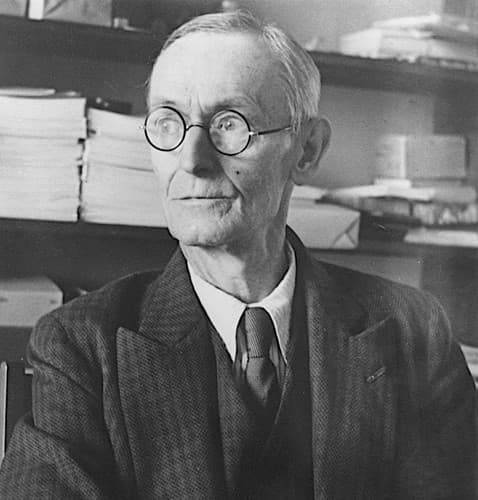
Hermann Karl Hesse was a German-Swiss poet, novelist, and painter. His best-known works include Demian, Steppenwolf, Siddhartha, and The Glass Bead Game, each of which explores an individual's search for authenticity, self-knowledge and spirituality. In 1946, he received the Nobel Prize in Literature.
Similar books
- The Catcher in the Rye
J.D. Salinger
3.8 (2.7M) average on GoodreadsYoung AdultFeatures a disillusioned young protagonist struggling with societal expectations and alienation.
- Siddhartha
Hermann Hesse
4.0 (583k) average on GoodreadsHistorical FictionAnother Hesse novel exploring an individual's spiritual journey and search for meaning outside conventional paths.
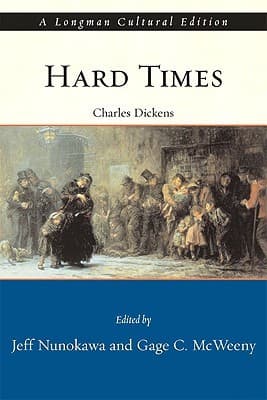
- Hard Times
Charles Dickens
4.0 (514) average on GoodreadsThrillerWhile both criticize utilitarian education, Dickens uses satire and a broader social panorama, offering some characters (like Sissy Jupe) a path to resilience. Hesse's focus is intensely psychological and individual, leading to a more tragic and less hopeful outcome for his protagonist.
- The Way of All Flesh
Samuel Butler
3.6 (8k) average on GoodreadsHistoryBoth novels explore oppressive family and educational structures. However, Butler's protagonist, Ernest Pontifex, eventually finds liberation through rebellion and self-discovery, a stark contrast to Hans Giebenrath's tragic and ultimately fatal succumbence to these pressures.
- Brave New World
Aldous Huxley
4.0 (1.4M) average on GoodreadsFantasyIn a future where happiness comes from chemicals and individuality is gone, one man's desire for real experience threatens the calm, controlled society.
- Life of Pi
Yann Martel
3.9 (1.3M) average on GoodreadsFantasyStranded in the vast Pacific, a young Indian boy forms an unlikely bond with a Bengal tiger, questioning belief and survival.





Enjoyed the summary?
A summary gives you the shape of the book. The book itself has the detail, the examples and the voice.
Find Beneath the Wheel on AmazonAs an Amazon Associate, BookBrief earns from qualifying purchases. How we're funded