
Synopsis
Covers the whole plot, including the ending.
- Difficulty
- Medium
- Pacing
- Slow
- Mood
- Melancholy, Reflective, Sensual, Poignant
- Read it if
- You enjoy classic French literature exploring complex, age-gap relationships and the psychological impact of love and loss.
- Skip it if
- You prefer fast-paced plots or stories with clear, optimistic resolutions.
Cheri and The Last of Cheri Plot Summary
Covers the whole plot, including the ending.
A Morning in Léa's Boudoir
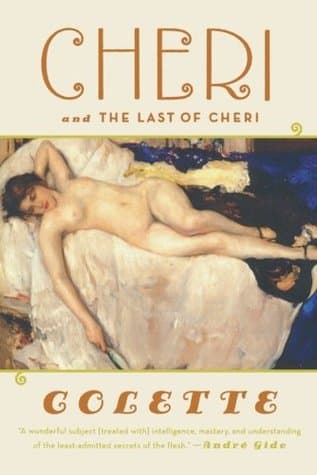
The novel begins with Léa de Lonval, a renowned courtesan in her late forties, watching her young lover, Fred Peloux, known as Chéri, sleep in her lavish bedroom. Chéri, handsome and self-absorbed, is the son of Léa's former rival and friend, Madame Peloux. Their six-year affair, marked by deep, unspoken affection, is ending as Chéri is about to marry Marie-Laure, a wealthy young woman chosen by his mother. Léa feels regret but also a sense of freedom, believing she is ready to move on. Chéri, however, seems unaware of the coming end, focused on his own beauty and the comforts Léa provides.
The Engagement and Its Aftermath
Chéri's engagement to Marie-Laure, a quiet and somewhat plain young woman, proceeds as planned. Léa, acting as the graceful elder, attends the wedding with a calm manner, though she feels a deep emptiness afterward. Chéri, for his part, initially embraces his new life of wealth and respectability. However, he soon feels restless and bored by the routine of marriage and Marie-Laure's lack of the passion he had with Léa. He often visits his mother, Madame Peloux, using it as an excuse to be near Léa's area, though he avoids direct contact for a time.
A Brief Reunion and Renewed Passion
Unable to hold back his longing, Chéri eventually returns to Léa's apartment. Their reunion is immediate and passionate, as if no time had passed. Léa, despite her earlier resolve, cannot resist his charm and the comfort of their shared past. They fall back into their old routine, with Chéri spending nights at her place, much to the annoyance of his new wife, Marie-Laure, and the watchful eye of Madame Peloux. This brief period of renewed intimacy is intense, showing their deep physical and emotional bond, but it also carries the knowledge that it cannot last.
The Painful Farewell
Léa, seeing the destructive path they are on, decides their affair must end for good. She sees that Chéri is stuck, unable to fully embrace his new life while still tied to her. With a heavy heart, she tells Chéri that their time together is truly over. Chéri, at first resistant and confused, eventually accepts her decision, though he is deeply hurt. This farewell is emotional, with both characters dealing with the profound loss of their unique connection. Léa shows selfless love by pushing him toward his future, even if it means her own pain.
Léa's Solitude and Transformation
After the final break with Chéri, Léa travels and explores. She visits Venice and other European cities, trying new things and enjoying her new freedom. During this time, she consciously allows herself to age, letting go of the careful upkeep that defined her life as a courtesan. She gains weight, lets her hair gray, and adopts a more natural, relaxed look. This change shows her acceptance of her age and her freedom from the need to maintain an idealized image for others, especially Chéri. She finds quiet contentment in her solitude and independence.
Chéri's Discontent and Search for Meaning
Years later, Chéri, now in his late twenties, is still married to Marie-Laure, but his unhappiness has grown. He has become more withdrawn and sad, haunted by Léa's memory. His wealth and status bring him no joy, and he finds Marie-Laure's attempts at affection insufficient. He drifts through life, unable to find purpose or real connection. His mother, Madame Peloux, watches his decline with worry, often noting his changed appearance and lack of energy, comparing him to the lively young man he once was.
Encountering Léa Again
Chéri, while walking, unexpectedly sees Léa. She is no longer the radiant, youthful woman he remembers but an older, heavier woman, with graying hair and a calm, grandmotherly air. This encounter is a deep shock for Chéri. The sight of Léa, so completely changed by age, shatters his idealized image of her and, by extension, his idealized memory of their past. He cannot reconcile the woman before him with the Léa he has been longing for, creating a deep sense of confusion and loss within him.
The Illusion Shattered
The sight of the aged Léa devastates Chéri. He realizes that the Léa he loved and yearned for exists only in his memories. This realization is not just about Léa's physical change but also about the passage of time and the impossibility of reliving the past. His idealized memories, which had sustained him in his unhappiness, are now forever damaged. He becomes even more withdrawn, consumed by a sense of pointlessness and the brutal truth of time's relentless march. He feels a sharp sense of betrayal, not from Léa, but from life itself.
A Confession to a Fellow Courtesan
In his growing despair, Chéri seeks out an old courtesan, Charlotte Peloux (his mother's friend, but not his mother), someone who understands his past world. He tries to explain the emptiness he feels and his inability to connect with his current life. He speaks about Léa, not as she is now, but as the idealized figure he held onto. Charlotte, with her worldly wisdom, listens patiently, offering an understanding ear. She recognizes the deep sadness that has taken root in Chéri, a sadness that comes from his inability to live in the present and his obsessive clinging to a vanished past.
The Finality of Loss
Chéri's despair grows. He becomes increasingly isolated, refusing to engage with his wife or his social circle. The memory of Léa, especially the youthful Léa, becomes an unbearable burden. He cannot adapt to the present or imagine a future without the idealized past he shared with her. The novel ends with the tragic suggestion that Chéri, unable to accept his romanticized memories with the harsh realities of time and change, wastes away, consumed by his grief for a lost love and a lost youth, leading to his implied death (often softened in translation from the original French). He remains a prisoner of his past with Léa.
Principal Figures
Léa de Lonval
Protagonist
An aging, elegant courtesan deeply in love with a younger man.
Léa is a renowned and wealthy courtesan in her late forties, known for her beauty, elegance, and shrewd business sense. She is intelligent, pragmatic, and possesses a deep understanding of human nature, particularly the nuances of love and desire. Despite her profession, she is portrayed with dignity and emotional depth. Her relationship with Chéri is the last great love of her life, and she grapples with the societal expectations of her age and the pain of letting go. She is capable of great affection but also possesses a strong sense of self-preservation.
Relationships: Chéri (Long-term lover, mentor, mother-figure); Madame Peloux (Former rival, friend, Chéri's mother)
Fred Peloux (Chéri)
Protagonist/Antagonist (to himself)
A beautiful, narcissistic young man trapped by his past love.
Chéri is a strikingly handsome young man, initially in his early twenties, from a family of courtesans. He is vain, indolent, and accustomed to luxury and being doted upon. His emotional maturity lags behind his physical beauty. He is deeply attached to Léa, not just as a lover but as a source of comfort, stability, and adoration. He struggles with the transition into adulthood and conventional marriage, finding himself unable to replicate the unique bond he shared with Léa. He is ultimately consumed by nostalgia and a profound inability to adapt to change.
Relationships: Léa de Lonval (Lover, emotional anchor, idealized past); Marie-Laure (Wife, symbol of conventionality, unfulfilling); Madame Peloux (Mother, source of financial support, often critical)
Madame Peloux
Supporting
Chéri's astute and somewhat manipulative mother, a former courtesan.
Madame Peloux is a shrewd and practical former courtesan, Léa's contemporary and occasional rival, but also a friend. She is obsessed with Chéri's financial future and orchestrates his marriage to Marie-Laure for status and wealth. She is observant and often critical of Chéri's behavior, though she deeply cares for him in her own way. She represents the pragmatic and materialistic side of their demimonde world, contrasting with Léa's more romantic and emotional depth. She is a survivor, always looking out for her own and her son's interests.
Relationships: Chéri (Son, financial project); Léa de Lonval (Friend, former rival, confidante)
Marie-Laure
Supporting
Chéri's young, wealthy, and somewhat plain wife.
Marie-Laure is the wealthy young woman Chéri marries for social and financial gain. She is described as quiet, well-behaved, and somewhat unexciting, especially in comparison to Léa. She genuinely attempts to be a good wife and loves Chéri, but she lacks the experience, passion, and commanding presence that Léa possessed. Chéri finds her conventionality stifling and is unable to form a deep emotional connection with her, highlighting his inability to move on from his past love. She is largely a passive figure in the narrative, a symbol of the life Chéri cannot embrace.
Relationships: Chéri (Husband, source of unrequited love); Madame Peloux (Mother-in-law, a means to an end)
Charlotte Peloux
Mentioned/Supporting
A worldly courtesan and friend to Madame Peloux.
Charlotte Peloux (not to be confused with Madame Peloux) is another courtesan from Léa and Madame Peloux's social circle. She is older, experienced, and possesses a detached, cynical wisdom about life and love in their world. Chéri eventually confides in her during his decline, seeking someone who might understand his unique brand of melancholy. She offers a pragmatic perspective, recognizing the futility of Chéri's obsession with the past but offering no easy solutions. She represents the enduring nature of their social class and its particular insights.
Relationships: Chéri (Confidante, observer of his decline); Madame Peloux (Friend)
Themes & Insights
The Passage of Time and Inevitable Aging
This theme is key, explored through both Léa and Chéri. Léa first resists aging, keeping her youthful look for Chéri, but later accepts it after their separation, finding a new freedom and dignity. Chéri, however, cannot accept time's passage. He clings to an idealized image of a young Léa, and when he sees her aged appearance, he is devastated. His inability to accept time's march leads to his deep sadness and eventual decline. The novel contrasts Léa's acceptance with Chéri's destructive longing for the past, showing how people cope differently with aging.
“She looked at herself, at her face, at her body, with the cold, critical eye of a woman who is no longer young.”
Nostalgia and the Idealized Past
Colette explores the destructive power of nostalgia, especially through Chéri. He romanticizes his affair with Léa, remembering it as a perfect time that nothing else can match. His inability to let go of this idealized past stops him from living his present life, including his marriage to Marie-Laure. The sight of the aged Léa shatters this illusion, leaving him with only emptiness. The novel suggests that clinging to a perfect past can trap someone, preventing them from living truly in the present. Léa, in contrast, manages to let go of her nostalgia and move forward.
“He carried with him the image of a Léa who no longer existed, a Léa made of memories and desires, not flesh and blood.”
Love, Desire, and Dependency
The complex nature of love and desire is at the novel's heart. Léa and Chéri's relationship goes beyond physical attraction, becoming a deep emotional dependency. Chéri relies on Léa for comfort, adoration, and a sense of self, while Léa finds in Chéri a renewing force and a last great passion. Their love is unconventional, blending roles of lover, mother-figure, and mentor. However, the novel also shows the unhealthy parts of this dependency, especially how it stops Chéri's growth. The pain of their separation highlights their deep connection, even as Léa sees the need to end it for Chéri's own good.
“They were two solitary beings who had met and loved each other, each giving to the other what the other lacked.”
The Demimonde and Social Expectations
The novel is set in the Parisian world of courtesans and their wealthy clients, offering a unique background for examining social expectations and individual freedom. Léa, as a successful courtesan, lives outside conventional society but is still subject to its judgments and the realities of aging in her profession. Chéri, born into this world, struggles when forced into a 'respectable' marriage. The characters navigate a world where love and money often mix, and personal desires conflict with social norms. The novel quietly critiques the superficiality and materialism of this society, while also portraying its people with understanding.
“In their world, beauty was a currency, and love often a transaction, but sometimes, a real tenderness bloomed.”
Plot Devices & Literary Techniques
Symbolism of Léa's Pearl Necklace
Represents Léa's wealth, beauty, and the bond with Chéri.
Léa's pearl necklace is a recurring symbol throughout the novel. It signifies her affluence and the trappings of her courtesan life. More significantly, it becomes a symbol of Chéri's attachment to her; he often plays with it, caresses it, and eventually Léa gives it to him as a parting gift, a tangible piece of their shared history. The pearls represent the precious, perhaps irreplaceable, nature of their love and the luxury of their life together. When Chéri eventually sells it, it marks a futile attempt to sever ties with the past, highlighting his deeper inability to let go of Léa herself.
The Mirror
Reflects narcissism, self-perception, and the harsh reality of aging.
Mirrors are frequently used in the novel, particularly in Léa's boudoir, serving as a powerful plot device. Initially, they highlight Chéri's exquisite beauty and narcissism, as he spends considerable time admiring his own reflection. For Léa, the mirror initially reflects her fading youth, causing her anxiety. Later, after their separation, the mirror becomes a tool for Léa's acceptance of her age; she looks into it with a 'cold, critical eye' and allows herself to age naturally. For Chéri, the mirror ultimately reflects his inner decline and the loss of his youthful vibrancy, starkly contrasting with his earlier vanity. It functions as a visual representation of both self-absorption and self-awareness.
Juxtaposition of Youth and Age
Highlights the central conflict and the transience of beauty and love.
Colette masterfully employs the juxtaposition of youth and age, primarily through the characters of Chéri and Léa. Chéri embodies vibrant, albeit self-absorbed, youth, while Léa represents the beauty and wisdom of middle age. This contrast is central to their relationship, as Léa finds rejuvenation in Chéri's youth, and Chéri finds security and passion in Léa's maturity. The device becomes particularly poignant in 'The Last of Chéri' when Chéri encounters the visibly aged Léa, shattering his idealized memories. This stark contrast underscores the novel's themes of time's passage, the transience of physical beauty, and the differing ways individuals cope with aging and loss.
The Use of Interior Monologue and Observation
Provides deep insight into characters' inner lives and emotional states.
Colette frequently uses interior monologue and a keen observational narrative style to delve into the characters' psychological states, particularly Léa's and Chéri's. The reader is given access to their unspoken thoughts, doubts, and desires, often through Léa's internal reflections on her fading youth or Chéri's melancholic musings on his discontent. This device allows for a nuanced exploration of their complex emotions, their unspoken affections, and their struggles with self-identity and the passage of time. It builds empathy for both characters, despite their flaws, and reveals the subtle shifts in their emotional landscapes over the course of the narrative.
Cheri and The Last of Cheri Quotes
“It is not love that is blind, but jealousy.”
“One does not love to forget, but to remember.”
“The memory of a pleasure is almost as good as the pleasure itself.”
“Youth is a gift, but one that is quickly squandered.”
“He was an object of beauty, but a beauty that lacked expression.”
“Happiness is a long habit.”
“There are no new loves, only new ways of suffering.”
“The past is a foreign country; they do things differently there.”
“To be loved is to be understood.”
“One never knows how to say goodbye to a pleasure that one believes to be eternal.”
“He was a spoiled child, but a very beautiful spoiled child.”
“The greatest elegance is to be oneself, without fear or apology.”
“Love is a game, and the rules are always changing.”
“What does one do when one is no longer young, and still desires everything?”
Quiz
10 questions on the plot and the characters. Each answer comes with a short explanation.
Question 1
What is the primary relationship dynamic explored between Chéri and Léa?
- A platonic friendship that evolves into a business partnership.
- A love affair between a young man and an older woman.
- A rivalry between two courtesans competing for social status.
- A mentor-protégé relationship focused on artistic development.
Show answer
B. A love affair between a young man and an older woman. The core of the novel is the romantic relationship between the young Chéri and the older Léa, a courtesan.
Question 2
What is Chéri's given name?
- Paul
- Fred Peloux
- Charles
- Georges
Show answer
B. Fred Peloux The description explicitly states, 'Fred Peloux, the beautiful gigolo known as Chéri'.
Question 3
What is Léa's profession?
- A seamstress
- A governess
- A courtesan
- A novelist
Show answer
C. A courtesan Léa is described as a 'charming older woman' and specifically a 'courtesan' in the book's synopsis.
Question 4
What significant event marks the end of Chéri and Léa's initial long-term affair?
- Léa decides to retire and move to the countryside.
- Chéri marries Marie-Laure, a young woman from a wealthy family.
- Chéri enlists in the army and goes to war.
- Léa discovers Chéri has been unfaithful with another older woman.
Show answer
B. Chéri marries Marie-Laure, a young woman from a wealthy family. Chéri's marriage to Marie-Laure, arranged by his mother, effectively ends his long-standing affair with Léa.
Question 5
What is one of the central themes explored through Léa's character in 'Chéri' and 'The Last of Chéri'?
- The pursuit of political power and influence.
- The challenges and anxieties of aging in a society focused on youth.
- The struggle for financial independence as a woman.
- The joy of motherhood and raising a family.
Show answer
B. The challenges and anxieties of aging in a society focused on youth. The novel tenderly depicts the 'preoccupations of youth and middle age,' with Léa's character particularly embodying the introspective challenges of aging and the loss of youth.
Question 6
How does Chéri initially react to his marriage to Marie-Laure?
- He is overjoyed and quickly forgets Léa.
- He finds her intellectually stimulating and engaging.
- He feels a sense of emptiness and longing for Léa.
- He becomes deeply committed to his new life and family.
Show answer
C. He feels a sense of emptiness and longing for Léa. Despite his marriage, Chéri struggles with the absence of Léa and feels a deep sense of disillusionment and longing for their past relationship.
Question 7
What literary style does Colette employ in these novels, according to the description?
- Realist
- Surrealist
- Impressionistic
- Gothic
Show answer
C. Impressionistic The description states that Colette 'paints a full-length double portrait using an impressionistic style all her own.'
Question 8
In 'The Last of Chéri,' what is Léa's physical state when Chéri eventually seeks her out again?
- She is in robust health, having enjoyed her retirement.
- She has significantly aged, gained weight, and lost much of her former beauty.
- She is gravely ill and bedridden, nearing the end of her life.
- She has undergone a dramatic transformation, looking younger than ever.
Show answer
B. She has significantly aged, gained weight, and lost much of her former beauty. When Chéri returns to Léa in 'The Last of Chéri,' he is confronted with the harsh reality of her aging, which is a stark contrast to the idealized image he held.
Question 9
What ultimately becomes of Chéri at the end of 'The Last of Chéri'?
- He finds new love and starts a family.
- He reconciles with his wife and settles into domestic life.
- Overwhelmed by disillusionment and the loss of his past, he dies by suicide.
- He embarks on a journey of self-discovery, traveling the world.
Show answer
C. Overwhelmed by disillusionment and the loss of his past, he dies by suicide. Chéri is unable to cope with the reality of an aging Léa and his own lost youth, leading to his eventual suicide, a profound and tragic end to his story.
Question 10
The novel explores the 'most human preoccupations of youth and middle age.' Which of the following best represents the primary preoccupation of Chéri as a young man?
- Establishing a successful career and building wealth.
- Maintaining a sense of idealized beauty, pleasure, and emotional dependence.
- Seeking intellectual stimulation and philosophical understanding.
- Rebelling against societal norms and expectations.
Show answer
B. Maintaining a sense of idealized beauty, pleasure, and emotional dependence. Chéri, as a 'beautiful gigolo,' is primarily concerned with his own beauty, the pleasures of his life with Léa, and struggles to mature beyond this state of idealized youth and dependence.
Cheri and The Last of Cheri FAQ
What is the central premise of 'Chéri'?
The central premise of 'Chéri' revolves around the unconventional romance between Léa de Lonval, a wealthy and aging courtesan, and Fred Peloux, known as Chéri, a beautiful, spoiled young man nearly half her age. Their relationship, which has lasted for years, is marked by a deep affection and mutual dependence, despite its societal impropriety.
Who are the main characters in the story?
The two main characters are Léa de Lonval, an elegant and experienced courtesan approaching her fifties, and Chéri (Fred Peloux), a stunningly handsome but indolent young man in his early twenties. Madame Peloux, Chéri's mother and a former courtesan herself, also plays a significant supporting role.
What prompts Léa and Chéri's initial separation?
Their separation is prompted by Madame Peloux's arrangement for Chéri to marry Edmée, the daughter of a wealthy courtesan. This marriage is intended to secure Chéri's future and social standing, forcing an end to his long-standing affair with Léa, much to their initial reluctance and unspoken sorrow.
How does 'The Last of Chéri' continue the narrative?
'The Last of Chéri' picks up years after their separation, exploring Chéri's profound disillusionment and inability to adapt to married life with Edmée. He struggles with the absence of Léa and the meaninglessness of his existence without her, eventually seeking her out again in a desperate attempt to recapture lost time.
What is the significance of the title 'The Last of Chéri'?
The title 'The Last of Chéri' signifies the end of Chéri's youthful beauty and his psychological decline. It refers to the final stages of his life, marked by a deep melancholy and an inability to reconcile his past with his present, ultimately leading to his tragic demise.
What role does Madame Peloux play in Chéri's life and the overall plot?
Madame Peloux is Chéri's mother, a shrewd and calculating former courtesan who arranges his marriage to Edmée for financial and social gain. Her influence is significant in shaping Chéri's indolent character and in orchestrating the separation that defines the trajectory of both novels.
How does the description of Léa's physical appearance evolve throughout the two books?
In 'Chéri,' Léa is depicted as still beautiful and alluring, though conscious of her approaching age. In 'The Last of Chéri,' Colette emphasizes her physical transformation, detailing the visible signs of aging – her hair is white, her figure fuller – which profoundly impacts Chéri's idealized memory of her.
Are there any symbolic objects or recurring motifs in the novels?
The pearl necklace given by Chéri to Léa, and later returned, symbolizes their intertwined past and the preciousness of their love. Mirrors are also a recurring motif, reflecting characters' self-perception and the inescapable reality of aging, particularly for Chéri and Léa.
What is the underlying dynamic of power in Léa and Chéri's relationship?
Initially, Léa holds a subtle power due to her age, experience, and financial independence, nurturing Chéri like a child. However, Chéri's youth and beauty exert a different kind of power over Léa, making her vulnerable to his charm and the pain of his eventual departure.
How does Chéri's narcissism contribute to his ultimate downfall?
Chéri's profound narcissism, rooted in his physical beauty and Léa's adoration, makes him incapable of forming genuine connections or finding meaning outside of being admired. When his youth fades and Léa is no longer present to reflect his idealized self, he loses his sense of identity and purpose.
What psychological impact does aging have on Léa?
Léa grapples with the psychological impact of aging, particularly the loss of her youthful beauty and the shift in her role from desired lover to an older woman. Her acceptance of this transformation is contrasted with Chéri's inability to cope with his own fading youth.
How does the novel explore the concept of nostalgia and idealized memory?
The novel deeply explores nostalgia through Chéri's longing for his past with Léa, which he idealizes to an almost mythical extent. He struggles to reconcile his cherished memories with the reality of an older, changed Léa, demonstrating the destructive power of living in the past.
Is Chéri's love for Léa genuine, or merely a fixation on comfort and familiarity?
This is debatable; Chéri's 'love' is complex. While he clearly finds comfort and familiarity with Léa, her maternal affection and the luxury she provides are significant. His inability to function without her suggests a deep attachment, but it often appears more like a child's dependence than an adult's reciprocal love.
How does Colette challenge traditional gender roles and societal expectations of romance?
Colette challenges norms by portraying an older woman as the dominant, financially independent figure in a romantic relationship with a younger man. She also subverts the expectation of marriage as a source of happiness, showing how it stifles Chéri while Léa finds a measure of peace in her independence.
What is the ultimate message or theme Colette conveys through Chéri's tragic end?
Chéri's tragic end conveys the theme that clinging to an idealized past and an inflated sense of self can be destructive. It suggests that resistance to change, particularly the inevitability of aging and the loss of youth, can lead to profound despair and an inability to find meaning in the present.
Could Léa and Chéri have had a different outcome if they had stayed together?
It's highly unlikely. Colette suggests that their relationship, while deeply affectionate, was inherently unsustainable due to their age difference and Chéri's immaturity. Even if they had stayed together, Chéri's eventual aging and Léa's further decline would likely have led to a similar psychological crisis for him, as his identity was too tied to his youth and her adoration.
How does the novel portray the concept of 'beauty' and its transient nature?
The novel portrays beauty as a powerful but transient force, particularly through Chéri's character, whose entire identity is built on his physical allure. Colette meticulously details the fading of this beauty in both Chéri and Léa, emphasizing its ephemeral nature and the psychological toll its loss takes.
What is the significance of the Parisian 'demimonde' setting for the story?
The Parisian 'demimonde' setting, populated by courtesans and their wealthy patrons, provides a specific social context where Léa and Chéri's unconventional relationship could exist with a certain degree of acceptance. It highlights a world where love and relationships were often transactional, yet also allowed for genuine, albeit complex, emotional bonds outside of traditional bourgeois morality.
About the author
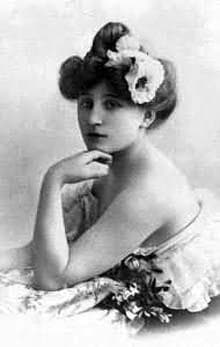
Sidonie-Gabrielle Colette, known monomously as Colette, was a French author and woman of letters. She was also a mime, actress, and journalist. Colette is best known in the English-speaking world for her 1944 novella Gigi, which was the basis for the 1958 film and the 1973 stage production of the same name. Her short story collection The Tendrils of the Vine is also famous in France.
Similar books
- The Portrait of a Lady
Henry James
3.8 (73k) average on GoodreadsHistorical FictionFeatures a protagonist's journey of self-discovery and disillusionment within societal constraints, though in a different context.
- In Search of Lost Time
Marcel Proust
4.3 (10k) average on GoodreadsLiterary FictionProust's work, while also exploring desire and memory, has a much broader scope and diffuse narrative, often depicting female characters through a male gaze. Colette's "Chéri" offers a narrower, more intimate focus, particularly on the female experience of aging and desire, with an unparalleled psychological depth from Léa's perspective.
- Mrs Dalloway
Virginia Woolf
3.8 (361k) average on GoodreadsFictionWoolf's novel similarly delves into the interiority of an aging woman but employs a distinct stream-of-consciousness narrative technique. Colette's "Chéri" uses a more classical, yet subtly subversive, narrative style, prioritizing emotional truth and sensual description over Woolf's experimental form, offering a different kind of intimate psychological exploration.
- To Kill a Mockingbird
Harper Lee
4.3 (4.5M) average on GoodreadsHistorical FictionIn the 1930s Jim Crow South, Harper Lee writes about racial injustice, moral growth, and the quiet courage of a lawyer father, Atticus Finch, as seen through his young daughter's eyes.
- The Great Gatsby
F. Scott Fitzgerald
3.9 (3.8M) average on GoodreadsHistorical FictionIn the opulent Roaring Twenties, a mysterious millionaire's lavish parties hide his desperate, tragic pursuit of a lost love, exposing the emptiness within the American Dream.
- Pride and Prejudice
Jane Austen
4.3 (3M) average on GoodreadsHistorical FictionIn a society focused on status and money, Elizabeth Bennet navigates love and pride, challenging Mr. Darcy and social expectations to find true affection.





Enjoyed the summary?
A summary gives you the shape of the book. The book itself has the detail, the examples and the voice.
Find Cheri and The Last of Cheri on AmazonAs an Amazon Associate, BookBrief earns from qualifying purchases. How we're funded