
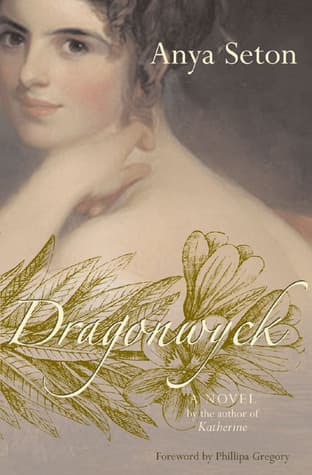
Synopsis
Covers the whole plot, including the ending.
- Difficulty
- Medium
- Pacing
- Moderate
- Mood
- Atmospheric, Suspenseful, Romantic, Melancholy, Dark
- Read it if
- You love classic gothic romance with a strong sense of atmosphere, historical detail, and a touch of mystery.
- Skip it if
- You dislike historical fiction with darker themes, unreliable narrators, or a slow-burning plot focused on character development over fast-paced action.
Dragonwyck Plot Summary
Covers the whole plot, including the ending.
An Invitation to Dragonwyck
In 1844, eighteen-year-old Miranda Wells lives a monotonous life on her family's farm in Greenwich, Connecticut. She wants adventure beyond her chores and the dull suitors her parents, Ephraim and Abigail Wells, approve of. One day, a grand letter arrives from Nicholas Van Ryn, her mother's distant cousin and the wealthy patroon of Dragonwyck, a sprawling estate in the Hudson Valley, New York. Nicholas invites Miranda to live with them as a companion to his young daughter, Katrine. Despite Ephraim's Puritanical disapproval of the Van Ryns' opulent lifestyle and their tenant farmer system, Abigail, who secretly admires the Van Ryns' status, persuades him to allow Miranda to go, seeing it as an opportunity for her daughter.
Arrival at the Grand Estate
Miranda arrives at Dragonwyck, a magnificent, gothic mansion that immediately enchants her. She meets Nicholas Van Ryn, a handsome, cultured, yet intensely reserved man, his frail and sickly wife, Johanna, and their sweet daughter, Katrine. The lavish lifestyle, the extensive library, and the sophisticated company — including visiting European royalty and American socialites — are a stark contrast to Miranda's humble upbringing. She quickly adapts to the luxurious surroundings, finding solace in books and developing a strong affection for Katrine. However, she also senses an underlying tension and melancholy within the household, especially concerning Johanna's declining health and Nicholas's often brooding demeanor.
Shadows and Whispers
As Miranda settles into Dragonwyck, she learns about the estate's dark reputation and the whispers surrounding the Van Ryn family. She learns about the patroon system, a feudal-like arrangement where tenant farmers are bound to the land, sparking discontent among them. Dr. Jeff Turner, the local physician, a kind and pragmatic man, warns her about the Van Ryns' history of madness and their possessive attachment to Dragonwyck. Miranda also hears unsettling stories about previous Van Ryn wives and their untimely deaths. Despite these ominous undertones, Miranda is increasingly drawn to Nicholas, captivated by his intelligence and his melancholic presence.
Johanna's Demise and Nicholas's Proposal
Johanna's health continues to worsen, with extreme fatigue and unusual symptoms. Miranda, though initially sympathetic, also feels a growing, forbidden attraction to Nicholas. After a period of intense suffering, Johanna dies, seemingly from heart failure, though Dr. Jeff Turner expresses private doubts. Following a respectable mourning period, Nicholas, much to Miranda's shock and secret delight, proposes marriage to her. He explains that he needs a strong mistress for Dragonwyck and a mother for Katrine. Despite her parents' disapproval and her own lingering doubts about the suddenness of events, Miranda accepts, swept away by her love for Nicholas and the allure of becoming mistress of Dragonwyck.
Mistress of Dragonwyck
Miranda and Nicholas marry, and she takes on the role of mistress of Dragonwyck. She strives to manage the household and care for Katrine, but she finds Nicholas increasingly distant and preoccupied, especially with the growing unrest among the tenant farmers due to the Anti-Rent War. She discovers his secret opium addiction, which further isolates him and fuels his erratic behavior. Miranda also learns she is pregnant, but the joy is overshadowed by her husband's mood swings and her growing unease about the true circumstances of Johanna's death. She begins to suspect Nicholas's involvement, recalling Dr. Turner's earlier concerns and Nicholas's sudden interest in obscure poisons.
Tragedy and Suspicion
Miranda gives birth to a son, but the baby is born with a heart defect and dies shortly after. This tragedy devastates Miranda and further isolates her from Nicholas, who seems consumed by his addiction and the financial woes of Dragonwyck. During her grief, Miranda discovers a hidden compartment in Nicholas's study containing a vial of digitalis, a powerful poison. This discovery, coupled with her earlier memories of Johanna's symptoms and Nicholas's interest in toxicology, solidifies her suspicion that Nicholas murdered his first wife. She confronts him, but he vehemently denies it, twisting her accusations into a sign of her own instability.
The Patroon System Falls
The Anti-Rent War reaches its peak. The tenant farmers, led by figures like Dr. Jeff Turner, actively protest the feudal system, refusing to pay rent and engaging in violent clashes with the authorities. Nicholas, stubbornly clinging to the anachronistic patroon system, refuses to compromise. The political tide turns against the patroons, and eventually, the New York State legislature abolishes the system. This legislative change financially devastates Nicholas, who had invested heavily in Dragonwyck, believing its inherent value would always sustain his family. His pride is shattered, and his opium addiction intensifies, leading to further mental deterioration.
Nicholas's Descent into Madness
Nicholas's mental state rapidly declines under the weight of his financial ruin, his addiction, and the perceived loss of his ancestral power. He becomes increasingly paranoid and violent, often lashing out at Miranda. One night, in a fit of drug-induced delirium, Nicholas confesses to Miranda that he poisoned Johanna. He reveals his motive: Johanna could not give him a healthy male heir to inherit Dragonwyck, and he was desperate to preserve his lineage and the estate. He had administered digitalis to her slowly, making her death appear natural. Miranda is horrified and terrified, realizing the full extent of her husband's depravity.
Escape from Dragonwyck
Fearing for her life and Katrine's, Miranda resolves to escape Dragonwyck. She confides in Dr. Jeff Turner, who has always been a steadfast friend. Jeff, who had long suspected foul play in Johanna's death, believes Miranda's story and helps her plan her departure. With Jeff's assistance, Miranda takes Katrine and flees the mansion, leaving Nicholas to his madness and the crumbling ruins of his once-grand estate. Her escape is a desperate act of survival, severing her ties with the dark legacy of Dragonwyck and the man she once loved.
A New Beginning
Miranda and Katrine find refuge with Jeff Turner, who offers them a safe and loving home. Nicholas, left alone in Dragonwyck, eventually succumbs to his madness and addiction, dying by suicide or overdose, though the book implies suicide. With Nicholas gone, the dark spell of Dragonwyck is broken. Miranda, though scarred by her experiences, begins to heal. She realizes her true feelings for Jeff, recognizing his unwavering kindness and moral strength. They marry, and Miranda finds genuine happiness and stability, finally free from the gothic terror and the tragic legacy of Dragonwyck, embracing a future built on love and authenticity.
Principal Figures
Miranda Wells
Protagonist
An imaginative and spirited young woman who becomes the mistress of Dragonwyck.
Miranda is initially an innocent, romantic, and somewhat naive young woman from a strict Puritan background. She possesses a vivid imagination and yearns for a life beyond her simple farm existence. She is intelligent, adaptable, and resilient, quickly learning to navigate the complexities of high society. Despite her initial infatuation with Nicholas and the allure of Dragonwyck, she possesses a strong moral compass that eventually guides her to uncover the truth and seek freedom.
Relationships: Nicholas Van Ryn (Husband, initially adored, later feared and despised); Dr. Jeff Turner (Confidant, rescuer, and eventually second husband); Johanna Van Ryn (Nicholas's first wife, Miranda initially pities her, then suspects her murder); Katrine Van Ryn (Stepdaughter, whom Miranda deeply loves and protects); Ephraim Wells (Father, strict Puritan who disapproves of Dragonwyck's ways); Abigail Wells (Mother, secretly ambitious for Miranda's social advancement)
Nicholas Van Ryn
Antagonist
The handsome, enigmatic, and ultimately cruel patroon of Dragonwyck.
Nicholas is a complex character: outwardly charming, intelligent, and cultured, but inwardly proud, possessive, and ultimately depraved. He is deeply attached to his ancestral estate, Dragonwyck, and the antiquated patroon system, believing himself superior to others. He is an opium addict, which fuels his erratic behavior and contributes to his descent into madness. His desire for a male heir and his inability to cope with change lead him to commit heinous acts, driven by a warped sense of entitlement and a fear of losing his status.
Relationships: Miranda Wells (Second wife, whom he initially desires for her youth and potential to bear an heir); Johanna Van Ryn (First wife, whom he murders out of frustration and desire for a male heir); Katrine Van Ryn (Daughter, whom he loves in his own way but neglects due to his obsessions); Dr. Jeff Turner (Acquaintance, whom he disdains for his progressive views and medical knowledge)
Dr. Jeff Turner
Supporting
The kind, pragmatic, and morally upright local physician.
Dr. Jeff Turner is a grounded and intelligent physician who serves as a moral compass in the story. He is a progressive thinker, deeply sympathetic to the plight of the tenant farmers, and an outspoken critic of the patroon system. He is observant, perceptive, and holds a quiet affection for Miranda from their first meeting. He represents reason, compassion, and modern values in contrast to Nicholas's anachronistic pride and cruelty. He ultimately becomes Miranda's savior and her true love.
Relationships: Miranda Wells (Friend, confidant, rescuer, and eventually second husband); Nicholas Van Ryn (Medical professional, political opponent, and moral antagonist); Johanna Van Ryn (Patient, whose death he suspects was unnatural)
Johanna Van Ryn
Supporting
Nicholas's frail and sickly first wife.
Johanna is a gentle, delicate woman whose health is constantly failing. She is depicted as pious and somewhat melancholic, deeply aware of her inability to bear Nicholas a healthy male heir, which causes her great sadness and a sense of failure. Her frailty makes her an easy target for Nicholas's murderous intentions. Her presence, even after death, casts a long shadow over Dragonwyck, serving as a constant reminder of Nicholas's dark secret.
Relationships: Nicholas Van Ryn (Husband, who ultimately murders her); Katrine Van Ryn (Daughter, whom she loves dearly); Miranda Wells (Initially a companion, later her successor and avenger)
Katrine Van Ryn
Supporting
Nicholas and Johanna's sweet and innocent daughter.
Katrine is a young, innocent girl who suffers from the instability and darkness within her family. She is initially attached to her mother, Johanna, and later forms a deep bond with Miranda, who becomes a mother figure to her. She is sensitive and perceptive, often sensing the underlying tensions at Dragonwyck. Her well-being becomes a primary concern for Miranda, representing the innocent victims of Nicholas's tyranny.
Relationships: Nicholas Van Ryn (Father, whom she loves but is often neglected by); Johanna Van Ryn (Mother, whose death deeply affects her); Miranda Wells (Step-mother and protector, with whom she shares a strong bond)
Ephraim Wells
Supporting
Miranda's strict, Puritanical father.
Ephraim is a devout, rigid Puritan farmer who values hard work, piety, and simplicity above all else. He deeply distrusts wealth, aristocracy, and anything he perceives as worldly extravagance, viewing the Van Ryns and Dragonwyck with suspicion and moral condemnation. His disapproval of Miranda's choice to go to Dragonwyck and later marry Nicholas is rooted in his firm religious beliefs and his fear for his daughter's spiritual well-being, though his rigidity also prevents him from understanding her desires.
Relationships: Miranda Wells (Daughter, whom he loves but struggles to understand); Abigail Wells (Wife, whose more worldly desires he tolerates but disapproves of)
Abigail Wells
Supporting
Miranda's mother, who secretly yearns for social status.
Abigail is Miranda's mother, a woman who, despite her Puritan upbringing, possesses a hidden yearning for social status and a more refined life. She is the one who encourages Miranda to accept Nicholas's invitation, seeing it as an opportunity for her daughter to escape their humble life and potentially marry into wealth. She is more pragmatic and less morally rigid than Ephraim, often navigating his strictures to achieve her own quiet ambitions.
Relationships: Miranda Wells (Daughter, whom she hopes will achieve social advancement); Ephraim Wells (Husband, whose strictures she often subtly circumvents)
Countess de Valois
Mentioned
A mysterious and beautiful guest at Dragonwyck, rumored to be Nicholas's mistress.
The Countess de Valois is a beautiful and sophisticated European noblewoman who visits Dragonwyck. She is rumored to be Nicholas's mistress, adding to the air of scandal and intrigue surrounding him. Her presence highlights Nicholas's worldly connections and his disregard for conventional morality, further isolating Miranda and contributing to her growing unease.
Relationships: Nicholas Van Ryn (Alleged mistress, with whom he shares a past connection)
Themes & Insights
The Corrupting Influence of Power and Aristocracy
The novel shows how unchecked power and an entrenched aristocratic system lead to moral decay and cruelty. Nicholas Van Ryn's position as patroon of Dragonwyck, with its feudal rights over tenant farmers, creates a sense of entitlement. This power allows him to act without consequence, leading to the murder of his first wife and his descent into madness. The suffering of the tenant farmers, driven to rebellion by their exploitation, shows the injustice of the system. Dragonwyck itself, while magnificent, becomes a symbol of this corruption, its beauty hiding dark secrets and moral rot, as seen in Nicholas's opium addiction and his tyrannical control over his family and tenants.
“Dragonwyck was like a beautiful, poisonous flower, its petals dazzling, its roots steeped in darkness.”
The Allure and Danger of Romantic Illusion
Miranda's initial attraction to Dragonwyck and Nicholas is fueled by romantic illusion. She wants a life of grandeur and excitement, seeing Nicholas as a Byronic hero and the mansion as a gothic fantasy. This romanticized view blinds her to the warning signs: Johanna's frailty, Nicholas's brooding nature, and the estate's dark reputation. Her love for Nicholas is initially a projection of her desires, leading her to overlook his flaws and the sinister undercurrents. Only when the illusions are shattered by tragedy and discovery does she see the true, monstrous nature of her husband and the danger she is in, forcing her to confront reality. This theme highlights the peril of mistaking surface glamour for genuine happiness.
“She had dreamed of a prince, but had found a monster cloaked in silk and charm.”
The Conflict Between Old World Feudalism and New World Democracy
The novel is set during the Anti-Rent War in upstate New York, providing a historical backdrop for the clash between the antiquated patroon system and America's developing democratic ideals. Nicholas Van Ryn stubbornly clings to his feudal rights, believing in his inherent superiority and the divine right to his land and tenants. This contrasts with the tenant farmers' demands for land ownership and freedom, championed by progressive figures like Dr. Jeff Turner. The eventual abolition of the patroon system symbolizes the triumph of democratic principles over aristocratic privilege and highlights the social and political upheaval of the era. Nicholas's downfall is directly tied to his inability to adapt to these changing times.
“The old ways, like old trees, had deep roots, but even the deepest roots could be torn from the earth.”
The Strength and Resilience of Women
Despite the patriarchal society and the formidable challenges she faces, Miranda shows remarkable strength and resilience. Initially a naive girl, she endures emotional manipulation, tragedy, and the terrifying discovery of her husband's crimes. She finds the courage to confront Nicholas, protect Katrine, and ultimately escape Dragonwyck. Her journey from vulnerable romantic to self-reliant survivor shows the inner strength needed to break free from oppressive circumstances. Her ability to rebuild her life and find happiness with Jeff Turner highlights female empowerment and the capacity for healing and growth after trauma.
“She had come to Dragonwyck as a girl, but she left as a woman, forged in fire.”
Plot Devices & Literary Techniques
Gothic Setting
The use of an isolated, decaying mansion to create an atmosphere of mystery and dread.
Dragonwyck, with its towers, secret passages, and remote location, functions as a classic gothic setting. It is a character in itself, embodying the Van Ryn family's pride and secrets. Its imposing architecture and historical legacy contribute to the sense of foreboding and entrapment. The mansion mirrors Nicholas's soul, grand and beautiful on the surface, but filled with hidden darkness and decay. Its isolation reinforces Miranda's vulnerability and the feeling of being cut off from the outside world, intensifying the psychological tension and claustrophobia as she uncovers its horrors.
Foreshadowing
Hints and clues that suggest future tragic or sinister events.
The novel employs extensive foreshadowing to build suspense. Dr. Jeff Turner's early warnings about the Van Ryns' history of madness and the 'curse' on their wives, the whispers among the servants about Johanna's illness, and Nicholas's sudden interest in poisons all subtly hint at Johanna's eventual murder. Miranda's own uneasy feelings and dreams often prefigure dark events. This technique keeps the reader anticipating the inevitable revelations and reinforces the sense of creeping dread, allowing the audience to piece together the truth alongside Miranda, or even before her.
The Byronic Hero
Nicholas Van Ryn as a charismatic, brooding, and ultimately destructive romantic figure.
Nicholas Van Ryn embodies the archetype of the Byronic hero. He is handsome, intelligent, aristocratic, and possesses a magnetic charm, but is also moody, cynical, and harbors a dark secret. Miranda is initially drawn to his mysterious allure, seeing him as a romantic, tragic figure. However, his Byronic traits of pride, isolation, and disregard for conventional morality ultimately devolve into cruelty and madness, revealing the destructive potential beneath the romantic façade. This device contrasts Miranda's romantic ideals with the harsh reality of Nicholas's true nature.
The MacGuffin (The Male Heir)
An object or goal that drives the plot, particularly Nicholas's actions.
Nicholas's obsessive desire for a male heir to inherit Dragonwyck serves as a crucial MacGuffin, driving much of the plot. His desperation to preserve the Van Ryn lineage and the estate's legacy is the primary motive for murdering Johanna, who could not provide him with a healthy son. This obsession dictates his choices, his marriage to Miranda, and ultimately his downfall. While not a physical object, the 'heir' functions as a central, driving force for his character, highlighting his deep-seated pride and the anachronistic values he clings to.
Dragonwyck Quotes
“It was a strange, exciting, terrifying thing, this sudden, overwhelming love that had sprung up between them.”
“Dragonwyck was like a living thing, breathing secrets, holding its inhabitants in a thrall.”
“The past, after all, was never truly past. It lingered, a shadow, a whisper, a stain.”
“He had a way of looking at her that made her feel both cherished and consumed.”
“Some men are born to rule, and others to be ruled. It is the natural order of things.”
“A woman's place is to make her husband happy, and her home a haven.”
“Fear was a cold, creeping thing that could wither the soul.”
“There were shadows in Dragonwyck that even the brightest sun could not dispel.”
“Happiness, she learned, was a fragile butterfly, easily crushed.”
“He saw her not as she was, but as he wished her to be.”
“The truth, sometimes, was a terrible thing, best left buried.”
“One could not escape one's destiny, no matter how hard one tried.”
“The silence of the house was not empty; it was filled with unspoken words and hidden pains.”
“Freedom, once tasted, was a powerful craving.”
Quiz
10 questions on the plot and the characters. Each answer comes with a short explanation.
Question 1
What is Miranda Wells's primary motivation for accepting the invitation to Dragonwyck?
- To escape a forced marriage to a local farmer.
- To pursue a career as a governess.
- To experience a more exciting and luxurious life away from her mundane farm existence.
- To investigate a family secret she believes is hidden at Dragonwyck.
Show answer
C. To experience a more exciting and luxurious life away from her mundane farm existence. Miranda is tired of her simple farm life and the prospects of marrying a dull farmer, making the invitation to Dragonwyck a welcome escape to a more sophisticated world.
Question 2
What is the name of the estate owned by Nicholas Van Ryn?
- Blackwood Manor
- Dragonwyck
- Ravenwood Hall
- Greystone Castle
Show answer
B. Dragonwyck The estate's name, Dragonwyck, is central to the novel's title and setting.
Question 3
Which historical American figure is mentioned as visiting or being part of the social circles depicted in the novel?
- Mark Twain
- Walt Whitman
- Edgar Allan Poe
- Henry David Thoreau
Show answer
C. Edgar Allan Poe The description explicitly states that 'American icons such as Edgar Allan Poe, Herman Melville, and the Astors are vividly brought to life.'
Question 4
What is the primary characteristic that makes Nicholas Van Ryn 'intriguing' to Miranda?
- His gentle and compassionate nature.
- His 'icy fire' and mysterious, aristocratic demeanor.
- His dedication to social reform and aiding the poor.
- His open affection and immediate warmth towards her.
Show answer
B. His 'icy fire' and mysterious, aristocratic demeanor. The text describes Miranda's passion being 'kindled by the icy fire of Nicholas,' highlighting his mysterious and aristocratic allure.
Question 5
What societal conflict forms a significant backdrop to the events at Dragonwyck?
- The conflict between industrialization and agrarian life.
- The struggle between abolitionists and slave owners.
- The tension between freedom and feudal traditions, particularly concerning wealthy landowners and poor tenant farmers.
- The cultural clash between European immigrants and native-born Americans.
Show answer
C. The tension between freedom and feudal traditions, particularly concerning wealthy landowners and poor tenant farmers. The description explicitly mentions the novel painting 'a marvelous portrait of a country torn between freedom and feudal traditions; a country divided between the very wealthy and the very poor,' with specific reference to 'Poor tenant farmers at Dragonwyck'.
Question 6
What genre is 'Dragonwyck' primarily categorized as, according to the provided text?
- Historical Drama
- Gothic Romance
- Psychological Thriller
- Bildungsroman
Show answer
B. Gothic Romance The text clearly states, 'A classic gothic romance, the story features an 18-year-old Miranda Wells...'
Question 7
What is the implied fate of Nicholas Van Ryn's first wife, given the gothic nature and 'dark, terrible secrets' of Dragonwyck, and his subsequent marriage to Miranda?
- She leaves him for another man.
- She dies of a mysterious illness or under suspicious circumstances.
- She becomes a recluse within the mansion.
- She divorces him due to irreconcilable differences.
Show answer
B. She dies of a mysterious illness or under suspicious circumstances. While not explicitly stated in the provided text, the 'dark, terrible secrets' of Dragonwyck combined with the gothic romance genre strongly imply a sinister end for the first wife, a common trope in such stories to allow the protagonist to marry the master of the house.
Question 8
What does Miranda's transformation, 'Dressed in satin and lace, she becomes part of Dragonwyck,' primarily symbolize?
- Her complete loss of innocence and moral corruption.
- Her successful assimilation into the aristocratic, luxurious, and potentially dangerous world of Dragonwyck.
- Her newfound independence from Nicholas Van Ryn's influence.
- Her commitment to reforming the feudal system at Dragonwyck.
Show answer
B. Her successful assimilation into the aristocratic, luxurious, and potentially dangerous world of Dragonwyck. This phrase signifies her absorption into the opulent and complex lifestyle of the estate, moving away from her simple past and embracing the identity associated with Dragonwyck, including its inherent mysteries and dangers.
Question 9
The description mentions 'mystery and terror that await her in the magnificent hallways of Dragonwyck.' Which element of the story is most directly responsible for this 'terror'?
- The threat of financial ruin for the estate.
- Supernatural hauntings within the mansion.
- The 'dark, terrible secrets' and potentially sinister actions of its inhabitants, particularly Nicholas.
- The political unrest caused by the tenant farmers' rebellion.
Show answer
C. The 'dark, terrible secrets' and potentially sinister actions of its inhabitants, particularly Nicholas. In a gothic romance, the terror typically stems from the psychological manipulation, hidden pasts, and potentially criminal actions of the master of the house, combined with the oppressive atmosphere of the estate, rather than overt supernatural elements or purely external political threats.
Question 10
What does the phrase 'the last of the Van Ryns' imply about Nicholas and his family line?
- He is the youngest child in a large family.
- He is the sole surviving heir, carrying the weight of his family's legacy and future.
- He has renounced his family name and heritage.
- He is the only member of his family who lives at Dragonwyck.
Show answer
B. He is the sole surviving heir, carrying the weight of his family's legacy and future. Being 'the last of' a family line typically means there are no other direct descendants, placing immense pressure and significance on that individual as the sole continuation of the family's name and heritage.
Dragonwyck FAQ
What prompts Miranda Wells to leave her simple farm life and go to Dragonwyck?
Miranda, an 18-year-old, is weary of her mundane farm chores and the uninspiring suitors in her Connecticut village. She receives an invitation from her wealthy distant cousin, Nicholas Van Ryn, to live at his grand estate, Dragonwyck, in upstate New York, which promises a life of luxury and excitement she's only dreamed of.
Describe the initial atmosphere and allure of Dragonwyck for Miranda.
Dragonwyck initially captivates Miranda with its Gothic towers, opulent interiors, and flowering gardens, representing a world of sophistication and wealth. The estate's grandeur and the intriguing, enigmatic persona of Nicholas Van Ryn offer a powerful escape from her provincial life, drawing her into its mysterious charm.
Who is Nicholas Van Ryn, and what is his social standing?
Nicholas Van Ryn is the last male heir of the powerful and aristocratic Van Ryn family, who own the vast Dragonwyck estate. He is a proud, intelligent, and often cold man, deeply entrenched in the feudal traditions of his family, which include the controversial patroon system of tenant farming.
What is the 'patroon system' and how does it create conflict in the novel?
The 'patroon system' is a feudal landholding practice where a landlord, like Nicholas Van Ryn, owns vast tracts of land and leases it to tenant farmers who owe him rent, services, and loyalty. This system generates significant conflict as the tenant farmers, weary of their impoverished conditions and lack of rights, begin to rebel against the wealthy landowners, challenging the traditional power structure.
What tragic event befalls Nicholas's first wife, Johanna, and how does it affect Miranda?
Johanna Van Ryn, Nicholas's first wife, falls ill and mysteriously dies shortly after Miranda arrives at Dragonwyck. Her death clears the way for Nicholas to pursue Miranda, but it also casts a dark shadow over the mansion, raising Miranda's suspicions about Nicholas's true character and the secrets he keeps.
What secret is Nicholas Van Ryn hiding about his family lineage and his own health?
Nicholas harbors a dark secret of hereditary madness or a 'taint' in the Van Ryn bloodline, which he fears passing on. This underlying psychological vulnerability contributes to his erratic behavior, his paranoia, and ultimately, his tragic descent, influencing his decisions and interactions with Miranda.
How do the political and social movements of the time, such as the Anti-Rent War, influence the plot at Dragonwyck?
The rising Anti-Rent War, a real historical movement in upstate New York, significantly impacts Dragonwyck by fueling the discontent of the tenant farmers. This unrest directly threatens Nicholas's authority and wealth, leading to violent confrontations and ultimately contributing to the decline of the patroon system and the Van Ryn family's power.
What role does Dr. Jeff Turner play in Miranda's life at Dragonwyck?
Dr. Jeff Turner is a kind and morally upright local doctor who becomes a confidant and eventual rescuer for Miranda. He is one of the few characters who sees through Nicholas's charm and recognizes the danger Miranda is in, offering her medical help, emotional support, and ultimately a path to freedom from Dragonwyck.
How does Miranda's initial romantic idealization of Nicholas Van Ryn evolve throughout the novel?
Miranda initially views Nicholas as a captivating, almost Byronic hero, an escape from her provincial life. However, as she witnesses his cruelty, his involvement in Johanna's death, and his deepening madness, her idealization shatters, replaced by fear, disillusionment, and a desperate struggle for her own survival.
Analyze Nicholas Van Ryn's motivation for marrying Miranda and his perception of her.
Nicholas marries Miranda partly for her youth and beauty, but also because he sees in her a malleable spirit he can control and a potential heir for his estate. He perceives her as less sophisticated than his first wife, Johanna, and therefore easier to dominate, fitting into his aristocratic desire for a wife who will uphold his family's legacy.
How does the isolation of Dragonwyck contribute to Miranda's psychological state and the unfolding drama?
The remote and imposing nature of Dragonwyck creates a sense of isolation for Miranda, enhancing her vulnerability and dependence on Nicholas. This psychological entrapment intensifies the gothic atmosphere, making it harder for her to escape or seek help, and amplifying the terror as Nicholas's true nature is revealed.
Discuss the psychological impact of the 'Van Ryn taint' on Nicholas and his actions.
The 'Van Ryn taint,' a recurring madness or genetic predisposition to mental illness, profoundly affects Nicholas's psyche, leading to paranoia, erratic behavior, and ultimately, a complete breakdown. This fear of his own inherited madness fuels his desire for control, his cruelty, and his desperate, often violent, attempts to secure his lineage and legacy.
Is Nicholas Van Ryn a purely evil character, or is there room for a more nuanced interpretation of his motivations?
While Nicholas commits reprehensible acts, a nuanced interpretation acknowledges his internal struggles with inherited madness, the immense pressure of upholding a dying feudal system, and a deep-seated pride in his lineage. These factors, combined with his aristocratic upbringing, contribute to his tragic flaws and make him a complex, rather than purely evil, antagonist.
How does 'Dragonwyck' serve as a critique of aristocratic privilege and the feudal system in 19th-century America?
'Dragonwyck' strongly critiques the inherent injustices and unsustainability of aristocratic privilege and the feudal patroon system. Through the suffering of the tenant farmers and Nicholas's ultimate downfall, the novel illustrates how such entrenched power structures lead to exploitation, rebellion, and ultimately, the collapse of a way of life that relies on the subjugation of others.
What is the significance of the recurring motif of the 'dark secrets' of Dragonwyck?
The 'dark secrets' of Dragonwyck symbolize the hidden truths and moral corruptions within the Van Ryn family and the aristocratic system they represent. These secrets, ranging from past madness and violence to Nicholas's crimes, slowly unravel, exposing the rotten core beneath the mansion's opulent facade and driving the novel's gothic suspense.
How does Miranda's journey reflect the broader themes of female empowerment and independence in the era?
Miranda's journey embodies the struggle for female empowerment and independence against patriarchal control. Initially drawn to luxury and male dominance, she gradually learns to assert herself, escape an abusive relationship, and forge her own path, ultimately finding freedom and agency outside the confines of Dragonwyck and its traditional expectations.
To what extent is 'Dragonwyck' a gothic romance versus a psychological thriller?
'Dragonwyck' is primarily a gothic romance, featuring a mysterious mansion, a brooding hero, and a vulnerable heroine. However, it also strongly leans into psychological thriller territory through its exploration of Nicholas's deteriorating mental state, the suspense surrounding Johanna's death, and Miranda's growing fear and paranoia, making it a hybrid of both genres.
What is the ultimate fate of Dragonwyck and the Van Ryn family legacy?
Dragonwyck's grandeur ultimately crumbles along with the Van Ryn family legacy. Nicholas dies, ending the male line and the patroon system. The estate likely falls into disrepair or is sold off, symbolizing the end of an era and the triumph of modern democratic ideals over feudal traditions, leaving Miranda free to build a new life.
About the author
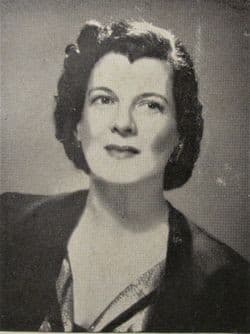
Anya Seton was a celebrated historical novelist known for her meticulously researched and romantic tales. Her most famous works, including 'Dragonwyck' and 'Katherine,' brought vividly imagined historical periods and compelling characters to life. Seton's ability to blend factual accuracy with captivating storytelling earned her a dedicated readership and enduring popularity in the genre.
Similar books
- Rebecca
Daphne du Maurier
4.2 (450k) average on GoodreadsThrillerFeatures a young woman marrying into a grand, mysterious estate with a dominant husband and a haunting past.
- Jane Eyre
Charlotte Brontë
4.1 (1.6M) average on GoodreadsHistorical FictionClassic gothic romance with a strong female protagonist, a brooding hero, and dark secrets within an imposing house.
- Wuthering Heights
Emily Brontë
3.9 (1.3M) average on GoodreadsHistorical FictionA passionate, tumultuous romance set against a dramatic, isolated estate with a complex, often cruel male lead.
- To Kill a Mockingbird
Harper Lee
4.3 (4.5M) average on GoodreadsHistorical FictionIn the 1930s Jim Crow South, Harper Lee writes about racial injustice, moral growth, and the quiet courage of a lawyer father, Atticus Finch, as seen through his young daughter's eyes.
- The Great Gatsby
F. Scott Fitzgerald
3.9 (3.8M) average on GoodreadsHistorical FictionIn the opulent Roaring Twenties, a mysterious millionaire's lavish parties hide his desperate, tragic pursuit of a lost love, exposing the emptiness within the American Dream.
- Pride and Prejudice
Jane Austen
4.3 (3M) average on GoodreadsHistorical FictionIn a society focused on status and money, Elizabeth Bennet navigates love and pride, challenging Mr. Darcy and social expectations to find true affection.




Enjoyed the summary?
A summary gives you the shape of the book. The book itself has the detail, the examples and the voice.
Find Dragonwyck on AmazonAs an Amazon Associate, BookBrief earns from qualifying purchases. How we're funded