
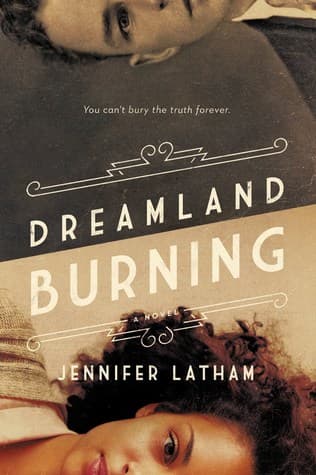
Synopsis
Covers the whole plot, including the ending.
- Difficulty
- Medium
- Pacing
- Moderate
- Mood
- Thought-provoking, Suspenseful, Somber, Hopeful
- Read it if
- You enjoy historical fiction that tackles difficult social issues, mysteries with dual timelines, and stories about racial injustice and reconciliation.
- Skip it if
- You prefer lighthearted reads or find historical accounts of racial violence too disturbing.
Dreamland Burning Plot Summary
Covers the whole plot, including the ending.
A Body Unearthed and a Mystery Begins
Seventeen-year-old Rowan Chase, living in present-day Tulsa, Oklahoma, finds a human skeleton buried on her family's property during a house renovation. The skeleton is clearly old, with a bullet wound to the skull and a unique locket. This find immediately makes Rowan curious, and despite her mother's hesitation, Rowan feels she must learn the story behind the remains. She gets help from her best friend, James, and her family's groundskeeper, Bill. The police start an investigation, but Rowan's personal search for answers continues, driven by the unsettling nature of the find and a growing connection to the past.
Will Tillman's World in 1921 Tulsa
In 1921 Tulsa, Will Tillman, a seventeen-year-old white boy, works at his father's medical practice. His father is a respected, though strict, doctor who often treats Black patients, which is rare in segregated Tulsa. Will struggles with his identity and place in his community, often feeling stuck between his father's more open views and the widespread racism of the time. He often visits the Greenwood district, known as 'Black Wall Street,' to see his friend, Joseph, a Black jazz musician, and to experience the culture. Will is also secretly in love with his best friend, Sarah, who is white, making his life more complicated amid the growing racial problems.
The Locket's Clue and a Historical Dive
Rowan's investigation grows when she recognizes the locket found with the skeleton. While looking at old photographs and historical papers from the 1921 Tulsa Race Massacre, she finds a picture of a young Black woman wearing an identical locket. This discovery confirms her belief that the skeleton is connected to the massacre, changing her focus from a general murder mystery to a specific, painful historical event. She starts looking into archives, old newspapers, and spoken histories, trying to identify the woman and understand how she died, feeling a growing need to give the unknown victim a name and a story.
A Fateful Night and a Lie
In 1921, Will is at the Drexel Building when Dick Rowland, a young Black man, is accused of assaulting Sarah Page, a white elevator operator. Will, who saw the event, knows it was probably an accident, not an assault. However, under pressure from the racist talk and fear of social backlash, he does not speak up right away. His inaction helps the tensions grow quickly. Later, driven by fear and a wish to protect Sarah, Will lies to his racist friend, Milt, about the incident, saying he saw Dick attack Sarah. This lie, meant to simplify things, instead increases the anger that will soon cover Tulsa.
Rowan Uncovers Difficult Truths
As Rowan continues her research, she finds upsetting truths about her own family's history in Tulsa. She learns that her great-grandfather, a white man named James Chase, lived during the 1921 massacre and owned property in both the white and Black districts. More troubling, she finds evidence suggesting he may have been involved in some way with the events of that night. Rowan deals with this information, realizing that her family's past is connected to the tragedy she is trying to solve. This personal connection makes her search for justice even more urgent and emotional, forcing her to face uncomfortable truths about her family.
The Gathering Storm in 1921
After the accusation against Dick Rowland, tensions in Tulsa become very high. Will sees the white community's growing anger, fueled by exaggerated newspaper reports and racist talk. He sees white men, including some he knows, arming themselves and gathering near the courthouse where Rowland is held. Joseph, his Black friend, worries deeply for the safety of the Greenwood residents. Will feels a growing sense of dread and helplessness, understanding how serious the situation is but unsure how to stop the coming disaster. His personal worries are overshadowed by the immediate threat of widespread racial violence.
The Night Tulsa Burns
The night of May 31, 1921, becomes terrible. Will, at home at first, is pulled into the chaos as the white mob attacks Greenwood. He sees firsthand the burning of homes and businesses, the violence against Black residents, and the fear of the massacre. Amid the disorder, he tries to find Joseph and other friends, but the streets are dangerous. Will sees the terrible result of the hatred he had only seen from a distance before. The events of that night change his sense of right and wrong, making him face the results of his earlier inaction and the deep racism of his society.
Rowan Identifies the Victim and Her Story
Through careful research and help from a descendant of a massacre survivor, Rowan finally identifies the skeleton as Addie, a young Black woman who worked for Will Tillman's family in 1921. She learns that Addie was not only a servant but also Joseph's sister, and she was pregnant when she died. Rowan understands that Addie was probably killed by a white man during the massacre, and the locket was a gift from Joseph. This discovery adds more sadness to the story, connecting the modern-day find directly to the personal lives of those caught in the historical violence.
Will's Regret and a Fateful Encounter
During the massacre, Will, feeling guilty and needing to make things right, tries to help Addie escape the burning Greenwood district. He finds her hiding, scared and pregnant. As they try to run, they are confronted by Milt, Will's racist friend, who is part of the mob. Milt, full of hatred and the chaos of the night, attacks Addie. Trying to defend her, Will struggles with Milt. During the struggle, Milt's gun fires, accidentally shooting Addie. Will is crushed, realizing his attempt to help led to her death. He quickly buries her on his family's property to prevent further harm.
Justice in the Present, Reflection on the Past
Rowan, with the full story, works with authorities to ensure Addie's remains are identified and given a proper burial. She faces the uncomfortable truth about her great-grandfather, James Chase, who, while not directly involved in Addie's death, was part of the system that allowed such violence. Rowan considers the lasting impact of racism and the need to remember painful history. The mystery of the skeleton is solved, but Rowan's deeper lesson is about understanding her place in a complex racial history and the duty to speak truth, both then and now.
Dreamland Burning Characters
Rowan Chase
Protagonist
Seventeen-year-old girl in present-day Tulsa, investigating a century-old murder.
Rowan is a curious, intelligent, and determined high school student living in Tulsa. The discovery of a skeleton on her family's property ignites a fierce desire within her to uncover the truth, propelling her into a deep dive into the city's past. She is biracial (Black and white) and grapples with her identity and the complexities of race in America. Her investigation forces her to confront not only historical injustices but also uncomfortable truths about her own family's legacy. She is driven by a strong sense of empathy and a need for justice for the forgotten victim.
Relationships: James (Best friend and research partner); Bill (Family groundskeeper and confidante); Maia Chase (Mother, initially hesitant about the investigation); Will Tillman (Historical connection through the murder victim)
Will Tillman
Protagonist
Seventeen-year-old white boy in 1921 Tulsa, caught in the escalating racial tensions.
Will is a complex and conflicted character, the son of a respected white doctor in 1921 Tulsa. He is intelligent and observant but struggles with the pervasive racism of his time and his own moral cowardice. He feels a pull towards the vibrant Black community of Greenwood through his friendship with Joseph and his affection for Addie. However, he is also influenced by the societal pressures and the casual racism of his white peers. His initial inaction and a fateful lie contribute to the escalating violence, leading to a profound journey of guilt, regret, and a desperate attempt at atonement during the Tulsa Race Massacre.
Relationships: Joseph (Black friend and jazz musician); Addie (Black family servant, Joseph's sister, and the murder victim); Sarah Page (White friend, elevator operator at the center of the initial accusation); Milt (Racist white friend and antagonist); Dr. Tillman (Strict but principled father)
Addie
Supporting/Victim
Young Black woman in 1921 Tulsa, servant to the Tillman family, and the skeleton discovered by Rowan.
Addie is a quiet, resilient, and kind young Black woman who works as a servant for the Tillman family in 1921 Tulsa. She is Joseph's sister and is pregnant at the time of the massacre. She represents the many innocent victims of the Tulsa Race Massacre, whose lives were tragically cut short by racial violence. Her unique locket becomes a crucial clue in Rowan's investigation. Though she is a character from the past, her story is central to the novel's themes of historical injustice and the search for truth and remembrance.
Relationships: Joseph (Brother); Will Tillman (Employer's son, attempts to help her); Milt (Attacker)
Joseph
Supporting
Talented Black jazz musician in 1921 Tulsa, Will's friend and Addie's brother.
Joseph is a charismatic and talented Black jazz musician living in the thriving Greenwood district of 1921 Tulsa. He is Will Tillman's friend, offering Will a glimpse into the vibrant Black community and a perspective on the racial tensions of the time. He is Addie's protective older brother. Joseph represents the spirit, culture, and resilience of Black Wall Street, but also the vulnerability of its residents to white supremacy and violence. His concern for his community and his sister drives some of Will's actions.
Relationships: Will Tillman (Friend); Addie (Sister)
James
Supporting
Rowan's best friend and research partner.
James is Rowan's loyal and supportive best friend. He is intelligent, resourceful, and helps Rowan with her investigation into the skeleton. He provides a sounding board for Rowan's theories, helps with research, and offers emotional support as she uncovers increasingly disturbing truths. James represents a crucial ally in Rowan's quest, offering a contemporary perspective and helping her navigate the complexities of her discoveries.
Relationships: Rowan Chase (Best friend)
Bill
Supporting
Rowan's family groundskeeper and a source of local wisdom.
Bill is the elderly, wise groundskeeper for the Chase family. He has deep roots in Tulsa and offers Rowan practical advice and subtle insights into the city's history. He is a quiet, observant man who encourages Rowan's pursuit of the truth, often providing a calming presence and a connection to the community's memory. While not directly involved in the historical events, his presence grounds Rowan's contemporary journey.
Relationships: Rowan Chase (Confidante and mentor figure)
Milt
Antagonist
Will Tillman's racist friend and the perpetrator of Addie's death.
Milt is a cruel, prejudiced white boy in 1921 Tulsa who embodies the virulent racism of the era. He is a friend of Will Tillman, but his influence is overwhelmingly negative. Milt actively participates in the white mob during the Tulsa Race Massacre and is directly responsible for Addie's death. He represents the destructive force of hatred and prejudice, serving as a stark contrast to Will's internal struggles and eventual attempts at redemption.
Relationships: Will Tillman (Former friend and later adversary); Addie (Victim of his violence)
Maia Chase
Supporting
Rowan's mother, initially hesitant about the murder investigation.
Maia is Rowan's biracial mother, who initially expresses reluctance about Rowan delving into the century-old murder. She is pragmatic and concerned about the emotional toll the investigation might take on her daughter, and perhaps unconsciously, on herself. As the story progresses, she comes to understand the importance of Rowan's quest and supports her in uncovering the painful truths of their family and city's past. Her journey reflects the struggle many face in confronting difficult histories.
Relationships: Rowan Chase (Daughter)
Dr. Tillman
Supporting
Will Tillman's father, a respected but strict doctor in 1921 Tulsa.
Dr. Tillman is Will's father, a prominent white doctor in 1921 Tulsa. He is a complex character, embodying some progressive views for his time, such as treating Black patients, yet also upholding certain societal norms and expectations for Will. He is strict and principled, which often puts him at odds with Will's more rebellious nature. His presence highlights the different facets of white society in Tulsa, from outright racism to a more paternalistic, but still unequal, approach.
Relationships: Will Tillman (Son)
Dreamland Burning Themes
Identity and Self-Discovery
Rowan and Will both deal with their identities based on their racial background and what society expects. Rowan, as a biracial teenager, learns what it means to be Black and white in America, especially as she uncovers her family's connection to the Tulsa Race Massacre. Will, a white teenager in 1921, struggles with his own morals, caught between his father's more open views and the racism of his friends. Their journeys are about understanding who they are in relation to their history and the choices they make.
“History isn’t a weight to be carried. It’s a guide to be followed.”
The Legacy of Racism and Injustice
The novel shows the lasting effects of systemic racism and historical injustice, especially through the Tulsa Race Massacre. It shows how the violence and prejudice of 1921 still affect people and communities in present-day Tulsa. Rowan's discovery of Addie's skeleton forces a confrontation with this painful past, showing how unaddressed wrongs can last and need to be faced across generations. The story stresses the importance of acknowledging and learning from these injustices instead of hiding them.
“Some bodies won’t stay buried. Some stories need to be told.”
Truth and Memory vs. Silence and Denial
A main theme is the fight between finding difficult truths and society's tendency to hide or forget uncomfortable historical events. The Tulsa Race Massacre was mostly left out of history books for decades, representing a collective silence. Rowan's investigation actively challenges this denial, bringing forgotten stories to light. Will's inner struggle about telling the truth in 1921, and his later efforts to hide Addie's body, show the personal and societal pressures that lead to silence, and the serious results of such actions.
“The truth has a way of finding its way out, no matter how hard you try to bury it.”
Moral Courage and Complicity
The book looks at different levels of bravery and involvement in the face of injustice. Will Tillman's initial failure to speak up about Dick Rowland's innocence, and his later lie, show how not acting and fear can cause more harm. Later, his desperate attempt to save Addie shows a delayed act of bravery, though with sad results. Rowan, now, shows bravery by actively seeking and sharing a painful truth, even when it involves her own family and community.
“Sometimes the hardest thing to do is to look the truth in the eye.”
The Power of Storytelling and History
The story itself shows the power of storytelling, using two timelines to bring a forgotten historical event to life and connect it to the present. Rowan's search is about finding and telling Addie's story, giving a voice to a victim of history. The book suggests that understanding history is not just for academics but is important for healing and preventing future injustices. By weaving together past and present stories, the novel shows how stories can connect people and build understanding.
“It’s like the past isn’t really past at all. It’s just waiting for someone to find it.”
Plot Devices & Literary Techniques
Dual Timeline Narrative
Alternating chapters between present-day and 1921 Tulsa.
The novel masterfully employs a dual timeline, alternating between Rowan's present-day investigation into the skeleton and Will Tillman's experiences leading up to and during the 1921 Tulsa Race Massacre. This structure allows the reader to experience the historical events as they unfold, while simultaneously seeing their direct impact on the present. The parallel narratives create suspense as clues from the past illuminate Rowan's discoveries, and vice versa, emphasizing the enduring legacy of history and the interconnectedness of time and events.
The Locket
A physical object connecting the past murder to Rowan's present.
The locket discovered with Addie's skeleton serves as a crucial symbolic and literal link between the two timelines. Its unique design allows Rowan to identify the victim in historical photographs, directly connecting the unknown skeleton to the Tulsa Race Massacre. The locket represents Addie's identity and story, and its discovery acts as the catalyst for Rowan's entire investigation, providing a tangible piece of the past that demands to be understood and honored.
First-Person Perspective (Alternating)
The story is told through the eyes of Rowan and Will.
The novel uses an alternating first-person perspective, giving readers direct access to the thoughts, feelings, and experiences of both Rowan in the present and Will in 1921. This narrative choice fosters deep empathy for both protagonists as they navigate complex moral dilemmas and historical trauma. It allows the author to explore the internal struggles of each character, highlighting their growth and evolving understanding of race, justice, and their own roles in history, making their individual journeys more immediate and impactful.
The Skeleton
The catalyst for the entire plot, representing buried history.
The discovery of the skeleton on Rowan's property is the inciting incident that drives the entire plot. It literally represents 'buried history' – a past injustice that has been hidden but now demands to be unearthed. The skeleton is not just a plot device for a mystery; it symbolizes all the untold stories and unacknowledged victims of the Tulsa Race Massacre, serving as a powerful reminder that history, especially painful history, cannot remain buried indefinitely.
Dreamland Burning Quotes
“The past isn't just the past. It's still with us.”
“Sometimes you have to break a few rules to do the right thing.”
“Ignorance is not an excuse for injustice.”
“The truth is rarely simple, and often painful.”
“History isn't just dates and names. It's people's lives.”
“Fear can make people do terrible things.”
“Some wounds never truly heal, they just scar over.”
“It's easy to look back and judge, but harder to understand what it was like to live through it.”
“Silence can be just as deadly as a scream.”
“You can't change the past, but you can change how you remember it, and what you do about it now.”
“The only way to move forward is to look back, honestly.”
“Sometimes the biggest mysteries are the ones hidden in plain sight.”
“Justice isn't always about punishment; sometimes it's about recognition.”
“The stories we tell about ourselves, and about our past, shape who we are.”
Quiz
10 questions on the plot and the characters. Each answer comes with a short explanation.
Question 1
What significant discovery does Rowan Chase make on her family's property that initiates the plot?
- An old diary detailing her grandmother's secrets
- A hidden cache of valuable antique coins
- A human skeleton buried in a shallow grave
- Evidence of an illegal moonshine operation
Show answer
C. A human skeleton buried in a shallow grave Rowan's discovery of a human skeleton is the catalyst for her investigation into a century-old murder, connecting her to the events of the Tulsa Race Massacre.
Question 2
Which historical event serves as the backdrop for Will Tillman's storyline?
- The Great Depression
- World War I
- The Tulsa Race Massacre
- The Civil Rights Movement
Show answer
C. The Tulsa Race Massacre Will Tillman's narrative is set against the devastating events of the Tulsa Race Massacre in 1921, a pivotal moment of racial violence in American history.
Question 3
What is the primary motivation behind Rowan's investigation into the skeleton's identity?
- She hopes to claim a monetary reward for solving a cold case.
- She feels a deep personal connection to the victim and a need for justice.
- Her family pressures her to uncover the truth for their own historical research.
- She is fulfilling a school project requirement for her history class.
Show answer
B. She feels a deep personal connection to the victim and a need for justice. Rowan develops a strong sense of responsibility and empathy for the victim, urging her to seek justice and understand the painful history connected to the discovery.
Question 4
How does the narrative structure of 'Dreamland Burning' primarily unfold?
- Through a single, linear timeline following Rowan's investigation.
- Through alternating chapters between Rowan's present-day story and Will's past story.
- As a series of flashbacks experienced only by Rowan.
- Primarily through historical documents and newspaper clippings discovered by Rowan.
Show answer
B. Through alternating chapters between Rowan's present-day story and Will's past story. The novel uses a dual narrative structure, switching between Rowan's contemporary investigation and Will's experiences in 1921 Tulsa, allowing readers to connect the past and present.
Question 5
What 'inner demons' must Will Tillman face on his journey towards self-discovery?
- His fear of public speaking and social anxiety.
- His inherited prejudice and the societal norms of racism he grew up with.
- His struggle with academic pressure and family expectations.
- His guilt over a past act of petty crime.
Show answer
B. His inherited prejudice and the societal norms of racism he grew up with. Will grapples with the pervasive racism of his era and his own internalized biases, forcing him to challenge his upbringing and make difficult moral choices during the massacre.
Question 6
What is a central theme explored by the parallel narratives of Rowan and Will?
- The importance of technological advancement in solving historical mysteries.
- The enduring impact of historical injustice and the necessity of confronting difficult truths.
- The universal challenge of teenage romance and peer pressure.
- The economic disparities between different regions of the United States.
Show answer
B. The enduring impact of historical injustice and the necessity of confronting difficult truths. Both storylines highlight how past injustices, particularly racial violence, continue to resonate in the present, emphasizing the importance of acknowledging and addressing these uncomfortable histories.
Question 7
Who is the 'Dreamland' referred to in the title, and why is its 'burning' significant?
- A literal amusement park that burned down in a tragic accident, symbolizing lost innocence.
- A nickname for the Greenwood District in Tulsa, a prosperous Black community that was destroyed during the massacre.
- A metaphorical term for the American Dream, which is shattered for the characters.
- Rowan's childhood home, which is threatened by a fire, representing her personal struggles.
Show answer
B. A nickname for the Greenwood District in Tulsa, a prosperous Black community that was destroyed during the massacre. 'Dreamland' was a common moniker for Tulsa's Greenwood District, a vibrant and successful Black community. Its 'burning' refers to its catastrophic destruction during the 1921 Tulsa Race Massacre, a central event in the book.
Question 8
What specific challenge does Rowan face in the present day that mirrors the historical racial tensions?
- She struggles with a personal feud against a rival school group.
- She encounters modern-day racial prejudice and resistance to acknowledging uncomfortable history.
- She faces legal obstacles due to her unauthorized investigation.
- She deals with a family dispute over property ownership.
Show answer
B. She encounters modern-day racial prejudice and resistance to acknowledging uncomfortable history. As Rowan investigates, she encounters contemporary forms of racism, denial, and apathy regarding the historical events, reflecting the ongoing struggle to confront racial injustice.
Question 9
How does the book emphasize the idea that 'some bodies won't stay buried' and 'some stories need to be told'?
- By focusing on archaeological digs and the preservation of ancient artifacts.
- Through the literal discovery of the skeleton and the subsequent uncovering of the suppressed history of the Tulsa Race Massacre.
- By depicting ghost stories and supernatural elements related to the past.
- By illustrating how secrets within Rowan's immediate family are eventually revealed.
Show answer
B. Through the literal discovery of the skeleton and the subsequent uncovering of the suppressed history of the Tulsa Race Massacre. The opening lines directly refer to the plot: the skeleton (body) literally doesn't stay buried, and its discovery forces the telling of the long-suppressed story of the massacre and its victims.
Question 10
What is the significance of the character Arvin in Will's storyline?
- He is Will's best friend who encourages him to participate in the violence.
- He represents the voice of white supremacy and actively instigates racial hatred.
- He is a Black resident of Greenwood who Will tries to protect.
- He is a law enforcement officer who tries to restore order during the massacre.
Show answer
B. He represents the voice of white supremacy and actively instigates racial hatred. Arvin is a character who embodies the virulent racism and mob mentality of the time, serving as a foil to Will's internal conflict and representing the societal pressure to conform to prejudice.
Dreamland Burning FAQ
What is Dreamland Burning about?
Dreamland Burning follows two intertwined narratives: in the present, 17-year-old Rowan Chase discovers a skeleton on her family's property in Tulsa, prompting her to investigate a century-old murder. Simultaneously, a historical narrative set in 1921 Tulsa follows 17-year-old Will Tillman as he navigates the racial tensions leading up to and during the Tulsa Race Massacre, ultimately forcing him to confront injustice and make difficult moral choices.
Why should I read Dreamland Burning?
You should read Dreamland Burning for its powerful exploration of historical injustice, racial violence, and the enduring impact of the past on the present. It offers a compelling mystery alongside a stark portrayal of the Tulsa Race Massacre, encouraging readers to reflect on systemic racism and the importance of historical truth, all through the eyes of relatable teenage protagonists.
What is the background/setting of Dreamland Burning?
The book is set in Tulsa, Oklahoma, across two distinct time periods: the present day (early 21st century) and 1921. The historical setting vividly portrays the segregated society of Jim Crow-era Tulsa, particularly the prosperous African American community of Greenwood, known as 'Black Wall Street,' and the escalating racial tensions that culminate in the devastating Tulsa Race Massacre.
What are the most memorable quotes?
A memorable quote is when Rowan reflects, 'Some bodies won't stay buried. Some stories need to be told,' encapsulating the core theme of unearthing forgotten histories. Another powerful line from Will's narrative might be about the stark choice between complicity and courage in the face of widespread hatred.
What writing style does the author use?
Jennifer Latham employs a dual-narrative structure, alternating between Rowan's first-person present-day investigation and Will's first-person historical account. The language is direct and engaging for a young adult audience, yet unflinching in its portrayal of violence and racial injustice, creating a sense of urgency and emotional depth.
What minor details add significant meaning?
The specific details about the objects found with the skeleton, such as a particular type of button or coin, are crucial as they provide Rowan with tangible clues to connect the past to the present. The descriptions of Greenwood before its destruction highlight the vibrant life and prosperity that were violently erased, making the massacre's impact more profound.
What are some subtle foreshadowing moments?
Subtle foreshadowing includes early mentions of racial tensions in Will's narrative, like casual racist remarks or growing unease in the community, hinting at the impending violence. In Rowan's storyline, the initial dismissiveness of the skeleton's significance by some characters foreshadows the societal tendency to ignore or bury uncomfortable histories.
What unexpected character connections exist?
The most significant unexpected connection is revealed through the identity of the skeleton and its link to Rowan's own family history. The discovery forces Rowan to confront her family's entanglement, directly and indirectly, with the events of the Tulsa Race Massacre and the injustices committed, revealing a personal stake she never anticipated.
What are unspoken character motivations?
Will Tillman's unspoken motivation often revolves around his internal struggle with his family's ingrained prejudices versus his burgeoning sense of personal morality and justice. He battles the desire for acceptance within his racist community against the quiet stirrings of empathy and the urge to do what is right, even at great personal cost.
What psychological complexities do characters exhibit?
Rowan exhibits psychological complexity through her initial detachment from the historical murder, which slowly transforms into a deep personal investment as she uncovers its brutal truths. Will struggles with his identity and courage, wrestling with the psychological burden of living in a deeply racist society and the fear of ostracization if he acts on his conscience.
What are the major emotional turning points?
A major emotional turning point for Rowan is when she fully grasps the sheer brutality and systemic nature of the Tulsa Race Massacre, moving beyond a detached investigation to a profound empathy for the victims. For Will, the emotional turning point is witnessing the violence firsthand and making a definitive choice to protect Sarah and confront the injustice, solidifying his moral compass.
How do relationship dynamics evolve?
In the past, Will's relationship with his friend, Joseph, and Sarah, a Black woman, evolves from casual acquaintance to one of deep trust and loyalty in the face of terror. In the present, Rowan's relationship with her family and her understanding of her heritage undergo a significant shift as she uncovers truths that challenge her previous perceptions and force her to confront uncomfortable legacies.
Which parts remain ambiguous or open-ended?
While the central mystery of the skeleton's identity and its connection to the massacre is resolved, the book leaves some ambiguity regarding the full extent of accountability for all perpetrators of the 1921 violence. It also implicitly questions how much true reconciliation and justice have been achieved in the present, leaving the reader to ponder ongoing societal challenges.
What are controversial scenes or decisions?
The depiction of the Tulsa Race Massacre itself is inherently controversial, as it portrays graphic historical violence and racial hatred. Will's decision to actively defy societal norms and risk his own life to help Sarah during the massacre is a pivotal, though potentially controversial, act of courage given the extreme dangers and the prevailing racist attitudes of his time.
Dreamland Burning ending explained: how it ends & what it means
The book concludes with Rowan successfully identifying the skeleton as Mary, a Black woman killed during the massacre, and uncovering her family's complicity in the cover-up. Will's narrative ends with him helping Sarah escape the burning city, demonstrating his moral growth and commitment to justice. The ending signifies the importance of confronting painful historical truths, acknowledging past injustices, and the enduring power of individual courage to seek justice and healing, even generations later.
Similar books
- The Hate U Give
Angie Thomas
4.5 (504k) average on GoodreadsYoung AdultExplores racial injustice and police brutality through a young adult perspective.
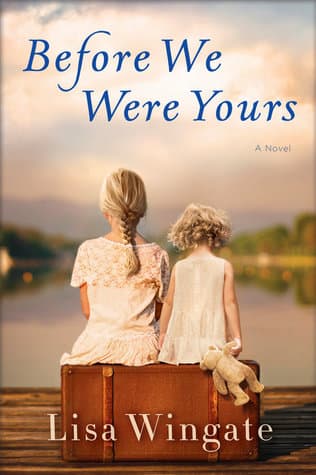
- Before We Were Yours
Lisa Wingate
4.4 (376k) average on GoodreadsHistorical FictionFeatures a dual timeline mystery uncovering dark historical secrets and family connections.
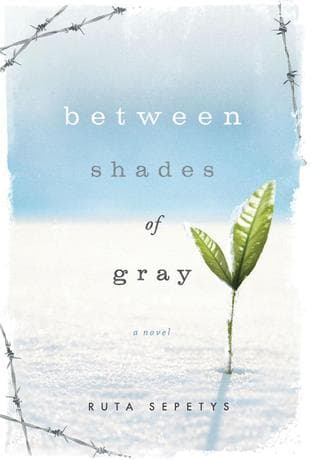
- Between Shades of Gray
Ruta Sepetys
4.4 (164k) average on GoodreadsHistorical FictionWhile both books explore human rights abuses through a historical lens, Sepetys focuses on Soviet deportations during WWII, offering a different geographical and temporal scope. Sepetys excels in depicting individual resilience, a strength shared by Latham, but Dreamland Burning's direct engagement with American racial violence provides a unique and crucial contribution to the YA canon.
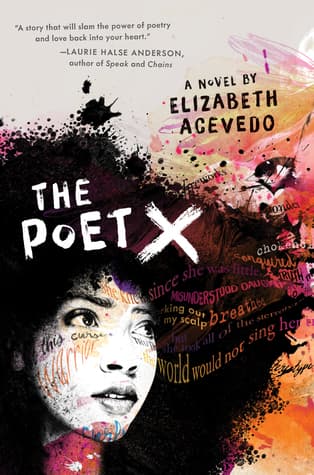
- The Poet X
Elizabeth Acevedo
4.4 (62k) average on GoodreadsYoung AdultAcevedo's novel is a powerful contemporary YA work written in verse, focusing on identity and social issues through a modern lens. It offers a vastly different narrative experience and focus than Latham's historical mystery. While Acevedo masterfully uses language to explore complex themes, Latham's strength lies in her meticulous historical reconstruction and the intricate weaving of past and present to illuminate the ongoing impact of historical trauma.
- To Kill a Mockingbird
Harper Lee
4.3 (4.5M) average on GoodreadsHistorical FictionIn the 1930s Jim Crow South, Harper Lee writes about racial injustice, moral growth, and the quiet courage of a lawyer father, Atticus Finch, as seen through his young daughter's eyes.
- The Great Gatsby
F. Scott Fitzgerald
3.9 (3.8M) average on GoodreadsHistorical FictionIn the opulent Roaring Twenties, a mysterious millionaire's lavish parties hide his desperate, tragic pursuit of a lost love, exposing the emptiness within the American Dream.


Enjoyed the summary?
A summary gives you the shape of the book. The book itself has the detail, the examples and the voice.
Find Dreamland Burning on AmazonAs an Amazon Associate, BookBrief earns from qualifying purchases. How we're funded