

Synopsis
Covers the whole plot, including the ending.
- Difficulty
- Easy
- Pacing
- Moderate
- Mood
- Heartwarming, Hopeful, Romantic, Tense
- Read it if
- You enjoy classic wartime romance with a focus on human kindness and difficult choices.
- Skip it if
- You prefer fast-paced action thrillers or stories with a cynical view of love during wartime.
Fair Stood the Wind For France Plot Summary
Covers the whole plot, including the ending.
The Crash Landing
RAF Flight Lieutenant John Franklin crash-lands his Wellington bomber in Occupied France after being hit by anti-aircraft fire. His arm is badly injured, and the plane burns. He and his four crew members — Sergeants Davies, Evans, O'Connor, and Robinson — escape the wreckage. Lost in enemy territory, they search for shelter and medical help for Franklin's worsening injury. They know the danger of German patrols and the urgent need for aid.
A Family's Compassion
Desperate, the crew finds a remote, rundown farm. The de Baynes family, especially the stern Madame de Baynes and her wary son, Alphonse, are suspicious. However, the eldest daughter, Françoise, takes pity on the injured John Franklin and his exhausted crew. Despite the huge risk under German occupation, the family reluctantly agrees to hide the airmen in their barn. Françoise, practical and strong, immediately tends to Franklin's severe arm wound, showing courage and resourcefulness.
Healing and Growing Bonds
Under Françoise's careful attention, John Franklin's arm slowly heals, though the pain is intense and recovery is long. She cleans and dresses his wound daily, often with few supplies. Her gentle touch and steady care give him comfort and hope. During this time, Franklin, still weak, observes the hard, simple life of the de Baynes family. He learns about their struggles under occupation and their quiet resilience. A deep, unspoken understanding begins between John and Françoise, bridging their language barrier and different backgrounds.
Tension and Daily Life
The other crew members, Davies, Evans, O'Connor, and Robinson, are also hidden in a concealed part of the barn, growing restless and anxious. Madame de Baynes and Alphonse remain cautious, constantly reminding the airmen of the danger they pose to the family. Françoise, however, is their main contact, bringing them food and news, and quietly mediating between the airmen and her cautious family. The constant threat of German patrols, who sometimes pass near the farm, creates an undercurrent of fear for everyone.
A Deepening Romance
As weeks pass, and John Franklin regains strength, his bond with Françoise becomes love. They spend hours together, often in the quiet evenings or during his recovery, communicating through gestures, broken French, and shared looks. John is captivated by her resilience, quiet beauty, and spirit. Françoise is drawn to his kindness, vulnerability, and underlying strength. Their secret love grows intensely amid the war, a sign of hope and tenderness in a brutal world.
The Search for Escape
The other airmen, especially the more impulsive Sergeant Davies, grow agitated by their long confinement. They want action and to return to England. Discussions begin about escape routes and contacting the French Resistance, though the de Baynes family is understandably hesitant to get involved in anything that might directly expose them to German retaliation. John Franklin, deeply in love with Françoise, also feels the call of duty and responsibility for his crew, making his emotional conflict sharper.
A Difficult Decision
John Franklin is torn between his love for Françoise and his loyalty to his crew and country. He knows that staying with Françoise means abandoning his duty and putting the de Baynes family in even greater danger. Françoise also understands their impossible situation, knowing John must eventually try to escape. Their love, though powerful, is overshadowed by the harsh realities of war. The emotional intensity between them grows as separation becomes more real, forcing them to face the inevitable.
The Resistance Contact
Through a cautious network, a French Resistance contact is made. The plan involves a dangerous journey across the countryside, aiming for the Spanish border. The de Baynes family, especially Françoise, helps gather what few supplies they can for the journey. The airmen prepare for the arduous and risky trek, knowing capture means imprisonment or worse. The goodbyes are emotional, especially for John and Françoise, who know this parting might be permanent.
The Perilous Journey
John Franklin and his crew, guided by a local Resistance member, begin their secret journey across Occupied France. They travel mostly by night, avoiding roads and villages, enduring hunger, cold, and constant fear. The journey involves close calls with German patrols and the constant threat of betrayal. The physical demands are immense, testing their endurance. John carries the memory of Françoise, which is both a comfort and a painful reminder of what he left behind, fueling his determination to survive.
A Glimmer of Hope
After weeks of difficult travel, facing many dangers, the crew, though tired, successfully reaches the Spanish border. Their Resistance guide confirms that the final part of the journey, crossing the Pyrenees, will be the most challenging but also the most promising. The prospect of freedom, of returning to England, is almost within reach, yet the dangers remain high. John, despite his relief, keeps thinking of Françoise, wondering if he will ever see her again.
The Promise of Return
As the crew prepares for the final push across the border, John Franklin thinks of his love for Françoise. He reflects on their time together, her tenderness and strength, and her impact on his life. He makes a silent vow to himself that if he survives and returns to England, he will find a way to come back for her. This promise becomes his driving force, a personal mission tied to his duty to escape. The story ends with the crew near freedom, their fates, and John's promise, uncertain.
Principal Figures
Flight Lieutenant John Franklin
Protagonist
A British bomber pilot, injured and in love.
John Franklin is a brave and dutiful RAF pilot, initially focused solely on his mission and the safety of his crew. His severe injury during the crash landing leaves him vulnerable, forcing him into a period of dependence and introspection. He is a man of honor and quiet strength, but also capable of deep emotional connection. His time with the de Baynes family, particularly Françoise, awakens a profound romantic side, challenging his military resolve and sense of duty.
Relationships: Françoise de Baynes (Intense, passionate love affair); Sergeant Davies, Evans, O'Connor, Robinson (Commander and crew, responsible for their safety); Madame de Baynes (Recipient of her reluctant hospitality); Alphonse de Baynes (Recipient of his wary hospitality)
Françoise de Baynes
Protagonist/Love Interest
A resilient French farm girl who shelters the airmen and falls in love with John.
Françoise is a young, intelligent, and fiercely independent French woman. Living under German occupation, she embodies resilience, resourcefulness, and quiet courage. She takes on the responsibility of caring for John Franklin, displaying a practical, empathetic nature. Despite the immense risks, her compassion and strength allow her to defy the dangers around her. Her love for John is genuine and deep, showcasing her capacity for profound emotional connection amidst hardship.
Relationships: John Franklin (Intense, passionate love affair); Madame de Baynes (Daughter, providing care and support); Alphonse de Baynes (Sister, sharing the burdens of the farm)
Madame de Baynes
Supporting
The cautious and wary matriarch of the de Baynes family.
Madame de Baynes is the stern, pragmatic mother of Françoise and Alphonse. She is deeply fearful of the German occupation and the severe repercussions of harboring enemy airmen. Her initial reluctance to help is rooted in a fierce desire to protect her family and their meager existence. While she eventually agrees to shelter the airmen, her mistrust and anxiety remain palpable throughout their stay, constantly reminding everyone of the perilous situation.
Relationships: Françoise de Baynes (Mother, relies on her for farm work and care); Alphonse de Baynes (Mother, shares the burden of the farm); John Franklin and crew (Reluctant host, fearful of their presence)
Alphonse de Baynes
Supporting
The reserved and suspicious son of the de Baynes family.
Alphonse is Françoise's brother, a quiet and somewhat sullen young man. Like his mother, he is acutely aware of the dangers presented by the German occupation and the presence of the British airmen. He is less outwardly compassionate than Françoise, often mirroring his mother's wariness and suspicion. He carries out his duties on the farm, but his interactions with the airmen are minimal and marked by a cautious distance, reflecting his fear and the burden of their secret.
Relationships: Françoise de Baynes (Brother, shares the burden of the farm); Madame de Baynes (Son, works alongside her on the farm); John Franklin and crew (Wary host, keeps his distance)
Sergeant Davies
Supporting
A restless and impatient member of Franklin's crew.
Sergeant Davies is one of John Franklin's crew members, characterized by his impatience and growing restlessness during their prolonged hiding. He is eager to return to action and chafes under the inactivity and danger of their situation. His desire for escape is often more overt than the others, creating a sense of urgency and sometimes tension within the group. He represents the common soldier's desire to resume fighting and return home.
Relationships: John Franklin (Crew member, looks to him for leadership); Sergeant Evans, O'Connor, Robinson (Fellow crew members, shares their predicament)
Sergeant Evans
Supporting
A steady and reliable member of Franklin's crew.
Sergeant Evans is another member of Franklin's crew, portrayed as steady and generally compliant. He endures the hiding with less overt complaint than Davies, but still feels the strain of their confinement. He is a dependable presence, following Franklin's lead and supporting the group's efforts to remain hidden and eventually escape. He represents the quiet endurance of many soldiers during wartime.
Relationships: John Franklin (Crew member, loyal to his commander); Sergeant Davies, O'Connor, Robinson (Fellow crew members, shares their predicament)
Sergeant O'Connor
Supporting
A quiet and observant member of Franklin's crew.
Sergeant O'Connor is one of the more reserved members of the crew. He is observant and often keeps his thoughts to himself, but his presence contributes to the overall dynamic of the trapped airmen. He processes the danger and the emotional toll of their situation internally, representing the varied ways individuals cope with extreme stress and isolation. His quiet nature offers a contrast to the more vocal restlessness of Davies.
Relationships: John Franklin (Crew member, follows his lead); Sergeant Davies, Evans, Robinson (Fellow crew members, shares their predicament)
Sergeant Robinson
Supporting
A pragmatic and adaptable member of Franklin's crew.
Sergeant Robinson is another member of the bomber crew, often depicted as pragmatic and adaptable. He adjusts to the difficult circumstances of hiding in Occupied France, contributing to the group's survival in practical ways. While he also desires to return home, his approach is more grounded than Davies', focusing on the immediate needs and challenges. He represents the resilience and practicality required for survival in wartime.
Relationships: John Franklin (Crew member, respects his commander); Sergeant Davies, Evans, O'Connor (Fellow crew members, shares their predicament)
Themes & Insights
Love Amidst War
This theme explores how love can grow in perilous and unlikely situations. The connection between John Franklin and Françoise de Baynes shows humanity's need for intimacy, even amid war's brutality and fear. Their secret romance, developed in the barn and fields of occupied France, contrasts the destructive forces of conflict with the life-affirming power of human affection, seen in Françoise's care for John's wound and their private moments.
“He knew he loved her, and that this love was something apart from the war, something that had grown in the very heart of danger.”
Duty vs. Desire
This theme focuses on John Franklin's internal conflict between his military duty to escape with his crew and his desire to stay with Françoise. His responsibility to his country and men clashes with the deep personal bond he has formed. This struggle is clear as he debates escape plans while longing to remain with Françoise. It shows the sacrifices war demands, not just physical, but emotional and moral, highlighting the difficult choices people face when personal happiness conflicts with a greater cause.
“He was a soldier, and she was France, and they were enemies in a way, yet bound together by a love that transcended flags and loyalties.”
Resilience and Survival
The novel shows human resilience in extreme adversity. Both the British airmen, enduring hiding and a hard journey, and the de Baynes family, risking their lives daily under occupation, show this theme. Françoise's steady care for John, her family's quiet defiance in sheltering the enemy, and the airmen's determination to escape all demonstrate an incredible ability to survive and maintain dignity amid constant threat. This theme is seen in the de Baynes's ability to keep their farm life going despite German patrols and scarcity.
“It was a strange, silent war they fought, not with guns, but with patience and cunning and the sheer will to live.”
The Human Cost of War
Beyond battles, the story shows the personal and emotional toll of war on ordinary people. The de Baynes family's constant fear, poverty, and threat of German reprisals highlight civilian suffering. For the airmen, it is the trauma of the crash, the anxiety of hiding, and the painful separation from loved ones, shown by John's forced departure from Françoise. The novel illustrates that war's impact extends beyond the battlefield, affecting homes, families, and individual hearts.
“Every day was a gamble, every shadow a potential enemy, every kindness a risk that could cost them everything.”
Plot Devices & Literary Techniques
The Hidden Sanctuary
The de Baynes farm serves as a physical and emotional refuge.
The remote, dilapidated de Baynes farm functions as a crucial plot device, providing a clandestine sanctuary for the airmen. It is both a place of physical hiding from the Germans and a space where John Franklin can heal and recover. More importantly, it creates the isolated, intimate environment necessary for the intense romance between John and Françoise to blossom, shielded from the immediate chaos of war. The farm's rural isolation amplifies the emotional intensity of their connection, making their eventual separation even more poignant.
The Language Barrier
The communication challenges deepen emotional connection.
The language barrier between John Franklin and Françoise, and the rest of the de Baynes family, is a significant plot device. Initially, it highlights their cultural differences and the difficulty of their situation. However, it paradoxically forces John and Françoise to communicate through gestures, glances, and a few shared words, deepening their emotional connection beyond verbal expression. This non-verbal communication fosters a more profound, intuitive understanding between them, making their love feel more pure and elemental, transcending superficialities.
The Injured Arm
John Franklin's injury creates dependency and intimacy.
John Franklin's severely injured arm is a key plot device. It renders him vulnerable and dependent, forcing Françoise to become his primary caregiver. This intimate act of nursing and healing is the catalyst for their initial bond and the subsequent development of their profound love. The prolonged recovery period keeps John confined to the farm, allowing their relationship to deepen away from the immediate pressures of escape. It symbolizes his physical and emotional vulnerability that Françoise so tenderly addresses.
The French Resistance Contact
The Resistance provides the means of escape and forces choices.
The eventual contact with the French Resistance acts as a critical plot device for moving the narrative forward. It introduces the possibility of escape, thus forcing John Franklin to confront his duty versus his love for Françoise. The Resistance represents the external world of war breaking into their sheltered existence, making their continued hiding unsustainable. It provides the mechanism for the airmen's journey home, while simultaneously orchestrating the painful separation of the lovers, highlighting the sacrifices demanded by wartime imperatives.
Fair Stood the Wind For France Quotes
“They were free, and they were alive, and they were together, and that was all that mattered.”
“Love was not a thing of words, but of the heart, and the heart spoke in many ways.”
“There were moments when the beauty of the world, even in its ravaged state, seemed almost unbearable.”
“Hope was a fragile thing, easily broken, but it was also surprisingly resilient.”
“The greatest courage was not in fighting, but in enduring.”
“Every step was a gamble, every decision a life or death choice.”
“You learned to live in the moment, because the next moment might never come.”
“The wind, which had brought them down, might also carry them home.”
“Silence could be a language all its own, speaking volumes where words would fail.”
“Fear was a constant companion, but it was not the master.”
“There was a fierce tenderness in their shared vulnerability.”
“Sometimes, the simplest acts of kindness were the most profound.”
“The taste of freedom, even a fleeting glimpse of it, was intoxicating.”
“War stripped away much, but it also revealed the enduring strength of the human spirit.”
Quiz
10 questions on the plot and the characters. Each answer comes with a short explanation.
Question 1
What is the primary reason John Franklin's plane is brought down into Occupied France?
- He ran out of fuel during a reconnaissance mission.
- His plane was shot down by enemy fire.
- He brought it down due to an emergency, including his injured arm.
- He was attempting a secret landing to meet French Resistance.
Show answer
C. He brought it down due to an emergency, including his injured arm. The synopsis states that John Franklin brings his plane down due to two things in his mind: the safety of his crew and his own badly injured arm, implying an emergency landing rather than being shot down or running out of fuel.
Question 2
Who offers protection to John Franklin and his crew after their plane goes down?
- A group of French Resistance fighters.
- The family of a French farmer.
- A sympathetic French doctor in a nearby town.
- A convent of nuns.
Show answer
B. The family of a French farmer. The synopsis explicitly states, 'It is a stroke of unbelievable luck when the family of a French farmer risk their lives to offer the airmen protection.'
Question 3
What is the nature of the relationship that develops between John Franklin and the French farmer's daughter?
- They develop a strong platonic friendship.
- They become co-conspirators in a resistance plot.
- They are drawn 'inexorably to each other,' hinting at a romantic connection.
- She helps him escape without forming a personal bond.
Show answer
C. They are drawn 'inexorably to each other,' hinting at a romantic connection. The synopsis notes, 'During the hot summer weeks that follow, the English officer and the daughter of the house are drawn inexorably to each other,' which strongly indicates a developing romance.
Question 4
What historical period does the novel 'Fair Stood the Wind For France' take place in?
- The First World War.
- The height of the Second World War.
- The Napoleonic Wars.
- The Cold War.
Show answer
B. The height of the Second World War. The synopsis clearly states, 'When John Franklin brings his plane down into Occupied France at the height of the Second World war...'
Question 5
What specific injury does John Franklin sustain when his plane comes down?
- A broken leg.
- A head injury.
- A badly injured arm.
- Severe burns.
Show answer
C. A badly injured arm. The synopsis mentions, 'there are two things in his mind - the safety of his crew and his own badly injured arm.'
Question 6
How do the French farmer's family's actions of sheltering the airmen reflect a significant theme of the novel?
- It highlights the universal desire for revenge against the occupation.
- It showcases the profound risks and humanity involved in aiding Allied soldiers in occupied territory.
- It demonstrates the economic benefits of harboring downed airmen.
- It emphasizes the strict neutrality of French civilians during the war.
Show answer
B. It showcases the profound risks and humanity involved in aiding Allied soldiers in occupied territory. The synopsis states the family 'risk their lives to offer the airmen protection,' directly illustrating the dangers and the humanity involved in such acts during wartime.
Question 7
According to The Telegraph's review, what quality makes 'Fair Stood the Wind for France' 'perhaps the finest novel of the war'?
- Its detailed historical accuracy of wartime tactics.
- Its complex and multi-layered plot structure.
- Its simple and direct characterisation and writing.
- Its focus on political intrigue and espionage.
Show answer
C. Its simple and direct characterisation and writing. The Telegraph review states, 'Simple and direct in its characterisation and writing, Fair Stood the Wind for France is perhaps the finest novel of the war...'
Question 8
What emotional impact does The Telegraph review suggest the characters in the novel have on the reader?
- They instill a sense of fear and anxiety.
- They make the heart beat with pride.
- They evoke feelings of despair and hopelessness.
- They inspire intellectual debate.
Show answer
B. They make the heart beat with pride. The Telegraph review concludes, 'This is a fine book which makes the heart beat with pride.'
Question 9
The Daily Mail review describes the writing style as 'Beautiful but simply written: every word, one feels, has its place, every sentence its purpose.' What literary device or quality does this observation primarily highlight?
- Extensive use of metaphor and allegory.
- Conciseness and deliberate precision in prose.
- Stream of consciousness narration.
- Highly ornate and descriptive language.
Show answer
B. Conciseness and deliberate precision in prose. The phrase 'every word, one feels, has its place, every sentence its purpose' directly points to a writing style that is concise, deliberate, and precise, where no words are wasted.
Question 10
Considering the provided descriptions, what is the core conflict that drives the narrative of 'Fair Stood the Wind For France'?
- The struggle between the French Resistance and the German occupation forces.
- The internal conflict of John Franklin over his duty versus his personal feelings.
- The immediate danger of being an Allied airman in occupied territory, compounded by a developing romance under perilous circumstances.
- The cultural clash between English and French wartime societies.
Show answer
C. The immediate danger of being an Allied airman in occupied territory, compounded by a developing romance under perilous circumstances. The synopsis combines John Franklin's perilous situation in Occupied France ('safety of his crew and his own badly injured arm') with the 'unbelievable luck' of protection and the 'inexorably' developing romance, indicating the central conflict is the survival amidst danger intertwined with a personal relationship.
Fair Stood the Wind For France FAQ
What is the primary setting and historical context of 'Fair Stood the Wind For France'?
The novel is set in Occupied France during the height of World War II, specifically in a rural farming community. This backdrop establishes a constant atmosphere of danger and the ever-present threat of German patrols, shaping the choices and relationships of the characters.
Who is John Franklin and what initial predicament does he face?
John Franklin is an English officer and pilot whose plane crashes in Occupied France. His initial predicament involves not only ensuring the safety of his crew but also dealing with a severely injured arm, making him vulnerable and dependent on the kindness of strangers.
Who are the French family that offers refuge to Franklin and his crew?
The French family is the Marou family, led by the farmer, Monsieur Marou, and his wife. Their daughter, Françoise, plays a central role in sheltering the airmen and subsequently developing a deep connection with John Franklin.
Describe the evolving relationship between John Franklin and Françoise Marou.
Their relationship begins as one of rescuer and rescued, but during the hot summer weeks spent in hiding, they are drawn to each other through shared vulnerability, quiet moments, and a growing emotional intimacy. It blossoms into a tender and passionate romance, despite the perilous circumstances.
What are the main themes explored in the novel?
The novel explores themes of love amidst war, the courage of ordinary people in extraordinary times, the human capacity for compassion and sacrifice, and the profound impact of conflict on individual lives and relationships. It highlights the resilience of the human spirit.
How does the rural French setting contribute to the novel's atmosphere and plot?
The secluded rural setting provides both a sanctuary and a trap. Its remoteness offers a degree of isolation from immediate German scrutiny, allowing the romance to develop, but also makes escape difficult and heightens the tension of discovery, as every sound and movement carries risk.
Are there any subtle indications of the broader Resistance movement or Allied efforts beyond the immediate rescue?
While the novel focuses on the intimate story of the airmen and the Marou family, there are subtle hints of the broader resistance through the family's careful network and knowledge of escape routes. The airmen's eventual attempt to reach Spain connects them to larger Allied escape lines, though the details are kept in the background.
What role do the other members of Franklin's crew play in the story, beyond their initial survival?
The other crew members, though less central than Franklin, provide a collective presence that reminds the reader of the wider war and the shared burden of survival. Their individual reactions to being hidden and their interactions with the Marou family highlight different aspects of wartime stress and camaraderie.
How does the 'hot summer weeks' mentioned in the synopsis influence the narrative and character development?
The extended period of confinement during a hot summer intensifies the emotional atmosphere. The heat and idleness create a hothouse environment where emotions ripen quickly, fostering intimacy between John and Françoise, while also increasing the psychological strain and the longing for freedom.
Analyze John Franklin's psychological state throughout his ordeal.
Initially, Franklin is driven by responsibility and survival, but his injury and dependence lead to vulnerability. As he recovers and falls in love, he experiences a conflict between his military duty and his deep personal feelings, leading to a profound internal struggle about his future and loyalty.
What psychological impact does sheltering the airmen have on Françoise and her family?
Françoise and her family endure immense psychological strain, living under constant fear of discovery and reprisal. Françoise, in particular, grapples with the emotional intensity of her love for John, knowing its fragility and the potential heartbreak it entails, all while maintaining a façade of normalcy.
How does the novel portray the psychological burden of secrecy and paranoia in Occupied France?
The novel vividly portrays the psychological burden of secrecy through the Marou family's meticulous precautions and the airmen's forced silence. Every German patrol, every unfamiliar face, and every unexpected sound fuels paranoia, creating an atmosphere of constant, low-level dread that permeates their daily lives.
Discuss the internal conflict John faces regarding his return to duty versus his love for Françoise.
John faces a profound internal conflict between his commitment to the RAF and his blossoming love for Françoise. While duty calls him back to the war, his heart binds him to her, creating a painful dilemma that forces him to choose between two powerful loyalties and desires, each with significant consequences.
Is the ending of the novel primarily hopeful or bittersweet, and why?
The ending is often interpreted as bittersweet. While there is a sense of accomplishment and the potential for reunion, the lingering uncertainties of war and the sacrifices made, particularly the separation and the unknown future, imbue it with a poignant blend of hope and sorrow.
How does the title 'Fair Stood the Wind For France' relate to the novel's themes or plot?
The title, a line from the medieval ballad 'Sir Patrick Spens,' refers to favorable winds for sailing. In the novel, it metaphorically represents the fleeting moments of hope, luck, or opportunity for escape and survival amidst the harsh realities of war, often hinting at a chance to return home or find freedom.
Could Françoise be seen as a symbol of France itself, enduring hardship but offering solace and hope?
Yes, Françoise can be interpreted as a symbolic representation of France under occupation: resilient, suffering, yet capable of profound courage, compassion, and beauty. Her quiet strength and capacity for love offer a beacon of hope and humanity amidst the desolation of war.
How does the simplicity of the writing style, as noted by critics, enhance the emotional impact of the story?
The simple, direct writing style enhances the emotional impact by allowing the raw emotions and perilous situations to speak for themselves without elaborate prose. It creates an immediacy and authenticity that draws the reader deeply into the characters' experiences, making their struggles and triumphs more visceral.
Does the novel offer a clear moral stance on the actions of the Marou family, or does it present their choices more ambiguously?
The novel presents the Marou family's choices as unequivocally courageous and morally righteous. Their selfless act of sheltering the airmen, despite the immense risks, is portrayed as a testament to human decency and resistance against oppression, leaving no ambiguity about the heroism of their actions.
About the author

H.E. Bates was a British author known for his contributions to fiction during the 20th century. His notable works include "The Darling Buds of May," a pastoral novel that captures rural life in England, and "Fair Stood the Wind For France," which explores themes of love and sacrifice during wartime.
Similar books
- The Nightingale
Kristin Hannah
4.6 (698k) average on GoodreadsHistorical FictionFeatures sisters in occupied France during WWII, dealing with resistance and romance.
- A Town Like Alice
Nevil Shute
4.1 (49k) average on GoodreadsHistorical FictionWartime romance with a focus on survival and the human spirit in challenging circumstances.
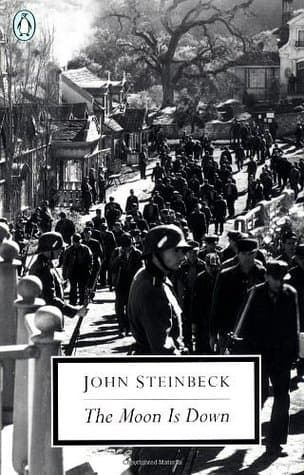
- The Moon Is Down
John Steinbeck
3.9 (20k) average on GoodreadsLiterary FictionWhile both novels depict occupation and resistance, Steinbeck's The Moon is Down (1942) focuses on a Norwegian town's collective, organized resistance against a clearly defined, morally bankrupt occupying force, often feeling more allegorical. Bates's novel, by contrast, is more personal and character-driven, emphasizing the individual choices and emotional landscape of a single French family and the downed pilot, making its conflict more internal and its romance more central. Steinbeck's work is less about individual relationships and more about the spirit of a community under duress.
- To Kill a Mockingbird
Harper Lee
4.3 (4.5M) average on GoodreadsHistorical FictionIn the 1930s Jim Crow South, Harper Lee writes about racial injustice, moral growth, and the quiet courage of a lawyer father, Atticus Finch, as seen through his young daughter's eyes.
- The Great Gatsby
F. Scott Fitzgerald
3.9 (3.8M) average on GoodreadsHistorical FictionIn the opulent Roaring Twenties, a mysterious millionaire's lavish parties hide his desperate, tragic pursuit of a lost love, exposing the emptiness within the American Dream.
- Pride and Prejudice
Jane Austen
4.3 (3M) average on GoodreadsHistorical FictionIn a society focused on status and money, Elizabeth Bennet navigates love and pride, challenging Mr. Darcy and social expectations to find true affection.





Enjoyed the summary?
A summary gives you the shape of the book. The book itself has the detail, the examples and the voice.
Find Fair Stood the Wind For France on AmazonAs an Amazon Associate, BookBrief earns from qualifying purchases. How we're funded