

Synopsis
Covers the whole plot, including the ending.
- Difficulty
- Medium
- Pacing
- Moderate
- Mood
- Heartbreaking, Hopeful, Romantic, Tense, Emotional
- Read it if
- You enjoy sweeping historical romances set during WWII with high stakes and moral dilemmas.
- Skip it if
- You prefer lighthearted reads or find war-time tragedies too emotionally heavy.
From Sand and Ash Plot Summary
Covers the whole plot, including the ending.
Childhood Bonds and Early Promises
Eva Rosselli and Angelo Bianco's story begins in their childhood in Florence, Italy. Eva, a Jewish girl, often spends time with Angelo and his family, forming a close bond despite their different religions. Angelo's older brother, Marco, is considering the priesthood, and Angelo himself feels drawn to the Church from a young age. Their innocent friendship grows into a romantic affection as they become teenagers, marked by shared secrets and unspoken feelings. Eva's family is traditional, while Angelo's is Catholic, setting the stage for future conflicts between their love and their faiths.
A Love Forbidden
As Eva and Angelo grow up, their childhood affection becomes a deep, undeniable love. They share secret moments and promises of a future, despite societal and religious barriers. However, Angelo's sense of duty and spiritual calling grow stronger. He struggles with his feelings for Eva and his commitment to God, deciding to enter the seminary and become a priest. This choice devastates Eva, who feels abandoned, marking a turning point in their relationship and their individual lives.
Years Apart and War's Shadow
Over ten years pass. Angelo is now Father Angelo Bianco, a respected priest in Florence. Eva, still heartbroken but strong, has built a life. However, World War II looms over Italy. In 1943, as Germany occupies much of the country, the persecution of Jewish people increases. Eva's family, like all Jews, faces curfews, restrictions, and the threat of deportation. Her father, a tailor, tries to keep his family safe amidst the danger, making Eva face the harsh realities of their existence.
A Desperate Plea and Sanctuary
The situation for the Rosselli family becomes serious. Eva's younger sister, Sofia, is arrested, and the Gestapo's presence in Florence grows. Desperate, Eva seeks out Father Angelo. Despite the risk and his vows, Angelo cannot abandon the woman he still loves. He arranges for Eva to hide in a convent, where his mother, Maria, is a nun, pretending to be a Catholic refugee. This act defies the Nazi regime and his religious superiors.
Life in Hiding
Life in the convent is very different from Eva's previous life. She takes on the identity of 'Sister Emilia' and learns the routines of a nun. To her surprise, Eva finds she is not the only Jew hidden there. Many others, including children, are secretly protected by the nuns and Father Angelo. This shows the widespread efforts of the Catholic Church to save Jewish lives, even as the war continues. Eva deals with her new identity and the constant fear of discovery, while also finding a community among the refugees.
Risking Everything
Despite the constant threat, Eva helps the convent's efforts to aid hidden Jews, using her resourcefulness. Angelo uses his position to get papers, food, and safe passage for others, often risking his life. Their secret meetings and shared purpose reignite their feelings, turning their forbidden love into a force for good. They become partners in a life-saving mission, their actions strengthening a bond that goes beyond their past and present, even as the risk of exposure increases.
Betrayal and Escape
The convent's safety ends when their operation is betrayed. A Gestapo raid is near, forcing Father Angelo and the Mother Superior to plan the refugees' escape. Eva, with many others, must leave their sanctuary. Angelo arranges their dangerous journey, sending them south towards Allied lines, hoping for freedom. This crisis shows the constant danger and courage needed to survive, as Eva and Angelo are again separated.
A Perilous Journey South
Eva's escape means a brutal journey across war-torn Italy. She travels with other refugees, facing hunger, exposure, and the danger of German patrols. They see the war's devastation, civilian suffering, and the brutality of the occupying forces. Eva's strength is tested as she endures hardships, hoping to reach safety and reunite with Angelo. This time is marked by loss and despair, but also by kindness from strangers.
Reunion and Sacrifice
Against all odds, Eva and Angelo reunite in a small village further south. Their joy is mixed with sadness, as the war continues. They spend a short, precious time together, confirming their love, but their reunion is cut short by a new threat. Angelo faces an impossible choice: save Eva or save a group of Jewish children he promised to protect, who are in immediate danger. This agonizing choice makes both Eva and Angelo confront the ultimate sacrifice, testing their commitment to each other and their shared humanity.
The War's Aftermath and A New Beginning
The war ends, leaving a devastated land and broken lives. Eva and Angelo survive, but their experiences have changed them. They navigate a rebuilding world, confronting the pain and trauma of their past. Their love, forged in war and sacrifice, remains. However, Angelo is still a priest, bound by his vows, and Eva carries her losses. They must decide if their love can have a future, or if their paths must remain separate, forcing them to make the most difficult decision: whether to choose each other, despite everything.
From Sand and Ash Characters
Eva Rosselli
Protagonist
A resilient Jewish woman who falls in love with a Catholic priest amidst the horrors of WWII.
Eva is intelligent, passionate, and fiercely independent. Growing up Jewish in Florence, she forms an unbreakable bond with Angelo Bianco, her childhood friend. Her love for Angelo is profound and enduring, despite his choice to enter the priesthood. When the war erupts and her people are persecuted, Eva displays immense courage and resourcefulness, first in hiding and then in actively helping others. She is driven by a deep sense of justice and compassion, refusing to be a passive victim. Her experiences harden her but never extinguish her spirit or her capacity for love.
Relationships: Angelo Bianco (Childhood friends, forbidden lovers, partners in resistance); Sofia Rosselli (Younger sister, whom Eva deeply loves and grieves); Maria Bianco (Angelo's mother, a nun who shelters Eva)
Angelo Bianco
Protagonist
A devout Catholic priest torn between his sacred vows and his lifelong love for Eva.
Angelo is deeply spiritual, compassionate, and unwavering in his faith, but also fiercely loyal to those he loves. From a young age, he feels a strong calling to the priesthood, a path he chooses despite his profound love for Eva. As a priest during WWII, he embodies courage and moral conviction, risking his life to shelter Jewish people, including Eva. He grapples with immense internal conflict between his priestly vows of celibacy and his enduring romantic feelings for Eva, believing his duty to God and humanity must come first. He is a man of integrity, driven by a desire to do what is right, even at great personal cost.
Relationships: Eva Rosselli (Childhood friends, forbidden lovers, partners in resistance); Maria Bianco (His mother, a nun who supports his choices); Marco Bianco (His older brother, also a priest)
Sofia Rosselli
Supporting
Eva's younger sister, a bright and innocent girl who becomes a casualty of the war.
Sofia is Eva's beloved younger sister, characterized by her youthful innocence, sweetness, and artistic talent. She is vibrant and full of life, representing the hope and beauty that the war threatens to extinguish. Her arrest and eventual fate serve as a powerful catalyst for Eva's desperate actions and highlight the devastating impact of the Holocaust on individual families. Sofia's memory continues to motivate Eva and underscores the profound personal losses suffered during the war.
Relationships: Eva Rosselli (Sisterly bond, deep affection and protection); Mr. Rosselli (Father)
Maria Bianco
Supporting
Angelo's mother, a compassionate nun who helps shelter Jewish refugees.
Maria Bianco is Angelo's mother and a nun in the convent where Eva is hidden. She is a woman of deep faith and immense compassion, embodying the moral courage of those in the Church who defied the Nazis. She understands the depth of the bond between Eva and Angelo, and despite her religious devotion, she supports her son's dangerous efforts to save lives. Maria provides a maternal figure and a source of strength for Eva during her time in hiding, exemplifying selfless love and unwavering commitment to humanity.
Relationships: Angelo Bianco (Mother-son bond, supportive and understanding); Eva Rosselli (Protector and maternal figure)
Mr. Rosselli
Supporting
Eva's father, a proud Jewish tailor who tries to protect his family.
Mr. Rosselli is Eva's father, a hardworking and proud Jewish tailor in Florence. He is a traditional family man, deeply devoted to his wife and daughters. As the war escalates, he struggles to maintain a sense of normalcy and protect his family from the increasing persecution. His character represents the resilience and quiet dignity of the Jewish community facing unimaginable threats. His eventual fate is a poignant reminder of the widespread suffering and loss during the Holocaust, leaving Eva with profound grief and a determination to survive.
Relationships: Eva Rosselli (Father-daughter bond, protective and loving); Sofia Rosselli (Father-daughter bond)
Mother Superior
Supporting
The brave head of the convent who orchestrates the hiding of Jewish refugees.
The Mother Superior is a figure of immense strength, wisdom, and moral conviction. As the head of the convent, she makes the courageous and dangerous decision to shelter Jewish refugees, including Eva, defying Nazi orders. She maintains strict discipline and secrecy to protect those under her care, demonstrating extraordinary leadership under duress. Her actions highlight the collective efforts of the Catholic Church in Italy to resist the Holocaust, often at great personal risk. She serves as a beacon of hope and a testament to the power of faith in action.
Relationships: Angelo Bianco (Colleague in resistance, respected by Angelo); Eva Rosselli (Protector and guide during her time in the convent)
Marco Bianco
Supporting
Angelo's older brother, also a priest, who represents a more traditional view of faith.
Marco Bianco is Angelo's older brother and also a priest. He represents a more traditional and perhaps less radical interpretation of priestly duties compared to Angelo. While he shares a bond with Angelo, his cautious approach often contrasts with Angelo's more daring and compassionate actions in aiding the Jewish population. He provides a foil to Angelo's character, highlighting the different ways individuals within the Church responded to the moral dilemmas of the war. His presence sometimes adds to Angelo's internal conflict regarding his vows and actions.
Relationships: Angelo Bianco (Brotherly relationship, fellow priest); Maria Bianco (Son)
Commandant Becker
Antagonist
A ruthless Gestapo officer responsible for the persecution of Jews in Florence.
Commandant Becker is a brutal and unfeeling Gestapo officer, representing the cruel face of Nazi oppression. He is driven by ideological fanaticism and a chilling efficiency in carrying out the persecution and deportation of Jewish people in Florence. His presence instills fear and serves as a constant threat to Eva, Angelo, and all those they try to protect. He is a relentless pursuer, making him a tangible embodiment of the evil they are fighting against, and he personally contributes to the suffering and loss experienced by the characters.
Relationships: Eva Rosselli (Persecutor and target); Angelo Bianco (Adversary, who Becker seeks to expose)
From Sand and Ash Themes
Forbidden Love and Sacrifice
The main theme explores the love between Eva and Angelo, a Jewish woman and a Catholic priest, which is forbidden by their circumstances and Angelo's vows. Their love requires great sacrifice, forcing Angelo to choose between his spiritual calling and his heart, and Eva to endure heartbreak and separation. Yet, their love drives their courage and shared mission to save lives. It appears in Angelo's decision to hide Eva despite the risk to his priesthood and life, and in their willingness to put others' safety before their own desires, as seen when Angelo must choose between saving Eva or a group of children.
“Love, I’m learning, is a give and take. You give of yourself, and you take what you need from the person you love. And if you’re lucky, you both end up with more than you started with.”
Faith and Moral Courage
This theme looks at how faith, both religious and in people, inspires courage during wartime. Angelo's Catholic faith makes him defy Nazi orders and risk his life to protect Jewish people, showing that true faith is compassionate action. Similarly, the nuns in the convent, led by the Mother Superior and Maria Bianco, show moral courage by offering sanctuary. Eva also uses her inner strength and belief in survival to endure hardships. The story shows how individuals, guided by conscience and belief, can resist evil.
“It is not enough to pray for peace. We must live peace. We must be peace.”
Identity and Belonging
The characters deal with their identities, especially Eva, who must pretend to be Catholic to survive. This theme explores losing oneself, taking on new roles, and trying to keep one's true identity under persecution. For Eva, her Jewish heritage is central to who she is, yet she must hide it. Angelo's identity as a priest is challenged by his love for Eva and his defiant actions. The theme also touches on belonging for the Jewish community in Italy, who become outsiders in their own country.
“I was a Jew, always. But in here, I was Sister Emilia. And outside, I was nothing.”
The Horrors of War and Resilience
The novel shows the realities of World War II and the Holocaust in Italy, from the persecution of Jews to widespread destruction and suffering. It depicts the constant fear, starvation, violence, and loss of wartime life. Despite these horrors, the characters show resilience and the human ability to endure. Eva's journey across war-torn Italy and her will to survive, along with Angelo's commitment to saving lives, show this resilience against adversity. The story acknowledges trauma but also the lasting strength of the human spirit.
“War had a way of stripping away everything until only the bare bones of humanity remained.”
Plot Devices & Literary Techniques
Forbidden Love Trope
The central romantic conflict between Eva and Angelo due to their differing faiths and Angelo's vows.
This device drives the primary emotional conflict of the story. The love between Eva, a Jewish woman, and Angelo, a Catholic priest, is inherently forbidden by societal norms, religious differences, and Angelo's sacred vows. This creates constant internal and external tension, forcing the characters to make agonizing choices between their love and their duties/beliefs. It elevates the stakes of their personal struggles, making their eventual connection all the more poignant and hard-won, while also highlighting the themes of sacrifice and moral dilemmas.
The Sanctuary Trope
The convent serving as a secret hiding place for Jewish refugees.
The convent functions as a physical and symbolic sanctuary, a place of temporary safety and hope amidst the chaos and brutality of war. This device creates a microcosm of resistance within the larger conflict, showcasing the bravery of the Church members who defy the Nazis. It allows for the dramatic tension of discovery and betrayal, as well as providing a setting for Eva's personal transformation and her interactions with other hidden Jews. The sanctuary underscores the theme of moral courage and the desperate measures taken to save lives.
Internal Monologue and Flashbacks
Eva's and Angelo's thoughts and memories providing insight into their past and present struggles.
The novel frequently employs internal monologues, especially from Eva's perspective, to delve into her emotional state, fears, and reflections on her past with Angelo. Flashbacks are used to illustrate their childhood and the development of their love, providing crucial context for their current relationship and the sacrifices they've made. This device allows readers deep access to the characters' inner lives, enhancing empathy and understanding of their motivations and the profound impact of their shared history on their present actions and decisions during the war.
Moral Dilemma
Characters are forced to make impossible choices with profound consequences.
This device is central to the narrative, particularly for Angelo. He constantly faces moral dilemmas, such as choosing between his vows and saving Eva, or later, between saving Eva and saving a group of children. These choices are agonizing and highlight the extreme pressures of wartime, forcing characters to confront their deepest values and the limits of their personal sacrifice. The moral dilemmas underscore the theme of difficult choices and the blurred lines between right and wrong in a world turned upside down by conflict, revealing the true nature of their courage and compassion.
From Sand and Ash Quotes
“Perhaps that was what it meant to be a hero—to do the right thing even when it was the hardest thing.”
“Love wasn't a choice; it was a discovery. A discovery of who you were, who you could become, and who you were meant to be.”
“Some things were meant to be broken, and some things were meant to break you.”
“There was a difference between living and merely existing. We were existing.”
“Even in the darkest of times, there was light, if you were brave enough to look for it.”
“Faith wasn't about knowing; it was about believing, even when you didn't know.”
“The past was a ghost, always there, always haunting, but it couldn't touch you if you didn't let it.”
“Sometimes the greatest courage was found in the quietest acts.”
“We were all just trying to find our way home, whatever that home might be.”
“Silence could be a weapon, a shield, or a comfort. It depended on who wielded it.”
“To forget was to betray. To remember was to honor.”
“He saw me. Not the Jew, not the orphan, not the refugee. Just me.”
“The heart doesn't know about war, or religion, or race. It just knows who it wants.”
“We were all fragile, like glass, and the world was full of hammers.”
Quiz
10 questions on the plot and the characters. Each answer comes with a short explanation.
Question 1
In what year does the main story of 'From Sand and Ash' begin, when Germany occupies much of Italy?
- 1939
- 1941
- 1943
- 1945
Show answer
C. 1943 The book explicitly states the main story begins in Italy, 1943, when Germany occupies much of the country.
Question 2
What is Angelo Bianco's profession when Eva Rosselli seeks his help during the German occupation?
- A soldier in the Italian army
- A Catholic priest
- A doctor
- A resistance fighter
Show answer
B. A Catholic priest Angelo chooses the priesthood despite his feelings for Eva, and is a priest when she needs his help.
Question 3
Where does Angelo initially hide Eva to protect her from the Gestapo?
- In a secret basement of his family home
- Within the walls of a convent
- In a remote mountain cabin
- At a friend's farm in the countryside
Show answer
B. Within the walls of a convent Angelo hides Eva within the walls of a convent, where she discovers other Jews are also being sheltered.
Question 4
What is the primary religious background of Eva Rosselli, which puts her in danger during WWII?
- Catholic
- Protestant
- Jewish
- Orthodox
Show answer
C. Jewish The synopsis clearly states that the German occupation places 'the Jewish population in grave danger,' and Eva is one of the Jews being sheltered.
Question 5
What personal sacrifice does Angelo make in his youth that initially separates him from Eva?
- He moves to another country for work.
- He joins the Italian army.
- He chooses the priesthood.
- He marries another woman.
Show answer
C. He chooses the priesthood. Despite his deep feelings for Eva, Angelo chooses the priesthood, which is described as dividing them by circumstance and religion.
Question 6
How does Eva react to being hidden in the convent, beyond just waiting for deliverance?
- She immediately tries to escape the convent.
- She quietly accepts her fate and remains passive.
- She can't quietly hide and actively seeks ways to help.
- She converts to Catholicism to blend in more easily.
Show answer
C. She can't quietly hide and actively seeks ways to help. The synopsis states, 'But Eva can’t quietly hide, waiting for deliverance, while Angelo risks everything to keep her safe.' This implies she takes an active role.
Question 7
What overarching theme is highlighted by the choices Angelo and Eva face throughout the war?
- The futility of resistance during wartime.
- The conflict between personal desires and moral duty.
- The importance of strict adherence to religious doctrine.
- The ease with which love can overcome all obstacles.
Show answer
B. The conflict between personal desires and moral duty. Angelo's choice of priesthood vs. love, and both facing 'trial after trial, choice after agonizing choice' in a world at war, points to the conflict between personal feelings and the difficult moral duties imposed by their circumstances.
Question 8
What is the 'most difficult decision of all' that Angelo and Eva are left with after fate and fortune collide?
- Whether to stay in Italy or flee to another country.
- Whether to finally be together or maintain their separate paths.
- Whether to reveal the convent's secrets to the authorities.
- Whether to join the resistance movement or remain hidden.
Show answer
B. Whether to finally be together or maintain their separate paths. Given their long-standing love and Angelo's commitment to the church, the 'most difficult decision' after their trials would logically concern their future together or apart.
Question 9
How does the Catholic Church, as depicted in the synopsis, respond to the danger faced by the Jewish population?
- It openly condemns the German occupation but offers no direct aid.
- It remains neutral, avoiding involvement in the conflict.
- It actively shelters Jews within its institutions, like convents.
- It cooperates with the German authorities to maintain peace.
Show answer
C. It actively shelters Jews within its institutions, like convents. Eva discovers she is 'just one of many Jews being sheltered by the Catholic Church' within the convent walls, indicating active protection.
Question 10
What is the significance of the title 'From Sand and Ash' in relation to the book's themes?
- It literally refers to the desert landscape of Italy.
- It symbolizes the destruction of war (ash) and the resilience or rebuilding of life (sand).
- It represents the materials used in constructing the convent where Eva hides.
- It is a direct quote from a religious text central to the story.
Show answer
B. It symbolizes the destruction of war (ash) and the resilience or rebuilding of life (sand). While not explicitly stated in the synopsis, in the context of a WWII story with themes of destruction, love, and survival, 'ash' commonly represents devastation, and 'sand' can symbolize the foundation, resilience, or countless lives, suggesting a theme of finding hope and rebuilding amidst ruin.
From Sand and Ash FAQ
What is the central conflict Eva Rosselli faces at the beginning of the story?
Eva Rosselli, a Jewish woman in Fascist Italy during WWII, faces immediate danger from the Gestapo due to her heritage. With her family gone or in hiding, she has no safe haven and is actively being hunted, leading her to seek help from her childhood friend, Angelo Bianco.
How does Angelo Bianco's role as a priest complicate his relationship with Eva?
Angelo's priesthood creates a significant barrier to his romantic feelings for Eva, as he is bound by vows of celibacy and devotion to the Church. This internal conflict is heightened by his moral obligation to protect her as a priest, even as his personal feelings for her deepen, forcing him to make agonizing choices between his faith and his heart.
What role does the convent play in Eva's survival and the broader narrative?
The convent initially serves as a sanctuary for Eva, where she discovers she is part of a larger network of Jews being hidden by the Catholic Church. It represents a fragile haven from the war's brutality, but also a place where Eva struggles with her forced inactivity and anonymity, eventually pushing her to become more active in the resistance.
Can you describe the evolution of Eva and Angelo's relationship throughout the war?
Their relationship evolves from a deep childhood friendship and unspoken love into a complex bond tested by war, religious vows, and profound danger. Despite Angelo's priesthood, their love persists, manifesting in his protective actions and Eva's unwavering trust, ultimately forcing them to confront their feelings and the possibility of a future together.
What significant moral dilemma do Angelo and Eva face towards the end of the book?
Towards the end, Angelo and Eva are faced with the agonizing choice of either continuing their separate paths, respecting Angelo's vows, or embracing their love and building a life together, which would require Angelo to leave the priesthood. This decision is complicated by the sacrifices made and the losses endured during the war.
How does the symbolism of 'sand and ash' relate to the characters' experiences?
The 'sand' can symbolize the fleeting nature of life, the vastness of the desert, and perhaps the foundation of their faith or home, while 'ash' represents destruction, loss, and the aftermath of war. Together, they signify the characters' journey through devastation and their struggle to find hope and rebuild amidst the ruins.
Are there any subtle indications early on that Angelo might eventually choose Eva over the priesthood?
While Angelo initially chooses the priesthood, subtle hints of his enduring love for Eva are present in his protectiveness, his inability to completely distance himself from her, and the deep emotional turmoil he experiences whenever she is in danger or near him. His internal conflict is consistently portrayed as a battle between his sacred vows and his profound human affection.
What significance does the specific setting of Italy in 1943 hold for the narrative?
Italy in 1943 is crucial as it marks the period of intense German occupation following Italy's armistice with the Allies, leading to increased persecution of Jews and fierce resistance efforts. This setting provides the backdrop for the moral ambiguities faced by the Catholic Church and the heightened danger for characters like Eva and Angelo.
How does Eva's Jewish faith influence her resilience and actions throughout the story?
Eva's Jewish faith, while not always overtly practiced during her hiding, forms a core part of her identity and resilience. It fuels her determination to survive and her empathy for others, especially her fellow Jews, pushing her beyond passive hiding to actively participate in resistance efforts and protect her community.
Analyze the psychological impact of Angelo's celibacy vows on his character development.
Angelo's celibacy vows create immense psychological pressure, forcing him to constantly suppress his deep emotional and romantic feelings for Eva. This internal struggle fosters a sense of self-sacrifice and inner conflict, shaping him into a character who grapples with his spiritual obligations versus his human desires, leading to profound personal growth and eventual questioning of his path.
How do the experiences of war affect Eva's view of humanity and her capacity for hope?
The atrocities of war initially challenge Eva's view of humanity, exposing her to immense cruelty and loss. However, the acts of kindness and bravery she witnesses, particularly from Angelo and the convent sisters, ultimately reinforce her capacity for hope and her belief in the inherent good that can emerge even in the darkest times, strengthening her resolve.
Discuss the internal conflict experienced by the nuns and other Church figures who shelter Jews.
The nuns and other Church figures experience profound internal conflict, torn between the Church's official stance or the risks of defying the authorities, and their moral imperative to protect innocent lives. They face the constant threat of discovery and punishment, requiring immense courage, faith, and a deep sense of humanity to defy the Nazi regime.
Is the ending of the book meant to be a triumph of love over duty, or a more nuanced resolution?
The ending offers a nuanced resolution rather than a simple triumph. While love ultimately prevails, it comes after immense sacrifice, questioning, and personal growth for both Eva and Angelo. It reflects a choice made not lightly, but with a deep understanding of the costs and the profound meaning of their connection, redefining their sense of duty.
How does the book challenge traditional notions of faith and spiritual calling?
The book challenges traditional notions of faith by presenting Angelo's spiritual calling as something that can coexist with, and even be deepened by, profound human love. It suggests that true faith might not always demand rigid adherence to vows, but rather a compassionate response to humanity's needs, blurring the lines between sacred and secular love.
To what extent does the narrative suggest that love is a form of resistance during wartime?
The narrative strongly suggests that love is a powerful form of resistance. Eva and Angelo's enduring affection, and Angelo's actions motivated by it, directly defy the dehumanizing forces of war. Their bond provides hope, meaning, and the will to survive, demonstrating that human connection can be a profound act of defiance against oppression.
Could Angelo have fulfilled his spiritual calling while remaining with Eva, or was leaving the priesthood necessary?
This is debatable, but the narrative implies that leaving the priesthood was necessary for Angelo to fully embrace his love for Eva and find peace. While he could have continued his spiritual work, the intensity of his feelings and Eva's needs meant that his priestly vows became an insurmountable barrier to a complete life with her, forcing a choice.
What message does the book convey about the choices individuals make under extreme duress?
The book conveys that individuals under extreme duress are pushed to make agonizing, often morally ambiguous choices that reveal the depths of their character. It highlights the power of love, faith, and humanity to guide these decisions, emphasizing that even in the darkest times, people can choose compassion, courage, and self-sacrifice.
Similar books
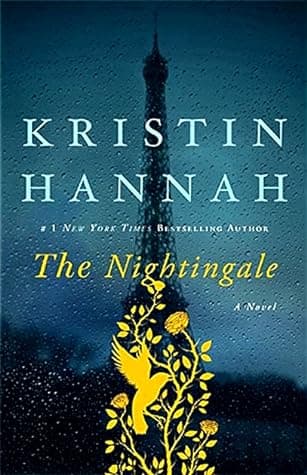
- The Nightingale
Kristin Hannah
4.6 (698k) average on GoodreadsHistorical FictionFeatures strong female protagonists in WWII Europe, themes of resistance and sacrifice.
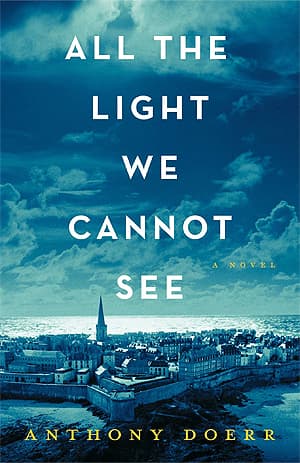
- All the Light We Cannot See
Anthony Doerr
4.3 (1M) average on GoodreadsHistorical FictionDual narratives set during WWII, exploring love, loss, and moral choices amidst conflict.
- Sarah's Key
Tatiana de Rosnay
4.2 (420k) average on GoodreadsHistorical FictionConnects past WWII events with present-day characters, focusing on hidden histories and emotional impact.
- To Kill a Mockingbird
Harper Lee
4.3 (4.5M) average on GoodreadsHistorical FictionIn the 1930s Jim Crow South, Harper Lee writes about racial injustice, moral growth, and the quiet courage of a lawyer father, Atticus Finch, as seen through his young daughter's eyes.
- The Great Gatsby
F. Scott Fitzgerald
3.9 (3.8M) average on GoodreadsHistorical FictionIn the opulent Roaring Twenties, a mysterious millionaire's lavish parties hide his desperate, tragic pursuit of a lost love, exposing the emptiness within the American Dream.
- Pride and Prejudice
Jane Austen
4.3 (3M) average on GoodreadsHistorical FictionIn a society focused on status and money, Elizabeth Bennet navigates love and pride, challenging Mr. Darcy and social expectations to find true affection.




Enjoyed the summary?
A summary gives you the shape of the book. The book itself has the detail, the examples and the voice.
Find From Sand and Ash on AmazonAs an Amazon Associate, BookBrief earns from qualifying purchases. How we're funded