

Synopsis
Covers the whole plot, including the ending.
- Difficulty
- Medium
- Pacing
- Moderate
- Mood
- Epic, Sweeping, Dramatic, Thought-provoking
- Read it if
- You enjoy sweeping generational sagas, stories about strong female protagonists challenging societal norms, and explorations of American history, wealth, and prejudice.
- Skip it if
- You prefer fast-paced thrillers or dislike detailed historical settings and character-driven narratives.
Giant Plot Summary
Covers the whole plot, including the ending.
A Texan Invasion in Virginia
Jordan 'Bick' Benedict, a wealthy cattle baron from Texas, travels to Ardmore, Virginia, to buy a prize racehorse named War Winds from the Lynnton family. Leslie Lynnton, a sharp, independent, and educated Southern belle, is initially put off by Bick's Texan demeanor and his lack of refinement. However, a mutual attraction develops. Despite their different backgrounds and Leslie's reluctance to leave her Virginia life, Bick proposes, and Leslie accepts. Their whirlwind courtship ends in marriage, setting the stage for Leslie's move to the isolated world of Reata, the Benedict family ranch in Texas.
Arrival at Reata and Culture Shock
Upon her arrival at Reata, Leslie faces the overwhelming scale and starkness of Texas. The ranch is immense, isolated, and governed by unwritten rules and traditions she finds alien. She struggles with the heat, the endless horizons, and the primitive living conditions compared to her Virginia upbringing. Her attempts to connect with the Mexican ranch hands meet Bick's patriarchal protectiveness and the racism of the era. She sees the social and economic divide, especially the exploitation and poor treatment of the Mexican laborers, which disturbs her and clashes with her sense of justice. Her independent spirit begins to chafe against the restrictive expectations of a Texas ranch wife.
Navigating Family and Ranch Life
Leslie's integration into the Benedict family is complicated by Bick's older sister, Luz Benedict. Luz, who managed Reata for years and has a deep possessiveness over the ranch and her brother, resents Leslie's presence and her progressive views. Their personalities clash frequently, especially regarding the treatment of Mexican workers and Leslie's attempts to introduce modern comforts and social awareness to Reata. Despite tensions, Leslie slowly asserts herself, subtly challenging Bick's traditional views and making small changes, though she often meets resistance from both Bick and Luz. She gives birth to their first child, Jordan Benedict III, known as 'Bickie'.
The Rise of Jett Rink
Jett Rink, a quiet and ambitious young ranch hand, works for the Benedicts. He harbors resentment for his lowly status and an attraction to Leslie. He is a distant relative of Luz Benedict, and upon Luz's death, she wills him a small, seemingly insignificant plot of land on the edge of Reata. This inheritance causes contention and mild amusement for the Benedicts. Jett, however, has a hunch about the land. He works tirelessly, enduring skepticism and ridicule, to drill for oil. His perseverance pays off when he strikes a massive oil well, transforming him overnight from a poor ranch hand into a wealthy oil tycoon. This discovery marks a shift in the economic landscape of Texas and foreshadows future conflicts.
The Oil Boom and Shifting Fortunes
Jett Rink's initial oil strike leads to further discoveries on his land, making him incredibly rich. His wealth and influence grow, challenging the dominance of cattle barons like Bick Benedict. The oil boom brings a new kind of prosperity and power to Texas. Jett, fueled by past resentments and a desire to prove himself, uses his wealth to build an empire, often flaunting it and deliberately clashing with the traditional values represented by Bick. The rivalry between the cattle and oil industries, personified by Bick and Jett, intensifies, reflecting the changing economic and social fabric of Texas. Jett maintains an unspoken, obsessive interest in Leslie and her family.
The Next Generation
The Benedict children—Jordan Benedict III (Bickie), Judy, and Luz II—grow into adulthood, each grappling with their parents' expectations and the legacy of Reata. Bickie, despite his father's hopes, shows little interest in ranching, preferring medicine and later marrying a Mexican-American woman, Juana. Judy, the independent daughter, falls in love with a ranch hand, marrying him and choosing to stay on the land, much to Bick's initial disapproval. Luz II, the youngest, is more traditionally feminine and eventually marries a wealthy, older man. Leslie, while supportive of her children's choices, often mediates between their modern aspirations and Bick's more traditional, patriarchal views, especially regarding Bickie's marriage and Judy's choice of husband.
Jett's Obsession and the New Texas
As years pass, Jett Rink's empire expands, making him one of the most powerful men in Texas. His unrequited obsession with Leslie Lynnton Benedict remains a constant tension. He builds a grand hotel, the 'Jett Rink Hotel,' symbolizing his wealth and his challenge to the old order. The novel ends with a massive party at Jett's new hotel, a lavish display of his power and an attempt to solidify his social standing. The Benedict family, including the now-grown children, attends. During the party, a drunk Jett Rink gives a rambling, self-pitying speech, revealing his insecurities and his continued fixation on Leslie. His behavior exposes the hollowness beneath his wealth.
Bick's Stand and the Changing World
At Jett Rink's party, Bick Benedict observes Jett's drunken, pathetic display and the casual racism of some of Jett's associates towards his daughter-in-law, Juana. Bick, who has always been proud and stoic, is disturbed. Later, at a diner, Bick confronts a racist proprietor who refuses to serve Juana and her family. Despite being an aging man, Bick engages in a physical fight, defending his family's honor and dignity. Though he loses the fight, the act represents a shift in his character. His ingrained prejudices begin to give way to a more inclusive understanding, largely influenced by Leslie's lifelong advocacy. This event shows the generational and social changes sweeping through Texas, forcing even the most traditional figures to adapt.
Reconciliations and Enduring Love
Following the confrontation at the diner, Bick and Leslie return to Reata. The incident, and the culmination of years of Leslie's influence, brings a quiet understanding between them. Bick, though still a man of his time, shows signs of growth and a deeper appreciation for Leslie's values. They reflect on their long marriage, the challenges they've faced, and the lives their children have chosen. Despite the changes in Texas—the decline of the cattle empire, the rise of oil, and the shift in racial dynamics—their love and partnership have endured. They recognize that while the old ways are fading, the spirit of Texas and the Benedict legacy will continue, albeit in new forms, through their diverse offspring.
A Legacy of Change and Hope
The novel ends with Bick and Leslie, now elderly, sitting on their porch at Reata, observing the landscape and passing cars. They are an example of endurance and adaptation. They see their grandchildren, a mix of Anglo and Mexican heritage, embodying the future of Texas—a future that is more diverse and less bound by the rigid social structures of their youth. While the era of the unchallenged cattle baron is over, the Benedict name and the land of Reata persist. The story ends on a note of cautious optimism, acknowledging the challenges of prejudice and change, but also celebrating the strength of family, the enduring power of love, and the complex, evolving identity of Texas itself, shaped by both its past and its embrace of a more inclusive future.
Principal Figures
Leslie Lynnton Benedict
Protagonist
Sharp-witted, independent Virginia socialite who becomes a Texas ranch wife.
Leslie is a highly intelligent, educated, and socially progressive woman from an old Virginia family. Initially resistant to Bick's Texan ways, she falls in love with him but struggles deeply with the harsh realities, vastness, and social injustices of Texas life, particularly the racism towards Mexican workers. She is the moral compass of the story, constantly challenging Bick's traditional views and advocating for fairness and equality. Her strength lies in her unwavering principles and her ability to adapt while retaining her core values. She represents the clash of old Southern gentility with the raw, untamed spirit of Texas.
Relationships: Jordan 'Bick' Benedict (Husband, love interest, and ideological foil); Luz Benedict (Sister-in-law, initial antagonist); Jett Rink (Object of his unrequited, obsessive affection); Jordan Benedict III (Bickie) (Son); Judy Benedict (Daughter); Luz Benedict II (Daughter)
Jordan 'Bick' Benedict
Protagonist
Powerful, traditional Texas cattle baron and patriarch of Reata ranch.
Bick is a larger-than-life figure, embodying the rugged, proud, and often prejudiced spirit of the old Texas cattle industry. He is deeply devoted to his land, his family, and his traditional way of life. While initially resistant to change and blind to some of the social injustices around him, he possesses an underlying integrity and a deep love for Leslie. His character is defined by his strength, his stubbornness, and his eventual, albeit slow, growth in understanding and empathy, largely influenced by Leslie. He represents the fading era of the grand cattle empires.
Relationships: Leslie Lynnton Benedict (Wife, love interest, and moral guide); Luz Benedict (Sister, confidante, and co-manager of Reata); Jett Rink (Rival, former employee, and symbol of the new oil wealth); Jordan Benedict III (Bickie) (Son, with whom he has a strained relationship due to differing life paths); Judy Benedict (Daughter); Luz Benedict II (Daughter)
Jett Rink
Antagonist
Ambitious, resentful ranch hand who becomes an oil tycoon.
Jett Rink is a complex character driven by ambition, resentment, and a simmering sense of inferiority. Starting as a poor, taciturn ranch hand, he is transformed by the discovery of oil on his small inherited plot of land. His immense wealth fuels his desire for power and social acceptance, but he remains haunted by his past and an unrequited, obsessive love for Leslie Benedict. Jett embodies the disruptive force of the oil boom and the new money challenging the old guard. Despite his success, he struggles with deep-seated insecurity and a fundamental inability to connect genuinely with others.
Relationships: Leslie Lynnton Benedict (Object of his lifelong, unrequited obsession); Jordan 'Bick' Benedict (Rival and symbol of the old order he seeks to surpass); Luz Benedict (Distant relative who bequeaths him the land that makes his fortune)
Luz Benedict
Supporting
Bick's strong-willed, traditional older sister and co-manager of Reata.
Luz is a formidable and possessive woman who has dedicated her life to the Reata ranch. She embodies the traditional, unyielding spirit of the Texas frontier and views Leslie's arrival as an intrusion. She is deeply prejudiced against Mexican workers and fiercely protective of her brother and the ranch's legacy. Her death, early in the story, is a pivotal moment, as her small inheritance to Jett Rink sets in motion the events that lead to the oil boom. She represents the rigid, unchanging past of Texas.
Relationships: Jordan 'Bick' Benedict (Brother, whom she loves deeply and is possessive of); Leslie Lynnton Benedict (Sister-in-law, with whom she has a contentious relationship); Jett Rink (Distant relative to whom she leaves a small, significant plot of land)
Jordan Benedict III (Bickie)
Supporting
Bick and Leslie's son, who defies his father's expectations to become a doctor.
Bickie is the eldest son and the heir apparent to Reata, but he rejects the ranching life for a career in medicine. He is sensitive, intelligent, and deeply influenced by his mother's progressive views. His decision to marry Juana, a Mexican-American woman, is a significant challenge to his father's prejudices and symbolizes the changing social landscape of Texas. He represents the next generation's break from tradition and embrace of a more diverse future.
Relationships: Jordan 'Bick' Benedict (Father, with whom he has a strained but loving relationship); Leslie Lynnton Benedict (Mother, whose values he largely shares); Juana (Wife); Judy Benedict (Sister); Luz Benedict II (Sister)
Judy Benedict
Supporting
Bick and Leslie's spirited daughter who marries a ranch hand.
Judy is the independent and strong-willed daughter who, unlike her brothers, embraces the ranching life. However, she defies societal expectations by falling in love with and marrying a working ranch hand, not a wealthy rancher. Her choice, while initially disappointing to Bick, ultimately grounds her in the land and represents a different kind of strength and authenticity. She embodies a practical, down-to-earth connection to Texas.
Relationships: Jordan 'Bick' Benedict (Father); Leslie Lynnton Benedict (Mother); Jordan Benedict III (Bickie) (Brother); Luz Benedict II (Sister)
Luz Benedict II
Supporting
Bick and Leslie's youngest daughter, who marries for wealth and social standing.
Luz II is the most traditionally feminine of the Benedict children, named after her formidable aunt. She seeks a life of comfort and social status, ultimately marrying a wealthy, older man. While she doesn't challenge the family's traditions or her father's views as directly as her siblings, her choices reflect a different path within the changing Texas society, one still focused on securing a comfortable place within the elite.
Relationships: Jordan 'Bick' Benedict (Father); Leslie Lynnton Benedict (Mother); Jordan Benedict III (Bickie) (Brother); Judy Benedict (Sister)
Juana
Supporting
Mexican-American woman who marries Bickie, challenging racial norms.
Juana is a gentle and dignified Mexican-American woman who marries Jordan Benedict III (Bickie). Her presence in the Benedict family is a crucial catalyst for challenging Bick's ingrained prejudices and highlights the evolving racial dynamics of Texas. She represents the growing Mexican-American community and their fight for dignity and equality. Her calm strength and resilience in the face of discrimination are significant.
Relationships: Jordan Benedict III (Bickie) (Husband); Jordan 'Bick' Benedict (Father-in-law, whose prejudices she helps to soften); Leslie Lynnton Benedict (Mother-in-law, who champions her)
Angel Obregón
Mentioned
Mexican ranch hand, whose family's struggles highlight social injustice.
Angel Obregón is one of the Mexican ranch hands on Reata, whose family's plight—particularly the illness of his infant son—first brings Leslie's attention to the appalling living conditions and lack of medical care for the workers. He is a quiet, hardworking man, representative of the exploited Mexican laborers who form the backbone of the ranch economy but are denied basic human rights. His story is a poignant example of the social inequalities Leslie fights against.
Relationships: Leslie Lynnton Benedict (Recipient of her empathy and aid); Jordan 'Bick' Benedict (Employer)
Themes & Insights
Old Money vs. New Money
This theme is central to the narrative, primarily represented by the contrast between the established cattle empire of the Benedicts (old money, land-based) and the oil wealth of Jett Rink (new money, self-made). The novel explores the clash of values, traditions, and social standing between these two forces. While the Benedicts represent dignity and rootedness, they are also tied to outdated prejudices. Jett Rink's wealth brings power but not necessarily refinement or happiness, showing the hollowness that can accompany sudden riches without a foundation of character. This conflict drives much of the plot and symbolizes the changing economic landscape of Texas.
“Oil was like a great black gush of money from the earth. It changed the face of Texas, and the faces of Texans.”
Racism and Social Injustice
A pervasive theme, the novel exposes the deep-seated racism and exploitation faced by Mexican-American workers in Texas. Leslie Lynnton Benedict is the primary advocate against these injustices, continually challenging Bick's ingrained prejudices and the systemic inequalities on Reata. Specific scenes, like Leslie's efforts to help the sick child of Angel Obregón and Bick's final confrontation with the racist diner owner, show the human cost of prejudice. The theme explores how racism impacts individuals and families, and the slow, difficult process of challenging and overcoming such deeply entrenched societal norms across generations.
“You couldn't treat human beings like that, she thought, not even if they were Mexicans and you were a Texan.”
The Changing Landscape of Texas
The novel is a portrait of Texas, chronicling its transformation from a cattle-dominated frontier to a modern state shaped by the oil boom and increasing cultural diversity. The land itself is a character, with its heat, endless horizons, and immense wealth. The shift from the cattle industry to oil represents a fundamental change in power, economy, and lifestyle. This theme is embodied by the conflict between Bick Benedict and Jett Rink, and by the evolving choices of the Benedict children, who represent the diverse future of the state. It is a story of progress and loss, as old ways give way to new.
“Texas was a place of extremes, of vastness and smallness, of cruelty and kindness, of boom and bust.”
Marriage and Partnership
The marriage of Leslie and Bick forms the emotional core of the novel. Their relationship is a complex partnership built on love, mutual respect, and constant challenge. Leslie's progressive views frequently clash with Bick's traditionalism, but these conflicts strengthen their bond and lead to personal growth for both. Their marriage navigates cultural differences, societal expectations, and the trials of raising a family in a rapidly changing world. It shows how a strong partnership can endure and thrive amidst differences, through communication, compromise, and commitment to each other.
“They were two separate people, yet one. She had changed him, and he, her. And in the changing, they had become more truly themselves.”
Legacy and Inheritance
The concept of legacy, both material and moral, is a significant theme. The Benedicts struggle with the inheritance of the Reata ranch and the expectations that come with it. Bick wants his son, Bickie, to continue the cattle empire, but Bickie chooses medicine, creating a different kind of legacy. Jett Rink's inheritance of a small plot of land leads to a vast oil fortune, creating a new, disruptive legacy. The novel also explores the inheritance of values and prejudices, as Leslie strives to instill progressive ideals in her children, countering the ingrained racism of the older generation. The ending reflects on the diverse legacy of the Benedict family, a blend of Anglo and Mexican heritage.
“A man's legacy wasn't just the land he owned, but the children he raised, and the changes he made in the world.”
Plot Devices & Literary Techniques
Generational Saga
Narrative spanning decades, following multiple generations of a family.
The novel spans several decades, from Leslie's arrival in Texas in the early 20th century to the adulthood of her children and grandchildren. This device allows Ferber to explore the profound social, economic, and cultural transformations of Texas over time. By following the Benedict family through multiple generations, the author illustrates how traditions are challenged, prejudices are confronted, and legacies are forged and redefined. It provides a broad historical sweep against which the personal dramas unfold, highlighting the enduring impact of choices made in one generation on the next.
Culture Clash
The stark contrast between two distinct ways of life.
The immediate and dramatic culture clash between Leslie Lynnton's refined Virginia upbringing and the raw, immense, and often brutal world of the Texas ranch is a primary driving force of the narrative. This device highlights Leslie's struggles with adaptation, her progressive views clashing with Bick's traditionalism, and her shock at the racial injustices she witnesses. It serves to emphasize the unique character of Texas and the challenges of integrating into a vastly different society, while also providing a framework for examining themes of identity, adaptation, and social change.
Symbolism of the Land
The vast Texas landscape as a reflection of character and themes.
The immense, unforgiving, and beautiful Texas landscape, particularly the Reata ranch, functions as a powerful symbol. Its vastness reflects the ambition and isolation of its inhabitants, while its harshness mirrors the struggles and prejudices faced by the characters. The land represents tradition, wealth, and identity for Bick Benedict, while for Leslie, it initially signifies confinement and alienness before she slowly comes to appreciate its wild beauty. The discovery of oil within the land symbolizes the changing face of Texas and the new sources of power and conflict that emerge.
Foil Characters
Characters who highlight the traits of others through contrast.
Jett Rink serves as a significant foil to Jordan 'Bick' Benedict. While both are powerful self-made men in Texas, their methods, motivations, and ultimate outcomes are vastly different. Bick represents the established, land-based wealth and a certain stoic dignity, despite his flaws. Jett represents the volatile, ostentatious new money of oil, driven by resentment and ultimately finding his wealth hollow. Similarly, Leslie Lynnton acts as a foil to Luz Benedict, with Leslie's progressive, empathetic nature contrasting sharply with Luz's rigid, prejudiced traditionalism, highlighting the societal conflicts central to the story.
Social Commentary
The narrative's explicit critique of societal issues.
Edna Ferber uses the narrative of "Giant" to deliver explicit social commentary, particularly on issues of racism, class inequality, and the exploitation of labor. Through Leslie's perspective, the novel directly challenges the prevalent prejudice against Mexican-Americans and critiques the vast disparity between the wealth of the ranch owners and the poverty of their workers. The author also comments on the changing values of American society, the shift from traditional agrarian wealth to industrial fortunes, and the enduring struggle for justice and equality in the face of ingrained societal norms. This device gives the novel a strong moral and ethical dimension.
Giant Quotes
“The land is the only thing in the world worth working for, worth fighting for, worth dying for, because it's the only thing that lasts.”
“You can't eat scenery.”
“Texas is a state of mind. Texas is an obsession. Above all, Texas is a nation in every sense of the word.”
“Money isn't everything, but it's a long way ahead of what comes next.”
“A man's got to do what a man's got to do.”
“The only thing bigger than Texas is the sky above it.”
“We're all just passing through, but the land remains.”
“In Texas, you either have oil or you don't, and if you don't, you're nobody.”
“Love isn't always a grand passion; sometimes it's just showing up.”
“The old ways are dying, and the new ones aren't much better.”
“You can take the boy out of Texas, but you can't take Texas out of the boy.”
“Sometimes the biggest giants are the ones we create in our own minds.”
“A woman's place is wherever she decides it is.”
“Wealth changes everything, and nothing.”
Quiz
10 questions on the plot and the characters. Each answer comes with a short explanation.
Question 1
What is the primary reason Jordan 'Bick' Benedict travels to Virginia at the beginning of the novel?
- To attend a social event hosted by the Lynnton family
- To purchase a racehorse from the Lynnton family
- To seek investment for his Texas ranch
- To recruit workers for his cattle operations
Show answer
B. To purchase a racehorse from the Lynnton family Bick travels to Virginia specifically to buy a racehorse from the Lynnton family, which is how he first meets Leslie Lynnton, setting the central romance in motion.
Question 2
What major social issue does Leslie confront upon arriving at Bick's Texas ranch?
- Gender inequality in ranch management
- The lack of educational opportunities for children
- Poverty and racism affecting Mexican workers
- Environmental degradation from cattle ranching
Show answer
C. Poverty and racism affecting Mexican workers Leslie is immediately struck by the stark contrast between the Benedict family's wealth and the poor living conditions and discrimination faced by Mexican workers on the ranch, a key theme in the novel.
Question 3
Which character represents the new wealth from oil that challenges the traditional cattle-ranching power in Texas?
- Jordan 'Bick' Benedict
- Jett Rink
- Leslie Lynnton Benedict
- Luz Benedict
Show answer
B. Jett Rink Jett Rink is a former ranch hand who strikes oil on land he inherits, becoming a wealthy oil tycoon and symbolizing the shift from cattle-based to oil-based power in Texas.
Question 4
How does Leslie's background as a Virginia socialite influence her perspective on Texas society?
- It makes her embrace Texas traditions without question
- It leads her to criticize the excess and prejudice she observes
- It causes her to feel superior and isolated from Texans
- It has no significant impact on her views
Show answer
B. It leads her to criticize the excess and prejudice she observes Leslie's genteel upbringing gives her an outsider's critical eye, allowing her to question Texas norms like racial inequality and materialism, which often puts her at odds with Bick and his family.
Question 5
What significant event tests Leslie and Bick's marriage throughout the novel?
- A prolonged drought that ruins their cattle business
- Bick's infidelity with a local woman
- Their differing values regarding social justice and Texas culture
- Leslie's desire to return permanently to Virginia
Show answer
C. Their differing values regarding social justice and Texas culture Their marriage endures despite conflicts arising from Leslie's progressive views on race and equality clashing with Bick's traditional, sometimes prejudiced, Texas mindset.
Question 6
Which theme is most prominently explored through the contrast between cattle barons and oil tycoons in the novel?
- The inevitability of technological progress
- The changing nature of power and wealth in Texas
- The superiority of agriculture over industry
- The importance of family legacy in business
Show answer
B. The changing nature of power and wealth in Texas The novel depicts how Texas shifts from a society dominated by old-money cattle ranchers like Bick to one where nouveau riche oilmen like Jett Rink gain influence, highlighting themes of power dynamics and economic transformation.
Question 7
What role does the character Luz Benedict play in the family dynamics?
- She is Bick's sister who supports Leslie's integration into Texas life
- She is Bick's mother who represents the old guard of Texas traditions
- She is Leslie's friend from Virginia who visits the ranch
- She is a Mexican worker who becomes a confidante to Leslie
Show answer
B. She is Bick's mother who represents the old guard of Texas traditions Luz Benedict, Bick's strong-willed mother, embodies the entrenched values and prejudices of traditional Texas society, often clashing with Leslie's more modern and compassionate outlook.
Question 8
How does the novel's setting in early 20th-century Texas contribute to its central conflicts?
- It provides a backdrop of political turmoil that directly affects the characters
- It emphasizes the isolation of rural life, leading to personal loneliness
- It showcases the state's vastness and harshness, mirroring the characters' struggles
- It focuses on technological advancements that simplify ranch work
Show answer
C. It showcases the state's vastness and harshness, mirroring the characters' struggles The oppressive heat, immense landscapes, and economic shifts in Texas during this period reflect and amplify the personal and social tensions between characters, such as Leslie's adjustment and the clash between old and new wealth.
Question 9
What does the 'reckoning' mentioned in the book's description likely refer to?
- A legal battle over land ownership between Bick and Jett
- The eventual decline of the Benedict family's fortune
- The social and personal consequences of the characters' choices and values
- A natural disaster that devastates Texas
Show answer
C. The social and personal consequences of the characters' choices and values The 'reckoning' symbolizes the inevitable outcomes of the characters' actions, particularly regarding issues like racism, greed, and family legacy, which unfold over the generational saga.
Question 10
In what way does the novel critique the concept of the 'American Dream' in the context of Texas?
- By showing that hard work always leads to success for all characters
- By highlighting how wealth accumulation often comes at the expense of moral integrity and social justice
- By proving that Texas offers equal opportunities for everyone regardless of background
- By focusing solely on the romantic aspects of pursuing dreams
Show answer
B. By highlighting how wealth accumulation often comes at the expense of moral integrity and social justice Through characters like Jett Rink's rise to oil wealth and the Benedicts' entrenched power, the novel exposes how the pursuit of the American Dream in Texas is marred by exploitation, prejudice, and ethical compromises.
Giant FAQ
What is 'Giant' by Edna Ferber about?
'Giant' follows the decades-long marriage between Virginia socialite Leslie Lynnton and Texas cattle baron Jordan 'Bick' Benedict, tracing their lives from the 1920s to the 1940s. The novel explores their cultural clashes, the transformation of Texas from a cattle-based economy to an oil-dominated one, and the pervasive racial and economic inequalities faced by Mexican workers on the Benedict ranch. Through their family saga, Ferber critiques American capitalism, prejudice, and the changing social landscape of the Southwest.
Why should I read 'Giant'?
You should read 'Giant' for its epic, multi-generational storytelling that blends romance, social commentary, and historical insight into mid-20th century Texas. Ferber's sharp prose exposes the greed, racism, and environmental exploitation behind the state's mythic 'bigger is better' mentality, while her complex characters—like the idealistic Leslie and stubborn Bick—offer a compelling human drama. The novel's themes of power, love, and moral reckoning remain strikingly relevant today.
What is the background/setting of 'Giant'?
The novel is set primarily in Texas from the 1920s to the 1940s, moving between the vast, arid landscapes of the Benedict family's Reata Ranch and the burgeoning oil towns that spring up around it. This period captures Texas' transition from a cattle-ranching economy to an oil boom, highlighting the stark contrasts between the wealthy Anglo elite and the impoverished Mexican workers who labor on their lands. The setting underscores themes of exploitation, environmental change, and cultural conflict.
What are the most memorable quotes from 'Giant'?
One memorable line is Leslie's observation: 'Texas is a state of mind, but I think it is also a state of grace.' Another is Bick's defiant declaration: 'We Benedicts have been here a hundred years, and we'll be here a hundred more.' Ferber also critiques the oil boom with lines like, 'Oil is a curse... it makes men mad,' capturing the novel's themes of greed and moral decay.
What writing style does Edna Ferber use in 'Giant'?
Ferber employs a sweeping, epic style with rich descriptive prose that vividly evokes the Texas landscape and its social hierarchies. Her writing blends sharp social satire with intimate character studies, using omniscient narration to delve into the thoughts of multiple characters, from Leslie's progressive ideals to Bick's traditionalist stubbornness. The tone is often critical and unflinching in its exposure of racism and economic exploitation.
What minor details add significant meaning to 'Giant'?
Small details like the 'little white schoolhouse' for Mexican children on the ranch, which Leslie champions, symbolize her fight against segregation and Bick's resistance to change. The recurring image of the 'Reata brand'—a lasso—represents the Benedict family's entrapment in tradition and wealth. Also, the contrast between the lavish Benedict mansion and the shacks of Mexican workers underscores the novel's critique of inequality.
What are some subtle foreshadowing moments in 'Giant'?
Early scenes where Bick dismisses Leslie's concerns about the treatment of Mexican workers foreshadow their later marital conflicts over social justice. The mention of oil 'bubbling up' on the ranch hints at the coming oil boom that will disrupt the cattle-based economy and corrupt characters like Bick's brother-in-law, Bob Dietz. Leslie's initial culture shock in Texas foreshadows her lifelong struggle to reform the state's prejudices.
What unexpected character connections exist in 'Giant'?
A key connection is between Bick's sister, Luz Benedict, and the Mexican worker, Angel Obregón, whose family has long served the Benedicts, highlighting the entrenched but fraught relationships between Anglo landowners and Mexican laborers. Another is the rivalry between Bick and the oil tycoon Jett Rink, who rises from poverty to challenge Bick's dominance, intertwining their fates through economic competition and personal animosity.
What are unspoken character motivations in 'Giant'?
Bick's deep-seated fear of losing his family's legacy and status drives his resistance to social change, even as he privately admires Leslie's strength. Leslie's motivation goes beyond love for Bick; she is driven by a moral crusade to humanize Texas and combat its injustices, often masking her frustration with genteel diplomacy. Jett Rink's obsession with wealth stems from a desire to prove himself against the aristocratic Benedicts, rooted in class resentment.
What psychological complexities do characters exhibit in 'Giant'?
Bick embodies the conflict between tradition and progress, loving Leslie but struggling to accept her reforms, which threatens his identity as a Texas patriarch. Leslie shows resilience and idealism, yet she grapples with loneliness and the limits of her influence in a male-dominated society. Jett Rink's rise and fall illustrate the psychological toll of greed and isolation, as his wealth fails to bring him acceptance or happiness.
What are the major emotional turning points in 'Giant'?
A major turning point is the death of Bick and Leslie's first child, which deepens their bond but also highlights their differing responses to tragedy—Lesley seeks meaning in social work, while Bick retreats into ranch management. Another is the violent clash between Anglo and Mexican workers, forcing Bick to confront the racism he has long ignored. The final scene, where an older Bick acknowledges Leslie's impact on Texas, marks an emotional resolution to their lifelong struggle.
How do relationship dynamics evolve in 'Giant'?
Leslie and Bick's marriage evolves from passionate romance to a partnership strained by cultural clashes, then to a mature, grudging mutual respect as they navigate Texas' changes. Bick's relationship with his son, Jordy, becomes fraught when Jordy rejects the ranch for a medical career, symbolizing the generational shift away from traditional values. The dynamic between the Benedicts and their Mexican workers shifts from exploitative paternalism to a more contentious, but slowly improving, acknowledgment of rights.
Which parts of 'Giant' remain ambiguous or open-ended?
The novel leaves ambiguous whether Texas' social progress, spurred by characters like Leslie, will be lasting or superficial, as the ending hints at ongoing inequalities. Jett Rink's ultimate fate—dying alone and ruined—is clear, but the broader impact of the oil boom on Texas' soul is left debated. Also, the future of the Benedict legacy, with Jordy choosing medicine over ranching, raises questions about whether traditional power structures will endure.
What are controversial scenes or decisions in 'Giant'?
A controversial scene is the brutal beating of Mexican workers by Anglo oilmen, which Bick initially ignores, highlighting his complicity in racism. Leslie's decision to publicly challenge segregation by integrating a hospital causes a scandal, testing her marriage and social standing. Jett Rink's ruthless acquisition of oil rights, often at the expense of poorer landowners, sparks debate about capitalism's moral costs.
'Giant' ending explained: how it ends & what it means
The novel ends with an elderly Bick and Leslie reflecting on their lives as they fly over Texas; Bick finally admits that Leslie has 'licked' Texas by influencing its social conscience, though inequalities persist. This ending suggests a bittersweet victory—personal growth and incremental change, but not a complete overhaul of systemic issues. It underscores Ferber's theme that progress is slow and fraught, but driven by persistent individuals like Leslie.
What is the significance of the title 'Giant'?
The title 'Giant' refers to the mythic scale of Texas—its vast landscapes, enormous wealth, and larger-than-life characters like Bick and Jett Rink. It also critiques the 'giant' egos and greed that drive the state's exploitation of people and resources. Ultimately, the title questions whether this 'bigness' is a source of pride or a moral failing, as characters struggle with the consequences of their ambitions.
How does 'Giant' compare to the film adaptation?
While the film starring James Dean, Elizabeth Taylor, and Rock Hudson captures the epic romance and social conflicts, it softens some of Ferber's sharper critiques, particularly around racism and class. The novel delves deeper into the perspectives of Mexican workers and the psychological complexities of characters like Bick. Key differences include the film's more dramatic emphasis on Jett Rink's downfall and a slightly altered ending that focuses on personal reconciliation over social commentary.
About the author
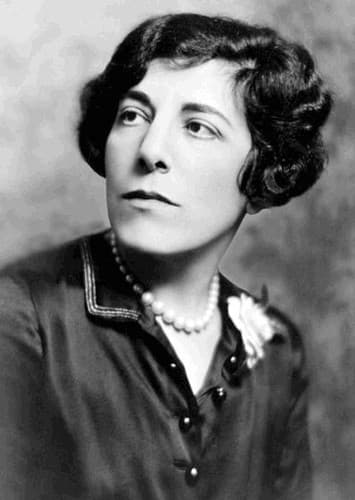
Edna Ferber was a Pulitzer Prize-winning American novelist and playwright. She is best known for her novels "Show Boat" and "Giant," which explored themes of American life and westward expansion. Her work often featured strong female characters and was adapted into successful films and musicals, cementing her legacy in American literature.
Similar books
- The Grapes of Wrath
John Steinbeck
4.0 (750k) average on GoodreadsHistorical FictionExplores social injustice and the American landscape with a focus on a struggling family.
- Lonesome Dove
Larry McMurtry
4.5 (149k) average on GoodreadsHistorical FictionA sprawling Western epic with rich character development and a strong sense of place.
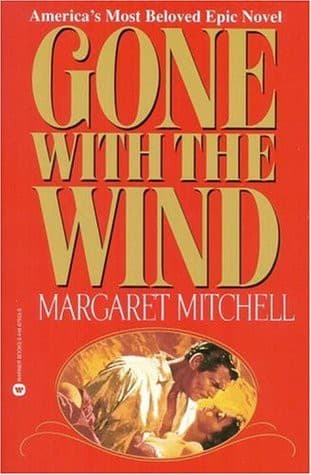
- Gone with the Wind
Margaret Mitchell
4.3 (1.1M) average on GoodreadsHistorical FictionA lengthy historical romance set in the American South, featuring a strong-willed female lead.
- The Old Man and the Sea
Ernest Hemingway
3.8 (831k) average on GoodreadsLiterary FictionA Cuban fisherman's long struggle with a giant marlin becomes a story of endurance and dignity, now retold for young adults with illustrations, phonetic guides, and writing prompts in Traditional Chinese.
- One Hundred Years of Solitude
Gabriel García Márquez
4.1 (753k) average on GoodreadsLiterary FictionThrough the multi-generational story of the Buendía family, a mythical town deals with the repeating patterns of time, love, and solitude, as the extraordinary mixes with the ordinary.
- The Goldfinch
Donna Tartt
3.9 (720k) average on GoodreadsLiterary FictionHaunted by a tragic explosion and clutching a stolen Dutch masterpiece, a young orphan navigates the opulent drawing rooms of New York and the gritty underbelly of the art world, desperately seeking connection and redemption amidst a life spiraling into crime and obsession.





Enjoyed the summary?
A summary gives you the shape of the book. The book itself has the detail, the examples and the voice.
Find Giant on AmazonAs an Amazon Associate, BookBrief earns from qualifying purchases. How we're funded