

Synopsis
Covers the whole plot, including the ending.
- Difficulty
- Hard
- Pacing
- Slow
- Mood
- Atmospheric, Melancholy, Thought-provoking, Tragic, Reflective
- Read it if
- You appreciate literary fiction that delves into complex cultural clashes, family dynamics, and the immigrant experience with poetic prose and psychological depth.
- Skip it if
- You prefer fast-paced plots with clear resolutions or find stories focused on cultural oppression and religious dogma too bleak.
Maps for Lost Lovers Plot Summary
Covers the whole plot, including the ending.
The Disappearance and Its Echoes
The novel begins in an unnamed English town, home to a Pakistani immigrant community. Shamas, a rational and somewhat secular man, and his devout wife, Kaukab, live with the unsettling absence of Shamas's younger brother, Jugnu, and his lover, Chanda. The couple had been living together unmarried, a deep disgrace to Chanda's family and the community's conservative members. Their disappearance is suspicious, with unspoken fears of an 'honor killing.' Shamas feels guilty, believing he failed to protect Jugnu, and quietly investigates. Kaukab struggles with her faith and the moral questions of Jugnu's choices, fearing divine punishment for his 'sinful' life. The community's whispers and judgmental looks create a stifling atmosphere for the family.
Kaukab's Internal Conflict
Kaukab, deeply rooted in her religious faith and Pakistani heritage, faces a difficult inner conflict. She loves Jugnu, but his choice to live with Chanda outside of marriage is, to her, an unforgivable sin that she believes will lead to eternal damnation. Her fervent prayers and Quran recitations offer comfort but also reinforce her strict moral code. She struggles to accept her love for her brother-in-law while believing his actions insulted God. This leads her to question forgiveness and divine justice. The community's quiet disapproval and the pressure to uphold traditions worsen her internal struggle.
Shamas's Search and Guilt
Shamas, a former schoolteacher, feels immense guilt over Jugnu's disappearance. He believes he failed to protect his younger brother from the community's harsh judgment and Chanda's family's potential violence. Driven by this guilt, he begins a quiet, almost secret investigation into Jugnu and Chanda's lives, trying to piece together the events leading to their disappearance. He talks to friends, acquaintances, and even Chanda's relatives, searching for clues. His search is not just for answers about their fate, but also for understanding Jugnu's choices and his own role in his brother's life and death. He often revisits places Jugnu frequented, trying to connect with his lost brother's spirit.
The Arrival of the Police
Local police eventually get involved, starting a formal investigation into Jugnu and Chanda's disappearance. This brings the family's private pain into public view, further isolating Shamas and Kaukab. Detective Inspector Gordon, an outsider to the community's complex cultural nuances, struggles to understand the reasons behind a potential 'honor killing.' His questions often meet silence or evasiveness, as the community is reluctant to cooperate with outside authorities, especially on matters seen as internal family affairs. The police presence increases tension within the family and the wider immigrant community, showing the conflict between traditional customs and modern law.
The Children's Perspective
Shamas and Kaukab's children, Mah-Jabeen and Charag, are deeply affected by their uncle Jugnu's disappearance. Mah-Jabeen, a young woman seeking her own identity and freedom, is caught between her mother's strict piety and her father's more liberal views. She understands Jugnu and Chanda's desire for love and independence, even as she fears the consequences. Charag, a sensitive and observant boy, is disturbed by the family's grief and the unspoken fear at home. He often finds comfort in his own world, trying to understand the complexities of the adult world and the harshness of their cultural traditions. Their experiences highlight the generation gap within the immigrant family.
Flashbacks to Jugnu and Chanda's Love
Throughout the novel, flashbacks and memories illuminate Jugnu and Chanda's relationship. These glimpses show a deep and passionate love, yet one constantly shadowed by societal disapproval and the inherent danger of their choices. Jugnu, a free-spirited and artistic man, and Chanda, a vibrant woman defying expectations, are portrayed as individuals who dared to live authentically despite stifling tradition. These memories humanize the 'sinful' couple for the reader and, at times, for Shamas and Kaukab, making their loss more poignant. The beauty of their love sharply contrasts with the grim reality of their disappearance.
The Community's Judgment
The novel carefully shows the suffocating atmosphere created by the conservative Pakistani immigrant community in England. Jugnu and Chanda's disappearance, after living openly unmarried, becomes a focus for the community's moral judgment. While few openly condemn, the silent whispers, averted glances, and subtle exclusion are clear. This community pressure weighs heavily on Shamas and Kaukab, making their grief public and their private suffering a subject of moral debate. The community's adherence to traditional values, especially regarding female honor, is a powerful, almost inescapable force that dictates social norms and, in this case, potentially leads to tragic consequences. The fear of shame is a common motivator.
Shamas's Confrontation with Truth
As Shamas continues his investigation, he slowly uncovers more concrete details about Jugnu and Chanda's fate. He learns of the increasing threats from Chanda's brothers, especially the youngest, who felt deeply shamed by his sister's actions. Through persistent questioning and piecing together fragmented information from reluctant witnesses, Shamas eventually faces the grim truth: Jugnu and Chanda were murdered in an honor killing. The discovery is devastating, confirming his worst fears and solidifying his guilt. This revelation forces him to confront the brutal consequences of the cultural traditions he has always been on the fringes of, and the deep-seated prejudices within his own community.
Kaukab's Crisis of Faith
The confirmation of Jugnu and Chanda's murder, particularly the brutal nature of an honor killing, sends Kaukab into a deep crisis of faith. While she had previously condemned Jugnu's 'sins,' the violence and injustice of his death by those claiming to uphold religious honor deeply trouble her. She grapples with the idea of a God who would allow such atrocities in His name, and the human interpretation of divine law. Her rigid worldview begins to break, forcing her to confront the limits and dangers of fundamentalist religious interpretations. This inner struggle is agonizing, as her faith has been the foundation of her existence, and its shaking leaves her feeling lost and disillusioned.
The Aftermath and Lingering Shadows
After the truth is revealed, the family must cope with deep trauma. Chanda's brothers are eventually arrested, bringing legal justice but little emotional closure. Shamas is consumed by quiet despair, forever haunted by his brother's memory and his failure to protect him. Kaukab, though shaken, finds a fragile new understanding of her faith, one that is more compassionate and less rigid. The children, Mah-Jabeen and Charag, are forever changed by the tragedy, their views on love, family, and tradition irrevocably altered. The novel ends with the family trying to move forward, forever shaped by the 'maps for lost lovers' that led Jugnu and Chanda to their tragic end, leaving questions about identity, belonging, and cultural conflict.
Maps for Lost Lovers Characters
Shamas
Protagonist
Jugnu's older brother, a rational and somewhat secular former schoolteacher.
Shamas is a thoughtful and introspective man, a former schoolteacher who finds himself caught between his traditional upbringing and a more modern, liberal worldview. He is deeply devoted to his family, particularly his younger brother Jugnu, and carries a heavy burden of guilt over Jugnu's disappearance. He is driven by a desire for truth and justice, yet his efforts are often hampered by the cultural complexities and the community's reluctance to cooperate. His rationality often clashes with his wife Kaukab's fervent piety, creating tension in their marriage. He represents the struggle to reconcile tradition with individual freedom.
Relationships: Jugnu (Younger brother, deeply loved and mourned.); Kaukab (Wife, their relationship is strained by differing worldviews and the tragedy.); Mah-Jabeen (Daughter, he shares a more understanding bond with her than Kaukab does.); Charag (Son, he tries to protect him from the harsh realities.)
Kaukab
Protagonist
Shamas's devout wife, deeply traditional and religious.
Kaukab is a woman of unwavering faith, whose life is governed by strict religious principles and traditional Pakistani customs. She genuinely loves her family, but her rigid moral code makes it difficult for her to accept Jugnu's 'sinful' lifestyle. She believes passionately in divine judgment and struggles to reconcile her love for Jugnu with her conviction that he has transgressed against God. Her internal conflict is a central theme, as she grapples with the meaning of forgiveness and the interpretation of religious law. She embodies the challenges of maintaining traditional values in a modern, secular society.
Relationships: Shamas (Husband, their differing beliefs create tension but also a foundation of shared grief.); Jugnu (Brother-in-law, loved him but condemned his 'sins'.); Mah-Jabeen (Daughter, their relationship is strained by Mah-Jabeen's modern aspirations.); Charag (Son, she tries to instill religious values in him.)
Jugnu
Supporting/Central Figure
Shamas's free-spirited younger brother, disappeared with his lover Chanda.
Jugnu is the catalyst for the novel's events, though he is primarily present through flashbacks and the memories of others. He is portrayed as an artistic, passionate, and rebellious soul who dared to defy the strict conventions of his community by living openly with Chanda, his lover, out of wedlock. His actions, while seen as a sin by many, are also depicted as a courageous pursuit of love and individual freedom. He represents the tragic consequences of societal intolerance and the clash between individual desire and communal honor. His absence casts a long shadow over the entire narrative.
Relationships: Shamas (Older brother, looks up to him but also defies him.); Chanda (Lover, their passionate relationship is at the heart of the tragedy.); Kaukab (Sister-in-law, her disapproval is a constant undercurrent.)
Chanda
Supporting/Central Figure
Jugnu's lover, also disappeared, whose family's honor is deeply stained by her actions.
Chanda is Jugnu's vibrant and equally defiant lover, whose presence, like Jugnu's, is felt primarily through recollections. She is a woman who chose love and personal freedom over the strictures of her traditional family and community. Her decision to live with Jugnu out of wedlock is considered a grave dishonor by her family, making her a target of their anger and, ultimately, their violence. She represents the extreme vulnerability of women in communities where honor is paramount and individual autonomy is often suppressed. Her story highlights the devastating impact of rigid patriarchal norms.
Relationships: Jugnu (Lover, their passionate and doomed relationship.); Her Brothers (Antagonistic, they are driven by the need to restore family honor.)
Mah-Jabeen
Supporting
Shamas and Kaukab's teenage daughter, struggling with her own identity and desires.
Mah-Jabeen is a sensitive and intelligent young woman caught between the competing influences of her parents and the wider, more liberal English society. She empathizes with Jugnu and Chanda's desire for love and freedom, seeing in their story echoes of her own burgeoning independence. She struggles with her mother's strict religious expectations and yearns for a life beyond the confines of tradition. Her experiences highlight the generational and cultural divide within the immigrant family, and her perspective offers a glimpse into the future of these communities.
Relationships: Shamas (Father, she feels a closer bond with him due to his more liberal views.); Kaukab (Mother, their relationship is strained by Kaukab's traditional expectations.); Jugnu (Uncle, she feels a kinship with his rebellious spirit.)
Charag
Supporting
Shamas and Kaukab's young son, an observant and sensitive child.
Charag is a quiet and observant young boy, deeply affected by the unspoken grief and tension within his family. He is sensitive to the emotions of those around him and often seeks solace in his own world, trying to make sense of the adult complexities he witnesses. His perspective offers an innocent, yet poignant, lens through which to view the family's tragedy and the cultural clashes at play. He often asks insightful questions that inadvertently challenge the adult world's assumptions.
Relationships: Shamas (Father, he looks up to him and seeks his guidance.); Kaukab (Mother, he is more compliant with her religious teachings.); Jugnu (Uncle, his absence causes him confusion and sadness.)
Detective Inspector Gordon
Supporting
The police officer investigating Jugnu and Chanda's disappearance.
Detective Inspector Gordon represents the external, secular authority trying to navigate the intricate cultural landscape of the Pakistani immigrant community. He is professional and methodical, but often frustrated by the community's reluctance to cooperate and their adherence to traditional customs that clash with Western legal principles. He struggles to understand the concept of 'honor' and its potentially fatal consequences, highlighting the cultural divide between the police and the community they serve. His presence underscores the clash between British law and immigrant traditions.
Relationships: Shamas (Investigator and subject, their interactions are formal and often challenging.)
Chanda's Brothers
Antagonist
The primary perpetrators of the honor killing, driven by perceived family dishonor.
Chanda's brothers, particularly the youngest, are the embodiment of the extreme consequences of honor culture. They are driven by an unyielding need to restore their family's 'honor' after Chanda's decision to live with Jugnu out of wedlock. Their actions are rooted in a rigid interpretation of tradition and a profound sense of shame. They represent the darker side of cultural adherence, where individual life is deemed less valuable than collective reputation. Their presence, though often unseen, is a constant, menacing threat throughout the narrative.
Relationships: Chanda (Sister, they kill her to restore family honor.)
Maps for Lost Lovers Themes
The Clash of Cultures and Generations
The novel clearly explores the tension between traditional Pakistani immigrant culture and modern British society. Characters like Shamas and Kaukab embody this struggle; Shamas tries to bridge the gap, while Kaukab clings to her heritage. The younger generation, like Mah-Jabeen, desires more freedom and individuality, often clashing with elders' strict expectations. Jugnu and Chanda's story is the tragic result of this cultural clash, where personal happiness directly confronts deep societal norms, leading to fatal outcomes. The community's isolated nature further highlights this divide.
“Perhaps the problem with living in two countries was that you were always in transit, always between two worlds, never fully belonging to either.”
Honor, Shame, and Violence
The idea of 'honor' (izzat) is central to the novel, driving the tragic events. Chanda's choice to live with Jugnu unmarried is seen as an unforgivable stain on her family's honor, leading to the extreme violence of an honor killing. The constant fear of shame influences many characters' actions, creating a suffocating atmosphere in the community. The novel details how this cultural value, when taken to extremes, can justify brutality and silence disagreement, showing the devastating human cost of prioritizing perceived family reputation over individual life. The community's complicity through silence reinforces this theme.
“A girl's honour was not her own; it belonged to her family, and its loss was a wound that could only be healed with blood.”
Faith, Doubt, and Interpretation
Kaukab's spiritual journey is key to this theme. Her unwavering, yet rigid, faith is severely tested by Jugnu and Chanda's murder. She initially sees Jugnu's death as divine punishment for his sins but must confront the moral implications of an 'honor killing' done in the name of religion. This leads her to a deep crisis of faith, questioning human interpretations of divine law and the capacity for cruelty within religious communities. Shamas, in contrast, approaches spirituality with more skepticism, showing different ways people engage with their faith, or lack thereof, during tragedy. The novel explores the dangers of fundamentalism versus a more compassionate understanding of belief.
“Was God truly just, or was justice merely a word humans used to justify their own cruelties?”
Love and Sacrifice
Jugnu and Chanda's love story, though tragic, is a powerful force. Their decision to live together, knowing the immense risks, shows the depth of their affection and their willingness to sacrifice societal acceptance for personal happiness. Their story highlights the universal human desire for love and connection, even when it defies cultural norms. Shamas's love for his brother drives his search for truth, and Kaukab's conflicted love fuels her inner struggle. The novel questions the ultimate cost of love when it clashes with unyielding tradition, making their sacrifice a poignant comment on the human spirit's resilience and vulnerability.
“Love, it seemed, was a map that led some to paradise and others to their doom.”
Guilt and Responsibility
Shamas feels deep guilt, believing he failed to protect his younger brother from community judgment and eventual violence. This sense of responsibility drives his investigation and shapes his grief. The community itself, through its silence and adherence to rigid traditions, also shares a collective guilt for allowing the environment where such a crime could happen. Kaukab struggles with her own guilt, wondering if her condemnation of Jugnu's 'sins' somehow contributed to his fate. The novel explores the complex web of individual and collective responsibility during tragedy and cultural conflict.
“Guilt was a landscape, and he was forever lost in its desolate plains.”
Plot Devices & Literary Techniques
Non-linear Narrative
The story unfolds through a mix of present-day investigation and past recollections.
The novel employs a non-linear structure, weaving together Shamas's present-day search for answers with extensive flashbacks to Jugnu and Chanda's relationship and the events leading up to their disappearance. This device gradually reveals the full scope of the tragedy, building suspense and allowing the reader to experience the characters' memories and grief alongside them. It also provides crucial context for the cultural clashes and personal motivations, making the ultimate revelation of the honor killing more impactful. The fragmented timeline mirrors the fragmented understanding the characters have of the events.
Multiple Perspectives
The story is told through the differing viewpoints of Shamas, Kaukab, and other characters.
The narrative shifts between the perspectives of various characters, primarily Shamas and Kaukab, but also occasionally touching on the children and the wider community. This allows the author to explore the complex themes from different angles, highlighting the generational and cultural divides. Shamas's rational yet guilty perspective contrasts sharply with Kaukab's devout and conflicted one, providing a nuanced understanding of the moral dilemmas at play. This device prevents a monolithic view of the community and its traditions, showcasing the internal struggles and differing interpretations of faith and honor.
Symbolism of Maps
Maps represent guidance, belonging, and the search for identity.
The recurring motif of 'maps' functions on multiple levels. Literally, it refers to Jugnu's work as a cartographer and Shamas's metaphorical 'mapping' of his brother's life and death. More broadly, maps symbolize guidance, belonging, and the search for one's place in the world. For the immigrant community, maps represent the geographical and cultural distance from their homeland, and the challenge of navigating a new identity in England. For Jugnu and Chanda, their love was a map that led them to their tragic end, illustrating how love can be both a guide and a perilous path when it defies societal norms. The title itself suggests the search for meaning and direction in a world fraught with conflict.
The Absence of the Lost Lovers
Jugnu and Chanda's physical absence drives the entire plot and themes.
Despite being physically absent for most of the narrative, Jugnu and Chanda are the central figures whose disappearance propels the entire plot. Their absence creates a void that the other characters, particularly Shamas and Kaukab, desperately try to fill with answers and understanding. This device creates a powerful sense of suspense and tragedy, as their lives and choices are meticulously reconstructed through memory and investigation. Their unfulfilled love and violent end serve as a constant, haunting presence, amplifying the novel's themes of honor, love, and cultural conflict. Their story is pieced together like a mosaic, each fragment adding to the devastating picture.
Maps for Lost Lovers Quotes
“Perhaps the world was a book, and she was only on the first page.”
“Every secret is a wound. And every wound wants to heal.”
“God's love is like the sun, it shines on everyone, even on stones.”
“The past is a country we can never leave, no matter how far we travel.”
“Sometimes, the biggest sin is not to forgive.”
“Grief is a house with many rooms, and you must visit them all.”
“Fear is a language that everyone understands, but few speak truthfully.”
“To love someone is to give them the power to break your heart.”
“Books are maps for lost lovers, and for those who are lost and found.”
“Silence is not always empty; sometimes it is full of answers.”
“The desert taught them that water was more precious than gold, and life more precious than honour.”
“Every person carries a universe inside them, waiting to be discovered.”
“Sometimes, the only way to find your way is to get truly lost.”
“The wind carries not just sound, but also memories and forgotten prayers.”
Quiz
10 questions on the plot and the characters. Each answer comes with a short explanation.
Question 1
What is the central mystery that drives the plot of 'Maps for Lost Lovers'?
- The theft of a valuable family heirloom.
- The disappearance of Jugnu and Chanda.
- The financial ruin of Shamas's family.
- A political conspiracy within the Pakistani community.
Show answer
B. The disappearance of Jugnu and Chanda. The entire narrative revolves around the vanishing of Jugnu and Chanda, and the community's reaction to their unconventional relationship and presumed fate.
Question 2
Which character serves as the primary perspective through whom the aftermath of the disappearance is explored?
- Chanda's younger sister.
- Jugnu's worldly older brother, Shamas.
- The local police detective.
- Kaukab, Shamas's devout wife.
Show answer
B. Jugnu's worldly older brother, Shamas. The synopsis explicitly states the story is explored 'through the eyes of Jugnu’s worldly older brother, Shamas, and his devout wife, Kaukab,' with Shamas often being the more central narrative lens.
Question 3
What is the primary reason Chanda's family finds her relationship with Jugnu 'unforgivable'?
- Jugnu belonged to a different social class.
- They were living together out of wedlock.
- Jugnu had converted to a different religion.
- Chanda was already arranged to be married to someone else.
Show answer
B. They were living together out of wedlock. The synopsis clearly states, 'Like thousands of people all over England, they were lovers and living together out of wedlock. To Chanda’s family, however, the disgrace was unforgivable.'
Question 4
The novel explores the tension between traditional values and modern life within the Pakistani immigrant community in England. Which theme best encapsulates this conflict?
- The pursuit of capitalist wealth.
- The struggle for political power.
- Honor and shame vs. individual freedom.
- The importance of formal education.
Show answer
C. Honor and shame vs. individual freedom. The conflict between the 'disgrace' of living out of wedlock and the possibility of 'murder' to preserve honor, as opposed to the lovers' choice, directly highlights the theme of honor/shame versus individual freedom.
Question 5
How does Kaukab's devoutness contrast with Shamas's perspective on the disappearance and their community's values?
- Kaukab is more accepting of modern English customs, while Shamas adheres strictly to tradition.
- Kaukab seeks divine intervention and spiritual solace, while Shamas grapples with the practical and social implications.
- Kaukab believes the couple eloped, whereas Shamas suspects foul play.
- Kaukab is indifferent to the disappearance, while Shamas is deeply affected.
Show answer
B. Kaukab seeks divine intervention and spiritual solace, while Shamas grapples with the practical and social implications. The synopsis describes Kaukab as 'devout wife' and Shamas as 'worldly older brother,' implying Kaukab's approach is spiritual, while Shamas's is more grounded in worldly concerns and social norms.
Question 6
The phrase 'people whose traditions threaten to bury them alive' refers to which aspect of the novel's thematic concerns?
- The literal danger of being buried in a foreign land.
- The suffocating and destructive power of rigid cultural and religious customs.
- The economic hardships faced by immigrants in England.
- The desire for ancestors to be buried with specific rituals.
Show answer
B. The suffocating and destructive power of rigid cultural and religious customs. This metaphorical phrase highlights how strict adherence to traditional beliefs, particularly regarding honor and sexual conduct, can lead to severe, even fatal, consequences for individuals who deviate, effectively 'burying them alive' within their community's judgment.
Question 7
The novel's setting is primarily among Pakistani immigrants in England. How does this specific setting contribute to the novel's exploration of identity?
- It emphasizes the ease with which immigrants assimilate into new cultures.
- It highlights the challenges of maintaining cultural identity while navigating a different societal landscape.
- It focuses on the political struggles between different immigrant groups.
- It serves merely as a backdrop without significant thematic relevance.
Show answer
B. It highlights the challenges of maintaining cultural identity while navigating a different societal landscape. The clash between the traditional values of the Pakistani immigrant community and the more liberal values of English society is central to the novel's conflict and the characters' struggles with identity.
Question 8
The synopsis mentions the influence of Gabriel García Márquez. What literary quality might this comparison suggest about 'Maps for Lost Lovers'?
- A strong focus on historical non-fiction.
- The use of magical realism and richly evocative prose.
- A minimalist writing style with sparse descriptions.
- A straightforward, linear narrative structure.
Show answer
B. The use of magical realism and richly evocative prose. Gabriel García Márquez is a master of magical realism and known for his beautiful, intricate, and often devastating prose. This comparison suggests Aslam's novel possesses similar literary qualities, going beyond mere plot to explore deeper truths through evocative language.
Question 9
The possibility of murder due to 'unforgivable disgrace' points to a specific cultural concept often explored in fiction about certain communities. What is this concept?
- Vigilante justice.
- Honor killing.
- Blood feud.
- Ritual sacrifice.
Show answer
B. Honor killing. The description of 'disgrace' being 'unforgivable' and 'enough so as to warrant murder' is a clear reference to the concept of honor killing, where perceived shame brought upon a family is 'cleansed' through violence.
Question 10
Considering the themes of tradition, disgrace, and the potential for murder, what kind of resolution or emotional impact might a reader expect from this novel?
- A lighthearted and comedic resolution.
- A purely intellectual and detached exploration of cultural differences.
- An intimate, affecting, tragic, and suspenseful experience.
- A straightforward mystery with a clear-cut solution.
Show answer
C. An intimate, affecting, tragic, and suspenseful experience. The synopsis concludes by describing the result as 'a tour de force, intimate, affecting, tragic and suspenseful,' directly indicating the expected emotional and narrative impact.
Maps for Lost Lovers FAQ
What is the central mystery driving the plot of 'Maps for Lost Lovers'?
The central mystery revolves around the disappearance of Jugnu, a Pakistani immigrant, and his lover, Chanda. They were living together out of wedlock, a relationship considered a grave dishonor by Chanda's conservative family, leading to speculation that their disappearance might be linked to an 'honor killing'.
Who are Shamas and Kaukab, and what is their relationship to the disappeared couple?
Shamas is Jugnu's older brother, a more secular and worldly man who struggles to reconcile his cultural heritage with his adopted Western life. Kaukab is Shamas's devout wife, deeply traditional and observant of Islamic customs, who finds herself torn between loyalty to her husband and the rigid expectations of her community regarding Jugnu's transgression.
Where is the primary setting for the novel, and how does it influence the characters?
The novel is primarily set in an unnamed Pakistani immigrant community in an English city, a place referred to as 'Dasht-e-Tanhaii' or 'Desert of Loneliness.' This setting highlights the cultural clash between traditional Pakistani values and modern British society, creating a sense of isolation and internal conflict for the characters as they navigate two very different worlds.
What is the significance of the title, 'Maps for Lost Lovers'?
The title refers metaphorically to the characters' desperate attempts to find their way through moral, cultural, and emotional mazes. It suggests a search for guidance or understanding in a community where love, especially illicit love, can lead to being utterly lost, both physically and spiritually, often with tragic consequences.
How does the novel explore the concept of 'honor' within the immigrant community?
The novel meticulously dissects the concept of 'honor' as a rigid social construct that dictates behavior, particularly for women, and can justify extreme violence. Jugnu and Chanda's relationship is seen as a direct affront to family honor, demonstrating how deeply ingrained and destructive this cultural value can be when it clashes with individual desires.
What role do Jugnu's photographs play in the narrative?
Jugnu's photographs are crucial, serving as fragmented memories and visual clues to his and Chanda's life together. They offer glimpses into their love and defiance, providing Shamas with a painful yet intimate connection to his brother and forcing him to confront the beauty and tragedy of their forbidden relationship.
Are there any symbolic animals or recurring natural imagery in the book?
Yes, birds, particularly doves and pigeons, often appear as symbols of freedom, love, and vulnerability, frequently contrasting with the caged existence of many characters. The imagery of gardens and flowers, though often wilted or neglected, also recurs, representing lost beauty, hope, and the fragility of life amidst harsh realities.
How does the author use the physical layout of the houses or streets to reflect the characters' inner lives?
Aslam often describes the narrow, labyrinthine streets and the enclosed, sometimes suffocating, interiors of the homes to mirror the characters' trapped psychological states and the claustrophobia of their community. The physical boundaries and hidden spaces parallel the secrets and unspoken tensions that permeate their lives.
What is the significance of the recurring references to Sufi poetry and Islamic scripture?
Sufi poetry and Islamic scripture provide a rich spiritual and philosophical backdrop, often offering a counterpoint to the rigid, fundamentalist interpretations of religion practiced by some characters. They highlight the beauty and complexity of faith, contrasting with the narrow-mindedness that leads to violence and intolerance within the community.
Analyze Shamas's internal conflict and his coping mechanisms.
Shamas is torn between loyalty to his family and his more liberal, Westernized views. He grapples with guilt over his brother's fate and the hypocrisy within his community. His coping mechanisms include intellectualizing the situation, seeking solace in his memories of Jugnu, and attempting to find rational explanations, even as he is emotionally overwhelmed.
How does Kaukab's devoutness impact her psychological state and her relationship with Shamas?
Kaukab's deep religious faith provides her with a sense of order and purpose, but it also creates immense internal conflict when confronted with Jugnu's 'sin' and Shamas's more secular outlook. Her devoutness makes her susceptible to the community's pressures, leading to feelings of betrayal, resentment towards Shamas, and a profound struggle between her love for him and her adherence to religious law.
Discuss the psychological impact of living in a state of 'otherness' or cultural limbo for the characters.
Many characters experience a profound sense of 'otherness,' caught between two cultures where they fully belong to neither. This leads to psychological distress, identity crises, and a feeling of being perpetually misunderstood. The pressure to conform to traditional expectations while living in a liberal society creates deep internal rifts and a constant struggle for self-definition.
How do the various forms of grief manifest in the characters throughout the novel?
Grief manifests in diverse ways: Shamas's grief is a quiet, analytical despair mixed with guilt; Kaukab's is a struggle to reconcile loss with religious judgment; and the community's grief is often intertwined with shame and a desire to erase the 'disgrace.' The novel explores how cultural norms can either suppress or distort the natural process of mourning.
Is the novel ultimately optimistic or pessimistic about the possibility of cultural integration and tolerance?
The novel leans towards a pessimistic view, portraying the deep-seated resistance to integration and the tragic consequences of intolerance within the community. While individual acts of kindness or understanding occur, the overarching narrative suggests that the rigid traditions and prejudices often triumph, leading to devastating outcomes and a perpetuation of cycles of violence and repression.
What is the author's stance on religious fundamentalism as depicted in the book?
Nadeem Aslam critically examines religious fundamentalism, portraying it as a destructive force that distorts the true spirit of faith, leading to hypocrisy, cruelty, and violence in the name of honor. He contrasts this rigid interpretation with a more compassionate, nuanced spirituality, suggesting that fundamentalism ultimately isolates individuals and stifles human connection.
How does the novel challenge or reinforce stereotypes about immigrant communities?
The novel challenges simplistic stereotypes by offering a deeply nuanced and complex portrayal of an immigrant community, showcasing its internal diversity, conflicts, and individual struggles. While it unflinchingly depicts the dark side of certain traditions, it also explores the characters' humanity, love, and resilience, resisting easy categorization.
Could Jugnu and Chanda's disappearance be interpreted in multiple ways, beyond just an 'honor killing'?
While the community largely assumes an 'honor killing,' the ambiguity surrounding their disappearance allows for other interpretations. It raises questions about whether they might have fled to escape the community's judgment, or if their love itself was a form of self-destruction in a hostile environment. The novel deliberately keeps the truth somewhat veiled, highlighting the pervasive uncertainty and fear.
What role does memory play in shaping the characters' understanding of events and each other?
Memory is central, acting as both a source of comfort and torment. Characters constantly revisit past events, conversations, and relationships, often reinterpreting them through the lens of their current grief and understanding. Shamas, in particular, relies on his memories of Jugnu to piece together the truth, but these memories are also subject to his own biases and longing.
How does the novel explore the theme of silence and unspoken truths within the community?
Silence is a pervasive theme, representing the community's collective complicity, fear, and the suppression of inconvenient truths. Characters often withhold information or refuse to speak out against injustices, contributing to a culture where secrets fester and violence can go unpunished. This silence is a powerful force, shaping destinies and perpetuating cycles of oppression.
About the author

Nadeem Aslam is a Pakistani author known for his fiction, particularly his novel "Maps for Lost Lovers." His works often explore themes of love, loss, and cultural identity, reflecting the complexities of life in South Asia. Aslam's writing has garnered attention for its lyrical style and depth of character.
Similar books
- A Thousand Splendid Suns
Khaled Hosseini
4.4 (1.2M) average on GoodreadsHistorical FictionExplores the lives of women in patriarchal societies and the devastating impact of rigid cultural norms on individual lives.
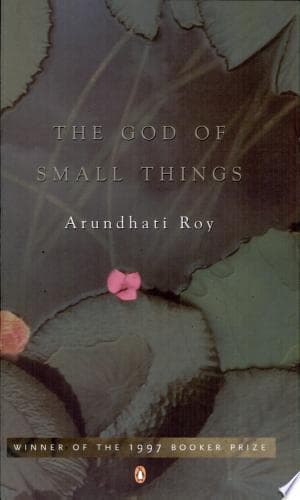
- The God of Small Things
Arundhati Roy
3.9 (244k) average on GoodreadsLiterary FictionFeatures lush, poetic prose, a non-linear narrative, and examines family secrets and societal taboos within a specific cultural context.
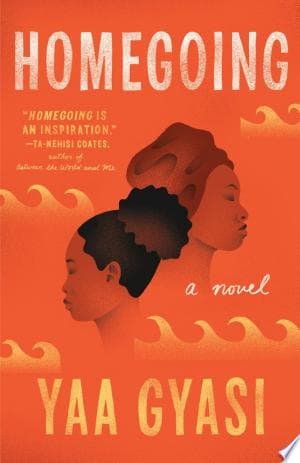
- Homegoing
Yaa Gyasi
4.4 (175k) average on GoodreadsLiterary FictionExplores the generational impact of history and cultural identity, with a focus on deep character studies and intricate family connections.
- The Old Man and the Sea
Ernest Hemingway
3.8 (831k) average on GoodreadsLiterary FictionA Cuban fisherman's long struggle with a giant marlin becomes a story of endurance and dignity, now retold for young adults with illustrations, phonetic guides, and writing prompts in Traditional Chinese.
- One Hundred Years of Solitude
Gabriel García Márquez
4.1 (753k) average on GoodreadsLiterary FictionThrough the multi-generational story of the Buendía family, a mythical town deals with the repeating patterns of time, love, and solitude, as the extraordinary mixes with the ordinary.
- The Goldfinch
Donna Tartt
3.9 (720k) average on GoodreadsLiterary FictionHaunted by a tragic explosion and clutching a stolen Dutch masterpiece, a young orphan navigates the opulent drawing rooms of New York and the gritty underbelly of the art world, desperately seeking connection and redemption amidst a life spiraling into crime and obsession.




Enjoyed the summary?
A summary gives you the shape of the book. The book itself has the detail, the examples and the voice.
Find Maps for Lost Lovers on AmazonAs an Amazon Associate, BookBrief earns from qualifying purchases. How we're funded