
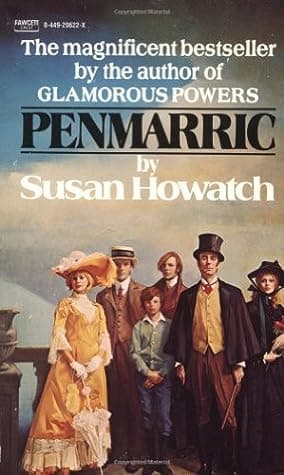
Synopsis
Covers the whole plot, including the ending.
- Difficulty
- Medium
- Pacing
- Moderate
- Mood
- Atmospheric, Dramatic, Melancholy, Intense, Romantic
- Read it if
- You love sweeping multi-generational sagas, complex family dynamics, and gothic romances set against atmospheric historical backdrops, especially those with a strong sense of place and psychological depth.
- Skip it if
- You prefer fast-paced plots, lighthearted stories, or character-driven narratives without a strong focus on lineage and inherited trauma.
Penmarric Plot Summary
Covers the whole plot, including the ending.
Janna's Arrival at Penmarric and Mark's Obsession
The story begins with Janna, a young and somewhat naive woman, marrying Mark Castallack, a man considerably older and more complex than herself. They move to Penmarric, a grand but isolated estate in Cornwall that has been in Mark's family for centuries. Janna is immediately struck by Mark’s intense, almost spiritual devotion to Penmarric and its past, particularly the story of a previous Castallack family feud. He spends hours researching his ancestors, becoming increasingly withdrawn and absorbed in the estate's history. Janna feels like an outsider, struggling to understand her husband's singular focus and the weight of the family legacy that seems to overshadow their marriage. She soon realizes that Mark's love for Penmarric is a powerful, almost rivalrous force in their relationship, setting the tone for their turbulent life together.
The Birth of Philip and Mark's Growing Detachment
Janna gives birth to their first son, Philip, bringing a brief period of joy, but Mark’s obsession with Penmarric and his family history quickly returns. He is a distant father and an increasingly absent husband, often retreating to his study or wandering the estate, lost in thought about his ancestors. Janna feels neglected and isolated, raising Philip largely on her own. She tries to connect with Mark, but his mind is perpetually elsewhere, fixed on unraveling the mysteries and tragedies of the Castallack past. This growing emotional distance leads to arguments and a deep sense of loneliness for Janna, who wants a deeper connection and for Mark to be present in their shared life, rather than lost in the shadows of the past.
The Arrival of Maude and the Marital Crisis
The fragile peace of Penmarric is shattered by the arrival of Maude, Mark’s glamorous and sophisticated cousin. Maude, a stark contrast to the quiet Janna, immediately captivates Mark with her wit, charm, and shared understanding of the Castallack legacy. What begins as a close friendship quickly escalates into a passionate affair, openly flaunted by Mark and Maude. Janna is devastated by the betrayal and public humiliation. The affair becomes an open secret, causing immense pain and scandal within the family and the local community. Janna confronts Mark, but he is unrepentant, completely enthralled by Maude. This period marks a turning point, pushing Janna to the brink of despair and forcing her to consider her future at Penmarric.
Janna's Departure and Life with Arthur
Heartbroken and humiliated by Mark’s clear affair with Maude, Janna decides to leave Penmarric, taking her young son, Philip, with her. She finds comfort and stability with Arthur, a kind and dependable man who genuinely cares for her and offers her the emotional security she lacked with Mark. They build a new life together, and Janna eventually gives birth to Arthur’s children. Despite the new happiness, Janna carries the scars of her past and the lingering connection to Penmarric through Philip, who remains Mark’s heir. She tries to move on, but the shadow of her first marriage and the grand, ancient house in Cornwall never completely leaves her or her children.
Philip's Return to Penmarric and His Own Marriage
After years away, Philip, now grown and bearing the emotional scars of his parents' separation, returns to Penmarric. He has inherited his father's deep attachment to the estate and a certain brooding intensity. Philip marries Isabella, a beautiful but manipulative woman who is primarily interested in Penmarric’s wealth and social standing. Their marriage has much tension, mirroring some of the complexities of his parents’ relationship. Isabella struggles to understand Philip's deep connection to the house and its history, often clashing with his rigid traditionalism. Philip, in turn, is drawn to her beauty but struggles with her superficiality and lack of genuine affection for the estate he holds so dear, setting the stage for his own marital drama.
Philip's Obsession and Isabella's Discontent
Once settled at Penmarric, Philip, like his father Mark, becomes deeply absorbed in the estate’s history and its preservation. His devotion to the house overshadows his marriage to Isabella, who quickly grows bored and resentful of his preoccupation. Isabella, accustomed to a more lavish and social lifestyle, feels neglected and unappreciated. She begins to seek attention and affection outside their marriage, engaging in discreet flirtations and seeking amusement away from the isolated estate. Philip, blinded by his own obsession and perhaps a lack of emotional insight, fails to fully address her growing discontent, widening the gap between them and echoing the marital patterns of the previous generation at Penmarric.
Janna's Return and Philip's Realization
Years later, Janna returns to Penmarric, drawn back by complex family circumstances and her enduring connection to the estate. Her presence, initially awkward, gradually helps Philip to see the patterns repeating in his own life. Through their conversations and Janna's quiet observations, Philip begins to understand the destructive cycles of obsession, neglect, and infidelity that have plagued the Castallack men and their wives for generations. Janna’s wisdom, born from her own suffering, provides a perspective, allowing Philip to reflect on his relationship with Isabella and his own deep attachment to Penmarric. This interaction is an important moment for Philip, offering him a chance to break free from the past.
Philip's Reconciliation and Isabella's Departure
Spurred by Janna's insights, Philip tries hard to reconnect with Isabella and save their marriage. He tries to be more present, to understand her needs, and to balance his love for Penmarric with his responsibilities as a husband. However, Isabella, who has already drifted too far and found other attachments, finds herself unable to truly return his affection or accept his unwavering devotion to the ancient estate. Despite Philip's efforts, the damage is too great, and Isabella ultimately decides to leave him for good. Her departure marks the end of their tumultuous marriage, leaving Philip alone at Penmarric, facing the consequences of his choices and the legacy of his family.
The Third Generation: Jessica's Perspective
The story then transitions to the perspective of Jessica, Philip’s daughter. Jessica, representing the third generation, offers a fresh, more contemporary, and often cynical view of the Castallack family's history and the imposing estate. She is keenly aware of the past traumas and the emotional baggage inherited from her grandparents and parents. Jessica is determined not to repeat the mistakes of her predecessors, seeking independence and a life free from the suffocating influence of Penmarric. Her narrative voice provides a counterpoint to the earlier, more romanticized or melancholic perspectives, offering a critical analysis of the family's self-destructive patterns and the patriarchal hold of the estate.
Jessica's Search for Identity and Legacy
Jessica, having observed the tragic patterns of her family, struggles with her own identity and her connection to Penmarric. She initially rebels against being tied to the estate, seeking a life defined by her own choices rather than the weight of her ancestors. However, as she matures, she begins to understand the complex beauty and history of Penmarric, and the deep, though sometimes destructive, love her family had for it. Jessica ultimately finds a way to embrace her heritage on her own terms, recognizing the importance of understanding the past without being consumed by it. She seeks to break the cycle of unhappiness, finding a balance between honoring her family's legacy and creating a fulfilling life for herself, representing a hopeful evolution for the Castallack line.
Principal Figures
Janna
Protagonist
The first wife of Mark Castallack, who endures betrayal and finds a new life, offering a perspective on the family's early struggles.
Janna is initially presented as a naive and somewhat fragile young woman who marries into the ancient Castallack family. She is deeply in love with Mark but struggles to understand his consuming obsession with Penmarric and his ancestors. Her journey is one of profound suffering, resilience, and eventual self-reliance after being abandoned for Maude. She represents the innocent victim of the Castallack family's destructive patterns, but ultimately finds strength and a new life with Arthur. Her perspective is one of enduring love, deep hurt, and the quiet dignity of a woman rebuilding her life. She is observant and deeply empathetic, becoming a source of wisdom for later generations.
Relationships: Mark Castallack (Husband, source of heartbreak); Philip Castallack (Son); Arthur (Second husband, loving partner); Maude (Mark's cousin and mistress, rival)
Mark Castallack
Major Character
The patriarch of Penmarric, whose deep, almost mystical obsession with the estate and its history drives his actions and creates generational conflict.
Mark is a complex, brooding, and intensely private man, deeply rooted in the history of Penmarric. His love for the estate is almost a spiritual devotion, overshadowing his relationships with his wives and children. He is intelligent and cultured but emotionally distant and often cruel in his pursuit of his own desires, particularly his affair with Maude. Mark represents the ancestral weight of Penmarric, embodying the destructive patterns of the Castallack men who prioritize the past and the estate over personal relationships. He is both fascinating and frustrating, a man consumed by a legacy he feels compelled to understand and perpetuate, even at the cost of his family's happiness.
Relationships: Janna (First wife, neglected); Maude (Lover, second wife); Philip Castallack (Son, estranged); Jessica Castallack (Granddaughter)
Maude
Major Character
Mark's glamorous and manipulative cousin, who becomes his mistress and second wife, representing a destructive force in the family.
Maude is Mark's sophisticated, worldly, and beautiful cousin. She is intelligent, charismatic, and unafraid to pursue her desires, regardless of the consequences. Maude actively seduces Mark, leading to the public humiliation of Janna and the fracturing of the family. She is fiercely ambitious and desires the status and power that comes with being mistress of Penmarric, though she lacks Mark's profound, almost spiritual connection to the estate itself. Maude represents the more tangible, material desires within the family, contrasting with Mark's historical obsession. While she gains her desired position, her relationship with Mark is ultimately turbulent and marked by their equally strong wills.
Relationships: Mark Castallack (Cousin, lover, second wife); Janna (Rival)
Philip Castallack
Protagonist
Mark and Janna's son, who inherits his father's deep connection to Penmarric and repeats many of his parents' marital struggles.
Philip is the son of Mark and Janna, and his life is profoundly shaped by his parents' tumultuous marriage and his father's obsession with Penmarric. He inherits a similar deep-seated love for the estate, which, like his father, he struggles to balance with his personal relationships. Philip is more sensitive than Mark but equally prone to emotional withdrawal. He marries Isabella, and their marriage mirrors the conflicts of his parents, with his devotion to Penmarric alienating his wife. His journey involves a gradual realization of the cyclical patterns within his family, aided by his mother's eventual return. He represents the second generation trying, and often failing, to escape the ancestral curse of Penmarric.
Relationships: Mark Castallack (Father, influential figure); Janna (Mother, source of later wisdom); Isabella (Wife, estranged); Jessica Castallack (Daughter)
Isabella
Major Character
Philip's beautiful and materialistic wife, who struggles to adapt to life at Penmarric and ultimately leaves him.
Isabella is Philip's wife, a woman of striking beauty and refined taste, but also superficiality and a lack of genuine connection to Penmarric. She is primarily drawn to Philip for his status and the grandeur of the estate, rather than a deep love for him or the history he cherishes. Isabella finds life at the isolated Penmarric dull and unfulfilling, especially as Philip becomes engrossed in his family's past. She represents the modern woman who cannot be confined by the ancient traditions and expectations of Penmarric, ultimately choosing her own happiness over a marriage that leaves her neglected. Her departure underscores the inability of the Castallack men to prioritize their wives over the estate.
Relationships: Philip Castallack (Husband, source of neglect); Jessica Castallack (Daughter)
Jessica Castallack
Protagonist
Philip's daughter, who provides the third-generation perspective, seeking to break free from the family's destructive legacy while honoring its history.
Jessica is the daughter of Philip and Isabella, representing the third generation of the Castallack family. She is intelligent, independent, and fiercely determined to forge her own path, consciously resisting the destructive patterns that plagued her ancestors. Jessica offers a more modern and critical lens through which to view the family's history, questioning the romanticized notions of Penmarric and analyzing the psychological toll it has taken. She struggles with her identity, caught between her love for the family's heritage and her desire for personal freedom. Her narrative arc is one of reconciliation, learning to appreciate her history without being consumed by its tragic aspects, ultimately offering a sense of hope for the future of the Castallacks.
Relationships: Philip Castallack (Father); Isabella (Mother); Janna (Grandmother, source of wisdom)
Arthur
Supporting
Janna's second husband, a kind and stable man who provides her with love and a sense of security after her first marriage fails.
Arthur is a kind, steady, and reliable man who offers Janna the emotional security and genuine affection she desperately lacked with Mark. He is a stark contrast to Mark's brooding intensity and obsession with Penmarric, representing stability and uncomplicated love. Arthur provides Janna with a safe haven and a loving family, giving her children and a sense of belonging away from the turbulent Castallack world. His presence highlights the true cost of Mark's neglect and the possibility of happiness outside the confines of Penmarric. He is a steadfast and supportive figure, allowing Janna to heal and rebuild her life, even as the past continues to cast a shadow.
Relationships: Janna (Husband, loving partner); Philip Castallack (Step-son)
Sir Jeremy Castallack
Mentioned
An ancestor of Mark and Philip, whose historical feud with his brother serves as a thematic parallel for the later generations' conflicts.
Sir Jeremy Castallack is a prominent ancestor of Mark and Philip, whose life and particularly his bitter feud with his brother, Richard, become a central subject of Mark’s historical obsession. Though long dead, his story and the legacy of his choices deeply influence the living Castallacks. Mark's extensive research into Sir Jeremy's life is not merely academic; it is a way for him to understand his own nature and the 'curse' he believes afflicts the men of Penmarric. Sir Jeremy's conflict with his brother, often over Penmarric itself, foreshadows and parallels the emotional and marital conflicts of Mark and Philip. He represents the foundational trauma and possessiveness linked to the estate.
Relationships: Mark Castallack (Descendant, subject of obsession); Philip Castallack (Descendant)
Themes & Insights
The Burden of Inheritance and Legacy
The novel explores how the historical legacy of Penmarric, both the physical estate and its ancestral stories, deeply shapes the lives and destinies of the Castallack family. Mark's obsession with his ancestors, particularly Sir Jeremy, dictates his life choices and his neglect of Janna. Philip, in turn, is similarly bound by this inherited connection, repeating his father's patterns. The house itself acts as a character, a powerful presence that both defines and traps its inhabitants. Jessica's struggle to embrace her heritage without being consumed by its tragic aspects highlights the ongoing tension between personal freedom and the weight of a powerful family legacy.
“Penmarric was a living thing, a hungry entity that demanded the souls of the Castallack men, binding them, consuming them.”
Cycles of Love, Betrayal, and Obsession
A central theme is the repetition of destructive patterns across generations within the Castallack family. Mark's obsession with Penmarric leads to his neglect of Janna and his affair with Maude, mirroring the ancestral feuds he studies. Philip, despite knowing his parents' story, falls into similar patterns, prioritizing the estate over Isabella, leading to her departure. The novel details how unresolved traumas and emotional deficiencies from one generation are passed down, creating a cyclical narrative of unfulfilled love, infidelity, and emotional isolation. Jessica's attempts to break this cycle offer a glimmer of hope for future generations.
“It was as if Penmarric itself had a curse, ensuring that every Castallack man would love the stones more than the flesh-and-blood beside him.”
Identity and Belonging
The characters constantly deal with their sense of identity, often defined by or in opposition to Penmarric. Janna feels like an outsider, struggling to belong in Mark's world. Mark's identity is linked to the estate and his ancestors. Philip tries to find his place within this complex lineage, while Isabella feels alienated by it. Jessica's journey focuses on forging an identity that acknowledges her heritage but is not entirely dictated by it. The search for belonging, whether within the family, the estate, or independently, is a driving force for many characters, showing the deep impact of place and lineage on self-perception.
“How could one ever truly escape Penmarric? It was in my blood, in my very bones, whether I wanted it or not.”
The Nature of Love and Marriage
The novel explores various forms of love and the complexities of marriage, often contrasting consuming obsession with genuine affection. Mark's 'love' for Penmarric is a possessive, almost pathological force that destroys his marriages. His love for Maude is passionate but ultimately unstable. Janna's love for Mark is deep but unrequited, and her eventual love for Arthur is one of quiet, stable companionship. Philip's marriage to Isabella is a blend of attraction and duty, ultimately failing because of his inherited obsessions. The book scrutinizes how individual desires, family history, and the allure of a place can corrupt or sustain marital bonds, questioning what truly constitutes a fulfilling partnership.
“I loved Mark, truly, but it was a love that was always secondary to his first, true mistress: Penmarric.”
The Power of Place
Penmarric, the ancestral estate, is arguably the most powerful 'character' in the novel. It is not merely a setting but a living, breathing entity that exerts an almost mystical hold over the Castallack men. Its ancient stones, its history, and its very atmosphere shape the lives and destinies of generations. The isolation of Penmarric contributes to the intense, insular nature of the family's problems. It represents both a source of pride and a curse, a place of beauty and despair. The novel demonstrates how a physical location can become imbued with so much meaning and history that it dictates the psychological state of its inhabitants, becoming a force unto itself.
“Penmarric was not just a house; it was a memory, a spirit, a demanding presence that consumed all who dared to love it too fiercely.”
Plot Devices & Literary Techniques
Multiple First-Person Narrators
Allows for different perspectives on the same events and characters across generations.
The novel employs a unique narrative structure, shifting between the first-person perspectives of Janna, Philip, and Jessica. This device allows the reader to experience the same historical events and family dynamics from distinct viewpoints, enriching the understanding of character motivations and the impact of the past. Janna provides the initial, often naive perspective of an outsider marrying in; Philip offers the perspective of a son caught between his parents' legacies; and Jessica provides a more modern, analytical, and critical view from the third generation. This multi-vocal approach highlights the cyclical nature of the story and the subjective interpretation of family history.
Parallelism and Echoes
Repetition of themes, conflicts, and character traits across generations.
Howatch masterfully uses parallelism, creating strong echoes between the experiences of different generations. Mark's obsession with Penmarric and his affair with Maude are deliberately mirrored in Philip's similar devotion to the estate and the subsequent alienation of Isabella. The ancestral feud between Sir Jeremy and Richard Castallack serves as a historical parallel for the later marital conflicts. This device emphasizes the cyclical nature of the Castallack 'curse' and suggests that the family's past is constantly replaying itself, creating a sense of inescapable destiny until Jessica attempts to break the pattern. It underscores the theme of inherited trauma and the power of legacy.
The House as a Character (Penmarric)
The estate of Penmarric functions as a living, influential entity in the story.
Penmarric is far more than just a setting; it acts as a central character in the novel. Described with immense detail and imbued with a powerful, almost sentient presence, the ancient Cornish estate exerts a profound influence over the Castallack family. It demands loyalty, inspires obsession, and seemingly shapes the destinies of its inhabitants. Mark and Philip's lives are consumed by their devotion to Penmarric, often at the expense of their human relationships. The house symbolizes the weight of tradition, the allure of the past, and the claustrophobia of inherited responsibility, becoming a source of both pride and profound unhappiness for generations.
Foreshadowing through Historical Research
Mark's study of his ancestors' lives predicts future events for his own family.
Mark's extensive historical research into the lives of his Castallack ancestors, particularly Sir Jeremy and his brother, serves as a significant plot device. As he uncovers their feuds, passions, and betrayals, these historical narratives subtly foreshadow the events that will unfold in his own life and the lives of his descendants. The ancient conflicts over Penmarric, the marital infidelities, and the intense, often destructive, family bonds that Mark studies provide a blueprint for the present. This device not only deepens the theme of inherited legacy but also creates a sense of tragic inevitability, as the characters seem destined to repeat the mistakes of their past.
Penmarric Quotes
“I am not a man to be crossed, and those who try will learn the hard way.”
“Love is not a gentle thing; it is a fire that can burn or warm, and sometimes it does both.”
“The past is a ghost that haunts us all, but we must learn to live with its whispers.”
“In this house, secrets are the bricks and lies the mortar.”
“We are all prisoners of our own desires, chained to what we think we want.”
“A woman's strength is often mistaken for weakness, but it is the quietest storms that do the most damage.”
“The land does not care for our petty squabbles; it endures long after we are gone.”
“To inherit is not just to receive wealth, but to bear the weight of expectation.”
“Sometimes the heart chooses a path the mind cannot follow, and that is when we are most alive.”
“A house divided against itself cannot stand, but it can crumble slowly, painfully.”
“There is no victory in revenge, only a hollow echo of what was lost.”
“We write our own stories, but the ink is often spilled by those who came before us.”
“In the end, it is not the grand gestures but the small kindnesses that are remembered.”
“To love is to risk everything, and sometimes that risk is worth more than safety.”
Quiz
10 questions on the plot and the characters. Each answer comes with a short explanation.
Question 1
What is the primary setting and central symbol of the novel 'Penmarric'?
- A coastal village in Devon
- The great mansion called Penmarric in Cornwall
- A London estate owned by the Castallack family
- A mining town in Wales
Show answer
B. The great mansion called Penmarric in Cornwall The novel is set in Cornwall and revolves around the mansion Penmarric, which serves as both the primary setting and a symbol of the family's legacy, conflicts, and ambitions throughout the generational saga.
Question 2
Who is the central character that brings his bride Janna to Penmarric, initiating the family drama?
- Philip Castallack
- Mark Castallack
- Henry Castallack
- Edward Castallack
Show answer
B. Mark Castallack Mark Castallack is described as a proud, strange, and sensitive man whose marriage to Janna sets off the tumultuous events that span three generations in the novel.
Question 3
What genre best describes 'Penmarric' based on its themes and setting?
- Science Fiction
- Mystery Thriller
- Historical Fiction and Romance
- Fantasy Adventure
Show answer
C. Historical Fiction and Romance The book is categorized as Historical Fiction and Romance, as it blends a detailed historical setting in Cornwall with dramatic family relationships and romantic entanglements across generations.
Question 4
How many generations does the family drama in 'Penmarric' primarily span?
- Two generations
- Three generations
- Four generations
- Five generations
Show answer
B. Three generations The novel's saga covers three generations of the Castallack family, focusing on their conflicts, romances, and ties to Penmarric over time.
Question 5
What role does the landscape of Cornwall play in the novel?
- It is merely a backdrop with no significant impact
- It symbolizes the family's isolation and internal strife
- It is the site of a major battle that defines the plot
- It represents a utopian escape from family conflicts
Show answer
B. It symbolizes the family's isolation and internal strife The starkly beautiful landscape of Cornwall mirrors the family's emotional turmoil and divisions, enhancing the themes of conflict and legacy central to the story.
Question 6
Which of the following best describes the initial act that triggers the family drama in 'Penmarric'?
- A financial scandal involving the Castallack fortune
- Mark Castallack bringing his bride Janna to Penmarric
- The death of the family patriarch in a mining accident
- A legal dispute over the ownership of Penmarric
Show answer
B. Mark Castallack bringing his bride Janna to Penmarric Mark Castallack's marriage to Janna and their arrival at Penmarric is the catalyst for the generational conflicts and romances that unfold in the novel.
Question 7
What is a key theme explored through the Castallack family's experiences in 'Penmarric'?
- Technological advancement in the 19th century
- A family divided against itself
- Colonial expansion and its impacts
- The pursuit of scientific discovery
Show answer
B. A family divided against itself The novel delves into themes of familial division, conflict, and legacy, as the Castallacks struggle with internal strife across generations, centered around Penmarric.
Question 8
In what way does the character of Mark Castallack influence the narrative's tone?
- His cheerful optimism sets a lighthearted mood
- His pride and sensitivity introduce complexity and tension
- His indifference to family matters creates a detached perspective
- His humorous antics provide comic relief throughout
Show answer
B. His pride and sensitivity introduce complexity and tension Mark's traits of pride, strangeness, and sensitivity establish a dramatic and emotionally charged tone, driving the conflicts and relationships that define the saga.
Question 9
How does the novel structure its storytelling to cover the three-generation span?
- Through a series of unrelated short stories
- By focusing solely on the first generation with flash-forwards
- Using a multi-perspective narrative that shifts between generations
- As a single continuous timeline without breaks
Show answer
C. Using a multi-perspective narrative that shifts between generations 'Penmarric' employs a multi-perspective approach, weaving together the viewpoints of different family members across three generations to build a comprehensive saga of conflict and romance.
Question 10
What broader historical context might 'Penmarric' engage with, given its setting and themes?
- The Industrial Revolution's impact on rural Cornwall
- World War I espionage in coastal regions
- The Victorian era's strict social etiquette in London
- The Celtic revival movements of the 20th century
Show answer
A. The Industrial Revolution's impact on rural Cornwall As a work of historical fiction set in Cornwall, the novel likely explores themes related to the Industrial Revolution, such as changes in society, economy, and family dynamics in rural areas during that period.
Penmarric FAQ
What is 'Penmarric' about?
'Penmarric' is a multi-generational family saga centered on the Castallack family and their ancestral mansion, Penmarric, in Cornwall. The novel follows the lives, conflicts, and passions of the family members across three generations, exploring themes of inheritance, love, betrayal, and the destructive power of family feuds. Key events include Mark Castallack's marriage to Janna, the bitter rivalry between his sons, and the ongoing struggle for control of Penmarric itself.
Why should I read 'Penmarric'?
Readers should dive into 'Penmarric' for its rich, immersive storytelling that blends historical detail with intense emotional drama. Susan Howatch masterfully creates complex, flawed characters whose personal struggles reflect larger themes of ambition, loyalty, and legacy. The novel's sweeping narrative and atmospheric Cornish setting make it a compelling read for fans of family sagas and historical fiction.
What is the background/setting of 'Penmarric'?
The novel is set primarily in Cornwall, England, spanning from the late 19th century into the early 20th century. The rugged, windswept landscape of Cornwall serves as a powerful backdrop, mirroring the turbulent emotions and conflicts of the Castallack family. The central setting is Penmarric, the family's grand mansion, which symbolizes both their wealth and their internal divisions.
What are the most memorable quotes?
While specific quotes vary, memorable lines often highlight the novel's themes of legacy and conflict, such as Mark Castallack's reflections on Penmarric: 'It's not just a house; it's a curse and a blessing.' Another poignant moment comes from Janna: 'In this family, love is just another word for war.' These quotes encapsulate the deep-seated tensions that drive the narrative.
What writing style does the author use?
Susan Howatch employs a detailed, descriptive prose style that vividly brings the Cornish setting and the Castallack family's world to life. Her narrative is character-driven, with multiple perspectives that delve into the inner thoughts and motivations of key figures. The writing balances historical authenticity with dramatic intensity, creating a saga that feels both epic and intimately personal.
What minor details add significant meaning?
Minor details like the recurring imagery of the sea and storms in Cornwall subtly reflect the emotional turmoil within the Castallack family. For instance, descriptions of Penmarric's deteriorating condition parallel the family's moral decay. Small acts, such as a character's attachment to a particular heirloom, often symbolize deeper connections to the past and unresolved grievances.
What are some subtle foreshadowing moments?
Early in the novel, Mark Castallack's obsessive focus on Penmarric foreshadows the future conflicts over inheritance. Janna's initial discomfort with the mansion hints at the marital strife to come. The rivalry between Mark's sons is subtly prefigured through their childhood interactions, setting the stage for the generational battles that dominate the later plot.
What unexpected character connections exist?
Unexpected connections emerge through secret relationships and hidden parentage, such as the revelation of illegitimate children within the Castallack lineage. These ties often fuel the family's conflicts, as characters discover bonds that challenge their perceived roles. For example, alliances formed through marriage or betrayal reveal how interconnected the family's fates truly are.
What are unspoken character motivations?
Mark Castallack's drive to secure Penmarric's legacy stems from a deep-seated fear of obscurity and a desire for immortality through his family line. Janna's actions are often motivated by a need for autonomy in a patriarchal society, while the sons' rivalries are fueled by unacknowledged jealousy and a craving for paternal approval. These hidden desires shape their decisions and conflicts.
What psychological complexities do characters exhibit?
Characters in 'Penmarric' display psychological depth through their contradictions; Mark is both proud and vulnerable, Janna is resilient yet trapped by societal expectations. The sons grapple with identity crises, torn between loyalty to family and personal ambition. These complexities make their emotional journeys relatable and highlight the novel's exploration of human nature under pressure.
What are the major emotional turning points?
Major emotional turning points include Mark's marriage to Janna, which sets the family's tumultuous dynamic in motion, and key deaths that shift power balances within the Castallack clan. The revelation of long-held secrets, such as infidelities or hidden wills, often triggers dramatic confrontations that alter relationships irreversibly, driving the saga forward.
How do relationship dynamics evolve?
Relationship dynamics in 'Penmarric' evolve from initial alliances to deep-seated rivalries, particularly between Mark's sons as they vie for control of the estate. Marriages, like Mark and Janna's, start with hope but deteriorate into resentment, while parent-child bonds are tested by betrayal and inheritance disputes. These shifts reflect the ongoing cycle of conflict and reconciliation in the family.
Which parts remain ambiguous or open-ended?
Certain aspects of the ending leave room for interpretation, such as the ultimate fate of Penmarric and whether the family's cycles of conflict can be broken. The motivations behind some characters' final decisions, like choices made in moments of crisis, are not fully spelled out, allowing readers to ponder their implications for future generations.
What are controversial scenes or decisions?
Controversial scenes include instances of marital infidelity and harsh disciplinary actions within the family, which spark debates about morality and loyalty. Decisions regarding inheritance, such as favoring one child over another, often lead to accusations of unfairness and highlight the destructive nature of greed and favoritism in the Castallack saga.
'Penmarric' ending explained: how it ends & what it means
The novel concludes with a resolution that sees some characters achieving a hard-won peace, while others remain entangled in the family's legacy of strife. Penmarric itself may change hands or face an uncertain future, symbolizing both the endurance and fragility of the Castallack lineage. The ending suggests that while history repeats itself, there is always potential for redemption and new beginnings.
About the author
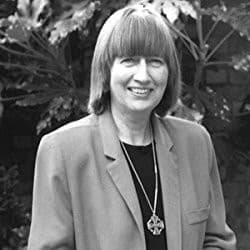
Susan Howatch is a British author known for her fiction, particularly her novel "Penmarric." Her works often explore themes of family dynamics and personal conflict, set against rich historical backdrops. Howatch's storytelling is characterized by intricate character development and a deep understanding of human relationships.
Similar books
- Rebecca
Daphne du Maurier
4.2 (450k) average on GoodreadsThrillerFeatures a strong sense of place (Manderley) and a young bride navigating a complex, imposing estate and its haunting past.
- The Thorn Birds
Colleen McCullough
4.2 (314k) average on GoodreadsHistorical FictionEpic multi-generational family saga with forbidden love, set against a dramatic landscape.
- Wuthering Heights
Emily Brontë
3.9 (1.3M) average on GoodreadsHistorical FictionExplores intense, often destructive passions and family legacies intertwined with a wild, isolated landscape.
- To Kill a Mockingbird
Harper Lee
4.3 (4.5M) average on GoodreadsHistorical FictionIn the 1930s Jim Crow South, Harper Lee writes about racial injustice, moral growth, and the quiet courage of a lawyer father, Atticus Finch, as seen through his young daughter's eyes.
- The Great Gatsby
F. Scott Fitzgerald
3.9 (3.8M) average on GoodreadsHistorical FictionIn the opulent Roaring Twenties, a mysterious millionaire's lavish parties hide his desperate, tragic pursuit of a lost love, exposing the emptiness within the American Dream.
- Pride and Prejudice
Jane Austen
4.3 (3M) average on GoodreadsHistorical FictionIn a society focused on status and money, Elizabeth Bennet navigates love and pride, challenging Mr. Darcy and social expectations to find true affection.





Enjoyed the summary?
A summary gives you the shape of the book. The book itself has the detail, the examples and the voice.
Find Penmarric on AmazonAs an Amazon Associate, BookBrief earns from qualifying purchases. How we're funded