
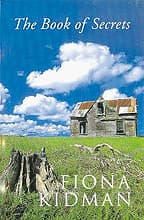
Synopsis
Covers the whole plot, including the ending.
- Difficulty
- Medium
- Pacing
- Moderate
- Mood
- Historical, Reflective, Oppressive, Resilient, Challenging
- Read it if
- You enjoy historical fiction based on real-life communities and characters, exploring themes of religious authoritarianism, female defiance, and pioneer life.
- Skip it if
- You prefer fast-paced plots or shy away from stories with significant religious or patriarchal oppression.
The Book Of Secrets Plot Summary
Covers the whole plot, including the ending.
The Exodus from Scotland
The novel begins with Norman McLeod and his Presbyterian followers in the Scottish Highlands in the early 19th century. Facing the Clearances and a spiritual dissatisfaction with the church, McLeod, a charismatic but strict preacher, convinces his community to travel to Nova Scotia, Canada. He wants to create a pure, self-sufficient society, free from outside influences and governed by his strict religious laws. The journey itself is difficult, testing the faith and strength of the emigrants, including young Kirsty, who already struggles with McLeod's absolute power.
Establishing the Nova Scotian Settlement
In St. Ann's, Cape Breton, Nova Scotia, McLeod’s followers, driven by their faith and his strong leadership, work to clear land, build homes, and establish a settlement. McLeod, practical and visionary, sees the potential of shipbuilding to support the community. They build a fleet of ships, including the 'Margaret,' which symbolizes their cleverness and independence. Life in St. Ann's involves hard work, strict religious rules, and a growing sense of community. Yet, signs of disagreement and personal desire begin to appear beneath this ordered existence, especially among the women.
Kirsty's Early Rebellion and Banishment
Kirsty, a spirited young woman, feels increasingly restricted by McLeod's strict social and religious rules in St. Ann's. Her desire for personal freedom and her questions challenge his authority. When she forms a relationship with a man outside McLeod's approved group, her action is considered unforgivable. McLeod, using his absolute power, publicly shames and banishes Kirsty from the community. This severe judgment shows the consequences of not conforming, and it starts a pattern of female resistance and exile that will happen again across generations within McLeod’s influence.
The Journey to Australia
After years in Nova Scotia, McLeod believes the harsh climate and increasing outside influences are corrupting his community. He announces a new divine message: they must move again, this time to Australia. The decision, though met with some hesitation, is eventually obeyed. The community goes on another difficult sea journey aboard their self-built ships. This trip is shown as a test of endurance and faith, further strengthening McLeod’s control over his followers, who see him as their divinely chosen guide. The journey is long and challenging, making their identity as a migrating, isolated people stronger.
Brief Sojourn in Australia
In Australia, McLeod and his followers try to settle again. However, they soon find that the land is not as promised, and the existing colonial society brings new challenges and temptations that McLeod believes harm his vision of a pure settlement. The perceived moral looseness and secular nature of Australian society deeply trouble him. After a relatively short and unsatisfying period, McLeod, still seeking the ideal, declares that Australia is not their promised land. He turns his attention to New Zealand, believing it offers the isolation and unspoiled environment needed for his community's growth, again showing his unwavering, though sometimes mistaken, belief.
Settlement in Waipu, New Zealand
The last part of their journey brings McLeod and his tired but strong followers to Waipu, Northland, New Zealand. Here, they find the isolation and fertile land McLeod had envisioned. The community, now toughened by decades of migration and self-reliance, begins building their new homes and farming the land. Waipu becomes their permanent refuge, a sign of their perseverance and McLeod’s lasting leadership. The settlement thrives physically, but McLeod’s strict rules remain, creating an environment where conformity is most important and personal desires are often suppressed for collective salvation and obedience to divine will.
Morag's Silent Resistance
Morag, Kirsty's daughter, grows up within the strict Waipu community, fully aware of her mother's banished status. She shows a quieter, more internal form of rebellion than her mother. While outwardly following community expectations, Morag deeply longs for a life beyond its rigid boundaries and a love that McLeod would not approve of. Her struggle shows how oppression works, where even unspoken desires can be seen as wrong. Morag's story explores the psychological cost of living under constant watch and the quiet strength needed to keep one's identity when facing strong social pressure, leading to her own conflict with McLeod's authority.
Elspeth's Challenge to Authority
Elspeth, Morag's daughter and Kirsty's granddaughter, is the third generation of women to challenge McLeod's power. Unlike her mother and grandmother, Elspeth is more direct and open in her defiance. She questions McLeod's interpretations of scripture, his absolute power, and the patriarchal structures that control every part of community life. Her intelligence and independent spirit make her a strong opponent, and her public challenges threaten to break down McLeod’s carefully built society. Elspeth’s actions bring to a head the long-standing tensions between individual freedom and communal obedience, forcing a confrontation that will decide her place in Waipu.
The Continuing Legacy of Banishment
Like Kirsty and Morag, Elspeth's open defiance of Norman McLeod's authority eventually leads to her banishment from the Waipu community. McLeod, despite his age, keeps his strong control, unwilling to tolerate any challenge to his divinely given leadership. Elspeth's exile, however, is not a defeat but an assertion of her individual will and a break from the cycle of repression. This repeated pattern of banishment highlights the novel's main theme of not conforming and the cost of challenging established power. It also shows the lasting strength and resilience of the women who dared to make their own way.
McLeod's Decline and Death
As Norman McLeod ages, his body and mind begin to decline, though his hold on the community remains strong until the end. His death marks a turning point for Waipu. The community, so shaped by his vision and personality, must now face a future without its central, dominating figure. His passing leads to reflection on his complex legacy—a man who led his people through great hardships to establish a thriving settlement, but also a tyrant whose rigid beliefs caused much personal suffering and exiled those who questioned him. The community must now decide how to move forward, either continuing his strict rules or accepting change.
The Community After McLeod
After Norman McLeod's death, the Waipu community slowly changes. His strict rules loosen, and outside influences gradually reach the once-isolated settlement. While many original customs and beliefs remain, there is a gradual move towards more openness and integration with wider New Zealand society. The legacy of the banished women, especially Kirsty, Morag, and Elspeth, begins to be re-evaluated. Their stories serve as a reminder of the human cost of rigid adherence to dogma. The community works to preserve its unique heritage while embracing the inevitable changes of modernity, finding a new balance between tradition and progress.
Reconciliation and Memory
In the novel's later sections, the descendants of Kirsty, Morag, and Elspeth begin to return to Waipu, or their stories are remembered and re-integrated into the community's narrative. This shows a form of reconciliation, not with McLeod himself, but with the painful past and a recognition of the sacrifices made by those who defied him. The novel ends with a sense of how memory and storytelling last, as these women's experiences become a part of Waipu's history. This offers lessons about resilience, the human spirit, and the ongoing struggle for individual freedom within community structures. Their secret stories are finally revealed.
The Book Of Secrets Characters
Norman McLeod
Antagonist
A charismatic but tyrannical Scottish Presbyterian preacher.
Norman McLeod is the central, albeit often unseen, force driving the narrative. He is a man of immense charisma, intellect, and unshakeable conviction, believing himself to be divinely appointed to lead his flock to a promised land. His leadership is absolute, based on a rigid interpretation of Presbyterian doctrine and an unwavering belief in his own judgment. He is a visionary pioneer, capable of inspiring incredible loyalty and endurance in his followers, but also a cruel and domineering tyrant who demands unquestioning obedience. His fear of moral corruption and external influences fuels his desire for isolation and his harsh punishments.
Relationships: Kirsty (Spiritual leader and banisher); Morag (Spiritual leader and source of oppression); Elspeth (Spiritual leader and direct antagonist)
Kirsty
Protagonist
A spirited young woman who is the first to be banished by McLeod.
Kirsty is the first of the three generations of women to challenge McLeod's authority. She is introduced as a young woman in Scotland, full of life and an independent spirit that chafes against the strictures of McLeod's community. Her desire for personal freedom and her inability to conform to the rigid social and religious codes lead to her public shaming and banishment. She represents the initial spark of rebellion, a testament to the human need for autonomy even in the face of overwhelming social and religious pressure. Her story sets the precedent for the struggles of the women who follow her.
Relationships: Norman McLeod (Rebellious follower and victim of his authority); Morag (Mother to Morag)
Morag
Protagonist
Kirsty's daughter, who embodies a quieter, internal resistance.
Morag is Kirsty's daughter, born and raised within the Waipu settlement, but always aware of her mother's banished status. She is a more introspective character than Kirsty, and her resistance to McLeod's authority is often internal and subtle. Morag struggles with the conflict between her personal desires and the overwhelming pressure to conform to the community's expectations. She represents the silent suffering and the psychological toll of living under a tyrannical regime, demonstrating that defiance can take many forms, even in the absence of overt rebellion. Her story explores the nuances of conformity and the quiet strength of the human spirit.
Relationships: Kirsty (Daughter to Kirsty); Norman McLeod (Oppressed follower); Elspeth (Mother to Elspeth)
Elspeth
Protagonist
Morag's daughter, who directly and vocally challenges McLeod's doctrines.
Elspeth is the granddaughter of Kirsty and the daughter of Morag, representing the third generation of women to confront McLeod. She is the most vocal and direct in her defiance, openly questioning McLeod's interpretations of scripture, his absolute power, and the patriarchal structure of the community. Elspeth is intelligent, articulate, and unafraid to challenge the status quo, making her a formidable opponent to the aging McLeod. Her actions bring the long-simmering tensions between individual freedom and communal obedience to a head, forcing a definitive confrontation that echoes and amplifies the struggles of her grandmother and mother.
Relationships: Morag (Daughter to Morag); Norman McLeod (Direct antagonist and challenger of his authority)
The Community (The Waipu Settlers)
Supporting
McLeod's loyal followers who endure hardships and live under his strict rule.
The community represents the collective body of McLeod's followers, who are bound by shared faith, hardship, and loyalty to their leader. They are hardworking, resilient pioneers who endure multiple migrations and establish thriving settlements. While largely subservient to McLeod's will, the community also experiences internal tensions, whispers of dissent, and the quiet struggles of individuals. They embody both the strength of collective endeavor and the dangers of unquestioning obedience, serving as a backdrop against which the women's individual rebellions play out. Their adherence to McLeod's rules underscores the difficulty of nonconformity.
Relationships: Norman McLeod (Loyal followers and subjects)
Donald
Supporting
A member of the community who forms a relationship with Kirsty.
Donald is a young man within McLeod's community who forms a romantic relationship with Kirsty. His presence highlights the natural human desires for love and connection that are often suppressed or forbidden within the strictures of McLeod's society. Donald's relationship with Kirsty is the catalyst for her first major transgression and subsequent banishment, underscoring the severe consequences of defying McLeod's rules, especially concerning personal relationships. He represents the external world or individual desires that threaten the 'purity' of McLeod's vision.
Relationships: Kirsty (Romantic interest)
The Narrator
Supporting
The omniscient voice that weaves together the historical narrative and personal stories.
While not a character within the plot, the omniscient narrator plays a crucial role in shaping the reader's understanding of the events. The narrator provides historical context, delves into the internal lives of the characters, and often offers subtle commentary on the moral and social implications of McLeod's rule. This narrative voice is objective yet empathetic, allowing for a balanced portrayal of McLeod's complexities while highlighting the injustices faced by the women. The narrator acts as a storyteller, ensuring that the 'secrets' of the banished women are finally brought to light and their stories are heard.
The Book Of Secrets Themes
Transgression and Nonconformity
This is a central theme, shown through Kirsty, Morag, and Elspeth. Each woman, in her own way, breaks the strict moral and social rules set by Norman McLeod. Kirsty's romantic relationship outside the approved group, Morag's internal desire for freedom, and Elspeth's direct questioning of doctrine are all acts of not conforming. The novel shows the courage needed to defy strong authority and the severe consequences—often banishment—for those who do not follow the collective will. It explores the human desire for individual expression against the pressures of a moralistic, controlling culture. Their stories show that 'secret' acts of defiance can be as powerful as open rebellion.
“To defy the Prophet was to defy God Himself, and the consequences were known to all.”
The Nature of Power and Authority
The novel examines the nature of power, especially in the hands of a charismatic religious leader like Norman McLeod. His authority is absolute, coming from his perceived divine connection and his ability to inspire and control his followers. The theme explores how such power can be both constructive (leading his people through great hardship to establish a thriving settlement) and destructive (tyrannical control, suppression of individual freedom, and banishment). The challenges from the women highlight the abuse of power and the moral compromises made to keep it. It questions whether unquestioning obedience is right and how unchecked authority can corrupt.
“He ruled not by law alone, but by a force of will that bent all others to his purpose.”
Mutual Support and Community
Despite McLeod's oppressive rule, the theme of mutual support within the community is clear, especially in pioneer life. The settlers depend on each other for survival, building homes, farming land, and enduring dangerous journeys together. This collective effort allows them to establish settlements in Nova Scotia, Australia, and New Zealand. However, the novel also shows the limits of this support when it comes to individual disagreement. While there is a strong sense of communal identity, it comes at the cost of individual freedom for those who cannot conform, highlighting the tension between the benefits of collective strength and the suppression of personal freedom.
“They worked as one, a single body driven by the Prophet’s vision, yet within that body, individual hearts beat with their own secret rhythms.”
The Pioneer Experience and Adaptation
The difficult journey of McLeod's followers across continents, from Scotland to Nova Scotia, Australia, and finally New Zealand, clearly shows the pioneer experience. This theme includes the great physical hardship, the constant need to adapt to new environments, and the resilience needed to build new lives from nothing. The settlers face challenges of climate, land, and isolation, relying on cleverness and determination. Building ships, clearing land, and establishing self-sufficient communities all speak to the pioneer spirit. However, it also shows that even in new lands, old patterns of social control and conflict can continue, highlighting that the challenges are not just physical but also deeply social and psychological.
“Each new land promised freedom, but also demanded a fresh baptism of toil and sacrifice.”
The Legacy of the Past and Memory
The novel shows how the past, especially the stories of the banished women, continues to shape the present and future of the Waipu community. The 'secrets' of Kirsty, Morag, and Elspeth are not forgotten; they remain as whispers, lessons, and eventually, re-claimed stories. This theme explores how historical events, especially those involving injustice and repression, leave a lasting mark on later generations. The eventual return or remembrance of the banished women's descendants suggests a healing or a re-evaluation of the community's history, allowing for a more nuanced understanding of McLeod's legacy and the complex interaction between communal identity and individual truth. It shows how storytelling can preserve and reinterpret history.
“The stories of the banished women were not forgotten, but whispered, passed down like secret heirlooms, waiting for the right time to be told aloud.”
Plot Devices & Literary Techniques
Generational Saga
Following three generations of women to highlight a continuous struggle.
The novel employs a generational saga structure, focusing on the experiences of Kirsty, her daughter Morag, and her granddaughter Elspeth. This device allows the author to illustrate the enduring nature of Norman McLeod's influence and the repetitive patterns of repression and rebellion across different eras. By showing how each woman confronts McLeod's authority in distinct ways (overt defiance, quiet struggle, direct challenge), the novel emphasizes the evolving nature of nonconformity and the slow, incremental progress towards individual freedom within a rigid society. It also highlights the legacy of defiance and the intergenerational transmission of strength and resilience.
The Journey/Exodus Motif
Multiple migrations symbolizing a search for an ideal, pure society.
The recurring motif of the journey or exodus is central to the novel. McLeod leads his followers from Scotland to Nova Scotia, then to Australia, and finally to New Zealand. Each migration is presented as a spiritual quest for a 'promised land' where his ideal, pure society can flourish, free from external corruptions. This device underscores McLeod's unwavering vision and his absolute control over his flock. It also highlights the immense physical and emotional sacrifices made by the community, emphasizing their resilience and faith. The continuous search for an elusive ideal land parallels the internal struggles of the characters seeking their own form of freedom.
Banishment as a Recurring Consequence
The consistent expulsion of nonconformists as a tool of control.
The act of banishment serves as a powerful and recurring plot device. Kirsty, Morag (implicitly), and Elspeth are all, in different ways, cast out or marginalized from the Waipu community by McLeod. This device emphasizes the absolute nature of McLeod's authority and the severe consequences of nonconformity. It highlights the psychological and social isolation experienced by those who dare to challenge the established order. The repetition of banishment across generations underscores the theme of oppression and the high price paid for individual freedom, while also demonstrating the enduring courage of the women who choose their principles over communal acceptance.
The 'Book of Secrets' Metaphor
Symbolizing hidden truths, untold stories, and suppressed histories.
The title itself, 'The Book of Secrets,' functions as a powerful metaphor throughout the novel. It represents the hidden truths, untold stories, and suppressed histories of the Waipu community, particularly those concerning the banished women. McLeod's community operates on a carefully constructed narrative of piety and obedience, but beneath this surface lie the 'secrets' of individual desires, acts of defiance, and the painful consequences of his tyranny. The novel's purpose is to open this 'book,' revealing these stories and giving voice to those who were silenced, thereby reclaiming their place in the collective memory and offering a more complete and honest account of the community's past.
The Book Of Secrets Quotes
“The past, she knew, was not a place to live, but a garden to visit, to tend, to understand.”
“Secrets were like seeds, buried deep, waiting for the right conditions to sprout into something beautiful or something monstrous.”
“The land held its own memories, etched into the hills and valleys, whispered by the wind through the trees.”
“Sometimes, the greatest strength lay not in fighting, but in enduring, in holding fast to what you knew to be true.”
“Love was a complicated country, with its own borders and customs, its own periods of peace and war.”
“The silence could be a comfort, or it could be a cage, depending on who you were and what you were hiding.”
“History wasn't just dates and names; it was the breath of people long gone, still lingering in the air.”
“The weight of unspoken words could be heavier than any physical burden.”
“Hope was a stubborn weed, finding purchase even in the most barren ground.”
“To forget was to betray, not just the dead, but the future they had helped to shape.”
“Sometimes, the truth was not a single, shining thing, but a collection of fractured pieces, each held by a different hand.”
“The sea, relentless and indifferent, held more stories than any book could ever contain.”
“A woman's strength was often found in the quiet places, in the tending of fires, in the mending of lives.”
“Change was a slow, deliberate tide, eroding the old ways, but leaving new patterns in its wake.”
Quiz
10 questions on the plot and the characters. Each answer comes with a short explanation.
Question 1
Which country was NOT one of the locations where Norman McLeod led his followers to settle?
- Scotland
- Canada (Nova Scotia)
- United States
- New Zealand
Show answer
C. United States Norman McLeod led his followers from Scotland to Nova Scotia, then Australia, and finally New Zealand. The United States was not a destination.
Question 2
What was Norman McLeod's primary role within the Highlander community he led?
- A shipbuilder
- A charismatic but domineering preacher
- A political leader advocating for land reform
- A renowned physician
Show answer
B. A charismatic but domineering preacher The novel describes Norman McLeod as a charismatic but domineering Scottish preacher.
Question 3
What is the name of the final settlement in New Zealand where McLeod's community established itself?
- Wellington
- Auckland
- Waipu, Northland
- Christchurch
Show answer
C. Waipu, Northland After settling in Nova Scotia and Australia, they finally settled in Waipu, in Northland, New Zealand.
Question 4
What specific action did the women who challenged McLeod's behavior face?
- They were given leadership roles to appease them.
- They were publicly praised for their courage.
- They were banished from the community.
- They were forced into arranged marriages.
Show answer
C. They were banished from the community. The novel states that McLeod's tyrannical behavior was challenged by three generations of women who were subsequently banished from the community.
Question 5
Which of the following best describes a central theme explored in 'The Book of Secrets'?
- The triumph of religious conformity over individual freedom.
- The challenges of transgression and nonconformity within a moralistic culture.
- The benefits of strict hierarchical leadership in pioneer communities.
- The ease of establishing new settlements in the 19th century.
Show answer
B. The challenges of transgression and nonconformity within a moralistic culture. The novel explicitly looks at issues of transgression and nonconformity within a moralistic culture.
Question 6
Before migrating to Australia and New Zealand, what primary activity did the community undertake in Nova Scotia?
- Mining for gold
- Building ships
- Establishing a textile industry
- Developing new agricultural techniques
Show answer
B. Building ships After settling in Nova Scotia, the community engaged in building ships before continuing their journey.
Question 7
The 'clearances' mentioned in the context of Scotland refer to what historical event?
- A series of political purges against religious minorities.
- The forced displacement of tenants from their land, often for sheep farming.
- A period of widespread famine that decimated the population.
- The abolition of slavery in the British Empire.
Show answer
B. The forced displacement of tenants from their land, often for sheep farming. The Scottish clearances were a historical period of forced eviction of tenants from traditional landholdings in the Scottish Highlands and Islands.
Question 8
How many generations of women are specifically mentioned as challenging Norman McLeod's authority?
- One generation
- Two generations
- Three generations
- Four generations
Show answer
C. Three generations The novel states that McLeod's behavior was challenged by three generations of women.
Question 9
What overarching societal issue does the novel explore through the experiences of the women challenging McLeod?
- The importance of strict adherence to traditional gender roles for community stability.
- The conflict between individual autonomy and rigid communal moral codes.
- The benefits of unchecked authoritarian leadership in early settlements.
- The ease with which pioneer communities adapted to new environments.
Show answer
B. The conflict between individual autonomy and rigid communal moral codes. The novel delves into issues of 'transgression and nonconformity within a moralistic culture,' directly reflecting the conflict between individual freedom (represented by the women) and strict communal rules.
Question 10
The novel suggests that beyond the difficulties of pioneer life, what other crucial element was often lacking or difficult to maintain within McLeod's community due to his nature?
- Access to advanced medical care.
- Sufficient food supplies.
- Mutual support and understanding.
- Consistent communication with their homeland.
Show answer
C. Mutual support and understanding. The novel highlights 'the need for mutual support' as a difficulty facing early pioneers, implicitly challenged by McLeod's tyrannical and isolating leadership.
The Book Of Secrets FAQ
What is the central premise of 'The Book Of Secrets'?
'The Book Of Secrets' chronicles the life of Norman McLeod, a powerful and autocratic Scottish preacher who led his Highlander followers from Scotland, through Nova Scotia and Australia, finally settling in Waipu, New Zealand. The novel explores the challenges of pioneering life and the rigid moral code McLeod enforced, particularly through the eyes of women who defy him.
Who is Norman McLeod and what is his role in the community?
Norman McLeod is the charismatic but ultimately tyrannical spiritual leader of the Scottish Highlander community. He wields absolute authority over all aspects of his followers' lives, dictating religious practice, social conduct, and even personal relationships, believing himself to be God's chosen shepherd.
Where does the community settle after their extensive migrations?
After their initial departure from Scotland, a period in Nova Scotia where they built ships, and a brief stop in Australia, Norman McLeod's community ultimately establishes its permanent settlement in Waipu, Northland, New Zealand. This isolated location allows McLeod to maintain his strict control.
What is the significance of the 'banishment' theme in the novel?
Banishment is a recurring and central theme, representing McLeod's ultimate punishment for those who transgress his rules or challenge his authority. It highlights the severe consequences of nonconformity within his moralistic, insular society, particularly for the women who dare to defy him.
Which specific historical events prompted the initial migration from Scotland?
The initial migration from Scotland was primarily prompted by the Highland Clearances, a period of forced eviction of tenants from their land by landowners. This displacement created a desperate need for a new home and a spiritual leader like McLeod to guide them.
How do the three generations of women challenge McLeod's authority?
The women challenge McLeod's authority through various acts of transgression, ranging from choosing their own partners, expressing independent thought, to engaging in forbidden relationships. Each act, however small, undermines his absolute control and rigid moral framework.
Are there any subtle indications of McLeod's own internal struggles or doubts?
While McLeod projects an image of unwavering certainty, the novel subtly hints at his internal struggles through his increasing paranoia, his need for absolute control, and his harsh reactions to perceived threats. These could be interpreted as a defense mechanism against his own insecurities or doubts about his divine mandate.
What role does the 'book of secrets' itself play, beyond the title?
The 'book of secrets' isn't a literal object but a metaphorical representation of the unspoken truths, hidden desires, and suppressed stories within the community. It refers to the private transgressions and personal histories that are kept hidden from McLeod's pervasive scrutiny.
How does the novel portray the psychological impact of isolation on the community?
The novel portrays the psychological impact of isolation through the community's heightened reliance on McLeod, the intense social pressure to conform, and the fear of ostracism. This isolation fosters a climate where dissent is almost impossible and individual identity is subsumed by the group.
What psychological factors contribute to McLeod's tyrannical leadership?
McLeod's tyrannical leadership stems from a complex mix of factors, including a deep-seated need for control, possibly fueled by past insecurities or a messianic complex. He genuinely believes his strict rules are for the community's salvation, blurring the lines between spiritual guidance and oppressive dominance.
How do the banished women cope with their psychological trauma and loss?
The banished women cope with their trauma through resilience, finding strength in self-reliance and forming new connections outside the community. While they carry the scars of their past, their experiences often lead to a deeper understanding of freedom and personal agency.
In what ways does the novel explore the concept of 'transgression' beyond simple rule-breaking?
The novel explores transgression not just as rule-breaking, but as an assertion of individual will against an oppressive collective identity. It delves into the moral complexities of challenging a system believed to be divinely ordained, highlighting the internal conflict faced by those who transgress.
Is Norman McLeod presented as a purely evil figure, or is there nuance to his character?
While undeniably tyrannical, McLeod is not presented as purely evil. The novel suggests a degree of misguided conviction, portraying him as a man who genuinely believes his actions are for the ultimate good of his people, albeit through extremely authoritarian means. This creates a nuanced, if chilling, character.
What is the novel's ultimate message regarding freedom versus security?
The novel's ultimate message suggests that while security can be found in conformity and strong leadership, true freedom requires personal autonomy, independent thought, and the courage to challenge oppressive systems. It highlights the heavy cost of sacrificing individual liberty for collective safety.
How does the setting of Waipu, New Zealand, contribute to the narrative themes?
The remote and isolated setting of Waipu significantly contributes to the narrative by reinforcing McLeod's ability to maintain absolute control. It limits external influences and emphasizes the community's self-reliance, which simultaneously fosters strong bonds and intensifies the pressure to conform.
Does the novel offer any hope for reconciliation or healing within the community?
The novel offers limited hope for reconciliation within the original community as long as McLeod's influence persists. However, it suggests healing and new forms of community can be found by those who escape and forge their own paths, finding strength in their shared experiences of defiance.
How does the author use historical detail to enhance the story's themes?
The author uses historical detail, such as the Highland Clearances and the arduous pioneering journeys, to ground the story in reality and emphasize the profound desperation that led people to follow a figure like McLeod. This historical context underscores the themes of survival, faith, and the search for belonging.
About the author

Fiona Kidman is a New Zealand author known for her contributions to contemporary fiction. Her notable work, The Book of Secrets, explores themes of memory and identity. Kidman has received recognition for her literary achievements, including several awards throughout her career.
Similar books
- The Poisonwood Bible
Barbara Kingsolver
4.1 (659k) average on GoodreadsLiterary FictionExplores a zealous patriarch's impact on his family and community in a foreign land.
- Alias Grace
Margaret Atwood
4.0 (111k) average on GoodreadsLiterary FictionHistorical fiction featuring strong female characters in a restrictive 19th-century setting.
- The Luminaries
Eleanor Catton
3.7 (66k) average on GoodreadsLiterary FictionSet in 19th-century New Zealand, featuring a complex community and historical detail.
- North and South
Elizabeth Gaskell
4.2 (57k) average on GoodreadsHistorical FictionBoth novels examine community, social structures, and individual struggles within rigid societal frameworks. However, Gaskell's character development, particularly of her protagonists, often offers a deeper psychological nuance and internal conflict. Kidman's characters, while vivid, sometimes function more as representatives within a broader historical narrative.
- To Kill a Mockingbird
Harper Lee
4.3 (4.5M) average on GoodreadsHistorical FictionIn the 1930s Jim Crow South, Harper Lee writes about racial injustice, moral growth, and the quiet courage of a lawyer father, Atticus Finch, as seen through his young daughter's eyes.
- The Great Gatsby
F. Scott Fitzgerald
3.9 (3.8M) average on GoodreadsHistorical FictionIn the opulent Roaring Twenties, a mysterious millionaire's lavish parties hide his desperate, tragic pursuit of a lost love, exposing the emptiness within the American Dream.



Enjoyed the summary?
A summary gives you the shape of the book. The book itself has the detail, the examples and the voice.
Find The Book Of Secrets on AmazonAs an Amazon Associate, BookBrief earns from qualifying purchases. How we're funded