
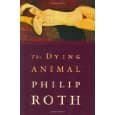
Synopsis
Covers the whole plot, including the ending.
- Difficulty
- Medium
- Pacing
- Slow
- Mood
- Introspective, Obsessive, Melancholy, Provocative
- Read it if
- You enjoy introspective, character-driven literary fiction exploring themes of sexuality, aging, obsession, and mortality, with a focus on male perspective.
- Skip it if
- You prefer fast-paced plots, lighthearted themes, or are uncomfortable with explicit descriptions of sexual obsession and an older man's relationships with younger women.
The Dying Animal Plot Summary
Covers the whole plot, including the ending.
The Introduction of Consuela
David Kepesh, a sixty-two-year-old literary critic and professor, talks about his long-standing habit of having affairs with his female students, always keeping an intellectual distance. He meets Consuela Castillo, a twenty-four-year-old Cuban-American student, in his 'The Sexual Imagination' class. Consuela is very beautiful, quiet, and smart, immediately drawing Kepesh in. Despite his usual rules, he feels deeply attracted to her. Their relationship begins with sex at his apartment, a change from his typical, more casual encounters. Kepesh is fascinated by her beauty and her calm nature, sensing this affair will be different.
The Intensification of the Affair
As the affair with Consuela gets more serious, Kepesh becomes increasingly obsessed and emotionally open, states he usually avoids. He is captivated by her physical beauty, especially her breasts, which he describes in great detail. He introduces her to his son, Kenny, a doctor, who worries about the age difference and Kepesh's emotional involvement. Kepesh ignores Kenny's concerns, believing his experience gives him control. However, he starts to feel intense jealousy and possessiveness, emotions he considers beneath him. He struggles to match his intellectual view of sex and freedom with the raw, strong emotion he feels for Consuela.
The Dinner with George O'Hearn
Kepesh arranges a dinner with his old friend, George O'Hearn, a poet, and Consuela. George, known for being direct, immediately shows discomfort with the age gap and the power dynamics of their relationship. He questions Kepesh's motives and Consuela's true feelings, suggesting Kepesh is taking advantage of her youth. George's criticisms, though harsh, touch on some of Kepesh's own unspoken worries. Consuela stays mostly quiet during dinner, her reserved manner seen differently by the two men. The evening highlights the social judgment around their relationship and makes Kepesh face his own reasons.
Consuela's Departure
After two years, Consuela unexpectedly ends the relationship. She gives little explanation, only saying she needs to move on and live her own life. Her leaving devastates Kepesh, breaking his composure and intellectual distance. He feels deep grief, jealousy, and betrayal. He tries to contact her, sends letters, and even considers going to her family's home, but she remains unreachable. This sudden loss throws Kepesh into a period of deep emotional trouble, making him face the limits of his control and the intensity of his feelings for her, which he had always tried to explain away.
Years of Separation
Years pass, and Kepesh continues to think about Consuela. He occasionally sees her from a distance or hears things about her, but never makes direct contact. He continues his academic career, but his inner life is dominated by the memory of their affair. He reflects on his past relationships and his life philosophy, realizing how much Consuela changed his carefully built world. He has other sexual encounters, but none have the same intensity or emotional depth as his relationship with Consuela. He often talks to George O'Hearn about his lasting pain, but George offers little comfort, instead emphasizing how quickly life and beauty pass.
The Phone Call
Eight years after they separated, Kepesh gets a phone call from Consuela. Her voice is weak and hesitant, and she says she is very sick. She has a cancerous tumor in her breast, which has disfigured her. She explains she is getting treatment but feels alone and afraid, and that she thought of him. This news shocks Kepesh, immediately bringing back his deep feelings for her, mixed with pity and a sense of helplessness. He offers to help her in any way he can, and she agrees to meet him, marking a moving and unexpected reunion.
The Hospital Visit
Kepesh visits Consuela in the hospital. He sees the devastating physical changes from her illness and treatment. Her once perfect breast is disfigured, a sharp contrast to what he once obsessed over. Despite her changed appearance, Kepesh still feels a strong connection to her, now mixed with sorrow and a deep awareness of her vulnerability and coming death. He tries to offer comfort and support, but their conversation is filled with the grim reality of her condition. This visit makes Kepesh face how temporary beauty is and the harsh truth of the 'dying animal' inside all of us.
Consuela's Request
During his visits, Consuela makes a unique and difficult request: she asks Kepesh to photograph her disfigured body. She wants these photographs as a record, a sign of what she has become, and perhaps a way to regain some control over her changed form. Kepesh is deeply disturbed by the request, finding it both morbid and very intimate. He struggles with the idea of capturing such raw vulnerability and suffering, especially of a body he once admired for its perfection. This request makes him face his own worries about decay, death, and the ultimate loss of beauty.
The Photographs
Despite his deep discomfort, Kepesh agrees to photograph Consuela. The act is painful for him as he carefully captures the disfigurement of her breast, a symbol of her fading life and his own approaching death. Each camera click is a painful acknowledgment of her suffering and the irreversible changes caused by her illness. The process shows the depth of his lasting connection to her, going beyond the purely sexual to become an act of deep witness and compassion. These images become a clear, lasting record of her decline, and by extension, a reflection on the universal human condition of decay.
Consuela's Decline and Kepesh's Reflection
Consuela's health continues to get worse. Kepesh stays by her side, offering what comfort he can, but he is very aware of her coming death. He thinks deeply about their relationship, about love, desire, and the certainty of loss. He realizes that his initial attraction to her was based on her youth and beauty, but his lasting connection is rooted in something much deeper. Her illness makes him face his own death, the 'dying animal' within himself, and the limits of his intellectual defenses against the raw pain of human existence. He feels a deep sense of helplessness and grief.
The Finality of Loss
Consuela eventually dies from her illness. Her death leaves Kepesh with an overwhelming sense of grief and a lasting mark on him. The experience has permanently changed his view on life, love, and death. His intellectual distance and carefully built philosophy of sexual freedom are shattered by the raw reality of loss. He continues to think about her, about the photographs, and about the deep effect she had on his life. He is left to deal with the painful truths revealed by her illness and death, forever changed by the woman who broke through his defenses and made him face his own vulnerability.
Principal Figures
David Kepesh
Protagonist
An aging literary critic and professor consumed by love and mortality.
David Kepesh is a sixty-two-year-old professor and cultural critic, known for his eloquent lectures and his carefully cultivated intellectual detachment, especially in his sexual relationships. He sees himself as a connoisseur of life, an articulate propagandist of the sexual revolution, and believes he can master his emotions. His long-standing practice has been to engage in affairs with younger female students while maintaining an aesthetic distance. However, his encounter with Consuela Castillo shatters this carefully constructed persona, dragging him into the depths of jealousy, obsession, and profound grief. He is highly articulate and intellectual, but ultimately vulnerable to the primal forces of love and loss.
Relationships: Consuela Castillo (Lover, obsessive and ultimately tragic.); George O'Hearn (Long-time friend and confidant, often critical and cynical.); Kenny Kepesh (His son, a doctor, who worries about his father's lifestyle.)
Consuela Castillo
Catalyst/Love Interest
A beautiful, reserved young student whose illness forces Kepesh to confront mortality.
Consuela Castillo is a twenty-four-year-old Cuban-American student who becomes Kepesh's lover. She is described as exceptionally beautiful, with a quiet dignity and reserved demeanor that captivates Kepesh. Initially, she appears somewhat enigmatic, allowing Kepesh to project his desires onto her. Her youth and beauty are central to Kepesh's initial obsession. Later, her severe illness and disfigurement force Kepesh to confront the fragility of life and the inevitability of decay. Her request to be photographed in her altered state reveals a profound inner strength and a desire for her reality to be acknowledged, even in its most painful form.
Relationships: David Kepesh (Lover, whose obsession she both accepts and eventually transcends.); George O'Hearn (Acquaintance, who judges her relationship with Kepesh.)
George O'Hearn
Supporting
Kepesh's cynical poet friend who offers harsh truths and philosophical observations.
George O'Hearn is Kepesh's long-time friend, a celebrated poet known for his bluntness, cynicism, and often pessimistic worldview. He serves as a foil to Kepesh, frequently challenging his friend's romanticized notions about sex and love. George is the voice of unvarnished reality, often reminding Kepesh of the fleeting nature of beauty, the inevitability of aging, and the futility of trying to control human desires. He offers little comfort but provides a grounding, albeit bleak, perspective on Kepesh's emotional turmoil, often cutting through Kepesh's intellectualizations with stark, poetic pronouncements about the human condition.
Relationships: David Kepesh (Close friend and philosophical sparring partner.); Consuela Castillo (Acquaintance, whose presence he finds disturbing.)
Kenny Kepesh
Supporting
David Kepesh's son, a doctor, who represents a more conventional, concerned perspective.
Kenny Kepesh is David Kepesh's son, a successful and seemingly well-adjusted doctor. He represents a more conventional and grounded perspective compared to his father's bohemian lifestyle. He expresses concern over his father's relationship with Consuela, particularly the age difference and the potential for emotional distress. Kenny's worries highlight the societal disapproval Kepesh often ignores and serves as a reminder of the practical consequences of Kepesh's choices. He is a stable, caring figure, offering a stark contrast to his father's passionate and often reckless pursuits.
Relationships: David Kepesh (Son, who is concerned about his father's choices.)
Dr. Sonja Radek
Mentioned
Kepesh's long-term lover before Consuela, representing his 'controlled' affairs.
Dr. Sonja Radek is Kepesh's long-term lover who precedes Consuela. She is a married woman with whom Kepesh maintains a discreet, emotionally distant, yet physically regular affair. Their relationship exemplifies Kepesh's 'rules' for sexual engagement: pleasure without deep emotional entanglement or possessiveness. Her existence highlights the stark contrast of his affair with Consuela, which shatters his carefully constructed emotional boundaries. She represents the type of controlled, adult relationship Kepesh thought he preferred, before Consuela's arrival.
Relationships: David Kepesh (Long-term, emotionally detached lover.)
Themes & Insights
Eros and Mortality
The novel explores the link between sexual desire (eros) and the awareness of death (mortality). Kepesh's first obsession with Consuela's youthful beauty is a desperate attempt to defy his own aging and the certainty of decay. Her later illness and disfigurement force him to face this link directly, as her physical decline mirrors his own approaching death. The clear descriptions of her healthy body, followed by the stark reality of her cancerous breast, are a strong metaphor for the 'dying animal' inside all humans, where the peak of physical desire is always shadowed by the certainty of death. This theme is seen in George O'Hearn's cynical statements about how quickly beauty and life pass.
“No matter how much you know, no matter how much you think, no matter how much you plot and you connive and you plan, you're not superior to sex.”
The Illusion of Control
Kepesh, as an intellectual, thinks he can explain and control his emotions, especially about sex. He prides himself on keeping a detached, aesthetic distance in his affairs. However, his relationship with Consuela breaks this idea. He is consumed by jealousy, possessiveness, and grief, feelings he previously considered beneath him. The novel shows how basic human emotions, especially love and loss, can overpower even the most complex intellectual defenses. His carefully built philosophy of sexual freedom falls apart when faced with genuine, strong attachment and the ultimate loss of Consuela.
“I was not superior to sex. I was just superior to the women I'd been sleeping with.”
Beauty and Decay
The novel shows a clear contrast between the idealized beauty of youth and the unavoidable decay brought by age and illness. Consuela's initial striking beauty is described in detail by Kepesh, representing his desire for perfection and vitality. Her later fight with breast cancer and the resulting disfigurement are a harsh reminder of how temporary physical beauty is. This theme concludes with Consuela's request for Kepesh to photograph her altered body, an act that makes both characters, and the reader, face the raw, uncomfortable reality of decay and the fragility of the human form. This change is central to Kepesh's realization.
“The perfect breast I'd worshiped was gone, replaced by a crater, a scar, a wound.”
Loneliness and Connection
Despite his many sexual encounters and intellectual pursuits, Kepesh feels deep loneliness, especially after Consuela leaves him. His initial detachment is a way to protect himself from this loneliness, but it also stops real connection. Consuela, despite her quiet nature, manages to break through his defenses, leading to a deep, though painful, connection. Her later illness and request for his presence highlight a deep human need for companionship and understanding when facing suffering. The novel explores the paradox of seeking connection through sex while often keeping emotional distance, and the ultimate human longing to be truly seen and accompanied, even when facing death.
“I was not alone. I was with her. And she was dying.”
Plot Devices & Literary Techniques
First-Person Narration (Confessional)
The story is told entirely from David Kepesh's subjective and often self-justifying perspective.
The novel is narrated in the first person by David Kepesh, giving the reader direct access to his thoughts, philosophical musings, and emotional turmoil. This confessional style allows for deep psychological insight into Kepesh's character, his intellectualizations, and his struggles to reconcile his theories about sex and freedom with his raw, visceral emotions. However, it also means the reader sees events solely through his subjective lens, leading to an unreliable narration where Kepesh often rationalizes his actions and struggles to fully understand Consuela's perspective. This device immerses the reader in his complex internal world.
Symbolism of Consuela's Breasts
Her breasts symbolize youthful beauty, sexual desire, and later, the ravages of illness and mortality.
Consuela's breasts serve as a powerful and evolving symbol throughout the novel. Initially, they represent youthful perfection, beauty, and the object of Kepesh's intense sexual desire and aesthetic admiration. His detailed, almost reverential descriptions underscore his obsession with her physical form. Later, when she develops breast cancer and undergoes a mastectomy, her disfigured breast becomes a stark symbol of decay, illness, and the brutal reality of mortality. The transformation of this symbol from an object of desire to a mark of suffering profoundly impacts Kepesh, forcing him to confront the transient nature of beauty and the 'dying animal' within all humans.
The Photographs
A tangible record of decay and an act of profound witness and acceptance.
Consuela's request for Kepesh to photograph her disfigured body is a pivotal plot device. The photographs are not merely a record of her illness but represent a powerful act of agency on her part, a demand for her altered reality to be seen and acknowledged. For Kepesh, taking the photographs is an agonizing process that forces him to confront the raw, uncomfortable truth of decay and the ultimate loss of beauty. They become a tangible, indelible memento of her suffering and his own painful witness, symbolizing the acceptance of mortality and the enduring, albeit tragic, nature of their connection, transcending mere physical attraction.
George O'Hearn as a Foil
George's cynical realism contrasts with Kepesh's intellectual romanticism, highlighting different perspectives on life and love.
George O'Hearn functions as a crucial foil to David Kepesh. Where Kepesh intellectualizes and attempts to control his emotions, George offers blunt, often cynical, and pessimistic observations about life, sex, and aging. He cuts through Kepesh's self-deceptions and romantic ideals with a stark realism, articulating the very anxieties Kepesh tries to suppress. George's pronouncements about the fleeting nature of youth and beauty, and the inevitability of decay, serve to foreshadow the novel's central themes and challenge Kepesh's carefully constructed worldview. His presence provides an external, critical perspective on Kepesh's actions and internal struggles.
The Dying Animal Quotes
“That's what I do. I take the most interesting women and make them mine.”
“The price of being a man is to be a failure. The price of being a woman is to be a success.”
“Beauty is a form of genius – is, in fact, the highest form of genius, as it needs no explanation.”
“Every man has three lives: the public, the private, and the secret.”
“When you're young, you think your life is going to be this long, beautiful story. And then you get older, and you realize it's just a series of episodes.”
“I was a man of words, and she was a woman of flesh. And the flesh, as always, won.”
“We are dying animals. We're all going to die. That's the only certainty.”
“The greatest pleasure in life is doing what people say you cannot do.”
“To be a man is to be a sexual creature. To be an intellectual is to pretend you're not.”
“There are no second acts in American lives, F. Scott Fitzgerald famously wrote. But there are second acts in American deaths.”
“You don't get over things. You just get used to them.”
“What a man is, what a man isn't, how a man functions, what a man desires—it all comes down to the same thing.”
“The past is a foreign country; they do things differently there.”
“It's not that I don't believe in love. I just don't believe in happy endings.”
“The secret to life is to die before you die.”
Quiz
10 questions on the plot and the characters. Each answer comes with a short explanation.
Question 1
Who is the protagonist and narrator of 'The Dying Animal'?
- Coleman Silk
- Nathan Zuckerman
- David Kepesh
- Mickey Sabbath
Show answer
C. David Kepesh The protagonist and narrator of 'The Dying Animal' is David Kepesh, a character who appears in other Philip Roth novels.
Question 2
What is David Kepesh's primary profession mentioned at the beginning of the novel?
- A novelist and essayist
- A TV culture critic and star lecturer
- A psychoanalyst and therapist
- A political commentator and activist
Show answer
B. A TV culture critic and star lecturer David Kepesh is described as an eminent TV culture critic and star lecturer at a New York college.
Question 3
Who is Consuela Castillo in relation to David Kepesh?
- His long-term wife
- His daughter
- His former student and lover
- His literary agent
Show answer
B. His daughter The provided text states that Consuela Castillo is the twenty-four-year-old daughter of Cuban exiles, with whom Kepesh becomes involved.
Question 4
What is the primary emotional struggle Kepesh faces due to his involvement with Consuela?
- Financial ruin
- Professional disgrace
- Sexual jealousy and loss
- A crisis of faith
Show answer
C. Sexual jealousy and loss The synopsis explicitly states that Kepesh finds himself 'dragged helplessly into the quagmire of sexual jealousy and loss' after becoming involved with Consuela.
Question 5
What is Kepesh's long-standing practice regarding his female students before Consuela?
- He mentored them strictly without personal involvement.
- He maintained an aesthete's critical distance while sleeping with adventurous ones.
- He avoided all personal contact with them outside of class.
- He married several of his former students.
Show answer
B. He maintained an aesthete's critical distance while sleeping with adventurous ones. The text describes Kepesh's practice of 'sleeping with adventurous female students while maintaining an aesthete's critical distance.'
Question 6
Which of the following themes is NOT explicitly mentioned as central to 'The Dying Animal' in the synopsis?
- Eros and mortality
- License and repression
- Class struggle and economic disparity
- Freedom and sacrifice
Show answer
C. Class struggle and economic disparity The synopsis lists 'eros and mortality, licence and repression, freedom and sacrifice' as key themes, but does not mention class struggle or economic disparity.
Question 7
What is the metaphorical description used for 'The Dying Animal' itself in the provided text?
- A sprawling historical epic
- A burning coal of a book
- A cool, detached academic treatise
- A lighthearted romantic comedy
Show answer
B. A burning coal of a book The synopsis concludes by calling 'The Dying Animal' 'a burning coal of a book, filled with intellectual heat and not a little danger.'
Question 8
The opening quote, 'No matter how much you know, no matter how much you think, no matter how much you plot and you connive and you plan, you're not superior to sex,' is attributed to whom?
- Philip Roth, the author
- Consuela Castillo
- David Kepesh
- An unnamed literary critic
Show answer
C. David Kepesh The synopsis explicitly states, 'The speaker is David Kepesh,' referring to the quoted lines.
Question 9
How old is David Kepesh at the beginning of the novel?
- In his forties
- In his fifties
- Over sixty
- In his late twenties
Show answer
C. Over sixty The text describes David Kepesh as 'white-haired and over sixty' at the novel's outset.
Question 10
What does Kepesh mean by his 'aesthete's critical distance' in his past relationships with students, and how does Consuela challenge it?
- He maintained intellectual superiority, but Consuela's intellect surpassed his.
- He kept emotional detachment, which Consuela's beauty and youth completely shattered, pulling him into deep emotional turmoil.
- He only dated students interested in art, but Consuela was interested in science.
- He avoided public displays of affection, but Consuela insisted on them.
Show answer
B. He kept emotional detachment, which Consuela's beauty and youth completely shattered, pulling him into deep emotional turmoil. Kepesh's 'aesthete's critical distance' implies an emotional and intellectual detachment from his sexual encounters. Consuela 'annihilated' this distance, dragging him into 'sexual jealousy and loss,' indicating a profound emotional involvement he previously avoided.
The Dying Animal FAQ
What is the central conflict David Kepesh faces in 'The Dying Animal'?
David Kepesh, a sixty-something intellectual and proponent of sexual liberation, confronts a profound internal conflict when his usual detached approach to relationships is shattered by his intense emotional entanglement with Consuela Castillo. He struggles between his long-held philosophy of sexual freedom and the overwhelming, primal forces of jealousy, possessiveness, and the fear of loss that Consuela awakens in him.
Who is Consuela Castillo and what is her significance to Kepesh?
Consuela Castillo is a beautiful, twenty-four-year-old Cuban-American student who becomes Kepesh's lover. She is significant because she breaks through his carefully constructed emotional barriers, forcing him to experience deep, painful emotions like jealousy and possessiveness, which he previously believed himself immune to or superior to. Her youth and beauty also starkly highlight Kepesh's own aging and mortality.
How does Kepesh's profession as a culture critic influence his perspective on his relationships?
Kepesh's profession as a culture critic allows him to intellectualize and rationalize his sexual encounters, viewing them through a lens of aesthetic appreciation and philosophical detachment. He sees himself as an articulate propagandist of the sexual revolution, believing his critical distance makes him superior to the messy emotions of traditional romance, until Consuela challenges this very foundation.
What role does mortality play in Kepesh's relationship with Consuela?
Mortality is a pervasive theme, amplified by Kepesh's age and Consuela's youth. Her beauty and vitality serve as a stark reminder of his own physical decline and impending death, fueling his possessiveness and fear of losing her. The 'dying animal' refers not just to his aging body, but also to the primal, instinctual desires that emerge as he confronts his own finitude.
How does the novel explore the concept of sexual freedom versus repression?
The novel explores this by presenting Kepesh as an advocate for sexual freedom who, paradoxically, becomes deeply repressed by his own jealousy and possessiveness when faced with true emotional vulnerability. His intellectualized freedom gives way to a primal, almost involuntary repression of Consuela's independence and his own painful feelings, revealing the limitations of a purely intellectual approach to eros.
Is there a connection between Kepesh's character in 'The Dying Animal' and his appearances in other Roth novels?
Yes, David Kepesh is a recurring character in Philip Roth's work, also appearing as the protagonist in 'The Professor of Desire' and 'The Breast.' While each novel stands alone, 'The Dying Animal' continues to explore his intellectual and sexual life, often delving into themes of desire, aging, and the complexities of male sexuality as seen through his unique, articulate perspective.
What is the significance of Kepesh's initial 'aesthete's critical distance' in his relationships?
Kepesh's 'aesthete's critical distance' is his intellectual defense mechanism, allowing him to engage in sexual relationships without emotional entanglement. It signifies his belief in his own superiority to conventional romantic suffering and his ability to control desire through intellect, a belief that Consuela ultimately shatters, revealing its fragility.
Are there any symbolic implications to Consuela's Cuban heritage?
While not explicitly detailed as a primary focus, Consuela's Cuban heritage subtly underscores her 'otherness' and exoticism in Kepesh's eyes, potentially contributing to his initial idealization of her. It might also symbolize a certain cultural purity or intensity that contrasts with Kepesh's more intellectualized, American approach to life and relationships.
How does Kepesh's relationship with his long-time mistress, Carolyn, compare to his relationship with Consuela?
Kepesh's relationship with Carolyn is characterized by a comfortable, established routine and mutual understanding, lacking the intense, disruptive passion he feels for Consuela. With Carolyn, he maintains his desired emotional distance, whereas Consuela plunges him into an uncontrollable maelstrom of raw emotion, highlighting the difference between a managed affair and a consuming obsession.
How does Kepesh's intellectualism become a hindrance rather than an asset in his relationship with Consuela?
Kepesh's intellectualism becomes a hindrance because it provides him with a framework to analyze and rationalize his feelings, but it ultimately fails to control or mitigate the primal emotions Consuela evokes. He can articulate his suffering, but his intellect offers no escape from the visceral pain of jealousy and loss, proving inadequate against the raw power of human desire.
What psychological defense mechanisms does Kepesh employ before meeting Consuela?
Before Consuela, Kepesh primarily employs intellectualization and rationalization as defense mechanisms. He analyzes his sexual encounters, maintaining an 'aesthete's critical distance' to avoid emotional vulnerability and the messy aspects of attachment. He frames his actions within a philosophical discourse of sexual liberation, distancing himself from personal emotional consequences.
In what ways does Kepesh demonstrate a fear of aging and loss of virility?
Kepesh demonstrates a fear of aging and loss of virility through his intense desire for Consuela's youth and beauty, seeing her as a validation of his continued potency. His overwhelming jealousy and possessiveness stem from an underlying anxiety that he cannot hold onto her, reflecting a deeper fear of his own physical decline and the inevitable loss of his youthful vigor.
How does Kepesh's jealousy manifest and what does it reveal about his character?
Kepesh's jealousy manifests as an agonizing, all-consuming obsession, driving him to irrational thoughts and behaviors, such as imagining Consuela with other men. This intense jealousy reveals a deep-seated insecurity and a profound vulnerability beneath his intellectual facade, exposing him as far less detached and self-controlled than he believes himself to be.
Is Consuela a fully developed character, or does she primarily serve as a catalyst for Kepesh's self-discovery?
Consuela is arguably more of a catalyst for Kepesh's self-discovery than a fully developed character in her own right. While she possesses beauty and agency, the narrative largely filters her through Kepesh's subjective, obsessive gaze, focusing on her impact on his internal world rather than exploring her own motivations and complexities with equal depth.
What is the ultimate message or warning conveyed by the phrase 'you're not superior to sex'?
The phrase 'you're not superior to sex' serves as the novel's core warning, asserting that human beings, regardless of their intellect or philosophical convictions, are ultimately subject to primal desires and emotions. It suggests that attempts to rationalize or control these fundamental forces are ultimately futile, leading to inevitable confrontation with one's own 'dying animal' nature.
Does the novel endorse Kepesh's initial philosophy of sexual liberation, or does it critique it?
The novel primarily critiques Kepesh's initial philosophy of sexual liberation by demonstrating its limitations when confronted with genuine emotional attachment and the raw power of desire. While it acknowledges the appeal of freedom, it ultimately shows how a purely intellectual approach to sex can leave one unprepared for the messy, painful, and ultimately uncontrollable aspects of love and loss.
How does the ending of the novel reflect Kepesh's journey or lack thereof?
The ending of the novel, particularly Kepesh's final encounter with Consuela, reflects a tragic lack of resolution for him. Despite his intellectual introspection, he remains trapped in his jealousy and possessiveness, unable to transcend the very emotions that have tormented him. His journey is one of profound suffering and realization, but not necessarily one of liberation from his 'dying animal' nature.
What is the significance of the recurring motif of the 'dying animal'?
The 'dying animal' motif signifies the raw, instinctual, and ultimately mortal aspects of human existence that Kepesh tries to intellectualize away. It represents the aging body, the primal urges of sex and jealousy, and the inevitable confrontation with death, reminding Kepesh (and the reader) that despite our intellect, we are fundamentally biological beings subject to these forces.
About the author
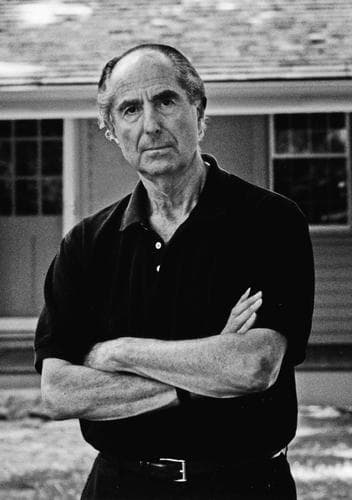
Philip Milton Roth was an American novelist and short story writer. Roth's fiction—often set in his birthplace of Newark, New Jersey—is known for its intensely autobiographical character, for philosophically and formally blurring the distinction between reality and fiction, for its "sensual, ingenious style" and for its provocative explorations of American identity. He first gained attention with the 1959 short story collection Goodbye, Columbus, which won the U.S. National Book Award for Fiction. Ten years later, he published the bestseller Portnoy's Complaint. Nathan Zuckerman, Roth's literary alter ego, narrates several of his books. A fictionalized Philip Roth narrates some of his others, such as the alternate history The Plot Against America.
Similar books
- Portnoy's Complaint
Philip Roth
3.7 (59k) average on GoodreadsLiterary FictionShares Roth's characteristic frankness about sexuality, male desire, and a protagonist's internal monologues about his life and relationships.
- The Old Man and the Sea
Ernest Hemingway
3.8 (831k) average on GoodreadsLiterary FictionA Cuban fisherman's long struggle with a giant marlin becomes a story of endurance and dignity, now retold for young adults with illustrations, phonetic guides, and writing prompts in Traditional Chinese.
- One Hundred Years of Solitude
Gabriel García Márquez
4.1 (753k) average on GoodreadsLiterary FictionThrough the multi-generational story of the Buendía family, a mythical town deals with the repeating patterns of time, love, and solitude, as the extraordinary mixes with the ordinary.
- The Goldfinch
Donna Tartt
3.9 (720k) average on GoodreadsLiterary FictionHaunted by a tragic explosion and clutching a stolen Dutch masterpiece, a young orphan navigates the opulent drawing rooms of New York and the gritty underbelly of the art world, desperately seeking connection and redemption amidst a life spiraling into crime and obsession.
- Little Fires Everywhere
Celeste Ng
4.1 (713k) average on GoodreadsLiterary FictionIn Shaker Heights, an artist and her daughter move in, and their free-spirited lives clash with a rule-bound matriarch, revealing hidden conflicts beneath a perfect surface.
- Eleanor Oliphant Is Completely Fine
Gail Honeyman
4.3 (708k) average on GoodreadsLiterary FictionA lonely woman's structured life changes when an IT guy and an elderly man help her learn to open her heart.






Enjoyed the summary?
A summary gives you the shape of the book. The book itself has the detail, the examples and the voice.
Find The Dying Animal on AmazonAs an Amazon Associate, BookBrief earns from qualifying purchases. How we're funded