
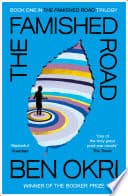
Synopsis
Covers the whole plot, including the ending.
- Difficulty
- Hard
- Pacing
- Slow
- Mood
- Atmospheric, Mystical, Philosophical, Melancholy, Hopeful
- Read it if
- You enjoy rich, lyrical prose and a deep dive into magical realism, African folklore, and philosophical themes of existence, suffering, and resilience.
- Skip it if
- You prefer linear plots, fast-paced action, or have a low tolerance for ambiguity and surreal, dreamlike narratives that can be challenging to follow.
The Famished Road Plot Summary
Covers the whole plot, including the ending.
Birth and the Spirit World's Call
Azaro is born into a poor family in an unnamed African country. He is an abiku, a spirit-child who is reborn often, meant to die young and return to the spirit world. His parents, Mum and Dad, are loving but struggle financially. From a young age, Azaro sees and talks with spirits, often finding it hard to tell the difference between the physical world and the spirit realm where his spirit companions call him back. He experiences the world through a heightened, often dreamlike view, making his early childhood a constant negotiation between two realities.
The Bar and the Community's Struggles
Dad finds work as a laborer, and the family moves to a new area near a popular, often chaotic bar run by Madame Koto, a strong and mysterious woman. This bar becomes a central place for the community, where people gather, talk, and escape their daily problems. Azaro spends much of his time there, watching the adults and the strange events that happen. The community deals with extreme poverty, hunger, and the constant corruption of local politicians, who use the villagers for votes and resources, often causing violence and division.
Political Turmoil and Madame Koto's Ascent
The political situation grows more intense as two opposing parties campaign for the upcoming elections. Their rivalry is strong and often violent, with thugs from both sides intimidating and bribing the villagers. Madame Koto, seeing a chance, skillfully handles these political currents, her bar becoming a place for campaign rallies and secret meetings. Her business grows, but her power becomes darker and supernatural, as she begins to change, becoming more monstrous and less human, her bar reflecting her unsettling change.
Dad's Boxing and Spiritual Journey
Driven by desperation, Dad, a man of physical and spiritual strength, decides to become a boxer. His fights are brutal, often leaving him severely injured. These boxing matches are not just physical contests but also symbolic spiritual battles, showing his family's and community's struggles against oppression and poverty. Azaro often goes with his father to these fights, witnessing his strength and suffering. Dad also goes on various spiritual quests, trying to understand reality and protect his family from the bad forces around them.
Azaro's Illnesses and Spiritual Encounters
Azaro suffers from many severe illnesses and near-death experiences, each time close to returning to the spirit world. During these times, he meets many spirits, some good, some mischievous, and some terrifying. His spirit companions increase their pleas for him to join them, tempting him with promises of peace and freedom from suffering. These spiritual journeys are deep and often traumatic, blurring the lines between waking life and dreams, and strengthening his unique position between the two realms.
The Blind Beggar and the Three-Headed Spirit
Among the many strange figures Azaro meets, a blind beggar often appears, offering cryptic wisdom and insights into reality and the spirit world. This beggar seems to know more than humans. Azaro also repeatedly meets a powerful and terrifying three-headed spirit, a bad entity that represents the destructive forces in the world. These encounters are important, making Azaro face the darker aspects of existence and the deep connection of all things, both seen and unseen.
Mum's Endurance and Resilience
Mum is the steady anchor of the family, working hard as a hawker, carrying heavy loads and enduring hardship to provide for Azaro and Dad. She faces constant challenges, from low earnings to marketplace dangers, but her love for her family is strong. She provides a grounded contrast to Azaro's spiritual wanderings and Dad's struggles, representing human strength and endurance in the face of adversity. Her practical wisdom and nurturing presence are important for Azaro's survival in the physical world.
The Road and Its Symbolism
The 'famished road' itself becomes a symbol throughout the story. It represents human suffering, the endless cycle of poverty, political corruption, and spiritual hunger that affects the community. It is a road that consumes and is never satisfied, yet it is also a road of potential, of change, and of the persistent human spirit. Azaro, walking this road, sees its many forms – the dusty paths, his parents' journeys, and the spiritual paths that mix with the physical world.
Climax of Political Violence and Spiritual Confrontation
Election day arrives, bringing with it violence and chaos. The two political parties clash brutally, leading to riots, destruction, and more suffering for the villagers. Madame Koto's power reaches its peak, and her bar becomes a place of intense spiritual events, embodying the corruption and darkness that has consumed the community. Dad engages in his most challenging spiritual and physical battles yet, fighting not only human enemies but also bad spirits. Azaro, caught in the middle, must use his abilities to navigate these dangerous events.
Aftermath and Continued Struggle
After the election, a fragile peace returns, but the problems of poverty, injustice, and spiritual unrest remain. Madame Koto's bar, though changed, continues to have influence. Azaro and his family, though scarred, survive these trials. The story ends without a clear resolution, showing the cyclical nature of their struggles and the ongoing journey of existence. Azaro remains in the world of the living, still connected to the spirit realm, understanding that life's path is an unending famished road, full of both suffering and hope.
The Famished Road Characters
Azaro
Protagonist
A spirit-child (abiku) who chooses to remain in the land of the living.
Azaro is a sensitive, observant, and often bewildered young boy with the unique ability to see and interact with spirits. He is an abiku, constantly tempted by his spirit companions to return to their realm of peace, yet he chooses to stay in the difficult human world out of love for his parents and a desire to experience life fully. His perception of reality is fluid, blurring the lines between the mundane and the magical. He is driven by a profound empathy and a quest for understanding the suffering he witnesses.
Relationships: Dad (Deeply loving and protective son, often mystified by his father's struggles.); Mum (Deeply loving and dependent son, finding comfort and grounding in her presence.); Madame Koto (Fascinated and often terrified observer of her transformation and power.); Spirit Companions (Constantly tempted by their calls, yet resists their pull.)
Dad (Azaro's Father)
Supporting
A strong, resilient, and spiritually aware man who fights for his family.
Dad is a man of immense physical and spiritual strength, often engaging in grueling labor and brutal boxing matches to provide for his family. He is a philosopher, a dreamer, and a fighter, deeply connected to the spiritual world and frequently embarking on quests for knowledge and understanding. Despite his struggles and occasional despair, he possesses an indomitable spirit and an unwavering love for his wife and son. He embodies the resilience and suffering of the common people.
Relationships: Azaro (Loving and protective father, often worried about his son's spiritual fragility.); Mum (Devoted husband, relying on her strength and practicality.); Madame Koto (Wary and often confrontational, recognizing her growing malevolence.)
Mum (Azaro's Mother)
Supporting
A practical, nurturing, and incredibly resilient woman who anchors her family.
Mum is the practical and grounded force in Azaro's family. She works tirelessly as a hawker, enduring physical hardship and economic struggle to ensure her family's survival. She possesses a deep well of maternal love, patience, and resilience, often acting as the voice of reason and comfort amidst the chaos of their lives. While she doesn't see spirits in the same way Azaro does, she has an intuitive understanding of the spiritual forces at play and fiercely protects her son from harm.
Relationships: Azaro (Deeply loving and protective mother, constantly worried about his health and spiritual vulnerability.); Dad (Devoted wife, providing practical support and emotional stability.)
Madame Koto
Antagonist/Supporting
A powerful, mysterious bar owner whose influence grows increasingly dark and supernatural.
Madame Koto is a formidable, physically imposing woman who owns the local bar, which serves as a central hub for the community. Initially a shrewd businesswoman, her character gradually transforms into something more sinister and supernatural. As her wealth and influence grow, she becomes increasingly intertwined with the political corruption and spiritual darkness pervading the village. She possesses a powerful, ambiguous energy, capable of both generosity and malevolence, and her physical form subtly shifts, reflecting her spiritual corruption.
Relationships: Azaro (Fascinated by his unique vision, sometimes protective, sometimes menacing.); Dad (A complex relationship, sometimes adversarial, sometimes mutually wary.)
The Blind Beggar
Supporting
A wise, enigmatic figure who offers cryptic guidance to Azaro.
The Blind Beggar is a recurring, mysterious character who appears to Azaro, offering profound, often cryptic insights into the nature of existence, suffering, and the spirit world. Despite his physical blindness, he possesses a deep spiritual sight and wisdom that transcends human understanding. He acts as a spiritual guide and a harbinger of truth, his words often resonating with Azaro's own spiritual journey. He embodies ancient wisdom and the hidden truths of the universe.
Relationships: Azaro (Spiritual mentor, offering guidance and insight.)
The Spirit Companions
Supporting
Azaro's ethereal friends who constantly call him back to the spirit world.
These are the spirits of other abiku children who reside in the spirit world, constantly calling Azaro to rejoin them. They represent a realm of peace, beauty, and freedom from suffering, a stark contrast to the harsh realities of the human world. While their intentions are to bring Azaro back to their blissful existence, their constant pull can be a source of danger and distraction for him, as it threatens to sever his connection to his human family. They embody the allure of escape.
Relationships: Azaro (Persistent callers, tempting him to return to the spirit world.)
The Three-Headed Spirit
Antagonist
A terrifying, malevolent entity embodying destructive forces.
This powerful and terrifying spirit is a recurring malevolent presence in Azaro's visions. It embodies the destructive forces of the world – greed, violence, corruption, and spiritual decay. Its appearances are often linked to moments of intense suffering or political turmoil, reflecting the darkness that manifests in both the physical and spiritual realms. It is a symbol of the profound evil and chaos that Azaro and his family must contend with.
Relationships: Azaro (Terrifying adversary, representing the forces of chaos and destruction.)
Jericho
Mentioned
A local strongman and thug associated with one of the political parties.
Jericho is one of the many local thugs and strongmen who enforce the will of the political parties, often through intimidation and violence. He represents the everyday corruption and brutality that pervades the community, contributing to the atmosphere of fear and instability. While not a major character, his presence underscores the pervasive political thuggery.
The Famished Road Themes
The Interconnectedness of the Physical and Spiritual Worlds
The novel blurs the lines between reality and the spirit realm, showing them as intertwined. Azaro's abiku nature allows him to constantly see spirits, demons, and ancestors, showing that the unseen world is deeply integrated with daily life. Events in the physical world, like political corruption or human suffering, appear as spiritual distortions, such as Madame Koto's transformation, and vice versa. This theme suggests that human experience is always a blend of tangible and intangible forces, as seen in Azaro's frequent illnesses which are both physical ailments and spiritual battles.
“So long as we are alive, so long as we feel, so long as we love, everything in us is an energy we can use.”
The Endurance of the Human Spirit Amidst Suffering
Despite poverty, political corruption, violence, and hardship, the characters, especially Azaro's parents, show strength and a will to survive. Dad's boxing matches symbolize the fight against overwhelming odds, while Mum's tireless hawking and nurturing provide a steady anchor. Azaro himself, by repeatedly choosing to stay in the world of the living despite the spirit world's appeal, embodies this theme. The characters' capacity for love, hope, and even joy in the face of despair shows the strength of the human spirit.
“We are the miracles that happen when we refuse to give up.”
The Corrupting Influence of Power and Politics
The novel shows how political ambition and the struggle for power lead to corruption, violence, and exploitation of the poor. The two rival political parties manipulate the villagers, turning them against each other through bribes and intimidation. This corruption is not just a societal problem but takes on a spiritual dimension, influencing Madame Koto's transformation and attracting bad spirits. The 'famished road' becomes a metaphor for this hunger for power that consumes the community and leaves it suffering, as seen in the election's chaotic aftermath.
“The poor are like a famished road, always hungry, always waiting to be filled, but never satisfied.”
The Nature of Reality and Perception
Through Azaro's perspective, the novel questions what is real and what is illusion. His ability to see spirits, his frequent hallucinations during illness, and the dreamlike quality of many events challenge the reader's view of reality. The story suggests that reality is subjective, layered, and influenced by individual perception and spiritual awareness. This theme is clear in how characters like Dad also experience visions and spiritual journeys, showing that 'truth' is more complex than what is immediately apparent, encouraging a broader, more mystical understanding of existence.
“There are always other roads to take, even when you think you are lost.”
Plot Devices & Literary Techniques
Abiku (Spirit-Child)
A recurring motif from Yoruba mythology where a child is born to die and be reborn multiple times.
The concept of the 'abiku' is central to Azaro's character and the narrative's magical realism. It explains his constant connection to the spirit world, his frequent illnesses, and the persistent pull he feels to leave the land of the living. This device allows Okri to explore themes of choice, sacrifice, and the blurred boundaries between life and death. It also grounds the fantastical elements in a specific cultural mythology, giving them weight and meaning within the story's context, making Azaro's struggle inherently spiritual and existential.
Magical Realism
The seamless integration of fantastical elements into an otherwise realistic setting.
Okri employs magical realism to depict Azaro's world, where spirits walk alongside humans, objects possess mystical properties, and events defy logical explanation, yet are treated as commonplace. This device allows the author to explore profound philosophical and social themes – poverty, politics, spirituality – through a lens that expands beyond conventional reality. It creates a dreamlike, often disorienting atmosphere that mirrors Azaro's perception, making the spiritual and the material equally valid and tangible aspects of existence within the narrative.
Symbolism of the Famished Road
The literal and metaphorical road representing endless suffering, hunger, and the journey of life.
The 'famished road' is both a literal dusty path in the village and a powerful metaphor. It symbolizes the unending hunger of the poor, the insatiable greed of politicians, and the cyclical nature of suffering and struggle in the human condition. It represents the journey of life itself – a path that consumes, yet also offers opportunities for resilience and transformation. Azaro's constant walking on this road, observing its many facets, reinforces its significance as a central symbolic device that encapsulates the novel's core themes.
Transformation (Physical and Spiritual)
Characters and places undergo profound, often unsettling, changes that reflect inner states or external forces.
Transformation is a key device, most notably seen in Madame Koto, whose physical form and bar become increasingly monstrous as her power and corruption grow. Dad also undergoes profound transformations through his spiritual quests and boxing matches, his body bearing the marks of his battles. These transformations are not merely superficial but reflect deep spiritual and moral shifts, emphasizing the idea that inner states and external pressures can fundamentally alter beings and environments. It visually and viscerally represents the consequences of choices and societal forces.
The Famished Road Quotes
“The world is a marketplace where you can buy anything you want, but you must pay the price.”
“Living was a miracle, and it was a torment. It was a blessing, and it was a curse.”
“It is not enough to be alive. You must live.”
“The poor are kings in their own dreams.”
“There are times when the world is so beautiful that it hurts.”
“Every moment is a new beginning.”
“To be born is to be in debt.”
“The future is always uncertain, but that is also its greatest strength.”
“We are all travellers on a journey, and our destination is unknown.”
“The world is full of ghosts, and we are all haunted by them.”
“The greatest magic is the magic of ordinary life.”
“Silence is not empty. It is full of answers.”
“Love is the only true currency.”
“Our stories are what make us immortal.”
Quiz
10 questions on the plot and the characters. Each answer comes with a short explanation.
Question 1
What is Azaro's unique identity that places him between two worlds?
- He is a prophet destined to lead his people.
- He is a spirit child (abiku) who repeatedly dies and is reborn.
- He is a wizard who can transform into animals.
- He is a human child adopted by spirits.
Show answer
B. He is a spirit child (abiku) who repeatedly dies and is reborn. Azaro is identified as an abiku, a spirit child who is part of a spirit world but chooses to stay in the land of the Living.
Question 2
Despite the suffering in the land of the Living, why does Azaro choose to remain there instead of the spirit world?
- He is bound by a curse to stay.
- He wants to feel, endure, know, and love the human experience.
- He fears the spirit world has forgotten him.
- He is searching for a lost treasure.
Show answer
B. He wants to feel, endure, know, and love the human experience. The book description explicitly states Azaro 'chooses to stay in the land of the Living: to feel it, endure it, know it and love it.'
Question 3
What is the primary setting for much of Azaro's experiences in the human world?
- A bustling urban metropolis.
- A remote, isolated village.
- A poor, often chaotic neighborhood in an unnamed Nigerian town.
- A luxurious, wealthy estate.
Show answer
C. A poor, often chaotic neighborhood in an unnamed Nigerian town. Azaro and his family live in a poverty-stricken, often tumultuous neighborhood, which reflects the post-colonial Nigerian setting.
Question 4
What recurring image or concept in the novel symbolizes the insatiable desires and exploitation of the living world?
- The ever-flowing river.
- The famished road.
- The ancient baobab tree.
- The golden sun.
Show answer
B. The famished road. The title itself, 'The Famished Road,' refers to a mythical road that consumes everything, symbolizing the endless hunger and exploitation in the human world.
Question 5
Azaro's father, known as Dad, often engages in what profession to try and provide for his family?
- A successful merchant.
- A government official.
- A boxer and laborer, often struggling.
- A revered village elder and storyteller.
Show answer
C. A boxer and laborer, often struggling. Dad is primarily known for his boxing career, often fighting in local matches, and also takes on various labor jobs.
Question 6
Madame Koto, the owner of a local bar, undergoes a significant transformation throughout the novel. What is the nature of this change?
- She becomes a benevolent community leader.
- She transforms from a kind woman into a powerful, often sinister, spiritual figure.
- She leaves the village to become a wealthy businesswoman elsewhere.
- She dedicates her life to charity and helping the poor.
Show answer
B. She transforms from a kind woman into a powerful, often sinister, spiritual figure. Madame Koto's bar becomes a nexus of both human and spirit activity, and she herself gains immense, often dark, spiritual power.
Question 7
What political climate or event heavily influences the lives of Azaro and his family, leading to unrest and exploitation?
- A flourishing period of economic prosperity.
- A peaceful transition to democracy.
- Corrupt politics, election rigging, and the manipulation of the poor by political parties.
- A prolonged period of natural disasters.
Show answer
C. Corrupt politics, election rigging, and the manipulation of the poor by political parties. The novel is steeped in the political turmoil of post-colonial Nigeria, with vivid depictions of corrupt politicians and their exploitation of the impoverished community during election campaigns.
Question 8
Azaro frequently encounters a host of spirits, often mischievous or malevolent, who try to lure him back to their world. What is a common tactic they use?
- They offer him immense wealth and power.
- They appear as beautiful, tempting figures or create illusions of paradise.
- They threaten his family with immediate harm.
- They promise him a long, healthy human life.
Show answer
B. They appear as beautiful, tempting figures or create illusions of paradise. Many spirits try to entice Azaro with illusions of beauty, pleasure, and an escape from suffering, often appearing in alluring forms or creating dreamlike scenarios.
Question 9
How does Azaro's ability to perceive both the physical and spirit worlds impact his understanding of reality and the suffering around him?
- It makes him indifferent to human pain, as he knows it's temporary.
- It grants him unique insights into the underlying spiritual causes and consequences of human actions and suffering.
- It primarily causes him confusion, making him unable to distinguish between real and imaginary.
- It allows him to manipulate events in the human world for his own benefit.
Show answer
B. It grants him unique insights into the underlying spiritual causes and consequences of human actions and suffering. Azaro's dual perception is central to the novel's magical realism, allowing him to see the spiritual forces and implications behind seemingly mundane human events and suffering.
Question 10
Despite the constant struggle and poverty, what quality does Azaro's family, particularly his mother, embody that allows them to persevere?
- A strong belief in predestination, accepting their fate without resistance.
- Relentless optimism and an unwavering spirit of love and endurance.
- A tendency to retreat from society and avoid conflict.
- A cunning ability to exploit others for their own survival.
Show answer
B. Relentless optimism and an unwavering spirit of love and endurance. Azaro's mother, especially, is a symbol of resilience, love, and unwavering spirit in the face of immense hardship, embodying the 'energy we can use' mentioned in the book's description.
The Famished Road FAQ
What is the central premise of 'The Famished Road' and who is Azaro?
'The Famished Road' follows Azaro, a spirit-child (abiku) who repeatedly chooses to be born into the harsh human world of Nigeria rather than remain in the idyllic spirit world. The novel chronicles his experiences, perceptions, and struggles as he navigates the blurred lines between reality and the supernatural.
Describe Azaro's unique perspective and how it shapes the narrative.
Azaro possesses a heightened, often hallucinatory perception of reality, constantly seeing spirits, auras, and the magical essence of things. This allows him to interact with both the living and the dead, making him a unique narrator whose experiences are a blend of mundane poverty and profound spiritual encounters, blurring the line between subjective experience and objective reality.
What role do Azaro's parents, Mum and Dad, play in the story?
Mum and Dad are Azaro's human parents, who endure extreme poverty and hardship but exhibit immense resilience and love. Dad is a powerful, often violent, but ultimately protective figure who becomes a boxer and later a political activist, while Mum is a steadfast, nurturing presence who works tirelessly to keep the family afloat, often grounding Azaro in the human world.
What is the significance of the 'famished road' itself?
The 'famished road' is both a literal and metaphorical entity. Literally, it refers to the neglected, often dangerous roads in Azaro's village. Metaphorically, it represents the insatiable hunger of the land, the spirits, and the people for sustenance, justice, and progress, often consuming those who travel it.
How does the political landscape of Nigeria manifest in Azaro's experiences?
The political instability, corruption, and violence of post-colonial Nigeria are ever-present in Azaro's world. His father becomes involved in the brutal political struggles between rival parties, leading to beatings, arrests, and community unrest, which Azaro perceives through his unique spiritual lens, often seeing the 'spirits' of politicians.
What is the significance of Madame Koto's bar and her transformation?
Madame Koto's bar is a central hub for the community, a place of revelry, gossip, and danger. Madame Koto herself transforms from a benevolent, albeit shrewd, bar owner into a powerful, almost monstrous figure, bloated and feared, as her wealth and influence grow, suggesting a spiritual corruption tied to her prosperity.
Are there specific instances where Azaro's spirit-child nature directly influences a major plot event?
Yes, Azaro's spirit-child nature directly influences events such as his ability to escape death multiple times, his visions often foreshadowing disaster or revealing hidden truths (like the true nature of certain spirits or political figures), and his occasional involuntary journeys into the spirit world, which provide him with knowledge or experiences that impact his family's fate.
How does the concept of 'abiku' relate to the broader themes of cyclical suffering and resilience?
The abiku concept, a child who repeatedly dies and is reborn to the same parents, directly embodies cyclical suffering. Azaro's choice to stay in the human world, despite its pain, highlights resilience and a profound, almost masochistic, love for existence, suggesting that true life involves enduring and learning from hardship rather than escaping it.
What is the underlying psychological motivation for Azaro's repeated return to the human world?
Azaro's motivation seems rooted in a profound curiosity and an unyielding desire to experience, to feel, and to truly 'know' life in all its messy complexity. Despite the suffering, he is drawn to the vibrant energy, the love, and the challenges of the human condition, rejecting the static perfection of the spirit world.
How does the novel explore the psychological toll of poverty on Azaro's family?
The novel vividly portrays the psychological toll of poverty through the parents' constant struggle, their occasional despair, and their fierce protectiveness. Azaro's own experiences of hunger, fear, and witnessing his parents' suffering contribute to his complex inner world, where magical escapism often coexists with stark reality.
Discuss the psychological impact of Azaro's constant interaction with spirits and the blurring of reality.
Azaro's constant interaction with spirits creates a unique psychological state where his perception of reality is fluid and subjective. This can lead to confusion, fear, and a sense of isolation, as others often don't see what he sees, yet it also grants him a profound understanding and acceptance of life's mysteries and suffering.
What does Azaro's enduring love for his parents signify amidst all the hardship?
Azaro's enduring love for his parents signifies the powerful, grounding force of human connection and family bonds. Despite his spiritual nature and ability to leave, their love anchors him to the human world, providing him with a reason to endure and find beauty even in the most challenging circumstances.
Is Azaro's journey ultimately one of triumph or tragedy?
This is open to interpretation. While Azaro endures immense suffering and witnesses much tragedy, his persistent choice to live, his capacity for love, and his unique perceptions suggest a form of triumph – a triumph of spirit and resilience over adversity, even if the external circumstances remain grim.
How does 'The Famished Road' challenge traditional Western notions of reality and consciousness?
The novel profoundly challenges Western notions by presenting a world where the spiritual and material are inextricably linked, where dreams and waking life bleed into one another, and where subjective experience holds as much, if not more, truth than objective reality. It posits that consciousness is not confined to the individual mind but is part of a larger, interconnected spiritual fabric.
What is the significance of the recurring motif of blindness and sight in the novel?
Blindness and sight are crucial motifs. Many characters are physically or metaphorically blind to the spiritual world Azaro inhabits, or to the true nature of their political leaders. Azaro, conversely, has extraordinary sight, allowing him to perceive hidden truths and spirits, but this 'sight' often comes with its own burden of understanding and suffering.
Could Azaro's experiences be interpreted as an extended hallucination or a metaphor for mental illness?
While the novel doesn't explicitly frame it as such, a reader could interpret Azaro's experiences as an extended hallucination or a metaphor for the psychological strain of living in extreme poverty and political turmoil. However, the narrative firmly establishes the reality of the spirit world within its magical realist framework, suggesting Azaro's perceptions are genuine within the story's universe.
What is the ultimate message or lesson 'The Famished Road' conveys about life and existence?
The novel conveys that life, despite its suffering, is inherently valuable and worth experiencing in its entirety. It suggests that true existence involves embracing both joy and pain, acknowledging the interconnectedness of the physical and spiritual worlds, and finding resilience and love amidst chaos. It's a celebration of the human spirit's capacity to endure and perceive wonder.
How does the ending of the novel leave the reader, and what does it imply for Azaro's future?
The ending is open-ended, with Azaro still very much in the human world, having endured countless trials but also having grown in understanding and love. It implies that his journey of experiencing life is ongoing, that the 'famished road' continues, and that he will likely continue to face challenges with his unique blend of human resilience and spiritual perception.
About the author

Sir Ben Golden Emuobowho Okri is a Nigerian-born British poet and novelist. Okri is considered one of the foremost African authors in the post-modern and post-colonial traditions, and has been compared favourably to authors such as Salman Rushdie and Gabriel García Márquez. In 1991, Okri won the Booker Prize with his novel The Famished Road.
Similar books
- One Hundred Years of Solitude
Gabriel García Márquez
4.1 (753k) average on GoodreadsLiterary FictionShares a dense, magical realist style and explores generational struggles within a specific cultural context.
- Things Fall Apart
Chinua Achebe
3.7 (288k) average on GoodreadsHistorical FictionOffers a profound look into Nigerian culture and the impact of external forces, though with less overt magical realism.
- Beloved
Toni Morrison
3.9 (325k) average on GoodreadsLiterary FictionFeatures a strong sense of the spiritual world intersecting with human suffering and memory, with a poetic, challenging narrative.
- The Old Man and the Sea
Ernest Hemingway
3.8 (831k) average on GoodreadsLiterary FictionA Cuban fisherman's long struggle with a giant marlin becomes a story of endurance and dignity, now retold for young adults with illustrations, phonetic guides, and writing prompts in Traditional Chinese.
- The Goldfinch
Donna Tartt
3.9 (720k) average on GoodreadsLiterary FictionHaunted by a tragic explosion and clutching a stolen Dutch masterpiece, a young orphan navigates the opulent drawing rooms of New York and the gritty underbelly of the art world, desperately seeking connection and redemption amidst a life spiraling into crime and obsession.
- Little Fires Everywhere
Celeste Ng
4.1 (713k) average on GoodreadsLiterary FictionIn Shaker Heights, an artist and her daughter move in, and their free-spirited lives clash with a rule-bound matriarch, revealing hidden conflicts beneath a perfect surface.





Enjoyed the summary?
A summary gives you the shape of the book. The book itself has the detail, the examples and the voice.
Find The Famished Road on AmazonAs an Amazon Associate, BookBrief earns from qualifying purchases. How we're funded