

Synopsis
Covers the whole plot, including the ending.
- Difficulty
- Medium
- Pacing
- Moderate
- Mood
- Dark, Suspenseful, Melancholy, Adventurous
- Read it if
- You enjoy intense psychological dramas about sibling rivalry, morally complex characters, and adventures set in historical periods with a touch of gothic melodrama.
- Skip it if
- You prefer fast-paced plots with clear-cut heroes and villains, or are averse to stories with a strong sense of impending doom and melancholic endings.
The Master of Ballantrae Plot Summary
Covers the whole plot, including the ending.
The Master's Departure and Ballantrae's Divided Loyalty
The story begins in 1745, during the Jacobite Rebellion. The Durie family of Durrisdeer — the old Lord Durrisdeer, his sons James (the Master of Ballantrae) and Henry, and their household — faces a choice: which son will join Bonnie Prince Charlie's forces and which will stay to protect the family estate. This strategy aims to safeguard the family regardless of the rebellion's outcome. James, the charismatic older son, insists on going, despite Henry's willingness to sacrifice himself. Henry, the younger, less appealing, and more dutiful brother, remains at home with their father and the estate manager, Ephraim Mackellar, who narrates much of the story. The Master's departure is a grand, dramatic event, leaving Henry feeling overshadowed and resentful.
News of Death and Henry's Burden
After the defeat at Culloden, news arrives that the Master of Ballantrae has died. The family mourns, though Henry's grief is complicated by relief and a heavy sense of responsibility. He becomes the heir and eventually marries his cousin Alison Graeme, to whom the Master had been loosely promised. Henry, naturally sad and careful, feels increasingly burdened by the estate's debts, which the Master had secretly accumulated with lavish spending before leaving. He works hard to restore the family's finances, but his brilliant, supposedly martyred brother's shadow hangs over his life and marriage, making him feel constantly inadequate.
The Master's Return and Reign of Terror
Years after his supposed death, James Durie, the Master of Ballantrae, returns to Durrisdeer, very much alive. His reappearance causes chaos in the household. He is charming and witty, but also ruthless and cruel, especially towards Henry. James says he survived Culloden and had been living abroad, involved in various schemes and pirate adventures. He immediately tries to reclaim his old position and torment Henry, subtly undermining his authority, making fun of him in front of his wife and father, and demanding money to pay off his old debts. The Master's presence poisons the atmosphere, creating distance between Henry and Alison, and worsening Henry's already fragile mental state.
The Duel and its Aftermath
The Master's constant torment and financial demands push Henry to his limit. One night, fueled by drink and years of suppressed anger, Henry confronts James. Their argument grows into a desperate duel by moonlight in the garden. Henry, despite his inexperience, wounds James badly. Believing he has killed his brother, Henry is filled with horror and regret. However, James survives, though he is seriously injured. The duel strengthens the brothers' hatred for each other and leaves Henry a marked man, forever haunted by trying to kill his brother. The family, especially Alison, is horrified, and Henry's reputation suffers, while James gains a strange kind of sympathy.
The Master's Departure (Again) and Continued Intrigue
After the duel, the Master, still recovering, leaves Durrisdeer again, with his loyal but sinister Irish servant, Burke. Though physically absent, James continues to bother Henry. He sends agents, like the despicable Mr. Bally, to demand money from Henry, threatening to expose Henry's role in the duel and further ruin his reputation. Henry, desperate to protect his family and name, continues to pay, draining the estate. These financial burdens and the constant threat of the Master's return or exposure of his past misdeeds keep Henry in a state of anxiety and despair, deepening his bitterness.
Henry's Flight and the Search for James
Years pass, and Henry's life at Durrisdeer becomes unbearable. The constant financial demands from the Master's agents, combined with his own internal torment and the growing coldness from his family, push him to the edge. The estate is heavily mortgaged, and Henry, now frail and prematurely aged, decides to leave Scotland. He learns the Master has gone to the American colonies, supposedly involved in a scheme to find hidden treasure. Henry, with Mackellar and his young son, Alexander, begins a desperate journey across the Atlantic, determined to find James and end his destructive influence, even if it means his own destruction.
Encounter in the Wilderness
Henry, Mackellar, and Alexander arrive in the American colonies and, after much difficulty, find the Master at a remote wilderness outpost. James is with a group of smugglers and adventurers, including the French-Canadian forest runner, Chew. The Master is involved in a questionable venture, seemingly looking for treasure hidden by a former French official. The reunion between the brothers is full of tension. Henry has visibly deteriorated, while James, though still charming, shows signs of his wild life. The remote and harsh environment increases the sense of danger and the brothers' simmering animosity.
The Treasure Hunt and Renewed Hostility
The Master, wanting to secure the rumored treasure, reluctantly lets Henry and his group join their expedition. The search for the treasure in the rugged American wilderness is hard and dangerous, with encounters with hostile natives and the constant threat of starvation. During this time, the Master continues his psychological torture of Henry, though the harsh conditions sometimes force an uneasy truce. Henry, however, remains focused on his goal: to finally confront James and end his destructive influence. The physical difficulties reflect the emotional torment, pushing both brothers to their limits.
The Master's Death and Mackellar's Vigil
After the treasure is supposedly found (though its true nature is unclear), the Master suddenly collapses and dies. His death is believed to be from exhaustion, the harsh conditions, and perhaps a deeper physical decline. Mackellar, the dutiful and observant servant, is present at his death. Despite his relief, Mackellar carefully ensures James's body is properly buried, according to his final, somewhat strange, wishes. He believes that with the Master's death, the long nightmare for the Durie family is finally over, and Henry can find peace from his brother's harmful influence. The solemn burial in the wilderness marks a grim end to James's troubled life.
The Master's Resurrection and Henry's Demise
In a terrible twist, the Master's body, which had been buried for a short time, is dug up by his loyal servant, Burke, who tries to revive him using some unknown method. To the astonishment and fear of those watching, James Durie briefly stirs and opens his eyes. This shocking 'resurrection,' however brief and incomplete, is the final blow for Henry. The sight of his brother, seemingly returned from the dead, shatters his already fragile mind and physical health. Overwhelmed by years of torment and this ultimate horror, Henry collapses and dies almost immediately from a heart attack, finally giving in to the psychological burden his brother caused. The Master then truly dies, leaving both brothers dead in the American wilderness.
The End of the Line
With both brothers dead, Mackellar, the only surviving adult of the Durie party, takes charge. He and young Alexander, Henry's son, return to Scotland. The Durrisdeer estate, once proud, is now heavily indebted and broken, largely because of the Master's extravagant habits and Henry's desperate attempts to appease him. The direct male line of the Durie family ends with the deaths of James and Henry. Mackellar, though relieved of the Master's immediate presence, carries the heavy burden of seeing the tragic destruction of the family he served. The story concludes with a somber thought on the lasting power of evil and the devastating results of brotherly hatred.
Principal Figures
James Durie, the Master of Ballantrae
Antagonist
The charismatic, ruthless, and ultimately evil elder son of Lord Durrisdeer.
James Durie is the charming, handsome, and utterly amoral elder son, who embodies a captivating yet destructive force. He is a Jacobite adventurer, a pirate, and a master manipulator, driven by a profound selfishness and a desire for power and pleasure. He views life as a game and others as pawns, particularly his brother Henry, whom he delights in tormenting. His return from presumed death initiates the central conflict, and his very presence poisons the lives of those around him. He is a complex villain, capable of inspiring loyalty in some (like Burke) while inflicting profound misery on others. His relentless pursuit of his own gratification and his utter lack of conscience make him a terrifying figure.
Relationships: Henry Durie (Fraternal enemy, object of torment); Lord Durrisdeer (Indulgent father, later disillusioned); Alison Graeme (Former betrothed, object of manipulation); Ephraim Mackellar (Observant, disapproving family factor); Burke (Devoted, sinister servant)
Henry Durie
Protagonist
The dutiful, melancholic younger brother, tormented by the Master's presence and legacy.
Henry Durie is the less favored, less charismatic younger son, who lives in the perpetual shadow of his brother. He is diligent, honest, and responsible, but also prone to melancholy, resentment, and a deep-seated insecurity. He initially strives to do his duty, managing the estate and marrying Alison, but the Master's return systematically dismantles his life, fortune, and sanity. Henry's hatred for James grows into an all-consuming obsession, driving him to desperate acts, including the duel, and ultimately leading to his physical and mental collapse. He is a tragic figure, a victim of his brother's malice and his own inability to escape the toxic relationship.
Relationships: James Durie (Fraternal enemy, source of torment); Alison Graeme (Wife, whose love is tested and strained); Lord Durrisdeer (Father, who often misunderstands him); Ephraim Mackellar (Loyal, sympathetic confidant and protector); Alexander Durie (Son, object of his protection)
Ephraim Mackellar
Supporting
The loyal, observant, and moral family factor and primary narrator.
Mackellar is the long-serving, highly moral, and deeply devoted factor of the Durrisdeer estate. He serves as the primary narrator, offering an ostensibly objective but deeply biased perspective on the events, particularly his unwavering loyalty to Henry and his profound disapproval of the Master. He is a man of integrity, practicality, and shrewd observation, often acting as Henry's confidant and protector. Mackellar is a witness to the entire tragedy, meticulously documenting the decline of the Durie family and the destructive power of James. His narrative voice shapes the reader's understanding of the characters and their motivations, making him a crucial figure in the story.
Relationships: James Durie (Object of his disdain and moral judgment); Henry Durie (Loyal servant, protector, and confidant); Lord Durrisdeer (Respected master, fellow witness to the tragedy); Alison Graeme (Respected mistress, though he disapproves of her partiality to James)
Alison Graeme
Supporting
Henry's wife, initially betrothed to the Master, torn between the brothers.
Alison Graeme is Henry's cousin and wife, initially intended for the Master. She is beautiful, spirited, and holds a lingering fascination for James, even after marrying Henry. Her affection for the Master, even in his absence and later during his malevolent return, causes immense pain and resentment for Henry. She is often manipulated by James and struggles to reconcile her duty to Henry with her romanticized memory and lingering admiration for the Master's charm. Her character highlights the Master's seductive power and the tragic impact of his return on the marital bond, further isolating Henry.
Relationships: Henry Durie (Husband, whom she struggles to love unreservedly); James Durie (Former betrothed, object of lingering fascination); Lord Durrisdeer (Father-in-law); Ephraim Mackellar (Family factor, whom she respects but often frustrates)
Lord Durrisdeer
Supporting
The aged and largely ineffectual patriarch of the Durie family.
The old Lord Durrisdeer is the father of James and Henry. He is a proud but weak man, deeply partial to his charismatic elder son, James, and often blind to his flaws. He struggles to understand Henry's quieter virtues and suffers greatly from the family's misfortunes. His inability to effectively mediate between his sons or to stand up to the Master's manipulations contributes to the unfolding tragedy. He is a figure of fading authority and increasing despair, ultimately dying broken by the conflict between his sons and the ruin of his family.
Relationships: James Durie (Favored son, whose flaws he overlooks); Henry Durie (Less favored son, whom he often misunderstands); Ephraim Mackellar (Trusted factor and confidant)
Burke
Supporting
The Master's fiercely loyal, sinister, and somewhat mysterious Irish servant.
Burke is the Master's devoted and sinister Irish factotum, who accompanies him on his adventures and serves as his loyal agent. He is a man of dubious character, seemingly without scruples, and utterly dedicated to James, even after the Master's supposed death. Burke's unwavering loyalty to the Master, even to the point of attempting a macabre resurrection, highlights the Master's strange power over people. He acts as an extension of James's malevolence, carrying out his schemes and demands, and adding an element of dark mystery and foreboding to the narrative, particularly during the American wilderness scenes.
Relationships: James Durie (Devoted, fanatical servant); Henry Durie (Antagonist, often the messenger of the Master's demands)
Alexander Durie
Supporting
Henry and Alison's young son, representing the future and the innocent victim of the family feud.
Alexander is the young son of Henry and Alison. He represents the innocent generation, caught in the devastating wake of his father and uncle's feud. His presence, particularly on the arduous journey to America, underscores the extreme measures Henry takes and the profound impact of the conflict on the family's future. He is a silent witness to much of the tragedy, and his survival, alongside Mackellar, offers a glimmer of continuity for the Durie name, albeit a broken one. His character emphasizes the long-lasting and destructive legacy of the Master's evil.
Relationships: Henry Durie (Father); Alison Graeme (Mother); Ephraim Mackellar (Protector and guardian)
Mr. Bally
Mentioned
A shadowy agent of the Master, sent to extort money from Henry.
Mr. Bally is one of the Master's shady agents, a lawyer who appears in Scotland after James's second departure. He represents the Master's continued financial demands and psychological warfare against Henry. Bally's visits are always unsettling, as he carries the Master's threats and demands for money, further bleeding the Durie estate and deepening Henry's despair. He is a minor character but significant in demonstrating the Master's reach and his calculated cruelty even from afar.
Relationships: James Durie (Employer); Henry Durie (Victim of his demands)
Chew
Supporting
A French-Canadian forest runner and associate of the Master in America.
Chew is a character encountered in the American wilderness, a French-Canadian woodsman and a member of the Master's motley crew of smugglers and adventurers. He is a pragmatic and somewhat morally ambiguous figure, skilled in navigating the harsh colonial frontier. His interactions with the Master and his observations contribute to the depiction of James's continued dissolute life and his ability to attract followers in various settings. Chew's presence adds to the exotic and dangerous atmosphere of the American sections of the book, contrasting with the more ordered Scottish setting.
Relationships: James Durie (Associate in wilderness schemes); Henry Durie (Observer of the fraternal conflict)
Themes & Insights
The Corrupting Power of Evil
The novel shows how one truly evil person, James Durie, can ruin an entire family and estate. The Master's evil is not just physical violence; it is a hidden psychological torment that grows and spreads. His selfishness, charm, and lack of conscience systematically break Henry's sanity, poison his marriage to Alison, and lead to the downfall of the Durie name and fortune. Mackellar's narration consistently points to James's 'infective influence,' showing how his presence drains life and goodness from Durrisdeer, leaving only bitterness and despair. The Master's evil is a destructive force that consumes everything.
“For years it was plain Henry had a terror of the Master. It was not his fault if he had been born with a weaker nature, and he had suffered for it, God knows, by a lifetime of misery. But the Master had come back, and had found a way to torture him anew.”
Fraternal Hatred and Rivalry
At its heart, the book explores the destructive nature of an extreme rivalry between brothers. The initial sibling dynamic, with James as the favored, charismatic older brother and Henry as the dutiful, overshadowed younger, quickly turns into a bitter, all-consuming hatred. The Master deliberately torments Henry, enjoying his brother's suffering and wanting to reclaim what he sees as his birthright. Henry, in turn, develops an obsessive, murderous hatred for James, which consumes his life and leads to his death. The duel in the garden and the final confrontation in the wilderness are high points of this deep-seated animosity, showing how such a powerful, destructive bond can lead to mutual ruin.
“He knew he was despised by the Master, and he hated him; he knew he was despised by his own father, and he hated him; he knew he was despised by his wife, and he hated her. And he hated himself most of all.”
The Nature of Good and Evil
Stevenson examines the complexities of good and evil through James and Henry. James embodies pure, unrepentant evil, hidden by charm and wit, making him appealing yet frightening. Henry, though aiming for goodness and duty, is slowly corrupted by the Master's influence, driven to desperation and murderous intent. The novel suggests that even a 'good' man can be pushed to commit evil acts when tormented relentlessly. The story questions if evil is inherent or a corrupting force, and how hard it is for virtue to survive against a truly malicious will. Henry's own moral decline makes a simple good-vs-evil distinction unclear.
“I have been as good a brother as I could; but I have been an ill man, and I have done ill deeds.”
Appearance vs. Reality
The theme of appearance versus reality is central, especially concerning the Master of Ballantrae. James is outwardly charming, witty, and captivating, making him loved by his father and, to some extent, Alison. However, beneath this polished exterior is a ruthless, selfish, and amoral individual. Conversely, Henry, who appears sullen and uncharismatic, is in fact diligent and responsible. The novel constantly contrasts James's captivating facade with his true, destructive nature, and Henry's perceived inadequacy with his underlying goodness and suffering. Mackellar's narration, though biased, tries to expose the truth behind the Master's beguiling appearance, revealing the devastating reality of his character.
“He was a man of a most winning exterior, and, what is more dangerous, of a most winning mind.”
The Burden of the Past and Legacy
The novel shows how the past, especially the Master's actions and reputation, affects the Durie family's present and future. James's initial debts, his presumed death, and his later return all tie Henry to a past he cannot escape. The family's legacy, once proud, is damaged by the Master's extravagance and the resulting feud. The narration itself, told through various accounts, emphasizes the lasting impact of past events and how hard it is to escape a family's history of conflict and ruin. Even after the brothers' deaths, the legacy of their hatred continues to haunt the Durrisdeer estate.
“The house of Durrisdeer was like a ship that has been dismasted, and now lies rolling in the trough of the sea, with her cargo shifted and her crew in despair.”
Plot Devices & Literary Techniques
Multiple Narrators / Framed Narrative
The story is primarily told through the subjective accounts of various characters, especially Mackellar.
The novel employs a framed narrative structure, with the bulk of the story attributed to the memoir of Ephraim Mackellar, the loyal family factor. This primary narration is occasionally interspersed with fragments from other sources, such as the journal of Mr. Rankeillor (the lawyer) and the Master's own letters. This device allows Stevenson to present a multifaceted, yet inherently biased, perspective on the events. Mackellar, as a devoted servant to Henry and a moralistic observer, shapes the reader's perception of the Master as an unequivocally evil figure, while also highlighting Henry's suffering. The use of multiple, sometimes conflicting, accounts adds depth and ambiguity, forcing the reader to interpret the truth amid subjective viewpoints.
The Master's Return from the Dead
A recurring motif of the Master's miraculous survival and reappearance, driving the plot's central conflict.
The Master's initial 'death' at Culloden and his subsequent, shocking return years later is a pivotal plot device. It not only sets the main conflict in motion but also establishes James as a larger-than-life, almost supernatural figure, whose malevolent influence cannot be easily escaped. This device is repeated in a more macabre fashion at the very end when his body briefly stirs after burial, serving as the final, fatal shock to Henry. This 'resurrection' motif elevates James beyond a mere mortal antagonist, giving him an almost demonic quality that relentlessly haunts Henry and drives the narrative forward through escalating tension and despair.
The Hidden Treasure
A MacGuffin that drives the plot to the American wilderness and brings the brothers to their final confrontation.
The 'hidden treasure' in the American wilderness serves as a significant MacGuffin. While its actual existence and value remain somewhat ambiguous, the pursuit of it provides the primary motivation for the Master to travel to the colonies and, crucially, for Henry to follow him. This device allows the setting to shift dramatically from the Scottish estate to the exotic and dangerous American frontier, intensifying the atmosphere and isolating the characters. The treasure itself is less important than its function in bringing the brothers together for their ultimate, fatal confrontation, symbolizing the elusive and destructive pursuits that define the Master's life and Henry's obsession.
Symbolism of the Durrisdeer Estate
The family estate as a reflection of the family's moral and financial decline.
The Durrisdeer estate itself serves as a powerful symbol throughout the novel. Initially, it represents the family's pride, heritage, and stability. However, as the Master's influence takes hold, the estate becomes a physical manifestation of the family's moral and financial decay. It is burdened by debt, its atmosphere poisoned by strife, and its resources drained by James's demands and Henry's desperate attempts to appease him. By the end, with the family line effectively extinguished and the estate in ruin, Durrisdeer symbolizes the complete destruction wrought by the fraternal hatred and the Master's corrupting power, leaving behind a hollow shell of its former glory.
The Duel
A pivotal event that physically manifests the brothers' psychological warfare and irrevocably changes their relationship.
The moonlight duel between James and Henry is a critical plot device. It is the physical culmination of years of psychological torment and suppressed hatred, a moment where Henry finally snaps and directly confronts his tormentor. The duel's immediate aftermath, with James gravely wounded and Henry believing him dead, irrevocably alters their relationship and Henry's mental state, marking him as a 'murderer' in his own mind and in the eyes of some. This event escalates the conflict beyond mere psychological warfare into a realm of direct, violent confrontation, setting the stage for the increasingly desperate and tragic events that follow in the latter half of the novel.
The Master of Ballantrae Quotes
“There are two sides to every question, and I am on the side of the devil.”
“I have been a sore burden to you this many a day.”
“It is a strange thing how a man's life may be twisted by a single word.”
“I have been a man of many sorrows, but I have never been a coward.”
“The world is full of a number of things, I'm sure we should all be as happy as kings.”
“He that is down need fear no fall.”
“I have been a wanderer upon the earth, and have no home.”
“It is a fine thing to be a gentleman, but it is a finer to be a man.”
“The devil is not so black as he is painted.”
“I have loved you better than you have loved me.”
“There is no such thing as a moral or an immoral book. Books are well written, or badly written.”
“The world is so full of a number of things, I'm sure we should all be as happy as kings.”
“I have been a fool, but I am not a knave.”
“It is a poor heart that never rejoices.”
Quiz
10 questions on the plot and the characters. Each answer comes with a short explanation.
Question 1
What historical event serves as the backdrop for the beginning of 'The Master of Ballantrae'?
- The American Revolution
- The 1745 Jacobite Rebellion
- The French Revolution
- The English Civil War
Show answer
B. The 1745 Jacobite Rebellion The novel opens during the 1745 Jacobite Rebellion in Scotland, when the Durie family makes a fateful decision to split their loyalties between the Jacobite and Hanoverian sides.
Question 2
Which character is described as the 'younger, less attractive brother' of James Durie?
- Alison
- Henry Durie
- Lord Durrisdeer
- Colonel Burke
Show answer
B. Henry Durie Henry Durie is James's younger brother who remains loyal to the Hanoverian government while James joins the Jacobite rebellion, setting up their lifelong rivalry.
Question 3
What is the name of Henry Durie's wife who becomes entangled in the brothers' conflict?
- Mary
- Alison
- Catherine
- Eleanor
Show answer
B. Alison Alison is Henry's wife who finds herself caught between the two brothers, particularly vulnerable to James's manipulative charm.
Question 4
Why does the Durie family decide to have one brother join the Jacobites and the other remain loyal to the government?
- To ensure the family estate would be preserved regardless of which side won
- Because the brothers had different political convictions
- To create a dramatic family conflict for entertainment
- Because the government required one son from each noble family to join the rebellion
Show answer
A. To ensure the family estate would be preserved regardless of which side won This pragmatic decision is meant to protect the family's lands and title regardless of the rebellion's outcome, but it instead creates the central conflict between the brothers.
Question 5
Which of the following locations is NOT a setting in 'The Master of Ballantrae'?
- The French Indies
- The North American wilderness
- London, England
- Scotland
Show answer
C. London, England While the novel moves between Scotland, the French Indies, and the North American wilderness, London is not a significant setting in the story.
Question 6
What narrative technique does Stevenson employ to tell the story of James Durie?
- A single first-person narrator throughout
- Multiple narrators presenting their experiences with James
- An omniscient third-person narrator
- Epistolary format using only letters
Show answer
B. Multiple narrators presenting their experiences with James Stevenson uses multiple narrators who have encountered James Durie, allowing readers to see his character from different perspectives while maintaining some mystery about his true nature.
Question 7
How is James Durie primarily characterized in the novel?
- As a tragic hero misunderstood by his family
- As a charming but ruthless and evil man
- As a patriotic Scottish nationalist
- As a reformed criminal seeking redemption
Show answer
B. As a charming but ruthless and evil man James is presented as one of literature's compelling studies of evil - charming and charismatic on the surface but fundamentally ruthless and destructive in his influence on others.
Question 8
What is the central theme explored through the relationship between James and Henry Durie?
- The importance of family loyalty above all else
- The corrupting influence of evil and its effect on those around it
- The triumph of good over evil in the end
- The inevitability of historical progress
Show answer
B. The corrupting influence of evil and its effect on those around it The novel explores how James's evil nature infects and corrupts those around him, particularly his brother Henry, showing how destructive influence can spread through relationships.
Question 9
What practical consequence results from the family's decision to split loyalties during the rebellion?
- Both brothers are executed for treason
- The family loses all their lands regardless
- James is presumed dead, allowing Henry to inherit the title and estate
- The family becomes wealthy from both sides' rewards
Show answer
C. James is presumed dead, allowing Henry to inherit the title and estate When James is reported killed in the rebellion, Henry inherits the title and estate, but James later returns to claim his rights, creating the central conflict of the novel.
Question 10
Why is James Durie considered a particularly compelling study of evil in 19th-century fiction?
- Because he commits more violent crimes than any other character of the period
- Because his evil is combined with charm and intelligence that makes him attractive despite his cruelty
- Because he represents a purely supernatural evil force
- Because he is the only evil character in the novel
Show answer
B. Because his evil is combined with charm and intelligence that makes him attractive despite his cruelty James's complexity lies in his combination of surface charm and intelligence with underlying ruthlessness and evil, making him a more psychologically nuanced villain than simple monsters of Gothic fiction.
The Master of Ballantrae FAQ
What is 'The Master of Ballantrae' about?
The novel follows the bitter lifelong feud between two Scottish brothers, James and Henry Durie, during and after the 1745 Jacobite Rebellion. James, the charming but ruthless Master of Ballantrae, returns after being presumed dead to torment his younger brother Henry, who has inherited the family estate and married James's former love Alison. The story traces James's destructive influence across Scotland, France, India, and the American wilderness through multiple narrators who witness his evil deeds.
Why should I read 'The Master of Ballantrae'?
This novel offers one of literature's most compelling studies of pure evil through the character of James Durie, whose charm makes his ruthlessness all the more terrifying. Stevenson's masterful use of multiple unreliable narrators creates a complex, layered narrative that explores themes of brotherly hatred, inheritance, and moral corruption against a vividly rendered historical backdrop spanning three continents.
What is the background/setting of 'The Master of Ballantrae'?
The story begins in Scotland during the 1745 Jacobite Rebellion, where the Durie family splits loyalties: James joins Bonnie Prince Charlie's rebellion while Henry remains loyal to the English crown. The narrative then expands to exotic locations including the French Indies (where James becomes a pirate) and the North American wilderness during the French and Indian War, reflecting James's rootless, destructive nature.
What are the most memorable quotes?
Key quotes include James's chilling declaration 'I have a brother...' that hints at his obsessive hatred, and multiple narrators' descriptions of his charismatic evil, such as 'There was something in his eye that seemed to promise great things and terrible.' Stevenson's prose captures both the psychological depth and historical atmosphere throughout.
What writing style does Robert Louis Stevenson use?
Stevenson employs an innovative multi-narrator structure, with different characters including the loyal servant Mackellar, the pirate Captain Teach, and the Chevalier de Burke providing conflicting accounts of James's actions. This creates a complex, unreliable narrative that mirrors the theme of perception versus reality, all written in Stevenson's rich, atmospheric prose.
What minor details add significant meaning?
The recurring motif of buried treasure symbolizes the corrupting nature of wealth and inheritance that drives the brothers' feud. James's constant changing of identities and aliases reflects his essential emptiness and moral flexibility, while the detailed descriptions of exotic locations contrast with the Scottish estate to emphasize the brothers' displacement and rootlessness.
What are some subtle foreshadowing moments?
Early descriptions of James's 'fascinating' yet dangerous charm foreshadow his destructive influence. Henry's initial reluctance to claim the inheritance hints at his eventual moral compromise. The brothers' childhood competition over toys and attention prefigures their deadly adult rivalry over property and Alison's affection.
What unexpected character connections exist?
The loyal family servant Mackellar becomes an unlikely chronicler and moral center despite his limited perspective. James forms alliances with disparate characters including French aristocrats, pirates, and Native American guides, revealing his ability to manipulate anyone. Alison's continued emotional connection to James despite his cruelty creates a complex love triangle that persists throughout the novel.
What are unspoken character motivations?
James is driven not just by greed but by a pathological need to dominate and destroy his brother's happiness. Henry's obsession with legitimacy and social standing masks deep insecurity about being the 'lesser' brother. Alison's loyalty to Henry conflicts with her unresolved attraction to James's dangerous charisma, creating internal tension she never fully articulates.
What psychological complexities do characters exhibit?
James represents pure narcissistic evil—charming, intelligent, but completely devoid of empathy. Henry evolves from a principled man to someone increasingly corrupted by hatred, mirroring his brother's worst qualities. Alison demonstrates the psychological conflict of loving two fundamentally opposed men, while Mackellar shows how good intentions can become complicit in evil through passive observation.
What are the major emotional turning points?
James's unexpected return after being presumed dead shatters Henry's fragile peace. The discovery of James's treasure map triggers Henry's final descent into obsessive hatred. Alison's confrontation with both brothers exposes the emotional toll of their feud. The climax in the American wilderness where both brothers meet their fates represents the inevitable conclusion of their destructive relationship.
How do relationship dynamics evolve?
The brothers' relationship deteriorates from competitive sibling rivalry to murderous hatred, with Henry eventually becoming as ruthless as James. Alison's relationship with both brothers shifts from romantic attachment to trapped endurance. Mackellar's relationship with the family evolves from detached servant to emotionally invested chronicler who ultimately fails to prevent tragedy.
Which parts remain ambiguous or open-ended?
The exact nature of James's death remains ambiguous—whether it was murder, accident, or supernatural intervention. The true location and existence of the treasure is never confirmed. Stevenson leaves unresolved whether James was inherently evil or corrupted by circumstances, and whether Henry's transformation was inevitable or a tragic choice.
What are controversial scenes or decisions?
Henry's decision to essentially imprison Alison to keep her from James raises questions about his own morality. James's casual murders and betrayals throughout his travels present disturbing moral questions about charismatic evil. The novel's bleak ending, where both brothers die unredeemed, challenged Victorian expectations of moral resolution.
'The Master of Ballantrae' ending explained: how it ends & what it means
Both brothers die in the American wilderness—Henry from exhaustion and despair after pursuing James, and James under mysterious circumstances possibly involving the family servant Secundra Dass. Their deaths represent the inevitable conclusion of their destructive feud, suggesting that hatred consumes both perpetrator and victim. The estate passes to Henry's son, but the legacy of corruption remains unresolved.
What makes James Durie such a compelling villain?
James combines aristocratic charm with complete moral emptiness, making him both fascinating and horrifying. His intelligence and resourcefulness in surviving across continents contrast with his petty cruelty toward his brother. Stevenson presents him through multiple perspectives, allowing readers to experience both his seductive charm and his terrifying ruthlessness.
About the author
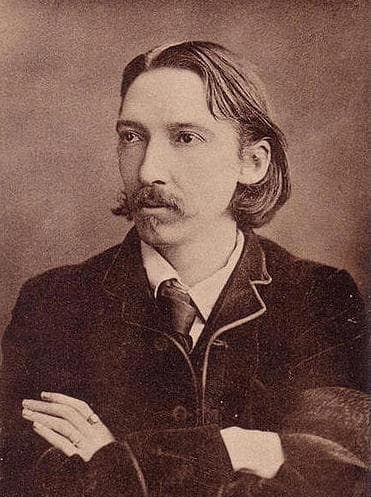
Robert Louis Stevenson was a Scottish novelist, essayist, poet and travel writer. He is best known for works such as Treasure Island, Strange Case of Dr Jekyll and Mr Hyde, Kidnapped and A Child's Garden of Verses.
Similar books
- Wuthering Heights
Emily Brontë
3.9 (1.3M) average on GoodreadsHistorical FictionExplores destructive passions and feuds within a family, with a charismatic, tormenting figure.
- Kidnapped
Robert Louis Stevenson
3.8 (58k) average on GoodreadsHistorical FictionAnother Stevenson adventure with historical setting and complex moral dilemmas, though less dark.
- The Master And Margarita
Mikhail Bulgakov
4.3 (243k) average on GoodreadsFantasyFeatures a charismatic, almost supernatural 'master' figure who profoundly impacts those around him, though in a very different genre.
- Waverley
Walter Scott
3.4 (5k) average on GoodreadsHistorical FictionWaverley uses the Jacobite rebellion as a backdrop for a more traditional adventure and a protagonist's journey of self-discovery. The Master of Ballantrae, in contrast, focuses on the destructive internal family dynamics shaped by historical loyalties, offering a more intense psychological study rather than a broader historical panorama. Scott's protagonists are often more overtly heroic and morally clear.
- Lorna Doone
R.D. Blackmore
3.7 (15k) average on GoodreadsHistorical FictionLorna Doone is a more conventional historical romance with clearer moral lines and heroic protagonists, emphasizing adventure and a more straightforward love story. The Master of Ballantrae offers a bleaker, more ambiguous vision, delving into the psychological degradation of its characters and lacking the clear-cut heroism found in Blackmore's work. Stevenson's work is less romanticized and more psychologically intense.
- To Kill a Mockingbird
Harper Lee
4.3 (4.5M) average on GoodreadsHistorical FictionIn the 1930s Jim Crow South, Harper Lee writes about racial injustice, moral growth, and the quiet courage of a lawyer father, Atticus Finch, as seen through his young daughter's eyes.



Enjoyed the summary?
A summary gives you the shape of the book. The book itself has the detail, the examples and the voice.
Find The Master of Ballantrae on AmazonAs an Amazon Associate, BookBrief earns from qualifying purchases. How we're funded