

Synopsis
Covers the whole plot, including the ending.
- Difficulty
- Medium
- Pacing
- Moderate
- Mood
- Melancholy, Introspective, Romantic, Exploratory
- Read it if
- You enjoy coming-of-age stories about sexual awakening and complex friendships, set against a backdrop of a specific time and place.
- Skip it if
- You prefer fast-paced plots with clear resolutions and dislike ambiguous character motivations or explorations of identity.
The Mysteries of Pittsburgh Plot Summary
Covers the whole plot, including the ending.
The Summer Begins with a Lie
Art Bechstein, having just graduated from the University of Pittsburgh and with his mob-affiliated father expecting him to attend law school, decides to take a summer job at a used bookstore instead. He is adrift and unsure of his future. His father, a notorious figure known as 'The King of the Yiddish Maffia,' believes Art is preparing for law school, a lie Art maintains to avoid confrontation. This deception sets the tone for a summer of concealed identities and ambiguous relationships. Art's initial encounters involve a mysterious girl named Phlox, and his immediate attraction to her hints at the romantic entanglements to come, even as he grapples with his own sexual identity.
Meeting Arthur and Phlox
Art encounters Arthur Lecomte, a charming and reckless young man, at a restaurant. Arthur, with his charisma and dangerous edge, immediately captivates Art. Later, Art runs into Phlox Lombardi, a girl he briefly knew in college, and a tentative friendship begins. Phlox is intelligent and somewhat melancholic, drawn to Arthur's wild energy. The three begin to spend time together, forming an unconventional trio. Their interactions are marked by shared meals, late-night conversations, and a growing intimacy, though the exact nature of their relationships remains undefined and fluid, particularly for Art.
The Introduction to Cleveland
Through Arthur, Art meets Cleveland Arning, a flamboyant and openly gay man who is Arthur's former lover and close friend. Cleveland is a poet and a free spirit, living in a dilapidated mansion and hosting unconventional gatherings. Art is initially hesitant but soon finds himself drawn into Cleveland's bohemian world, which offers a stark contrast to his own sheltered upbringing. Cleveland's presence introduces Art to a more explicit exploration of sexuality and identity, challenging Art's ideas and making him confront his own desires and confusions, especially regarding his attraction to both Phlox and Arthur.
Summer Nights and Blurred Lines
The summer progresses with Art spending more time with Phlox, Arthur, and Cleveland. He finds himself in a love triangle of sorts with Phlox and Arthur, though it is never explicitly defined. Art is attracted to Phlox, and they have several intimate moments, but he also feels a deep, unspoken connection and attraction to Arthur. Cleveland observes these dynamics with a knowing eye, sometimes offering cryptic advice. Their nights are filled with aimless drives, philosophical discussions, and reckless adventures, blurring the lines between friendship, romance, and sexual exploration for Art as he tries to understand his own feelings.
Arthur's Dangerous Lifestyle
Arthur's thrill-seeking tendencies become more apparent and concerning. He is involved in minor criminal activities, such as drug dealing and petty theft, often involving a mysterious figure named Augustus. Art, despite his reservations, finds himself complicit in some of these escapades, drawn in by Arthur's charisma and a desire to be part of his world. Phlox also expresses concern for Arthur's safety. These incidents heighten the sense of danger and unpredictability surrounding Arthur, making Art question the true nature of their friendship and the path he is choosing for himself.
The Cloud Factory
One memorable night, Art, Phlox, Arthur, and Cleveland visit an abandoned industrial site known as the 'Cloud Factory.' Amidst the decaying machinery and ghostly atmosphere, they share a moment of connection and vulnerability. This scene is important as it allows for a temporary suspension of their usual guardedness. Art experiences a powerful emotional and physical closeness with Arthur, solidifying his complex feelings. The Cloud Factory becomes a symbol of their shared, transient summer, a place where their hidden desires and unspoken affections momentarily surface before receding into the complexities of their lives.
Confronting the Father
Art's carefully constructed lie about attending law school begins to unravel when his father, Joe Bechstein, unexpectedly visits Pittsburgh. Joe, a man of formidable presence and a reputation as a mob enforcer, is proud of what he believes is Art's academic ambition. Art struggles to maintain the façade, feeling the weight of his father's expectations and the guilt of his deception. This encounter highlights Art's deep-seated fear of his father and his desire for independence, even as he struggles to articulate his true desires and identity to the man who has largely shaped his life.
The Robbery and its Aftermath
Arthur, with Art's reluctant involvement, plans a robbery involving Augustus, a more dangerous criminal. The plan goes wrong, culminating in a violent confrontation where Arthur is injured. This event shatters the illusion of their carefree summer. Art is deeply shaken by the violence and the realization of the real dangers Arthur has been involved in. The incident forces him to re-evaluate his relationship with Arthur and the extent to which he is willing to participate in Arthur's reckless world. It marks a turning point, pushing Art towards a more mature understanding of consequences.
Phlox's Departure and Art's Realization
Following the robbery, Phlox, disillusioned by Arthur's dangerous lifestyle and the instability of their relationships, decides to leave Pittsburgh. Her departure is a blow to Art, forcing him to acknowledge the depth of his feelings for her and the potential loss of a meaningful connection. This moment of separation compels Art to reflect on the fleeting nature of their summer and the way his relationships have shaped his understanding of himself. He begins to see the necessity of making his own choices rather than simply drifting along with others' currents.
Summer's End and New Beginnings
With Phlox gone and Arthur recovering, the summer begins to wind down. Art has a final, poignant encounter with Arthur, acknowledging the impact Arthur has had on him, both emotionally and sexually. He also makes a tentative peace with his father, though the full truth of his summer is never entirely revealed. Art finally begins to shed the lies and uncertainties that have defined his post-college existence. He accepts the complexities of his sexual identity and the lessons learned from his intense relationships. The ending is not a neat resolution but a hopeful step towards self-acceptance and a future of his own making.
The Mysteries of Pittsburgh Characters
Art Bechstein
Protagonist
A recent college graduate grappling with his identity, sexuality, and his notorious father's legacy.
Art is the introspective and often passive narrator, fresh out of the University of Pittsburgh. He is adrift, unsure of his future, and struggling to define himself outside the shadow of his mob-affiliated father, Joe Bechstein. Art is intelligent and observant, but prone to indecision and allowing events to unfold around him rather than actively shaping them. His journey through the summer is primarily one of self-discovery, particularly regarding his sexual identity and his capacity for love and connection. He is drawn to the unconventional and dangerous, yet yearns for stability.
Relationships: Joe Bechstein (Son-father; Art fears and resents his father's influence but also seeks his approval.); Arthur Lecomte (Close friend and object of Art's unspoken romantic/sexual attraction, a complex and intense bond.); Phlox Lombardi (Romantic interest and friend; Art is attracted to her but struggles with commitment.); Cleveland Arning (Friend and mentor figure, offering Art insights into a different lifestyle and sexuality.)
Arthur Lecomte
Supporting/Love Interest
A charismatic, reckless, and mysterious young man who captivates Art and Phlox.
Arthur is charming, effortlessly cool, and lives on the edge, involved in petty crime and a general disregard for convention. He possesses a magnetic personality that draws Art into his orbit, representing a kind of dangerous freedom Art both fears and desires. Despite his recklessness, Arthur is capable of moments of deep vulnerability and loyalty, particularly towards Cleveland. His bisexuality is openly acknowledged, and he embodies a fluid approach to relationships that challenges Art's more rigid worldview. Arthur acts as a catalyst for Art's self-exploration.
Relationships: Art Bechstein (Close friend and object of Art's unspoken romantic/sexual attraction; a profound connection.); Phlox Lombardi (Romantic interest; their relationship is passionate but volatile.); Cleveland Arning (Former lover and close, enduring friend; a bond of deep understanding and affection.)
Phlox Lombardi
Supporting/Love Interest
An intelligent and melancholic young woman caught between Art and Arthur.
Phlox is intelligent, artistic, and somewhat ethereal, with a quiet intensity. She is drawn to Arthur's wildness but also recognizes its dangers. She forms a close bond with Art, and they share moments of genuine intimacy, but she struggles with the complexities of her feelings for both men. Phlox represents a more conventional path of romance and stability compared to Arthur's chaos, yet she is also searching for something authentic. Her eventual decision to leave Pittsburgh signifies her desire for a more stable and less complicated life.
Relationships: Art Bechstein (Romantic interest and friend; their relationship is tender but marked by Art's indecision.); Arthur Lecomte (Romantic interest; their relationship is passionate but ultimately unsustainable due to his recklessness.)
Cleveland Arning
Supporting
A flamboyant and wise gay poet, Arthur's former lover, who observes and occasionally guides Art.
Cleveland is a flamboyant, openly gay poet who lives in a grand, decaying mansion. He is insightful, witty, and possesses a profound understanding of human nature and relationships. As Arthur's former lover and enduring friend, he offers a unique perspective on Arthur's character. Cleveland acts as a kind of mentor or confidant for Art, providing a safe space for Art to explore his feelings and observations without judgment. He represents an alternative, more open approach to life and sexuality, contrasting with Art's more closeted existence.
Relationships: Art Bechstein (Friend and confidant; offers Art a different perspective on life and sexuality.); Arthur Lecomte (Former lover and close, enduring friend; a bond of deep understanding and affection.)
Joe Bechstein
Supporting
Art's formidable, mob-affiliated father, who casts a long shadow over his son's life.
Joe Bechstein, known as 'The King of the Yiddish Maffia,' is a powerful and intimidating figure. He is a man of traditional expectations, proud of his son's perceived ambition to become a lawyer. Despite his criminal background, he genuinely cares for Art, though his expressions of affection are often gruff and demanding. Joe represents the world Art is trying to escape or define himself against, a world of expectations and pre-determined paths. His presence in the narrative highlights Art's struggle for independence and self-definition.
Relationships: Art Bechstein (Father-son; a strained relationship marked by fear, expectation, and a desire for independence on Art's part.)
Augustus
Mentioned
A shadowy, dangerous figure involved in Arthur's illicit activities.
Augustus is a more serious and dangerous criminal than Arthur, representing the darker side of Arthur's reckless life. He is primarily a catalyst for the violent turning point in the plot, embodying the real risks associated with Arthur's choices. His presence underscores the stakes of Arthur's actions and forces Art to confront the potential consequences of his associations. Augustus is not deeply developed as a character but serves to advance the plot's tension and danger.
Relationships: Arthur Lecomte (Criminal associate; their relationship is based on illicit dealings and mutual risk.)
The Mysteries of Pittsburgh Themes
Search for Identity
The novel explores Art Bechstein's journey of self-discovery as he grapples with his sexual identity, his future career, and his place in the world, separate from his father's imposing legacy. Art's attraction to both Phlox and Arthur, and his inability to fully commit to either, reflects his internal confusion about who he is and who he wants to be. His summer is a period of intense thought and experimentation, where he sheds the expectations of others to begin understanding his authentic self, often through his relationships with Phlox, Arthur, and Cleveland.
“I was born to a world of lies, and I was going to find out who I was if it killed me.”
Sexual Awakening and Fluidity
A central theme is Art's awakening to his own sexuality, particularly his bisexuality. The novel portrays a nuanced exploration of desire, attraction, and the fluidity of sexual identity, largely through Art's intense feelings for both Phlox and Arthur. Cleveland's openly gay lifestyle normalizes non-heteronormative relationships, providing Art with a broader understanding of love and connection. The physical and emotional intimacy Art shares with both men and women challenges traditional notions of sexuality, suggesting that desire is complex and not easily categorized, especially during a formative period of life.
“I was falling in love with Arthur, or at least with the idea of him, and it terrified me.”
Father-Son Conflict and Legacy
The strained relationship between Art and his mob-affiliated father, Joe Bechstein, is a significant theme. Art constantly struggles to define himself outside his father's imposing shadow and the expectations that come with his family name. His lie about attending law school is a direct manifestation of this conflict, a desperate attempt to gain independence while still seeking his father's approval. The novel explores the burden of a parent's legacy and the difficulty of forging one's own path when a powerful figure like Joe Bechstein looms large.
“My father was a man of power, and I was his son, which meant I was also, in some way, his property.”
The Nature of Friendship and Love
The complexities of human connection are explored through Art's relationships with Phlox, Arthur, and Cleveland. The novel blurs the lines between friendship, romance, and sexual attraction, showing how these bonds can be intense, transformative, and often ambiguous. Art's summer is defined by the impact these individuals have on him, challenging his understanding of loyalty, intimacy, and the various forms love can take. The narrative suggests that these formative relationships, even if transient, are important for personal growth and self-understanding.
“We were a strange constellation, spinning around each other, held by invisible forces.”
Loss of Innocence and Disillusionment
Art's summer marks a transition from youthful naivety to a more mature understanding of the world's complexities and dangers. The carefree atmosphere of early summer gives way to the harsh realities of Arthur's criminal involvement and the violence of the robbery. This shift forces Art to confront the consequences of reckless behavior and the vulnerability of those he cares about. The departure of Phlox and the end of the intense summer signal a necessary disillusionment, prompting Art to move past his passive role and take more responsibility for his own life choices.
“The summer was a dream, and like all dreams, it had to end, leaving me with the wreckage of its beauty.”
Plot Devices & Literary Techniques
First-Person Narration (Retrospective)
The story is told from Art Bechstein's perspective, looking back on the pivotal summer.
The entire novel is narrated by Art Bechstein, recounting the events of his post-college summer. This retrospective first-person perspective allows for Art's immediate thoughts and feelings to be conveyed, creating a deep sense of intimacy and empathy with the protagonist. It also enables Art to reflect on the significance of events and relationships after they have occurred, adding layers of insight and emotional depth to his journey of self-discovery. The retrospective nature subtly suggests that Art has gained some understanding and perspective since the summer ended.
Symbolism of Pittsburgh
The city of Pittsburgh reflects Art's internal state and the novel's themes of decay and transformation.
Pittsburgh itself functions as a significant symbol in the novel. Its industrial landscape, decaying factories (like the 'Cloud Factory'), and hidden corners reflect Art's own internal state of transition, uncertainty, and the shedding of old identities. The city is a backdrop for Art's aimless wanderings and his encounters with characters who embody different facets of its underground. The changing seasons of summer represent the fleeting nature of Art's experiences and the period of intense, yet temporary, personal growth he undergoes within its confines.
The Love Triangle (or Quadrangle)
The complex romantic and sexual entanglements between Art, Phlox, Arthur, and Cleveland drive the emotional plot.
The intricate web of relationships between Art, Phlox, Arthur, and Cleveland is a primary plot device. This 'love triangle' (or quadrangle, considering Cleveland's past with Arthur and his role as an observer) fuels much of the emotional tension and character development. Art's divided affections and attractions force him to confront his own sexual identity and desires. The shifting dynamics between the characters, marked by jealousy, longing, and unspoken feelings, propel the narrative forward and create the central conflict of Art's internal struggle for self-understanding and belonging.
The Mysteries of Pittsburgh Quotes
“I was late, as usual, but the good humor of my parents was a river without end, and they would forgive me anything.”
“I was a good boy, a smart boy, but I was also a boy who was always looking for a way out of the good and smart.”
“The past, it was a country to which you could never return, a country whose borders were always changing.”
“There was a lot of love in the world, and a lot of loneliness, and sometimes it was hard to tell the difference.”
“That summer, I was a man of leisure, a man of mystery, a man who was always on the verge of something.”
“It was a strange kind of freedom, the freedom of having nothing to lose.”
“Pittsburgh was a city of bridges, and I was always looking for a way to cross them.”
“Everything was an adventure, even the quiet moments, even the moments when nothing was happening.”
“There was a certain kind of sadness that came with knowing too much, with seeing too much.”
“Love was a dangerous country, and I was always getting lost in it.”
“We were all just trying to figure things out, one way or another.”
“The future was a dark room, and I was always fumbling for the light switch.”
“Sometimes the most important things were the ones you couldn't explain.”
“I was learning that the world was full of mysteries, and that some of them were meant to remain unsolved.”
Quiz
10 questions on the plot and the characters. Each answer comes with a short explanation.
Question 1
What is the name of the protagonist and first-person narrator of "The Mysteries of Pittsburgh"?
- Arthur Beal
- Art Bechstein
- Andy Berkowitz
- Alex Bellwether
Show answer
B. Art Bechstein The protagonist and narrator of the novel is Art Bechstein, a recent college graduate navigating his summer in Pittsburgh.
Question 2
What is the primary conflict Art Bechstein faces with his father throughout the novel?
- His father's disapproval of his career choice.
- His father's involvement in organized crime.
- His father's desire for him to move back home.
- His father's lack of support for his artistic ambitions.
Show answer
B. His father's involvement in organized crime. Art's father is a mob boss, and Art struggles with the implications of his father's criminal activities and his own relationship to that world.
Question 3
Which university did Art Bechstein recently graduate from at the beginning of the novel?
- University of Pittsburgh
- Carnegie Mellon University
- University of Maryland
- Penn State University
Show answer
C. University of Maryland Art reveals early in the novel that he has just graduated from the University of Maryland.
Question 4
What is the name of the woman Art Bechstein has a complicated romantic relationship with?
- Jane
- Phlox
- Chloe
- Daisy
Show answer
B. Phlox Art's primary female romantic interest throughout the summer is Phlox, who is also dating his friend Arthur.
Question 5
What is the name of the eccentric and free-spirited friend Art makes who is openly gay?
- Frank
- Sam
- Arthur Lecomte
- Paul
Show answer
C. Arthur Lecomte Arthur Lecomte, often referred to as Arthur, is Art's flamboyant and openly gay friend who plays a significant role in Art's sexual awakening.
Question 6
Which of the following best describes the central theme of 'The Mysteries of Pittsburgh'?
- The pursuit of corporate success.
- The importance of family tradition.
- Coming-of-age and the exploration of identity.
- The struggle against political corruption.
Show answer
C. Coming-of-age and the exploration of identity. The novel is primarily a coming-of-age story, focusing on Art's exploration of his sexual identity, his relationships, and his place in the world after college.
Question 7
What is the primary setting for the summer events in the novel?
- New York City
- San Francisco
- Pittsburgh, Pennsylvania
- Boston, Massachusetts
Show answer
C. Pittsburgh, Pennsylvania As the title suggests, the entire novel is set in Pittsburgh, Pennsylvania, during one pivotal summer.
Question 8
What significant event occurs at the end of the summer that symbolizes Art's transition?
- He gets a job offer in a new city.
- He decides to go back to school for a master's degree.
- He leaves Pittsburgh to begin a new chapter, feeling a sense of closure and self-discovery.
- He reconciles completely with his father and takes over the family business.
Show answer
C. He leaves Pittsburgh to begin a new chapter, feeling a sense of closure and self-discovery. By the end of the summer, Art leaves Pittsburgh, having gained a clearer understanding of himself and his desires, marking a significant step in his personal growth.
Question 9
The novel explores Art's bisexuality through his relationships with Phlox and which male character?
- Cleveland
- Arthur Lecomte
- His father
- Eliot
Show answer
A. Cleveland Art has a sexual relationship with Cleveland, a friend of Arthur's, which is crucial to his exploration and understanding of his bisexuality.
Question 10
What is the primary literary device Chabon employs by comparing Art Bechstein to Holden Caulfield and Nick Carraway?
- Foreshadowing
- Allusion
- Metaphor
- Irony
Show answer
B. Allusion Comparing Art to Holden Caulfield and Nick Carraway is an example of allusion, referencing well-known literary characters to establish Art's narrative voice and thematic role as an observer and confused young man.
The Mysteries of Pittsburgh FAQ
What is the central premise of 'The Mysteries of Pittsburgh'?
The novel follows Art Bechstein during the summer after his graduation from college, as he navigates a period of aimlessness and self-discovery in Pittsburgh. He forms complex relationships with a diverse group of new friends, including Arthur Lecomte, Phlox Lombardi, and Jane Bellwether, while grappling with his future and his identity, particularly his burgeoning bisexuality.
Who is Art Bechstein, and what is his primary internal conflict?
Art Bechstein is the protagonist and narrator, a recent college graduate from a privileged but complicated background, whose father is a mob boss. His primary internal conflict revolves around his search for identity and purpose, struggling to define himself outside his father's shadow and understand his sexual orientation amidst his evolving relationships.
Describe the key relationships Art forms during the summer.
Art forms a passionate and complicated romantic relationship with Phlox Lombardi, a free-spirited woman. Simultaneously, he develops an intense, ambiguous, and ultimately sexual relationship with Arthur Lecomte, an enigmatic and charismatic gay man. He also has a more platonic but significant connection with Jane Bellwether, Phlox's friend, who offers him a different perspective.
How does Art's father, Joe Bechstein, influence the plot?
Joe Bechstein, a prominent figure in the local mob, casts a long shadow over Art's life. His illicit dealings provide Art with a substantial allowance but also create a sense of unease and a desire to escape his father's world. The tension of their relationship and Art's attempts to distance himself are central to Art's coming-of-age journey.
What role does the city of Pittsburgh play in the narrative?
Pittsburgh is more than just a setting; it's a character itself, reflecting Art's internal state. Its specific neighborhoods, landmarks, and the general atmosphere of a city on the verge of change mirror Art's own transition and confusion. The 'mysteries' of the city parallel the mysteries Art uncovers about himself and his friends.
Are there any subtle allusions to classic literature or literary figures within the text?
Yes, Chabon subtly references and echoes themes from works like 'The Catcher in the Rye' and 'The Great Gatsby,' particularly in Art's observational, often cynical narrative voice and his role as an outsider looking in on a glamorous yet flawed world. The sense of a lost summer and the exploration of class and identity also draw parallels to these literary forebears.
What is the significance of the 'cloud factory' Art occasionally mentions?
The 'cloud factory' is a symbolic detail, a place Art imagines or creates in his mind as a sanctuary or a metaphor for his own mental landscape. It represents his detachment, his desire to escape reality, and his tendency to intellectualize his feelings rather than directly confront them. It's a place of contemplation and refuge from the complexities of his life.
How does the weather or specific seasons contribute to the novel's mood?
The novel is explicitly set during a single summer, and the hot, languid, often humid Pittsburgh weather intensifies the sense of aimlessness and heightened emotions. The oppressive heat can mirror Art's internal pressures, while occasional storms or cooler moments might signify shifts in his understanding or emotional state, leading to a feeling of transient beauty.
What specific details reveal Art's internal struggle with his bisexuality before he explicitly acknowledges it?
Art's internal struggle is revealed through his intense fascination with Arthur, his detailed observations of male bodies, and his repeated questioning of his own desires and attractions. His discomfort with labels and his simultaneous longing for intimacy with both Phlox and Arthur highlight his emergent and confusing sexual identity, even before he acts upon it.
How does Art's narrative voice reflect his psychological state?
Art's narrative voice is introspective, analytical, and often detached, reflecting his tendency to observe and intellectualize his experiences rather than fully immerse himself emotionally. His use of vivid imagery and detailed descriptions, coupled with a certain melancholic tone, reveals a young man grappling with profound questions of identity, purpose, and belonging.
Analyze the psychological motivations behind Arthur Lecomte's actions.
Arthur Lecomte is driven by a complex mix of charisma, self-destruction, and a desire for connection, perhaps stemming from his own unresolved past and his struggle with his identity as a gay man in a less accepting era. His recklessness and his pursuit of Art suggest a yearning for genuine intimacy and a testing of boundaries, both his own and others'.
What psychological impact does Art's father's profession have on him?
Art's father's mob ties create a profound sense of moral ambiguity and a psychological burden for Art. He feels both financially indebted and morally compromised, leading to feelings of guilt, a desire for atonement, and a constant struggle to define his own ethical compass separate from his father's illicit world. This shapes his identity and relationships.
Is Art's ending relationship with Phlox Lombardi a sign of maturity or unresolved issues?
Art's ending relationship with Phlox can be interpreted as both a sign of maturity and unresolved issues. While he learns about love and intimacy, their parting suggests his continued journey of self-discovery, acknowledging that he needs to further explore his identity, including his bisexuality, before fully committing. It highlights his evolving understanding of himself.
How does the novel challenge traditional notions of masculinity and sexuality?
The novel challenges traditional notions by portraying Art's fluid sexuality and his emotional vulnerability, moving beyond rigid categories of straight or gay. His complex relationships with both Phlox and Arthur, and his internal questioning, present a more nuanced and expansive view of masculinity, where emotional depth and sexual ambiguity are central to self-discovery.
What is the ultimate 'mystery' of Pittsburgh that Art uncovers?
The ultimate 'mystery' Art uncovers is not a singular plot twist but rather the mystery of self-identity and the complexities of human connection. He learns about the hidden depths of his own desires, the ambiguous nature of love and friendship, and the difficult process of defining oneself amidst conflicting influences and desires, particularly his sexual identity.
To what extent is Art Bechstein an unreliable narrator?
Art is a moderately unreliable narrator, not through intentional deception, but due to his youth, inexperience, and emotional confusion. His introspective nature often leads him to over-analyze or misinterpret situations, and his own biases and internal struggles color his perceptions of others and the events around him, offering a subjective lens on the narrative.
How does the novel explore themes of class and privilege?
The novel explores themes of class and privilege through Art's unique position as the son of a wealthy, albeit criminal, father. His financial freedom contrasts with the more modest circumstances of some of his friends, highlighting the advantages and burdens of his background and influencing his relationships and choices, particularly his sense of detachment.
What is the significance of the novel's ending for Art's future?
The ending signifies Art's acceptance of uncertainty and his readiness to move forward, albeit without clear answers. His decision to leave Pittsburgh suggests a commitment to continuing his journey of self-discovery, embracing the 'mysteries' rather than demanding resolution. It marks a transition from youthful aimlessness to a more conscious, if still evolving, path.
About the author

Michael Chabon is an American novelist, screenwriter, columnist, and short story writer. Born in Washington, D.C., he spent a year studying at Carnegie Mellon University before transferring to the University of Pittsburgh, graduating in 1984. He subsequently received a Master of Fine Arts in creative writing from the University of California, Irvine.
Similar books
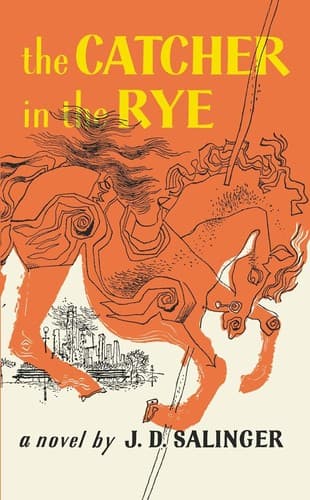
- The Catcher in the Rye
J.D. Salinger
3.8 (2.7M) average on GoodreadsYoung AdultFeatures a disillusioned young male narrator grappling with identity and societal expectations.
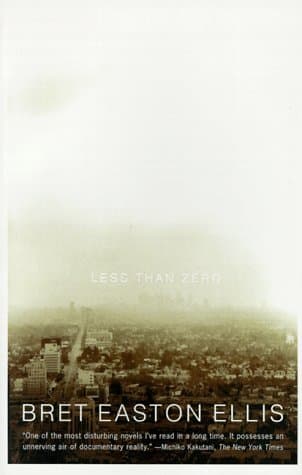
- Less Than Zero
Bret Easton Ellis
3.6 (73k) average on GoodreadsLiterary FictionEllis's work portrays the morally bankrupt and hedonistic lifestyle of affluent youth with a detached, nihilistic tone. Chabon's novel, while touching on alienation and lost youth, ultimately offers a more hopeful and vulnerable journey of self-discovery and acceptance, with a greater emphasis on emotional depth rather than pure shock value.
- The Old Man and the Sea
Ernest Hemingway
3.8 (831k) average on GoodreadsLiterary FictionA Cuban fisherman's long struggle with a giant marlin becomes a story of endurance and dignity, now retold for young adults with illustrations, phonetic guides, and writing prompts in Traditional Chinese.
- One Hundred Years of Solitude
Gabriel García Márquez
4.1 (753k) average on GoodreadsLiterary FictionThrough the multi-generational story of the Buendía family, a mythical town deals with the repeating patterns of time, love, and solitude, as the extraordinary mixes with the ordinary.
- The Goldfinch
Donna Tartt
3.9 (720k) average on GoodreadsLiterary FictionHaunted by a tragic explosion and clutching a stolen Dutch masterpiece, a young orphan navigates the opulent drawing rooms of New York and the gritty underbelly of the art world, desperately seeking connection and redemption amidst a life spiraling into crime and obsession.
- Little Fires Everywhere
Celeste Ng
4.1 (713k) average on GoodreadsLiterary FictionIn Shaker Heights, an artist and her daughter move in, and their free-spirited lives clash with a rule-bound matriarch, revealing hidden conflicts beneath a perfect surface.




Enjoyed the summary?
A summary gives you the shape of the book. The book itself has the detail, the examples and the voice.
Find The Mysteries of Pittsburgh on AmazonAs an Amazon Associate, BookBrief earns from qualifying purchases. How we're funded