
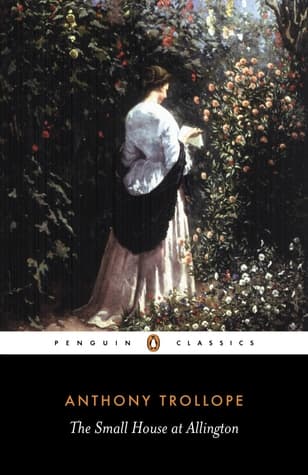
Synopsis
Covers the whole plot, including the ending.
- Difficulty
- Medium
- Pacing
- Slow
- Mood
- Thought-provoking, Melancholy, Romantic, Reflective
- Read it if
- You enjoy Victorian social commentary, deep character studies, and intricate plotlines centered around romance and class.
- Skip it if
- You prefer fast-paced plots, modern prose, or stories without extended descriptions of social customs and internal monologues.
The Small House at Allington Plot Summary
Covers the whole plot, including the ending.
The Arrival at Allington
The novel begins with Mrs. Dale and her two daughters, Lily and Bell, moving from Allington Place to the smaller Small House on the estate, after the death of Mrs. Dale's husband. The current Squire Dale, Christopher Dale, their uncle, is gruff but kind and cares for them. Lily, the younger sister, is soon courted by Adolphus Crosbie, a charming but ambitious London gentleman visiting Courcy Castle, a nearby aristocratic home. Meanwhile, Bell, the older sister, quietly receives the affections of Dr. Crofts, a local doctor, though she is not yet ready to commit.
Crosbie's Engagement and Betrayal
Adolphus Crosbie, while at Allington, proposes to Lily Dale, and she, deeply in love, accepts with joy. Their engagement is celebrated by the family, especially Mrs. Dale and Squire Dale, who are happy with the match. However, Crosbie is soon drawn into the aristocratic circles of Courcy Castle, where he is flattered by Lady Alexandrina de Courcy. Driven by ambition, Crosbie cruelly breaks off his engagement with Lily by letter, leaving her for Lady Alexandrina. This betrayal devastates Lily and the entire Dale family, particularly Squire Dale, who had liked Crosbie.
Lily's Heartbreak and Resilience
Lily Dale is heartbroken by Crosbie's desertion. Her shock gives way to a lasting sadness, but she shows resilience and loyalty to her first love, despite his unworthiness. She withdraws somewhat from society but refuses to be completely broken. Her steadfastness becomes a main theme, as she rejects advances from Bernard Dale, her cousin, who wants to marry her and keep her at Allington, and later, from John Eames, who has loved her since childhood. Lily's refusal to marry anyone else, believing her heart belongs to Crosbie, even after his disgrace, shapes much of her story.
Crosbie's Ill-Fated Marriage
Adolphus Crosbie marries Lady Alexandrina de Courcy, believing it will secure his future. However, their marriage is disappointing. Lady Alexandrina is cold, unloving, and demanding, with expensive tastes and little real affection. Crosbie quickly finds his new position offers little joy. His life with Alexandrina is marked by arguments, tedious social obligations, and a lack of warmth. He realizes too late his mistake in leaving Lily Dale, whose simple charm and genuine love he now misses, showing the emptiness of his ambition.
John Eames's Unrequited Love and Growth
John Eames, a young man from the village who has loved Lily Dale since childhood, works as a clerk in London. He is initially clumsy and gets into trouble, but his love for Lily motivates him to improve. Hearing of Crosbie's betrayal, Eames is angry and, in an impulsive act of loyalty, publicly assaults Crosbie at a London railway station, earning him both criticism and some respect. Throughout the novel, Eames tries to win Lily's heart, despite her rejections, showing his devotion and growing maturity.
Bell Dale's Choice
Bell Dale, the more practical sister, is pursued by several men. Her cousin, Bernard Dale, proposes marriage, offering a comfortable life at Allington Place, but Bell finds him unappealing and his offer lacking in real affection. She also attracts the attention of the wealthy but crude Squire Boyce. Bell's heart remains with Dr. Crofts, the kind and intelligent local doctor who has loved her for a long time. Despite her mother's initial preference for a wealthier match, Bell chooses Dr. Crofts, valuing his character and their shared affection over social status, to the satisfaction of Squire Dale and Mrs. Dale, who come to see the wisdom of her choice.
Squire Dale's Benevolence and Frustration
Squire Christopher Dale, the girls' uncle and landlord, is a complex character. He is gruff and blunt but deeply cares for his nieces and sister-in-law, providing for them and trying to guide their lives. He is pleased with Lily's engagement to Crosbie, then furious at the betrayal. He wants one of his nieces to marry his heir, Bernard Dale, to keep the estate in the family. While frustrated by Lily's loyalty to Crosbie and Bell's initial refusal of Bernard, he accepts and supports Bell's choice of Dr. Crofts, showing his underlying kindness.
The De Courcy Family's Machinations
The De Courcy family, living at Courcy Castle, represents the cynical upper class. The Earl and Countess de Courcy care mainly about their family's status and making good matches for their daughters. They encourage Adolphus Crosbie's pursuit of Lady Alexandrina, seeing him as a suitable prospect due to his connections and potential. Their schemes show the moral compromises made for social standing, and their family life is cold, contrasting with the warmth of the Small House at Allington. They gain little from the match, as Crosbie's career does not advance as much as they hoped.
Crosbie's Downfall and Regret
Adolphus Crosbie's ambitious marriage to Lady Alexandrina de Courcy does not bring him the promised social or professional advancement. His career at the General Committee Office stalls, and his hopes for a prestigious position are ruined. His home life is unhappy, marked by constant disagreement and a lack of affection. He becomes increasingly aware of his mistake in leaving Lily Dale, often thinking about her goodness and the love he gave up. Crosbie's story is one of regret and the bitter realization that he sacrificed true happiness for an illusion of grandeur, living a life of quiet desperation.
The Future of the Small House
As the novel ends, Bell Dale and Dr. Crofts marry, making Mrs. Dale and Squire Dale happy. They settle into a loving and content life, showing that true affection and respect can lead to lasting happiness. John Eames, despite his efforts, cannot win Lily Dale. Lily remains loyal to the memory of her love for Crosbie, saying she will never marry anyone else. She continues to live at the Small House with her mother, finding peace in her quiet life and the affection of her family, especially John Eames, who remains a devoted friend, still hoping for a future with her, though it is left uncertain.
Principal Figures
Lily Dale
Protagonist
The charming and deeply loyal younger sister, heartbroken by betrayal.
Lily Dale is the central figure of the novel, known for her sweetness, vivacity, and unwavering loyalty. Initially depicted as a bright and loving young woman, her character undergoes a profound transformation after Adolphus Crosbie's betrayal. Despite her heartbreak, she maintains a remarkable resilience and an almost saintly steadfastness in her affection, refusing to believe Crosbie entirely bad and dedicating herself to a life of singlehood rather than marrying someone she does not love as deeply. She is deeply empathetic and beloved by her family and friends.
Relationships: Adolphus Crosbie (Engaged, then betrayed; unrequited love from her side); Bell Dale (Devoted sister); Mrs. Dale (Loving daughter); Squire Dale (Beloved niece, under his guardianship); John Eames (Object of his unrequited love, close friend); Bernard Dale (Cousin, rejected suitor)
Adolphus Crosbie
Antagonist
A charming but ambitious London gentleman who betrays Lily Dale.
Adolphus Crosbie is initially presented as a charming and attractive man, a London 'swell' with good prospects. However, his ambition and weakness of character lead him to abandon Lily Dale for the social advantages offered by Lady Alexandrina de Courcy. He is a product of his society, valuing status and connections over genuine affection and moral integrity. After his marriage, he becomes increasingly regretful and unhappy, realizing the hollowness of his choices, but he lacks the strength of character to rectify his past wrongs or find true contentment.
Relationships: Lily Dale (Betrayed fiancée); Lady Alexandrina de Courcy (Unhappy wife); John Eames (Assaulted by him for his betrayal of Lily); Squire Dale (Initially approved of, then despised by him)
John Eames
Supporting
A loyal but initially awkward young man who loves Lily Dale.
John Eames is a young clerk from the local village who has harbored a deep and enduring love for Lily Dale since childhood. He is initially clumsy, somewhat naive, and prone to social blunders, but he possesses a strong sense of loyalty and a good heart. His love for Lily drives much of his character development, leading him to confront Crosbie and to strive for self-improvement. Despite Lily's repeated rejections, he remains devoted to her, representing steadfast, unrequited love and a growing maturity that contrasts with Crosbie's moral failings.
Relationships: Lily Dale (Unrequited love, devoted friend); Adolphus Crosbie (Antagonist, assaulted him out of loyalty to Lily); Bell Dale (Friend, brother-in-law to be); Mrs. Dale (Respected and cared for)
Bell Dale
Supporting
The practical and intelligent elder sister who chooses love over wealth.
Bell Dale is Lily's elder sister, characterized by her practicality, intelligence, and quieter nature. Unlike Lily, she is less swayed by romantic ideals and more discerning in her choices. She values genuine affection and character over social standing or wealth, as demonstrated by her eventual rejection of Bernard Dale and her acceptance of Dr. Crofts. Bell represents a different path to happiness than Lily, finding contentment in a loving, equal partnership rather than remaining bound by a past, broken love. She is a supportive sister and a sensible daughter.
Relationships: Lily Dale (Devoted sister); Dr. Crofts (Husband, true love); Bernard Dale (Cousin, rejected suitor); Mrs. Dale (Loving daughter)
Dr. Crofts
Supporting
The kind and intelligent local physician who wins Bell Dale's heart.
Dr. Crofts is the local physician and a man of integrity, kindness, and quiet devotion. He has loved Bell Dale for a long time but initially hesitates to propose due to his modest financial standing. He is respected by the community and is a steadfast friend to the Dale family. His genuine affection, good character, and professional dedication ultimately win Bell's heart, proving that true love and worth are not always tied to wealth or social status. He represents the honest, dependable virtues that contrast with the superficiality of characters like Crosbie.
Relationships: Bell Dale (Wife, true love); Mrs. Dale (Respected and eventually approved son-in-law); Squire Dale (Respected and approved by him)
Squire Christopher Dale
Supporting
The gruff but benevolent uncle and landlord of the Dale sisters.
Squire Dale is the uncle of Lily and Bell, and the owner of Allington Place. He is a man of strong opinions, often expressed gruffly, but possesses a deep underlying affection and sense of duty towards his nieces and sister-in-law. He provides them with the Small House and a comfortable income. He is deeply invested in the family's welfare and lineage, hoping for a marriage between one of his nieces and his heir, Bernard. Despite his frustrations with their choices, he ultimately acts with generosity and acceptance, particularly towards Bell's marriage to Dr. Crofts, revealing his fundamental goodness.
Relationships: Lily Dale (Niece, under his guardianship); Bell Dale (Niece, under his guardianship); Mrs. Dale (Sister-in-law, provides for her); Bernard Dale (Nephew and heir, encourages his marriage to one of the Dales)
Mrs. Dale
Supporting
The loving mother of Lily and Bell, navigating her daughters' romantic lives.
Mrs. Dale is the widowed mother of Lily and Bell, a gentle and caring woman who deeply loves her daughters. She is reliant on her brother-in-law, Squire Dale, for her living arrangements but maintains her independence and dignity. She is a source of comfort and support for Lily during her heartbreak and initially hopes for financially advantageous marriages for her daughters. However, she ultimately prioritizes her daughters' happiness, accepting Bell's choice of Dr. Crofts and supporting Lily in her decision to remain single, demonstrating her maternal love and wisdom.
Relationships: Lily Dale (Loving mother, comforter); Bell Dale (Loving mother, supports her choice); Squire Dale (Brother-in-law, benefactor)
Lady Alexandrina de Courcy
Supporting
Crosbie's cold and demanding wife, representing aristocratic superficiality.
Lady Alexandrina de Courcy is one of the daughters of the Earl and Countess de Courcy, and later Adolphus Crosbie's wife. She is depicted as cold, unloving, and primarily concerned with social status and material possessions. Her marriage to Crosbie is one of convenience and ambition, devoid of genuine affection or warmth. She contributes significantly to Crosbie's unhappiness, proving to be a demanding and unfulfilling partner. She embodies the superficiality and emotional barrenness of the aristocratic world that Crosbie so eagerly sought to join.
Relationships: Adolphus Crosbie (Unhappy wife); De Courcy Family (Daughter, part of their social maneuvering)
Bernard Dale
Supporting
Squire Dale's heir and a rejected suitor to both Lily and Bell.
Bernard Dale is the nephew and heir of Squire Christopher Dale. He is presented as a respectable but somewhat uninspired young man, lacking the depth of feeling or charm that might win the hearts of his cousins. He proposes to both Lily and Bell at different times, driven by a sense of duty and a desire to please his uncle by keeping the Allington estate within the family. However, his proposals are based more on practicality and convenience than on genuine passion, leading to his rejection by both sisters. He is well-meaning but ultimately unsuited to either of them.
Relationships: Lily Dale (Cousin, rejected suitor); Bell Dale (Cousin, rejected suitor); Squire Dale (Uncle, heir, attempts to fulfill his wishes)
Themes & Insights
Love vs. Ambition
This theme is central, mainly seen through Adolphus Crosbie's tragic choice. He leaves genuine love with Lily Dale for the social and professional advantages of marrying Lady Alexandrina de Courcy. The novel contrasts the warmth and happiness he could have had with Lily against the cold, unfulfilling marriage he endures. Lily's steadfast love, even in betrayal, and Bell's choice of Dr. Crofts over Bernard Dale, further highlight the value of love and character over material gain. Crosbie's later regret serves as a strong warning.
“He had sold himself for a mess of pottage, and now he had to eat it.”
Loyalty and Steadfastness
Lily Dale shows this theme through her unwavering loyalty to Adolphus Crosbie, even after his cruel betrayal. Her refusal to marry anyone else, despite worthy men like John Eames, defines her character and creates much of the novel's emotional weight. John Eames's persistent, unrequited love for Lily is another example, showing his devotion. This loyalty, while admirable in Lily, also points to the potential for self-sacrificing adherence to an ideal, even if it might lead to a lonely future. It is contrasted with Crosbie's disloyalty.
“I can never be a young man's darling again. I have been a young man's darling, and it has gone from me.”
The Nature of Happiness
The novel explores what makes true happiness. Through the contrasting lives of Lily Dale, who stays single out of loyalty, and Bell Dale, who finds contentment in a loving marriage with Dr. Crofts, Trollope suggests that happiness comes from genuine affection and moral integrity, not wealth or social status. Crosbie's miserable marriage to Lady Alexandrina de Courcy shows that ambition without love leads to deep dissatisfaction. The simple, loving atmosphere of the Small House is consistently shown as a haven of happiness compared to the grandeur and coldness of Courcy Castle.
“What is it that a man wants? Not a woman, but a wife; not a thing to sleep with, but a being to live with.”
Social Class and Expectations
Trollope examines the effect of social class and its expectations. The De Courcy family embodies the aristocratic world's focus on status and good marriages, leading to Crosbie's manipulation. Crosbie himself is driven by a desire to rise socially, illustrating the pressures of Victorian society. The contrast between the Dales' more modest but moral life and the De Courcys' grand but often superficial world highlights the ethical compromises made for social standing. The novel subtly criticizes the rigidities and hypocrisies of the class system.
“It is not every man who can raise himself, as he has done. And then to marry a Lady Alexandrina de Courcy!”
Family Duty and Affection
The bond within the Dale family is a cornerstone of the novel. Squire Dale, despite his gruff exterior, feels a strong sense of duty and affection towards his nieces and sister-in-law, providing for them and trying to guide their lives. Mrs. Dale's unwavering support for her daughters, even when their choices go against expectations, shows the strength of maternal love. The sisters, Lily and Bell, share a deep and supportive relationship. This theme explores how family ties offer comfort, stability, and a moral guide during personal struggles and societal pressures, sharply contrasting with the colder, more self-serving dynamics of the De Courcy family.
“There was no one in the world who loved her with such a love as her mother.”
Plot Devices & Literary Techniques
The Small House as a Symbol
A physical and symbolic representation of warmth, love, and moral integrity.
The Small House at Allington is not merely a setting but a powerful symbol. It represents a haven of genuine affection, moral rectitude, and simple happiness, contrasting sharply with the cold grandeur and superficiality of Courcy Castle. It is where Lily and Bell grow up, where they experience love and heartbreak, and where family bonds are strongest. The house symbolizes the enduring values of home, loyalty, and contentment that the characters, particularly Crosbie, often abandon in pursuit of external validation, only to find regret.
The Betrayal Letter
A pivotal plot point that catalyzes Lily's heartbreak and Crosbie's downfall.
Adolphus Crosbie's letter to Lily Dale, breaking off their engagement, is a crucial plot device. It serves as the immediate catalyst for Lily's profound heartbreak and initiates her steadfast, unrequited love. For Crosbie, it is the irreversible act that seals his fate and marks his moral decline. This singular event sets the trajectory for the remainder of the novel, highlighting the cruelty of his ambition and the devastating consequences of his actions, while also solidifying the sympathy and admiration for Lily's resilience.
Unrequited Love
A recurring motif, particularly through John Eames's devotion to Lily Dale.
Unrequited love is a significant plot device, primarily manifested in John Eames's enduring affection for Lily Dale. His persistent pursuit of her, despite her repeated rejections and her loyalty to Crosbie, underscores themes of devotion and steadfastness. It allows for Eames's character development and provides a foil to Crosbie's fickle nature. Lily's own 'unrequited' love for the memory of what Crosbie was, or what she hoped he would be, also falls into this category, shaping her life choices and emphasizing the enduring power of first love, even when misplaced.
Social Circles as Moral Barometers
Different social environments reflect varying moral standards and values.
Trollope uses distinct social circles to highlight contrasting moral values. The wholesome, affectionate world of the Small House and the village of Allington represents genuine human connection and integrity. In stark contrast, Courcy Castle and the aristocratic circles of London, inhabited by the De Courcys and Crosbie, symbolize superficiality, ambition, and moral compromise. These different environments act as moral barometers, influencing characters' decisions and revealing their true natures, particularly Crosbie, who is corrupted by the allure of the higher social sphere.
The Small House at Allington Quotes
“It is a comfortable feeling to know that you are going to a friend's house.”
“A man who wants to make a girl his wife should not talk to her about his love for another woman.”
“The course of true love never did run smooth.”
“There are some men who are made to be loved; and there are some women who are made to love them.”
“It is not by any means necessary that a man should be a hero to be a good husband.”
“Money is a very good thing, and a very comfortable thing, and makes a man feel very much at his ease.”
“If a girl has a fortune she ought to have a chance of seeing the world, and picking up a husband who is worthy of her.”
“The greatest blessing which can befall a man is to have a good wife.”
“It is a terrible thing for a man to find himself alone in the world.”
“The world is full of troubles, and the wisest of us cannot avoid them.”
“He knew that he was a fool, but he was a fool in love.”
“There is no more dangerous woman than one who has been jilted.”
“A man should always be master in his own house.”
“It is easier to forgive an injury than to forget an insult.”
Quiz
10 questions on the plot and the characters. Each answer comes with a short explanation.
Question 1
Who is the primary resident of the Small House at Allington at the beginning of the novel?
- Lily Dale
- Lady Alexandrina de Courcy
- Crosbie
- Bernard Dale
Show answer
A. Lily Dale Lily Dale, along with her mother, Mrs. Dale, lives in the Small House at Allington, which is part of the larger Allington estate.
Question 2
Which character is engaged to Lily Dale before breaking off the engagement to pursue a more advantageous marriage?
- Bernard Dale
- Adolphus Crosbie
- Johnny Eames
- Lord de Courcy
Show answer
B. Adolphus Crosbie Adolphus Crosbie is Lily Dale's first love and fiancé, who cruelly jilts her for Lady Alexandrina de Courcy.
Question 3
What is the relationship between Lily Dale and Bell Dale?
- Sisters
- Cousins
- Aunt and niece
- Friends
Show answer
A. Sisters Lily Dale and Bell Dale are sisters, residing together with their mother in the Small House.
Question 4
What is the primary reason Adolphus Crosbie breaks his engagement to Lily Dale?
- He falls in love with another woman.
- He seeks a marriage that will advance his social and professional standing.
- Lily's family disapproves of him.
- He discovers Lily has been unfaithful.
Show answer
B. He seeks a marriage that will advance his social and professional standing. Crosbie is ambitious and sees a marriage to Lady Alexandrina de Courcy as a means to climb the social ladder, despite his genuine affection for Lily.
Question 5
Which character is a persistent admirer of Lily Dale throughout the novel, despite her initial rejection and unwavering loyalty to Crosbie?
- Dr. Crofts
- Earl de Courcy
- Johnny Eames
- Squire Dale
Show answer
C. Johnny Eames Johnny Eames is deeply in love with Lily Dale and remains devoted to her even after her heartbreak, hoping to win her affection.
Question 6
What significant event occurs between Johnny Eames and Adolphus Crosbie in London?
- They become close friends.
- Johnny Eames confronts and physically assaults Crosbie.
- Crosbie offers Johnny a promotion.
- They engage in a duel.
Show answer
B. Johnny Eames confronts and physically assaults Crosbie. Johnny Eames, angered by Crosbie's treatment of Lily, confronts him at a railway station and gives him a public thrashing.
Question 7
What is the ultimate decision of Bell Dale regarding her two suitors, Bernard Dale and Dr. Crofts?
- She chooses Bernard Dale for his social standing.
- She rejects both and remains unmarried.
- She chooses Dr. Crofts, whom she genuinely loves.
- She marries a completely new character introduced late in the novel.
Show answer
C. She chooses Dr. Crofts, whom she genuinely loves. Despite pressure from her uncle, Squire Dale, to marry her cousin Bernard, Bell ultimately chooses Dr. Crofts, whom she loves and respects.
Question 8
What is the primary theme explored through Lily Dale's unwavering loyalty to Crosbie, even after his betrayal?
- The triumph of social ambition over personal happiness.
- The destructive nature of unrequited love.
- The idealized and sometimes self-sacrificing nature of feminine constancy and fidelity.
- The importance of financial security in marriage.
Show answer
C. The idealized and sometimes self-sacrificing nature of feminine constancy and fidelity. Lily's character embodies the Victorian ideal of a woman's unwavering devotion, even to a man who has wronged her, highlighting themes of constancy and the impact of societal expectations on women.
Question 9
What is the significance of the 'Small House' itself in the context of the novel's themes?
- It represents the financial struggles of the lower classes.
- It symbolizes a haven of independence and domestic happiness, contrasting with the pressures of aristocratic society.
- It is a place of constant conflict and unhappiness for its residents.
- It serves as a meeting point for all the novel's major characters.
Show answer
B. It symbolizes a haven of independence and domestic happiness, contrasting with the pressures of aristocratic society. The Small House, though modest, represents a space where Mrs. Dale and her daughters can live with dignity and affection, free from the direct control and social climbing of their wealthier relatives, the Dales of the Great House.
Question 10
How does Squire Dale, the uncle of Lily and Bell, generally view the independence and choices of his nieces?
- He fully supports their right to choose their own paths.
- He is indifferent to their personal lives, focusing only on the estate.
- He attempts to dictate their marital choices and control their lives, believing he knows what's best for them.
- He encourages them to pursue careers rather than marriage.
Show answer
C. He attempts to dictate their marital choices and control their lives, believing he knows what's best for them. Squire Dale, a well-meaning but often overbearing figure, believes it is his right and duty to arrange suitable marriages for his nieces, particularly Bell, and is frustrated by their resistance.
The Small House at Allington FAQ
What is the central premise of 'The Small House at Allington'?
The novel primarily follows the romantic entanglements and social challenges faced by the Dale sisters, Lily and Bell, living in a dower house on their uncle's estate. Lily's engagement to the charming but unreliable Adolphus Crosbie forms a major plotline, while Bell navigates proposals from Bernard Dale and Dr. Crofts, all against the backdrop of Victorian societal expectations and financial pressures.
Who are the primary romantic interests for Lily Dale, and what is the outcome of her main engagement?
Lily Dale is initially engaged to Adolphus Crosbie, a rising star in the London civil service, who ultimately jilts her for Lady Alexandrina de Courcy, driven by ambition for social advancement. Despite later proposals from John Eames, her devoted childhood friend, Lily remains steadfastly loyal to Crosbie's memory, refusing to marry anyone else and choosing a life of single devotion.
How does Bell Dale's romantic journey differ from her sister's, and whom does she ultimately choose?
Bell Dale is pursued by her wealthy cousin Bernard Dale, who represents social security, and the kind, intelligent Dr. Crofts, who offers genuine affection but limited means. After much deliberation and a period of illness, Bell ultimately chooses Dr. Crofts, prioritizing love and companionship over financial gain and social standing, a decision that brings her true happiness.
What role does John Eames play in the novel, and how does his character develop?
John Eames, a clerk in London, is deeply in love with Lily Dale from childhood. Initially somewhat awkward and prone to impetuous behavior, his character matures throughout the novel through his experiences in London society, his friendship with Johnny Crumb, and his unwavering devotion to Lily, though his love remains unrequited.
What is the significance of the Small House at Allington itself?
The Small House represents a modest, independent haven for Mrs. Dale and her daughters, provided by Squire Dale, but also a source of tension due to its proximity to the main house and the Squire's desire for the girls to marry well. It symbolizes their precarious social and financial position, as well as their resilience and emotional integrity.
How does the character of Lady Alexandrina de Courcy serve as a foil to Lily Dale?
Lady Alexandrina, a member of the aristocratic de Courcy family, represents the social climbing and superficiality that Crosbie seeks. Her marriage to Crosbie is loveless and fraught with discord, highlighting the stark contrast with the genuine affection and deep emotional connection Crosbie abandoned when he left Lily, underscoring the folly of his ambition.
What is the underlying financial tension between Squire Dale and his nieces, particularly regarding the Small House?
Squire Dale, while providing the Small House, subtly uses his financial power to influence his nieces' marital choices, particularly desiring Bell to marry Bernard to keep the estate intact. This creates a hidden pressure, as the girls rely on his goodwill, and Bell's eventual refusal of Bernard is a quiet assertion of independence against this financial leverage.
How does Adolphus Crosbie's encounter with John Eames after jilting Lily reveal his character?
Crosbie's physical assault by Johnny Crumb, orchestrated by John Eames, publicly humiliates him and shows the consequences of his actions, not just emotionally but physically. His subsequent avoidance and shame, rather than genuine remorse for Lily, reveal his self-centeredness and concern for his own reputation above all else.
What deeper societal critique does the de Courcy family represent within the novel?
The de Courcy family, with their aristocratic airs, financial difficulties, and manipulative tendencies (especially Lady Amelia and Lady Rosina), symbolizes the decaying grandeur and moral bankruptcy of a certain segment of the English aristocracy. Their pursuit of advantageous marriages and their disdain for those of lesser birth expose the hollowness of their social standing.
Analyze Lily Dale's unwavering loyalty to Adolphus Crosbie from a psychological perspective.
Lily's steadfast loyalty, even after Crosbie's betrayal, can be interpreted as a form of emotional trauma bonding or an idealized memory of first love. Psychologically, she may be clinging to the 'idea' of what their love was, or what it could have been, rather than the reality of Crosbie's character, preventing her from forming new attachments and protecting herself from further pain.
How does Trollope portray the psychological impact of social ambition through Adolphus Crosbie?
Crosbie's internal conflict between his genuine affection for Lily and his desire for social advancement reveals the corrosive nature of ambition. His psychological journey is marked by increasing unhappiness and regret after marrying Alexandrina, demonstrating that external success achieved at the cost of moral integrity and true love leads to profound personal dissatisfaction and misery.
Discuss the psychological resilience of Mrs. Dale in managing her daughters' affairs and her relationship with her brother.
Mrs. Dale exhibits quiet strength and resilience, navigating the emotional turmoil of Lily's heartbreak and Bell's complex romantic choices while maintaining a delicate balance with her demanding brother. She provides a stable, loving home, offering emotional support to her daughters without imposing her own will, demonstrating a deep understanding of their individual needs.
What psychological factors contribute to Bell Dale's eventual choice of Dr. Crofts over Bernard Dale?
Bell's decision is influenced by her deep affection and respect for Dr. Crofts's character, intelligence, and genuine love, which offers her intellectual and emotional companionship. Her psychological need for true partnership and mutual respect outweighs the social and financial security offered by Bernard, whose character she finds less appealing and whose proposal lacks genuine warmth.
Is Lily Dale's ultimate decision to remain unmarried a sign of strength or a tragic flaw?
This is debatable. Some interpret Lily's decision as a profound strength, demonstrating unwavering fidelity and a refusal to settle for less than true love, even if it means solitude. Others view it as a tragic flaw, a form of self-imposed martyrdom that prevents her from finding future happiness with a devoted man like John Eames, making her a victim of her own idealism.
How does 'The Small House at Allington' comment on Victorian societal expectations regarding marriage and class?
The novel critiques the pervasive Victorian emphasis on advantageous marriages for social and financial gain, particularly through Crosbie's ambition and the de Courcy family's machinations. It champions love and integrity over status, as seen in Bell's choice of Dr. Crofts, but also acknowledges the very real pressures and consequences faced by women like Lily who defy these expectations.
What is the significance of the subplot involving Johnny Crumb and his pursuit of Amelia Roper?
The subplot involving Johnny Crumb, a butcher, and Amelia Roper, a boarding house resident, serves as a humorous and somewhat parallel narrative to the main romantic entanglements. It highlights love across different social strata and provides comic relief, while also showing the complexities of courtship and the varied motivations behind marriage outside of the upper classes.
Does Trollope ultimately offer a hopeful or cynical view of human nature and relationships in this novel?
Trollope presents a nuanced view. While he exposes human flaws like ambition, vanity, and betrayal through characters like Crosbie and the de Courcys, he also celebrates virtues like loyalty, kindness, and genuine love through Bell, Dr. Crofts, and John Eames. The novel suggests that true happiness stems from moral integrity and authentic connection, rather than superficial gains, offering a cautious but ultimately hopeful outlook.
To what extent does the novel critique or uphold the patriarchal structures of Victorian society?
The novel subtly critiques patriarchal structures by showing the limited choices available to women, their financial dependence, and the pressure to marry well. However, it also upholds certain aspects, as Squire Dale's authority is largely unchallenged, and women's agency, though present in choices like Bell's, is often exercised within the bounds of expected social roles.
About the author
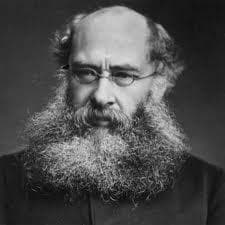
Anthony Trollope was an English novelist and civil servant of the Victorian era. Among his best-known works is a series of novels collectively known as the Chronicles of Barsetshire, which revolves around the imaginary county of Barsetshire. He also wrote novels on political, social, and gender issues, and other topical matters.
Similar books
- Pride and Prejudice
Jane Austen
4.3 (3M) average on GoodreadsHistorical FictionExplores social class, marriage, and personal growth through a romantic lens.
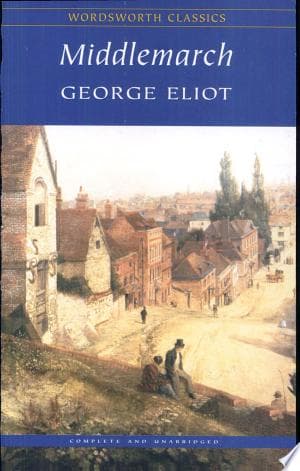
- Middlemarch
George Eliot
4.0 (136k) average on GoodreadsHistorical FictionOffers a panoramic view of provincial life with complex characters and social commentary.
- Barchester Towers
Anthony Trollope
4.0 (14k) average on GoodreadsHistorical FictionAnother installment in the Barchester series, sharing Trollope's narrative style and character depth.
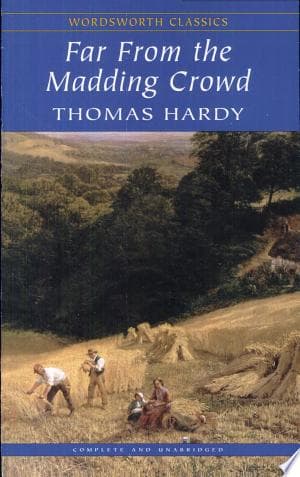
- Far from the Madding Crowd
Thomas Hardy
3.9 (129k) average on GoodreadsHistorical FictionBoth works feature rural romance, betrayal, and strong female protagonists. Hardy's Far from the Madding Crowd is characterized by a darker, more fatalistic tone and a greater emphasis on the indifferent forces of nature, contrasting with Trollope's more optimistic, though still critical, view of human agency and social progress. Hardy's emotional intensity is often more pronounced than Trollope's measured realism.
- To Kill a Mockingbird
Harper Lee
4.3 (4.5M) average on GoodreadsHistorical FictionIn the 1930s Jim Crow South, Harper Lee writes about racial injustice, moral growth, and the quiet courage of a lawyer father, Atticus Finch, as seen through his young daughter's eyes.
- The Great Gatsby
F. Scott Fitzgerald
3.9 (3.8M) average on GoodreadsHistorical FictionIn the opulent Roaring Twenties, a mysterious millionaire's lavish parties hide his desperate, tragic pursuit of a lost love, exposing the emptiness within the American Dream.




Enjoyed the summary?
A summary gives you the shape of the book. The book itself has the detail, the examples and the voice.
Find The Small House at Allington on AmazonAs an Amazon Associate, BookBrief earns from qualifying purchases. How we're funded