

Synopsis
Covers the whole plot, including the ending.
- Difficulty
- Easy
- Pacing
- Moderate
- Mood
- Atmospheric, Melancholy, Romantic, Gritty
- Read it if
- You enjoy historical fiction with a strong sense of place, a forbidden romance, and a unique setting, especially if you have an interest in circuses or animal welfare themes.
- Skip it if
- You prefer fast-paced thrillers, dislike animal cruelty (even fictional), or are put off by stories with a melancholic tone.
Water for Elephants Plot Summary
Covers the whole plot, including the ending.
A Life Upended: Jacob Joins the Circus
Ninety-year-old Jacob Jankowski, living in a nursing home, recounts his youth. In 1931, twenty-three-year-old Jacob is a Cornell veterinary student about to graduate when he learns his parents have been killed in a car accident. The bank forecloses on their house, and Jacob, now an orphan with no money or home, impulsively jumps onto a passing train. He soon discovers it's the Benzini Brothers Most Spectacular Show on Earth, a second-rate circus struggling during the Great Depression. Unsure of what to do, Jacob is taken in by the rough crew and eventually meets the owner, August Rosenbluth, who is also the head animal trainer.
Jacob's New Role and First Encounters
Because of his unfinished veterinary degree, Jacob is put to work caring for the circus animals. He quickly learns the brutal realities of circus life, including the harsh treatment of animals and the circus's shaky financial state. He is introduced to Marlena Rosenbluth, the beautiful equestrian star and August's wife, who is only a few years older than Jacob. He is immediately drawn to her grace and kindness. Jacob also meets the various animals, including Silver Star, Marlena's lead horse, all under the care of August, whose methods are often cruel.
Rosie's Arrival and August's Cruelty
The circus, needing a new act to draw crowds, buys an elephant named Rosie. Rosie seems clumsy, untrainable, and unresponsive to commands, particularly from August. Jacob observes August's increasing frustration and violent temper, especially towards Rosie and at times, even towards Marlena. August frequently beats Rosie with a bullhook, but the elephant shows no improvement. Jacob feels a growing protectiveness towards both Marlena and Rosie, seeing August's unpredictable shifts between charming generosity and terrifying brutality. Jacob also discovers that August often gets drunk and becomes aggressive.
A Secret Bond with Rosie
While caring for Rosie, Jacob notices her unusual behavior and, by chance, discovers she understands commands given in Polish. He realizes Rosie isn't untrainable, but rather had been trained in Polish, likely from a previous owner. This discovery allows Jacob to communicate with Rosie, and she quickly learns complex tricks under his guidance, performing them flawlessly when given Polish commands. This secret shared between Jacob and Rosie strengthens his bond with the elephant and also brings him closer to Marlena, who is thrilled by Rosie's transformation and the potential for a new, star act for the circus.
Growing Affection and Danger
As Rosie's act becomes a success, Jacob and Marlena spend more time together, rehearsing and caring for Rosie. Their mutual admiration and attraction grow into a forbidden love. Jacob witnesses August's increasing paranoia and jealousy, and his abuse towards Marlena becomes more frequent and severe, though often hidden from public view. Marlena tells Jacob about August's manipulative and violent nature, revealing that he once threw her out of a moving car. The danger around them intensifies, as August's temper is unpredictable, and he has a reputation for 'red-lighting' (throwing off the train) people he dislikes or suspects.
Marlena's Escape and Jacob's Intervention
Following a particularly brutal beating from August, Marlena flees. Jacob finds her injured and takes her to his bunk on the train, hiding her from August. This act of defiance and care strengthens their relationship. Marlena stays with Jacob, and their love becomes an open secret among some of the sympathetic circus workers, who are wary of August but also fear his retribution. This period gives Marlena a brief break from August's control, but it also places Jacob in extreme danger, as August's fury is now fully directed at him.
The Stampede and Rosie's Revenge
During a performance, a tent pole mysteriously collapses, causing a panic among the audience and a stampede of animals. In the chaos, August confronts Jacob and Marlena. As August tries to attack Marlena with a bullhook, Rosie, who has been quietly observing, intervenes. She picks up August with her trunk and slams him against the ground, killing him. The incident is quickly covered up by the circus management, who say August's death was due to the stampede, fearing legal problems and more scrutiny during the Depression.
Aftermath and New Beginnings
After August's death, many of the circus workers, including the 'roustabouts' and 'bullhands' (who were often targeted by August for red-lighting), disappear, implying they were responsible for the tent pole collapse and August's death. Jacob, Marlena, and Rosie leave the Benzini Brothers circus. They eventually join the Ringling Bros. and Barnum & Bailey Circus, where Jacob continues to care for Rosie, and Marlena resumes her equestrian act. They marry and build a new life together, away from the constant fear and brutality of their past.
A Life Well Lived, A Memory Preserved
The story returns to ninety-year-old Jacob in the nursing home. He reflects on his long and happy marriage to Marlena, their children, and the life they built together after the circus. He fondly remembers Rosie, who lived a full life with them. Jacob finds comfort in his memories, often reliving the dangerous, and loving world of the circus. He feels a deep connection to that part of his past, acknowledging that despite the hardships, it was where he found his true family and love.
A Final Act of Defiance and Connection
Still in the nursing home, Jacob feels increasingly isolated and unseen. He longs for the camaraderie and purpose he once had. When the current circus comes to town, Jacob expresses a desperate desire to join it, even if just to sell tickets. His family and the nursing home staff dismiss his idea, seeing it as the ramblings of an old man. However, Jacob, refusing to be confined by his age, secretly plans to leave the nursing home and join the circus, seeking a final connection to the world that defined his youth and brought him love.
Water for Elephants Characters
Jacob Jankowski
Protagonist
An orphaned veterinary student who finds love and purpose in the circus.
Jacob is intelligent, compassionate, and initially naive, thrust into the harsh world of the Depression-era circus after a family tragedy. He possesses a strong moral compass and a deep empathy for animals, which guides his actions. His veterinary knowledge makes him invaluable, and his quiet strength allows him to stand up to August's cruelty. Throughout the story, he transforms from a lost young man into a resilient individual capable of great love and courage, willing to risk everything for those he cares about.
Relationships: Marlena Rosenbluth (Love interest, later wife); August Rosenbluth (Antagonist, Marlena's husband, Jacob's boss); Rosie (Elephant, Jacob's special charge and companion); Camel (Caretaker, friend, and confidant)
Marlena Rosenbluth
Protagonist/Love Interest
The beautiful equestrian star, trapped in an abusive marriage, who falls for Jacob.
Marlena is graceful, beautiful, and deeply empathetic, especially towards animals. She is the star equestrian performer, but her life is overshadowed by her abusive and manipulative husband, August. Despite her vulnerability, she possesses an inner strength and resilience that allows her to survive the brutal realities of her marriage and circus life. She is fiercely protective of her horses and later, of Rosie. Her love for Jacob is a beacon of hope and a catalyst for her escape from August's control.
Relationships: Jacob Jankowski (Love interest, later husband); August Rosenbluth (Abusive husband); Rosie (Animal partner, shared bond with Jacob); Silver Star (Her lead horse)
August Rosenbluth
Antagonist
The charismatic yet violently unstable head animal trainer and Marlena's husband.
August is the head animal trainer and the co-owner of the Benzini Brothers circus. He is a complex character, capable of great charm and generosity, but also prone to extreme violence, paranoia, and cruelty, especially when drunk. He is intelligent and knowledgeable about animals, but his methods are often brutal. His unpredictable temper and possessive nature make him a terrifying figure, particularly towards Marlena and anyone who challenges his authority. He is the primary source of conflict and danger for Jacob and Marlena.
Relationships: Marlena Rosenbluth (Wife, victim of his abuse); Jacob Jankowski (Employee, rival for Marlena's affection); Rosie (Animal he attempts to train, victim of his cruelty)
Rosie
Supporting
The 'untrainable' elephant who becomes the circus's star attraction and Jacob's confidante.
Rosie is an elephant purchased by the Benzini Brothers circus. Initially perceived as clumsy and untrainable, she is subjected to August's brutal methods. However, Jacob discovers she understands Polish, revealing her intelligence and gentle nature. She forms a deep bond with Jacob and Marlena, becoming a key performer and a symbol of hope. Rosie's quiet loyalty and unexpected intelligence make her a powerful presence in the story, culminating in her decisive act of protecting Marlena from August.
Relationships: Jacob Jankowski (Primary trainer, friend); Marlena Rosenbluth (Performer, friend); August Rosenbluth (Abuser, victim of her revenge)
Camel
Supporting
An old, alcoholic circus roustabout and Jacob's first friend on the train.
Camel is one of the older roustabouts, a kind-hearted man whose body has been ravaged by years of hard labor and alcoholism. He is one of the first people Jacob meets on the train and offers him initial guidance and friendship. Despite his physical ailments and addiction, Camel provides a glimpse into the camaraderie and hardships of circus life. He is eventually 'red-lighted' from the circus, highlighting the arbitrary cruelty and danger that permeates the Benzini Brothers operation.
Relationships: Jacob Jankowski (Friend, initial guide); Walter (Kinko) (Friend, fellow roustabout)
Walter (Kinko)
Supporting
A dwarf clown and Camel's closest friend, who helps Jacob.
Walter, known as Kinko, is a dwarf clown who performs with a dog act. He is fiercely loyal to Camel and initially wary of Jacob, but eventually becomes a trusted friend. He is intelligent, cynical, and observant, providing Jacob with insights into the circus's inner workings and August's true nature. Kinko and Camel share a bunk, and their friendship is one of the few stable relationships in the chaotic circus environment. He is instrumental in helping Jacob and Marlena.
Relationships: Camel (Best friend, bunkmate); Jacob Jankowski (Friend, ally); Marlena Rosenbluth (Ally)
Uncle Al
Supporting
The ruthless and pragmatic owner of the Benzini Brothers circus.
Uncle Al is the shrewd and often ruthless owner of the Benzini Brothers Most Spectacular Show on Earth. He is solely focused on the circus's survival and profitability, often making morally questionable decisions, such as 'red-lighting' employees or acquiring animals through dubious means. He tolerates August's volatile behavior because August brings in crowds, but he is ultimately a businessman first. He represents the harsh economic realities and cutthroat nature of the Depression-era circus world.
Relationships: August Rosenbluth (Employee, star performer); Jacob Jankowski (Employee)
Rosemary
Supporting
A kind-hearted performer who befriends Jacob.
Rosemary is a performer in the Benzini Brothers circus, known for her kindness and gentle nature. She is one of the few women in the circus who show genuine warmth and support to Jacob, offering him advice and a sense of normalcy in the chaotic environment. She represents the less brutal, more communal aspect of circus life, providing a contrast to the cruelty of characters like August and Uncle Al.
Relationships: Jacob Jankowski (Friend)
Old Jacob (Narrator)
Protagonist (frame narrative)
The elderly Jacob Jankowski, reflecting on his youth from a nursing home.
The ninety-year-old Jacob serves as the frame narrator, offering a reflective and often wistful perspective on his past. He is sharp-witted but physically frail, living in a nursing home where he feels largely invisible. His memories are vivid and provide the emotional core of the novel, contrasting the vibrant, dangerous world of his youth with the quiet isolation of his old age. He yearns for connection and purpose, finding solace in recounting his extraordinary life.
Relationships: Young Jacob (His past self); Marlena Rosenbluth (Deceased wife, cherished memory)
Water for Elephants Themes
Love and Sacrifice
The novel explores the dangerous nature of love, particularly between Jacob and Marlena. Their love grows in a world of brutality and fear, making them make sacrifices and take great risks to be together. Jacob risks his life by defying August, and Marlena chooses an uncertain future with Jacob over the security (however violent) of her marriage. The love extends to the bond between Jacob and Rosie, where care and understanding overcome cruelty. This theme shows that true love requires courage and a willingness to fight for it, even against great odds.
“He's a beautiful man, Jacob. But he's not good. He's not good at all.”
Cruelty and Compassion
A main theme is the contrast between human cruelty and compassion, especially in the treatment of animals and vulnerable people. August shows cruelty, inflicting physical and emotional abuse on both animals and Marlena. The 'red-lighting' of employees and the harsh living conditions of the circus roustabouts further show this. In contrast, Jacob's kindness and veterinary knowledge represent compassion, as he tries to lessen suffering and connect with animals on a deeper level. This duality highlights the moral choices individuals face in a harsh world and the lasting power of empathy.
“The world is a beast, you can try to tame it, but it will always be a beast.”
Identity and Belonging
Jacob, orphaned and adrift, struggles with his identity and sense of belonging. He initially jumps onto the circus train with no clear purpose, finding himself among a group of misfits. The circus, despite its hardships, becomes his unexpected family and home, giving him a new identity as a veterinarian and a lover. Marlena, too, finds her true self and belonging with Jacob and Rosie, escaping the suffocating identity of August's wife. The novel suggests that family and belonging can be found in unexpected places, among those who share a common struggle and a deep connection.
“I was a ghost, a drifter, and then I found my place among the freaks.”
Memory and Storytelling
The entire story is framed by old Jacob's memories, showing the subjective and often selective nature of memory. His recollections are vivid and detailed, but he acknowledges the passage of time and the way memory can shape one's understanding of the past. Telling his life story becomes a way for him to find meaning, cope with loneliness, and assert his identity in his old age. The contrast between his present frail state and the past he describes highlights the lasting power of personal history.
“My mind is a kaleidoscope, and the pieces shift and form new patterns every day.”
The American Dream and Economic Hardship
Set during the Great Depression, the novel critiques the illusion of the American Dream during a period of widespread economic hardship. The circus itself is a symbol of fleeting entertainment and a desperate attempt to provide escape, while also struggling to survive. The characters, many of whom are outcasts or economically disadvantaged, are trying to make a living in a world that offers few opportunities. This backdrop highlights the desperation, resilience, and ingenuity needed to navigate such a challenging era, where even basic survival is a daily struggle.
“We're all just trying to get by, kid. Some of us just do it with a little more flair.”
Plot Devices & Literary Techniques
Frame Narrative
The story of young Jacob is told through the memories of old Jacob.
The novel employs a frame narrative, with the present-day story of ninety-year-old Jacob Jankowski in a nursing home enclosing his vivid recollections of his youth with the Benzini Brothers circus. This device allows for a reflective and nostalgic tone, providing insights into Jacob's emotional state and the lasting impact of his past. It also creates a sense of foreboding and suspense, as the elderly Jacob's fragmented memories hint at past tragedies and triumphs before they are fully revealed in the main narrative.
First-Person Perspective (Dual)
The story is told from Jacob's perspective as both a young man and an old man.
The narrative is primarily told from Jacob Jankowski's first-person point of view, but it effectively uses two distinct voices: the young, impressionable Jacob experiencing the circus for the first time, and the elderly, reflective Jacob looking back on his life. This dual perspective allows the author to explore themes of memory, regret, and the passage of time, while also immersing the reader directly into the immediate dangers and excitements of the circus world. The older Jacob's voice often interjects with commentary, adding depth and emotional resonance to the past events.
Symbolism of Rosie the Elephant
Rosie symbolizes innocence, resilience, and unexpected power.
Rosie, the 'untrainable' elephant, serves as a powerful symbol throughout the novel. Initially, she represents the vulnerability and exploitation of animals in the circus, and by extension, the vulnerable people like Marlena. Her ability to understand Polish symbolizes hidden depths and the importance of true communication and understanding. Ultimately, Rosie becomes a symbol of quiet resilience and unexpected power, delivering justice against August and protecting those she loves, embodying the idea that even the most unassuming can have a profound impact.
Circus as a Microcosm
The circus serves as a condensed representation of society's struggles and hierarchies.
The Benzini Brothers Most Spectacular Show on Earth functions as a microcosm of society during the Great Depression. It is a world with its own strict hierarchies (owners, performers, roustabouts), its own rules, and its own forms of justice and injustice. It highlights themes of survival, economic hardship, and the desperation that drives people to extremes. The circus acts as a stage where human nature, in all its cruelty and compassion, is dramatically played out, reflecting the broader social and economic struggles of the era.
Water for Elephants Quotes
“I am ninety. Or ninety-three. One or the other.”
“When two people are meant to be together, they will be together. It's fate.”
“Life is the most spectacular show on earth.”
“You know, you're not the only one with problems.”
“I don't know if I picked that time because that's when everything changed, or if everything changed because I picked that time.”
“The more I think about it, the more I realize that the only thing that matters is love.”
“Sometimes I think if I had to choose between an ear of corn or making love to a woman, I'd choose the corn.”
“You can't live your life for other people. You've got to do what's right for you, even if it hurts some people you love.”
“The circus arrives without warning.”
“I am not a liar. I am a storyteller.”
“There's no such thing as a mistake. There's only what you do and what you don't do.”
“The world is full of obvious things which nobody by any chance ever observes.”
“You can't run away from who you are, but what you can do is run toward who you want to be.”
“Sometimes the thing you're looking for is right in front of you.”
Quiz
10 questions on the plot and the characters. Each answer comes with a short explanation.
Question 1
What event causes Jacob Jankowski to leave Cornell University and join the Benzini Brothers circus?
- He fails his final veterinary exams
- His parents die in a car accident, leaving him penniless
- He is expelled for cheating
- He joins to escape being drafted into World War II
Show answer
B. His parents die in a car accident, leaving him penniless Jacob is about to take his final veterinary exams at Cornell when he learns both his parents died in a car accident. With no family or money, he abandons his studies and jumps on a passing train, which happens to be the Benzini Brothers circus train.
Question 2
What is the name of the untrainable elephant that Jacob bonds with in the circus?
- Daisy
- Rosie
- Bella
- Mabel
Show answer
B. Rosie Rosie is the elephant who initially seems impossible to train, but Jacob discovers she responds to commands in Polish, revealing she was previously trained in that language.
Question 3
Who is August, and what is his relationship to Marlena?
- The circus ringmaster who is Marlena's father
- The animal trainer who is Marlena's husband
- A fellow performer who is Marlena's brother
- The circus owner who is Marlena's uncle
Show answer
B. The animal trainer who is Marlena's husband August is the charismatic but abusive animal trainer married to Marlena, the star equestrian. His violent temper and jealousy create central conflicts in the story.
Question 4
What secret does Jacob discover about Rosie that helps him train her?
- She only responds to visual signals, not verbal commands
- She understands commands in Polish, not English
- She is deaf and needs hand gestures
- She was previously trained with treats as rewards
Show answer
B. She understands commands in Polish, not English Jacob realizes Rosie understands Polish commands after hearing her react to a Polish phrase. This breakthrough allows him to train her effectively, making her a star act.
Question 5
What is the 'redlighting' practice that occurs in the Benzini Brothers circus?
- A special nighttime performance with red lanterns
- Throwing unwanted workers off the moving train to avoid paying them
- A secret code for emergency meetings among performers
- A ritual to bless new circus animals
Show answer
B. Throwing unwanted workers off the moving train to avoid paying them Redlighting is the cruel practice of throwing people off the moving train to their deaths, often to avoid paying wages or eliminate problematic workers, highlighting the circus's brutal survival tactics during the Depression.
Question 6
How does the novel frame its narrative, with Jacob telling the story from what perspective?
- As diary entries written during his circus days
- As letters to his grandchildren
- As flashbacks from a nursing home in his 90s
- As a memoir written shortly after the events
Show answer
C. As flashbacks from a nursing home in his 90s The story alternates between Jacob's experiences in the 1932 circus and his present-day life in a nursing home in his 90s, where he reflects on his past with frustration at his aging body.
Question 7
What ultimately happens to August at the climax of the novel?
- He is arrested for animal cruelty and sent to prison
- He abandons the circus and runs away with another performer
- He is killed by Rosie the elephant during a chaotic stampede
- He dies from illness while traveling with the circus
Show answer
C. He is killed by Rosie the elephant during a chaotic stampede During a chaotic stampede caused by a fire, Rosie kills August, freeing Marlena from his abuse. This violent act resolves the central conflict and allows Jacob and Marlena to be together.
Question 8
Which theme is most prominently explored through the contrast between the glamorous circus performances and the harsh backstage reality?
- The importance of family loyalty
- The illusion versus reality of the American Dream during the Depression
- The inevitability of aging and memory loss
- The conflict between science and superstition
Show answer
B. The illusion versus reality of the American Dream during the Depression The novel contrasts the dazzling performances that captivate audiences with the grim, often brutal reality of circus life—poverty, exploitation, and violence—reflecting how the Depression era forced people to maintain illusions while struggling to survive.
Question 9
What symbolic role does water play in key moments of the novel, particularly regarding Rosie?
- It represents purification and new beginnings for the characters
- It is used by August to torture animals as a training method
- Rosie's hidden ability to unlock cage doors with water reveals her intelligence
- It symbolizes the drought conditions during the Great Depression
Show answer
C. Rosie's hidden ability to unlock cage doors with water reveals her intelligence Rosie uses water from her trunk to pick locks and escape her cage, demonstrating her cleverness and foreshadowing her role in liberating herself and others from oppression, tying into the title's metaphor.
Question 10
In the novel's conclusion, how does Jacob's life in the nursing home connect back to his circus past?
- He is visited by Marlena's ghost, who helps him remember
- He runs away to join a modern circus that comes to town
- He writes a bestselling memoir about his experiences
- He is reunited with old circus friends who now live nearby
Show answer
B. He runs away to join a modern circus that comes to town Frustrated by his confined life in the nursing home, Jacob escapes to join a circus that has come to town, symbolically returning to the freedom and adventure of his youth and completing his character arc.
Water for Elephants FAQ
What is 'Water for Elephants' about?
The novel follows Jacob Jankowski, a veterinary student who joins the Benzini Brothers Most Spectacular Show circus during the Great Depression after his parents die. He becomes the circus veterinarian, falls in love with Marlena (the star performer married to the abusive animal trainer August), and bonds with Rosie, an elephant deemed untrainable until Jacob discovers she understands Polish commands.
Why should I read 'Water for Elephants'?
It offers a richly atmospheric depiction of 1930s circus life with gritty realism, a compelling star-crossed romance, and themes of survival, loyalty, and redemption. The novel's vivid setting, memorable characters like Rosie the elephant, and emotional depth earned it the 2007 BookBrowse Award for Most Popular Book.
What is the background/setting of 'Water for Elephants'?
Set in 1932 during the Great Depression, the story unfolds in the struggling Benzini Brothers circus, which travels by train between small towns for one-night stands. The circus world is depicted as a harsh, hierarchical environment filled with performers, workers, and animals, all facing poverty and desperation.
What are the most memorable quotes?
Notable quotes include: 'I am ninety. Or ninety-three. One or the other.' (opening line reflecting Jacob's elderly narration), 'You're a good man, Jacob. A decent man.' (Marlena's affirmation of Jacob's character), and 'Rosie understood Polish. That's all there was to it.' (revealing the key to training the elephant).
What writing style does the author use?
Sara Gruen uses a dual timeline narrative, alternating between Jacob's experiences in the 1930s circus and his present-day life in a nursing home. The prose is descriptive and immersive, blending historical detail with emotional intensity, and the circus setting is rendered with gritty authenticity.
What minor details add significant meaning?
Small details like Jacob's veterinary textbook symbolizing his lost future, the 'redlighting' practice (throwing workers off moving trains) highlighting the circus's brutality, and Rosie's love for lemonade showing her intelligence deepen the themes of memory, cruelty, and connection.
What are some subtle foreshadowing moments?
Early mentions of August's violent outbursts foreshadow his abuse of Marlena and the animals. Jacob's initial observation that the circus 'smells like despair' hints at the coming tragedies. Rosie's initial refusal to perform subtly foreshadows her pivotal role in the climax.
What unexpected character connections exist?
Uncle Al, the circus owner, is secretly connected to criminal networks enabling the circus's survival. Walter (a dwarf performer) and Camel (an alcoholic worker) form a surrogate family with Jacob, offering support that contrasts with the circus's exploitation. Rosie's bond with Jacob becomes crucial to the plot's resolution.
What are unspoken character motivations?
Jacob is driven by a need for purpose after his parents' death and guilt over not completing his degree. Marlena stays with August initially out of fear and economic dependence, not love. August's cruelty stems from insecurity and a desire for control, masked by charisma.
What psychological complexities do characters exhibit?
Jacob grapples with moral dilemmas, such as whether to expose the circus's abuses. August displays narcissistic and bipolar traits, swinging between charm and violence. Marlena embodies resilience, hiding her trauma to survive in a male-dominated world.
What are the major emotional turning points?
Key moments include Jacob's decision to jump the train (abandoning his old life), discovering Rosie understands Polish (offering hope), witnessing August's abuse of Marlena (solidifying his protective love), and the stampede climax that forces a final confrontation.
How do relationship dynamics evolve?
Jacob and Marlena's relationship grows from professional respect to secret love, strengthened by shared compassion for the animals. Jacob's bond with Rosie evolves from frustration to deep trust. His friendships with Walter and Camel provide a moral anchor against the circus's corruption.
Which parts remain ambiguous or open-ended?
The exact fate of some characters after the stampede is left unclear, inviting reader interpretation. The elderly Jacob's unreliable memory (e.g., his age) blurs fact and nostalgia. The novel doesn't fully resolve how Jacob and Marlena rebuilt their lives post-circus.
What are controversial scenes or decisions?
August's brutal animal training and abuse of Marlena spark debate about violence in the narrative. Jacob's choice to pursue a married woman is morally ambiguous. The circus's practice of redlighting raises ethical questions about survival versus morality in the Depression era.
'Water for Elephants' ending explained: how it ends & what it means
The climax involves a chaotic stampede caused by Rosie, leading to August's death and the circus's collapse. Jacob and Marlena escape together, implied to start a new life. The ending symbolizes liberation from oppression, with Rosie's actions serving as poetic justice for the abuse suffered.
About the author

Sara Gruen is a Canadian author known for her fiction, particularly her bestselling novel "Water for Elephants," which explores life in a traveling circus during the Great Depression. Another notable work, "Ape House," delves into the complexities of human-animal relationships through the lens of a group of bonobos. Gruen's writing often features themes of compassion and the human experience.
Similar books
- The Night Circus
Erin Morgenstern
4.0 (685k) average on GoodreadsFantasyShares a magical circus setting and a central romance, though with a fantasy element.
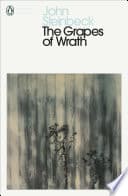
- The Grapes of Wrath
John Steinbeck
4.0 (750k) average on GoodreadsHistorical FictionCaptures the struggles and despair of the Great Depression era with a focus on survival and human resilience.
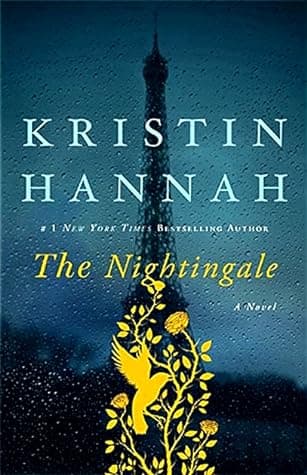
- The Nightingale
Kristin Hannah
4.6 (698k) average on GoodreadsHistorical FictionBoth are historical fiction with strong female characters facing adversity. However, Water for Elephants explores themes of unconventional love and animal welfare within a unique subculture, whereas The Nightingale delves into wartime heroism, sisterhood, and more overtly feminist themes amidst a backdrop of global conflict. Gruen's narrative is less about grand historical events and more about personal journeys within a specific setting.
- To Kill a Mockingbird
Harper Lee
4.3 (4.5M) average on GoodreadsHistorical FictionIn the 1930s Jim Crow South, Harper Lee writes about racial injustice, moral growth, and the quiet courage of a lawyer father, Atticus Finch, as seen through his young daughter's eyes.
- The Great Gatsby
F. Scott Fitzgerald
3.9 (3.8M) average on GoodreadsHistorical FictionIn the opulent Roaring Twenties, a mysterious millionaire's lavish parties hide his desperate, tragic pursuit of a lost love, exposing the emptiness within the American Dream.
- Pride and Prejudice
Jane Austen
4.3 (3M) average on GoodreadsHistorical FictionIn a society focused on status and money, Elizabeth Bennet navigates love and pride, challenging Mr. Darcy and social expectations to find true affection.




Enjoyed the summary?
A summary gives you the shape of the book. The book itself has the detail, the examples and the voice.
Find Water for Elephants on AmazonAs an Amazon Associate, BookBrief earns from qualifying purchases. How we're funded