

Synopsis
Covers the whole plot, including the ending.
- Difficulty
- Medium
- Pacing
- Moderate
- Mood
- Thought-provoking, Somber, Resilient, Historical
- Read it if
- You are looking for a nuanced, unflinching exploration of the psychological and emotional complexities of slavery, particularly from the perspective of enslaved women in unique circumstances.
- Skip it if
- You prefer a straightforward narrative without moral ambiguity or are uncomfortable with the intimate, often brutal, realities of slavery depicted in detail.
Wench Plot Summary
Covers the whole plot, including the ending.
Arrival at Tawawa House
The novel opens with Lizzie, an enslaved woman and mistress to her master, Drayle, arriving at Tawawa House in Ohio, a resort popular among Southern slaveholders who bring their enslaved mistresses. She meets her friends Reenie and Sweet, who are also enslaved mistresses to their masters, August and George. The women settle into their familiar routines, enjoying the relative freedom and friendship the resort offers, a stark contrast to their lives on the plantations in the South. They share news from home and discuss their masters, avoiding talk about their presence in free territory.
Mawu's Arrival and the Seed of Freedom
The dynamics at Tawawa House change with the arrival of Mawu, an enslaved woman who is the mistress of a particularly cruel master. Unlike Lizzie, Reenie, and Sweet, Mawu openly discusses running away and claiming her freedom, challenging the unspoken comfort among the women. Her bold talk and determination plant seeds of doubt and hope in the other women's minds, forcing them to confront their bondage and the possibility of a different life, despite the risks and their ties to their lives in the South.
The First Escape Attempt
Driven by her desire for freedom, Mawu tries to escape from Tawawa House. She flees into the woods, hoping to reach safety. However, her attempt is short-lived. She is tracked down and recaptured by her master's men and, in a harrowing display of slavery's brutal realities, is brought back to the resort and publicly whipped. This event deeply traumatizes the other women, especially Lizzie, who sees the violence. It shows the severe consequences of defiance and casts a chilling shadow over any hopes of freedom they might have had.
Lizzie's Internal Conflict
Mawu's actions and punishment force Lizzie to re-evaluate her relationship with Drayle and her understanding of her own bondage. She experiences an internal conflict, torn between her affection and loyalty to Drayle, who has shown her kindness and privilege, and the undeniable longing for true freedom that Mawu has awakened within her. Lizzie's comfortable, yet restricted, existence is now seen through a new lens, showing the contradictions and moral complexities of her situation as an enslaved mistress.
The Fire and its Aftermath
A mysterious fire breaks out at Tawawa House, causing significant damage and chaos. The fire is a turning point, disrupting the delicate balance and forced normalcy of the resort. Afterward, the masters become more watchful and paranoid, tightening their control over the enslaved women. The event also brings to the surface tensions and resentments among the masters, as well as between the enslaved women, intensifying the already difficult atmosphere at Tawawa House and signaling an end to their seemingly ideal summer.
Reenie's Revelation and Despair
Reenie, usually quiet, tells Lizzie a heartbreaking secret: her children, whom she loves deeply, are not fathered by her master, August, but by another enslaved man, who was later sold away. This revelation shatters Lizzie's perception of Reenie's life and shows the vulnerability of enslaved women and the constant threat of family separation. Overwhelmed by her circumstances and the hopelessness of her situation, Reenie falls into a deep depression, her spirit broken by the weight of her past and uncertain future.
Sweet's Pragmatism and Sacrifice
Sweet, known for her practicality, also considers freedom. However, her main concern remains her children, who are still on her master George's plantation. She knows that any attempt to gain her own freedom would likely mean abandoning them or putting them in danger. Despite the appeal of liberty, Sweet makes the difficult decision to prioritize her children's immediate safety, choosing to remain enslaved to ensure their survival and protection, showing the agonizing choices enslaved mothers faced.
Lizzie's Decision
Inspired by Mawu's courage and deeply affected by Reenie's despair, Lizzie finally makes a life-changing decision. She chooses to pursue her own freedom, recognizing that despite the privileges she has as Drayle's mistress, she is still enslaved and her life is not her own. This decision is not easy, as it means leaving behind the only life she has ever known and breaking her complex ties to Drayle, but the desire for self-ownership and true liberty ultimately outweighs her fears and attachments.
The Runaway Attempt
With the help of a sympathetic worker at Tawawa House, Lizzie plans her escape. She carefully plans her departure, taking advantage of a moment of distraction. The escape is filled with tension and fear, as Lizzie navigates the unfamiliar area and the constant threat of recapture. This journey is not just physical, but a psychological break from her past, a definitive step towards reclaiming her agency and forming a new identity outside the confines of slavery and her relationship with Drayle.
Life in Freedom and its Challenges
Lizzie successfully escapes Tawawa House and begins a new life in freedom. However, her new existence has difficulties. She faces the challenges of self-sufficiency, navigating a world where she is no longer protected by Drayle's name, even as an enslaved person. She encounters both kindness and prejudice, learning to forge her own path and define her own identity outside her past. This period marks a transformation for Lizzie, as she discovers the meaning of independence and resilience.
The End of an Era
As the story progresses, the coming Civil War casts a long shadow over the narrative, signaling the end of slavery. The women, whether still enslaved or newly freed, are aware of the changes ahead. The novel concludes with Lizzie, Reenie, and Sweet having made their individual choices, each dealing with their own versions of love, loss, and resilience in a society on the brink of radical change. Their stories show the diverse experiences and enduring spirit of enslaved women at a crucial moment in American history.
Wench Characters
Lizzie
Protagonist
An enslaved mistress who grapples with her complex relationship with her master and the desire for freedom.
Lizzie is the central protagonist, an enslaved woman who serves as the mistress to her master, Drayle. She is intelligent, observant, and deeply conflicted. While she experiences a certain level of privilege and affection from Drayle, she is not blind to the inherent injustice of her situation. Her internal struggle between loyalty, comfort, and the yearning for self-ownership drives much of the narrative. She is a survivor, capable of both deep emotional attachment and profound resilience.
Relationships: Drayle (Master and enslaved mistress; complex relationship of affection, dependence, and control.); Reenie (Close friend and confidante.); Sweet (Friend and fellow enslaved mistress.); Mawu (Catalyst for her desire for freedom.)
Reenie
Supporting
A pragmatic and emotionally guarded enslaved mistress, burdened by past trauma.
Reenie is one of Lizzie's closest friends, an enslaved mistress to August. She is initially portrayed as pragmatic and somewhat stoic, often the voice of caution among the women. Beneath her reserved exterior, however, lies a deep well of pain, particularly concerning her children and the loss of their true father. Her experiences highlight the profound emotional toll of slavery and the constant threat of family separation. She is protective of her inner world but capable of deep empathy for her friends.
Relationships: Lizzie (Close friend and confidante.); Sweet (Friend and fellow enslaved mistress.); August (Master and enslaved mistress; a less affectionate and more transactional relationship than Lizzie's with Drayle.)
Sweet
Supporting
A practical and family-oriented enslaved mistress who prioritizes her children's safety.
Sweet is another of Lizzie's friends, enslaved to George. She is characterized by her practicality and her unwavering focus on her children, who remain on her master's plantation in the South. Sweet represents the agonizing choices enslaved mothers faced, often sacrificing their own desires for freedom to ensure the well-being and proximity of their children. She is kind and supportive, but her decisions are always rooted in the stark realities of her situation, making her a symbol of maternal sacrifice under inhumane conditions.
Relationships: Lizzie (Friend and fellow enslaved mistress.); Reenie (Friend and fellow enslaved mistress.); George (Master and enslaved mistress; her relationship is defined by her children's safety.)
Mawu
Supporting
A fiercely independent enslaved woman who bravely advocates for freedom and inspires others.
Mawu is a new arrival at Tawawa House, an enslaved mistress whose master is particularly cruel. Unlike the other women, Mawu is outspoken about her desire for freedom and actively plans to escape. She acts as a catalyst for change, challenging the complacency and fear that had settled over Lizzie, Reenie, and Sweet. Her courage, defiance, and willingness to risk everything for liberty, despite facing brutal consequences, serve as a powerful inspiration and a stark reminder of the possibilities beyond their constrained lives.
Relationships: Lizzie (Inspiration and fellow enslaved woman.); Reenie (Fellow enslaved woman, initially wary but later influenced by her.); Sweet (Fellow enslaved woman, who recognizes her courage.)
Drayle
Supporting
Lizzie's master and lover, a complex man who embodies the contradictions of slave ownership.
Drayle is Lizzie's master and the father of her children. He is a complex character, capable of both affection and cruelty, embodying the paradoxical nature of slaveholders who had intimate relationships with enslaved women. He provides Lizzie with certain privileges and expresses a form of love, yet he fundamentally denies her humanity and freedom. His actions and character highlight the moral ambiguities and inherent power imbalance within the institution of slavery, even in seemingly 'kinder' master-mistress relationships.
Relationships: Lizzie (Master and enslaved mistress; complex relationship of affection, dependence, and control.)
August
Supporting
Reenie's master, a less affectionate and more detached slaveholder.
August is Reenie's master. He is portrayed as less emotionally invested in his relationship with Reenie than Drayle is with Lizzie. His character serves to illustrate the more transactional and often harsh reality of master-mistress relationships, where the enslaved woman's emotional well-being is often disregarded. He represents the typical Southern slaveholder, concerned with property and control, rather than any genuine connection with his enslaved mistress.
Relationships: Reenie (Master and enslaved mistress; a less affectionate and more transactional relationship.)
George
Supporting
Sweet's master, whose relationship with her is largely defined by her children.
George is Sweet's master. Like August, his relationship with his enslaved mistress is not explored in great depth, but it is clear that Sweet's primary concern revolves around her children, who are also his property. He represents another facet of the slaveholding class, where the children born of these relationships are also enslaved, further complicating the lives of enslaved mothers. His presence underscores the deep-seated power imbalances and the constant threat of family separation.
Relationships: Sweet (Master and enslaved mistress; his relationship is defined by her children's safety.)
Colonel Judson
Mentioned
The owner of Tawawa House, who maintains the facade of the resort.
Colonel Judson is the owner and proprietor of Tawawa House. He is responsible for maintaining the resort's operation and its delicate balance, accommodating the Southern slaveholders and their enslaved mistresses while situated in free territory. His character represents the complicity of Northern institutions and individuals in the institution of slavery, profiting from the unique arrangement at Tawawa House. He is primarily a background figure, but his role is crucial in setting the stage for the novel's events.
Wench Themes
The Complexities of Freedom
The novel explores freedom not as a simple choice, but as a complex idea, especially for enslaved women. For Lizzie, Reenie, and Sweet, 'freedom' in Ohio is still tied to their masters' control, offering a deceptive sense of liberty. Mawu's arrival shatters this illusion, forcing them to confront the true meaning of self-ownership versus a conditional existence. The women grapple with the difficult choices between personal liberty and the safety of their families still in the South, showing that freedom often came with sacrifices and new challenges, as Lizzie experiences after her escape.
“What was freedom, if you had to leave everything you loved behind?”
Love and Dehumanization
Perkins-Valdez looks at the paradoxical nature of love and affection within the brutal institution of slavery. Lizzie's relationship with Drayle is a central example: while he shows her kindness and they have children, he ultimately owns her, denying her basic human rights. The novel questions whether genuine love can exist in such an imbalanced power dynamic. It also shows the deep love between the enslaved women themselves, and a mother's love for her children (like Sweet's sacrifice), which persists and even grows amidst dehumanizing circumstances, becoming a source of resilience and pain.
“He loved her, she knew it. But his love was a cage, gilded though it might be.”
Sisterhood and Solidarity
The bond between Lizzie, Reenie, and Sweet forms the emotional core of the novel. Their shared experiences at Tawawa House create a unique sisterhood, a safe space where they can confide in each other, offer support, and momentarily escape their individual isolation. This solidarity becomes important as they navigate the challenges posed by Mawu's arrival and the subsequent events. Their friendship highlights the importance of community and mutual understanding in surviving oppressive systems, even when their individual paths and decisions differ.
“They were sisters, bound by a secret life, by the shared weight of their gilded chains.”
The Illusion of Sanctuary
Tawawa House, though in free Ohio, functions as a deceptive sanctuary. For the enslaved mistresses, it offers a temporary break from the harsh realities of plantation life, a place where they can gather, socialize, and experience some autonomy. However, events, particularly Mawu's recapture and the fire, show how fragile this 'freedom' is. The resort ultimately remains a place where their masters' power is supreme, revealing that the geographical lines of 'free' and 'slave' territory were often blurred by economic interests and the reach of the slave system.
“Ohio might be free, but they were not. Not truly.”
Plot Devices & Literary Techniques
The Tawawa House Setting
A resort in free territory that serves as a liminal space for enslaved mistresses.
Tawawa House functions as a critical plot device by creating a unique liminal space. Its location in free Ohio, contrasted with the enslaved status of the women, highlights the moral ambiguities of the era. The resort's temporary nature allows for the gathering of characters from different plantations, fostering their unique sisterhood and providing a backdrop for their internal and external conflicts. It also serves as a microcosm of the larger societal contradictions surrounding slavery, where 'gentlemen' could openly bring their enslaved mistresses without legal repercussions, exposing the hypocrisy of the time.
Mawu as a Catalyst
A new character whose radical ideas and actions instigate change and conflict.
Mawu's introduction into the established dynamic of Lizzie, Reenie, and Sweet serves as a powerful catalyst. Her unwavering desire for freedom and her bold actions, including her escape attempt, directly challenge the other women's complacency and force them to confront the true nature of their bondage. She introduces the radical idea of active resistance and freedom, breaking the unspoken agreement to avoid such topics. Her presence and eventual punishment are pivotal in driving Lizzie's internal conflict and ultimately her decision to escape, thus propelling the main plot forward.
The Fire at Tawawa House
A sudden, destructive event that disrupts the status quo and heightens tension.
The fire at Tawawa House is a significant plot device that acts as a disruptive force. It shatters the illusion of safety and normalcy that the resort had offered, signaling a definitive end to the 'summer idyll.' The fire creates chaos, exposes underlying tensions among the masters, and increases their vigilance, making any thought of escape more perilous. Symbolically, it can be seen as burning away the old ways and forcing the characters to confront harsher realities, pushing Lizzie and the others towards their ultimate decisions about freedom.
The 'Wench' Terminology
The historical term used to define and dehumanize enslaved mistresses, impacting their identity.
The very title and the repeated use of the term 'wench' throughout the narrative serve as a crucial plot device by highlighting the dehumanizing and objectifying nature of the enslaved mistresses' existence. This term encapsulates their dual role as both sexual partners and property, denying them full personhood. The women's struggle to define themselves beyond this label, to reclaim their identities and agency, is central to their individual arcs. The term itself underscores the societal attitudes that enabled their exploitation and the profound psychological impact of being defined by such a degrading word.
Wench Quotes
“Before the war, before the deaths, before the world changed, before all the things that happened, there was a time that Lizzy thought of as 'before.'”
“Wench was a word that men used for a woman who wasn't theirs, but who they still felt entitled to.”
“Freedom was not a gift to be given, but a right to be claimed.”
“The hardest part of leaving was not the physical act, but the severing of the invisible ties that bound you to a place, to a person, to a past.”
“Love, in a place like Sweetwater, was a dangerous thing. It made you vulnerable. It made you hope.”
“She had learned that sometimes, the only way to survive was to pretend a part of yourself didn't exist.”
“The world was a vast and terrifying place, but it was also full of possibilities, if you were brave enough to seek them.”
“Every secret was a burden, and hers felt heavy enough to sink a ship.”
“There was a different kind of freedom in silence, a space where her thoughts could roam without judgment.”
“History was not just dates and names; it was the stories of people, their joys and their sorrows, their struggles and their triumphs.”
“She knew now that sometimes, the most important battles were fought not with fists or words, but within the quiet confines of one's own heart.”
“The past was a shadow that followed you, no matter how far you ran.”
“To be truly free, she realized, was not just to be unbound, but to be able to choose.”
“Sometimes, the only way to find yourself was to lose everything else.”
Quiz
10 questions on the plot and the characters. Each answer comes with a short explanation.
Question 1
Where is Tawawa House located, a detail significant due to its status as free territory?
- Kentucky
- Ohio
- Virginia
- Maryland
Show answer
B. Ohio The book explicitly states that Tawawa House is situated in Ohio, which is free territory, making the women's situation more complex.
Question 2
What is the primary reason Southern white men bring their enslaved mistresses to Tawawa House?
- To hide their relationships from their wives
- To escape the Southern humidity during the summer
- To attend a special annual convention for slaveholders
- To allow their mistresses to socialize with other enslaved women
Show answer
B. To escape the Southern humidity during the summer The synopsis mentions that the men vacation there specifically because the Southern humidity is 'too much to bear' in the summer.
Question 3
Which character is described as a 'truth-telling' individual whose arrival at Tawawa House changes the dynamic among the women?
- Lizzie
- Reenie
- Sweet
- Mawu
Show answer
D. Mawu Mawu is introduced as the character who 'comes to the resort and starts talking of running away, things change,' indicating her role as a catalyst.
Question 4
What is the main conflict the enslaved women face regarding the idea of running away from Tawawa House?
- They fear being caught and severely punished by the local authorities.
- They would have to leave behind their friends and families still enslaved in the South.
- They are unsure of how to navigate the free territory without their masters' protection.
- They believe their masters will track them down and force them to return.
Show answer
B. They would have to leave behind their friends and families still enslaved in the South. The text states, 'To run is to leave behind everything these women value most–friends and families still down South.'
Question 5
How do Lizzie, Reenie, and Sweet typically interact at Tawawa House before Mawu's arrival?
- They mostly avoid each other due to rivalries.
- They have become friends, sharing developments in their lives.
- They primarily discuss strategies for gaining their freedom.
- They engage in secret plots against their masters.
Show answer
B. They have become friends, sharing developments in their lives. The synopsis states, 'They have become friends over the years as they reunite and share developments in their own lives and on their respective plantations.'
Question 6
What event at the resort 'sets off a string of tragedies' and marks a turning point for the women?
- A major argument between two of the slaveholders
- The escape of one of the enslaved women
- A fire on the resort grounds
- The sudden death of a prominent slaveholder
Show answer
C. A fire on the resort grounds The text explicitly mentions, 'When a fire on the resort sets off a string of tragedies, the women of Tawawa House soon learn that triumph and dehumanization are inseparable.'
Question 7
The novel explores the 'moral complexities of slavery.' Which of the following best represents a specific moral complexity highlighted for the enslaved women at Tawawa House?
- The difficulty of choosing between loyalty to their masters and their desire for freedom.
- The emotional and psychological bonds that tie them to their masters, even amidst brutality.
- The challenge of maintaining their religious faith while being held in bondage.
- The struggle to keep their identities separate from their roles as mistresses.
Show answer
B. The emotional and psychological bonds that tie them to their masters, even amidst brutality. The synopsis notes that running away for some 'also means escaping from the emotional and psychological bonds that bind them to their masters,' directly addressing a complex moral and emotional entanglement.
Question 8
The description of Tawawa House highlights a contrast between the 'main building' and the 'white cottages.' What is the significance of the cottages' placement and design?
- They are more luxurious than the main building, indicating higher status.
- They are better positioned to catch breezes and provide more privacy for the men and their mistresses.
- They serve as a discreet meeting place for slaveholders to discuss business.
- They are where the enslaved women are forced to stay, separate from the main resort activities.
Show answer
B. They are better positioned to catch breezes and provide more privacy for the men and their mistresses. The text states the smaller structures 'are better positioned to catch any breeze that may come off the pond. And they provide more privacy, which best suits the needs of the Southern white men who vacation there every summer with their black, enslaved mistresses.'
Question 9
What overarching historical period are the women of Tawawa House 'bearing witness to the end of'?
- The Reconstruction Era
- The Antebellum South
- The Revolutionary War
- The Industrial Revolution
Show answer
B. The Antebellum South The book is set 'before the Civil War' and mentions the women 'bearing witness to the end of an era,' which refers to the end of slavery and the Antebellum period.
Question 10
The novel suggests that 'triumph and dehumanization are inseparable' and 'love exists even in the most inhuman, brutal of circumstances.' What does this thematic statement imply about the women's experiences?
- Their small victories are always tainted by the degradation of their situation, yet love can still emerge.
- They must choose between personal triumph or maintaining loving relationships.
- Their love for their masters is a form of triumph over their dehumanization.
- Dehumanization is a necessary step towards achieving true love and triumph.
Show answer
A. Their small victories are always tainted by the degradation of their situation, yet love can still emerge. This statement highlights the complex intertwining of their oppressed state with moments of personal resilience and the enduring human capacity for love, even within the brutal system of slavery.
Wench FAQ
What is the central premise of 'Wench' and where does most of the story take place?
The novel 'Wench' explores the lives of enslaved Black women who are brought by their white slaveholder masters to Tawawa House, a resort in free Ohio, where their relationships are an open secret. Most of the narrative unfolds at this resort, highlighting the paradoxical freedom and continued enslavement the women experience.
Who are the main enslaved women featured in the story and what are their relationships like?
The primary enslaved women are Lizzie, Reenie, and Sweet, who have formed a strong bond over their annual summer visits to Tawawa House. Their friendship provides a crucial support system as they navigate their complex lives as mistresses and enslaved individuals, sharing details about their plantations and personal struggles.
How does the arrival of Mawu disrupt the established routines and perspectives of the other women at Tawawa House?
Mawu's arrival introduces the radical idea of freedom and running away, challenging the complacency and internalized acceptance of their circumstances among Lizzie, Reenie, and Sweet. Her direct discussions about escape force the women to confront the reality of their enslaved status, despite being in free territory, and consider possibilities they had previously dismissed.
What is the significance of Tawawa House being located in free territory, and how does this impact the characters?
Tawawa House's location in free Ohio creates a profound moral and emotional dilemma for the enslaved women. While they are physically in a place where slavery is illegal, they remain psychologically and legally bound to their masters, highlighting the deep complexities and contradictions of their 'freedom' and the institution of slavery itself.
What major event acts as a turning point for the women and the resort community?
A devastating fire at the resort serves as a major turning point, triggering a series of tragedies and forcing the women to confront their circumstances more directly. This event shatters the fragile equilibrium of their lives at Tawawa House and accelerates their journey towards self-realization and difficult decisions.
How does Lizzie's relationship with her master, Drayle, evolve throughout the novel, and what does it reveal about her?
Lizzie's relationship with Drayle is central to her internal conflict, as she grapples with genuine affection alongside the brutal reality of her enslavement and his ownership. The novel meticulously details the psychological bonds that develop, showing how love and dependence can become intertwined with dehumanization, making her path to freedom particularly complex.
What is the historical basis for Tawawa House, and how much of the novel is based on real events or locations?
Tawawa House was a real resort in Ohio, known for its Southern clientele who brought enslaved people, including mistresses. While the specific characters and their detailed narratives are fictionalized, the novel draws heavily on historical records and the documented existence of such 'open secrets,' grounding the story in a rarely explored aspect of antebellum American history.
Are there subtle hints about the approaching Civil War or the broader abolitionist movement within the narrative?
Yes, the novel subtly references the growing tensions of the era, particularly through the discussions about freedom and the increasing presence of abolitionist ideas, especially through Mawu's influence. The 'end of an era' mentioned in the synopsis alludes to the societal shifts foreshadowing the Civil War, making the women's personal struggles reflective of larger historical currents.
How does the novel portray the psychological impact of being a 'wench' – an enslaved mistress – on the women?
The novel deeply explores the profound psychological damage and complex emotional landscape of being an enslaved mistress. The women experience a constant push-pull between the relative 'privileges' of their position, the genuine affection some feel, and the inherent dehumanization and lack of agency, leading to internalized conflict and a distorted sense of self-worth.
In what ways do Lizzie, Reenie, and Sweet exhibit resilience despite their brutal circumstances?
Lizzie, Reenie, and Sweet demonstrate resilience through their enduring friendship, their ability to find moments of joy and connection, and their internal strength to process their traumatic lives. Their shared experiences at Tawawa House forge a bond that allows them to support each other emotionally, providing a vital coping mechanism against their individual suffering.
How does the author explore the concept of 'love' within the context of slavery, particularly between master and mistress?
The author presents 'love' as a deeply problematic and often coercive emotion in the context of slavery. For some women, genuine affection for their masters exists, but it is inextricably linked to power imbalance, ownership, and the absence of true consent. This exploration highlights how even positive emotions can be twisted and corrupted by the brutal institution.
What is the psychological cost for the enslaved women of choosing not to run, even when presented with the opportunity?
Choosing not to run, despite being in free territory, weighs heavily on the women, leading to feelings of guilt, regret, and a further internalization of their lack of agency. This decision is often driven by the fear of losing family and friends still enslaved in the South, creating a profound psychological burden of self-sacrifice and continued subjugation.
Is the novel suggesting that there can be 'love' in an enslaved relationship, or is it always a form of psychological manipulation?
The novel suggests that while genuine human emotions, including affection, can arise in any situation, the power dynamics of slavery fundamentally corrupt and manipulate these feelings. Any 'love' in an enslaved relationship is inherently tainted by ownership, coercion, and the master's absolute control, making it far from an equitable or healthy bond.
How does 'Wench' challenge or expand upon traditional narratives of slavery in American literature?
'Wench' challenges traditional narratives by focusing on the rarely explored lives of enslaved mistresses and the complexities of their relationships with their masters, moving beyond simplistic portrayals of victimhood or pure defiance. It delves into the grey areas of human emotion, complicity, and the psychological bonds that made freedom so difficult to grasp, even when geographically available.
What is the novel's ultimate message about freedom and its various forms – physical, emotional, and psychological?
The novel's ultimate message is that true freedom encompasses physical, emotional, and psychological liberation, and that these are often interconnected but not always achieved simultaneously. It demonstrates that merely being in free territory does not guarantee freedom, and that escaping physical bondage is only the first step towards reclaiming one's self and agency.
How does the character of Mawu serve as a catalyst for change, and why is her perspective so different from the others?
Mawu serves as a crucial catalyst by openly advocating for running away and challenging the women's passive acceptance of their lives. Her perspective is distinct because she seems less entangled by the psychological bonds and emotional attachments to her master, allowing her to see the injustice more clearly and inspire a desire for true freedom in others.
What role does motherhood play in the enslaved women's decisions regarding freedom?
Motherhood is a profound factor in the enslaved women's decisions about freedom, often creating an agonizing dilemma. The fear of leaving children behind, or the hope of securing a better future for them, heavily influences whether they choose to run or remain, highlighting the brutal choices imposed by slavery on family bonds.
In what ways do the white wives of the slaveholders, if mentioned, factor into the women's lives at Tawawa House?
The presence or absence of the white wives, or their knowledge of the 'open secret,' adds another layer of complexity and tension to the enslaved women's lives. While not always directly present at Tawawa, the wives represent the patriarchal power structure and societal norms that sanction these relationships, influencing the slaveholders' behavior and the women's vulnerability.
About the author
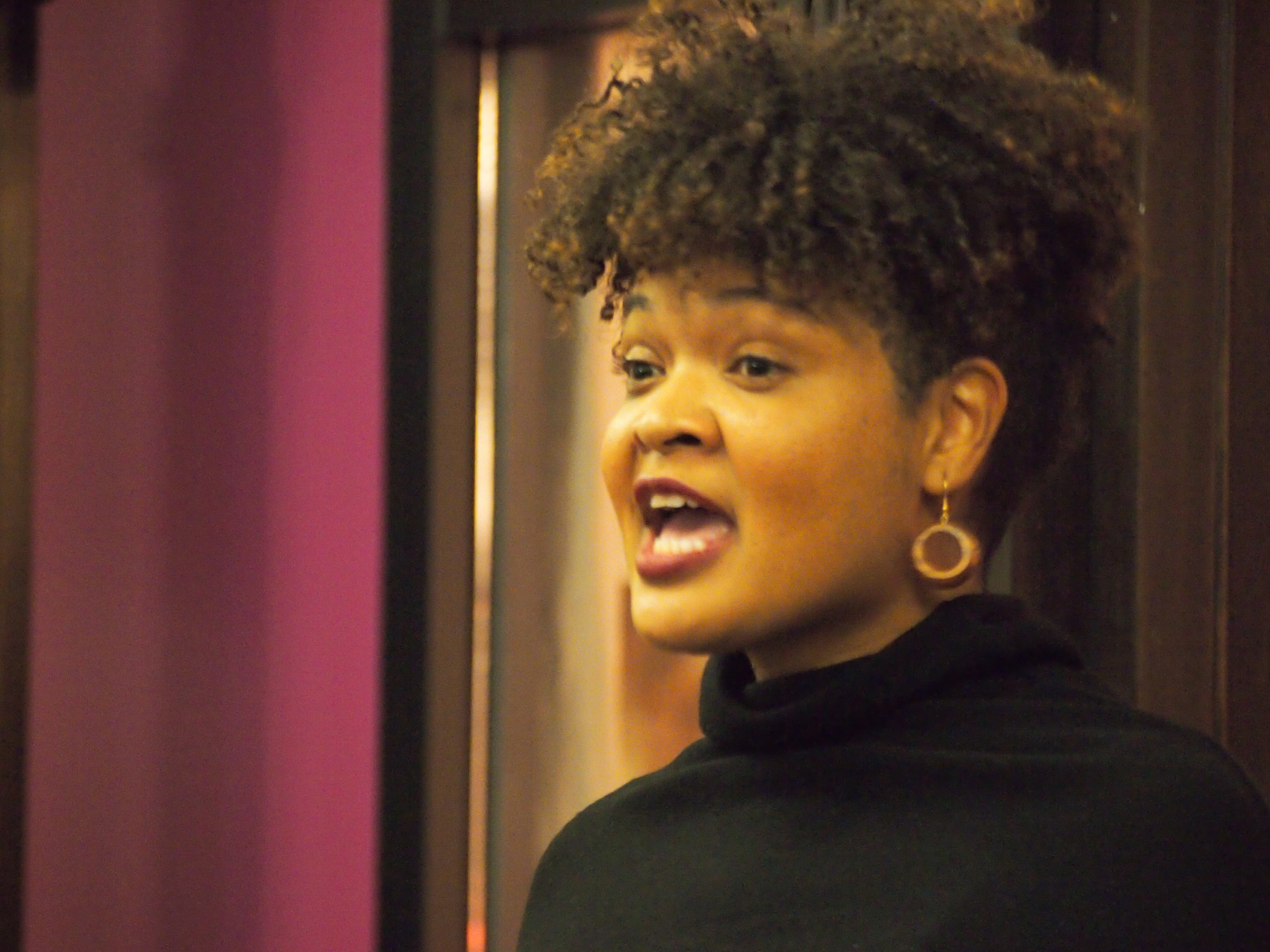
Dolen Perkins-Valdez is an American author known for her fiction that often explores themes of race and history. Her notable work, "Wench," delves into the lives of enslaved women and their complex relationships with their masters. Perkins-Valdez's writing has garnered attention for its poignant storytelling and historical depth.
Similar books
- The Water Dancer
Ta-Nehisi Coates
4.1 (64k) average on GoodreadsFantasyExplores the psychological landscape of slavery and the fight for freedom with a unique perspective.
- Beloved
Toni Morrison
3.9 (325k) average on GoodreadsLiterary FictionA powerful and emotionally resonant novel about the enduring trauma and complexities of slavery.
- The Underground Railroad
Colson Whitehead
4.0 (290k) average on GoodreadsLiterary FictionDepicts the brutal realities of slavery and the desperate quest for freedom with a strong narrative voice.
- To Kill a Mockingbird
Harper Lee
4.3 (4.5M) average on GoodreadsHistorical FictionIn the 1930s Jim Crow South, Harper Lee writes about racial injustice, moral growth, and the quiet courage of a lawyer father, Atticus Finch, as seen through his young daughter's eyes.
- The Great Gatsby
F. Scott Fitzgerald
3.9 (3.8M) average on GoodreadsHistorical FictionIn the opulent Roaring Twenties, a mysterious millionaire's lavish parties hide his desperate, tragic pursuit of a lost love, exposing the emptiness within the American Dream.
- Pride and Prejudice
Jane Austen
4.3 (3M) average on GoodreadsHistorical FictionIn a society focused on status and money, Elizabeth Bennet navigates love and pride, challenging Mr. Darcy and social expectations to find true affection.






Enjoyed the summary?
A summary gives you the shape of the book. The book itself has the detail, the examples and the voice.
Find Wench on AmazonAs an Amazon Associate, BookBrief earns from qualifying purchases. How we're funded