
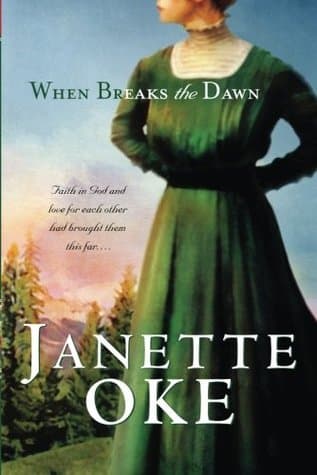
Synopsis
Covers the whole plot, including the ending.
- Difficulty
- Easy
- Pacing
- Slow
- Mood
- Heartwarming, Hopeful, Serene, Reflective
- Read it if
- You enjoy gentle, faith-based historical romance set in the Canadian wilderness with themes of community and commitment.
- Skip it if
- You prefer fast-paced plots, gritty realism, or stories without overt religious themes.
When Breaks the Dawn Plot Summary
Covers the whole plot, including the ending.
A New Beginning in Beaver Creek
Elizabeth and Wynn Delaney have finished their challenging first year in the Canadian North and are now beginning their second in Beaver Creek. Elizabeth has returned to teaching, feeling a deeper connection with her students, both white and Native. Wynn, a Royal Canadian Mounted Police corporal, continues his patrols, maintaining order and helping the diverse community. They are slowly becoming part of the lives of the local Indigenous people, especially the Cree families, and the small group of white trappers and settlers. Their home, though still simple, feels more permanent, and they are enjoying a time of peace after the initial struggles of adapting to the harsh environment.
The Arrival of News and a Difficult Decision
One day, Wynn receives a letter from his superior officer in the south. The letter offers Wynn a transfer to a more established southern post with better amenities and opportunities for advancement, away from the isolated northern frontier. This news immediately creates a problem for Wynn and Elizabeth. While the promotion and easier life are appealing, they have grown to love the North and the people of Beaver Creek. Elizabeth, especially, feels a strong sense of purpose in teaching the Native children and has formed close bonds. The couple must now weigh their personal desires against their sense of calling and duty to the community they have started to build.
Community Divided and Counsel Sought
News of Wynn's possible transfer quickly spreads through Beaver Creek, causing different reactions. Some white settlers encourage them to take the opportunity for an easier life, emphasizing the North's difficulties. However, the Indigenous community expresses sadness and worry, as Wynn and Elizabeth have become trusted figures. Elizabeth discusses the matter with her friend, Mary, who understands the situation's complexities but encourages Elizabeth to follow her heart. Both Wynn and Elizabeth pray for guidance on the path they should take, knowing their decision will affect not only themselves but also the growing community around them.
Elizabeth's Growing Influence and a Special Student
Elizabeth continues to dedicate herself to teaching, finding great satisfaction in watching her students learn and grow. She notices a young Cree girl named Little Fawn, who is very bright but shy. Elizabeth makes an effort to connect with Little Fawn, teaching her not only academics but also about faith and kindness. This bond strengthens Elizabeth's feeling that her work in Beaver Creek is important and meaningful. The children's eagerness to learn and their trust in her become a significant factor in Elizabeth's internal debate about leaving the North, making the thought of departure even harder.
Wynn's Patrol and a Trapper's Plight
During one of his patrols, Wynn finds a struggling trapper who is ill and needs help. Wynn provides medical aid, supplies, and support, showing the essential role he plays in the isolated region. This incident serves as a clear reminder of the harsh realities of life in the North and the constant need for the Mounties' presence to keep people safe and offer help. Wynn's experience strengthens his own internal conflict; while a southern post offers comfort, the North offers a strong sense of purpose and the knowledge that his work directly saves lives and brings order to a wild land.
A Time of Prayer and Contemplation
The decision about the transfer weighs heavily on both Elizabeth and Wynn. They spend many evenings discussing their options, the pros and cons of each path, and the potential impact on their lives and the community. More importantly, they spend much time in prayer, individually and together, seeking God's guidance. They believe their lives are not entirely their own to direct, but that they are called to serve where they are most needed. This period of deep spiritual thought is crucial as they try to figure out whether their mission in Beaver Creek is complete or if they are meant to stay and continue their work.
The Community's Plea
As the deadline for Wynn's decision nears, the Beaver Creek community, both Native and white, comes together to express their strong desire for the Delaneys to stay. The Native elders, through their spokesperson, convey their trust and respect for Wynn and Elizabeth, pointing out the positive influence they have had on their children and their community. The white settlers also admit their reliance on Wynn for law and order and Elizabeth for educating their children. This collective plea is a powerful sign of the impact the couple has made and places an even greater weight on their decision, confirming their deep integration into Beaver Creek.
The Decision to Stay
After much prayer, discussion, and consideration of the community's needs, Elizabeth and Wynn make their decision: they will decline the transfer and stay in Beaver Creek. This is not an easy choice, as the appeal of an easier life and advancement is strong, but they feel a deep sense of calling to the North. They believe their work among the Indigenous people and the settlers is far from over. This decision brings a sense of peace and renewed purpose, solidifying their commitment to the community and to the challenging but rewarding life they have chosen on the frontier.
Renewed Commitment and a Vision for the Future
With the decision to stay made, Elizabeth and Wynn feel a renewed sense of purpose and commitment to their life in Beaver Creek. They are energized by knowing they are where they are meant to be. Elizabeth continues her teaching with even greater enthusiasm, imagining new ways to help her students. Wynn rededicates himself to his duties as a Mountie, understanding the unique challenges and rewards of his post. They look toward the future with optimism, ready to face whatever hardships or joys the North will bring, confident in their shared mission and faith.
A Glimpse of Future Challenges and Blessings
The story ends with Elizabeth and Wynn fully embracing their lives in Beaver Creek. While the book focuses on their decision to stay, it hints at the ongoing challenges of frontier life—harsh winters, isolation, cultural differences, and the demands of Wynn's dangerous job. However, it also highlights the blessings they have found: a deep love for each other, a strong sense of community, the joy of serving others, and an unwavering faith that guides them. They are ready for whatever the future holds, together, in the vast and beautiful Canadian North.
When Breaks the Dawn Characters
Elizabeth Delaney
Protagonist
A compassionate and dedicated schoolteacher finding her purpose in the wilderness.
Elizabeth is a young woman of deep faith, intelligence, and immense compassion. Originally from a more refined background, she has adapted remarkably to the harsh realities of the Canadian North. She is a dedicated teacher who genuinely loves her students, both white and Native, and strives to provide them with not only academic knowledge but also moral guidance. Her internal struggle throughout the book revolves around her desire for a settled life versus her strong sense of calling to serve the isolated community, particularly through her teaching.
Relationships: Wynn Delaney (Devoted and loving husband); Mary (Close friend and confidante); Little Fawn (Special student and object of her care)
Wynn Delaney
Protagonist
A steadfast Royal Canadian Mountie balancing duty, family, and faith in the frontier.
Wynn is Elizabeth's strong, honorable, and deeply faithful husband, serving as a corporal in the Royal Canadian Mounted Police. He is dedicated to upholding the law and protecting the diverse inhabitants of his vast northern territory. Wynn is practical, resilient, and deeply committed to his wife and their shared life. He grapples with the offer of a promotion and an easier life in the south, weighing it against his sense of duty to the people of Beaver Creek and his belief in his calling to the challenging northern frontier. His decisions are always guided by his strong moral compass and faith.
Relationships: Elizabeth Delaney (Devoted and loving wife); His superior officer (Professional relationship, source of the transfer offer); Community members (trappers, Native families) (Objects of his protection and service)
Mary
Supporting
A wise and supportive friend to Elizabeth in the isolated North.
Mary is an older, more experienced woman who has lived in the North for some time and serves as a close friend and confidante to Elizabeth. She offers practical advice, emotional support, and understanding, having faced many of the same challenges Elizabeth experiences. Mary represents the resilience and wisdom of those who have adapted to frontier life, and her counsel is invaluable to Elizabeth as she grapples with the decision about Wynn's transfer. She understands the allure of an easier life but also the deep satisfaction found in serving in the North.
Relationships: Elizabeth Delaney (Close friend and confidante)
Little Fawn
Supporting
A bright and shy Cree student who forms a special bond with Elizabeth.
Little Fawn is a young Cree girl, one of Elizabeth's students, who is portrayed as exceptionally intelligent but very quiet and reserved. She represents the Native children Elizabeth is dedicated to teaching and whose lives she deeply impacts. Little Fawn's progress in school and her growing trust in Elizabeth highlight the effectiveness and importance of Elizabeth's work. Her presence reinforces Elizabeth's feeling of purpose and the deep connections she has forged within the Indigenous community, making the prospect of leaving even more poignant.
Relationships: Elizabeth Delaney (Student-teacher, special bond of mentorship)
The Cree Elders
Supporting
Representatives of the Indigenous community who value Wynn and Elizabeth's presence.
The Cree Elders represent the wisdom and collective voice of the local Indigenous community. They are shown to be respectful, discerning, and deeply appreciative of Wynn's fair dealings as a Mountie and Elizabeth's dedication as a teacher. Their collective plea for the Delaneys to stay underscores the positive impact the couple has had on their people and highlights the growing trust and understanding between the white settlers and the Native population. They symbolize the deep cultural connections Elizabeth and Wynn have formed.
Relationships: Wynn Delaney (Respected authority figure and mediator); Elizabeth Delaney (Respected teacher and friend to their children)
The Trappers/White Settlers
Supporting
The diverse, often rugged, white inhabitants of Beaver Creek.
This group encompasses the various white individuals, primarily trappers and their families, who make up part of the Beaver Creek community. They are often portrayed as resilient, self-sufficient, but also reliant on Wynn's law enforcement and Elizabeth's educational services. Their initial reactions to the transfer news are mixed, with some advocating for the Delaneys to take the easier path. However, they ultimately join the Native community in expressing their desire for the couple to remain, acknowledging their essential role in maintaining order and providing education in the isolated region.
Relationships: Wynn Delaney (Rely on him for law and order); Elizabeth Delaney (Rely on her for their children's education)
When Breaks the Dawn Themes
Calling vs. Comfort
This theme explores the main choice Elizabeth and Wynn face: an easier, more comfortable life with career advancement in the south, or a difficult but purposeful life of service in the isolated North. Wynn's transfer offer forces them to consider what truly matters. They ultimately choose to stay in Beaver Creek, valuing their divine calling and commitment to the community over personal convenience, as seen in their extensive prayer and discussions (Plot Summary, Section 6) and their final decision (Plot Summary, Section 8).
“For what shall it profit a man, if he shall gain the whole world, and lose his own soul?”
The Power of Community and Intercultural Connection
The novel shows the importance of community, especially in a harsh frontier, and the beauty of connections made across cultures. Elizabeth and Wynn's integration into Beaver Creek involves building relationships with both white settlers and local Indigenous people. The collective plea from both groups for the Delaneys to stay (Plot Summary, Section 7) strongly shows the bonds they have formed and the mutual respect that has grown. Elizabeth's special bond with Little Fawn (Plot Summary, Section 4) exemplifies the positive impact of intercultural understanding and care.
“It was a bond stronger than any they had ever known in the bustling cities of the south, a silent understanding born of shared hardship and mutual respect.”
Faith and Divine Guidance
A strong idea throughout the story is the role of faith in guiding major life decisions. Both Elizabeth and Wynn are devout Christians who consistently turn to prayer and seek God's will when facing their dilemma. Their decision to stay in Beaver Creek is not just practical, but rooted in their belief that they are called to serve in that specific place. This theme is most clear in their dedicated time of prayer and thought (Plot Summary, Section 6) before making their final choice, showing their reliance on spiritual discernment.
“They knew that God had placed them here for a purpose, and it was not for them to abandon that purpose lightly.”
The Rewards of Service and Sacrifice
The book shows that true fulfillment often comes from serving others and making personal sacrifices. While life in the North is difficult, both Elizabeth and Wynn find deep meaning and satisfaction in their work—Elizabeth in teaching and Wynn in his duties as a Mountie. Wynn's encounter with the sick trapper (Plot Summary, Section 5) and Elizabeth's impact on her students, like Little Fawn, show the direct, positive results of their dedication. Their decision to stay is a testament to the deep rewards they find in their selfless service.
“The North demanded much, but it gave back in a currency far richer than gold – the currency of purpose and belonging.”
Plot Devices & Literary Techniques
The Letter/Transfer Offer
The catalyst that introduces the central conflict and dilemma.
The letter from Wynn's superior offering him a transfer to a southern post serves as the primary inciting incident of the novel. It immediately introduces the central conflict of 'calling vs. comfort' and forces Elizabeth and Wynn to re-evaluate their lives and priorities. Without this external pressure, their journey of discernment would not occur, and the themes of sacrifice, faith, and purpose would not be as acutely explored. It drives the entire narrative arc of their decision-making process.
The Community's Plea
A collective appeal that reinforces the Delaneys' impact and complicates their decision.
The unified request from both the Native elders and white settlers for Elizabeth and Wynn to remain in Beaver Creek acts as a powerful external force in their decision-making. It serves to validate the positive impact the couple has had, demonstrating their deep integration and value to the community. This collective plea complicates their choice, making it clear that their decision extends beyond their personal desires and has significant ramifications for the people they serve, highlighting the theme of community and responsibility.
The Isolated Setting (Canadian North)
The harsh, remote environment that shapes characters and heightens stakes.
The setting of the Canadian North is more than just a backdrop; it is a character in itself. Its isolation, harsh climate, and rugged beauty constantly test the characters' resilience and faith. This setting heightens the stakes of Wynn's transfer offer, as the contrast between the perceived ease of the south and the demanding reality of the North is stark. It also fosters the strong sense of community and reliance on one another, making the Delaneys' decision to stay a profound commitment to a challenging yet rewarding life.
Internal Monologue and Prayer
Reveals characters' inner thoughts, struggles, and reliance on faith.
Much of the Delaneys' decision-making process is conveyed through their internal monologues and shared prayers. This device allows the reader deep insight into their personal struggles, their unwavering faith, and the moral and spiritual considerations guiding their choices. It emphasizes the theme of divine guidance and shows the depth of their commitment to their beliefs, making their ultimate decision feel earned and authentic rather than purely circumstantial. It highlights their personal and spiritual growth.
When Breaks the Dawn Quotes
“It was a beautiful world, and she was a small part of it. But she was a part of it, and she would make it count.”
“Love was not a thing to be demanded or earned, but a gift freely given, and just as freely received.”
“The mountains stood silent, ancient witnesses to the fleeting lives of men.”
“Sometimes the hardest path was the one that led to the greatest reward.”
“Faith was not seeing, but believing. And sometimes, believing was harder than seeing.”
“A home was more than just four walls and a roof; it was where your heart found peace.”
“The past could not be changed, but the future was a book yet unwritten.”
“True strength lay not in never falling, but in rising every time you fell.”
“Kindness was a language the deaf could hear and the blind could see.”
“Sometimes, the quietest moments held the loudest truths.”
“The wilderness had a way of stripping away the unnecessary, leaving only what truly mattered.”
“Every sunrise brought with it a fresh start, a new opportunity to make things right.”
“A good book was a friend that always had something new to say.”
“It wasn't about finding someone to complete you, but finding someone to share your complete self with.”
Quiz
10 questions on the plot and the characters. Each answer comes with a short explanation.
Question 1
What is Elizabeth Delaney's profession in Beaver Creek?
- Nurse
- Homemaker
- Teacher
- Store Owner
Show answer
C. Teacher Elizabeth Delaney continues her role as a teacher in the small community of Beaver Creek, just as she did in her previous post.
Question 2
What is Wynn Delaney's profession?
- Trapper
- Royal Canadian Mountie
- Missionary
- Doctor
Show answer
B. Royal Canadian Mountie Wynn Delaney is a Royal Canadian Mountie, which is why he and Elizabeth are stationed in the far north.
Question 3
Where are Elizabeth and Wynn Delaney living at the beginning of the book?
- Calgary
- Beaver Creek
- Edmonton
- Fort Macleod
Show answer
B. Beaver Creek After their first harsh year, Elizabeth and Wynn are settling into the community of Beaver Creek.
Question 4
What significant challenge did Elizabeth and Wynn overcome in their first year in the far north, prior to the events of this book?
- A severe food shortage
- A difficult birth of their first child
- A harsh climate and isolation
- Conflict with local fur traders
Show answer
C. A harsh climate and isolation The book explicitly states they survived a 'harsh first year in the far north,' implying the severe climate and isolation were their primary challenges.
Question 5
What is the primary theme explored through Elizabeth and Wynn's efforts to make a place for themselves among the Indians?
- Economic development and trade
- Cultural integration and understanding
- Religious conversion
- Establishing political dominance
Show answer
B. Cultural integration and understanding The narrative highlights their gradual efforts to integrate and be accepted by the Indigenous community, focusing on mutual understanding.
Question 6
What specific event or item is mentioned as arriving that hints at future developments in the plot?
- A new family moving to Beaver Creek
- A severe winter storm
- News
- A letter from Elizabeth's family
Show answer
C. News The synopsis ends with the line, 'And then the news arrives...' indicating a significant plot point.
Question 7
What does Elizabeth's continued role as a teacher suggest about her character and the community's needs?
- She is restless and seeks constant change.
- She is dedicated to education and the community values it.
- She has no other viable skills in the frontier.
- It is a temporary position until a more qualified person arrives.
Show answer
B. She is dedicated to education and the community values it. Her returning to teach implies a sense of purpose and dedication, as well as the community's need for her skills.
Question 8
Given the historical fiction setting and the presence of a Mountie, what kind of 'news' is most likely to disrupt their settled life?
- A letter from Elizabeth's sister about a wedding.
- A directive for Wynn's transfer or a new assignment.
- A local gossip about a new romance.
- An invitation to a social event in a distant city.
Show answer
B. A directive for Wynn's transfer or a new assignment. As a Royal Canadian Mountie, Wynn's career is subject to transfers and new postings, which would significantly impact their settled life in a historical fiction context.
Question 9
The phrase 'gradually making a place for themselves among the Indians' suggests what about the initial relationship between the Delaneys and the Indigenous community?
- They were immediately welcomed and integrated.
- There was an initial period of distance or cautious acceptance.
- The Delaneys were viewed with hostility.
- They had no interaction with the Indigenous people.
Show answer
B. There was an initial period of distance or cautious acceptance. The word 'gradually' implies that acceptance and integration were not immediate but required time and effort, suggesting an initial period of cautiousness or distance.
Question 10
What does the 'far north' setting contribute to the overall tone and potential challenges of the story?
- It suggests a bustling urban environment with many amenities.
- It implies themes of isolation, harsh survival, and reliance on community.
- It highlights a relaxed, leisurely lifestyle.
- It sets the stage for frequent, easy travel to other regions.
Show answer
B. It implies themes of isolation, harsh survival, and reliance on community. The 'far north' historically represents extreme conditions, isolation, and the necessity of strong community ties for survival, which fits the 'harsh first year' context.
When Breaks the Dawn FAQ
What is the main premise of 'When Breaks the Dawn'?
'When Breaks the Dawn' continues the story of Elizabeth and Wynn Delaney, a young couple building their life in the remote Canadian North. After a challenging first year, Elizabeth resumes her teaching duties in Beaver Creek, and they strive to integrate into the local Indigenous community, facing new trials and significant news that will alter their path.
Who are the primary protagonists in the story?
The primary protagonists are Elizabeth Delaney, a dedicated schoolteacher, and her husband, Wynn Delaney, a Royal Canadian Mountie. Their relationship and individual growth as they adapt to the demanding frontier life and serve the community are central to the narrative.
Where is the main setting for the book?
The main setting is the small, isolated community of Beaver Creek in the far Canadian North. This remote location, characterized by its harsh winters and close-knit Indigenous population, plays a significant role in shaping the characters' experiences and challenges.
What kind of challenges do Elizabeth and Wynn face in this installment?
Elizabeth and Wynn face challenges related to cultural integration with the Indigenous community, the arrival of life-altering news that tests their resilience, and the ongoing struggle to maintain their faith and relationship amidst the isolation and demands of frontier life. These challenges often involve difficult decisions about their future.
How does Elizabeth's role as a teacher evolve in this book?
Elizabeth's role as a teacher evolves as she deepens her understanding of her Indigenous students' culture and needs, moving beyond basic instruction to foster a more inclusive and relevant learning environment. She endeavors to build trust and bridge cultural gaps through her classroom, becoming a more integral part of the community.
What is the 'news' that arrives and significantly impacts Elizabeth and Wynn?
The significant 'news' that arrives is the potential for Wynn to be transferred to a new posting, forcing them to consider leaving Beaver Creek and the life they've painstakingly built. This news creates immense emotional turmoil and prompts difficult discussions about their future and callings.
Are there any recurring characters from previous books who play a significant role?
While the focus remains on Elizabeth and Wynn, their interactions with the local Indigenous families, particularly those of her students, deepen. These recurring community members provide continuity and highlight the couple's ongoing efforts to build relationships and understanding within Beaver Creek.
What subtle hints foreshadow the challenges Elizabeth and Wynn will face regarding their future?
Subtle hints include Wynn's reflections on the transient nature of a Mountie's life, Elizabeth's growing attachment to her students and the community, and their ongoing prayers about God's will for their lives. These moments build tension and prepare the reader for the difficult decisions ahead regarding their posting.
How does the author use the natural environment to reflect the characters' emotional states?
The author often uses the harsh beauty and isolation of the northern environment to mirror Elizabeth and Wynn's internal struggles and feelings of vulnerability. The changing seasons, particularly the long, dark winters and the promise of spring, reflect their cycles of despair and renewed hope, emphasizing their resilience.
What psychological impact does the isolation of the North have on Elizabeth?
The isolation of the North deeply impacts Elizabeth by fostering a strong sense of self-reliance and dependence on Wynn, but also by intensifying her longing for connection and family. It challenges her resilience, forcing her to confront loneliness and find strength within her faith and purpose as a teacher.
How does Wynn's role as a Mountie affect his psychological well-being?
Wynn's role as a Mountie places significant psychological strain on him due to the demands of duty, the harsh conditions, and the responsibility for law and order in a vast territory. He grapples with maintaining justice while building trust, often feeling the weight of his decisions and the potential impact on his family.
In what ways do Elizabeth and Wynn's individual personalities complement each other during difficult times?
Elizabeth's nurturing, empathetic nature and unwavering faith often provide emotional support and perspective, while Wynn's steadfastness, pragmatism, and sense of duty offer stability and protection. Their complementary strengths allow them to navigate challenges as a united front, balancing idealism with practicality.
What is the central moral dilemma Elizabeth and Wynn face regarding their potential transfer?
The central moral dilemma revolves around choosing between their established life and calling in Beaver Creek, where they feel they are making a difference, versus following Wynn's duty as a Mountie, which might lead them to a new, unknown assignment. They wrestle with discerning God's will amidst personal desires and professional obligations.
How does the book explore themes of cultural understanding and reconciliation?
The book explores these themes through Elizabeth's dedicated efforts to understand and respect Indigenous customs in her classroom, and Wynn's interactions as a Mountie. It highlights the challenges and rewards of bridging cultural divides, emphasizing mutual respect and the gradual building of trust between different communities.
Is 'When Breaks the Dawn' primarily a romance novel, or does it delve into deeper themes?
While romance is a foundational element, 'When Breaks the Dawn' delves into deeper themes of faith, duty, cultural integration, and personal sacrifice. The romantic relationship between Elizabeth and Wynn serves as a strong anchor, but the narrative extensively explores their spiritual journeys and their commitment to service in the demanding frontier.
How does the ending of the book leave room for future installments in the series?
The ending typically resolves the immediate conflict of the transfer decision but often introduces a new layer of uncertainty or a clear direction for their next chapter, leaving readers eager to see how Elizabeth and Wynn adapt to their chosen path. It provides closure for the current dilemma while opening possibilities for future growth and challenges.
What message about perseverance does the story convey through Elizabeth and Wynn's experiences?
The story conveys a powerful message about perseverance through Elizabeth and Wynn's unwavering commitment to each other, their faith, and their community despite numerous setbacks and hardships. They demonstrate that true strength lies in enduring trials with grace and continuing to serve others even when facing personal sacrifice.
How does the author portray the role of faith in the characters' decision-making?
The author portrays faith as a central guiding principle for Elizabeth and Wynn, deeply influencing their decision-making. They consistently turn to prayer and seek divine guidance when confronted with difficult choices, believing that their paths are ultimately directed by a higher purpose beyond their own desires.
About the author
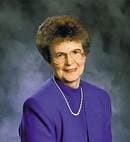
Janette Oke is a Canadian author known for her contributions to Christian fiction. Her notable works include "Love Comes Softly," "When Calls the Heart," "Love Takes Wing," and "When Breaks the Dawn," which often explore themes of faith, love, and resilience in historical settings. Oke's storytelling has resonated with readers, particularly in the genre of inspirational literature.
Similar books
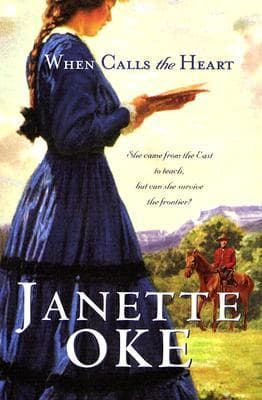
- When Calls the Heart
Janette Oke
4.2 (21k) average on GoodreadsHistorical FictionPart of the same series, shares similar themes and character development.
- Love Comes Softly
Janette Oke
4.3 (37k) average on GoodreadsHistorical FictionAnother classic by the author with a focus on pioneering life, faith, and romance.
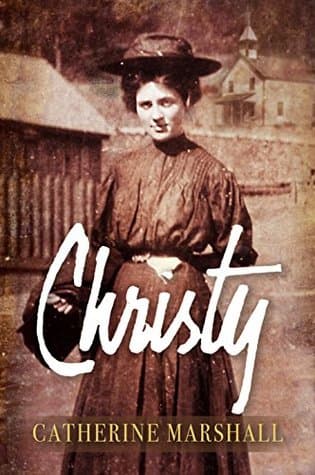
- Christy
Catherine Marshall
4.2 (49k) average on GoodreadsHistorical FictionFeatures a young woman teaching in a remote, underserved community with strong spiritual undertones.
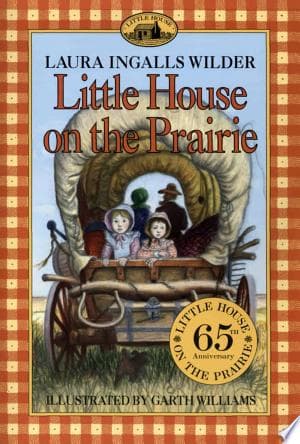
- Little House on the Prairie
Laura Ingalls Wilder
4.2 (256k) average on GoodreadsChildren'sWilder's series offers a grittier and more secular view of pioneer life, focusing on practical survival and family bonds with less explicit theological reflection. Oke's work is more overtly evangelical and centers on spiritual challenges and resolutions.
- To Kill a Mockingbird
Harper Lee
4.3 (4.5M) average on GoodreadsHistorical FictionIn the 1930s Jim Crow South, Harper Lee writes about racial injustice, moral growth, and the quiet courage of a lawyer father, Atticus Finch, as seen through his young daughter's eyes.
- The Great Gatsby
F. Scott Fitzgerald
3.9 (3.8M) average on GoodreadsHistorical FictionIn the opulent Roaring Twenties, a mysterious millionaire's lavish parties hide his desperate, tragic pursuit of a lost love, exposing the emptiness within the American Dream.



Enjoyed the summary?
A summary gives you the shape of the book. The book itself has the detail, the examples and the voice.
Find When Breaks the Dawn on AmazonAs an Amazon Associate, BookBrief earns from qualifying purchases. How we're funded