

Synopsis
Covers the whole plot, including the ending.
- Difficulty
- Medium
- Pacing
- Moderate
- Mood
- Philosophical, Reflective, Passionate, Melancholy
- Read it if
- You appreciate philosophical depth, character-driven narratives, and a vibrant exploration of the human spirit versus intellectualism.
- Skip it if
- You prefer fast-paced plots, clear-cut resolutions, or are uncomfortable with tragic elements and the exploration of raw human nature.
Zorba the Greek Plot Summary
Covers the whole plot, including the ending.
The Narrator's Departure and First Encounter
The unnamed narrator, a young intellectual immersed in books and philosophy, feels unhappy with his purely mental life. He decides to stop his literary work for a time and go to Crete to reopen an old lignite mine, wanting a more real connection to life. While waiting for his ship, he meets Alexis Zorba, an old, lively man. Zorba, with his wild hair, bright eyes, and love for life, seems like a force of nature to the narrator. Despite Zorba's unusual appearance, the narrator is drawn to his energy and impulsiveness. He hires Zorba on the spot to be his foreman, sensing that this man holds a key to the life he wants.
Arrival in Crete and Initial Impressions
When they arrive in Crete, the narrator and Zorba settle in a small village. The narrator is struck by the landscape's beauty and the villagers' simple, often hard lives. Zorba, in contrast, quickly fits in, observing the people and land with a sharp, intuitive understanding. He begins to assess the mine, giving practical advice and showing a natural understanding of manual labor and human nature, often surprising the narrator. The narrator, still attached to his books and theories, constantly watches Zorba, fascinated by his uninhibited way of being. Zorba's directness and down-to-earth philosophy contrast with the narrator's introspective, often hesitant nature, setting up their dynamic relationship.
Life in the Village and Madame Hortense
Life in the Cretan village continues with its rhythms of work and community. Zorba, always seeking pleasure, soon focuses on Madame Hortense, an aging former courtesan who runs a small hotel. Despite her past and age, Zorba is charmed by her stories and remaining liveliness. He begins a passionate, though often dramatic, courtship, giving her attention and promising marriage, even calling her 'Bouboulina.' The villagers are both shocked and amused by their affair, which becomes a main topic of gossip. The narrator watches this with a mix of fascination and mild discomfort, still trying to reconcile Zorba's passion with his own reserved nature.
The Monastery Land and the Narrator's Dream
The narrator's intellectual pursuits soon lead him to a new plan: using a large forest owned by a nearby monastery. He envisions a logging operation, with a cable car system, to bring wealth and new ideas to the area. He discusses his plans with Zorba, who, despite his initial excitement for any new project, offers a more realistic, skeptical view of the monks' true nature and the project's practicalities. Zorba's warnings about the monks' greed and the difficulties are mostly ignored by the narrator, who is lost in his theoretical vision. This project shows the basic difference in their approaches: the narrator's abstract idealism versus Zorba's practical, experience-based realism.
The Widow's Tragedy
A beautiful young widow lives in the village, drawing the silent admiration of many men, including the narrator, and the bitter jealousy of the village women. She lives independently and refuses to remarry, especially rejecting Pavli, a young man from a prominent family. Her defiance and beauty make her a target for the villagers' strict morals. When Pavli drowns himself in the sea because of unrequited love for her, the villagers, led by Mavrandoni, cruelly blame the widow. In a public spectacle, the angry crowd stones her to death by the sea. The narrator is stunned and horrified, unable to act, while Zorba, angered by the injustice, tries to protect her but is too late.
Zorba's Dance and Philosophical Insights
Throughout their time together, Zorba often dances spontaneously, especially when words fail him or when he feels a strong emotion. Whether expressing joy, processing sorrow, or sharing a deep insight, his dancing becomes his main way of communicating. The narrator, at first confused by this, gradually understands its meaning. Zorba's dances are not just entertainment; they are a direct, uninhibited engagement with all of existence, showing his philosophy of living fully in the moment, embracing both life's beauty and tragedy. These moments help the narrator start to shed his intellectual limits and connect with a more physical understanding of being.
The Monastery's Deception and the Logging Disaster
The narrator's logging project at the monastery moves forward, but with problems. The monks are tricky and greedy, constantly demanding more money and manipulating the narrator's good intentions. Despite Zorba's earlier warnings, the narrator continues with his plans, including Zorba's clever but untested cable car system for transporting logs. On the inauguration day, with villagers and monks gathered, the cable car, overloaded and unstable, collapses, sending logs and equipment into the abyss. The project fails completely, leading to the narrator's financial ruin and public shame. Zorba, though disappointed, accepts the failure with resilience, even finding humor in it.
Madame Hortense's Decline and Death
After the logging disaster, Madame Hortense, already weak, becomes very ill. Zorba, who had been her passionate lover and promised marriage, finds himself restless and repulsed by her illness and approaching death. Despite her pleas and the narrator's gentle suggestions, Zorba struggles to stay by her side, eventually leaving her to her fate to follow his own desires, even spending her remaining money. She dies alone, her last moments marked by a feeling of abandonment and the loss of her former glory. Her death deeply affects the narrator, who sees the harsh reality of Zorba's freedom, which, while liberating, can also be selfish and indifferent to others' suffering.
A Shared Dance and Parting Ways
With the mine abandoned, the logging project a disaster, and Madame Hortense dead, the narrator and Zorba are at a turning point. They are financially ruined but spiritually changed. In a scene, among the ruins of their failed project, the narrator finally asks Zorba to teach him to dance. Zorba, with joy and passion, teaches him the sirtaki, a dance that shows freedom, resilience, and acceptance of life's unpredictable rhythms. This shared dance marks the narrator's shift from a purely intellectual life to one that embraces the physical, emotional, and even chaotic parts of life. It is a moment of connection and understanding between them, showing the impact of Zorba's influence.
Zorba's Departure and Legacy
True to his wandering nature, Zorba eventually decides to leave Crete, seeking new adventures. He leaves without much fuss, leaving the narrator to think about the impact he has had on his life. The narrator feels a sense of loss but also a new understanding of existence. Zorba's lessons – to embrace life's passions, to laugh at its absurdities, to dance through its sorrows, and to live fully in the present – have changed the narrator's view. Though physically gone, Zorba's spirit stays with the narrator, inspiring him to shed his intellectual limits and engage with the world with more vitality.
Zorba the Greek Characters
The Narrator (Boss)
Protagonist
A young, intellectual writer seeking meaning beyond books.
The unnamed narrator is a highly educated, introspective man consumed by philosophical texts and intellectual pursuits. He identifies himself as a 'bookworm' and struggles with the chasm between his rich inner life and the raw, untamed reality of the world. He embarks on the lignite mining venture in Crete primarily to escape his cerebral existence and find a more tangible, authentic connection to life. He is initially reserved, cautious, and prone to overthinking, but possesses a deep yearning for experience and a profound capacity for observation and empathy. He represents the intellectual, rational side of humanity.
Relationships: Alexis Zorba (Mentor-mentee, deep friendship, philosophical foil); Madame Hortense (Observer of her relationship with Zorba, mild sympathy); The Widow (Silent admirer, horrified witness to her death)
Alexis Zorba
Protagonist/Mentor
An untamed, passionate, and philosophical Greek working man who embodies the joy of living.
Alexis Zorba is a larger-than-life character, a free spirit who lives entirely in the present moment. He is a man of instinct, passion, and immense physical vitality, with a rich past filled with adventures, loves, and struggles. Zorba possesses an innate, earthy wisdom that far surpasses the narrator's intellectual knowledge. He is a master of various trades, a skilled musician (santouri player), and a spontaneous dancer. He values freedom above all else and is unafraid to express his desires, anger, and joy. He embodies the sensual, emotional, and intuitive side of humanity, often acting as a foil and mentor to the narrator.
Relationships: The Narrator (Friend, student of life, employer-employee); Madame Hortense (Passionate lover, later abandons her); Lola (Mentioned former lover, a source of past tales)
Madame Hortense (Bouboulina)
Supporting
An aging former courtesan, clinging to past glories and seeking love.
Madame Hortense is a fascinating and tragic figure, an elderly woman of French and Italian descent who once lived a glamorous life as a courtesan, having entertained admirals and pashas. She now runs a small hotel in the Cretan village, clinging to her fading beauty and memories of past grandeur. She yearns for love and security, making her vulnerable to Zorba's charismatic advances and empty promises of marriage. She represents the romantic ideal of love and the human need for connection, even in old age. Her character highlights themes of aging, illusion, and the harsh realities of abandonment.
Relationships: Alexis Zorba (Lover, fiancée (by promise), ultimately abandoned); The Narrator (Gentle acquaintance, sympathetic observer)
The Widow
Supporting
A beautiful, independent young woman who becomes a tragic victim of village prejudice.
The Widow is a strikingly beautiful and independent young woman in the Cretan village. She is admired by many men, including the narrator, but her refusal to remarry and her self-sufficient nature make her an object of suspicion and jealousy among the conservative village women. Her quiet dignity and perceived defiance of social norms lead to her tragic fate. She symbolizes innocence, beauty, and the devastating power of societal prejudice and mob mentality. Her story serves as a stark reminder of the darker aspects of human nature and the fragility of individual freedom within a rigid community.
Relationships: Pavli (Object of his unrequited love); The Narrator (Object of his silent admiration and pity); Villagers (Victim of their collective scorn and violence)
Mavrandoni
Supporting
The stern, traditional village elder who embodies rigid social norms.
Mavrandoni is a prominent figure in the Cretan village, often seen as a moral authority and a guardian of traditional customs. He is a stern, unyielding man who represents the conservative, judgmental aspects of the community. His deep-seated beliefs and adherence to traditional honor codes lead him to play a central role in the tragic fate of the Widow. He embodies the collective consciousness of the village, particularly its darker, more rigid side, and stands in stark contrast to Zorba's individualistic and rebellious spirit.
Relationships: The Widow (Accuser, instigator of her demise); Villagers (Leader, voice of tradition)
Pavli
Mentioned
A young villager who drowns himself out of unrequited love for the Widow.
Pavli is a young man from a respected family in the village who is deeply infatuated with the Widow. His unrequited love for her leads him to despair, and he tragically drowns himself in the sea. His death serves as the catalyst for the villagers' outrage and their subsequent brutal attack on the Widow. Pavli represents the passionate, often destructive, nature of unfulfilled desire and the intense emotional undercurrents within the seemingly quiet village.
Relationships: The Widow (Unrequited lover)
The Monks
Antagonistic/Supporting
The greedy, hypocritical custodians of the monastery forest.
The monks of the nearby monastery are portrayed as largely hypocritical and materialistic, despite their religious vows. They are more concerned with accumulating wealth and maintaining their power than with spiritual matters. They exploit the narrator's idealism and generosity, constantly demanding more money and manipulating the terms of the logging agreement. They symbolize institutional corruption and the contrast between outward piety and inner greed. Their actions contribute directly to the failure of the narrator's logging venture, reinforcing Zorba's cynical view of human nature.
Relationships: The Narrator (Business partners, exploiters); Alexis Zorba (Object of his disdain and suspicion)
Zorba the Greek Themes
The Conflict Between Intellect and Instinct
This theme is shown by the contrasting personalities of the Narrator and Zorba. The Narrator represents a life of the mind, burdened by books and thought, often unable to act. Zorba, in contrast, represents pure instinct, living fully in the present, driven by passion and an uneducated wisdom. The novel explores the limits of a purely intellectual life and the freedom that comes from embracing instincts and engaging directly with life. The Narrator's journey moves him from thinking to feeling, learning from Zorba to combine thought with action, as seen when he learns to dance.
“What does 'freedom' mean? To be free from what? From books? From duties? From people? You can't be free from anything unless you free yourself from all that. You must tear up your roots, sell your books, burn your house, leave your village, forget your friends, and then, if you're not afraid, you're free. And if you're not free, you're not free.”
The Joy and Pain of Existence
Kazantzakis explores life as both intense joy and deep suffering, suggesting that true living means accepting both. Zorba shows this by feeling every emotion fully—dancing wildly in celebration, weeping openly in sorrow, and raging against injustice. The novel shows beautiful moments (the Cretan landscape, Zorba's dances) alongside brutal tragedy (the Widow's stoning, Madame Hortense's abandonment). The narrator gradually learns that avoiding pain also means avoiding true joy, and that a full life requires an open heart to all experiences. This theme is clear in Zorba's ability to find humor and acceptance even when things go wrong, like the logging project's collapse.
“I felt once more how simple and frugal a thing is happiness: a glass of wine, a roast chestnut, a wretched little brazier, the sound of the sea. Nothing else. And all that is happiness. So that a man who has a free heart can always find happiness.”
Freedom and Responsibility
The novel examines freedom, especially through Zorba's character. Zorba lives a life of absolute freedom, free from social rules, possessions, or long-term commitments. However, this freedom often means less responsibility toward others, as seen when he leaves Madame Hortense as she dies. The Narrator, in contrast, is initially bound by intellectual and social limits. The tension between these two raises questions about what true freedom means: Is it having no ties, or does it involve a deeper, more conscious choice? The novel suggests that while freedom is essential for a full life, it can also be selfish, making the reader consider its ethical side.
“You're a man who's afraid of life, Boss. You're afraid of death. You're afraid of love. You're afraid of everything.”
The Search for Authenticity
Both the Narrator and Zorba, in their own ways, seek an authentic existence. The Narrator seeks it by shedding his intellectual skin and engaging with the physical world, trying to live a life less filtered by books and theories. Zorba, on the other hand, lives an inherently authentic life, always true to his impulses and desires, without pretense. The novel contrasts the artificiality of intellectual ideas and social expectations with the raw truth of Zorba's life. The Narrator's main lesson is to find his own authentic self, not by copying Zorba, but by adding Zorba's lessons to his own intellectual framework, leading to a more complete engagement with the world.
“I felt that this Zorba was the man I had so long been seeking. He had the living word, the original glance, the primal gesture. He had the earth in his blood.”
The Power of Art and Dance
Art, especially music and dance, is a way of expressing and understanding in the novel. Zorba's santouri playing and, more importantly, his spontaneous dances, are not just entertainment but strong forms of communication that go beyond words. His dancing shows his philosophy, a way to express joy, sorrow, confusion, and acceptance of life's mysteries. For the Narrator, learning to dance with Zorba is a key moment, symbolizing his release from intellectual limits and his embrace of a more physical way of experiencing the world. Dance becomes a metaphor for living fully and authentically, connecting the individual to life's rhythm.
“I had been trying all my life to express the inexpressible, to give a body to the bodiless, a face to the faceless. And now I saw Zorba doing it with a hop, a skip, and a jump.”
Plot Devices & Literary Techniques
Foil Characters
The stark contrast between the Narrator and Zorba highlights their respective qualities and drives the novel's central themes.
The Narrator and Zorba serve as perfect foil characters, representing opposing approaches to life. The Narrator is intellectual, cautious, and introspective, embodying the life of the mind. Zorba is instinctual, passionate, and extroverted, embodying the life of the senses and action. This fundamental contrast allows Kazantzakis to explore the novel's core themes of intellect versus instinct, freedom versus responsibility, and the search for authentic existence. Their interactions and differing reactions to events reveal the strengths and weaknesses of each perspective, ultimately leading to the Narrator's transformation as he learns from Zorba's uninhibited way of being.
Symbolism of Dance
Zorba's spontaneous dances represent his philosophy of life, freedom, and the direct engagement with existence.
Zorba's dancing is a powerful and recurring symbol throughout the novel. It is his ultimate form of expression when words fail him, whether to convey joy, sorrow, confusion, or a profound philosophical insight. The dance represents pure, uninhibited engagement with life, the acceptance of its chaos and beauty, and the freedom of the spirit. When the Narrator finally learns to dance with Zorba, it symbolizes his liberation from intellectual constraints, his embrace of his physical and emotional self, and his newfound ability to live more fully in the present moment. It's a physical manifestation of his spiritual awakening.
The Cretan Landscape
The rugged, beautiful, and sometimes harsh landscape of Crete mirrors the raw reality of life and the human spirit.
The island of Crete is more than just a setting; it functions as a symbolic backdrop that reflects the novel's themes. Its stark beauty, ancient history, and rugged terrain symbolize the raw, untamed aspects of life that the Narrator seeks to embrace. The harshness of the environment, the poverty of the villagers, and the unpredictable nature of the sea mirror the inherent difficulties and tragedies of existence. Conversely, its vibrant colors and ancient spirit inspire Zorba's zest for life and the Narrator's growing appreciation for the tangible world. The landscape itself becomes a character, shaping the experiences and philosophies of the protagonists.
The Failed Mining and Logging Ventures
The financial disasters symbolize the futility of purely intellectual or overly ambitious schemes when detached from practical wisdom and human reality.
Both the lignite mine and, more significantly, the monastery logging project, end in financial ruin. These failed ventures serve as a crucial plot device to highlight the shortcomings of the Narrator's purely theoretical approach to life and business. The Narrator's idealism and lack of practical experience, coupled with the greed of the monks, lead to the spectacular collapse of the cable car and the entire enterprise. These failures underscore Zorba's earthy wisdom and his pragmatic understanding of human nature and the physical world. They force the Narrator to confront the gap between his intellectual dreams and the often harsh, unpredictable realities of life, ultimately pushing him towards a more grounded existence.
Zorba the Greek Quotes
“I felt once more how simple and frugal a thing is happiness: a glass of wine, a roast chestnut, a wretched little brazier, the sound of the sea. And nothing else. All that your heart asks is to be there, even on the most miserable, the most hideous of nights.”
“You say 'God,' I say 'devil.' We are both talking about the same thing.”
“Every man has his folly, but the greatest folly of all, in my opinion, is not to have one.”
“I am not a free man, because I am not free from the fear of death.”
“The mind is a whore, it knows too many things.”
“I have been searching for a long time for a man who is free. Free from everything. From money, from family, from friends, from God, from the devil. A man who is absolutely free. I haven't found him yet. But I'm still looking.”
“Life is trouble, only death is not. To be alive is to undo your belt and look for trouble.”
“When you have a choice between two things, choose the one that scares you the most.”
“I am a slave, and I try to be free. This is the struggle.”
“A man needs a little madness, or else he never dares cut the rope and be free.”
“Happy is the man, I thought, who, before dying, has the good fortune to sail the Aegean sea.”
“What do you do with a brain? You eat it, don't you? What do you do with a heart? You love with it, don't you?”
“I looked at him and understood: he was free. And I was a prisoner. I was a prisoner of books, of theories, of words, of ideas.”
“I believe that the mind is the greatest enemy of man. It is a traitor. It betrays you.”
Quiz
10 questions on the plot and the characters. Each answer comes with a short explanation.
Question 1
What is the narrator's primary reason for traveling to Crete?
- To escape a troubled past on the mainland.
- To open a new tavern and enjoy the island life.
- To reopen an abandoned lignite mine.
- To research a book about Cretan history and culture.
Show answer
C. To reopen an abandoned lignite mine. The narrator, referred to as 'Boss' by Zorba, goes to Crete with the intention of reopening an old lignite mine, which is where he hires Zorba.
Question 2
What is Zorba's initial profession or role when he first meets the narrator?
- A seasoned sailor looking for a new ship.
- A musician performing in a local café.
- A working man seeking employment as a foreman or manager.
- A philosopher traveling through Greece.
Show answer
C. A working man seeking employment as a foreman or manager. Zorba approaches the narrator, offering his services as a foreman or manager for the lignite mine, boasting about his diverse skills and experiences.
Question 3
What does Zorba frequently do when he is deeply moved or wants to express his emotions?
- He writes poetry.
- He plays his santouri and dances.
- He withdraws into silence.
- He tells long, elaborate stories of his past.
Show answer
B. He plays his santouri and dances. Zorba's dance is his primary form of emotional expression, particularly when words fail him or when he feels a profound joy or sorrow.
Question 4
What is the narrator's primary internal conflict throughout the novel?
- His struggle to choose between a life of solitude and a life of public service.
- His desire for material wealth versus his intellectual pursuits.
- The conflict between his intellectual, ascetic life and the call to embrace life's raw experiences.
- His struggle to manage the lignite mine profitably.
Show answer
C. The conflict between his intellectual, ascetic life and the call to embrace life's raw experiences. The narrator constantly battles his intellectual inclinations and bookish nature against Zorba's philosophy of embracing life with all its passion and pain, embodying the struggle between the aesthetic and the rational.
Question 5
What is the fate of the old widow who Zorba becomes involved with?
- She leaves Crete to live with Zorba in another village.
- She dies peacefully of old age.
- She is stoned to death by the villagers for her relationship with Zorba.
- She marries a wealthy merchant from a neighboring town.
Show answer
C. She is stoned to death by the villagers for her relationship with Zorba. The widow is tragically stoned to death by the conservative villagers who disapprove of her relationship with Zorba and her perceived defiance of their social norms, highlighting the harsh realities of the community.
Question 6
What is the ultimate outcome of the narrator's lignite mine venture?
- It becomes a highly successful and profitable enterprise.
- It fails spectacularly when the cable railway collapses.
- He sells it for a significant profit after a few years.
- He abandons it due to lack of interest and returns to his books.
Show answer
B. It fails spectacularly when the cable railway collapses. The elaborate cable railway Zorba constructs for the mine collapses during its inaugural run, leading to the complete failure and financial ruin of the mining operation.
Question 7
What is the significance of the Buddha to the narrator?
- He sees Buddha as a symbol of practical wisdom and action.
- He is writing a book about Buddha and his philosophy, symbolizing his intellectual pursuits.
- He believes Buddha represents the ultimate embodiment of 'living to the fullest'.
- He considers Buddha a historical figure whose teachings are irrelevant to modern life.
Show answer
B. He is writing a book about Buddha and his philosophy, symbolizing his intellectual pursuits. The narrator is working on a book about Buddha, which represents his cerebral, detached approach to life and his struggle with intellectualizing existence rather than fully experiencing it.
Question 8
How does Zorba react to the complete failure of the lignite mine and the financial ruin?
- He falls into a deep depression and leaves Crete immediately.
- He blames the narrator for the poor planning and execution.
- He laughs, shrugs it off, and dances, accepting it as part of life.
- He vows to rebuild the mine with even greater determination.
Show answer
C. He laughs, shrugs it off, and dances, accepting it as part of life. True to his character, Zorba reacts to the catastrophic failure with laughter and a spontaneous dance, embodying his philosophy of embracing both joy and sorrow, and finding freedom even in loss.
Question 9
What is the primary philosophical lesson the narrator learns from Zorba?
- The importance of intellectual detachment and contemplation.
- The necessity of careful planning and financial prudence.
- To embrace life with passion, freedom, and an acceptance of its fleeting nature.
- The value of solitude and self-reliance above all else.
Show answer
C. To embrace life with passion, freedom, and an acceptance of its fleeting nature. Zorba teaches the narrator to break free from his intellectual cage and truly live, to experience life's highs and lows with an open heart, and to dance in the face of both triumph and disaster.
Question 10
What does Zorba famously tell the narrator about 'cutting the umbilical cord'?
- He advises the narrator to sever ties with his past to truly move forward.
- He suggests the narrator should stop relying on books and theory and engage with life directly.
- He refers to the need for physical independence from one's family.
- He is talking about the literal act of birth and the separation from the mother.
Show answer
B. He suggests the narrator should stop relying on books and theory and engage with life directly. Zorba uses the metaphor of 'cutting the umbilical cord' to urge the narrator to detach from his intellectual and theoretical way of life, and instead plunge into the raw, unfiltered experience of existence.
Zorba the Greek FAQ
What is the central conflict or theme explored in 'Zorba the Greek'?
The novel primarily explores the profound struggle between the aesthetic, passionate, and instinctual way of life embodied by Zorba, and the rational, intellectual, and reserved existence led by the unnamed Narrator. It delves into the tension between living fully in the moment and retreating into the world of books and abstract thought.
Who are the two main characters, and how do they initially differ?
The two main characters are Zorba, an energetic, unpredictable, and passionate Greek working man, and the unnamed Narrator, a cerebral, modest, and reserved intellectual. Their initial differences lie in their fundamental approaches to life: Zorba embraces experience, while the Narrator contemplates it.
Where does the majority of the story take place, and what is the Narrator's purpose for being there?
The majority of the story unfolds on the island of Crete. The Narrator travels there with Zorba to reopen an old lignite mine, hoping to escape his intellectual pursuits and engage with the material world, though he struggles to fully commit to this practical endeavor.
How does Zorba influence the Narrator over the course of the novel?
Zorba profoundly influences the Narrator by challenging his intellectual detachment and inspiring him to embrace life's joys and sorrows with passion. Through Zorba's actions and philosophy, the Narrator begins to experience emotions and physical sensations he previously suppressed, such as dancing and engaging with local life.
What is the significance of the dance Zorba performs for the Narrator after their business venture fails?
The dance, a sirtaki, is Zorba's ultimate expression of acceptance and joy in the face of complete failure. It signifies his philosophy that life's misfortunes should be met with passion and a celebration of existence, teaching the Narrator a powerful lesson about resilience and living fully regardless of circumstance.
What is implied about the Narrator's past that makes him so drawn to Zorba's way of life?
The Narrator's past is subtly hinted as one of excessive intellectualism and detachment, possibly marked by a lack of genuine human connection and physical experience. His attraction to Zorba suggests a deep-seated yearning for the vitality and authenticity he perceives Zorba possesses.
Beyond the mine, what other business venture do Zorba and the Narrator attempt, and what is its symbolic meaning?
Zorba and the Narrator attempt a logging venture, planning to build a cable car to transport wood down the mountain. This elaborate, ultimately failed project symbolizes the inherent conflict between practical ambition and the unpredictable, often chaotic nature of life, mirroring the Narrator's own struggles with control.
What role does the Widow play in the narrative, and how does her fate reflect the societal norms of the time?
The Widow, a beautiful and enigmatic woman, becomes an object of desire for both the young Pavli and later, Zorba. Her tragic stoning by the villagers, incited by religious fanaticism and patriarchal possessiveness after Pavli's suicide, starkly reflects the brutal societal norms and gender inequality prevalent in rural Crete.
How does the character of Madame Hortense, or 'Bouboulina,' contribute to Zorba's character development?
Madame Hortense, an aging former courtesan, allows Zorba to display his capacity for compassion, chivalry, and even a form of romantic devotion, despite his often crude exterior. His elaborate marriage proposal and care for her in her final days reveal a deeper, tender side to his complex personality.
How does Zorba's philosophy on death and the afterlife differ from conventional religious views?
Zorba views death not as an end to be feared or a gateway to a specific afterlife, but as a natural part of the cycle of existence, to be met with the same acceptance and passion as life itself. He often speaks of returning to the earth and becoming part of nature, rather than adhering to dogmatic religious beliefs.
What psychological barriers does the Narrator struggle with throughout the book?
The Narrator struggles with intellectual over-analysis, fear of direct experience, and a deep-seated inhibition that prevents him from fully engaging with life's raw emotions and physical pleasures. He is constantly battling his own mind, which he perceives as a cage.
In what ways does Zorba act as a 'catalyst' for the Narrator's personal growth?
Zorba acts as a direct catalyst by constantly pushing the Narrator out of his comfort zone, challenging his intellectual constructs, and demonstrating an alternative, more visceral way of living. His actions and stories force the Narrator to confront his own limitations and desires, leading to gradual transformation.
How does the novel explore the concept of freedom, both personal and societal?
The novel explores personal freedom through Zorba's uninhibited lifestyle, contrasting it with the Narrator's self-imposed intellectual prison. Societal freedom is touched upon through the restrictive traditions of the Cretan village, highlighting how external pressures can limit individual expression and choice, as seen in the Widow's fate.
Is Zorba an idealized figure, or does the novel present his flaws?
While Zorba is presented as an inspiring figure, the novel does not shy away from his flaws. He is impulsive, prone to exaggeration, financially irresponsible, and sometimes displays a harshness or insensitivity towards others, particularly women, which grounds him in reality rather than presenting him as purely idealized.
What is the ultimate message or lesson the Narrator learns by the end of the novel?
The Narrator ultimately learns the importance of embracing life's full spectrum of experiences—joy, sorrow, success, and failure—with passion and engagement, rather than observing it from a detached intellectual distance. He learns to 'cut the cord' of his mind and truly live.
How does Kazantzakis use the setting of Crete to enhance the novel's themes?
Crete, with its rugged landscape, ancient monasteries, and vibrant local culture, serves as a powerful backdrop that enhances the novel's themes. Its raw beauty and traditional society provide a stark contrast to the Narrator's intellectual world, while also embodying the primal, earthy existence that Zorba champions.
Could Zorba be considered a philosophical mentor to the Narrator, and if so, what school of thought does he represent?
Yes, Zorba acts as an unconventional philosophical mentor, teaching through example and storytelling rather than formal instruction. He largely represents an existentialist philosophy, emphasizing radical freedom, personal responsibility, and the importance of creating meaning through lived experience, embracing the absurdities of life.
What is the significance of the Narrator remaining unnamed throughout the book?
The Narrator remaining unnamed allows him to serve as a more universal everyman figure, making his journey of self-discovery and transformation relatable to a broader audience. It also emphasizes his initial lack of a fully formed, authentic identity, which he only begins to forge through his interactions with Zorba.
How does the novel suggest a balance can be struck between the life of the mind and the life of the body?
The novel doesn't necessarily suggest a perfect balance, but rather implies that a fulfilling life requires the integration of both the intellectual and the sensual. While the Narrator shifts from an extreme of mind to a more embodied existence, Zorba himself, despite his physicality, possesses a profound, albeit unarticulated, wisdom, suggesting that true wisdom encompasses both.
About the author

Nikos Kazantzakis was a Greek writer. Widely considered a giant of modern Greek literature, he was nominated for the Nobel Prize in Literature in nine different years.
Similar books
- Siddhartha
Hermann Hesse
4.0 (583k) average on GoodreadsHistorical FictionExplores a spiritual journey of self-discovery and the search for meaning, contrasting intellectual pursuits with lived experience.
- THE ALCHEMIST
Paulo Coelho
3.6 (3k) average on GoodreadsFictionFeatures a journey of self-discovery and following one's personal legend, guided by a mentor figure.
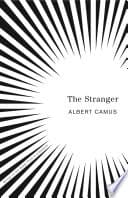
- The Stranger
Albert Camus
4.1 (3k) average on GoodreadsFantasyWhile both explore existential themes and challenge societal norms, The Stranger's protagonist, Meursault, embodies a detached indifference and alienation, contrasting sharply with Zorba's passionate engagement with life. Zorba offers a more celebratory acceptance of life's chaos.
- The Old Man and the Sea
Ernest Hemingway
3.8 (831k) average on GoodreadsLiterary FictionA Cuban fisherman's long struggle with a giant marlin becomes a story of endurance and dignity, now retold for young adults with illustrations, phonetic guides, and writing prompts in Traditional Chinese.
- One Hundred Years of Solitude
Gabriel García Márquez
4.1 (753k) average on GoodreadsLiterary FictionThrough the multi-generational story of the Buendía family, a mythical town deals with the repeating patterns of time, love, and solitude, as the extraordinary mixes with the ordinary.
- The Goldfinch
Donna Tartt
3.9 (720k) average on GoodreadsLiterary FictionHaunted by a tragic explosion and clutching a stolen Dutch masterpiece, a young orphan navigates the opulent drawing rooms of New York and the gritty underbelly of the art world, desperately seeking connection and redemption amidst a life spiraling into crime and obsession.





Enjoyed the summary?
A summary gives you the shape of the book. The book itself has the detail, the examples and the voice.
Find Zorba the Greek on AmazonAs an Amazon Associate, BookBrief earns from qualifying purchases. How we're funded