Rob Nixon's 'slow violence' concept explains how gradual environmental harm affects the global poor most, requiring new ways to see and address crisis.
Henry George's 1879 book explores why poverty deepens as wealth grows, proposing a solution to industrial slumps and inequality that influenced figures like Einstein and Tolstoy.
Ludwig von Mises shows how central planning's attempts to organize society dismantle the price system, suppress individual freedom, and lead economies into destructive 'planned chaos' instead of order.
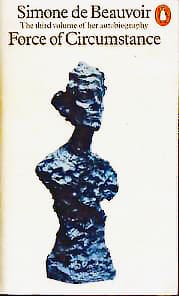
Simone de Beauvoir examines her life, her relationships with figures like Sartre and Camus, and the truths behind the legends, showing the 'force of circumstance' that shaped a pioneering feminist philosopher.
Bono challenges readers to confront global injustice and poverty, sharing his faith and belief that true spirituality means helping the world's most vulnerable.
In a war of wit and ink, ancient tomes clash with modern pamphlets on the dusty shelves of a library, each vying for intellectual supremacy and the very soul of literature.
Heidegger's wartime lectures dissect the Latinized West, tracing truth's decline from Parmenides' early insights through language to expose the modern world's 'out of joint' state.
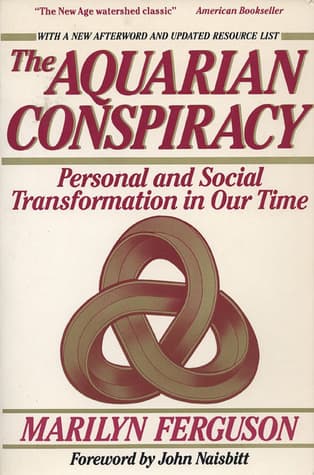
This book explores the hidden currents of the 1980s, revealing the true power behind the New Age movement: a quiet revolution of awakening consciousness.
Clive Bell's 'Art' states that 'significant form'—a quality of line and color—is the only thing that creates aesthetic emotion, defining true art and connecting works across all cultures and times.
Weber's essential work critiques societal structures, examining the foundations of modern order and the interplay between power, rationality, and human action.
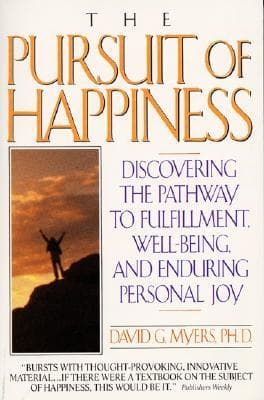
David G. Myers condenses global scientific research to show the real, often surprising, psychological components of lasting happiness. He challenges common ideas and gives readers practical ways to live a more joyful life.
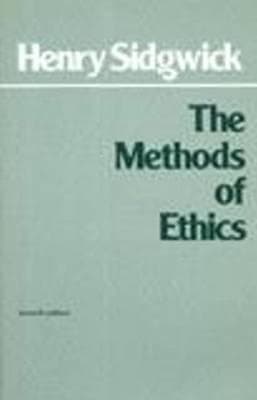
Sidgwick's 'Methods of Ethics' explains how classical utilitarianism aims to maximize 'agreeable consciousness' for all beings, detailing its logical basis and practical effects.
This book explores the spiritual and philosophical side of Aikido, linking it to various Eastern and Western traditions and showing how it can help create harmony in a chaotic world.
Jordan B. Peterson offers 12 rules, blending ancient wisdom and modern science, to help individuals navigate modern life's challenges and find meaning, from simple acts like petting cats to more complex ones like standing tall.
Jerry Z. Muller traces conservatism's intellectual history from Enlightenment critiques to modern thought, showing its unique identity and repeated arguments across centuries and cultures.