Clive Staples Lewis was a British writer, literary scholar, and Anglican lay theologian. He held academic positions in English literature at both Oxford University and Cambridge University. He is best known as the author of The Chronicles of Narnia, but he is also noted for his other works of fiction, such as The Screwtape Letters and The Space Trilogy, and for his non-fiction Christian apologetics, including Mere Christianity, Miracles, and The Problem of Pain.
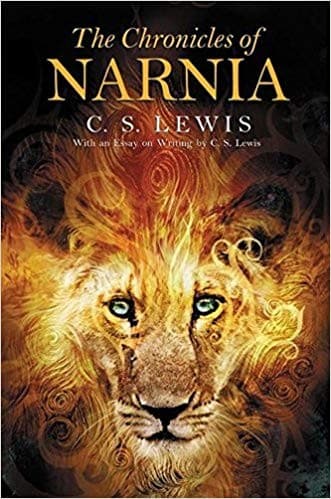
Four siblings enter the magical land of Narnia through a wardrobe, finding talking animals, mythical creatures, and an ongoing fight between good and evil, overseen by the lion Aslan.
Join Edmund, Lucy, and Eustace aboard the Dawn Treader as they sail to the world's end, encountering dragons, magic, and their deeper selves on a quest to find lost lords and reach Aslan's country.
A senior demon, Screwtape, advises his nephew Wormwood on corrupting a human soul, offering a satirical look at temptation, faith, and the human condition in an inverted epistolary novel.
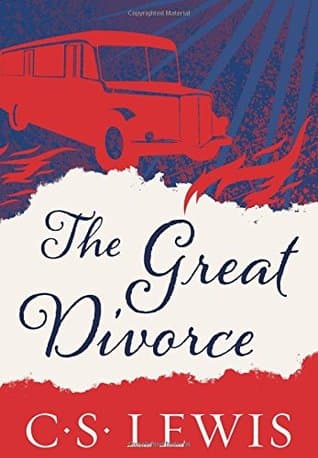
A bus ride from a grey, self-imposed hell to the challenging foothills of heaven makes an extraordinary meditation on the choices that lock us in or set us free.
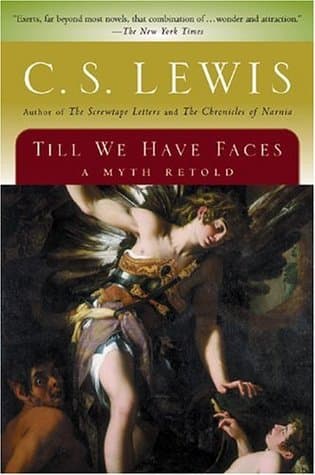
In a brutal, pre-Christian land, an embittered queen's possessive love for her beautiful sister, chosen by a god, shatters her understanding of divine and human affection, forcing her to confront her own hidden self.
C.S. Lewis explores the difficult question of how a good God can allow suffering, examining pain in humans and animals to help readers understand divine love amid earthly hardship.
C.S. Lewis explores the joys and dangers of affection, friendship, romantic love, and divine charity, inviting readers to understand love's true nature.
A naive sociologist joins a sinister organization aiming to control all humanity. His wife's prophetic dreams and an ancient, reawakened magic become Earth's last hope against a disembodied scientific horror and the encroaching powers of Hell.
C.S. Lewis argues that modern education, by treating objective values as subjective feelings, risks 'abolishing' humanity by separating future generations from moral truth.
During wartime, C.S. Lewis writes about spiritual understanding, showing a kind view of Christianity that defines glory by the importance of our eternal purpose.
C.S. Lewis shows how miracles are not just possible, but essential affirmations of God's close and joyful involvement in creation, turning doubt into a celebration of divine action.