

Synopsis
Covers the whole plot, including the ending.
- Difficulty
- Easy
- Pacing
- Moderate
- Mood
- Melancholy, Tragic, Poignant, Realistic
- Read it if
- You appreciate powerful, tragic narratives about friendship, dreams, and the harsh realities faced by marginalized individuals during the Great Depression.
- Skip it if
- You prefer stories with happy endings, or find themes of mental disability and accidental violence distressing.
Of Mice and Men Plot Summary
Covers the whole plot, including the ending.
On the Banks of the Salinas River
George Milton, a sharp but tired man, and Lennie Small, a large but intellectually disabled man, rest by the Salinas River in California. They are going to a new ranch job after leaving Weed, California, because Lennie, wanting to touch soft things, grabbed a woman's dress and would not let go. This led to accusations of attempted rape. George, often frustrated by Lennie's forgetfulness, cares for him. He makes Lennie repeat their dream: to own a small farm with rabbits and live off the 'fat o' the lan'.
Arrival at the Tyler Ranch
George and Lennie arrive at the ranch. Candy, an old, one-handed ranch hand with an old dog, shows them their bunks. They meet Curley, the boss's son, a small but aggressive man who immediately dislikes Lennie's size. Curley's wife soon appears; the other men call her a 'tart' who flirts with everyone. George, seeing trouble, warns Lennie to stay away from both Curley and his wife, saying that if there is any trouble, Lennie should hide in the brush by the river.
Carlson's Cruelty and Candy's Loss
Ranch life settles into a routine. George and Lennie work, while Lennie often talks about the rabbits he will tend on their future farm. Carlson, another ranch hand, complains about the smell of Candy's old, blind dog. Despite Candy's attachment, Carlson pressures him until Slim, the respected mule driver, supports Carlson's argument. Candy reluctantly allows Carlson to take the dog out and shoot it. The sound leaves Candy upset and alone.
A Shared Dream Expands
After his dog's death, Candy is more isolated. Overhearing George and Lennie discuss their dream farm, Candy, wanting companionship and security in his old age, offers his life savings of $350—money for his lost hand—if they let him join them. This financial help makes the dream seem possible, energizing George and Lennie, who now plan to buy the farm at the end of the month. They promise to keep it a secret, fearing others might mock them or try to join.
Curley's Confrontation
Curley, always looking for a fight, enters the bunkhouse. Seeing Lennie smiling (thinking about the farm), he mistakenly believes Lennie is laughing at him. Curley attacks Lennie, punching him repeatedly. Lennie, confused and scared, does not fight back until George shouts at him to 'get 'im.' Lennie, remembering George's instruction to hold on, grabs Curley's hand. His strength crushes Curley's hand, breaking several bones. Slim steps in, convincing Curley to say he got his hand caught in a machine, saving Lennie from being fired or worse.
Crooks's Loneliness and Hope
One Saturday night, while the other men visit a brothel, Lennie wanders into Crooks's room in the stable. Crooks, the black stable hand, is isolated and lonely because of racial prejudice. Initially defensive, Crooks lets Lennie stay and, interested by Lennie's talk of the farm, begins to tease him with the idea that George might not return. When Candy joins them, the three men discuss the dream farm, and Crooks, despite his doubts, briefly imagines a life of dignity and belonging on their farm. Curley's wife then interrupts, verbally abusing them.
Curley's Wife's Desperation
The next afternoon, Lennie is alone in the barn, upset because he accidentally killed his new puppy by petting it too roughly. Curley's wife enters, telling Lennie about her loneliness and her dreams of becoming a movie star. She expresses her frustration with Curley and the other men, who ignore her. Lennie mentions his love for soft things, and she lets him stroke her hair. As Lennie strokes too hard, she panics and struggles. Lennie, in his fear, clamps his hand over her mouth, accidentally breaking her neck and killing her.
Discovery and the Hunt
Lennie flees the barn, remembering George's earlier instruction to hide in the brush by the river if trouble came. Candy finds Curley's wife's body and brings George to the scene. The dream of the farm shatters. When Curley sees his wife, he vows revenge, forming a mob of ranch hands, armed with guns, to hunt down Lennie. George, knowing what Lennie has done and what Curley intends, quietly takes Carlson's Luger pistol, pretending Carlson lost it.
George's Agonizing Decision
George finds Lennie at their meeting spot by the river, the same place they started. Lennie, unaware of what he has done, talks excitedly about the rabbits and the dream farm. George, with a heavy heart, talks to Lennie, telling their dream one last time, describing the rabbits and their future home. As Lennie looks across the river, imagining their paradise, George raises Carlson's Luger to the back of Lennie's head and shoots him, ending his life mercifully and preventing him from facing Curley's justice or continued suffering.
The Aftermath
The mob, led by Curley and Carlson, arrives moments after George shoots Lennie. George lies, claiming Lennie had the gun and he wrestled it away, shooting him in self-defense. While Curley and Carlson remain confused and unsympathetic, Slim, understanding the bond between George and Lennie and the burden George carried, offers quiet comfort. He leads George away, leaving Carlson and Curley to wonder why George is so upset, showing their lack of empathy and understanding of real companionship.
Of Mice and Men Characters
George Milton
Protagonist
A small, quick-witted migrant worker who cares for Lennie.
George is a sharp, intelligent, and often frustrated man burdened by the responsibility of caring for his intellectually disabled friend, Lennie. Despite his occasional anger and complaints about Lennie, George is deeply loyal and protective. He dreams of owning a small farm with Lennie, a vision that provides both of them with hope and purpose. His actions are consistently driven by his desire to keep Lennie safe and, ultimately, to spare him from a cruel fate, even if it means making the ultimate sacrifice.
Relationships: Lennie Small (caretaker and best friend); Candy (fellow dreamer and ranch hand); Slim (confidant and respected peer)
Lennie Small
Protagonist
A large, strong, but intellectually disabled man with a love for soft things.
Lennie is a towering figure with immense physical strength but the mind of a child. He is innocent, kind-hearted, and completely dependent on George. His greatest joy comes from petting soft things, which often leads to tragic accidents due to his inability to control his strength. His simple dream is to tend rabbits on their future farm. He is loyal to George but easily confused and frightened, making him vulnerable to the harsh realities of the world and his own physical power.
Relationships: George Milton (dependent companion and best friend); Curley's Wife (unintentional killer of); Candy (fellow dreamer)
Candy
Supporting
An old, one-handed ranch hand who dreams of joining George and Lennie.
Candy is an aging, disabled ranch hand, having lost a hand in a farm accident. He is lonely and fears for his future, knowing that his usefulness on the ranch is diminishing. The forced shooting of his old dog parallels his own impending obsolescence. He becomes deeply invested in George and Lennie's dream of owning a farm, offering his life savings to join them, seeing it as his last chance for security and companionship. His character highlights the vulnerability of the old and disabled in this society.
Relationships: George Milton (fellow dreamer); Lennie Small (fellow dreamer); His dog (beloved pet)
Curley
Antagonist
The boss's son, a small, aggressive, and jealous man.
Curley is the ranch boss's son, a small man with a disproportionate sense of aggression and insecurity. He compensates for his size by constantly picking fights, especially with larger men like Lennie. He is intensely jealous and possessive of his flirtatious wife, constantly suspicious of other men. His volatile nature and desire for dominance make him a constant threat and source of conflict on the ranch, ultimately leading to a tragic confrontation.
Relationships: Curley's Wife (possessive husband); Lennie Small (antagonistic rival); The Boss (son of)
Curley's Wife
Supporting
A lonely and flirtatious woman, confined by her marriage and dreams.
Curley's wife is the only female character on the ranch and is never given a name, emphasizing her status as a possession. She is young, attractive, and deeply lonely, constantly seeking attention from the ranch hands, which leads them to label her as a 'tart.' She dreams of becoming a movie star and feels trapped in her marriage to Curley. Her attempts to connect with others are often misinterpreted or rejected, leading to her tragic isolation and accidental death at Lennie's hands.
Relationships: Curley (unhappy wife); Lennie Small (confidante and accidental killer of); The ranch hands (object of suspicion and desire)
Slim
Supporting
The highly respected and insightful 'prince of the ranch.'
Slim is the 'jerkline skinner,' a highly skilled and respected mule driver on the ranch. He is described as a 'prince' among the men, possessing a quiet authority, deep understanding, and natural wisdom. He is compassionate and perceptive, often serving as a moral compass or a voice of reason. He is the only character who truly understands the unique bond between George and Lennie, and he offers George solace and understanding in the aftermath of the tragedy, recognizing the profound weight of George's actions.
Relationships: George Milton (confidant and empathetic listener); Lennie Small (observer and protector); The ranch hands (respected leader)
Crooks
Supporting
The isolated black stable hand, yearning for acceptance.
Crooks is the black stable hand, named for his crooked spine. He is isolated from the other ranch hands due to racial segregation, living alone in his bunk in the stable. He is intelligent, proud, and well-read, but his loneliness has made him cynical and bitter. He initially taunts Lennie with the idea of George not returning, but later, when Candy and Lennie share their dream, he briefly allows himself to hope for a place on their farm, only to have that hope crushed by Curley's wife's cruel words.
Relationships: Lennie Small (brief companion); Candy (fellow dreamer); The ranch hands (isolated and discriminated against)
Carlson
Supporting
A gruff ranch hand, practical and unsympathetic.
Carlson is a pragmatic and unsympathetic ranch hand. He is characterized by his bluntness and lack of emotional depth. He sees things purely in terms of utility, exemplified by his insistence on shooting Candy's old dog because it smells and is no longer useful. He is unable to understand the emotional bonds between men or animals, as shown by his confusion at George's distress after Lennie's death. He represents the harsh, unfeeling aspects of ranch life.
Relationships: Candy (antagonist in the dog's death); George Milton (fellow ranch hand, provides the gun for Lennie's death)
The Boss
Mentioned
Owner of the ranch, Curley's father.
The Boss is Curley's father and the owner of the ranch. He makes a brief appearance when George and Lennie arrive, questioning George's quick answers about Lennie. He is suspicious and demanding, reflecting the power dynamics of the ranch. His presence is felt more through his son, Curley, who wields his father's authority in an abusive manner. He represents the ultimate authority figure in the workers' lives.
Relationships: Curley (father of)
Of Mice and Men Themes
The American Dream and Disillusionment
The American Dream, specifically owning land and being self-sufficient, is central to the novel. George and Lennie's dream of their own farm with rabbits represents hope and independence for them and later for Candy and Crooks. However, the realities of the Great Depression, economic instability, and their transient lives make this dream hard to get. The tragic ending, with Lennie's death, shatters this dream, showing the disillusionment many faced during this era. The dream is ultimately a fragile illusion, unable to withstand fate and human weakness.
“An' live off the fatta the lan'," Lennie shouted. "An' have rabbits. Go on, George! Tell about what we're gonna have in the garden and about the rabbits in the cages and about the rain in the winter and about the stove, and how the chickens are gonna be...”
Loneliness and Companionship
Loneliness affects nearly every character. The transient nature of migrant work creates isolation, leaving characters like Candy, Crooks, and Curley's wife alone. George and Lennie's bond contrasts with this, showing the human need for companionship. Their dream farm is not just about money, but also about a place to escape loneliness. Ultimately, the destruction of their bond leaves George alone, showing the impact of lost companionship.
“A guy needs somebody—to be near him. A guy goes nuts if he ain't got nobody. Don't make no difference who the guy is, long as he's with you. I tell ya," he cried, "I tell ya a guy gets too lonely an' he gets sick.”
The Vulnerability of the Weak
The novel shows the vulnerability of those who are physically, mentally, or socially weak in a harsh world. Lennie, with his intellectual disability, is at risk due to his strength and inability to understand consequences. Candy, old and disabled, fears being cast aside once he is no longer useful. Crooks, as a black man, faces racial prejudice. Curley's wife, a woman in a male-dominated world, is isolated and disrespected. The powerful (Curley, Carlson) prey on the weak, showing a social hierarchy where those without power or protection face suffering or destruction.
“I ought to of shot that dog myself, George. I shouldn't ought to of let no stranger shoot my dog.”
Fate vs. Free Will
The story suggests a strong sense of determinism, where characters' lives seem fated, despite their efforts to make choices. George and Lennie's dream, while a product of their desires, is repeatedly undermined by Lennie's nature and outside circumstances. The repeating pattern of their troubles, starting with Weed and ending with a similar tragedy, implies that escaping their 'fate' is impossible. Even George's final act, while a choice, is presented as an inevitable, agonizing decision driven by the circumstances that have closed in around them. The hope of choice is continually crushed by an almost predetermined path to tragedy.
“It wasn't nothing. I would of had to do it myself. I would of had to. You know that, don't you?”
Plot Devices & Literary Techniques
Foreshadowing
Hints and clues that predict future tragic events.
Steinbeck masterfully uses foreshadowing to build tension and a sense of impending doom. Examples include Lennie's accidental killing of the mouse and the puppy, which directly foreshadow his accidental killing of Curley's wife. George's repeated instructions to Lennie about hiding in the brush by the river explicitly sets up the tragic climax. The shooting of Candy's old dog, a mercy killing, directly foreshadows George's ultimate decision to kill Lennie, preparing the reader for the inevitability of the final act.
Symbolism of the Dream Farm
A recurring motif representing hope, independence, and belonging.
The dream farm, with its rabbits and self-sufficiency, symbolizes a universal longing for independence, security, and a place where one truly belongs. For George and Lennie, it's a tangible escape from their transient, lonely existence. For Candy, it represents a last chance at dignity and companionship. For Crooks, it's a brief, tantalizing vision of escaping racial isolation. Its ultimate destruction underscores the fragility of such hopes and the harsh realities that often crush the American Dream for the marginalized.
The Salinas River
A setting that symbolizes both refuge and finality.
The Salinas River serves as a significant symbolic setting. At the beginning, it's a place of temporary peace and refuge for George and Lennie, where they can rest and dream. It's also the designated safe haven for Lennie should he get into trouble. Crucially, it becomes the place of their final, tragic encounter. The river's tranquil beginning and its role in the devastating end create a powerful sense of circularity and inevitability, symbolizing both the fleeting nature of peace and the ultimate, inescapable conclusion of their journey.
Mercy Killing
A difficult act of compassion to prevent prolonged suffering.
The concept of mercy killing is introduced explicitly with the shooting of Candy's old dog, which is suffering and no longer useful. This event directly parallels and foreshadows George's final, agonizing decision to kill Lennie. George's act is not one of malice, but of profound love and mercy, intended to spare Lennie from Curley's brutal revenge and a life of further suffering and misunderstanding. It highlights the difficult moral choices made when protecting those who cannot protect themselves.
Of Mice and Men Quotes
“Guys like us, that work on ranches, are the loneliest guys in the world. They got no family. They don't belong no place.”
“I got you to look after me, and you got me to look after you, and that's why.”
“A guy needs somebody—to be near him. A guy goes nuts if he ain't got nobody.”
“I seen hundreds of men come by on the road an' on the ranches, with their bindles on their back an' that same damn thing in their heads. Hundreds of them. They come, an' they quit an' go on; an' every damn one of 'em's got a little piece of land in his head.”
“Well, I never seen one guy take so much trouble for another guy. I just like to know what your interest is.”
“I could get along so easy and so nice if I didn't have you on my tail.”
“You ain't gonna leave me, are ya, George?”
“Maybe ever'body in the whole damn world is scared of each other.”
“I ought to of shot that dog myself, George. I shouldn't ought to of let no stranger shoot my dog.”
“I seen 'em poison before, but I never seen no piece of jail bait worse than her.”
“You can't keep a job and you lose me ever' job I get.”
“Tell me about the rabbits, George.”
“Ain't many guys travel around together. I don't know why. Maybe ever'body in the whole damn world is scared of each other.”
“I coulda made somethin' of myself. Maybe I will yet.”
Quiz
10 questions on the plot and the characters. Each answer comes with a short explanation.
Question 1
What is the name of the ranch where George and Lennie go to work?
- Soledad Ranch
- Salinas Valley Ranch
- Weed Ranch
- Curley's Ranch
Show answer
A. Soledad Ranch The ranch is located near Soledad, California, which reflects the theme of loneliness (soledad means 'solitude' in Spanish). George and Lennie travel there after fleeing Weed due to an incident involving Lennie.
Question 2
Why does George repeatedly tell Lennie the story of their future farm?
- To practice his storytelling skills
- To calm Lennie down and give him hope
- To impress other ranch workers
- To remember his own childhood dreams
Show answer
B. To calm Lennie down and give him hope George uses the story of the farm with rabbits and other animals as a comforting ritual for Lennie, especially in stressful situations. It symbolizes their shared dream of independence and security.
Question 3
What object does Lennie accidentally kill at the beginning of the novel, foreshadowing later events?
- A puppy
- A mouse
- A bird
- A cat
Show answer
B. A mouse Lennie kills a mouse by petting it too hard, revealing his inability to control his strength. This incident sets a pattern that leads to the deaths of the puppy and Curley's wife later in the story.
Question 4
What is Candy's primary motivation for wanting to join George and Lennie's dream of owning a farm?
- To escape his abusive boss
- To have companionship after his dog is killed
- To secure a place to live in his old age
- To prove he can still work hard
Show answer
C. To secure a place to live in his old age Candy is an aging swamper who fears being fired and left with no future. He offers his life savings to buy into the farm dream, seeking security and purpose as he faces obsolescence on the ranch.
Question 5
How does Curley's wife die in the novel?
- She is shot by George
- She is accidentally strangled by Lennie
- She falls into a river and drowns
- She is killed by Curley in a fit of rage
Show answer
B. She is accidentally strangled by Lennie Lennie breaks Curley's wife's neck while trying to quiet her during a panicked moment in the barn. This act results from his uncontrolled strength and fear, directly leading to the novel's tragic climax.
Question 6
Which character is described as 'a jerkline skinner' and highly respected by the other ranch hands?
- Slim
- Carlson
- Crooks
- Whit
Show answer
A. Slim Slim is the skilled mule driver who commands natural authority and wisdom on the ranch. His approval of George and Lennie's friendship highlights his role as a moral compass in the story.
Question 7
What does Crooks say to Lennie that reveals the theme of loneliness among the ranch workers?
- "A guy needs somebody—to be near him."
- "I ain't wanted in the bunkhouse."
- "You got no right to come in my room."
- "Books ain't no good."
Show answer
A. "A guy needs somebody—to be near him." Crooks, isolated due to his race, confesses this to Lennie, emphasizing how companionship is a basic human need. This moment underscores the pervasive loneliness affecting characters like George, Candy, and Curley's wife.
Question 8
Why does George make Lennie look across the river before shooting him at the end of the novel?
- To distract Lennie so he won't feel pain
- To give Lennie a final peaceful view of nature
- To have Lennie envision their dream farm one last time
- To signal Slim for help
Show answer
C. To have Lennie envision their dream farm one last time George tells Lennie to look across the river and imagine their farm, reciting their dream story. This allows Lennie to die with hope and without fear, showing George's mercy and the shattering of their shared ideal.
Question 9
What symbolic significance does Candy's dog have in the novel?
- It represents the innocence of animals versus human cruelty
- It foreshadows Lennie's death through its mercy killing
- It symbolizes the wealth of the ranch owners
- It highlights the theme of loyalty in friendships
Show answer
B. It foreshadows Lennie's death through its mercy killing Candy's old, smelly dog is shot by Carlson as an act of mercy, paralleling George's decision to kill Lennie. Both deaths remove burdens perceived by society, emphasizing themes of utilitarianism and the harsh realities of weakness.
Question 10
In the context of the Great Depression setting, what does the ranch bunkhouse primarily symbolize?
- A place of safety and community for migrant workers
- The temporary and rootless existence of the laborers
- The economic prosperity of California agriculture
- A symbol of American resilience and hard work
Show answer
B. The temporary and rootless existence of the laborers The bunkhouse, with its impersonal and cramped conditions, represents the transitory lives of migrant workers during the Depression. Characters like George and Lennie pass through without establishing permanent homes, reflecting widespread displacement and lack of stability.
Of Mice and Men FAQ
What is 'Of Mice and Men' about?
'Of Mice and Men' follows two migrant ranch workers, George Milton and Lennie Small, during the Great Depression in California. They dream of owning their own farm, but Lennie's immense strength and childlike mind lead to tragic accidents that threaten their future. The novel explores themes of friendship, loneliness, and the harsh reality of the American Dream.
Why should I read 'Of Mice and Men'?
You should read it for its powerful, concise storytelling that captures the desperation of the Great Depression and the fragility of human dreams. Steinbeck's portrayal of George and Lennie's bond is both heartbreaking and profound, offering timeless insights into isolation, sacrifice, and societal marginalization.
What is the background/setting of 'Of Mice and Men'?
The novel is set in the 1930s during the Great Depression in Soledad, California, on a ranch where migrant workers seek temporary jobs. This historical context highlights economic hardship, racial segregation (seen with Crooks, the black stable hand), and the transient lives of laborers chasing elusive stability.
What are the most memorable quotes?
Key quotes include: 'Guys like us, that work on ranches, are the loneliest guys in the world' (George on isolation), 'Tell me about the rabbits, George' (Lennie's refrain about their dream farm), and 'A guy needs somebody—to be near him' (Crooks on human connection). These lines underscore the novel's themes of loneliness and hope.
What writing style does the author use?
Steinbeck uses a straightforward, realistic style with vivid descriptions of the rural setting and dialogue that reveals character traits. The prose is economical yet poetic, blending naturalism with symbolism (e.g., the dead mouse foreshadowing death) to create a tense, tragic narrative.
What minor details add significant meaning?
Details like Lennie's dead mouse in his pocket symbolize his inability to care for fragile things, hinting at future tragedy. Candy's old dog, which is shot for being useless, parallels the fate of characters deemed burdensome, foreshadowing Lennie's death and the novel's critique of a merciless society.
What are some subtle foreshadowing moments?
Foreshadowing includes Lennie accidentally killing the puppy, mirroring his earlier incident with a mouse and predicting Curley's wife's death. George's warning to Lennie about hiding in the brush if there's trouble directly sets up the final scene where Lennie flees there after the murder.
What unexpected character connections exist?
Unexpected connections include Crooks and Candy bonding over their shared exclusion—Crooks as a black man and Candy as an elderly, disabled worker—both briefly joining George and Lennie's dream. Curley's wife, though antagonistic, reveals her own loneliness, linking her to the other marginalized characters.
What are unspoken character motivations?
George's motivation to care for Lennie stems from guilt and a deep, unspoken need for companionship in a lonely world. Curley's wife seeks attention and escape from her unhappy marriage, driving her to flirt with the men, while Candy clings to the farm dream to avoid being discarded like his dog.
What psychological complexities do characters exhibit?
Lennie exhibits a childlike psyche with immense physical power, causing internal conflict between his desire to please George and his uncontrollable actions. George shows complexity in his mix of frustration and protective love for Lennie, while Curley's wife masks vulnerability with aggression, reflecting her trapped existence.
What are the major emotional turning points?
Key turning points include Candy joining the dream farm plan, offering hope, and the shattering of that hope when Curley's wife is killed. The climax is George's decision to shoot Lennie himself to spare him a violent death at the hands of Curley's mob, marking a tragic resolution of their friendship.
How do relationship dynamics evolve?
George and Lennie's relationship evolves from a caretaker-dependent bond to one where George must make an ultimate sacrifice. The ranch workers' interactions shift from initial suspicion to brief solidarity over the farm dream, then back to isolation after the tragedy, highlighting the fleeting nature of connection.
Which parts remain ambiguous or open-ended?
The ending is ambiguous regarding George's future: whether he will achieve any dream or succumb to loneliness. Steinbeck leaves it unclear if the farm was ever realistic or just a necessary illusion, inviting debate on whether the tragedy was inevitable or a result of societal failures.
What are controversial scenes or decisions?
George's decision to kill Lennie is highly controversial, seen by some as a merciful act to prevent worse suffering and by others as a betrayal. The portrayal of Curley's wife, often criticized as a stereotypical 'temptress,' raises debates about gender and victimhood in the novel's patriarchal setting.
'Of Mice and Men' ending explained: how it ends & what it means
The novel ends with George shooting Lennie in the back of the head after Lennie accidentally kills Curley's wife. This act is interpreted as a mercy killing to save Lennie from a brutal lynching, symbolizing the destruction of their dream and the harsh reality that the weak are often sacrificed in a ruthless world.
About the author
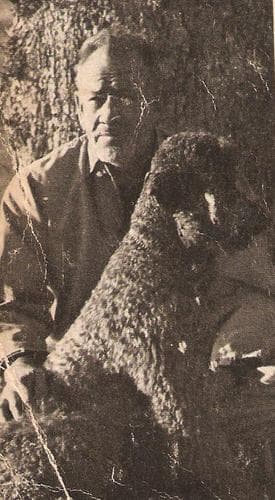
John Ernst Steinbeck was an American writer. He won the 1962 Nobel Prize in Literature "for his realistic and imaginative writings, combining as they do sympathetic humor and keen social perception". He has been called "a giant of American letters."
Similar books
- The Grapes of Wrath
John Steinbeck
4.0 (750k) average on GoodreadsHistorical FictionExplores similar themes of hardship, migration, and the American dream during the Great Depression.
- A Farewell to Arms
Ernest Hemingway
3.8 (263k) average on GoodreadsHistorical FictionFeatures a stark, direct prose style and a tragic, inescapable sense of fate.
- Death of a Salesman
Arthur Miller
3.5 (186k) average on GoodreadsFictionExamines the failed American Dream and the struggles of working-class men.
- To Kill a Mockingbird
Harper Lee
4.3 (4.5M) average on GoodreadsHistorical FictionIn the 1930s Jim Crow South, Harper Lee writes about racial injustice, moral growth, and the quiet courage of a lawyer father, Atticus Finch, as seen through his young daughter's eyes.
- The Great Gatsby
F. Scott Fitzgerald
3.9 (3.8M) average on GoodreadsHistorical FictionIn the opulent Roaring Twenties, a mysterious millionaire's lavish parties hide his desperate, tragic pursuit of a lost love, exposing the emptiness within the American Dream.
- Pride and Prejudice
Jane Austen
4.3 (3M) average on GoodreadsHistorical FictionIn a society focused on status and money, Elizabeth Bennet navigates love and pride, challenging Mr. Darcy and social expectations to find true affection.





Enjoyed the summary?
A summary gives you the shape of the book. The book itself has the detail, the examples and the voice.
Find Of Mice and Men on AmazonAs an Amazon Associate, BookBrief earns from qualifying purchases. How we're funded