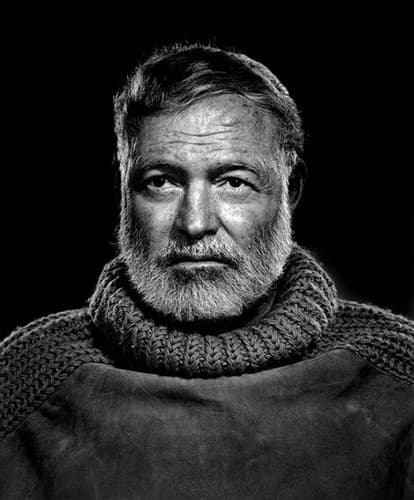
Ernest Miller Hemingway was an American novelist, short-story writer, and journalist. His economical and understated style—which included his iceberg theory—had a strong influence on 20th-century fiction, while his adventurous lifestyle and public image brought him admiration from later generations. Hemingway produced most of his work between the mid-1920s and the mid-1950s, and he was awarded the 1954 Nobel Prize in Literature. He published seven novels, six short-story collections, and two nonfiction works. Three of his novels, four short-story collections, and three nonfiction works were published posthumously. Many of his works are considered classics of American literature.
A Cuban fisherman's long struggle with a giant marlin becomes a story of endurance and dignity, now retold for young adults with illustrations, phonetic guides, and writing prompts in Traditional Chinese.
After World War I, a jaded American journalist navigates his complex feelings for the untamable Lady Brett Ashley among the cafes of Paris and the bullfighting festivals of Spain, showing the disillusionment of the 'Lost Generation'.
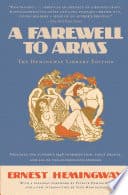
An American ambulance driver and an English nurse fall in love on the Italian front during World War I, their passion tested by the war's dehumanizing sweep and the crushing weight of loyalty and desertion.
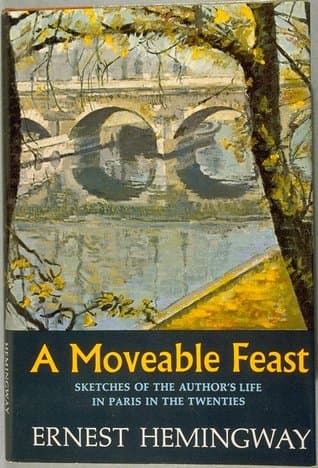
In this posthumous memoir, Ernest Hemingway vividly recaptures the intoxicating poverty and creative camaraderie of his youth among literary giants in 1920s Paris, a time when he discovered his voice while living on the edge of starvation and brilliance.
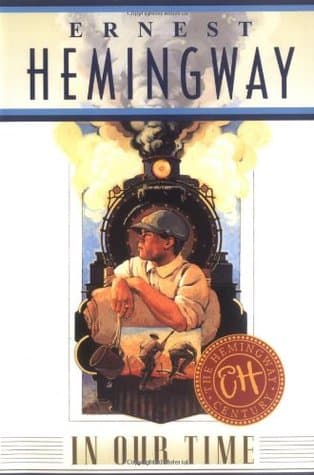
Hemingway's 'In Our Time' uses stark, simple stories to show the broken lives of soldiers, boxers, and bullfighters, revealing the harsh truth of post-World War I disappointment and the search for meaning in a damaged world.
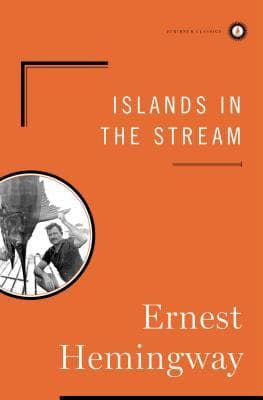
A solitary painter on Bimini finds joy in fatherhood, navigates Havana's chaos, and hunts U-boats in WWII, all while dealing with his past and a life lived on the edge.
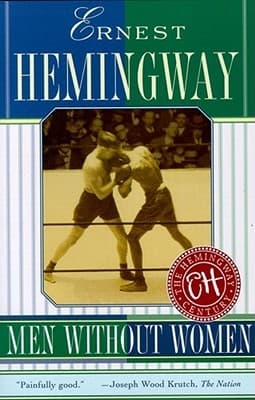
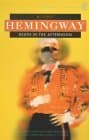
In a world stripped bare by war, sport, and the unspoken tensions between men and women, Hemingway's characters grapple with betrayal, loss, and the stark realities of existence in these gritty, formative tales.
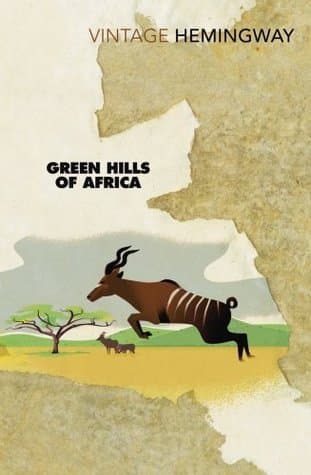
Follow Hemingway's 1933 East African safari, where he hunts big game, explores the vanishing wilderness, and reflects on the pursuit of a challenging trophy.
A World War II colonel, scarred by war, finds a final love with a young Italian countess in Venice, confronting his past with the resilience of the human spirit.
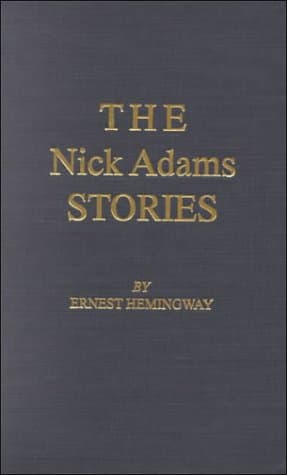
Follow Nick Adams from innocent boyhood fishing trips and encounters with Native Americans to the battlefields of war, the quiet struggles of a veteran's return, and the complex relationships of adulthood, mirroring the raw experiences that shaped Hemingway himself.
In a whimsical satire, Hemingway lampoons the literary scene and his contemporaries, particularly Sherwood Anderson, through the misadventures of an American writer and a British waitress in a Michigan restaurant.