Through the multi-generational story of the Pontifex family, Samuel Butler dissects the suffocating hypocrisy and moral failings beneath Victorian respectability.
Hannah Arendt examines how anti-Semitism and imperialism created the conditions for totalitarian regimes like Nazi Germany and Stalinist Russia, which used terror and mass mobilization.
Stephen Hawking's memoir, 'My Brief History,' recounts his journey from a curious London schoolboy to a groundbreaking cosmologist, detailing his improbable life of intellectual triumph and the relentless pursuit of cosmic understanding, even as ALS progressively confined his body.
This ancient Tibetan guide explains the path from life to death and beyond, with practices for daily transformation and insights into the after-death state.
Zelda Fitzgerald's life with F. Scott Fitzgerald was a dazzling, tragic story of madness, artistic struggle, and fiery demise, forever entangled in the shadow of his ambition.
Karen Armstrong explores humanity's ancient search for the sacred, showing how modern rationalism has clouded our understanding of God and arguing for a return to religion as a compassionate, experiential practice vital for our divided world.
A decorated Marine Corps veteran confronts the psychological and spiritual emptiness of modern combat, exploring how ancient rituals and philosophy might better prepare soldiers for war and guide them back from its depths.
Stephen Jay Gould examines centuries of biased scientific attempts to measure human intelligence, showing how measurement has been twisted to perpetuate social hierarchies and justify prejudice.
Explore Western thought from Socrates' pursuit of truth to Peter Singer's modern ethics, as Nigel Warburton illuminates philosophy's most influential minds.
In the shadow of impending war, a French philosophy professor grapples with the suffocating weight of his own freedom, desperately seeking a definitive act to define his existence amidst the moral ambiguities of 1938 Paris.
In colonial Burma, an English officer's reluctant decision to shoot an elephant for appearances tragically shows how imperialism dehumanizes both the oppressor and the oppressed.
Vera Brittain's "Testament of Youth" is a memoir that follows her journey from Oxford student to wartime nurse, detailing personal losses and the impact of World War I on her generation.
Bruce Pascoe's "Dark Emu" uses historical records to challenge the idea that pre-colonial Aboriginal Australians were only hunter-gatherers, showing they were skilled farmers, irrigators, and land managers whose practices colonizers ignored.
Claude Brown's memoir explores the harsh realities of 1940s and 50s Harlem, showing his journey from a street-hardened youth to a man who escaped the ghetto.
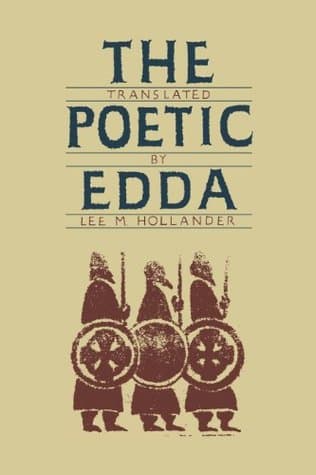
This rediscovered collection of poetic verses unearths the ancient heart of Norse mythology, revealing a world of gods, heroes, and the ethical beliefs of the early North.
Albert Facey's 'A Fortunate Life' tells of an ordinary man's journey from the West Australian frontier and Gallipoli trenches to family life, showing his honesty, compassion, and courage through adversity.
Amidst the desolation of 1665 London, a meticulous saddler chronicles the terrifying spread of the bubonic plague, detailing the city's descent into chaos, the grim statistics of death, and the desperate, often futile, attempts at survival.
Amin Maalouf uses Arab chroniclers' accounts to show the Crusades as a period that shaped the modern Arab world's identity and grievances, rather than just a European event.
Through the eyes of an optimistic infantry battalion, *The Good Soldiers* shows the brutal reality of the 2007 Iraq surge, revealing the permanent cost of war on the men who fought it.
In 1950s Brooklyn, a young Doris Kearns Goodwin navigates family joys, her mother's illness, and the agony of the Dodgers' departure, all through her childhood love of baseball.