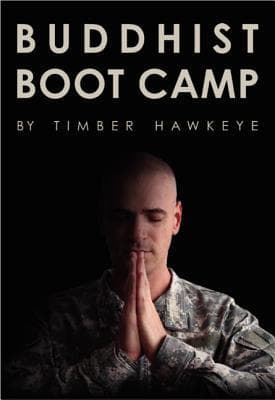
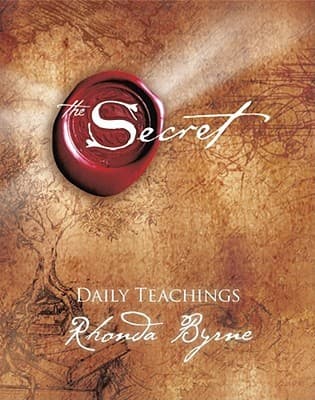
This book offers practical advice for a mindful life, a 'boot camp' for anyone seeking inner peace and a kinder world, regardless of their spiritual path.
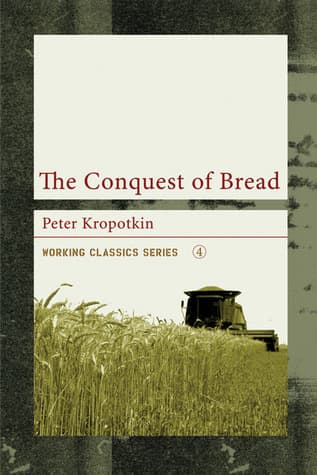
Kropotkin's 'The Conquest of Bread' examines historical injustices and outlines an anarchist society where collective needs are met through revolutionary redistribution and cooperative effort.
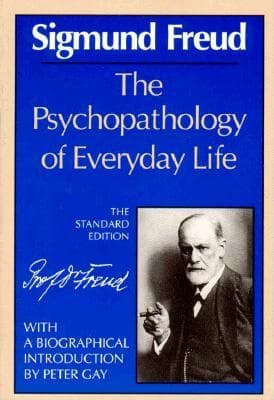
Freud, using personal and humorous stories, explains that our 'accidental' slips of tongue, memory lapses, and daily errors are actually deliberate actions from our unconscious mind.
In the heady aftermath of WWII, a circle of Parisian intellectuals grapples with the promise of a new France, their intertwined loves, and the very meaning of freedom, all while navigating the ghosts of their wartime pasts.
Alvin Toffler’s 'Future Shock' explores how fast technological and social change disrupts our sense of stability, making individuals and societies feel overwhelmed by newness.
Sowell shows the shared cultural roots of Southern 'rednecks' and some Black communities, arguing that well-meaning white liberals hurt these communities by defending a destructive subculture.
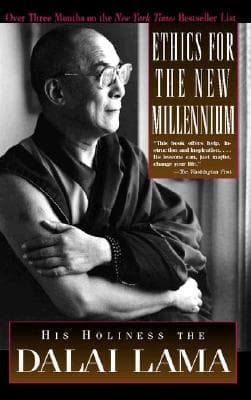
The Dalai Lama presents a universal ethical framework for the new millennium, suggesting a secular path to personal happiness and global survival based on our innate human goodness and compassion.
On the edge of a new millennium, Pope John Paul II directly addresses humanity's deepest spiritual concerns, exploring faith, suffering, and the enduring call to hope.
Gary Snyder's "Turtle Island" asks readers to let go of a colonizer's mindset and reconnect with North America, using poetry, myth, and a strong call for environmental action.
This book, allegedly dictated in Cairo, presents a spiritual manifesto. It challenges conventional morality with the decree 'Do what thou wilt,' which forms the basis for Aleister Crowley's philosophy of Thelema.
Bernard Bailyn shows how the American Revolution's radical ideals sparked a continuous struggle for the nation's identity, shaping the Constitution and affecting modern issues.
Across three tumultuous centuries in Provence, three men grapple with love, loyalty, and the nature of civilization, all while haunted by an ancient philosophical text that challenges their every choice.
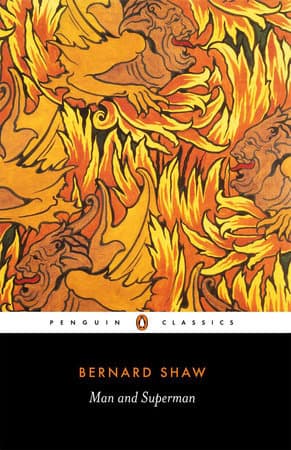
George Bernard Shaw's "Man and Superman" humorously explores the "life force" driving men and women through a battle of wits and societal expectations in a modernizing world.
Emerson's "Nature" invites readers to a spiritual awakening through an American communion with the natural world, showing the divine in every tree and star.
Francis Bacon's 'Essays' distills the cunning pragmatism of a Renaissance statesman into a glittering mosaic of human nature, from the architecture of gardens to the treachery of ambition.
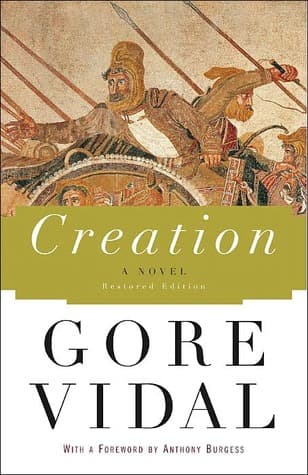
A Persian diplomat in the 5th century B.C. meets Zoroaster, Buddha, Confucius, and Pericles, searching for truth and understanding the nature of creation.
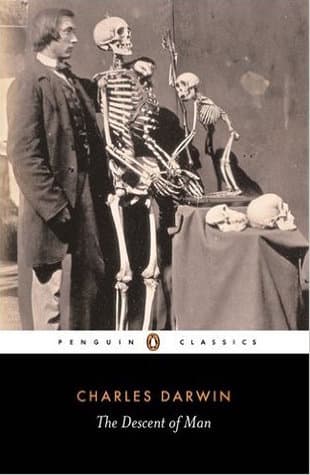
Darwin places humanity, with all its racial diversity and controversial origins, firmly within the animal kingdom, changing our understanding of what it means to be human.
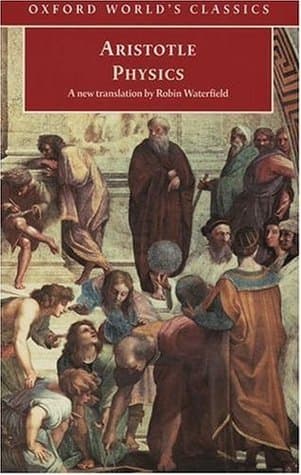
Aristotle's basic exploration of nature, motion, and cause, a work that shaped scientific thinking for millennia and still clarifies the origins of Western thought.
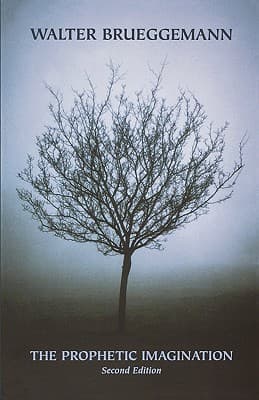
Brueggemann shows how the ancient prophetic voice is a radical, poetic force that can dismantle oppressive present realities and envision a liberated future.
Sowell examines common economic myths, revealing their subtle appeal, from urban decay to gender pay gaps, and provides readers with accessible, real-world explanations.