A Chinese spy in England, on the run from a German agent, uncovers an ancestral labyrinthine novel that mirrors his own fragmented reality and the infinite possibilities of time.
Bertrand Russell traces the historical conflict between scientific discovery and religious dogma, showing how rigid faith often gave way to reason's pursuit of truth.
Walter Benjamin's 'The Arcades Project' explores how 19th-century Parisian arcades reveal the commodification of objects and the hidden 'true history' beneath the surface of bourgeois progress.
Peter Singer's "Practical Ethics" applies utilitarian principles to controversial real-world dilemmas, from animal rights to euthanasia, making readers confront the logical (and often uncomfortable) conclusions of their moral beliefs.
Erich Fromm explores the origins of human violence, arguing against both instinctual and behavioral explanations, to show how society and psychology can turn our potential for good into destructive acts.
Jim Rohn shows how mastering life's basic lessons and doing daily tasks with care can turn an average life into a successful one, leading to personal achievement and financial freedom.
Dale Carnegie offers practical strategies to transform daily routines into opportunities for excitement and satisfaction by unlocking your hidden potential and fostering positive interactions.
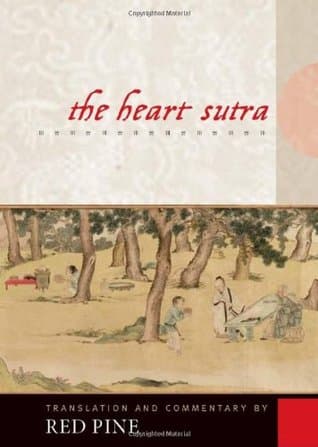
Red Pine's clear translation and notes explain the complex idea that 'form is emptiness, emptiness is form,' making the Heart Sutra's core Buddhist teaching on enlightenment understandable.
In Roman Palestine, a brilliant Talmudic sage grapples with the seductive pull of Hellenistic thought, risking excommunication and spiritual exile as he navigates the clash between ancient tradition and a challenging new world.
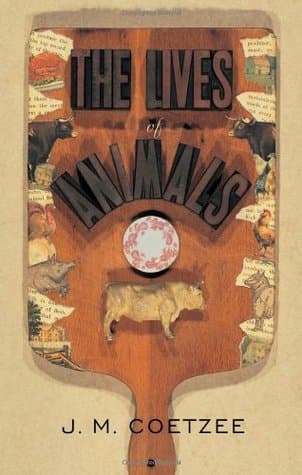
A celebrated novelist's firm belief about human cruelty to animals alienates her from family and colleagues, sparking an uncomfortable look at our moral duties to the non-human world.
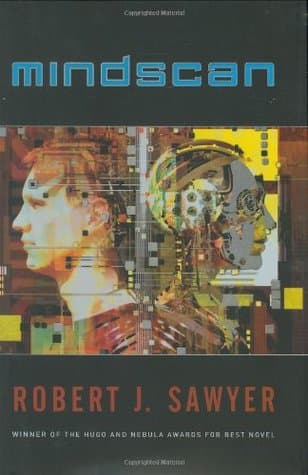
A man who escapes death by uploading his consciousness into an android body finds his new existence threatened when his original, biological self returns to reclaim its mind, forcing him to confront love, identity, and the nature of existence.
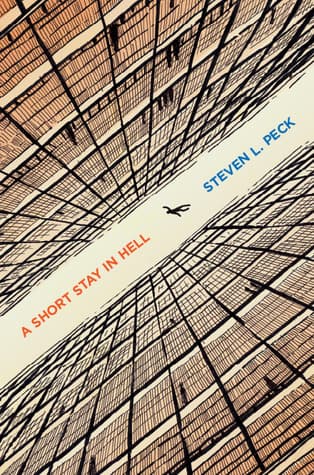
After a Mormon geologist dies, he awakens in a cosmic library of Hell, where his only escape is to find the book of his life in an eternity where all his earthly beliefs are wrong.
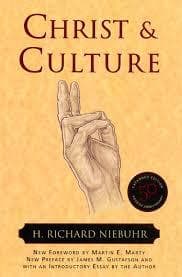
H. Richard Niebuhr's work, with new insights, asks Christians to manage the tension between loyalty to Christ and the pull of secular culture in a materialistic world.
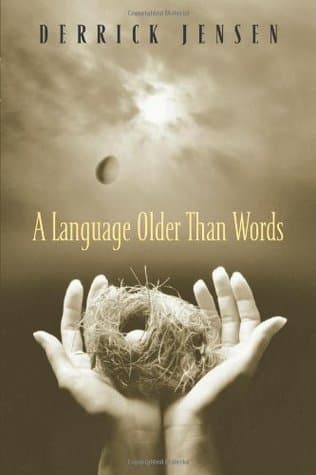
Jensen's memoir explores the ancient roots of violence, from childhood abuse to societal structures, urging us to find a language of connection older than our destructive habits.
Galbraith criticizes classical economics, showing how an affluent society still focuses on scarcity, creating artificial desires while neglecting public good for private spending.
On a perilous sea voyage to England, cousins Sophie and Cody navigate the unpredictable ocean and their family's shadowed past through journal entries, each searching for their own place in a world as vast and mysterious as the sea itself.
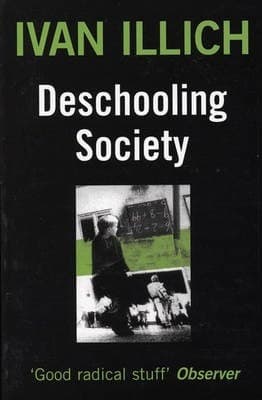
Ivan Illich's "Deschooling Society" calls for dismantling institutionalized education to reclaim authentic learning through self-directed exploration and informal social connections.
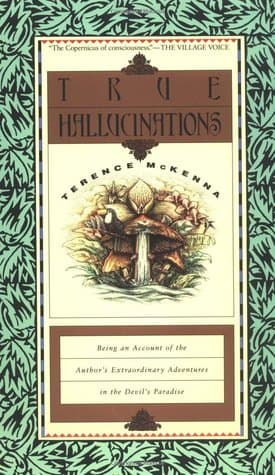
Terence McKenna recounts his Amazonian journey with psychoactive plants, exploring the line between madness and enlightenment and questioning our ideas about time and consciousness.
In a quiet village, a legendary archer teaches a young boy that true mastery is not just about hitting the target, but about a steady spirit, brave choices, and daily practice on the path to self-discovery.
Thomas Sowell explains how modern intellectuals, despite often being wrong, subtly influence democratic societies by shaping public opinion rather than directly advising rulers, making them a powerful but unaccountable force.