BookBrief
LibraryBrowseBook Lists
ExploreSign in
BookBrief

Distilled summaries from the world's most influential books. Free for everyone, forever.

Library

  • All Summaries
  • Browse Genres
  • Book Lists

Company

  • About Us
  • How We Write Summaries
  • Privacy Policy
© 2026 BookBrief. Distilled with Precision.hello@bookbrief.io
  1. Genres
  2. ›Philosophy

Best Philosophy Books

Philosophical ideas and thinking

551 summaries

Showing 313–336 of 551

  1. The Undiscovered Self

    C.G. Jung

    ★ 4.1 (8k) average on GoodreadsPolitics

    Jung asks individuals to resist mass movements and societal conformity by seeking their unique self, or risk becoming an unthinking part of a totalitarian system.

  2. Tao of Jeet Kune Do

    Bruce Lee

    ★ 4.4 (8k) average on GoodreadsBiography

    Born from a career-threatening injury, Bruce Lee's work goes beyond martial arts to offer a philosophy of adaptability, self-discovery, and living without limits.

  3. Animal Liberation

    Peter Singer

    ★ 4.3 (7k) average on GoodreadsPolitics

    Peter Singer's "Animal Liberation" sparked a global movement by showing the abuse of animals in labs and factory farms, urging readers to extend justice beyond humans.

  4. Clouds

    Aristophanes

    ★ 3.8 (7k) average on Goodreads

    Aristophanes' comedic "Clouds" satirizes the intellectual and moral failings of Athenian society, skewering Socrates and his philosophical school as purveyors of sophistry and impiety.

  5. New Seeds of Contemplation

    Thomas Merton

    ★ 4.2 (7k) average on GoodreadsSpirituality

    Merton's "New Seeds of Contemplation" urges readers to rediscover the forgotten mystical depths within the Western soul, guiding them toward a contemplative awakening.

  6. The Guermantes Way

    Marcel Proust

    ★ 4.3 (7k) average on GoodreadsLiterary Fiction

    In fin-de-siècle Paris, a young man's entry into the aristocratic world becomes a journey through social ambition, desire, and disappointment.

  7. The First Circle

    Aleksandr Solzhenitsyn

    ★ 4.2 (7k) average on GoodreadsPolitics

    In a Soviet research prison during three December days in 1949, brilliant minds face moral choices under Stalin's rule.

  8. Paradise Lost and Paradise Regained

    John Milton

    ★ 4.1 (7k) average on GoodreadsFantasy

    In an epic battle across Heaven, Hell, and Earth, Satan's vengeful rebellion against God ensnares Adam and Eve in a tragic story of temptation, fall, and the cost of their human love.

  9. Duino Elegies

    Rainer Maria Rilke

    ★ 4.4 (7k) average on GoodreadsSpirituality

    Rilke's elegies explore the beauty and burden of human life, caught between the earthly and the divine, under the silent gaze of angels.

  10. The Game of Life and How to Play It

    Florence Scovel Shinn

    ★ 4.1 (7k) average on GoodreadsPsychology

    Learn how to use spiritual laws to get what you want in life.

  11. The Assault on Reason

    Al Gore

    ★ 3.8 (7k) average on GoodreadsPolitics

    Al Gore explores how the decline of rational discussion in American public life harms democracy.

  12. Jacques the Fatalist

    Denis Diderot

    ★ 3.8 (7k) average on Goodreads

    In Denis Diderot's 'Jacques the Fatalist,' a philosophical servant travels through a chaotic 18th-century France, convinced that every seemingly free choice is just a predetermined step in a grand, unpredictable cosmic dance.

  13. The Notebooks of Malte Laurids Brigge

    Rainer Maria Rilke

    ★ 4.0 (7k) average on GoodreadsLiterary Fiction

    In early 20th-century Paris, a young Danish poet, Malte Laurids Brigge, struggles with his aristocratic past and the terror of modern life, seeing death everywhere as his own identity fades.

  14. Diaspora

    Greg Egan

    ★ 4.1 (7k) average on GoodreadsScience Fiction

    In a future where humanity lives as digital and robotic forms, a new digital entity faces a cosmic disaster and discovers the universe's physics can change.

  15. A Thousand Brains

    Jeff Hawkins

    ★ 4.0 (7k) average on GoodreadsScience

    Jeff Hawkins presents a theory that the brain models the world using hundreds of thousands of individual, map-like structures, changing our understanding of intelligence and AI.

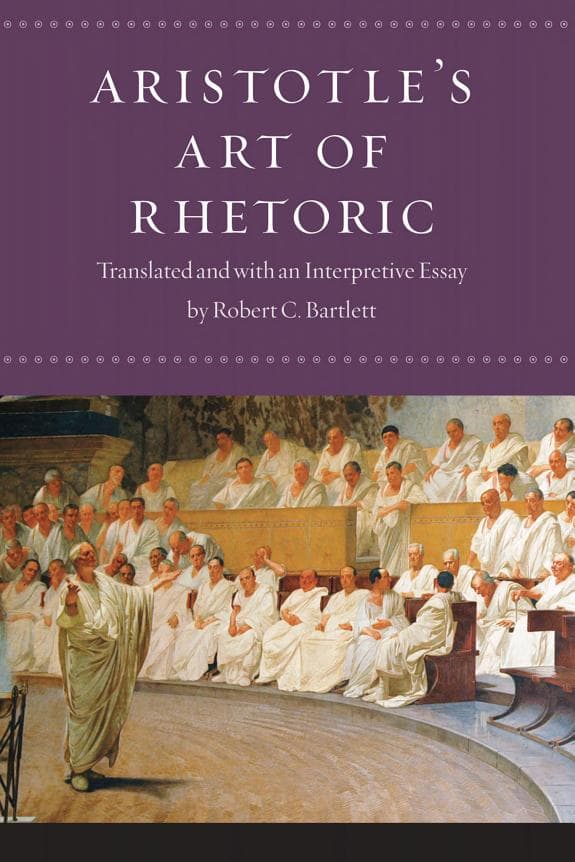
  16. Aristotle's "Art of Rhetoric"

    Aristotle

    ★ 3.9 (7k) average on GoodreadsPolitics

    Aristotle's guide to persuasive speech teaches how to master rhetoric for public discussion and how to guard against its manipulative uses.

  17. The Everlasting Man

    G.K. Chesterton

    ★ 4.2 (7k) average on GoodreadsHistory

    Chesterton shows how the idea of linear human progress is wrong, revealing humanity's lasting distinctiveness and how the Christian faith explains life's deepest questions.

  18. A Natural History of the Senses

    Diane Ackerman

    ★ 4.2 (7k) average on GoodreadsPsychology

    Diane Ackerman blends science and poetry to explore our senses, from an Antarctic iceberg's breath to a perfumer's artistry, revealing how we perceive the world.

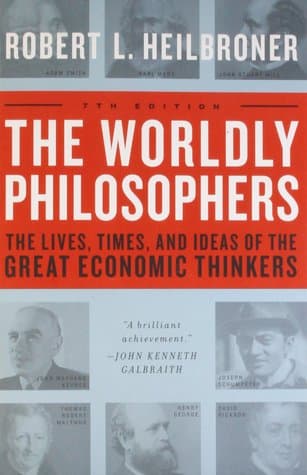
  19. The Worldly Philosophers

    Robert L. Heilbroner

    ★ 4.2 (7k) average on GoodreadsBiography

    Explore the ideas of history's greatest economic thinkers, from Adam Smith to Karl Marx, to understand capitalism's complex workings and the social questions it raises, ending with a look at the future of economic thought.

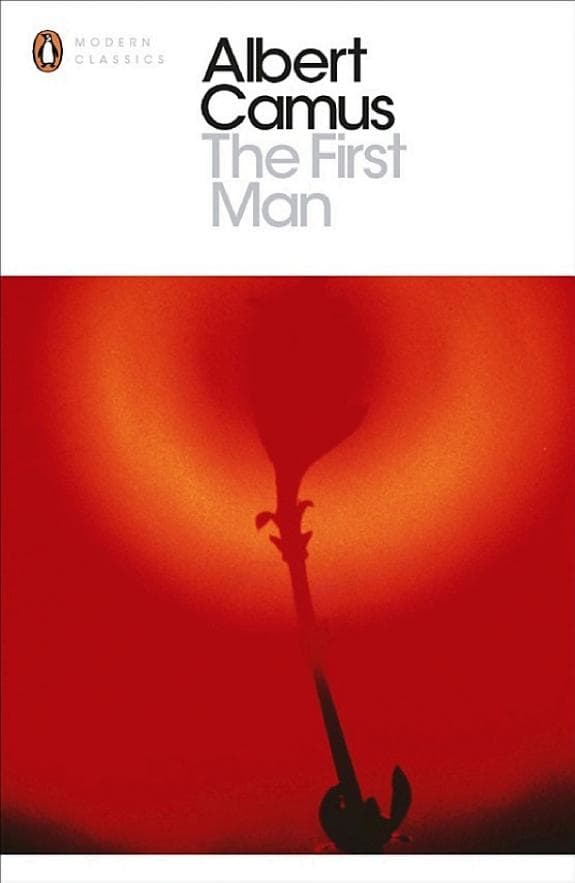
  20. The First Man

    Albert Camus

    ★ 4.0 (7k) average on Goodreads

    In colonial Algeria, a boy's silent love for his illiterate mother and a teacher's guidance shape him, making him 'the first man' to grapple with identity and the themes that would define Camus's unfinished work.

  21. The Gospel of the Flying Spaghetti Monster

    BobHenderson

    ★ 3.6 (6k) average on GoodreadsReference

    This satirical gospel reveals the universe's divine truth, where a Flying Spaghetti Monster with a love for pirates and beer volcanoes challenges intelligent design with amusingly flimsy logic and undeniable carbohydrate appeal.

  22. The State and Revolution

    Vladimir Lenin

    ★ 4.1 (6k) average on GoodreadsPolitics

    Lenin dissects the capitalist state as an instrument of class oppression, arguing for its revolutionary overthrow and replacement by the dictatorship of the proletariat as the true path to human liberation.

  23. Selected Short Stories

    Rabindranath Tagore

    ★ 4.2 (6k) average on Goodreads

    Tagore's stories from turn-of-the-century Bengal explore the human condition through tales of love, loss, and social reflection.

  24. The Bell

    Iris Murdoch

    ★ 3.9 (6k) average on GoodreadsLiterary Fiction

    Outside an abbey, a lay community's spiritual quest turns chaotic when a rediscovered bell tolls for a returning wife, a confronted leader, and a wise Abbess, all facing salvation, human weakness, and the fight between good and evil.

Previous1…1213141516…23Next