This book uses illustrations and parables to explain how consumer credit and inflation create economic problems, showing that real prosperity comes from saving, producing, and investing, not from government actions.
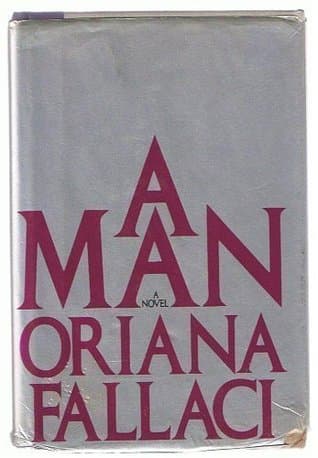
After her lover's execution, a woman fights to immortalize him and expose a political conspiracy, showing his fight for freedom against a tyrannical government.
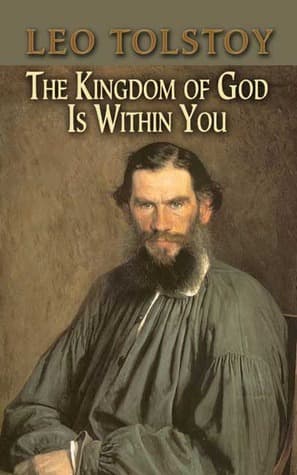
Tolstoy's book presents a Christianity without dogma, urging readers to find morality and nonviolent resistance within themselves. This message inspired Gandhi and challenged empires.
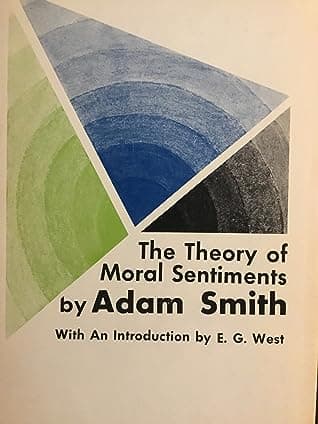
Adam Smith's foundational work explains that true virtue and a moral life go beyond self-interest, coming instead from our human ability for sympathy and the judgments of an 'impartial spectator'.
Jack London examines the squalor of London's East End, documenting the dehumanizing conditions of its impoverished residents with the neutral eye of an explorer and the concern of a humanitarian.
In a land where ancient Sufi shrines are destroyed and temples become army bunkers, a Kashmiri's firsthand account exposes the brutality and 'painful romances' that draw youth into a separatist movement, changing paradise into a curfewed night.
Tony Judt examines the decline of the postwar social contract, calling for a return to social democratic principles and collective responsibility to fix our current problems.
Haunted by the gap between his 19th-century Brahmin upbringing and the dizzying, fragmented start of the 20th, Henry Adams explores his own intellectual obsolescence and an education that left him unprepared for the modern world.
A madcap imposter infiltrates a police station, twisting the absurd truth of an anarchist's suspicious 'fall' into a hilarious, biting indictment of state corruption.
Ted Kaczynski's manifesto argues that the Industrial Revolution is a catastrophic turning point, condemning humanity to an unfulfilling, undignified existence and the natural world to ruin, all made worse by unchecked technological advancement.
Terry Eagleton, with his signature wit, dissects ten common myths about Marxism, showing its lasting relevance and frequent misrepresentation in today's capitalist world.
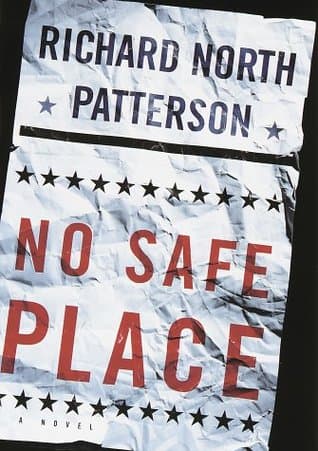
In the final week of a presidential campaign, Senator Kerry Kilcannon races against time and an assassin, battling his past and a secret that could end his White House bid.
A brilliant Black man from New Orleans poverty leads the civil rights movement, enduring a turbulent journey of love and sacrifice, as he decides to leave his white fiancée for the cause.
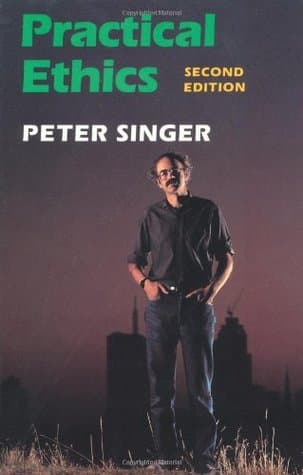
Peter Singer's "Practical Ethics" applies utilitarian principles to controversial real-world dilemmas, from animal rights to euthanasia, making readers confront the logical (and often uncomfortable) conclusions of their moral beliefs.
Erich Fromm explores the origins of human violence, arguing against both instinctual and behavioral explanations, to show how society and psychology can turn our potential for good into destructive acts.
Through vivid, on-the-ground reporting, Sainath exposes the absurdities and failures of India's development policies, revealing the human cost behind the statistics of poverty and displacement.
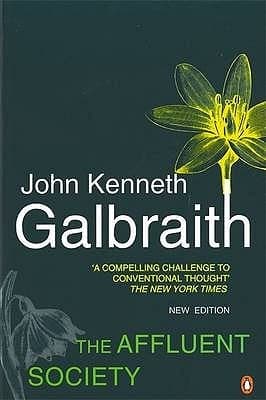
Galbraith criticizes classical economics, showing how an affluent society still focuses on scarcity, creating artificial desires while neglecting public good for private spending.
Under their charismatic Classics professor's influence, a group of eccentric Hampden College students fall into a world of ancient rituals, moral ambiguity, and murder.
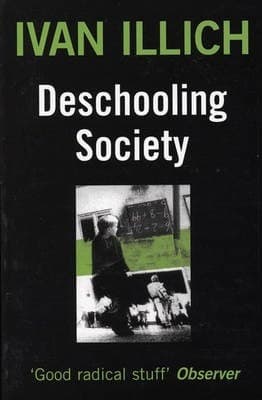
Ivan Illich's "Deschooling Society" calls for dismantling institutionalized education to reclaim authentic learning through self-directed exploration and informal social connections.
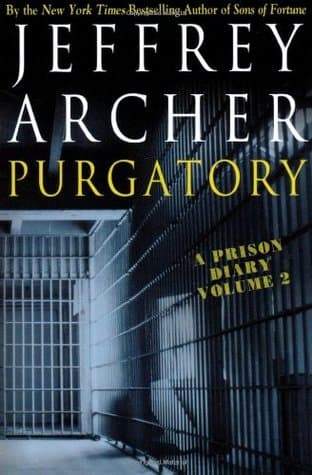
From the squalor of a medium-security prison, disgraced politician FF8282 navigates the daily degradations and unexpected camaraderie of incarceration, offering a raw and often darkly humorous glimpse into the British penal system.