Bertrand Russell traces the historical conflict between scientific discovery and religious dogma, showing how rigid faith often gave way to reason's pursuit of truth.
Haing Ngor's memoir describes the horrors of forced labor camps and the loss of his family under the Khmer Rouge, showing the human spirit's resilience during Cambodia's genocide.
Walter Benjamin's 'The Arcades Project' explores how 19th-century Parisian arcades reveal the commodification of objects and the hidden 'true history' beneath the surface of bourgeois progress.
Amelia Earhart, a pioneering aviator, repeatedly defied gravity and expectations, only to vanish into the Pacific, leaving behind a legacy of firsts and an enduring mystery.
Erich Fromm explores the origins of human violence, arguing against both instinctual and behavioral explanations, to show how society and psychology can turn our potential for good into destructive acts.
Through vivid, on-the-ground reporting, Sainath exposes the absurdities and failures of India's development policies, revealing the human cost behind the statistics of poverty and displacement.
From a minor German princess to the formidable empress who embodied Russia's might, Catherine the Great masterfully navigated a court of seduction and intrigue, wielding men as instruments of power while condemning millions to serfdom.
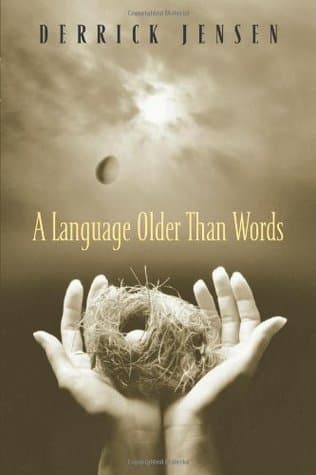
Jensen's memoir explores the ancient roots of violence, from childhood abuse to societal structures, urging us to find a language of connection older than our destructive habits.
In a memoir of resilience and mischievous defiance, Da Chen navigates the brutal Cultural Revolution in rural China, transforming the scorn of his 'landlord' heritage into a quest for education and a hopeful future.
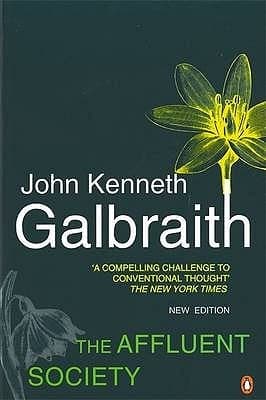
Galbraith criticizes classical economics, showing how an affluent society still focuses on scarcity, creating artificial desires while neglecting public good for private spending.
Under their charismatic Classics professor's influence, a group of eccentric Hampden College students fall into a world of ancient rituals, moral ambiguity, and murder.
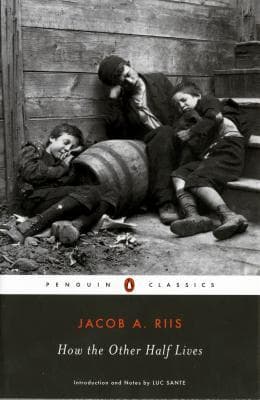
Jacob Riis used investigative journalism and photography to show the desperate lives in New York City's tenements, making society confront its 'other half' and sparking urban reform.
In this raw memoir, Marguerite Duras reveals the Nazi occupation of Paris, showing the harrowing intimacy of survival, resistance, and personal sacrifice through nursing her emaciated husband back from Bergen-Belsen and her dangerous connection with a Gestapo officer.
From the squalor of a medium-security prison, disgraced politician FF8282 navigates the daily degradations and unexpected camaraderie of incarceration, offering a raw and often darkly humorous glimpse into the British penal system.
Thomas Sowell explains how modern intellectuals, despite often being wrong, subtly influence democratic societies by shaping public opinion rather than directly advising rulers, making them a powerful but unaccountable force.