W.E.B. Du Bois's important work examines post-Reconstruction America, asking for true equality and an end to the 'double consciousness' that limits Black people.
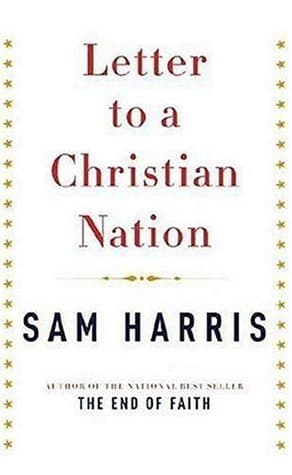
Sam Harris critiques fundamentalist Christianity, challenging its role in public life with arguments about science, ethics, and the link between faith and violence.
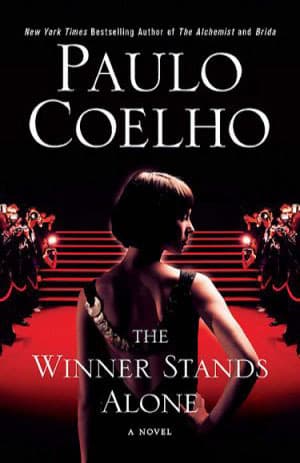
At the Cannes Film Festival, a killer driven by a twisted vision of immortality hunts his next victim, forcing a look at the dark side of celebrity and the cost of chasing illusions.
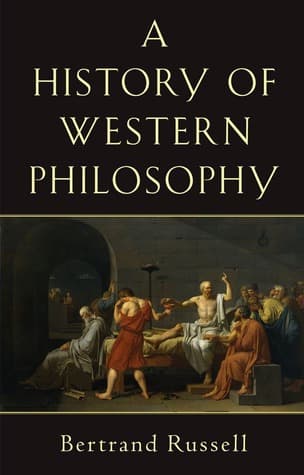
Bertrand Russell's single volume traces Western philosophy from ancient Greece to logical analysis, showing the interconnected journey of ideas with clarity and wit.
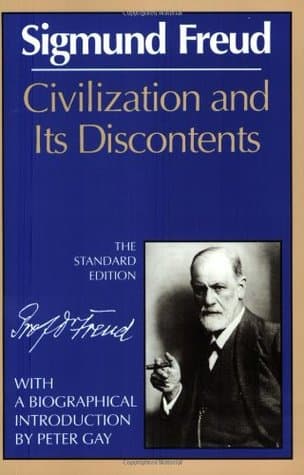
Freud explores the inherent tragedy of human existence, showing how civilization's demands for conformity perpetually clash with our primal aggressive and erotic urges, leaving us burdened with an inescapable, pervasive guilt.
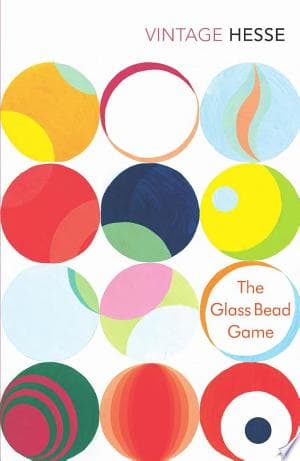
In a post-apocalyptic future, an elite order of intellectuals masters the Glass Bead Game, a synthesis of human knowledge. Its most brilliant player then questions the foundation of their cerebral utopia.
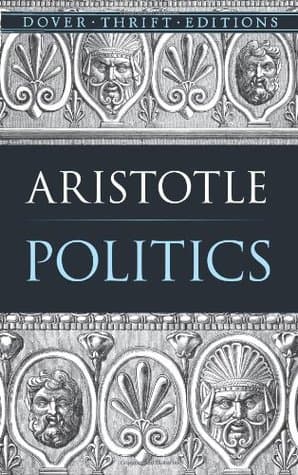
Aristotle's Politics examines the ideal state, citizen education, and wealth's purpose, while comparing his ideas to Plato's to define the best human life.
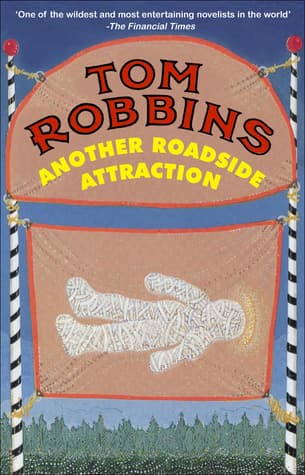
When Jesus's mummified body appears in a roadside zoo, a clairvoyant redefines spirituality with a flea circus, and Western civilization unravels through a psychedelic lens of fertility worship and existential inquiry.
Stephen Hawking explains the universe's biggest mysteries, from the Big Bang to black holes, in a way that makes sense, inviting everyone to understand space and time without complex math.
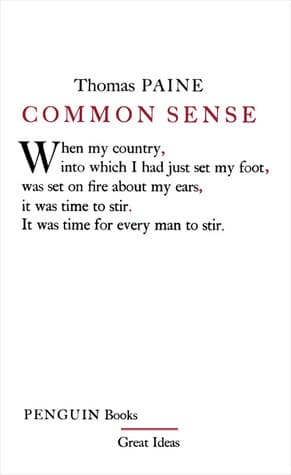
In "Common Sense," Thomas Paine argues forcefully for American independence, dismantling the idea of monarchy and urging the colonies to create a new republican future.
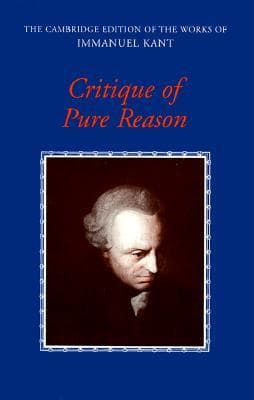
Kant's 'Critique of Pure Reason' changed philosophy by examining how human reason works, showing how our minds create experience and setting limits on what we can know.
Naomi Klein exposes how global brands exploit culture and labor, sparking a new generation of activists to reclaim public space and meaning from corporate dominance.
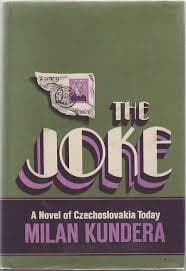
A student's casual postcard joke about optimism leads to political persecution and a lifetime of misguided revenge, showing the lasting effects of one impulsive act on love, identity, and the human spirit.
Robert Greene's book explores the universal path to mastery, showing how anyone can develop their passion into skill and influence by debunking myths about genius.
Sam Harris argues that free will is an illusion, showing how this scientific truth can improve our understanding of morality, justice, and personal responsibility.