Rawls's 'A Theory of Justice' is a philosophical work that defines justice as fairness, offering an alternative to utilitarianism and supporting individual rights in a democratic society.
Hume's 'Treatise' examines human understanding, showing how our minds create reality, from the idea of cause and effect to the nature of morality, all through observation.
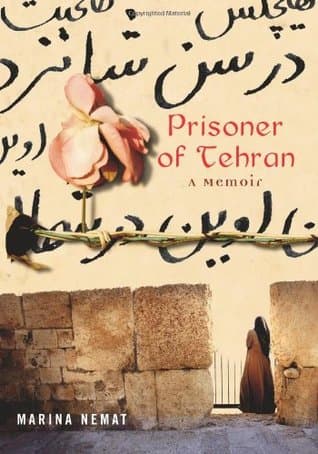
After Iran's 1979 revolution, a sixteen-year-old girl's protest against classroom Koran studies leads to her arrest and a brutal journey through Evin Prison's torture chambers, ending in a death sentence that tests her will to survive and her desire for freedom.
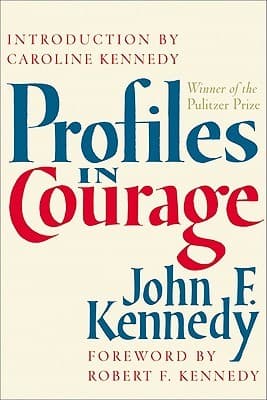
John F. Kennedy's book examines eight American politicians who risked their careers by acting on their beliefs, showing the importance of courage when facing opposition.
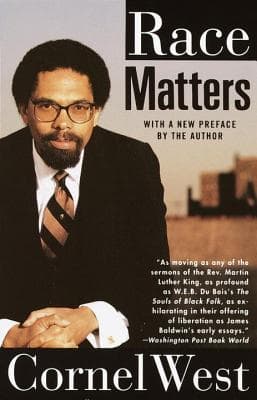
Cornel West examines the lasting struggles of Black America, from the Rodney King riots to the Clarence Thomas hearings, calling for justice and cultural affirmation in a nation dealing with its racial identity.
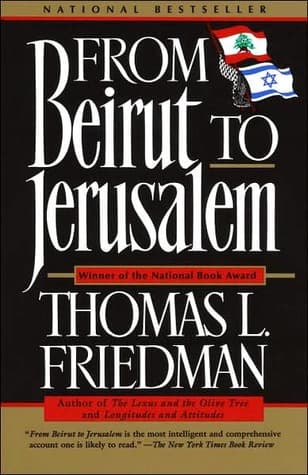
This book uses a Pulitzer-winning journalist's decade in the Middle East to explain the region's complex politics and cultures from Beirut to Jerusalem, offering lasting insight.
Plato's "Gorgias" explores whether true leadership values moral integrity or practical power, examining justice and the soul's well-being in the pursuit of political influence.
In a dark comedy about political plots, a Pakistani Air Force pilot works with an odd group, including a hash-smoking American and a mango-loving crow, to kill dictator General Zia ul-Haq, only to learn many others also want him dead.
On the colonized moon of Cyteen, a brilliant young scientist uncovers a deadly conspiracy involving murder and political intrigue, all while navigating the unsettling implications of her own genetic duplication and the treacherous currents of power within the Union-Alliance.
A scorned woman builds a media empire to dismantle the political career of her ex-fiancé, who abandoned her for the presidency, all while looking back at how they became enemies.
Kant's 'Critique of Practical Reason' explains how human will, guided by pure reason and not desires, can create universal moral law and define freedom.
In 'Rights of Man,' Thomas Paine passionately champions the French Revolution, arguing for universal human rights, radical social reforms like worker's social security, and an egalitarian society where government serves the will of the people.
In 1950s Washington, a President's choice for Secretary of State starts a political battle, full of betrayals and moral compromises, that threatens the country.
A small-town doctor's fight for public safety over money makes him an outcast, revealing the dangerous hypocrisy of a community blinded by self-interest.
This is the dramatic, bloody birth of India and Pakistan from the British Empire, as told through the final months of Lord Mountbatten's viceroyalty and the assassination of Mahatma Gandhi.
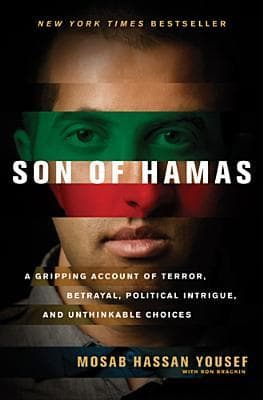
The eldest son of Hamas's founder tells his story, from radicalization to redemption, risking everything for peace and challenging the foundations of the Middle East conflict.
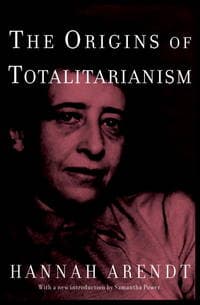
Hannah Arendt examines how anti-Semitism and imperialism created the conditions for totalitarian regimes like Nazi Germany and Stalinist Russia, which used terror and mass mobilization.
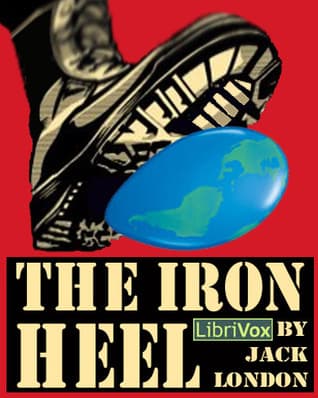
Jack London's 'The Iron Heel' is a chilling forecast of corporate tyranny in 20th-century America, where an oligarchy crushes the nation, and a socialist movement rises to defy it.
In the shadow of impending war, a French philosophy professor grapples with the suffocating weight of his own freedom, desperately seeking a definitive act to define his existence amidst the moral ambiguities of 1938 Paris.
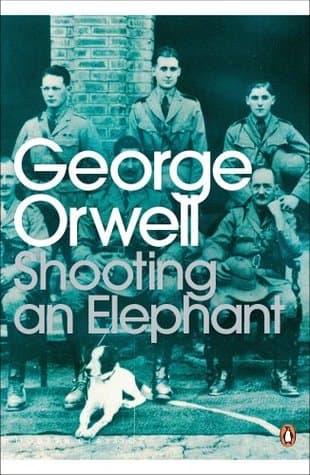
In colonial Burma, an English officer's reluctant decision to shoot an elephant for appearances tragically shows how imperialism dehumanizes both the oppressor and the oppressed.