C.S. Lewis shows how miracles are not just possible, but essential affirmations of God's close and joyful involvement in creation, turning doubt into a celebration of divine action.
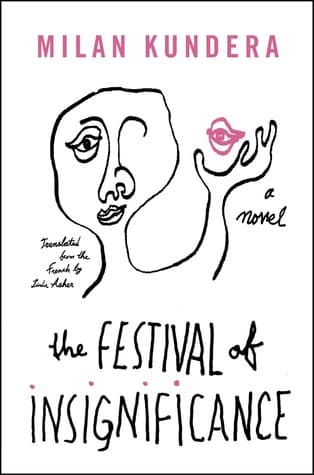
In an ironic story of adolescence, Jaromil, a poet dominated by his mother and caught in the communist revolution, navigates a world that gently erodes the sacred values of youth, love, and art.
Rabelais's tale of a giant prince and his philosophical son uses humor and obscenity to critique education, law, and religion, while celebrating human joy and the search for wisdom.
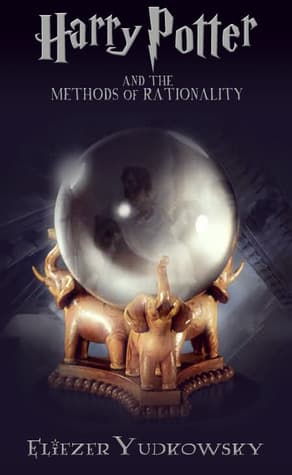
In an alternate reality, a science-obsessed Harry Potter, raised by a biochemist, arrives at Hogwarts determined to apply the rigorous methods of rationality to unravel the mysteries of magic, upending the wizarding world with unexpected and logical precision.
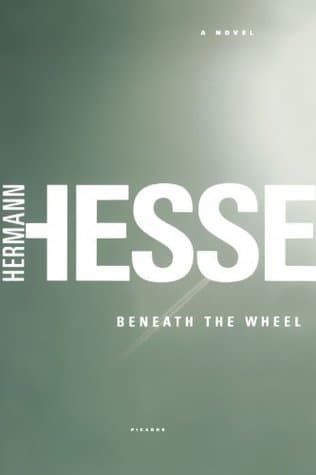
In a Black Forest village, a brilliant young scholar, stifled by the rigid academic system and the crushing expectations of his community, finds a fleeting glimpse of freedom and self-discovery through a rebellious friendship, nature, and romance before succumbing to a tragic fate.
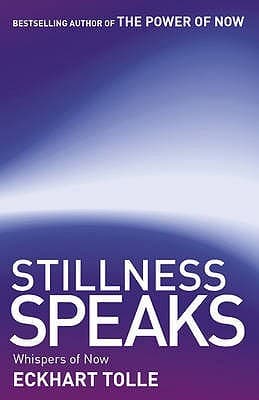
Transcending the mind's constant chatter through stillness helps us understand ourselves, our relationships, and the wisdom of existence, easing suffering and revealing our true nature.
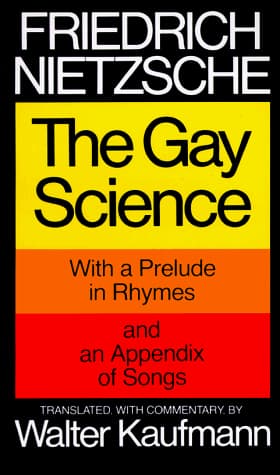
Nietzsche's 'The Gay Science' explores his personal thoughts, introducing the death of God and eternal recurrence, while examining art, morality, and truth through aphorisms and poetry.
The goddess Folly delivers a brilliant satirical monologue, exposing the hypocrisies of mankind, from superstitious priests to pompous academics, and ultimately highlighting true Christian piety in 16th-century Europe.
Spinoza's "Ethics" builds a universe from divine first principles, guiding the reader through mind, emotion, and human limitations to reveal a path to freedom and happiness through understanding.
Bertrand Russell guides readers through fundamental philosophical questions, from the nature of knowledge to the ethics of war, in a clear and accessible way.
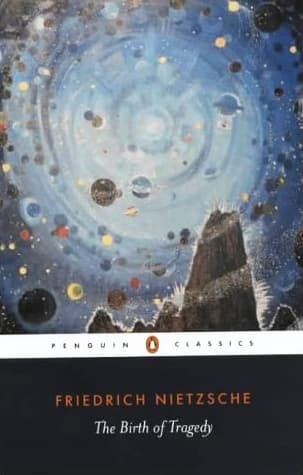
Nietzsche's first book explores how Greek tragedy combined beauty (Apollonian) and primal chaos (Dionysian) to create art that faced life's suffering and offered comfort.
Rousseau explores how humanity fell from a good, pre-social state into tyranny, showing how systems meant to protect us instead corrupt our nature through growing inequality.
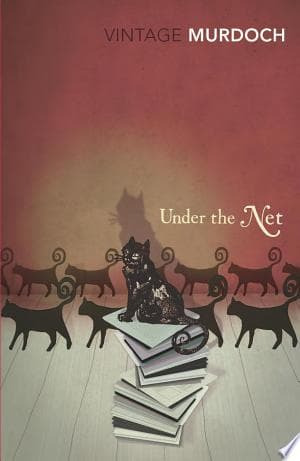
In bohemian London, a charming but aimless young translator chases an old love, falls into absurd misadventures, and grapples with an enigmatic philosopher's ideas about language.